European Antique Furniture Care and Cleaning Methods
1. Avoid using dusting sprays currently on the market. These products are mostly used as a last resort to remove stubborn, concentrated stains. Instead, gently wipe away the dust with a soft cloth. You can also use a cloth dampened with dish soap or glass cleaner to wipe away the dirt.
2. Avoid using any oil-based furniture polish. The oily residue in these products attracts a lot of dust. Lemon oil is the worst; it doesn't penetrate the wood as you might expect. Instead, it floats on the surface, acting like a dust magnet.
3. If there is grease or oil on the furniture, such as stains on kitchen furniture, it is best to clean it piece by piece with a mild detergent (dishwasher) and water. After cleaning each piece, wipe it dry immediately with a soft cloth.
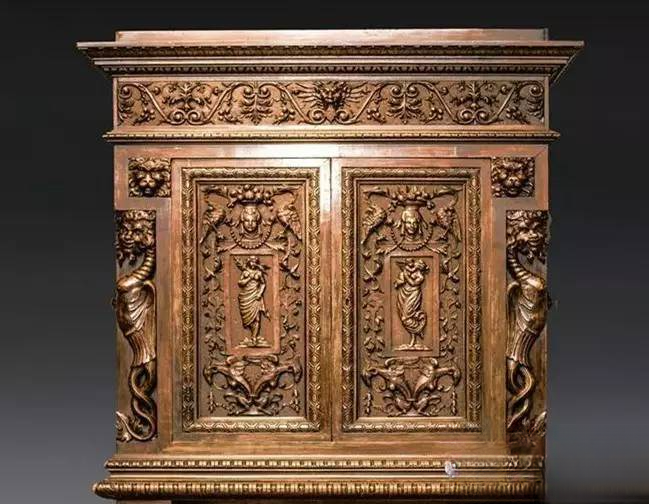
4. Exercise extreme caution when cleaning gilded wood. The gilding is bonded to the wood using a water-soluble adhesive. Cleaning agents may cause the gilding to peel off.
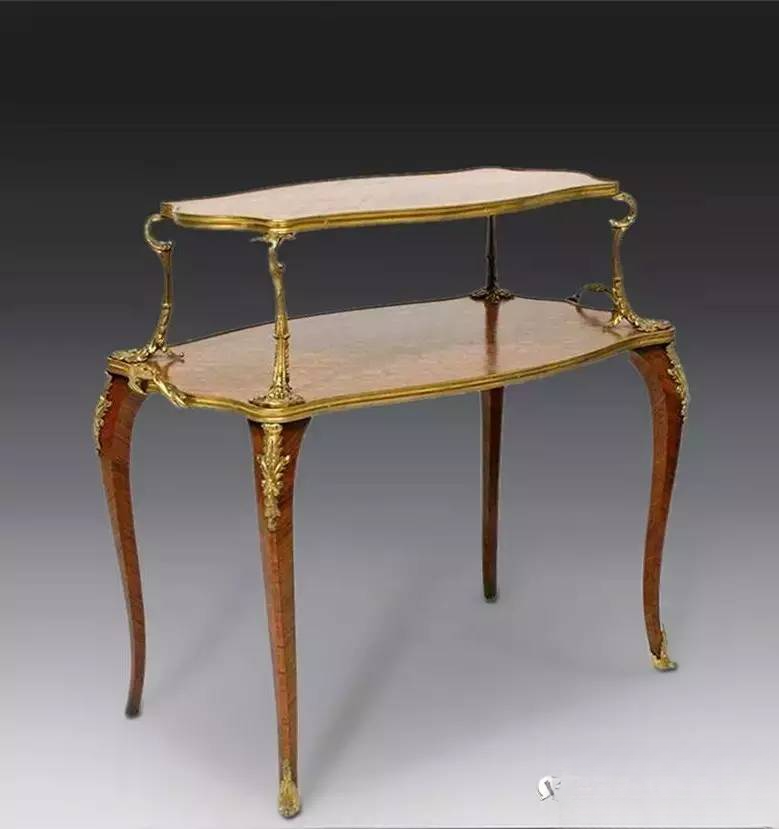
5. To clean uneven carved surfaces, use a soft-bristled brush or a small vacuum cleaner with a brush attachment. Be careful when using the vacuum cleaner to avoid damaging any parts of the furniture.
6. Do not use feather dusters, as they only disperse the dust and do not remove it all. Furthermore, feather dusters can easily scratch furniture.
7. Before using any cleaning agent, test it on an inconspicuous spot on the furniture.
8. Never allow too much liquid to come into direct contact with the furniture surface.
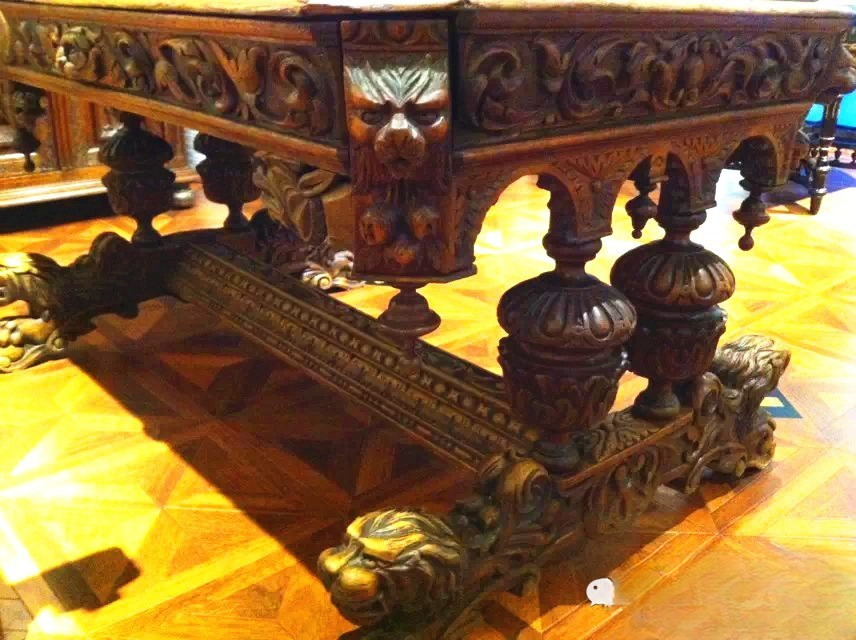
9. You can use furniture wax for long-term protection. This petroleum-based wax comes in two shades, one light and one dark, to protect furniture with different stains. The wax protects the furniture from scratches. Applying wax once or twice a year to tabletops and chair armrests is sufficient. For areas less frequently touched, such as table legs, waxing once every four years is enough.
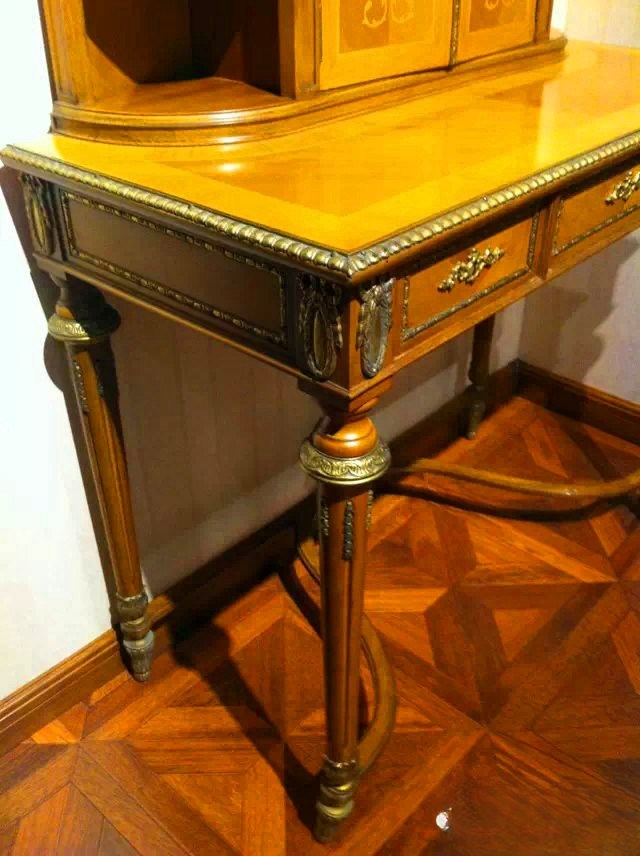
10. Avoid polishing while metal parts are still attached to the wood, as this can damage the wood. Remove the metal parts first, then polish them separately. After careful cleaning and wiping, reinstall the metal fittings. If metal fittings cannot be removed from the furniture, cover the surrounding wood before polishing to minimize damage. For ornate metal decorations, wipe them with cotton balls dampened with detergent.
11. Do not polish bronze objects. Simply wipe them with a soft cloth dampened with a mild detergent.
12. To give your furniture a fresher look, you can use a wood polish. Before using any chemical agents, make sure to remove dust from the furniture with a soft cloth and clean water, then blot the water with a dry cloth. Next, lightly brush the wood surface with very fine steel wool. After wiping it again with a damp cloth, lightly apply a layer of wood polish to the furniture surface with an old sock. Let it dry, which should take about 1-2 hours. This cleaning only needs to be done once a year.
13. To remove the musty smell from cabinets, drawers, or boxes, spray some air freshener inside and then wipe it dry. To maintain a fresh smell, you'll need to replace the inner panels with a drier one.
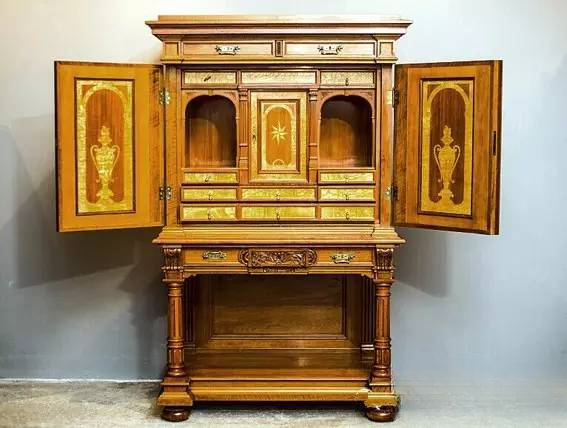
Bring European classical art into your life