Essentials of House Layout
All doors should open from the left.
The saying goes, "Left is the Azure Dragon, right is the White Tiger." The Azure Dragon on the left is associated with movement, while the White Tiger on the right is associated with stillness. Therefore, all doors should ideally open from the left, meaning the doorknob should be on the left side when facing outwards. Reversing this arrangement can easily lead to family disputes.
The main door should not face the elevator directly.
The main entrance of an apartment building should not face the elevator door directly, as this is considered unlucky and can negatively impact wealth, making residents more susceptible to illness.
The main entrance should not be directly opposite a window, back door, or toilet.
Doors and windows are openings for the flow of energy (qi) into and out of a house. The main door should not be in a straight line with a window or back door, creating a through-flow that prevents energy from accumulating inside. This is considered a loss of wealth. Toilets are spaces for excretion and are inherently unclean, so the main door should not face a toilet directly. A main door facing a toilet can lead to poor financial management and investments, causing money to come and go quickly, and harming the family's fortune.
An entryway should be provided between the main entrance and the living room.
The key to Feng Shui is "favoring circulation and avoiding direct confrontation." A foyer or low cabinet should be placed between the main entrance and the living room to create a buffer, allowing energy to circulate and gather in the living room. This also provides privacy for the interior of the house, making it difficult for outsiders to see inside. A secluded and hidden interior symbolizes continuous good fortune.
The living room should be located at the front of the house.
Upon entering the main door, the living room should be the first thing you see, while bedrooms, kitchens, and other spaces should be located at the back of the house. Reversing this arrangement, placing the living room at the back, creates a financially unfavorable layout, easily leading to a decline in wealth.
The most auspicious location in a residence is diagonally opposite the main entrance.
The most auspicious location in a home is usually in the living room. Its main requirements are quietness and stability; it should not be a passageway. Generally, the auspicious location is diagonally opposite the entrance to the living room. Since the auspicious location often appears diagonally opposite the main entrance, it is not advisable to hang mirrors there, as mirrors have a reflective effect and can easily hinder the family's fortune, leading to poor financial luck and missed opportunities. Auspicious objects that can enhance fortune should be placed in the auspicious location; the best method is to plant vibrant, broad-leaved green plants.
The living room should not be dark.
In feng shui, ample natural light is paramount in the living room. Therefore, avoid placing too many dense potted plants on the balcony to prevent blocking light. A bright living room brings prosperity to the family, so avoid choosing dark colors for the living room walls.
The living room floor should not be uneven.
The living room floor should be flat and should not have too many steps or differences in height. Some living rooms use a design with different levels, which creates obvious changes in floor height, and therefore the family's fortune may be bumpy due to the unevenness of the floor.
The living room should not be a traffic flow route.
The living room is a place where auspicious energy gathers, and it should be stable. It should not be located in a high-traffic area where people move around too frequently. A living room situated in a passageway can easily disrupt family gatherings or visits from guests. Otherwise, it will negatively impact the homeowner's career and interpersonal relationships.
If there is a beam spanning the living room, it should be concealed with decoration.
If there are beams on the living room ceiling, it will create a feeling of oppression. People sitting under beams are prone to mental stress and poor fortune. The beams should be concealed in a false ceiling as soon as possible.
The living room should use more round-shaped decorations.
The living room is where family and friends gather, so it's essential to create a lively and harmonious atmosphere. Circles are associated with Yang and symbolize dynamism, so round lamps, ceiling designs, and decorations can help create a warm and festive ambiance.
It is not advisable to hang pictures of ferocious animals in the living room.
Hanging paintings of flowers, plants, landscapes, or auspicious animals such as fish, birds, horses, cranes, and phoenixes in the living room is generally acceptable without much taboo. However, if you prefer to hang paintings of fierce beasts such as dragons, tigers, or eagles, you need to pay special attention to ensuring that the heads of the beasts in the paintings face outwards to create a defensive arrangement. Never allow the heads of the beasts to face inwards, threatening yourself, otherwise it may easily bring unexpected disasters to your family.
The living room should not be cluttered with antiques, miscellaneous items, or decorations.
If the living room is crammed with antiques, clutter, and decorations, dust will easily accumulate, affecting the flow of energy and causing poor blood circulation, leading to health decline.
The shape of the bedroom should not have slanted sides or protruding corners.
A bedroom should ideally be square or rectangular, avoiding slanted or multi-angled shapes. Slanted walls can create visual illusions, while multiple angles can create a feeling of oppression, thus increasing mental stress and potentially leading to illness or accidents over time.
Bedrooms should be bright during the day and dark at night.
Bedrooms should have windows to allow for air circulation and natural light during the day, which can make people feel refreshed. At night, windows should be fitted with curtains to block out outdoor light and make it easier to fall asleep.
Bathrooms and toilets in high-rise buildings should not be converted into bedrooms.
In modern buildings, plumbing is installed as a whole, so all the bathrooms and toilets in the building are located in the same place. If a bathroom or toilet is converted into a bedroom, it will inevitably result in sleeping between bathrooms and toilets on the floors above and below. Bathrooms and toilets are inherently damp and unclean places, and being sandwiched between them will inevitably affect environmental hygiene. In addition, the noise from the toilets and water pipes upstairs will definitely disturb your peace and quiet, thus harming your physical and mental health.
The room door should not face the main entrance.
The bedroom is a place for rest and needs to be quiet and private, while the main entrance is a place where family and friends must pass through. Therefore, a bedroom door facing the main entrance does not meet the requirements for a quiet bedroom. A main entrance directly facing a bedroom door can easily affect health and wealth.
The bedroom door should not face the toilet.
Toilets are places for people to excrete waste, and they easily generate foul odors and moisture. Therefore, if a toilet is directly opposite a bedroom door, it will affect the air quality in the bedroom and be harmful to people's health.
The bedroom door should not face the kitchen or be adjacent to the kitchen.
The fumes and smoke from cooking in the kitchen can easily affect the door of a room directly opposite it, harming health and causing instability in work performance. Since the kitchen is a place of fire and is very hot, it is also not advisable to have it adjacent to a bedroom, especially if the bed is against the wall where the stove is located.
Mirrors should not be placed opposite the bedroom door.
Mirrors have a reflective function, and in Feng Shui, they can reflect negative energy back, thus blocking evil influences. However, if a mirror faces the bedroom door, it will reflect negative energy into the bedroom, bringing bad luck.
Mirrors should not face the bed opposite floor-to-ceiling windows.
Mirrors are used to ward off evil spirits by reflecting negative energy back, so they should not face the bed. Especially when people wake up from sleep and are not fully conscious, they are easily startled by their reflection in a mirror or floor-to-ceiling window.
The bed or headboard should not face the bedroom door.
When sleeping, safety, quiet, and stability are paramount. Since the bedroom door is the only way in and out of the room, it should not face the bed or its headboard. Otherwise, the person sleeping in the bed may feel insecure and it could harm their health.
The head of the bed should not be placed against the window.
Windows are where energy enters and exits, so placing the head of the bed close to a window can be considered inauspicious. Because the person sleeping in the bed cannot see the window above their head, they may feel insecure, experience mental stress, and negatively impact their health.
The head of the bed should not be under a beam.
The ceiling should be flat and free of beams. Beams can create a feeling of heaviness, especially when sleeping under one, which can cause immense pressure, mental oppression, and negatively impact health and career.
It is taboo for the head of the bed not to be against a wall.
When lying flat, it's difficult to see what's above your head, so the head of the bed should ideally be against a wall to avoid an open space that reduces feelings of security. Otherwise, the person sleeping in the bed may become mentally confused and paranoid, affecting their health and career.
The bed should be raised off the ground.
The bed surface should be about 50 centimeters off the ground, and the space under the bed must be kept clean and free of clutter. Being off the ground and free of clutter allows for proper airflow under the bed, reducing the penetration of ground moisture into the mattress and thus minimizing its impact on health.
It is not advisable to place too many plants in the bedroom.
Interior Feng Shui
Feng shui places great emphasis on qi (energy), because qi is closely related not only to a person's fortune, intelligence, career success or failure, and financial opportunities, but also to family happiness and physical health. Ancient people tended to live longer than modern people. The difference in life expectancy between countries is significant, with many reasons, but the feng shui environment is a crucial one.Interior feng shui design and decoration are closely related to people, so guidance should be provided throughout the entire process, from residential design and site selection to construction and decoration layout. Below, we will discuss some issues encountered in interior decoration from several aspects.
A. Interior Design and Feng Shui
: A house is like the human body, and the functions of each part of the interior are like the organs of the body, all playing a role in metabolism. Qi (energy) must circulate in a balanced manner within the house, flowing smoothly from the main entrance to the bedrooms, kitchen, study, and living room. The main door and windows, in particular, are the mouth and nose of the house, separating the indoor and outdoor Qi. The Qi from the main door is guided to each space through interior doors, windows, passageways, walls, screens, corners, furniture, and other objects. Only then can the people living inside receive the nourishment of a healthy, balanced Qi. This Qi should not be too strong or too weak; moderation is auspicious.
Key points of interior feng shui design:
1. Couple's bedroom
Half of a person's life is spent in the bedroom, making it the heart of the home. The design's guiding principle is the springtime of love. Therefore, the main theme should be comfortable, tranquil, and conducive to rest. In particular, the bed should be placed in an auspicious direction.
2. Study
Room: The study room is a place for reading and a repository of family wisdom. It should have good lighting and ventilation, a quiet atmosphere, and the desk should be placed in the Wen Chang position (a Feng Shui concept related to academic success).
3. The living
room is a place for family members to relax, engage in activities, and interact with the outside world. It determines the relationship between the family and society, and influences career development. The overall layout should be elegant, stable, and dynamic. In all residences, the living room should be located at the front of the house and connected to the entryway.
4. Kitchen:
The kitchen symbolizes wealth and abundance, and its design should prioritize plentiful food. Therefore, the kitchen should be bright and vibrant. The space should be as spacious and comfortable as possible, with good ventilation, and cleanliness is essential. The stove (including the water tap) must be placed in an auspicious location.
5. The location of a shrine, a place of religious belief, spiritual sustenance, and human worship, should be chosen in an auspicious direction. Design principle: It should be solemn, dignified, and imbued with spiritual energy. Note that Buddha and deities should not be placed together, especially not face to face.
In the years of Yin, Wu, and Xu, the inauspicious direction is north. Therefore, the altar (including ancestral tablets) should not be placed facing south.
In the years of Hai, Mao, and Wei, the inauspicious direction is west. The altar (including ancestral altar) should not be placed facing south.
In the years of the Snake, Rooster, and Ox, the inauspicious direction is east. Therefore, the altar (including ancestral tablets) should not be placed facing west.
In the years of Shen, Zi, and Chen, the inauspicious direction is south. Therefore, the altar (including ancestral tablets) should not be placed facing north.
If you require the construction of a shrine during renovations, please keep the following points in mind:
(1) The height of the altar should be measured using a door ruler, taken from the ground, and chosen as the appropriate height.
(2) Measure the length of the altar from left to right until it reaches a suitable length, and choose an auspicious character for it.
(3) The distance between the altar and the opposite side should ideally be more than two and a half times the height of the altar.
(4) There should be no utility poles, corners inside or outside the house, pillars, or any obstructing objects opposite the altar.
(5) The fluorescent light in front of the altar should be parallel to the altar.
(6) The altar should not be higher than the threshold, as this is considered unlucky.
6.
In modern cities, balconies are places where people breathe in energy and sunlight. They symbolize the eyes and breath, representing looking into the distance and breathing freely; therefore, their design should emphasize openness and expansiveness.
7. The bathroom
is a symbol of family happiness and perfection, representing the abdomen, intestines, stomach, and genitals, as well as health. A key design consideration is good privacy. Currently, many bathrooms and toilets are combined in one room, but convenience and hygiene should still be prioritized.
8. Toilets:
Chinese people believe that bodily excrement (urine, feces, sweat, semen, menstrual blood) represents a person's vital energy, so the design of the toilet should be smooth and abundant. Hygiene is also paramount, and the most important taboo is that the toilet and kitchen should not face each other, and the back of the kitchen should not be to the toilet.
B. Interior Repair and Feng Shui of Old Residences:
Traditionally, Chinese people require minor repairs every thirty years and major repairs every sixty years for old houses, a practice known as "replenishing qi." This demonstrates the crucial importance of house repairs for the flow of qi and the balance of yin and yang. Damaged doors and windows; a dilapidated and cluttered living room and bedroom; and blocked pipes in the kitchen and bathroom are all like a sick person's body, requiring treatment.
The maintenance and upkeep of doors are extremely important. Doors symbolize the mouth, the place where energy enters the home. Therefore, doors must be easy to open, and door hinges must be lubricated. Otherwise, the homeowner's forceful opening and closing of doors, and the sharp noise of the hinges, will not only disperse the energy within the room but also harm the health of the residents. Doors should also prevent creaking noises from two doors colliding with each other, as these can also harm one's energy and cause financial loss. Windows are like the nostrils, affecting the health of the residents and must be repaired promptly. Otherwise, neglecting doors and windows for years is like having a diseased mouth and nose, leading to colds, flu, or sores. The residents will feel uncomfortable.
Furthermore, leaky roofs must be repaired promptly; otherwise, it fulfills the saying in the Chinese folk rhyme: "Ordinary people have three fears: leaky roofs, broken pots, and sick wives." This is considered unlucky. Leaky roofs easily disrupt the balance of energy within the house.
In short, a house always goes from new to old. Chinese people in Hong Kong, Macau, Taiwan, Singapore, and Malaysia renovate their homes every three to five years, sometimes as often as seven to eight years; this is called "replenishing the energy" (qi). It's like treating and recuperating a patient. They believe this will bring good fortune.
C. Furniture Arrangement and Feng Shui:
Different furniture arrangements give different impressions. Too much furniture can create a feeling of oppression, as if one's life force is insufficient. Too little furniture can make one feel empty and helpless. A well-arranged and appropriately placed furniture, however, can create a sense of comfort and security.
Ancient people believed that a good furniture arrangement could balance an unbalanced room, thereby improving the flow of energy and changing the fortune of the residents. So, what kind of furniture arrangement is considered correct?
1. Furniture should be in proportion to the size of the room, neither too large nor too small.
Second, the color of the furniture must be neutral to avoid coldness, otherwise it will lack vitality. In addition, it should also match the color scheme of the interior decoration.
Third, the space occupied by various furniture pieces should not exceed 50% of the room, otherwise it will affect the normal air circulation in the room.
Fourth, furniture should preferably be made from yang wood, and should not be made from old wood salvaged from old houses. Furthermore, furniture should never be made from old coffins.
Fifth, the bed should be placed in an auspicious direction for each person. It should not be placed randomly. The writing desk should also be placed in the Wen Chang position (a favorable position for academic success).
D. Improvement of unfavorable interior structure and feng shui: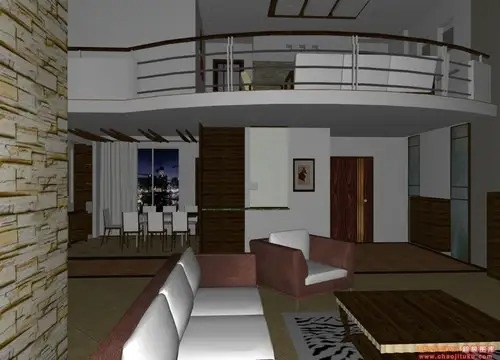
I. Doors and Windows:
Doors and windows are the passageways for vital energy to enter and exit, and are called "qi mouths" in Feng Shui. Feng Shui believes that "their size should be in harmony with the space of the entire house. The orientation of the door should be carefully adjusted according to the auspicious direction determined by the Feng Shui master."
Strong airflow is detrimental to a person's energy. To limit excessive airflow speed, avoid having three or more doors or windows in the same row. Too many doors and windows are similar to being impacted by a river or road, and excessive airflow can divide a house in two, which can not only harm the health of the residents but also affect their wealth, increase family problems, and even cause disharmony.
Furthermore, it is also a bad design if one door is larger than the other. Two doors facing each other, either too far to the left or right, too high or too low, are considered unlucky. Such doors, like knives, disrupt the balance of energy, and are called "biting doors" by the ancients. This can cause frequent arguments among family members. The most dangerous door is a slanted door, which can lead to unimaginable accidents for the homeowner. (The same applies to slanted walls and beams).
The number of windows should be in harmony with the number of doors. If one window is sufficient, three or more windows can lead to gossip and idle chatter within the household. To remedy too many or too large windows, hang a windmill or wind chime above the door. Alternatively, dividing large windows into smaller panes or installing single-pane windows is considered auspicious. If the issue is unrelated to doors, windows can be slightly larger.
II. Beams and Rafters
: Excessively low beams and rafters in a room hinder prosperity and development, and should be considered during design. Too many or too low beams not only oppress the flow of energy (qi) but also impede its circulation. Furthermore, the location, height, size, material, shape, and texture of beams are crucial to the auspiciousness or inauspiciousness of a room. For example, beams above the main entrance, or above the bed, dining table, writing desk, or stove, will compress the normal flow of energy within the room. A beam above the head on the bed is a frequent cause of headaches; a beam above the abdomen can cause stomach ulcers, back pain, and indigestion; and a beam above the feet can cause foot injuries.
A beam pressing down on a desk can impair one's intelligence; a beam pressing down on a dining table or stove can cause financial losses and career setbacks. Remedies: Move the bed, stove, dining table, or desk away from the beam; you can also hang a string of decorative firecrackers on the beam.
Besides beams, any protruding parts or objects are harmful to Feng Shui. For example, sharp, knife-shaped corners of the roof, excessively long stair railings, and sharp-angled barriers can all disrupt the normal flow of energy within the room.
To remedy sharp corners of a roof, place a climbing plant in the corner, or, if possible, round off the sharp corners.
The solution to an overly long handrail is simple: just cut it shorter.
For railings with sharp angles, you can simply cover them with materials during renovation. The more thorough solution is to round off the sharp angles.
III. Staircases
Staircases are the passageways of a house, allowing energy to flow from the first floor to the second or third floor. Staircases are divided into internal and external energy staircases. Internal energy staircases are auspicious, while external energy staircases are inauspicious. Internal energy staircases are located away from the door; one can ascend the stairs immediately after entering and turning a corner. External energy staircases are visible immediately upon entering; stairs directly opposite or offset from the door are considered unlucky. Furthermore, the number of steps on a staircase is considered auspicious if it is odd, such as seventeen or nineteen steps. Even numbers are considered inauspicious, such as eight or twelve steps. If the house is large, an elegant semi-circular staircase in the living room is the best design. Spiral staircases are also the best arrangement in shops, because auspicious and vital energy (qi) moves in a spiral pattern.
Modern shopping malls often use elevators to transport customers, with little or no descending stairs. This also has feng shui implications, symbolizing that income exceeds expenditure, allowing wealth to flow in continuously. Similarly, low ceilings and dim lighting on stairs are also considered unlucky, making people feel suffocated and uneasy. A better solution is to increase the brightness of the ceiling lights.
IV. Ceiling
Design: Choosing the wrong pattern or shape for the ceiling can also bring bad luck and negative consequences. Currently, in interior decoration, ceiling pattern design often prioritizes aesthetics and complex three-dimensionality, resulting in haphazard designs that disrupt the balance of Qi (energy). For example, arbitrary combinations of squares, rectangles, slant, points, angles, and circles create excessive complexity. These designs do not conform to Feng Shui principles.
E. Color and Interior Feng Shui
Colors should be chosen according to the elements represented by the Five Elements, choosing those that are compatible and avoiding those that are incompatible. In residential feng shui, red is considered the most auspicious color, representing warmth, joy, good fortune, and power.
Yellow symbolizes light, nobility, authority, and longevity. The main colors used in the clothing and palace decorations of the Forbidden City are golden yellow and vermilion to represent nobility and authority. Orange represents holiness; the orange robes traditionally worn by monks represent the supreme status of Buddhism.
Green represents life, spring, tranquility, and freshness, and is a commonly used color in interior decoration. Green carpets and potted plants in the room can bring peace of mind.
White and black symbolize sorrow and dullness. According to Chinese customs, traditions, and beliefs, it's best to avoid pairing colors such as black, pure blue, dark gray, medium gray, and pure white.
Feng shui emphasizes Yin and Yang and the Five Elements. Therefore, the use of colors in interior design should be compatible with the function of the room and not clash with it. The five elements—wood, metal, fire, water, and earth—correspond to green, white, red, black, and yellow, respectively. Harmony brings mutual generation, while conflict brings mutual restraint. Here are two examples: A restaurant primarily sells food, which originates from the earth element, so yellow is a suitable primary color. However, cooking uses fire and water, and metal (representing cooking utensils) is employed. Therefore, red, cream, and other colors can also be used in combination. A fashion store, on the other hand, can use light green and cream as its primary colors, supplemented with elegant red and blue. In short, interior colors must be selected according to the functional requirements and the requirements of the environment.
F.
The theory of indoor plants and water in Feng Shui is: Trees are like clothes for people; too little makes one feel cold, too much makes one feel hot. The principle here is that Yin and Yang must be in balance. What kinds of trees are suitable to plant around a house and courtyard? Which are unsuitable? Feng Shui discusses this: Plant peach and willow trees to the east (benefiting horses), elm trees to the west, plum and jujube trees to the south (benefiting cattle), and apricot trees to the north. Trees planted around the house are auspicious, while those planted with their backs to the house are inauspicious. "Green bamboo and trees around the house bring wealth." "Planting trees in the central courtyard leads to separation; planting jujube trees at the gate brings good fortune; planting trees in the center of the courtyard leads to idleness and hardship; planting trees in the center of the courtyard brings misfortune." "A locust tree in the center of the gate brings fortune and nobility for three generations; an elm tree behind the house keeps away evil spirits; an apricot tree to the east of the house is inauspicious; a plum tree to the north of the house and a peach tree to the west are both considered licentious."
Research results prove that: "Plants themselves have yin and yang, and there are mutual generation and restraint among plants; there is also mutual generation and restraint between humans and plants..."
The mutual promotion and restraint among normal plants is quite common. Grapes planted next to pine trees will not bear fruit; grapes planted next to elm trees will produce acidic fruit; pears release ethylene; therefore, they should not be placed with bananas, otherwise the bananas will rot quickly.
There are also relationships of mutual support and restraint between humans and plants. For example, amaranth and banana trees release carbon dioxide at night, competing with humans for oxygen indoors; the scent of night-blooming jasmine can make people with high blood pressure or heart disease feel uncomfortable. These plants are considered incompatible with humans. Spider plants, on the other hand, filter the air and are considered compatible with humans, having a positive effect on the home and warding off evil. They can be placed in larger numbers indoors. Additionally, cacti, dragon cacti, and jade unicorns also have the effect of enhancing the home and warding off evil. Furthermore, plants such as roses and thorny azaleas can be placed in "inauspicious" or "unlucky" locations indoors, also having a feng shui effect of neutralizing negative energy.
According to Feng Shui principles, indoor plant placement should fully utilize the elements of mutual support between humans and plants to achieve harmony. The following are recommended plant varieties for different parts of the home:
1. Bedroom
The selection of cacti, spider plants, roses, tulips, tuberose, lilies, and calla lilies creates a tranquil, peaceful, and gentle atmosphere. Couples find harmony under the fragrant flowers, children find peace and sleep easily, and enjoy a good rest.
2. Living room
For the living room, suitable plants include lucky bamboo, Norfolk Island pine, cactus, Podocarpus macrophyllus, Schefflera heptaphylla, Rhapis excelsa, money tree, clivia, hoya, orchid, cyclamen, citrus, bird's nest fern, and dracaena. These plants are believed to bring good fortune, wealth, and prosperity.
3. Study
A study should be filled with the aroma of books, and plants should be placed in the owner's Wen Chang position (a Feng Shui concept related to academic success). Suitable plants include bamboo, asparagus fern, lucky bamboo, and ivy. These plants can enhance thinking ability and are beneficial for learning. A pot of sweet flag (Acorus calamus) can also be placed on the desk, as it has a calming effect and can help prevent insomnia.
4. Dining room
In addition to promoting health, the dining room should be clean and uniform. Plants such as yellow roses, yellow carnations, and yellow jasmine, with orange-yellow as the main color, can be chosen to increase appetite and promote health.
5. Balcony
Flowers and plants should be selected according to sunlight conditions for each season, such as jasmine, chrysanthemum, Dutch jasmine, begonia, passionflower, asparagus fern, carnation, begonia, sunflower, milan, osmanthus, and Christmas cactus. When arranging various flowers, those that prefer sunlight should be placed closer to the sun, while those that prefer shade should be placed behind them, so that each receives appropriate light.
6. Main gate
If the main entrance faces a staircase, you can use sword-leafed red palms, fishtail palms, or bamboo palms to neutralize the negative energy. Place them at the point of conflict. Similarly, if a balcony or window faces negative energy, you can use cacti, roses, or jade unicorns to neutralize it, or potted gourds can also be used.
In short, improper indoor greenery layout and the selection of unsuitable plant varieties can have adverse consequences for the residents' careers. Plants can heal, soothe the mind, and bring prosperity to the home and its inhabitants; however, they can also harm or kill. Plants do indeed possess a "field," which warrants further research.
Indoor water issues:
Water flow represents wealth. Water features are essential in residences, shops, restaurants, and office buildings. Fountains, small lakes, bathroom faucets, and sinks all represent water, which in turn symbolizes wealth. Furthermore, the water supply and drainage systems must conform to Feng Shui principles. A Feng Shui master should determine the relationship between the water supply system and the building's orientation. For example, if the water source is in the northwest, it's the Qian position (symbolizing heaven and father), and the building is in the southwest, the Kun position (symbolizing earth and mother). The water source represents the father's bodily fluids entering the mother's body, harmonizing Yin and Yang, leading to family happiness and good fortune. The drainage system should also be arranged according to the Bagua (Eight Trigrams), seeking the symbolic locations of both to determine auspiciousness and inauspiciousness. If the two are incompatible and conflicting, auspicious talismans should be added to the main water supply switch, or the water flow rate and pipe orientation should be altered. The rhythm of the water flow should be artificially adjusted. In Feng Shui, the source of water is called the "Heavenly Gate," and if the water flows in, it's considered open. The destination of water is called the "Earthly Gate," and if the water doesn't flow out, it's considered closed. Flowing water symbolizes wealth; an open door brings in wealth, while a closed door signifies dried-up wealth. "Closing the door" doesn't mean shutting off a drain, but rather controlling its flow. Feng shui also believes that since flowing water represents wealth, it's best to have restrooms in the main offices of shop owners, office building managers, and hotel executives, with a gentle, slow water flow. One company general manager moved his restroom next to the finance department, and business surprisingly boomed. He said, "Every time someone comes to the restroom, it symbolizes wealth flowing in."
G. Feng Shui Dos and Don'ts in Residential DecorationIn today's industrialized world, skyscrapers, apartment buildings, villas, commercial buildings, and shops are ubiquitous in cities, with unimaginable and ever-changing designs. However, no matter how they change, the principles of feng shui must remain unchanged and cannot be ignored. They cannot deviate from the principles of feng shui. The following example is a design that does not conform to feng shui principles.
1. An ideal home should feel spacious and bright in the living room and bedrooms, free from psychological pressure, and conducive to a pleasant mood upon entering. Therefore, doors should be placed on the left or right side of the house, not in the middle.
2. When decorating, the doors inside the house should not form a "品" shape, otherwise the residents will have gossip and disputes.
3. Existing doors in a residence should not be enlarged during renovations, otherwise, the result will be a situation where the door is too large and the house is too small, creating an excessively large energy, which is considered inauspicious.
4. Some older houses have crooked doors and slanted walls, which can be filled with light steel keel plasterboard. Alternatively, to save money, curtains or other decorations can be used to fill the gaps.
5. During renovation, never design the doors to face each other in a four-door layout. In feng shui, this layout is called "cursing doors," which indicates disharmony and many disputes within the household.
6. When decorating a villa, avoid hollow designs. Hollow designs, where a living room is sandwiched between rooms, are believed to cause financial loss, illness, and injury.
7. Modern architects, lacking knowledge of Feng Shui, often create unconventional designs when designing apartments, resulting in unfavorable layouts. For example, a friend's villa has a central area where the ground is raised by about one meter, with the dining room, kitchen, toilet, and bathroom all located on this raised section. This type of house is considered "moderately inauspicious," bringing car accidents, bloodshed, illness, and financial loss. It should be avoided.
8. Some villas and rural houses have a front door that leads directly to the back door, which is considered "a straight line through the house," and is believed to bring bloodshed, financial loss, car accidents, and harm to people. This should be avoided during renovations.
9. Some houses are designed with a "smelly front and closed back" layout, where the toilet is visible on the left and right sides upon entering. This type of house is considered to have a "smelly front and closed back" layout, which is believed to bring illness, surgery, and misfortune. This should be improved during renovation.
10. Some buildings are designed with an atrium shape to increase occupancy, with rooms on all four sides. This type of house, with four sides facing each other, is considered an inauspicious layout, believed to create a "stinking atmosphere." The bed in the bedroom and the stove in the kitchen should never be placed near the atrium. Otherwise, arguments and disputes will ensue, and peace will be hard to find.
11. Some decorating companies, when renovating old houses, connect the three rooms on the left and right sides of the house, dividing them in the middle with a road in between. This forms a string-shaped layout, which is believed to cause financial loss and disharmony within the family and should be avoided. This inauspicious layout is also called a house of separation and death.
12. Some older houses, for various reasons, are shaped like boots. This type of house can obstruct the normal flow of air. Therefore, when renovating, beds and stoves should not be placed at the toe part of the boot-shaped house.
13. Currently, many small rooms in apartment buildings are knife-shaped. Therefore, when decorating, beds, stoves (or desks) should not be placed at the knife-shaped point, otherwise it is considered unlucky.
14. Some rooms are decorated haphazardly, creating a "coffin-carrying house" configuration, which is considered inauspicious, leading to illness, violent death, and loss of male offspring. The solution is to alter the exposed beams in the room, turning this inauspicious situation into an auspicious one.
15. Some rural villas have a small house built on the top floor with open front and back, and a viewing platform. This is called a sedan chair house, which means that the family will be in turmoil, the business will fail, the homeowner will not be able to have both a happy life and a happy marriage, and is more likely to suffer from romantic entanglements and financial losses.
16. Doors and windows are also the face of a home. Just as a person's mouth and nose are the places where we eat and breathe, the importance of doors and windows is self-evident. Therefore, the direction of the door is the direction in which energy enters. Is this direction auspicious, inauspicious, declining, or prosperous? The size of the door should be appropriate; too large or too small is not ideal. A large house with a small door is called "closed energy," which leads to illness; a small house with a large door is called "leaking energy," which leads to financial loss. Living in such a house is also uncomfortable. Appropriate arrangement is essential for an auspicious dwelling.
We often say, "The eyes are the windows to the soul." Losing one's eyes is like losing all hope. Windows in a house are just like human eyes, playing an indispensable role in the home. Air and sunlight are essential for human survival. Long-term exposure to stale air or insufficient light can easily lead to illness or lethargy. Therefore, windows are essential for the health and well-being of the residents. The relationship between doors and windows is like that of parents and children; doors are like the mouths of parents, and windows are like the mouths of children. An imbalance in the number of windows compared to doors can lead to rebellious children and disrupt family harmony. While one window is sufficient, three or more windows can cause disharmony in the family—leading to gossip and arguments. Too many windows signify children criticizing and arguing with each other, even with their parents. Windows that are too large can also cause family unrest because children may disobey their parents. Large windows divided into smaller panes or fitted with single panes of glass are considered auspicious.
door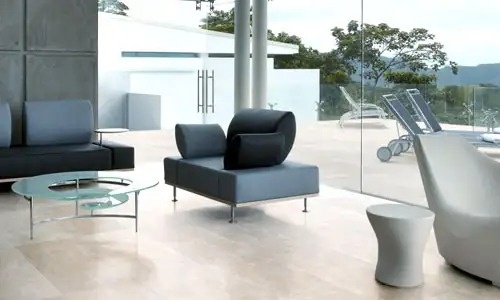 The main gate is divided into the outer gate and the inner gate. The inner and outer gates must be of the same origin, otherwise they will be contrary to each other and incompatible.
 The outer gate should ideally be placed on the left (dragon) side. Unless there is negative energy on the dragon side, it can only be placed on the right (white tiger) side. The outer gate should never face the flow of water, otherwise, it will inevitably lead to continuous financial losses. The colors for the outer gate should avoid dark blue (most taboo), black, and red; off-white is best.
The outer gate, inner gate, and interior doors should not be in a straight line, as this is considered a "piercing heart"煞 (sha, a type of negative energy in Feng Shui).
The outer gate should ideally be located on the dragon side of the inner gate, or directly opposite it. The outer gate should be sturdy and durable.
It is best to have a skilled master use a compass to measure the orientation of the outer gate.Do not believe feng shui masters who say the orientation of the main gate is related to one's birth chart (the fate of a house is different from that of a person); this is wrong.
The color of the inner gate should ideally be clean and bright, avoiding dark colors. Pictures, photos, or posters should not be hung on the back of the inner gate. The interior of the inner gate should ideally be off-white, ivory, silver, or the natural color of wood.
window
The design of windows determines the flow of air. Windows should ideally open fully – either outwards or inwards – and not upwards or downwards at an angle. Outward-opening windows are best, as they enhance the resident's energy and career opportunities because they allow a large amount of energy to enter the room, while allowing stale air to escape when the window is open. Conversely, inward-opening windows are detrimental to both energy flow and career prospects. Ideally, when windows are open, there should be no obstructions hindering the flow of air.
Luch
For those living in ground-floor apartments or villas where it is unfavorable for their children's studies, it is important to be careful to avoid situations where the children's bedroom door or window faces a road directly opposite them. Otherwise, it will not only be detrimental to their studies but also easily lead to accidents for the children. For the sake of children's education, it is advisable to stay away from inauspicious places. If the main door or window of your home faces an inauspicious place, such as a hospital, funeral home, cemetery, prison, temple, slaughterhouse, garbage dump, or sex industry, it is best to consider relocating for the sake of your children's education and the safety of your home.
High tower long pole
Having a door directly facing your home can lead to unexpected problems. The front of your house, the main entrance, and windows should all be positioned away from tall towers, utility poles, and long poles. Even in your daily life, you should always be vigilant. If anyone is building tall towers, utility poles, or long poles near your home, or if they are burying long poles for any reason, you should immediately intervene to prevent accidents.
Adequate air and light affect the quality of living: Sufficient air and light are necessary. Low ceilings create a feeling of oppression. A closed-off environment with no windows, poor air circulation, dim lighting, and dampness makes it difficult to expect peace and health, no matter how good the location.Cold drafts blowing directly from the window are detrimental to fertility: If the window or air conditioner in the bedroom is too low, especially if it is at the same height as the bed and blowing directly on the body, this is especially important for the master bedroom of the couple. Otherwise, it can easily lead to infertility or postpartum disorders.
Avoid placing your desk with your back to a large window: If your desk is placed in front of a large window with your back to it, the light shining in from behind creates an "empty door" behind you, leading to fruitless business endeavors. A person in charge should have a "mountain behind" (or "backing") for good fortune and business prosperity. A "mountain behind" refers to a wall or partition behind the seat. A position with a "mountain behind" provides stability and makes it easier to receive help from benefactors. Furthermore, it's not advisable to hang glass on the wall behind the seat, as glass will reflect the person's back clearly to others.
Door style and orientationThe main entrance is the gateway for energy into a residence; it should be clean, bright, and free of clutter to avoid obstructing the flow of energy. This can harm health, career, and family harmony. If a person frequently faces a wall upon opening the door or can see into another room from afar, it will disrupt the flow of energy within the body. Large rooms, such as bedrooms, living rooms, or guest rooms, should have large doors, while small rooms, such as bathrooms or kitchens, should have small doors. This is because a large door suppresses a small door; if the bathroom door is too large, it can lead to health and character problems, and may cause digestive issues for family members.
The direction a door faces can influence one's destiny. Based on the octagonal symbol of the I Ching, each of the eight possible directions a door faces brings different kinds of fortune. A north-facing door brings prosperity to business, a south-facing door facilitates fame, an east-facing door ensures a good family life, a west-facing door benefits future generations, a northeast-facing door represents intellectual and academic achievements, a northwest-facing door is conducive to outward development, a southeast-facing door is beneficial for wealth, and a southwest-facing door brings a happy marriage.
The main entrance of an office or shop should not face a tiger's head or a chimney. The so-called "tiger's head" refers to the sharp corner of another building or a special building. If the main entrance or main window happens to face a corner of a wall or a protruding building, it is like facing a sharp knife, which is obviously very unfavorable.
If there are several rooms connected together in a house, you should never install several doors that lead straight from the main entrance to the back of the house. It is also not advisable to have a long corridor connecting a row of several rooms like in a hotel or restaurant, otherwise you will encounter the same problems.Main entrance orientation: The so-called "dragon side" refers to the left side. If the shop's main entrance is on the "dragon side," the business will prosper and bring great fortune. As for shops where the entire facade is the main entrance, placing the entrance passage on the "dragon side" will bring the same good fortune and benefits.
A door that is angled or located on a diagonal line or under a sloping ceiling is considered unlucky. An angled door can disrupt good feng shui and bring unimaginable accidents.
Doors facing chimneys should be kept closed. Chimneys emit polluted and waste gases, which are considered inauspicious. If the main door or window faces a chimney, it is bad luck to let in this inauspicious and stagnant energy.
A well-matched doorway and doormat can enhance feng shui: Placing a doormat in front of your home can have a certain impact on feng shui, depending on the color of the doormat. The following explains the appropriate doormat color for eight different doorway orientations:
*The entrance faces east or northeast—matching the black floor mat.
*The entrance faces south or southeast—match with a green floor mat.
*The entrance faces west or southwest—matching the yellow floor mat.
*The entrance faces north or northwest—match with off-white floor mats.
An elevator door facing the main entrance of a house is considered inauspicious and detrimental to wealth. However, if the elevator door is located to the west, it is considered auspicious within inauspiciousness; the inauspicious aspect is the potential for unexpected injuries, while the auspicious aspect is the potential for greater wealth.Window opening direction:
* It is auspicious for a house to have windows facing east, as the east is full of yang energy, which is called "purple energy coming from the east" in feng shui.
*In a home, windows facing north are considered inauspicious because the north corresponds to the element of Yin water in Feng Shui. North-facing windows are believed to allow negative energy to easily enter, which is detrimental to the health of family members.
*If a south-facing window in a house overlooks a corner of a building, an antenna, a dead tree, debris, or a sharp rock, it is considered unfavorable for the resident and may lead to eye problems.
If a window faces a mountain with three sharp peaks, it is called a "fire-shaped mountain" in Feng Shui, which may lead to official troubles, car accidents, injuries or deaths of family members, etc.
The influence of doors and windows on the feng shui of the wealth position
The Wealth Position in the Living Room: The living room is where the whole family gathers and receives guests; it's a public space within the home and the heart of family life. There's a special area in the living room that relates to the family's wealth, career, reputation, and overall prosperity; this area is commonly known as the "wealth position." If we have some understanding of Feng Shui for residential buildings, we can make adjustments or changes to achieve a prosperous family. Wealth shouldn't be moved, therefore the wealth position is in a stationary location, usually diagonally opposite the entrance.
1. If there is a window at the wealth position, you can use a wall with internal nails to prevent the wealth from leaking out.
2. It is best to avoid seeing the kitchen stove when entering through the main door or in the living room. If your home happens to have this view, you can change the stove's location or place a screen or tall cabinet outside the kitchen door to block it.
3. It's best to avoid having all the room doors visible from the living room. Besides compromising privacy, it also gives the impression of wide-openness, making people feel like they can just walk right into your house.
4. The front door should not lead directly to the back door, as this is like money going in from the front and out from the back, which will prevent you from accumulating wealth. The hallway should also avoid being straight or horizontal, leading directly through the entire house.
5. In the living room, it is not advisable to place the toilet against the wall, nor at or next to the entrance of the kitchen or toilet.
6. The dining table should not face the main entrance. If this is unavoidable, a screen can be used to block the view.
7. The desk should not face the main door directly.
From the perspective of interior design, the bedroom of a residence
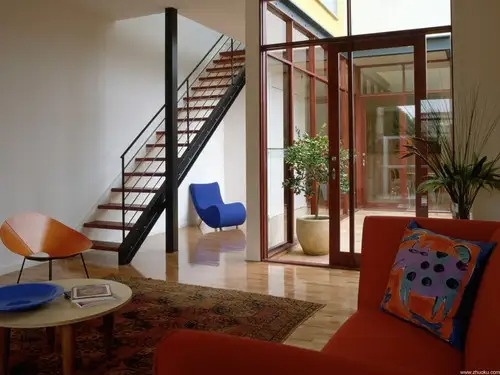
1. Mirrors should not face doors.
2. The bedroom door should not open towards the back of the head.
3. The bedroom door should not face another small door (such as the bathroom door).
4. The bedroom door should not face directly towards the foot of the bed.
5. It is not advisable for the bathroom door to face the center of the bed or the head of the bed directly.
6. It is also not good if the bathroom door faces directly to the foot of the bed.
7. If one encounters a "Sky-Cutting Star" outside their bedroom, it is advisable to change the window to avoid it.
8. If the foot of the bed faces the window and there is a straight road leading to an empty space, it is considered unfavorable.
9. A house with a window directly in front of the door, especially if there is negative energy outside the window (such as sharp corners, utility poles, or slanted roofs...), is considered unfavorable.
10. A bedroom facing the toilet door is considered a clash of energies.
1. A bedroom directly facing the kitchen door is considered an unfavorable clash of energies, bringing bad luck in the coming year. An old saying goes: "A bedroom door facing the pot makes it difficult to accumulate wealth."12. Bedroom doors should ideally not face each other, especially not be slightly opposite each other; this is called a "door knife evil."
13. If an antenna and high-voltage power line pole are visible outside the bedroom window, it is advisable to use a rooster ornament to ward off bad luck.
14. Bedroom doors should not have a double-leaf design or two doors that open opposite each other, as this is believed to indicate loneliness, widowhood, and illness.
15. A door leading directly to an inner door is called a "straight path door," which signifies quarrels and disputes.
Glass curtain walls neutralize negative energy: Glass curtain walls can be said to be the most modern architectural innovation. Their advantage is that they reflect the negative energy of the other party and neutralize it as much as possible.A house with transparent glass walls on all sides is unlikely to bring peace: A building structure with transparent glass walls on all sides is not suitable for people who seek peace and health. Otherwise, because it violates the principle of "leaking", it lacks privacy and is prone to extramarital affairs or elopement, making it difficult to have peace.
Home Decor Paintings and Feng Shui


I. What kinds of paintings are suitable for a home? Modern people value enjoyment and are meticulous in decorating their homes. When choosing paintings, you can consider the following:
1. Nine Fish Painting – A picture depicting nine lively fish. "Nine" symbolizes longevity, and "fish" represents good fortune. The nine adorable fish frolicking together symbolize auspiciousness.2. The Three Sheep Picture – A painting depicting three sheep. Have you ever heard the phrase "San Yang Qi Tai" (三洋启泰)? The word "sheep" (羊) is a phonetic variant of "yang" (阳), meaning "yang energy" or "positive energy," while "Tai" (泰) is a hexagram in the I Ching associated with good fortune. Therefore, the Three Sheep Picture signifies attracting good luck and bringing prosperity.
3. In addition to auspicious animals such as fish and sheep, you can also consider "a hundred birds paying homage to the phoenix", "frogs playing in the water", "the monkey king offering auspiciousness", "a hundred horses painting", etc.
4. Gentle landscape paintings—such as sunrises, lakes and mountains, peonies, etc.—can be hung in the living room to give you a relaxing and comfortable feeling when you return home tired each day.
5. Paintings of immortals, Buddhas, etc., are also acceptable. However, it is essential to remember that the deity's face should be kind and the expression peaceful for the best results.
II. What pictures are unsuitable to hang in a residence?
1. Avoid buying paintings with overly dark colors or too much black. Such paintings can create a heavy feeling, making people depressed, pessimistic, and lacking motivation.
2. It is not advisable to buy pictures depicting ferocious wild animals, otherwise the health of family members may be compromised.3. It is not advisable to hang more than one abstract portrait, as it may cause family members to experience mood swings, psychological imbalance, and nervousness.
4. Do not hang paintings depicting sunsets, as such paintings can have a diminishing effect on one's motivation.
5. It is not advisable to hang large portraits of deceased relatives, as it will increase your stress when doing things.
6. It is not advisable to hang pictures of waterfalls, as these pictures are believed to bring fluctuating fortunes to the family.
7. Do not hang pictures with too much red, as it may make family members prone to injury or irritability.
III. Feng Shui of Hanging Tiger Paintings on Home Walls
1. Hanging a tiger picture in the home often brings misfortune and bloodshed, especially if the tiger's head faces inwards. Some say a tiger descending the mountain is powerful, but in reality, a hungry tiger coming down the mountain will attack. Where there is form, there is spirit; it's only a matter of time. I once encountered a junior high school principal who hung a tiger picture in his office, and the school's teachers suffered a series of strange illnesses and bloodshed. Another provincial government official hung a famous tiger painting in his home and suffered from inexplicable colds and flu. After being advised to change the arrangement, the number of people in his household with colds decreased the next day, and they eventually recovered. Similar cases are numerous and difficult to describe. (Tiger head down – harm; tiger head up – no harm)
2. A wooden tiger carving is also considered unlucky, as it can easily lead to bloodshed.3. The tiger in Hunan embroidery (with tigers in every stitch and thread) can also easily make people feel uneasy, and messy things will follow.
4. Tigers painted by famous artists are especially fierce, because the artists have poured their hearts and souls into the subject. The more ferocious the tiger in their minds, the more absorbed they become in the painting. I have seen many tiger paintings by famous artists that are indeed incredibly fierce, but the opposite phenomenon is that the people who hang them in their homes suffer greatly.
The solution will be briefly described below:
1. The tiger's head should never face inwards; it should face outwards or outwards towards the main door (tiger head upwards - tiger head returning to the mountain, auspicious; tiger head downwards - tiger descending the mountain, inauspicious).
2. Paste a piece of red paper the size of a one-yuan coin onto the tiger's head and tail. It is best to do this at noon. Silently pray: "I respectfully invite all Buddhas, Bodhisattvas and deities to preside over this ceremony. Today, I offer this painting to the White Tiger Star to return to its rightful place. This painting will henceforth be used for the appreciation of art."
3. If it is a wooden carving of a white tiger, it is best to take it outside and bring it back inside after three days and two nights. Tie the white tiger's neck with red thread, and there will be no misfortune (evil spirits will not enter).
4. Photos featuring white tigers, especially those of people with sculpted white tigers, or photos taken with tigers at zoos, whether real or fake, should have the tiger removed. A woman surnamed Liu suffered from itchy pain in her right abdomen for years, which medication failed to alleviate. She sought Buddhist guidance and was told that her right hand was associated with a tiger, causing the pain (as if she were skinning the tiger). She found a photo taken at an amusement park, and her condition persisted for five years. After cutting out the tiger and burning it, her pain disappeared without medication. This is truly bizarre, and there are far too many similar cases. (Photos should be cut out if incomplete; avoid taking photos with deities casually. For example, a photo of Ji Gong drinking alcohol may induce pregnant women to drink excessively.)
IV. Feng Shui of Hanging Bird and Eagle Paintings on Home Walls
1. The eagle's head should be facing outwards in the drawing (to avoid making children feel like they are running away).
2. Hanging an eagle painting in the shrine (it easily attracts spirits and causes gossip).
3. Eagle paintings should not be hung in the bedroom, as they are believed to cause gossip and disputes.
4. Eagle paintings should not be hung above the desk in the study.
5. It is best to place the eagle painting on the White Tiger side of the living room, with its head facing outwards for good luck.
6. Unwanted pictures of eagles should be tied up with red thread and kept safe. Otherwise, leaving them lying around under a wall will bring trouble, especially if children are disobedient. V. Feng Shui of Dragon Paintings on Home WallsAzure dragon, golden dragon, red dragon—all are called dragons, but if collected incorrectly, they become snakes, even more ferocious than snakes. Everyone must be careful. (Evil spirits do not enter when they see red.)
1. The dragon is an auspicious symbol. In ancient Taoism, the dragon represents human nature, and the dragon is also a title of kingship (two dragons spitting pearls represent yin and yang, and represent the dual cultivation of husband and wife).
2. The dragon head should face inward, not outward. Facing inward signifies worship, while facing outward signifies that one's mind is wandering (it is best not to wear a golden dragon, Bagua, or jade dragon pendant).
3. The dragon should be placed on the dragon side, not the tiger side, otherwise the dragon and tiger will fight endlessly, and the whole family will suffer.
4. The dragon pattern should be hung in the living room or the Azure Dragon side of the shrine or Buddhist hall.
5. Dragon sculptures should also be placed in the Azure Dragon direction of the living room or shrine.
6. Dragon patterns should not be rolled up and stored away; they should be hung up for good luck (as it may cause children to neglect their studies).
7. Dragon sculptures cannot be stored in the warehouse.
8. Small round red paper should be pasted on the head and tail (claws) of the dragon. It is best to paste the red paper on the morning of the 3rd, 6th, or 9th day of the month between 7 and 9 am (Chen Shi).
VI. The haphazard display of color photos creates a vicious cycle of negative emotions.
Upon entering a family's living room, the first thing you see is a large, full-body color photo of the wife, displayed in the center. To her left is a Buddha statue, and to her side is the God of Wealth. Above them hangs a color photo of their daughter. The wife is decisive, quick-tempered, and loves to dress up; the husband has poor kidney function and harbors unspeakable secrets regarding their daughter. This photo shouldn't be placed in the center. Seeing her immediately upon entering creates an imbalance of yin and yang, which is one reason for the negative impact on their health. Secondly, the fishpond in the center of the yard is inappropriate. In the Five Elements theory, the center represents earth; a fishpond in the center creates a clash between earth and water, resulting in an inauspicious energy field. The yard is where the family comes and goes; over time, this can affect the entire family.
Timing: It is important to pay attention to every special moment in the construction process, such as the groundbreaking day, the day the gate is installed, and the opening day. The best time is dawn – the moment when a new day begins.
Doors, windows, and balconies: Doors and windows should not face the main entrance directly to avoid a significant loss of positive energy. Similarly, to prevent inauspicious energy, doorways should ideally have thresholds and heavy objects placed on them. Ideally, there should be two doorways, an exit and an entrance, to facilitate energy circulation. If the balcony faces east or north, it is best to leave it exposed and plant flowers and trees, and place water containers there. Conversely, if the balcony faces south or west, it is advisable to use a canopy and large containers to prevent excessive energy from flowing through.
Furniture: Based on weight, furniture is generally placed on the south and west walls. Lighter furniture can only be placed on the north and east walls.
Materials: It's best to avoid recycled materials, as their energy has already been depleted. If using wood, teak, chestnut, cypress, or larch are preferable. For materials requiring hardness, limestone and marble are recommended. However, avoid granite, as it will hinder the flow of energy.
In the practice of home renovation, it is sometimes difficult to take into account every aspect of the room, especially in older houses that have already been occupied. The most effective way to improve the situation is to use design elements such as water and plants (green belts), gardens or small terraces to improve the state of the space – the flow of energy.
Water: It is advisable to place a fountain, a small basin of water, or a simple flower pot or bonsai (for raising fish or growing plants) in the northeast direction. It is best to use running water or change the water frequently.
Plants and flowers:
East side: Magnolia, willow, cherry, Indian rhododendron, lilac, honeysuckle and camellia.
South side: Maple, rowan, almond, peach, plum, wisteria, rose, gardenia and clematis.
North side: Magnolia, apple tree, pear tree, hydrangea and peony.
To the west: pine trees, apricot trees, azaleas, hibiscus, and jasmine.
Keeping fish to ward off evil spirits is indeed effective in Feng Shui, but the placement of the fish is crucial and should not be underestimated; even a slight mistake can cause serious harm. Within reasonable limits, it is advisable to keep a fish tank or construct a pond in a suitable location and keep goldfish in the water to neutralize negative energy through movement.Nowadays, few people have gardens, so they use fish tanks as ponds instead. This is a good way to make the most of water, but the fundamental principle remains the same: the placement of the fish tank must be calculated in accordance with the land's fortune, the house's fortune, and the people's fortune. I once saw a gentleman place his fish tank in a location that was considered an inauspicious water position. This not only failed to resolve the negative energy but also brought about its own negative effects. With the two and five elements combined, the water flowing into the space was like inviting a wolf into the house, and disaster was imminent. There are too many similar cases. There was once a family whose altar and fish tank were directly opposite each other, and the whole family fell ill, and their business plummeted. The harm was severe.
A fish tank is placed in a corner of the living room near the window, resembling an air conditioner. There are no apparent negative energies around. Some people like to use a fish tank to neutralize external negative energy. To satisfy the homeowner's desires, even a distant antenna is considered a negative influence, perhaps indicating some unspoken reason. Besides keeping fish to dispel negative energy, there are many other methods. Dispelling negative energy in an intangible way is the best approach. However, many people seem to prefer tangible objects, which explains why many Feng Shui masters rely on physical objects. Why not seek solutions at a higher level of understanding of the principles of I Ching?