Essential | Topnotch guide to identifying and controlling flower pests!
All the plants you've painstakingly nurtured have become pests' lunch! Who wouldn't feel heartbroken! To defeat these pests, you need to understand and identify them first—know yourself and know your enemy! Let's follow along and take down the pests' lair!

Pest types
Based on the parts of the plant affected and the manner in which pests damage it, they can be classified into the following categories.
1. Leaf-eating pests :
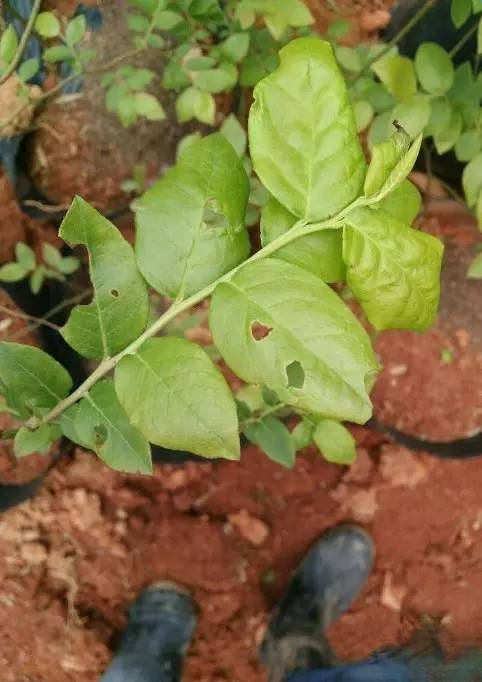
These pests devour flower leaves, causing damage and, in severe cases, completely consuming the leaves.
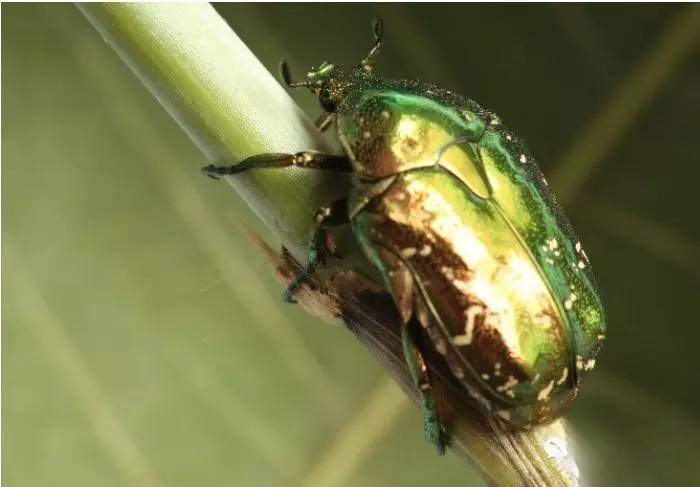
Common pests of this type include yellow spiny moths and scarab beetles, as well as harmful animals such as snails and woodlice, which bite and eat leaves and tender buds.
2. Piercing-sucking pests:
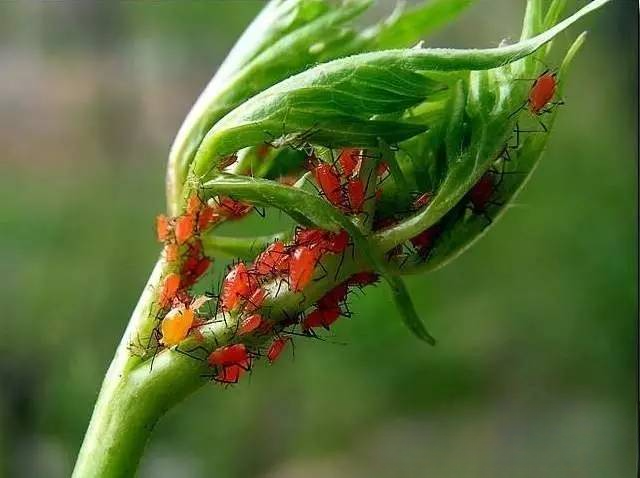
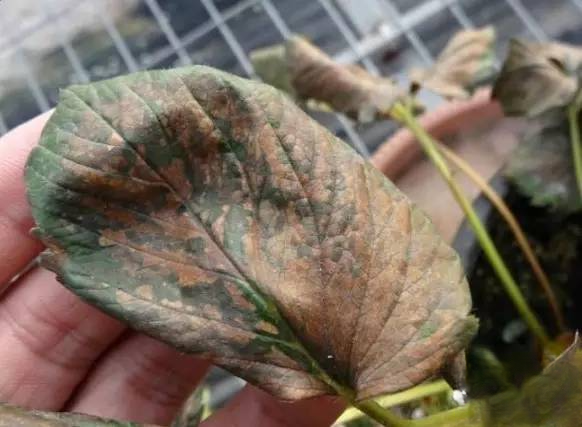
These pests have mouthparts like needles that can pierce into the tissues of flowering plants (leaves or tender tips), sucking nutrients from the tissues, causing the leaves to dry out and fall off. Affected leaves will turn white or brown and lose their green color.
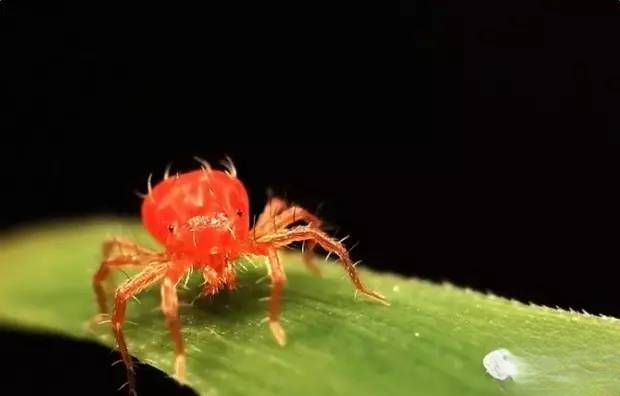
These pests are small in size, come in many varieties, and are sometimes difficult to spot. Common examples include aphids , scale insects, whiteflies , thrips , and spider mites. Some of these pests secrete honeydew, while others exude waxy substances. They not only contaminate the leaves and branches of flowers but also easily lead to sooty mold , making the leaves and branches appear as if covered with a thick layer of coal dust.
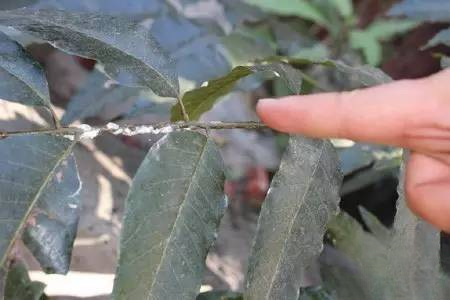
The mites among these insects can spin webs, which can stick to leaves and branches when the infestation is severe. This is when they are most easily spotted and the infestation is considered to be quite serious.
3. Boring insects:
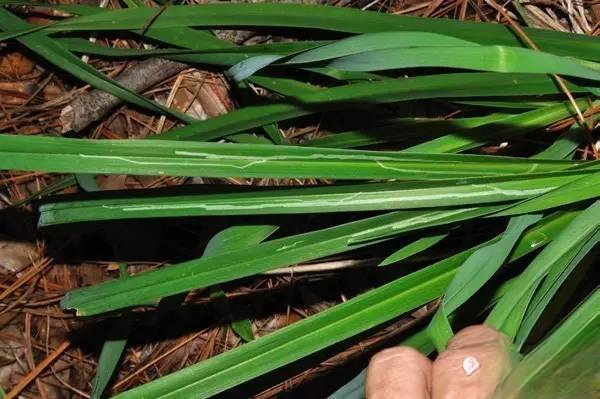
These pests bore into the branches and stems of flowers, feeding and damaging them until they are hollowed out and die.
Examples include the chrysanthemum longhorn beetle , the dahlia leafminer, and the rose stem beetle . Some of these bore into the leaves, leaving visible tunnels that eventually cause the leaves to dry out and die.
4. Pests in soil cultivation:
These pests live their entire lives in the shallow and surface layers of the soil.
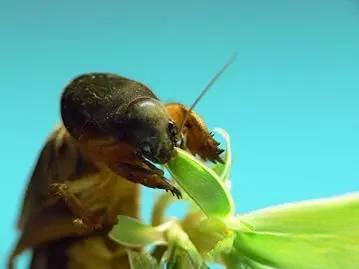
Damage to flowers often results in visible tunnels in the leaves or death, caused by pests such as cutworms , wireworms , and mole crickets .
Inspection and Identification
1. Check insect droppings:
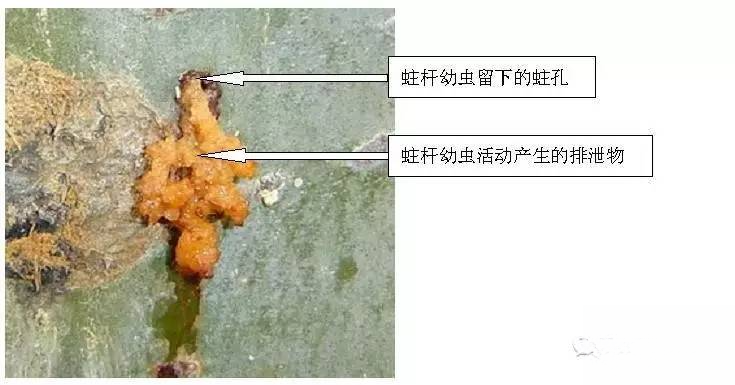
Check the ground around where the plants are placed and on the branches for insect droppings. For pests that have burrowed into the branches , check the dropping holes for droppings and sawdust scattered on the ground. The droppings and sawdust from gnats are mostly filamentous; those from wood borers are granular and stick together in strings.
2. Examine excrement and secretions:
You can check the branches and leaves of flowers and trees for oil stains. If you find these substances, they are generally produced by pests that secrete honeydew, wax, etc. , mainly aphids , scale insects, and whiteflies , which are piercing-sucking pests.
3. Check for parasite eggs:
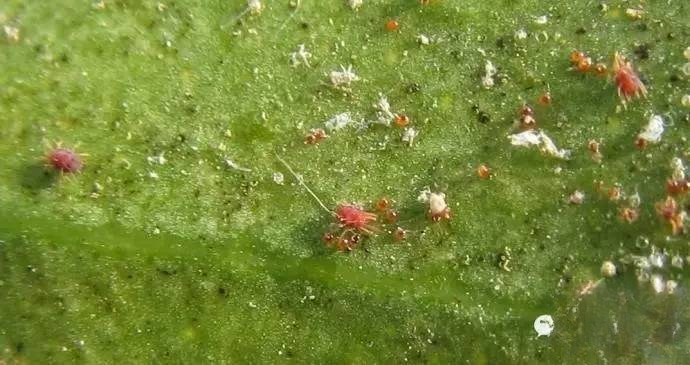
Large eggs and egg masses are visible to the naked eye, while tiny eggs can be seen with a magnifying glass. Eggs are generally laid on branches, leaves, and bud axils. For example, spider mite eggs are mostly laid on the underside of leaves; tent caterpillar eggs are laid on branches; aphid eggs are mostly in bud axils; and locust eggs are found in the soil.
Because different pests have different living habits and lay their eggs in different places, it is important to search for their egg-laying sites in order to further identify the types of pests and the damage they cause, so as to take preventive measures as early as possible.
4. Branch inspection:
For some pests that fly away when startled , you can spot them by tapping or shaking the branches and leaves. Spider mites and other small insects are difficult to spot with the naked eye, so you can place a piece of white paper on a representative branch or leaf area, tap it, and determine whether there are spider mites on the paper.
5. Examine the victim's condition:
Check the leaves and branches of the plants for any signs of damage, such as holes, notches, or mesh-like structures; or for curled leaves, foreign objects growing on branches, withered tips, or dead branches.
6. Check for pests in the soil:
First, check the soil surface for any abnormalities. If mole crickets are walking on the surface, there will be raised marks. Some adult scarab beetles lurk under the surface soil around the roots and stems of flowers; you can find them by digging away the topsoil.
Prevention and control methods
Wood ash soaking method:
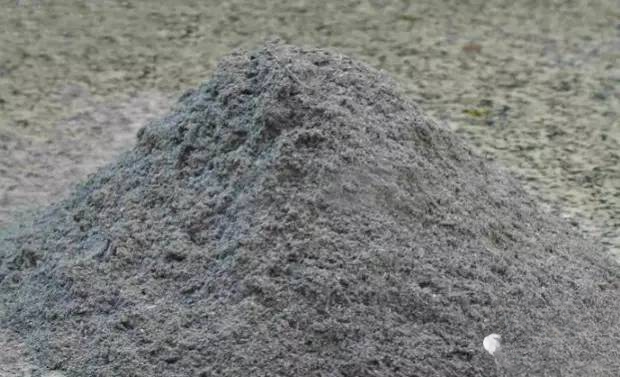
Mix 500g of wood ash with 2.5kg of water, soak for 24 hours, filter out impurities, and spray the filtered liquid onto the affected plants to effectively kill aphids.
Vinegar leaf rubbing method:
Soak a cotton ball in 50ml of vinegar (rice vinegar), then gently wipe the leaves of the plants with the vinegar-soaked cotton ball. This will not only kill the scale insects, but also restore the green and shiny appearance of the leaves that were damaged by scale insects.
Alcohol wiping method:
You can remove scale insects by gently and repeatedly wiping the leaf surface with alcohol. Even larvae that are invisible to the naked eye can be completely killed.
Iodine application method:
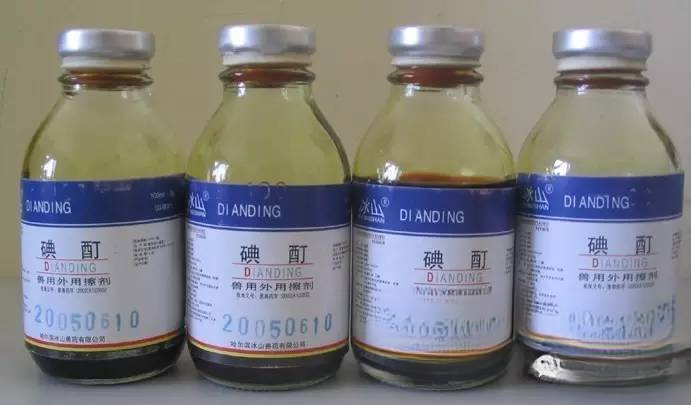
If the main stem of a woody flowering plant is rotten, first scrape off all the rotten parts, down to the xylem, and then apply iodine. Repeat the application after 7-10 days. This will not only completely cure the plant, but over time, the nodules on the main stem will become more prominent, giving it an ancient and unique appearance.
Baking soda spraying method:
Spraying affected plants with a 0.1% sodium bicarbonate (NaHCO3) solution can achieve a control rate of over 80% for powdery mildew in roses, chrysanthemums, impatiens, hibiscus mutabilis, cineraria, and other flowering plants.
Laundry detergent solution spraying method:
The specific preparation method is to mix 1g of laundry detergent with 100-180g of water. Spray once a week, and continue for 2-3 times to control scale insects and aphids. However, it is important to use a neutral laundry detergent. If you find that the tender leaves are scorched, you can spray some clean water to rinse off the residual liquid in time.
Camphor ball embedding method:
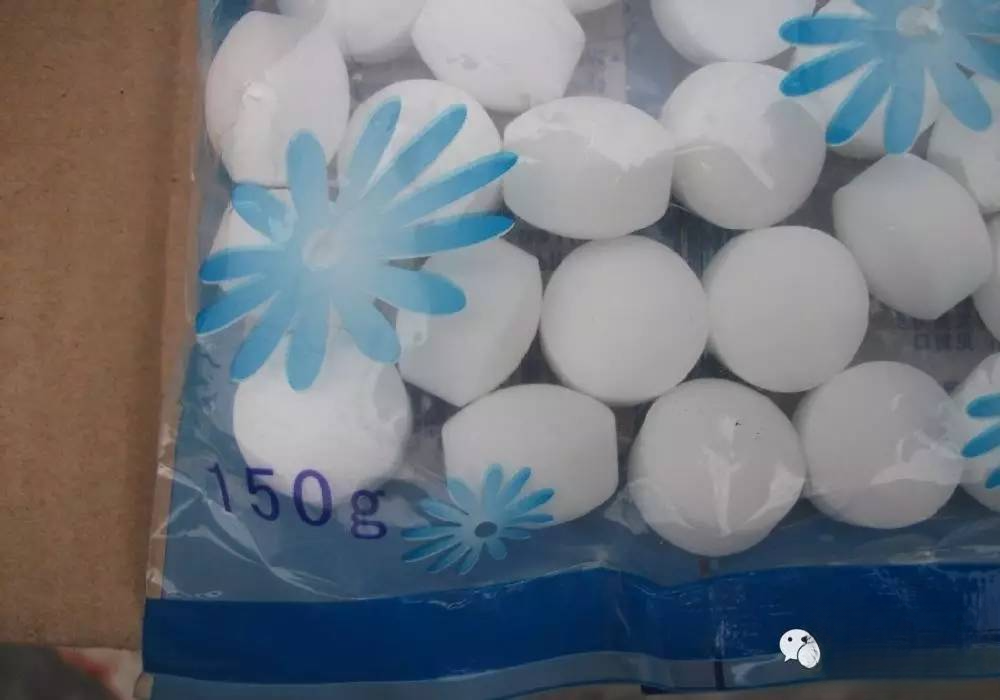
Sew two camphor balls into a small cloth bag and bury it at the base of the plant to prevent borers and other pests that bore into the trunk.
Medicated oil spray method:
Spraying a solution of medicated oil diluted 600-800 times can control aphids, spider mites, scale insect nymphs, and moth and butterfly larvae, with an insect control effect of up to 90%.
Sweet and sour solution spraying method:
Spraying potted plants with a mixture of 2g sugar, 3g vinegar, and 95g water can kill a variety of pests and pathogens, and has a good effect on chlorosis caused by iron deficiency in camellias, azaleas, and other flowers and trees.