Essential for spring cleaning! 12 common household stain removal tips to clean stubborn stains in your home.
Everyone wants a clean and tidy home, but cleaning is no easy task; just cleaning stains alone is time-consuming and laborious. Today, Xiaoxi has compiled 12 common household stain-removing tips to make cleaning easier for everyone. Let's learn together!
I. Kitchen Cleaning
1. Kitchen glass window
Kitchen windows are always greasy, and cleaning them isn't easy. Don't worry, all you need are a few sheets of cling film.
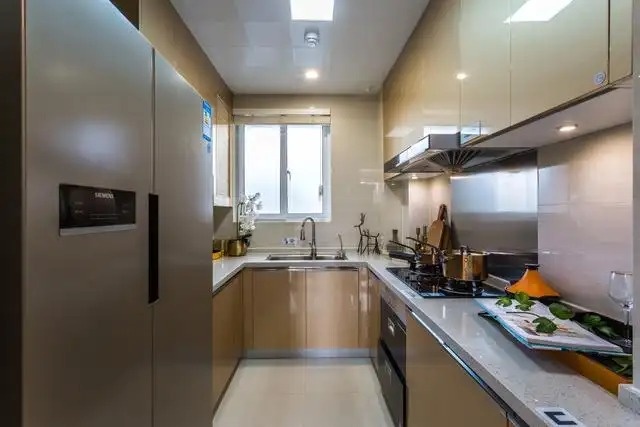
1) Spray cleaning agent on the kitchen window and then cover it with a layer of plastic wrap.
2) After fifteen minutes, peel off the plastic wrap and wipe the windows with a dry cloth. Effortlessly, the greasy windows will become sparkling clean, just like new. Try it!
2. Oil stains on the stove/countertop
The stovetop is always greasy and it's impossible to get it clean. Actually, you only need to use this to clean the stovetop, and it will be done in three minutes!
Instructions: Baking soda is a versatile remedy for grease and grime. When cleaning your stovetop, mix baking soda with a small amount of water, then apply the mixture to the stovetop. Stubborn, old grease stains will break down after a while, and you can easily scrape off a layer of oil with a gentle rub.
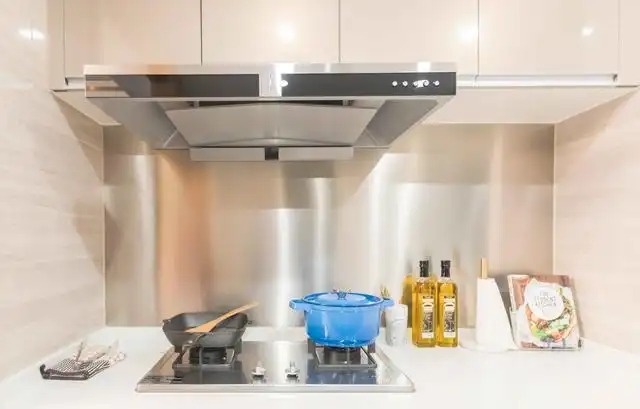
Scrub a few more times with a cleaning sponge to remove most of the oil stains. For hard-to-reach crevices, use an old toothbrush to help clean them thoroughly and make them shine like new!
3. Oil stains on the ground
The kitchen is a place we use every day. We cook and prepare meals there, so it's inevitable that oil stains will get on the floor. Sometimes, if it's not cleaned properly, it will feel sticky and dirty when you step on it. Here's how to easily remove oil stains from the floor.
Instructions: Fill a bucket with water, add a few drops of floral water, then add two spoonfuls of salt and baking soda. Stir well and use it to mop the floor to easily remove oil stains.

If you want to prevent dust from settling after mopping, you can sprinkle some fabric softener in the water. The fabric softener can form a protective layer on the floor to prevent dust from settling, so you don't have to worry about it getting dirty easily even if you don't mop for a few days.
4. Oil stains on the bottom of the pot
Are your kitchen cookwares greasy and difficult to clean after prolonged use? Simply prepare baking soda, plastic wrap, and a scouring pad to easily remove the grease from the bottom of your pots.
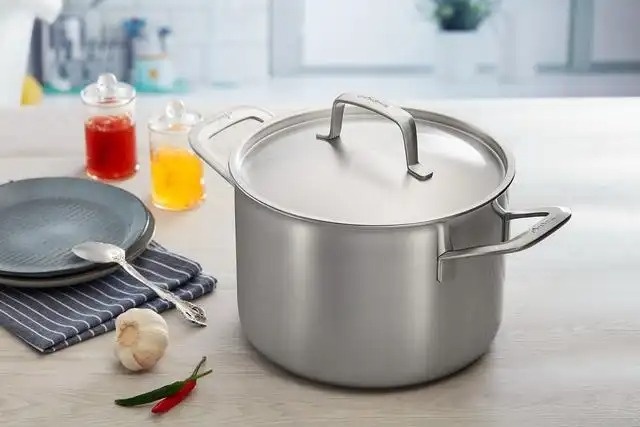
Instructions: First, wet the bottom of the pot with water, then coat it with baking soda. Wrap the pot tightly with plastic wrap and let it sit overnight. The next day, gently wipe the bottom of the pot with a scouring pad, and it will be clean.
II. Toilets
1. Clean the shower head
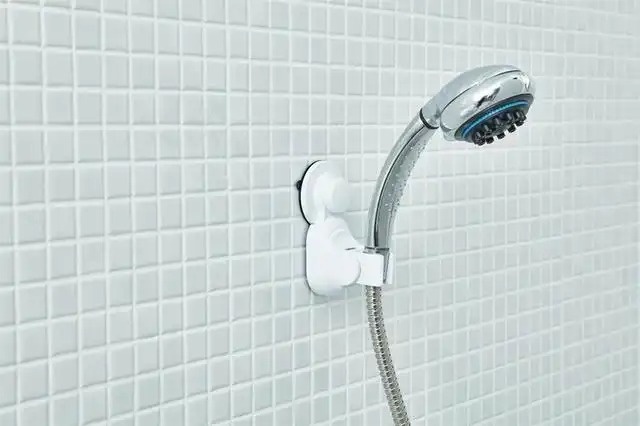
A common problem with shower heads is that limescale easily accumulates on both the surface and the inside, which can be easily removed with vinegar.
① Mix water and vinegar in a 1:1 ratio and put it in a plastic bag;
② Remove the shower head and soak it in a plastic bag, then seal it tightly;
③ After letting it sit for half an hour, take it out and rinse it with hot water. It will immediately become shiny and bright.
2. Bathroom tiles
Bathroom walls are often tiled, and the grout lines can easily turn yellow or black.

Cleaning method: To keep it clean and shiny, use a multi-purpose stain remover. For the tile grout, first use a toothbrush with a small amount of stain remover to remove dirt, then apply a waterproofing agent to the grout with a brush. This will not only prevent seepage but also prevent mold growth.
3. Scale buildup in faucets
After a period of use, the faucet looks dirty because of water stains.
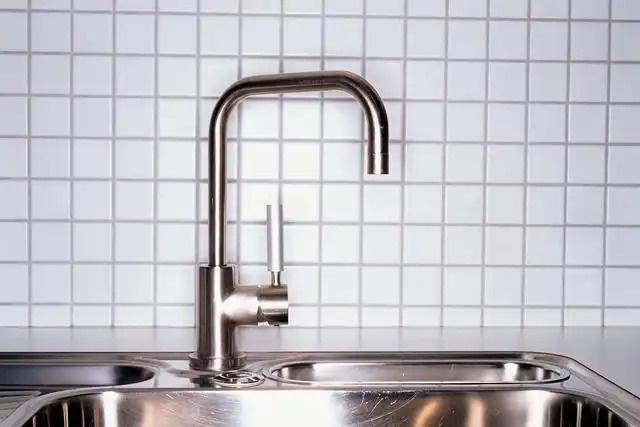
Cleaning method: Mix white vinegar and baking soda evenly, then soak toilet paper in the mixture. Finally, cover the faucet with the fully soaked toilet paper for about 30-60 minutes, then remove it and rinse with clean water.
4. Cleaning yellow stains in the toilet
Yellow stains on the inside of the toilet bowl are really difficult to clean. Before brushing your teeth, you need to sprinkle a few things into the toilet bowl, which can make the cleaning much more effective.

① First, sprinkle a handful of baking soda into the toilet. Baking soda can not only clean the kitchen and bathroom, but also has a good cleaning effect on stains and yellow stains in the toilet.
② Next, add a few drops of floral water. The fragrance of the floral water can mask the odor and effectively prevent the odor from developing.
③ After letting it sit for 2 minutes, use a toilet brush to flush the toilet. The yellow stains that were originally attached to the inner wall will be easily cleaned, and a fresh fragrance will linger after brushing.
III. Bedroom Cleaning
1. Dust in the wardrobe
When there is dust on the surface of the wardrobe, use a feather duster or soft cloth to remove it. If there are stains on the surface, you can wipe them with a suitable amount of neutral detergent or soapy water and a damp cloth, or use abrasive wax to polish them. Never use corrosive cleaning agents.

2. Bedroom carpet
A carpet is often laid in the bedroom, making it feel warm and comfortable. However, carpets usually have an uneven surface, and dust can get trapped in the gaps, making them difficult to clean.
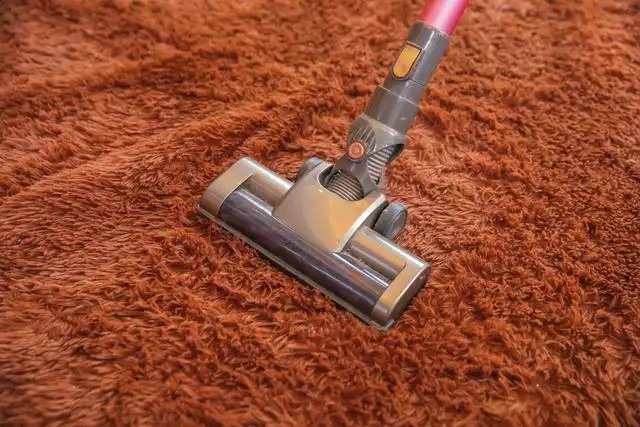
When cleaning carpets, use a high-powered vacuum cleaner to remove dust particles adhering to the surface. Then, spray water mixed with a professional carpet cleaner onto the stained area and use a wet vacuum to remove the stains.
3. Bedroom walls
When cleaning stains on walls, if the stain is freshly spilled, wipe it clean immediately before it dries, and then gently wipe it with a cloth dampened with bleach. If the stain has been there for a while, you will need to spray a professional wall cleaner onto the stain and wipe it up and down.

4. Bedroom curtains
Curtains are an essential home decoration, but they are also a major source of dust in a room! Curtains are closest to the window, so they are the first place where dust from the outside reaches. You could say that curtains are a barrier against bacteria and dust, but they are the easiest to overlook in terms of cleaning.

For routine cleaning, it's best to wipe the dust off the curtains with a clean, damp cloth every one or two weeks, especially for families with children or pets, and to thoroughly clean them every six months.