[Easy Care Tips] Common Diseases and Pests in Home Gardening and Their Prevention
As people's living standards and cultural literacy improve, appreciating and growing flowers has become fashionable, with potted plants being the most common choice for home gardening. To grow flowers well, one must master the knowledge of maintenance and management, especially the prevention and control of pests and diseases.
I. Diseases
1. Powdery mildew:
Small, transparent yellow spots appear on the leaf surface, gradually spreading to the entire leaf, forming powdery mildew. Later, the spots turn gray. It mainly affects a variety of flowers such as roses, dahlias, chrysanthemums, peonies, cinerarias, impatiens, and climbing roses.
2. Anthracnose
causes yellowish-brown sunken spots to appear on the leaves, which then spread outwards to become dark brown circular spots, or irregular patches on the leaves. The leaf tips dry out and continue to spread downwards. In later stages, small black dots appear on the lesions, often arranged in concentric rings. In severe cases, the leaves wither and die. It mainly affects orchids, rubber trees, roses, cacti, peonies, jasmine, carnations, fishtail palms, and many other flowers.
3. Black spot disease
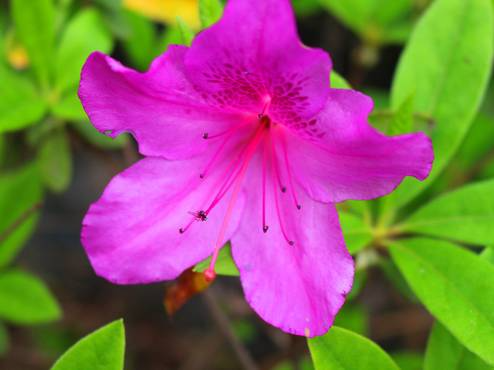
causes nearly circular or irregular black spots to appear on the leaves, which gradually enlarge. In severe cases, the leaves turn yellow and fall off, even leading to the death of the plant. It mainly affects roses, azaleas, camellias, cherries, and flowering plums.
Prevention and Control
: 1. Agricultural Control
: Strengthen cultivation management, appropriately increase phosphorus and potassium fertilizer application to enhance plant disease resistance, and promptly remove and burn diseased and fallen leaves to clean the environment, reduce transmission vectors, and ensure ventilation and light penetration.
2. Chemical Control
: Spray with 1:1:100 Bordeaux mixture at the initial stage of disease to protect against the disease and prevent its occurrence and development; spray with antifungal agents such as 50% carbendazim, 50% thiophanate-methyl, 65% zineb, 75% chlorothalonil, 50% thiophanate-methyl (500x dilution), and 50% benomyl (1000x dilution) at the early stage of disease.
II. Pests
1. Aphids
Aphids, also known as plant lice, can occur in all seasons and mainly damage bougainvillea, chrysanthemums, pomegranates, etc. Affected plants have curled leaves, yellowing branches and leaves, causing a large number of leaves and flowers to fall off, and in severe cases, the plants die quickly.
Aphid control: Soak 50g of red chili peppers in 30-50g of water for 24 hours, and spray the affected plants with the filtrate. The control effect is very good. Alternatively, spray with 2000-3000 times dilution of 40% dimethoate EC, 1000-1500 times dilution of 50% acetamiprid EC, or 3000 times dilution of 80% dichlorvos EC.
2. Spider
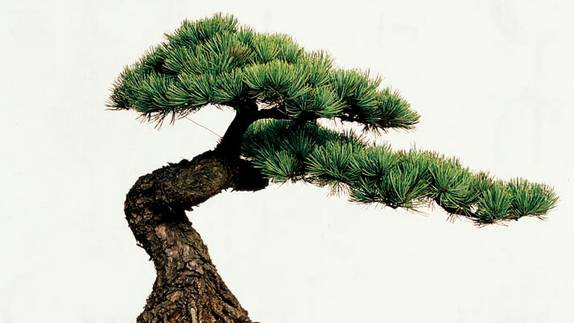
Mites: Also known as fire dragon mites, spider mites have multiple generations per year. They mainly damage the leaves and petals of wild elm, Chinese privet, and five-needle pine. Spider mites are about the size of a pinhead, deep red or purple, and only small red dots are visible to the naked eye. Affected plants suffer from chlorosis, with leaf edges curling upwards, eventually leading to scorching and leaf drop. This causes premature withering of flower buds, and in severe cases, plant death.
Control methods: Soak 50g of citrus peel in 0.5kg of water for 24 hours, filter, and spray the plants. Alternatively, spray with a 1500-fold dilution of trichlorfon or a 2000-fold dilution of 40% dimethoate. Spraying both the upper and lower surfaces of the leaves will yield better results.