Don't worry too much when your plants get infested with insects. Here are a few tips to easily solve the problem.
With changing lifestyles, more and more people are enjoying gardening. Compared to other leisure activities, cultivating plants offers numerous benefits. It not only cultivates character and enriches life but also decorates the home, beautifies the environment, and makes life more enjoyable. However, successfully cultivating plants is not easy. Besides understanding their growth habits, proper management is essential. Managing plants is a meticulous task requiring considerable care and patience. Providing suitable light and temperature, along with adequate water and fertilizer, is crucial. In addition to these, pest and disease control is paramount. Neglecting this can lead to irreversible damage. Many people struggle to control pests, causing considerable distress. Today, we'll teach you some methods for dealing with pests, making the problem easy.
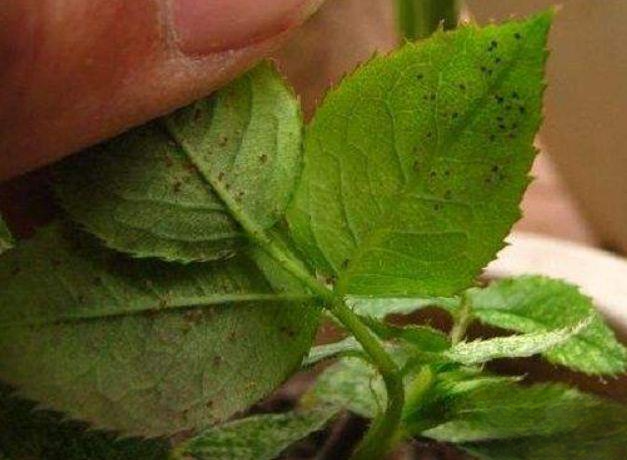
The dangers of red spider mites
Spider mites are a type of spider mite pest and a major threat to flowering plants, especially herbaceous plants such as salvia splendens, peperomia, and poppies. These plants are frequently attacked by spider mites. When a plant is infested, spiderweb-like structures appear among the leaves, and small, translucent insects are found on the undersides of the leaves – these are spider mites. Initially, these spider mites only feed on the leaves, but as their numbers increase, they threaten the entire plant.
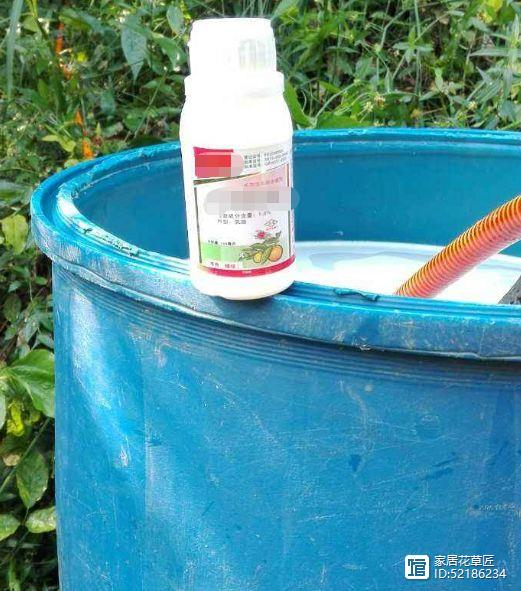
Methods to eliminate spider mites:
If you find spider mites on your plants, you should take preventative measures as soon as possible. You can use some biological pesticides, dilute them with water at a ratio of 1:500, and then spray the solution onto the leaves and branches. Continue this treatment for about a week, and the spider mites should be effectively controlled.
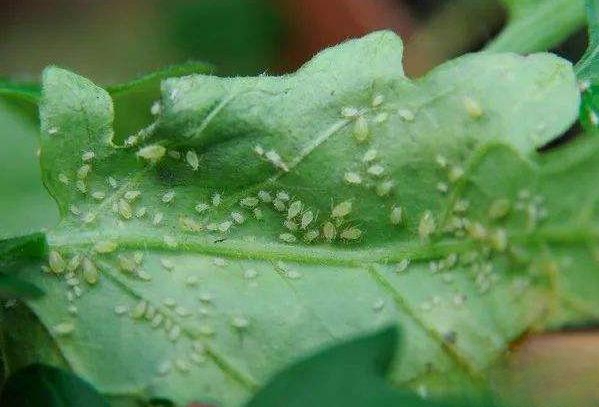
Damage caused by aphids
Aphids are also one of the major pests that harm flowers and plants. Although they are not very large, the damage they cause is quite serious. When flowers and plants are attacked by aphids, within just a few days, the branches and leaves are covered with densely packed insects. This not only affects the normal growth of the flowers and plants, but they also fly around everywhere, bringing unnecessary trouble to your life.
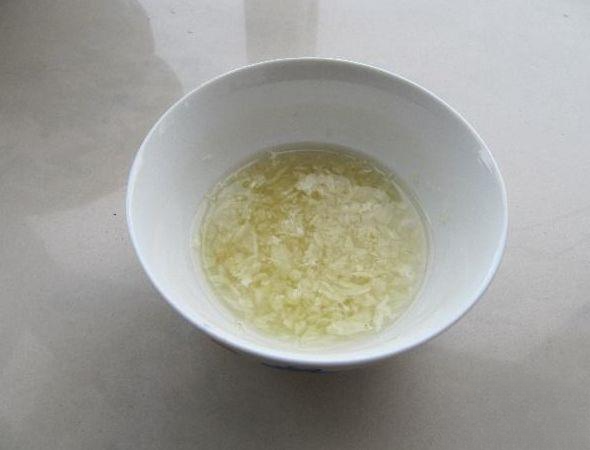
Methods to eliminate aphids:
If the aphid population is small, it won't cause too much damage to the plants; you can simply remove them manually each morning. If the population is large, you can use an aphid-killing solution for control. Alternatively, you can dilute some garlic juice with water and spray it, which can also provide good protection.
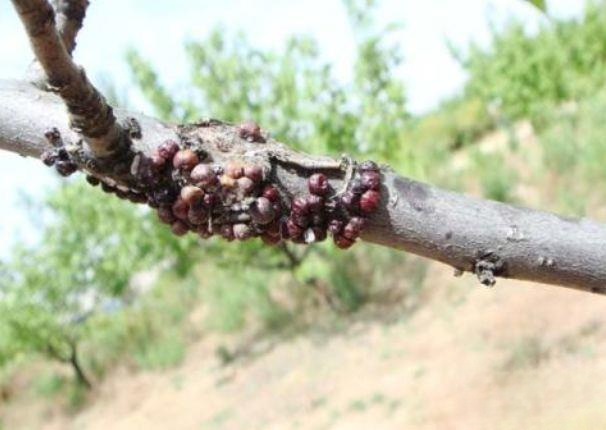
Damage caused by scale insects
Compared to the two pests mentioned above, scale insects are larger and cause more serious damage, especially during their larval stage, when they burrow deep into the soil and directly eat the roots of plants, causing the entire plant to wither and die.
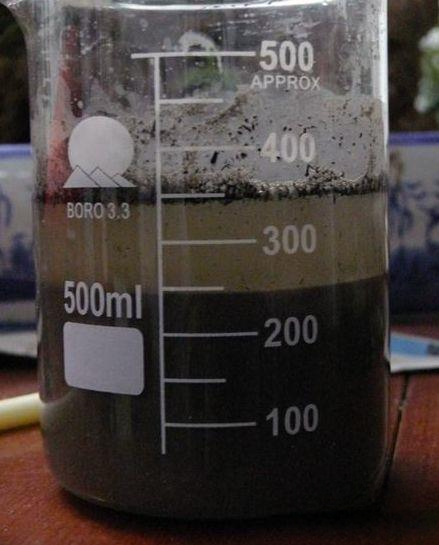
Methods to eliminate scale insects:
Once scale insects are discovered in plants, appropriate control measures must be taken. Low-toxicity, highly effective biological pesticides can be used; generally, a few applications will yield good results. Alternatively, a natural wood ash solution can be used for watering; only a small amount is needed, and it can be sprayed directly onto the affected areas to eliminate the insects.
If you encounter any of these three pests, use the corresponding methods to prevent and control them, and your flowers and plants will grow better.