Don't know how to prune your flowers? Learn these ten tips and you'll be a pro gardener!

Pruning is truly an essential skill for flower enthusiasts. Through pruning, you can regulate the growth, flowering, and fruiting of plants, improve ventilation and light conditions, and promote healthy plant growth. Common pruning methods for home gardening include pinching, cutting branches, removing buds, and removing leaves.
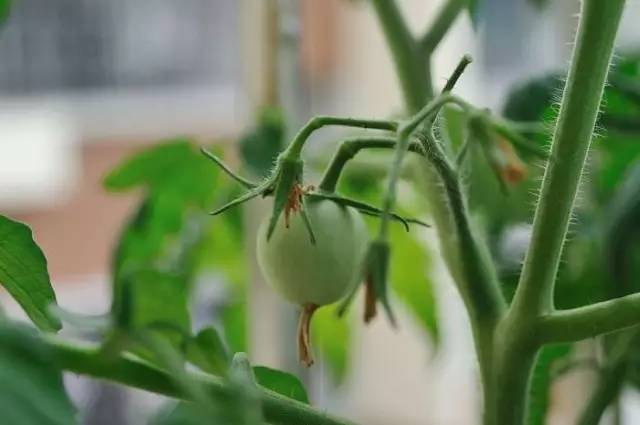
Once the plant enters the seed-bearing process, it will consume a lot of nutrients, especially bulbous plants. According to a fellow plant enthusiast, her rain lilies can bloom 4-5 times a year if the spent flowers are not removed, but if the spent flowers are removed, they can bloom up to 13 times a year.
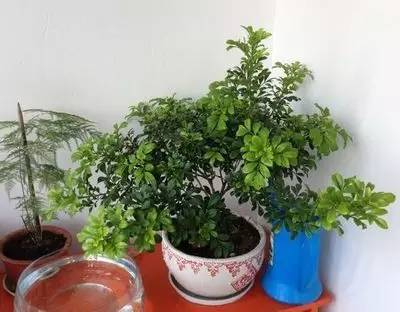
Therefore, pleasant and effective pruning is extremely important.
This hand-drawn tutorial teaches you how to prune flowers; it's so easy to understand, but first, make sure your flowers are suitable for pruning!
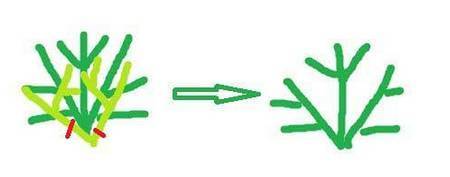
1. Pinching/topping → turning into a flower ball [petunias, geraniums, baby's breath...]
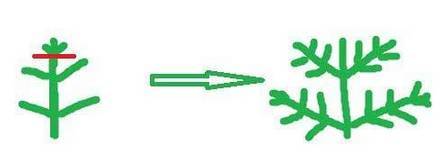
2. Remove the basal buds →
Transform into lollipop shapes [tree-shaped roses, crape myrtles, Chinese junipers...]
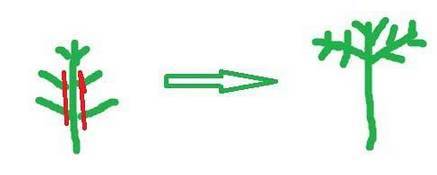
3. Pruning →
Promotes ventilation, concentrates nutrients, and results in a more attractive shape [from diseased or weak branches, overly vigorous branches, overly dense branches, and any branches you don't like].
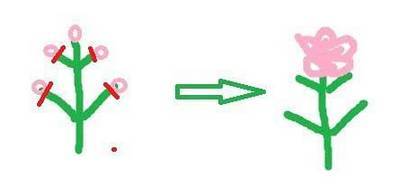
4. Thinning buds →
Remove side buds and weak buds to concentrate nutrients on producing large flowers [peony, chrysanthemum specimen...].
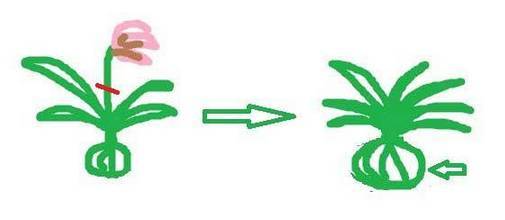
5. Trim withered flowers →
Faster reblooming, larger bulbs, and neater plant appearance [for all flowers where you don't need to save seeds].
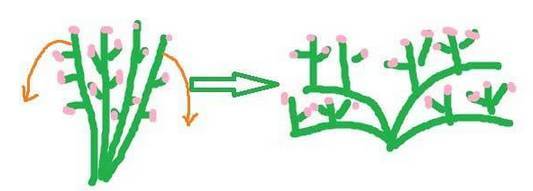
6. Layering →
Lower the main stem to encourage lateral bud growth and more flowers [climbing roses, clematis...]
7. Root trimming → Trim the roots when repotting or transplanting.
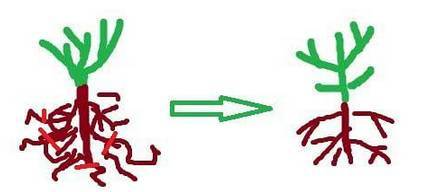
According to the degree of pruning
8. **Light Pruning: ** Cut off 1-3 nodes. This is used for general post-flowering pruning.
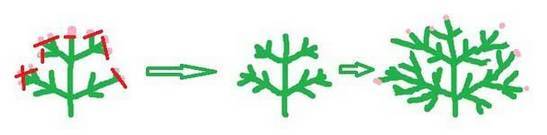
9. [Medium Cut]:
Cut off 1/3 to 1/2 of the length, shorten the plant shape after flowering, and perform general pruning during the autumn and winter dormancy period.
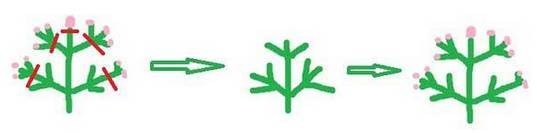
10. [Heavy Pruning]: Cut off 2/3 to 3/4 of the plant. Depending on the situation, the above-ground parts can also be cut off. This is used to rejuvenate the plant, promote the growth of new shoots, and shape the plant. It is generally done during the autumn and winter dormancy period.