Don't be impulsive and prune your flowers in spring; cutting these flowers will ruin them.
Don't be impulsive when pruning flowers in spring; these flowers should never be pruned, or they will die.
It's springtime now, the weather is gradually warming up, and plants are starting to sprout. The potted plants at home are now ready for repotting, pruning, fertilizing, watering, and sunbathing.
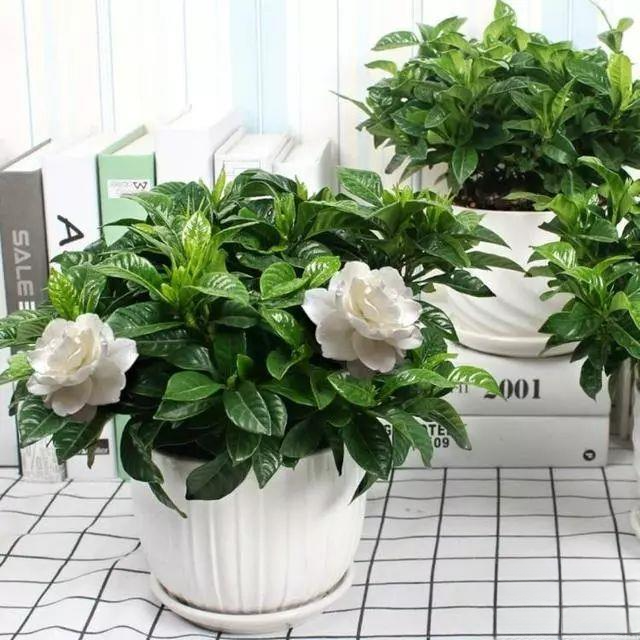
Many people prune their plants thoroughly in winter to remove old and damaged branches and encourage new growth. However, some flowers should never be pruned, as pruning them may prevent them from blooming this year.
First, gardenia
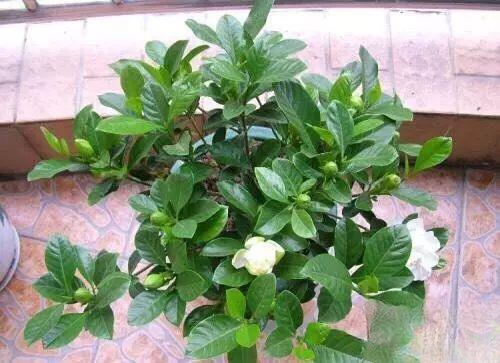
Gardenias typically bloom between April and June, usually on older branches. This is achieved by pruning once before winter, allowing the branches to mature and bloom in spring. It's crucial to avoid haphazard pruning in spring, as this can remove potential flower buds, potentially preventing the plant from blooming that year.
Second, hydrangea
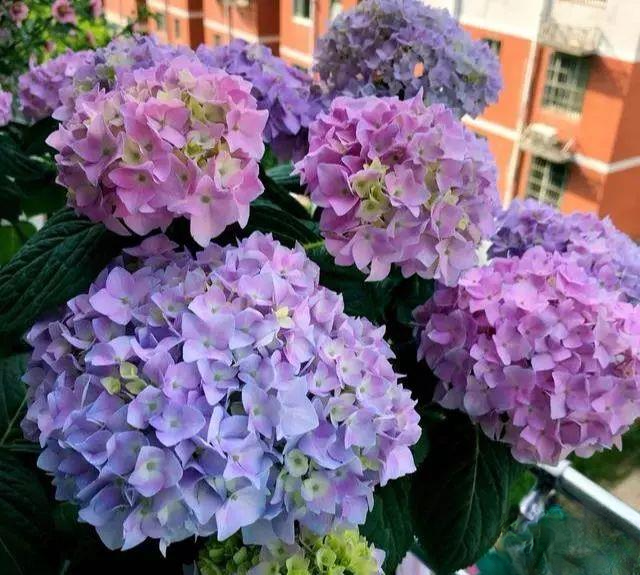
The large-flowered hydrangeas we grow usually bloom on older branches. Although many hydrangea branches are still dry and old in spring, do not disturb these branches, as they are the ones that will bloom.
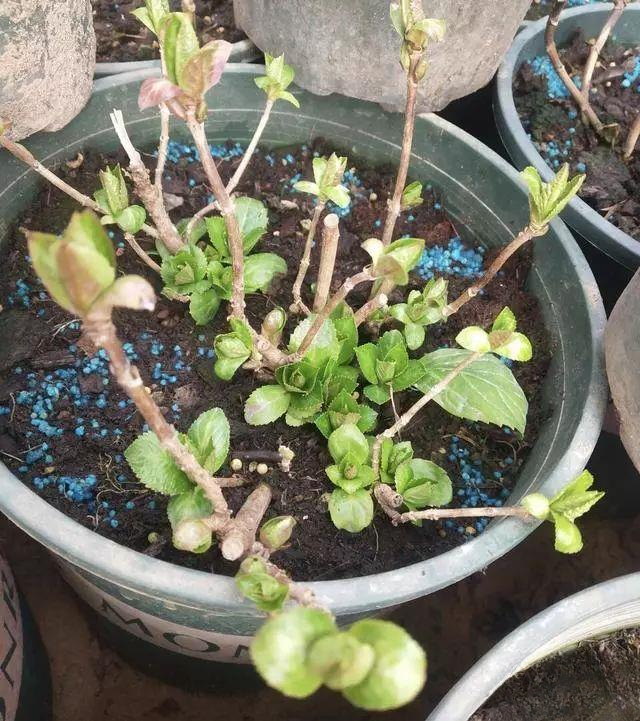
As the weather warms, new buds will sprout from its branches, and each of these buds can produce a large flower. If you prune them, causing it to sprout new branches, these branches may not mature enough and therefore may not bloom.
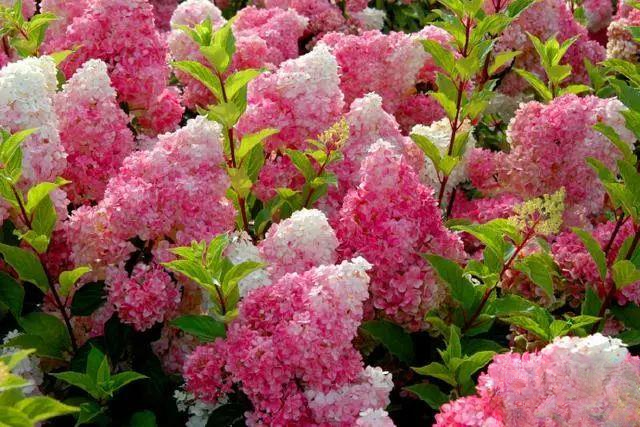
However, the Endless Summer hydrangea and panicle hydrangea that we commonly see can bloom on both new and old branches, so they can bloom no matter how they are pruned.
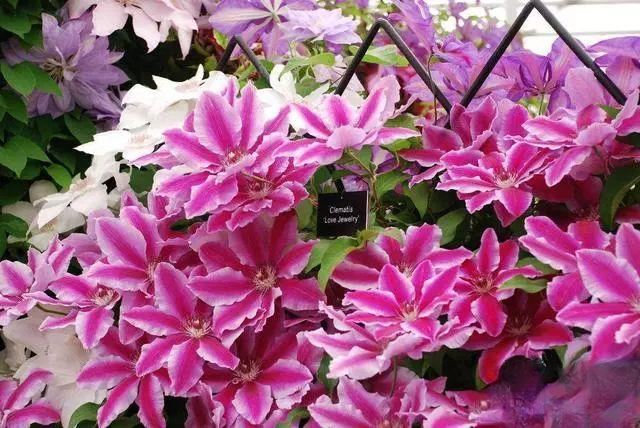
Third, Clematis
Clematis is also particularly frost-resistant. It develops flower buds during its winter dormancy. Do not prune it haphazardly in the spring, otherwise you will cut off its potential flower buds and make it difficult for it to bloom this year.
For plants that cannot be pruned casually, remove some old leaves from the bottom and discard any rotten leaves to prevent fungal infections. Prune them after they have finished flowering in the spring. When temperatures rise in spring, apply some organic fertilizer to encourage rapid growth.
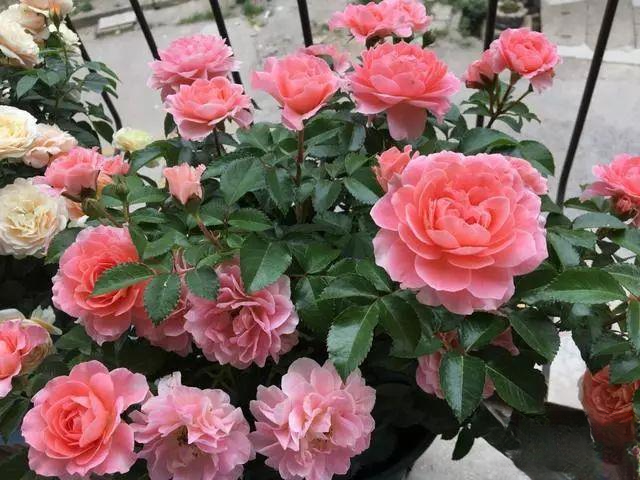
However, for some plants that bloom on new shoots, such as roses, jasmine, bougainvillea, and wild roses, heavy pruning is necessary in spring. Remove the branches that have used up nutrients during winter, apply some organic fertilizer to encourage new buds to sprout, and these new buds will be the branches that will bloom.