Doctor's breakfast recommendations: Supplementing protein is key; regularly eating these 5 types of breakfast can boost immunity.
Disclaimer: This article is original content written based on authoritative medical information and personal opinions. The sources are marked at the end of the article. To facilitate reading and understanding, some storylines contain fictional elements. It is intended to popularize health knowledge. If you have any physical discomfort, please seek medical attention offline.
The breakfast you eat every morning may be more important than you think.
Not all breakfasts are nutritious; some can even make you feel more tired. Especially in this era of rampant viruses and where immunity determines the body's bottom line, a high-quality breakfast is your first line of defense for your immune system.
Doctors generally recommend that breakfast must include protein . This isn't because it's expensive, but because it supports your immunity throughout the day. This article will help you understand why getting protein at breakfast is so important, what the most reliable protein sources are, and how the average person can eat it to maximize its effectiveness.

1. Skipping protein for breakfast means your immunity is completely wasted.
Breakfast is the meal most easily overlooked during the day. Many people grab a quick bite of bread and a cup of milk tea before heading out, or even go to work on an empty stomach. But did you know that this kind of breakfast not only harms your stomach but can also quietly weaken your immune system?
Proteins are the "raw materials" that make up human immune cells . For immune cells to function efficiently, they must have enough amino acids to participate in their synthesis, and proteins are the source of amino acids.
According to the Chinese Dietary Guidelines (2022), adults should consume 60-65 grams of high-quality protein daily , and breakfast should provide at least 20-30% of the protein .

In other words, you need to eat at least 15-20 grams of protein for breakfast to prevent your immune system from "starving" .
Second, staple foods alone are not enough; breakfast needs to be "upgraded."
Many people eat only carbohydrates for breakfast, such as white steamed buns, rice porridge, bread, and fried dough sticks. The problem is that while this combination provides enough calories, it results in a serious nutritional imbalance.
Eating only carbohydrates leads to soaring blood sugar, short-lived energy, and weakened immunity. Without protein support, blood sugar fluctuates greatly, satiety is poor, fatigue and difficulty concentrating are common throughout the morning, and it can even trigger chronic inflammation.

A proper breakfast should consist of a combination of protein, carbohydrates, dietary fiber, and healthy fats . Among these, protein is the most crucial element.
III. Five types of high-quality breakfast protein recommended by doctors – eating them correctly is key to their effectiveness.
Not all proteins are created equal. "High-quality protein" is what the immune system prefers.
The following five types are the most recommended sources of protein for breakfast by doctors; most people can simply follow these recommendations:

1. Eggs: The number one "immune food" for breakfast.
Eggs contain complete protein with a digestibility of up to 98% , meaning they are almost completely absorbed by the human body.
One medium-sized egg (about 50 grams) contains approximately 6 grams of high-quality protein . Paired with a glass of milk, this provides half of your protein needs.
Doctors recommend that boiled eggs, steamed eggs, and egg drop soup are healthier than fried eggs , as they are lower in oil and easier to digest.

2. Dairy products: High in calcium and protein, suitable for all ages.
Dairy products such as milk, yogurt, and cheese are not only rich in protein, but also contain a variety of nutrients such as calcium, vitamin D, and B vitamins , which have a boosting effect on immunity.
A 250mL glass of milk contains approximately 8 grams of protein , making it especially suitable for busy working people who don't have time to cook breakfast.
Note: People with lactose intolerance can choose low-lactose or lactose-free milk to avoid gastrointestinal discomfort.
Open Toutiao to view image details
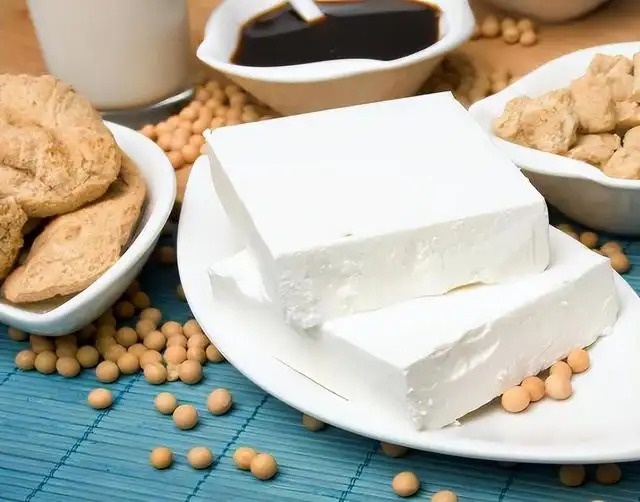
3. Soy products: The king of plant protein
Soy products such as soy milk, tofu, tofu pudding, and dried tofu are excellent sources of plant protein, especially suitable for vegetarians or people who do not eat meat, eggs, or dairy.
Unsweetened soy milk is a low-calorie, high-protein beverage, containing approximately 3.5 grams of protein per 100mL . Pairing it with whole-wheat bread or multigrain biscuits provides a more balanced nutritional profile.
Doctors advise that freshly ground soy milk is better than ready-made soy milk from the supermarket, and that it should be made with as little sugar as possible and not filtered.
4. Nuts and seeds: A small handful, high in nutritional density
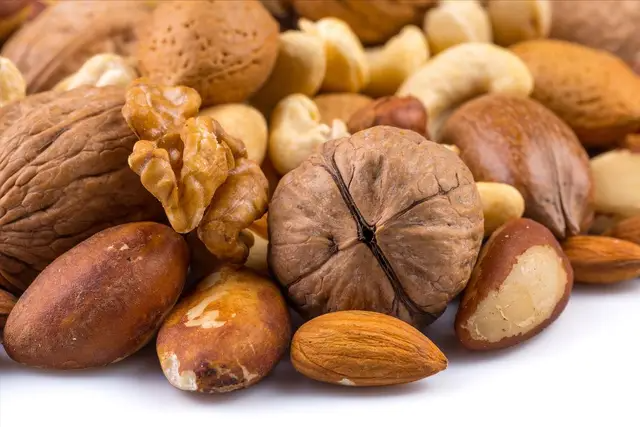
Nuts and seeds such as walnuts, almonds, cashews, sesame seeds, and pumpkin seeds not only contain a certain amount of plant protein, but also are rich in omega-3 fatty acids , which have significant anti-inflammatory and immune-boosting effects.
Suggested breakfast combinations: yogurt with nuts, millet porridge with sesame seeds, whole wheat bread with peanut butter – all simple and healthy options.
Pay attention to portion control: Daily nut intake should not exceed 25 grams , which is about a small handful.
5. Livestock, poultry, and fish: Lean slices, fish floss, and chicken breast can all be served.
Many people mistakenly believe that meat can only be eaten at noon or in the evening. In fact, consuming a moderate amount of lean meat or fish at breakfast can help diversify protein intake .
For example, chicken breast sandwiches, fish floss porridge, and beef scrambled eggs can all provide protein and increase satiety.
Doctors advise: Eat as little processed meat as possible (such as sausages and bacon) , as they are high in salt and nitrites, which are detrimental to health.

IV. Eating the right protein at breakfast can quietly boost your immunity.
What changes will occur in the body if you insist on having a high-quality breakfast, especially one that is rich in protein?
1. Immune cells are more active
, with increased levels of immunoglobulins in the blood, enhancing the body's ability to fight viruses.
2. Faster recovery:
Recovery time after a cold or fever is shorter, and the body repairs itself faster.

3. More energetic:
Mental workers have better concentration, while physical workers are less prone to fatigue.
4. Healthier gut microbiota:
High protein and dietary fiber help probiotics grow and improve gut immunity.
Fifth, many people are still making these common breakfast mistakes.
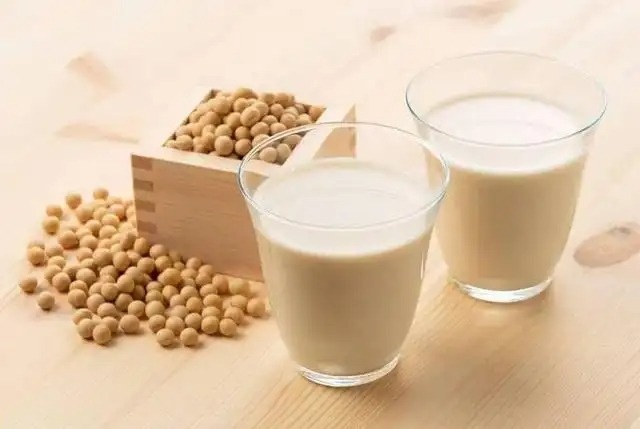
Myth 1: You don't need to eat eggs if you drink soy milk?
Wrong! Soy milk is good, but its protein content is much lower than that of eggs. Combining the two is more balanced.
Myth 2: The lighter the breakfast, the healthier it is?
No! Light ≠ nutritious. The key is a balanced diet, and protein should not be ignored.
Myth 3: It's okay to eat a greasy breakfast?
Wrong! High-fat foods increase the burden on the stomach and intestines, affect protein absorption, and may even induce chronic inflammation.

VI. Doctor's Recommended "Immune Breakfast" Pairing Template
Here's a simple and easy-to-follow template for an immune-boosting breakfast. Follow it for a week, and you'll have plenty of energy and won't feel sleepy:
Staple food: Whole wheat bread/Multigrain porridge/Oatmeal
• Protein: Eggs + Milk /Tofu + Soy Milk /Chicken Breast + Yogurt
• Fruits and vegetables: Choose from tomatoes, cucumbers, apples, and bananas.
• Healthy fats: a handful of nuts or a spoonful of peanut butter

In conclusion: Eating the right breakfast is the cheapest way to boost immunity.
To boost your immunity, don't rely on health supplements, just eat a good breakfast.
Waking up 10 minutes earlier each day and eating a breakfast that is protein-rich, nutritious, and well-structured will quietly strengthen your body and gradually boost your immunity.
Don't neglect breakfast anymore, and don't neglect protein anymore.