Do you know how to prune roses? Four pruning methods for each season, combined with scientific management, will ensure your roses grow vigorously.
Roses are a popular flowering plant, and many people cultivate them. Roses have existed since the Tang Dynasty, making them quite ancient. Over the years, the varieties of roses have increased, and the methods of cultivation have become more refined. One key aspect of rose care is pruning. Today, our topic is rose pruning.

The purpose of pruning roses:
1. To increase the number of roses that bloom the following year and to prolong the flowering period.
2. To create a perfect plant shape, enhance its ornamental value, and increase the value of the rose plant.

3. Reduce pests and diseases, as well as the impact of branches during the growth process.
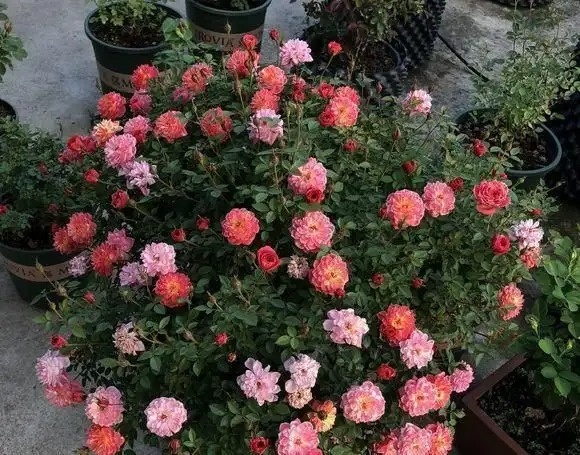
The pruning methods differ for each of the four seasons. Proper pruning can help solve many problems for roses. Roses grow very quickly, producing extra small branches every month. These branches greatly affect the growth and flowering of roses, so pruning is an essential step in growing roses.

Rose Pruning Guide for All Seasons:
Spring pruning
Roses are among the most adaptable plants, relatively easy to cultivate, and quite simple to grow. Good air circulation, ample sunlight, and sufficient water are essential for a rose to grow and bloom normally. During its growth, many small buds will sprout from the branches; some of these are unnecessary and waste nutrients, so they should be pruned.
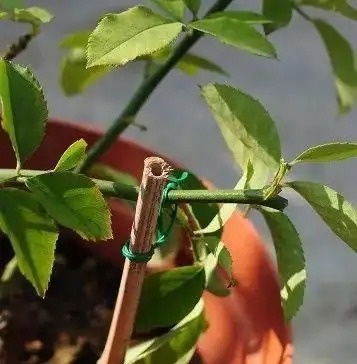
Pruning is mainly to control its growth and prevent the rose from growing too fast, otherwise it will affect the number of flowers and even the flowering period. Just cut off some excess branches, buds, withered and broken ones.
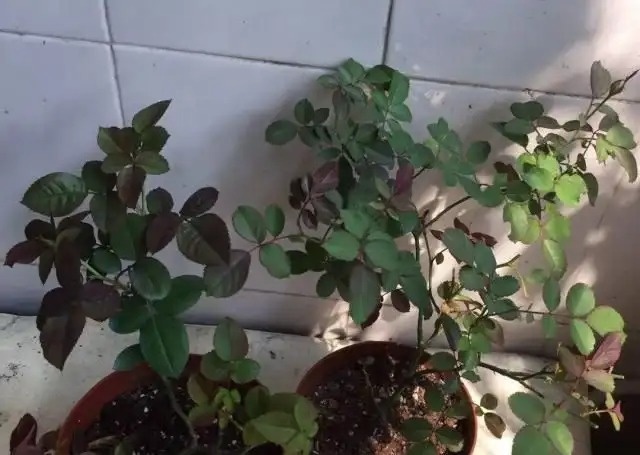
Summer Cut
Modern rose varieties can thrive in temperatures around 35°C and can be kept outdoors. However, it's important to prune away any small, thin branches between the main stems to improve air circulation. Overly dense branches can lead to pests and diseases.

Pruning is done to increase air circulation between branches, so it should be done more frequently. Branches are constantly growing, so pruning should be done every few days. This also helps prevent pests and diseases.

Autumn pruning
Autumn temperatures are relatively low and the weather is quite cool, so it's necessary to reduce watering slightly. The goal of water control is to prevent flower buds from continuing to differentiate and to store energy.
Winter pruning
Potted roses need to be moved indoors for care, while those planted in the ground require no management. Generally, roses planted in the ground are much better than those planted in pots, as they are more resilient.
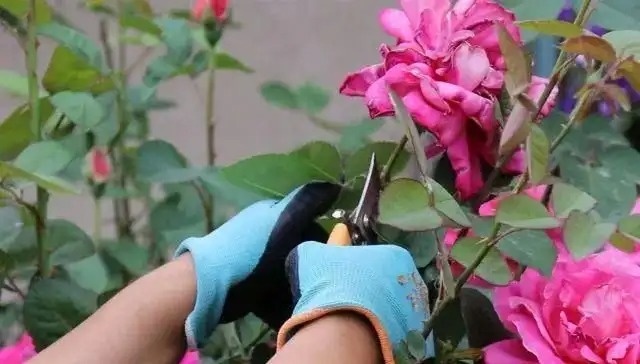
In winter, prune as much of the rose bush as possible to store nutrients within the plant and prepare it for the long winter. Once winter is over, the pruned branches will quickly grow back, producing two new branches from the original one.

Scientific management of rose bushes after pruning:
1. After pruning, the cut wounds are exposed to the air, and the strong sunlight will cause the moisture in the branches to evaporate quickly, causing the branches to wither in a very short time. Therefore, what we need to do is to provide shade after pruning and give the roses appropriate shade.

After the pruning wounds have healed, apply a small amount of fertilizer, preferably phosphorus and potassium fertilizer. Water the plant promptly after fertilizing, making sure to water thoroughly and thoroughly to ensure good drainage and aeration of the soil in the pot.
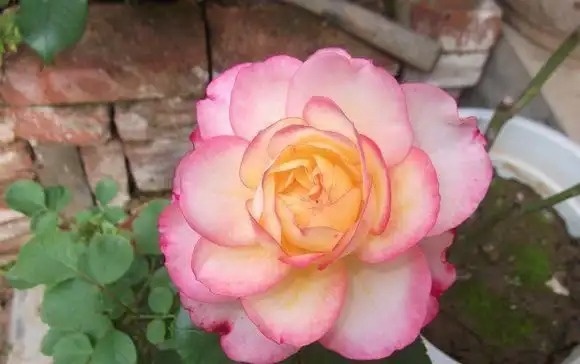
2. During pruning, try to keep only one flower bud on each branch. Too many flower buds will consume more nutrients and shorten the flowering period. We can use nutrient solution mixed with water to replenish nutrients in a timely manner.
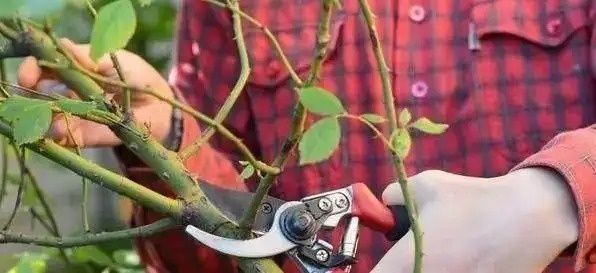
3. Be aware of pests and diseases. Some insects specifically feed on pruned branches because the wounds are fresh and they can absorb moisture from the branches. For thicker branches, you can use masking tape to secure them.

As mentioned above, during the pruning process in all four seasons, it is important to ensure that pruning tools are disinfected before cutting branches. Whether using a knife or scissors, try to complete the pruning in one go and avoid repeatedly pruning the same spot.
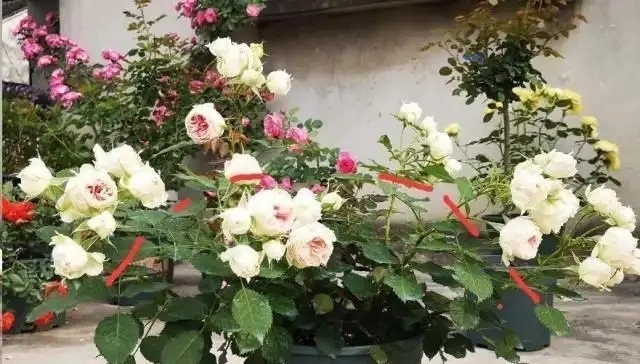
Controlling the growth of rose branches directly affects the flowering period and the number of flowers. Therefore, pruning is essential in rose cultivation, and everyone should learn how to do it.