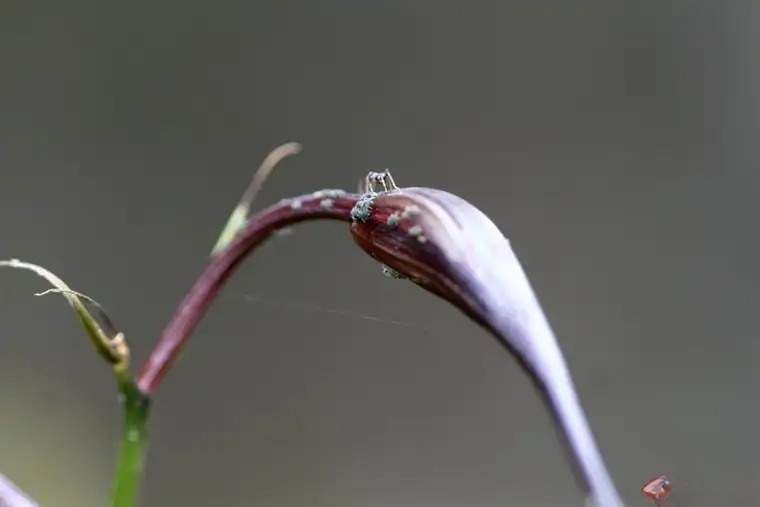
Diseases and pests of orchids and their control
Disease and pest control of orchids
Orchids are herbaceous plants, and their disease incidence is much higher when they are artificially cultivated than when they grow naturally in forests . Under artificial cultivation, due to differences in temperature, humidity, light, and air, as well as unclean environmental air, orchids are most susceptible to the following diseases.
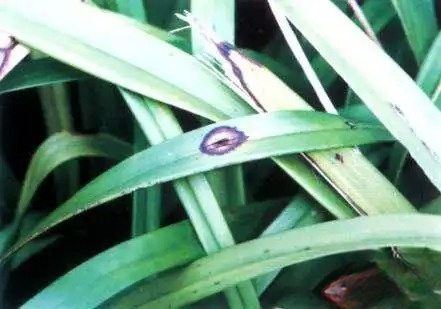
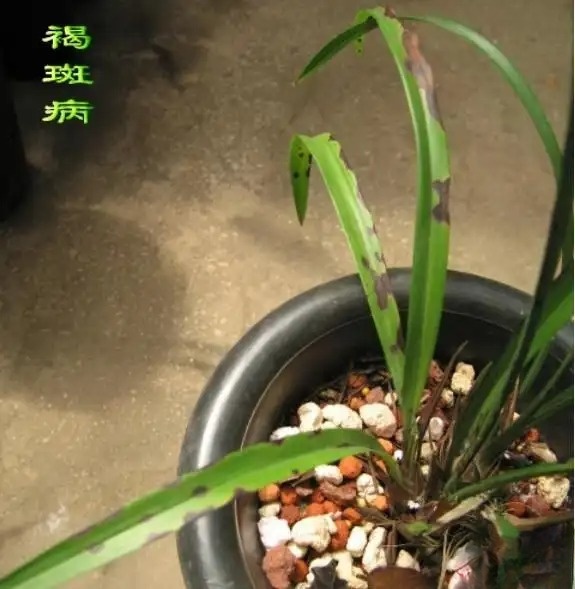
Anthracnose, black spot, orange peel, rust spot, and other common orchid leaf diseases. I employ three methods for the prevention and control of orchid leaf diseases:
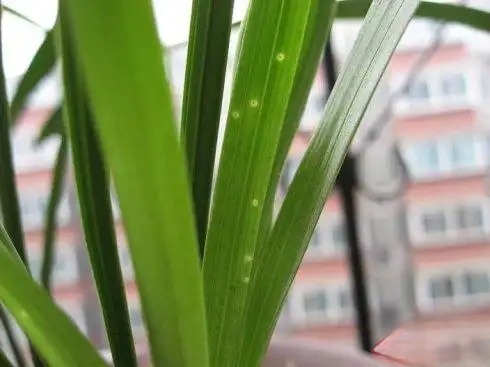
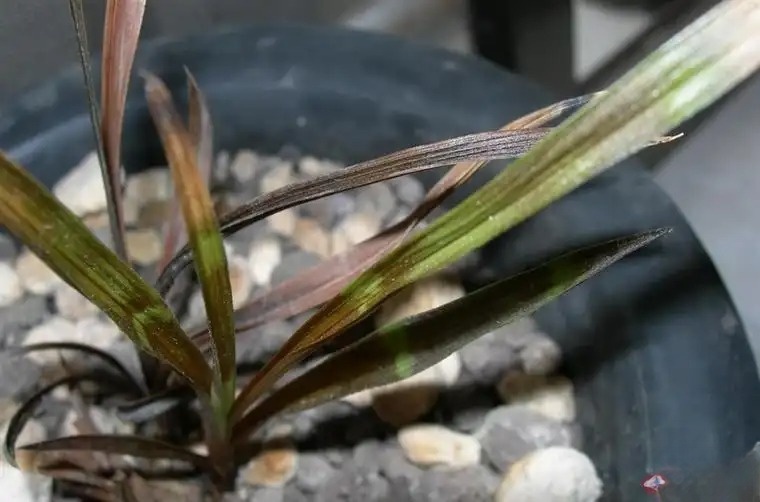
Firstly, foliar spraying can be used. A 1000-fold dilution of methyl thiophanate or an 800-fold dilution of carbendazim can be used, either diluted in water, for fungicide and disease prevention. For insect control, a 1000-fold dilution of dimethoate or methamidophos can be added. However, methyl thiophanate and carbendazim should not be mixed, as this will create resistance and reduce their effectiveness. In hot and humid seasons, applying the pesticide every 10 or 15 days according to the specified ratio will yield better results.
Secondly: Root irrigation sterilization method : For orchid plants suffering from severe diseases such as black spot and anthracnose, root irrigation sterilization and disinfection can be carried out. Specifically, a 1:1000 dilution of carbendazim can be used to irrigate the potting soil or soak the pot, while spraying the leaves with the fungicide solution at the same time. This should be done once a week, and the effect is very good.
Thirdly: Injection treatment: For orchids severely affected by black spot or anthracnose, diseased leaves are usually removed by pruning. However, if a plant is already diseased, pruning it is a waste. I have adopted a method similar to medicine, injecting the diseased leaves with the injection solution, which has proven highly effective. The specific method is as follows:
Prepare a 1:800 dilution of methyl thiophanate. Using a disposable 20 ml syringe, draw 18 ml of the solution and inject it into the lesions on the orchid leaves. Inject one injection into each lesion. The lesions will disappear completely after three days. Place a piece of sterilized foam plastic at the bottom of the syringe to prevent the needle from pricking your hand.
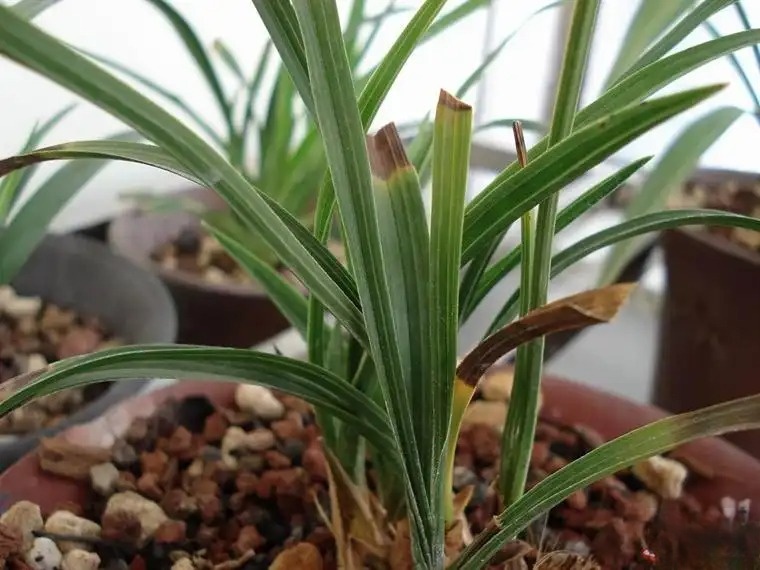
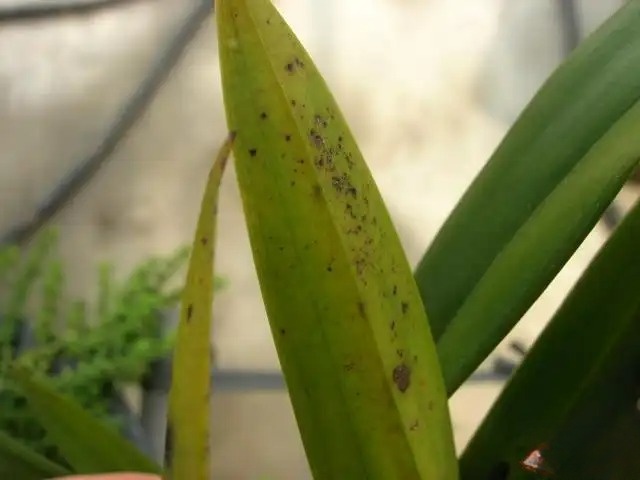
Although orchids can get sick, with proper medication and timely prevention and treatment, you can definitely cultivate beautiful orchid leaves and bloom brilliant flowers...
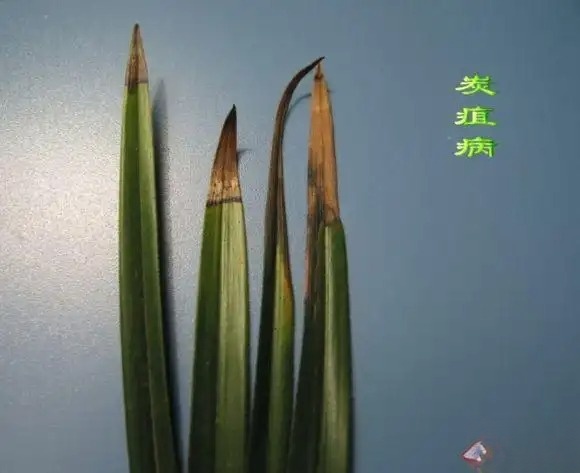
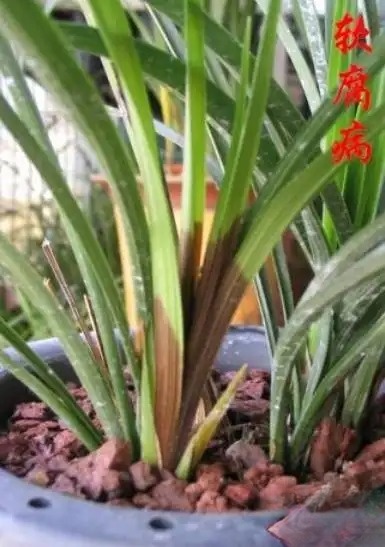
The main diseases and pests affecting orchids include:
( 1) White rot : It often occurs during the plum rain season . Pay attention to ventilation and light, and ensure good drainage of the potting soil to prevent it. After the disease occurs, remove the infected potting soil and sprinkle pentachloronitrobenzene powder or lime.
(2) Anthrax: It occurs year-round, but is more rampant during the hot and rainy season. In addition to improving environmental conditions, the prevention and control methods include spraying with 50% methyl thiophanate wettable powder at a dilution of 800 to 1500 times during the disease period, once every 7 to 10 days, and then supplementing with 1% Bordeaux mixture once every half month.
(3) Scale insects:
They reproduce fastest in hot, humid conditions with poor air circulation, and can be controlled using conventional methods.
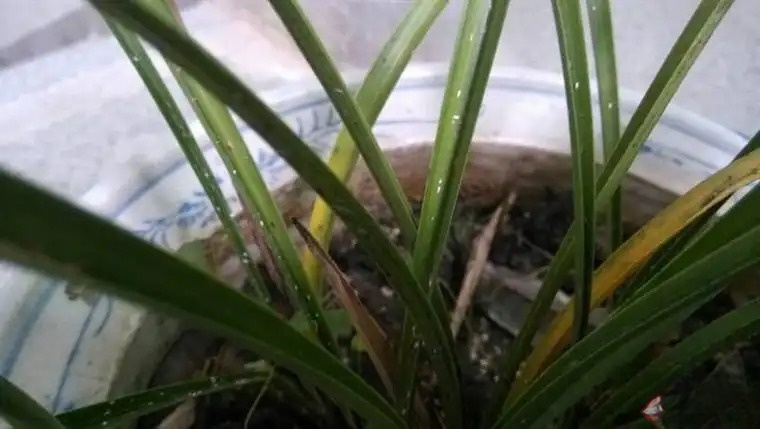
(4) Root rot is also called nematode disease. Nematodes parasitize the roots of orchids, causing root rot, poor growth of leaves above ground, fading of leaf color, yellowing, and even wilting of the plant. Nematode damage creates numerous wounds and can also lead to infection by other soil-borne pathogens, causing disease and accelerating plant death. The cultivation substrate should be sterilized, which can be done by steam sterilization at 100 degrees Celsius to kill the nematode eggs. Severely damaged plants should be repotted immediately. Soak the diseased plant in the sterile solution for 20-30 minutes, take it out and let it dry, and replant it with fresh substrate. In conclusion, to cultivate orchids well, it is necessary to understand their natural growth environment conditions, take reasonable measures, and strengthen maintenance and management. According to the "Orchid Cultivation Secrets ," "Do not expose to direct sunlight in spring, do not expose to direct sunlight in summer, do not dry out in autumn, and do not wet out in winter," which is a summary of China's orchid cultivation experience.
Pollution-free methods for controlling pests and diseases:
Below are some folk remedies for the pollution-free prevention and control of orchid diseases and pests.
1. Tea seed cake
Tea bran, also known as tea seed cake or tea seed residue, is the residue left after pressing tea seeds for oil. Farmers often use it to wash clothes. Tea bran contains saponins and glycosides, and its water extract is alkaline, which has a good stomach poison and contact killing effect on pests.
Prevention and Control Methods: 1. Soak crushed tea seed cake in boiling water at a ratio of 1:5 for 24 hours. Use this solution to water the orchid pots, as well as the area where the orchid pots are placed and other orchid pots. This has a good effect on controlling snails. 2. Spraying the orchid plants with tea seed cake water is very effective in controlling aphids and spider mites, achieving a control rate of over 90%. 3. Tea seed cake water can also kill earthworms. Thoroughly water the potting soil with tea seed cake water, and after a short while, earthworms will emerge from the soil surface. Remove them. Opinions differ among orchid enthusiasts regarding the benefits and drawbacks of earthworms to orchids. One view holds that earthworms in the pot damage some orchid mycelia and injure the root tips, making them pests that must be eliminated. Another view argues that earthworms in the orchid pots can eat much of the decaying matter and rotten roots, their activity loosens the soil, and their excrement can serve as fertilizer for the orchids; therefore, their benefits outweigh their drawbacks, and they do not need to be killed. Whether it is right or wrong remains to be determined by orchid enthusiasts based on their own practical observations, weighing the pros and cons, and making their own judgments.
2. Vegetables with strong odors (green onions, garlic, chives, ginger, onions, etc.)
Each of the vegetables with a distinctive odor has its own unique smell, and this odor can have insecticidal and bactericidal effects.
Prevention and control methods: 1. Take 25g of garlic, crush it, squeeze out the juice, dilute it in 10L of water, and spray it on the orchid immediately. This can treat aphids, spider mites, scale insects, and gray mold . Alternatively, crush peeled garlic into small pieces and place them at equal intervals on the surface of the orchid pot. After a few days, earthworms and ants will disappear. 2. Soak chopped scallions in water at a ratio of 1:30 for 24 hours, filter, and spray the orchid with the solution several times a day for several days. This is effective in controlling aphids, soft-bodied pests, and powdery mildew. 3. Crush 1 jin of ginger with half a jin of water to extract the juice. Add 6 jin of water to every jin of the juice and spray the orchid. This can control aphids. 4. Mix leek juice and water at a ratio of 1:60 and spray the orchid twice a day for several days. This can cure black spot disease . 5. Take 15g of chopped onion bulbs, put them in 2 jin of water, seal and soak for 7 hours, then filter. Spray the orchid plant with the filtrate to treat spider mites and aphids.
3. Cigarette butts
Tobacco leaves contain about 3% nicotine. Nicotine has a strong contact and stomach poison effect on pests. Take about 20 cigarette butts and one part quicklime, add water, stir, soak and filter, then add 30 parts water. Spray this mixture on orchid plants, potting soil and the bottom of the pot to kill ants and other pests without a waxy coating.
IV. Laundry detergent and cleaning agent
Laundry detergent can dissolve the cornea of scale insects and simultaneously form a layer of foam that envelops the insects, causing them to suffocate and die. Laundry detergent solution can also prevent and control some pests and diseases.
Prevention and control methods: 1. Dissolve a small amount of laundry detergent in warm water, then dilute it to a 1000-fold dilution and spray the orchid plant. This can kill aphids, whiteflies, and spider mites. Dilute to a 600-fold dilution and spray once every three days, for a total of three sprays, until all scale insects die. 2. Mix pig bile and water at a ratio of 1:100, add a small amount of laundry detergent, and spray the orchid plant with this solution to prevent anthracnose and soft rot. After spraying the orchid plant with the laundry detergent solution and waiting for the pests to die, rinse the leaves several times with clean water to allow the orchid plant to grow normally.
V. Baijiu (Chinese liquor)
Mix white wine and water in a 1:2 ratio, spray the orchid plant once a week for three consecutive weeks to kill scale insects.
VI. Citrus peel
Placing citrus peels at the bottom of the pot can prevent ants and other pests from entering the soil and harming orchids. Alternatively, chopped citrus peels can be sprinkled on the surface of the soil; after a few days without watering, this can control aphids and scale insects.
7. Brown sugar
Mix powdered brown sugar and boiling water in a ratio of 1:100. After cooling, spray the orchid plants with the brown sugar solution once every 3 days for a total of 3 times. This method is effective in preventing and controlling downy mildew, powdery mildew, black spot, and leaf blight.
8. Diesel fuel
Mix diesel and water in a ratio of 1:60 to form an emulsion, then dilute it with 100 times the amount of water and spray it on the orchid plants to treat scale insects and other pests.
9. Wood ash
Soak wood ash and water in a 1:50 ratio for two days and nights, then filter. Spray the orchid plants with the filtrate to treat aphids and increase potassium fertilizer.

10. Vinegar
Mix vinegar and water in a 1:8 ratio and spray evenly on both sides of orchid leaves to treat scale insects. If the scale insects are already adults, slightly increase the acidity of the mixture and spray once every three days for three consecutive days to kill the adult scale insects. Spraying vinegar solution on leaves can also eliminate black spot, powdery mildew, leaf spot, and chlorosis. Industrial grade vinegar should not be used.