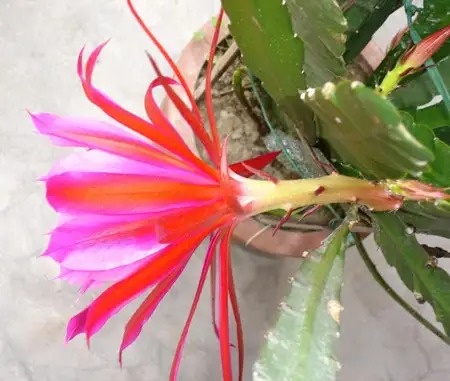
Diseases and pests of Epiphyllum oxypetalum and their control
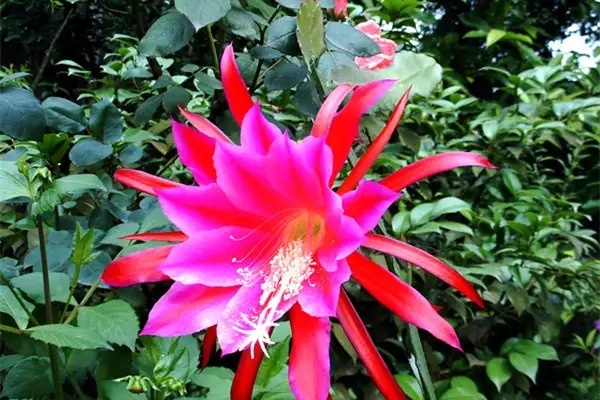
Physiological diseases of Epiphyllum oxypetalum
First: It does not bloom.
Although the modified stem grows very vigorously, it just doesn't flower. This is due to the plant's physiological condition.
Insufficient sunlight, coupled with excessive nitrogen fertilizer, can easily lead to excessive leaf growth, which is not conducive to flower bud differentiation. In addition, overwatering can prevent carbohydrates from being fully utilized, which can also cause stunted growth and germination.
Second: Yellowing of the deformed stem
If the abnormal stem turns yellow, it can develop into wilting and even scorching of the bark. This is often caused by the flowerpot being placed in an incorrect position, resulting in direct sunlight.
Prevention and control methods
During spring and autumn, it should be placed outdoors in a sunny location for maintenance;
During the hot summer months, it should be placed in a well-ventilated, semi-shaded location to promote growth.
In summer, it can be kept indoors in a location with diffused light, but be sure to open windows frequently for ventilation to help the plant breathe properly. Also, take precautions against pests and diseases such as spider mites and scale insects.
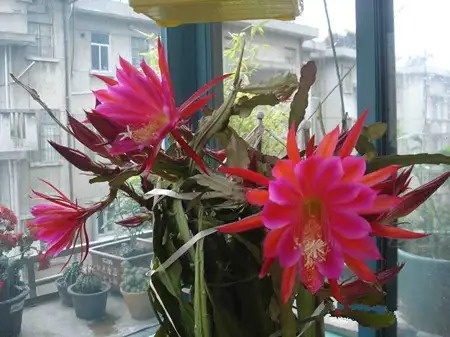
Epiphyllum diseases and pests
Epiphyllum is frequently affected by stem rot, brown spot disease, and root-knot nematodes. These diseases can damage the plant, so timely prevention and control are necessary.
Prevention and control methods
For damage caused by pests and diseases, you can directly spray with a 1000-fold dilution of 50% carbendazim wettable powder.
Root-knot nematodes can be controlled by irrigating with a 1000-fold dilution of 80% dibromochloropropane emulsifiable concentrate.
If ventilation is poor, the plant is more susceptible to damage from aphids, scale insects, and spider mites. In such cases, you can spray it with a 1000-fold dilution of 50% fenitrothion emulsifiable concentrate.