Disease and pest control and maintenance techniques for garden plants in July and August
Do a good job in drainage and drought relief
In areas with rainy seasons, strengthen drainage and spray "Piaolvlvkang" after the rainy season to prevent diseases. In dry and hot areas, strengthen watering, avoid watering when it is hot, spray more on the leaves, and follow the principle of "watering thoroughly when the soil is dry" when watering the roots.
Ginkgo , persimmon, cherry blossom , lilac, peach blossom , mimosa , elm-leaf plum, five-lobed maple , black locust, and cedar are the 10 types of trees that are most susceptible to waterlogging. Strengthening drainage and preventing root rot for these trees (especially newly transplanted trees) can be done by applying "Genjian" around the trees before and after the rainy season.
Strengthen the maintenance of lawns and flowers
Summer is a high-incidence period for lawn diseases and pests, easily leading to necrotic spots, yellow spots, and overall yellowing. Watering with "Piaolv Lvjian" + "Tubaobei" can help the lawn quickly recover its green state within 5-10 days. For lawns in key areas, water with "Piaolv Lvjian" + "Tubaobei" after prolonged rain or mowing for disease prevention and rejuvenation. Increase watering for seasonal flowers, spraying the leaves twice a day, and watering the roots according to the principle of "water thoroughly only when the soil is completely dry."
Remove the package
All wrappings such as straw ropes and burlap on newly transplanted trees must be removed as soon as possible to prevent scorching of the tree trunk. Shade nets should not be placed directly on the trees; they should be erected at least 50 centimeters above the tree trunk.
In summer, lawn mowing should be done with the stubble height raised by 2-3 centimeters. Do not mow too low, as this can cause the dead grass layer to be exposed, affecting the appearance.
Before the rainy season, excessively tall tree canopies should be thinned and shortened to enhance wind resistance, which should be combined with overhead power line pruning. During the flood season, trees that have fallen or leaned should be straightened promptly, and replanted immediately. Supports should be provided if necessary.
Fertilization
In summer, reduce fertilization, especially nitrogen fertilizer. You can use "Leaf Power" for rejuvenation spraying or watering.
Replanting trees
Planting conifers, palms, bamboos, and other similar plants during the rainy season results in a high survival rate.
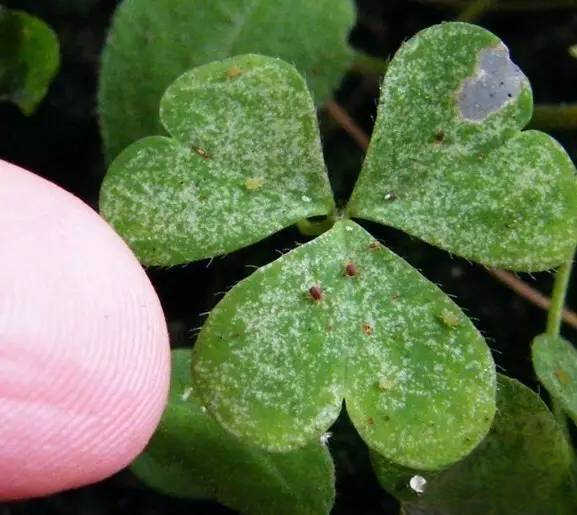
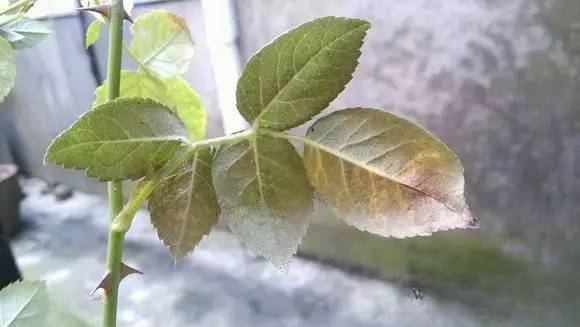
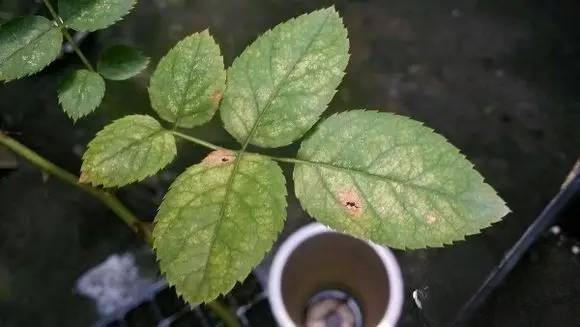
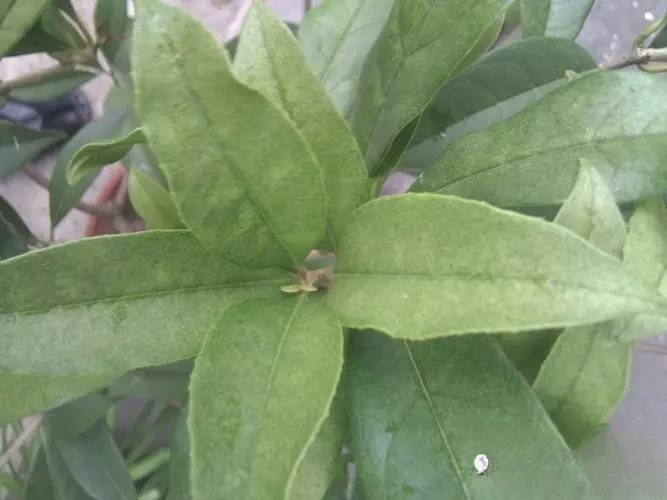
Spider mites: Every year, spider mites infest plants such as camphor trees, peach trees, red oxalis, osmanthus, and roses. Adult mites and eggs coexist on most plants. These insects are prone to outbreaks during hot, dry seasons. After feeding, spider mites cause leaves to lose their green color and turn brown, affecting both the tree's health and the overall appearance. It is recommended to focus on controlling severely affected plants by spraying with "Piao Lv Man Fu" (a pesticide) before the hottest days of summer, ensuring both sides of the leaves are covered.
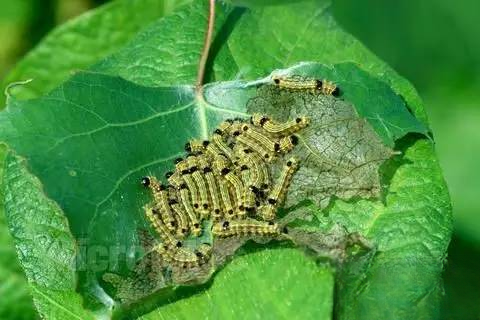
Yellow-tailed caterpillar moth: also known as the itchy caterpillar, poisonous caterpillar, etc. This insect can have two generations per year, with the infestation period being from mid-June to mid-July and from mid-August to September; the larvae generally mature in October and seek suitable branches to spin cocoons for overwintering. Control can be achieved using "Qing'e Bang" (a type of insecticide).
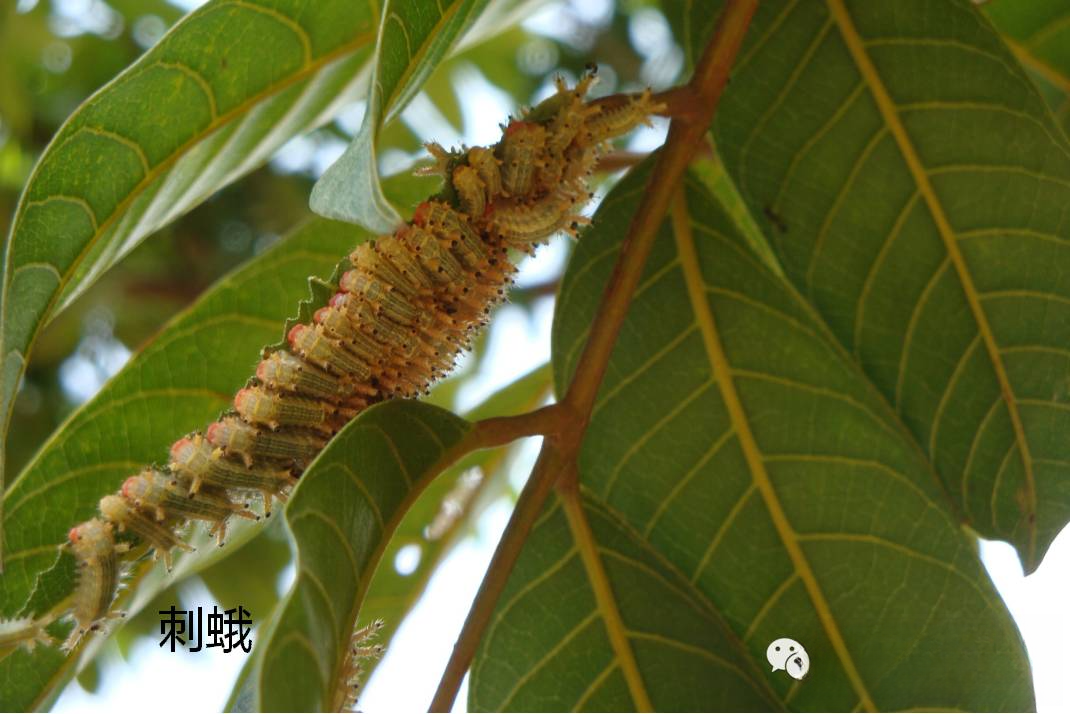
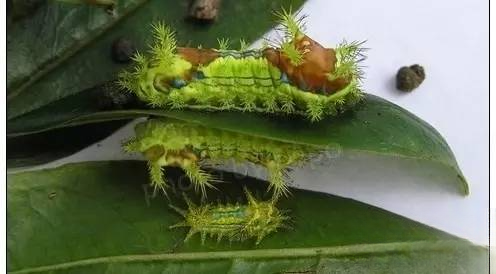
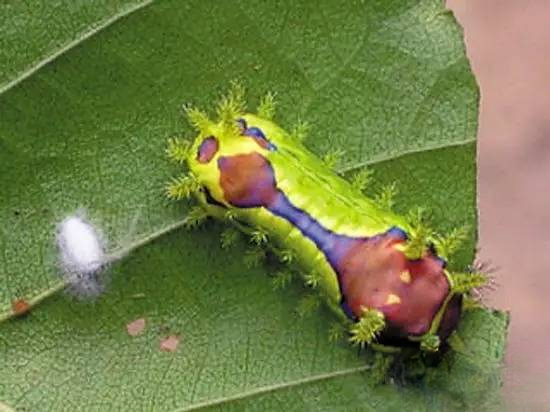
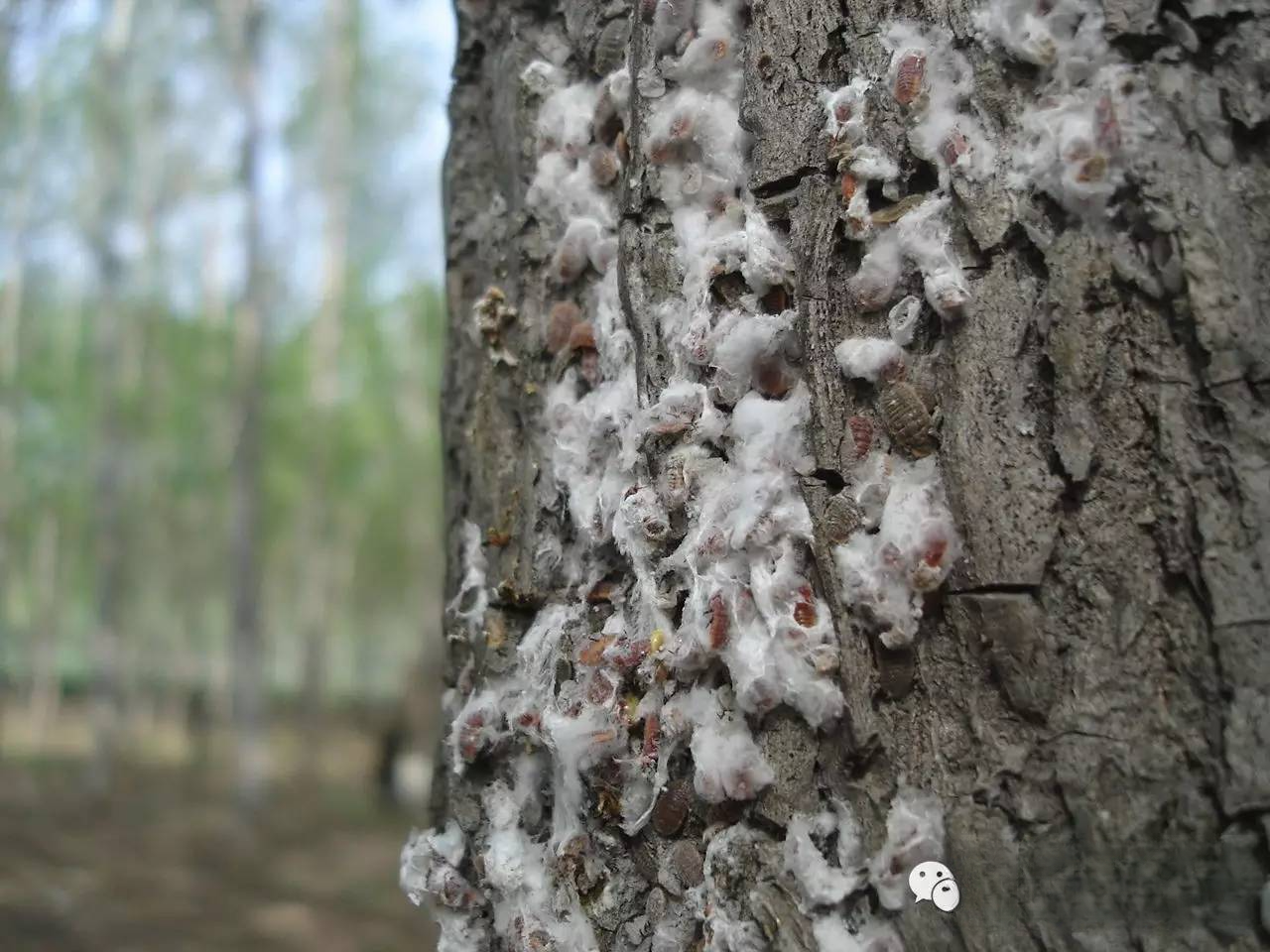
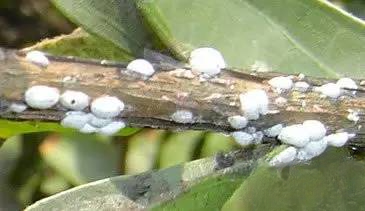
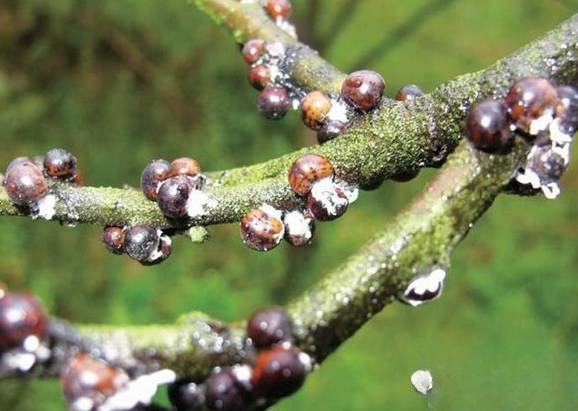
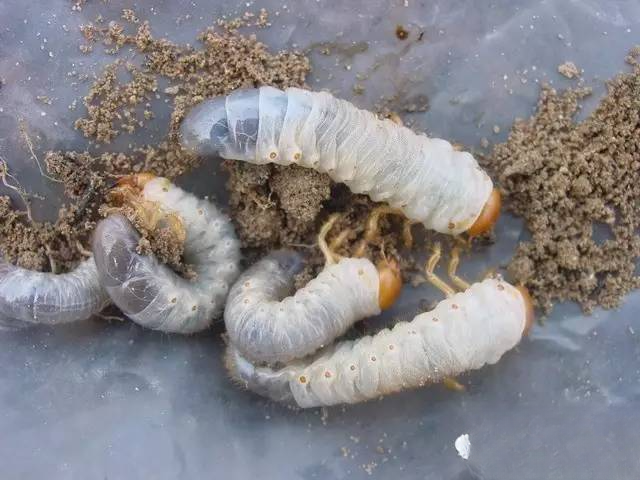
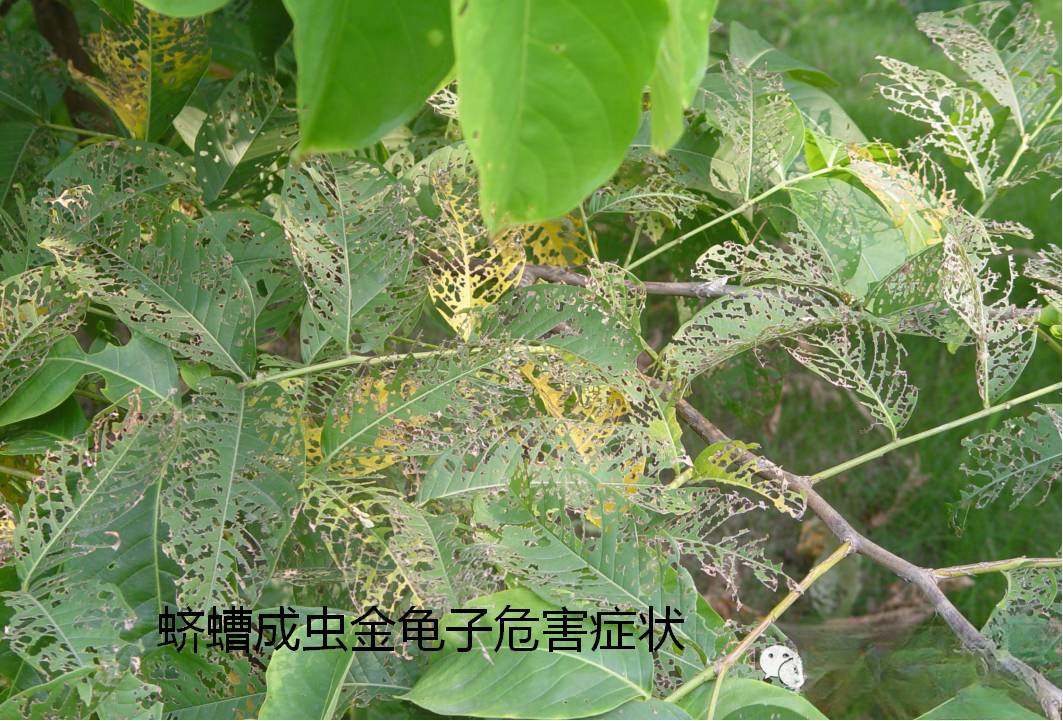
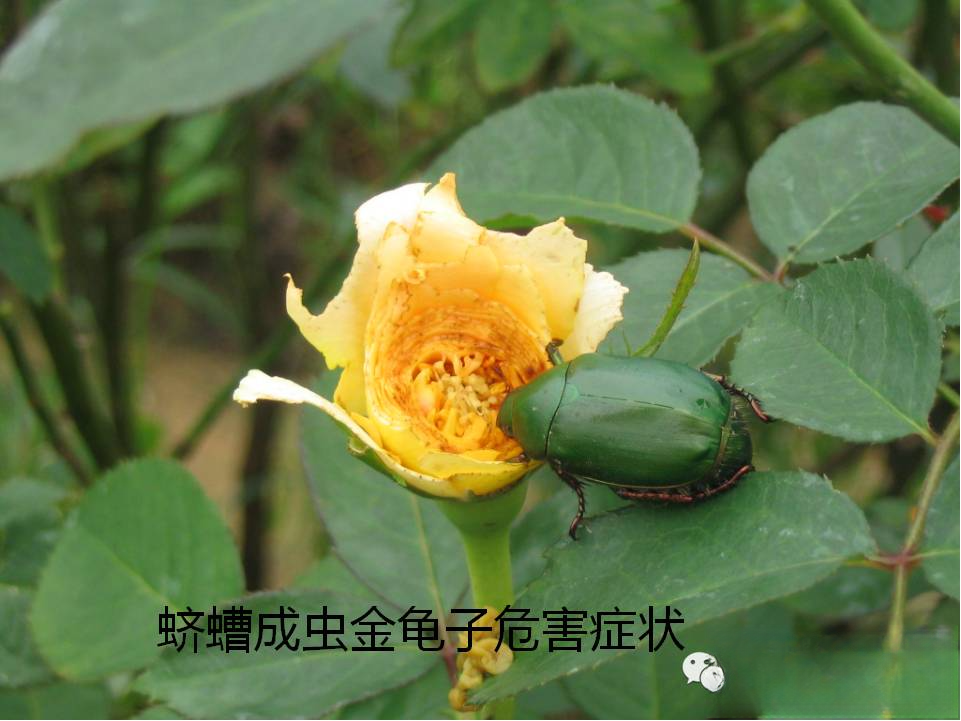
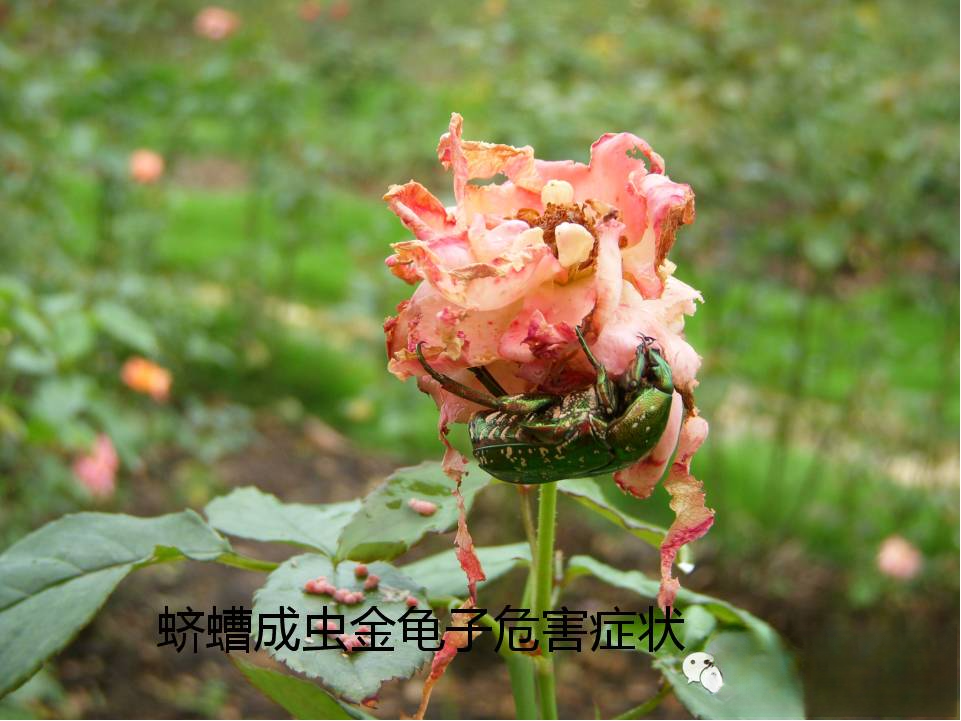
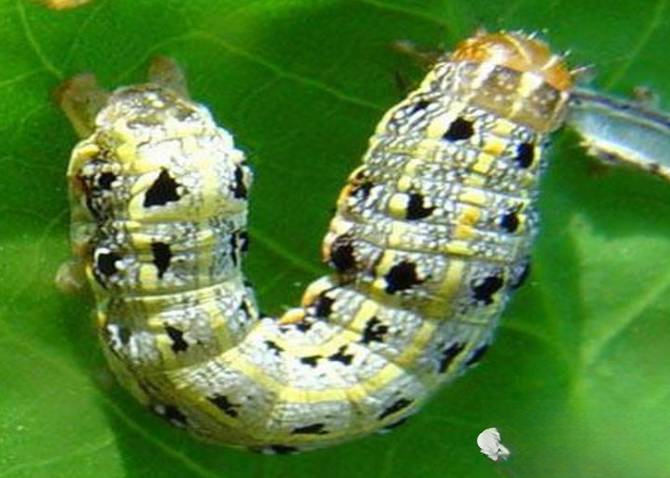
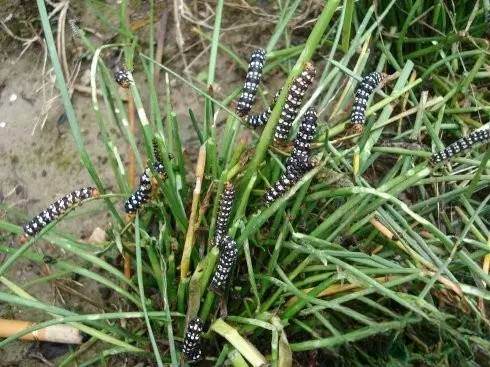
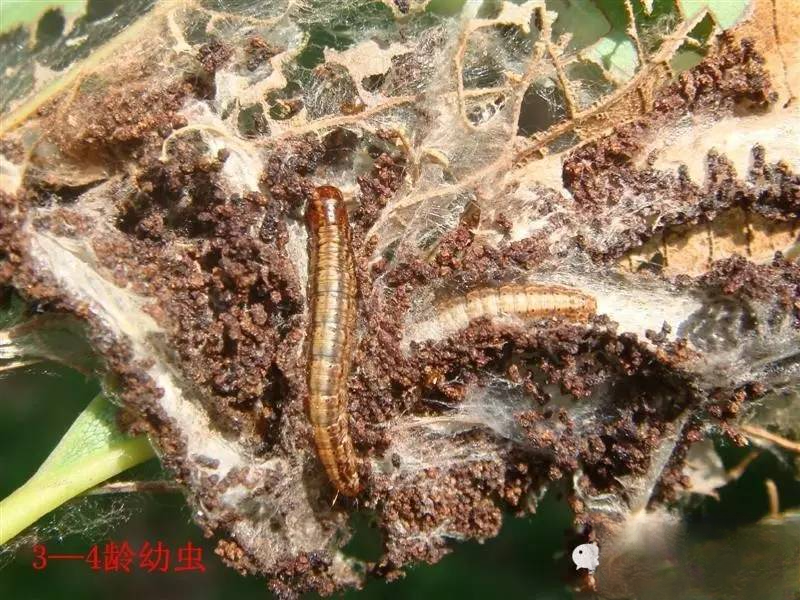
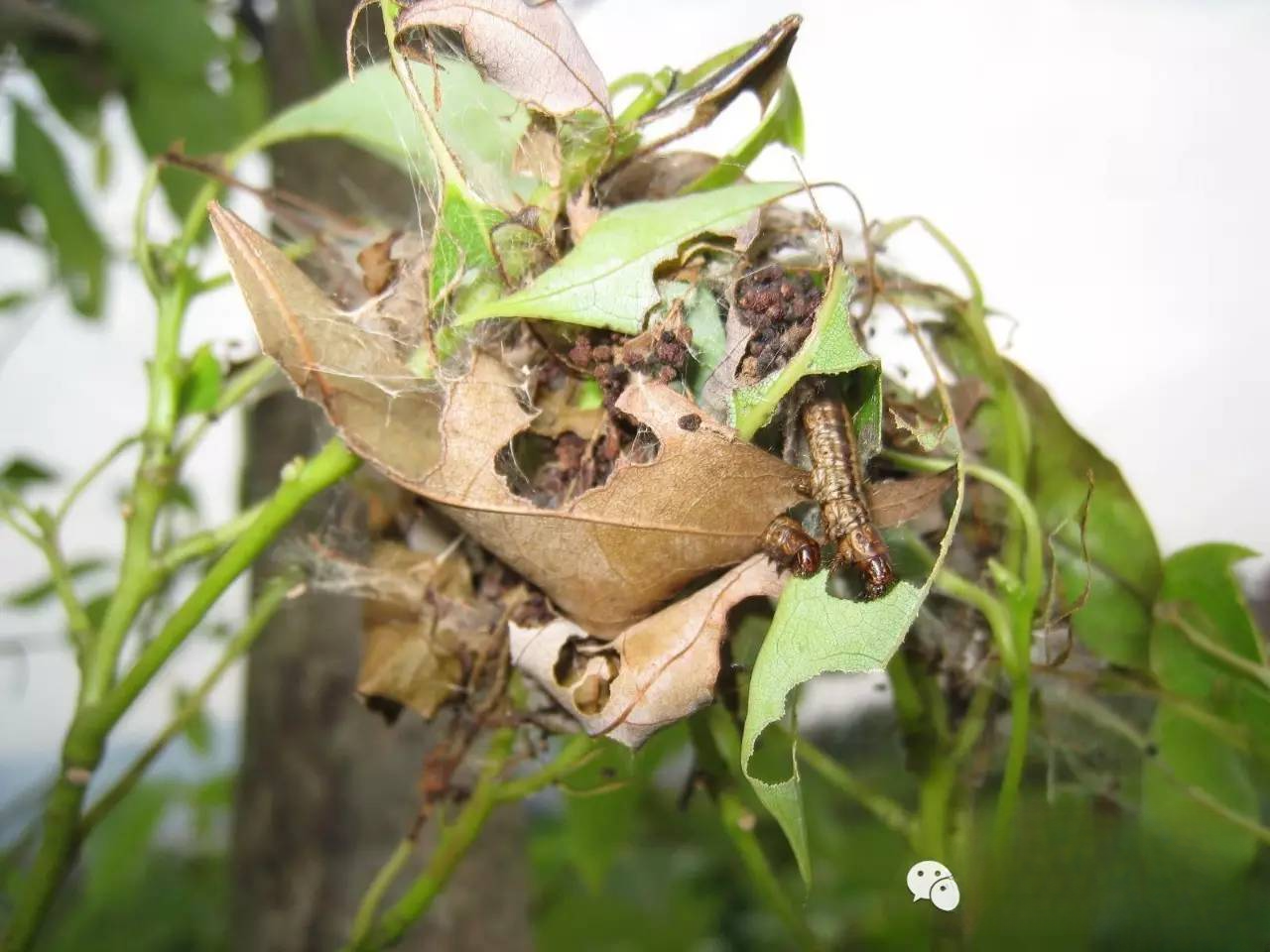
Double Ninth Moon Moth: This insect has broken out again this year. The second generation of larvae in July are of uneven age, with most nearing maturity and about to spin silk and descend from the tree to form cocoons. Control measures should be taken intensively in the first ten days of July to prevent more severe damage from the third and fourth generations of larvae. Use "Green Moth Helper" for control.
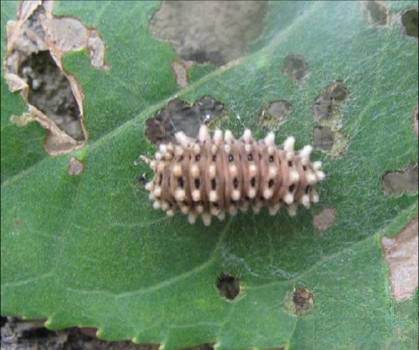
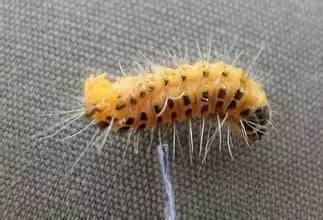
Poplar moth: The first generation of larvae generally begins to appear in mid-to-late June, and July is also its main period of damage. Use "Qing'ebang" for control.
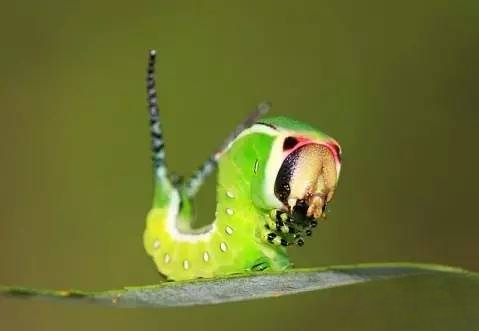
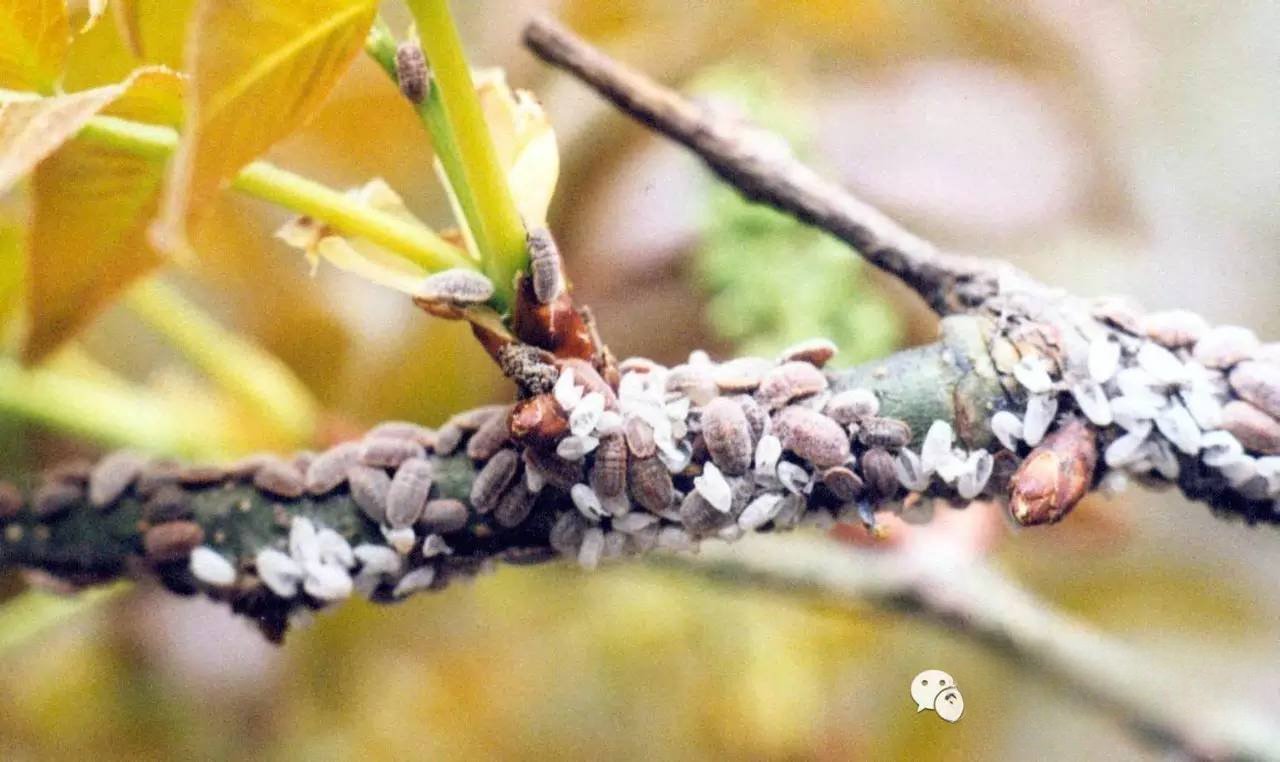
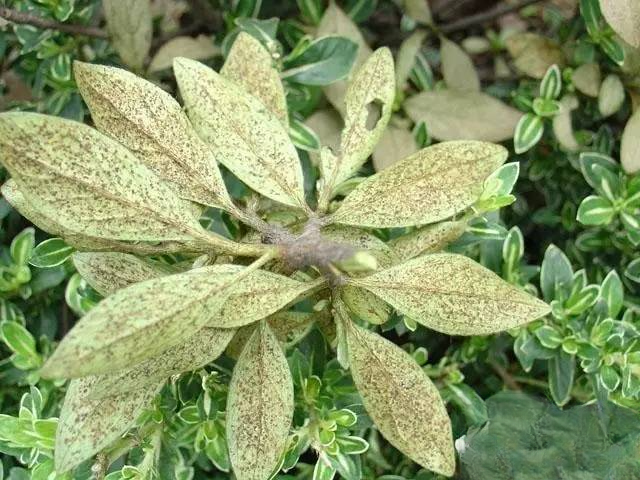
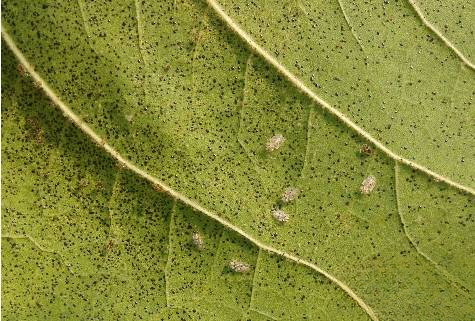
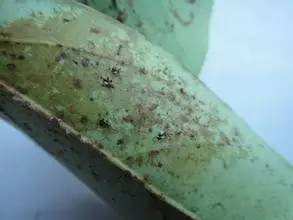
Lace bugs: The infestation period is from April to October. High temperatures and dryness in July and August can exacerbate the damage and may lead to outbreaks. Combined with the high temperatures, this has a significant impact on flowers and trees. Use "Congwuzong" for control.
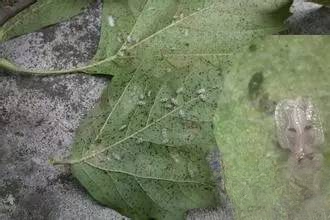
Longhorn beetles: In early July, most are larvae that are 3 years old or younger. They bore into relatively shallow areas, making them relatively easy to control. Use "Tree Insect Control" for prevention and control.
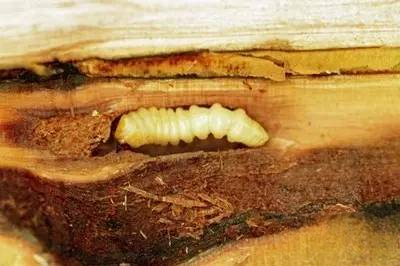
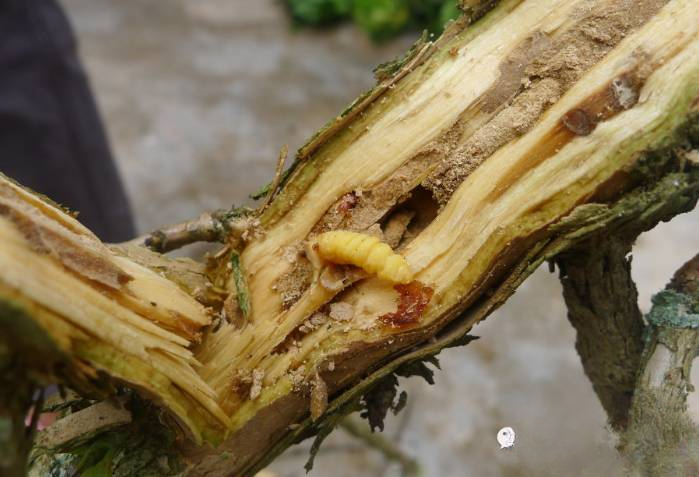
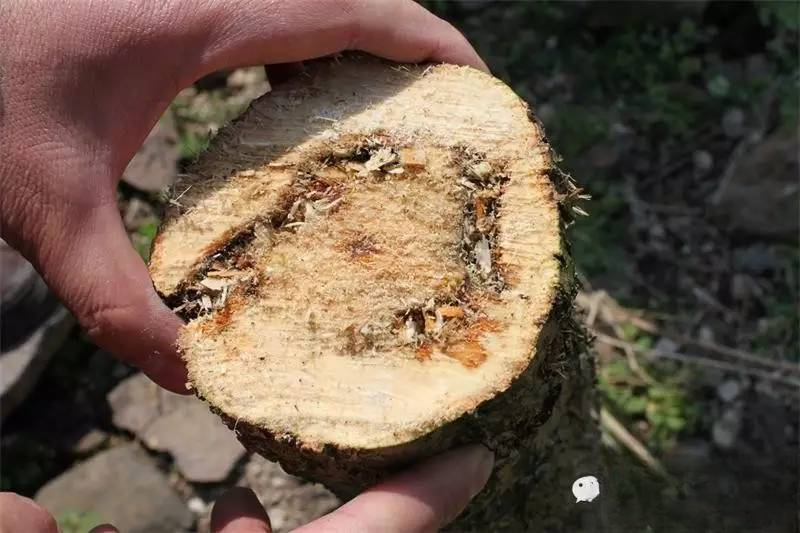
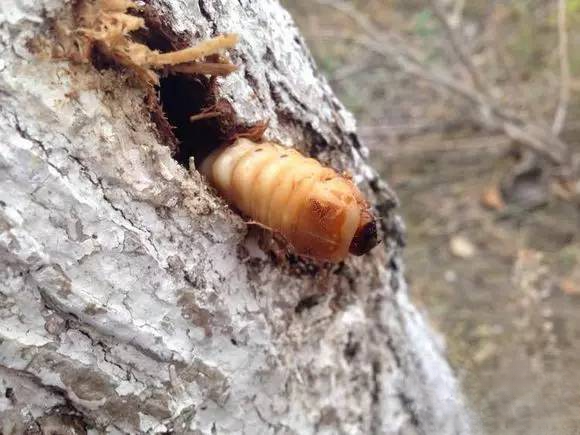
Golden privet flea beetle:The second generation of larvae has already begun to bore into the leaves, but the first generation of adults is still active. Control measures should be taken against both larvae and adults at the beginning of the month. The third generation of larvae may appear around the end of July. Use "Juanyemin" for control.
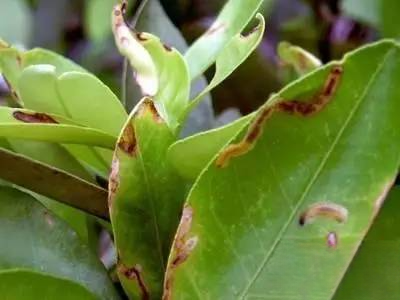
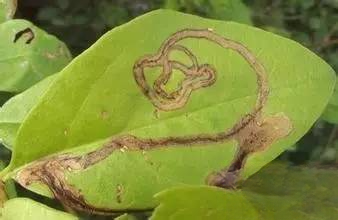
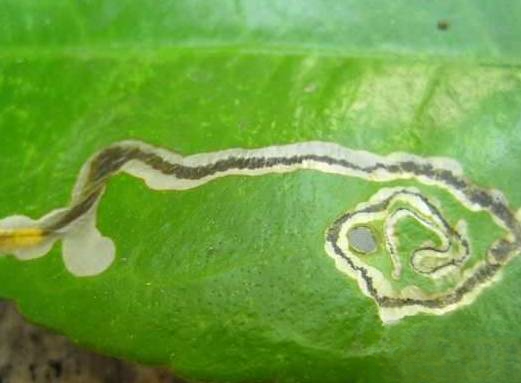
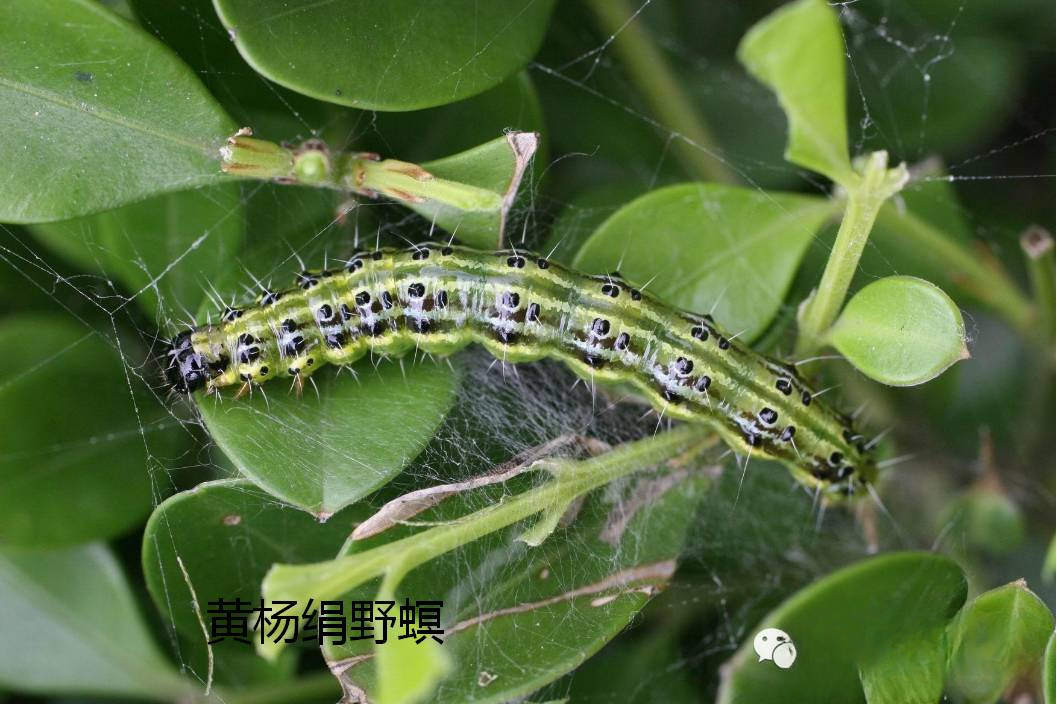
Boxwood leafminer : In previous years, the second generation of larvae mostly entered their peak period at the end of July. Use "Qing'ebang" for control.
Leaf diseases and lawn diseases
After the start of the plum rain season, rainfall will increase significantly, exacerbating various plant and lawn diseases to varying degrees. The latter half of this month will see the onset of high temperatures, reducing plant resistance. Combined with weather and human factors promoting pathogen spread, plant leaf diseases and lawn diseases are "easy to occur, easy to spread, and easy to worsen" during the hot season. Golden privet, golden-edged boxwood, large-leaved boxwood, ginkgo, and fatsia japonica will successively experience leaf spot, anthracnose, and leaf blight; leaf hole disease in cherry blossoms, flowering peaches, crabapples, and zelkova; black spot disease in roses; powdery mildew in crape myrtle and large-leaved boxwood will continue to worsen and spread; rust, powdery mildew, smut, brown spot, and gray mold will also occur on lawns. Special attention should be paid to controlling these diseases during the rainy season and the high temperatures of July and August. Control efforts should focus on improving maintenance practices, supplemented by appropriate preventative or control measures.