Different materials require different cleaning and maintenance methods.
Different materials require different cleaning and maintenance methods.
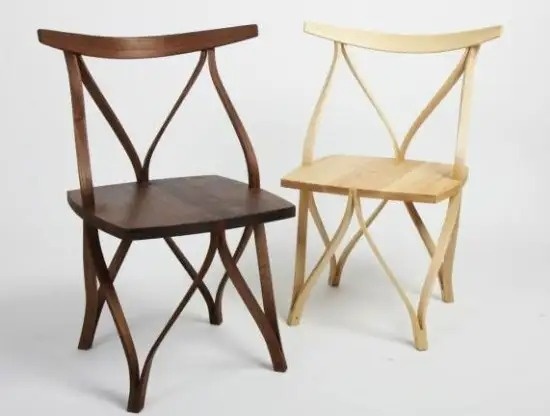
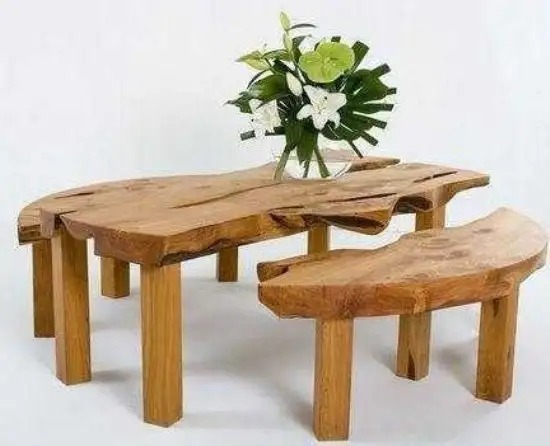
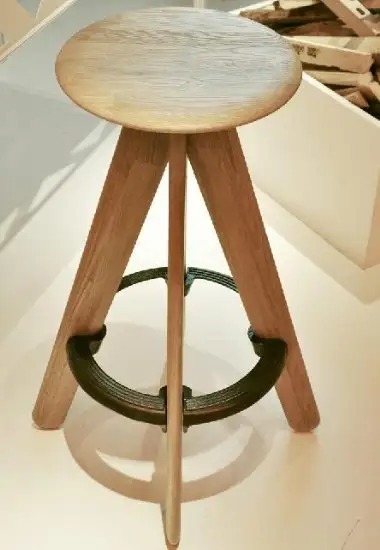
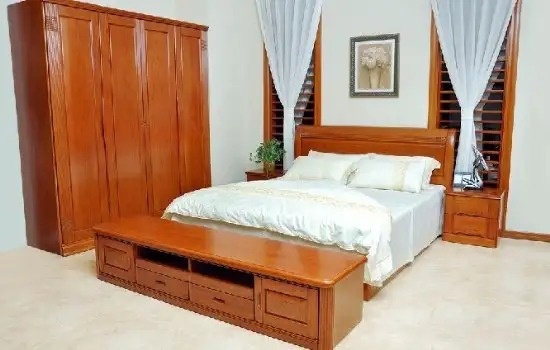
Moisture-proof treatment Solid wood furniture: Ensure proper ventilation and air drying. Symptoms of moisture damage: Excessively humid weather can cause small water droplets to appear on the surface of solid wood furniture, localized discoloration of the paint, and mold growth in severe cases. Increased moisture content causes localized expansion of the wood, ultimately leading to furniture warping. Furthermore, the joints between the pieces of wood can crack due to significant changes in moisture content. Moisture control and maintenance: If solid wood furniture does not show condensation or mold, you can place desiccant packets inside the furniture to absorb moisture. After wiping the exterior clean with a dry towel, apply a layer of walnut oil to repel moisture. In addition, daily maintenance is necessary. Solid wood furniture should be maintained with a special cleaner. You can apply a protective wax or specialized cleaner evenly to the surface of the furniture, then wipe it gently to maintain its luster and prevent moisture.
Moisture treatment: If solid wood furniture gets damp, it should be ventilated and dried in the shade in time if the situation is not serious. If condensation or mold spots appear, the water droplets need to be wiped dry first, the mold spots should be removed with a mild cleaning agent, and then dehumidification should be carried out. Tip: When buying solid wood furniture, pay attention to the surface paint finish. A well-applied paint finish can help prevent the solid wood furniture from getting damp.
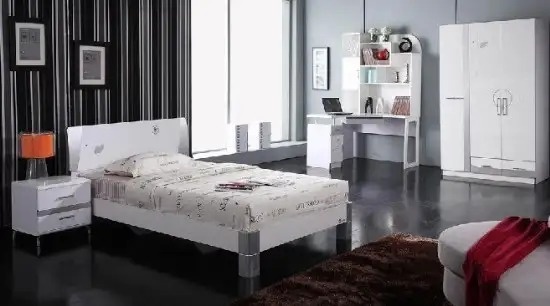
Panel furniture: Keep the seams clean. Symptoms of moisture damage: Panel furniture is generally edge-banded, making it more resistant to moisture than solid wood. However, the joints of panel furniture can swell and deform due to increased moisture content, and in severe cases, this can lead to cracking of the surface panels.
Moisture-proof maintenance: Keep the seams clean to prevent dust and impurities from absorbing moisture and expanding, causing cracks. Seal seams and other areas prone to water absorption. Moisture Treatment: In areas like the ground floor or basement where the floor is relatively damp, place moisture-proof mats under panel furniture. After the furniture gets damp, promptly place moisture-absorbing bags to absorb moisture.
Tip: When purchasing panel furniture, choose furniture where the base material is not exposed, i.e., furniture with better edge banding, to prevent the base material from getting damp. Related reading: DIY Washing Machine Cleaning Guide for Home Renovation;
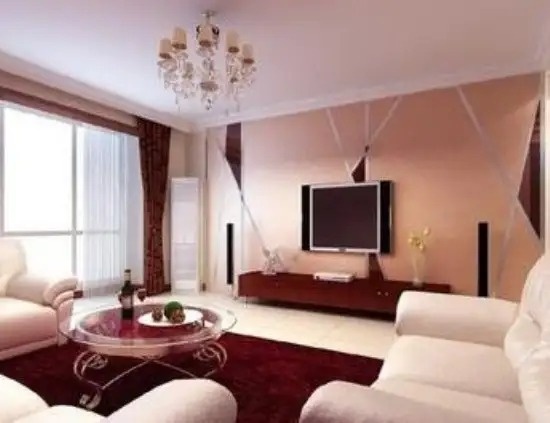
Upholstered furniture: Dust removal is essential. Symptoms of moisture damage: Initially, upholstered furniture may discolor or fade due to prolonged exposure to moisture, and yellow spots or mold may appear on the surface. Furthermore, the fabric loses its elasticity, its tensile strength decreases, and the fabric volume increases. After the damp period, the fabric becomes brittle, its abrasion resistance is severely compromised, and it is easily worn out.
Moisture prevention and maintenance: Fabrics are prone to dust accumulation, so regular dust removal is necessary to prevent mold growth in humid weather. Moisture Treatment: For ordinary fabric sofas, if they get damp, you can use a hair dryer or a dryer to dry them, but be careful to keep the hair dryer a certain distance from the fabric surface. For fabric sofas with more intricate workmanship, it is best to use a specialized vacuum cleaner to remove all dust from the surface.
Tip: In humid weather, gently blow-dry the sofa with a hairdryer to remove moisture. If you are not skilled at this yourself, or if the sofa has extensive mold growth, it is best to hire a professional fabric sofa cleaning team.
Leather furniture: Apply a special protective oil. Symptoms of moisture damage: When leather furniture is exposed to a humid environment for a long time, the surface color of the chemically treated leather is prone to change and the leather becomes hard; mold spots may also appear in environments with humidity exceeding 90%. Moisture-proof maintenance: Before the arrival of hot and humid weather, first use a soft, damp cloth to remove dust, and then apply a layer of mink oil, lanolin, leather oil or other special protective oils for leather furniture to the surface. This will not only prevent moisture but also protect the color of the leather furniture.
Moisture treatment: If mold spots appear on the surface of leather furniture, use a mold remover to remove the mold spots, and then apply leather conditioner. Tip: If the mold spots on the leather cover a large area and the leather begins to harden, it is best to consult a professional for maintenance. |