Daily cleaning tips
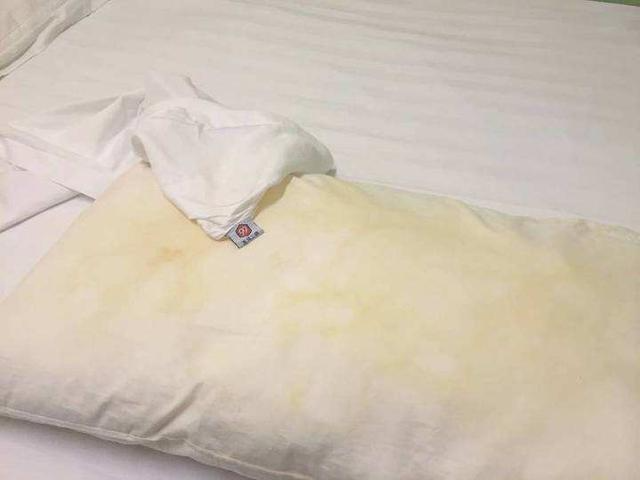
Yellowed bedding
Rice water + orange peel
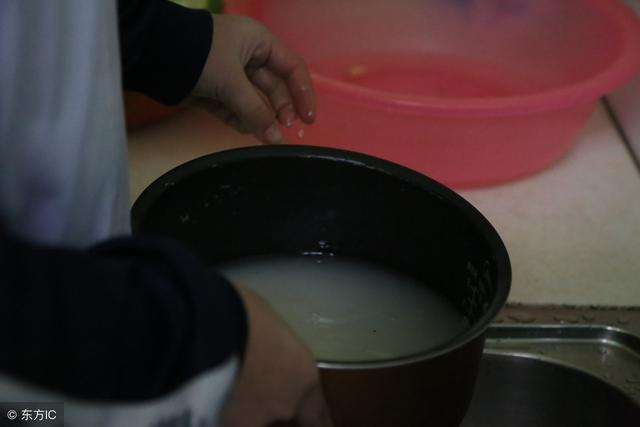
Prepare rice water, add orange peel, pour it into a pot and heat it over a fire, then pour it into a bowl.
When the water temperature is about 50 degrees Celsius, soak the yellowed sheets in the water for about 20 minutes, then take them out and wash them with soap. You will find that the yellow stains will gradually disappear and the sheets will be as white as new in no time!
Besides this method, there are of course other ways!
Salt + Baking Soda
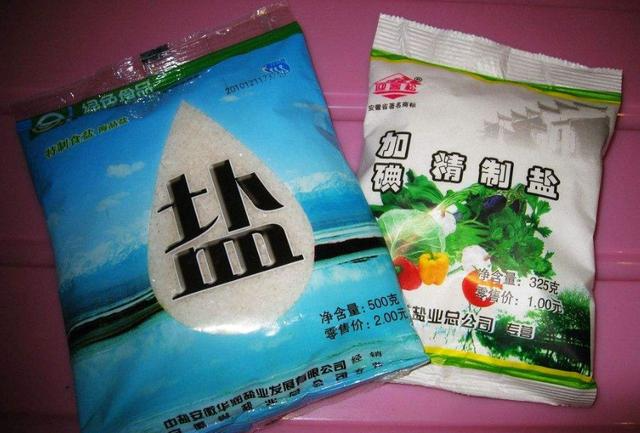
Add an appropriate amount of salt and baking soda to water, stir well, and then soak the yellowed sheets for 30 minutes.
Wash it again with soap, and it will be clean again!
Besides yellowing sheets, bloodstains on sheets can also be easily cleaned!
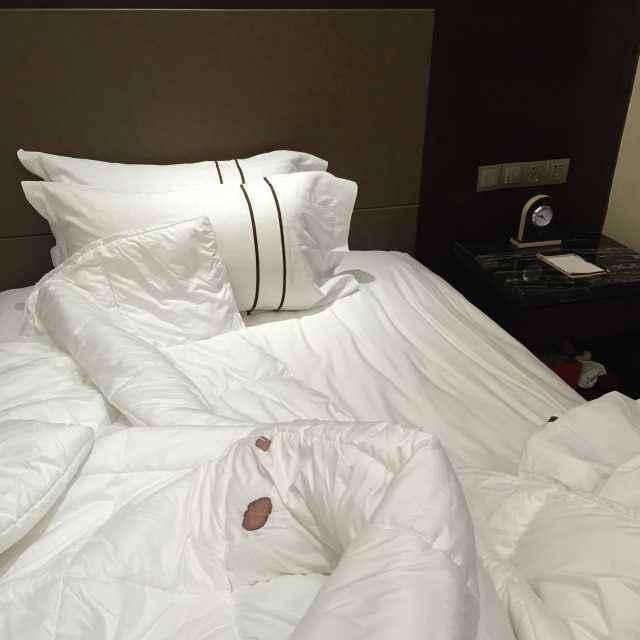
If it's a fresh bloodstain , you can wash it directly with diluted salt water , then rub it with soap to remove the bloodstain. Remember, don't use hot water !
If it is a bloodstain that has been there for a long time , you can soak and rub it with light salt water, then mash a white radish , add an appropriate amount of salt , mix well, apply it to the bloodstain, rub it vigorously several times, and finally rinse it with clean water to remove the bloodstain!
Alternatively, soak the sheet in cold water for 5 minutes, then apply lemon juice and sprinkle with salt to the bloodstain , rubbing repeatedly until the bloodstain is gradually removed! Finally, wash and dry the sheet as usual.
Kitchen cleaning
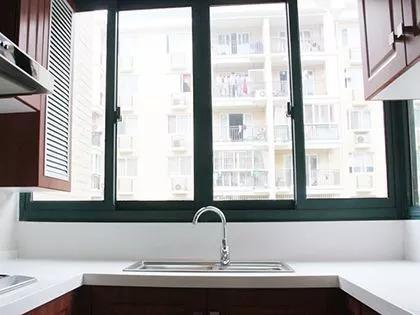
Is there a stain on the kitchen window?
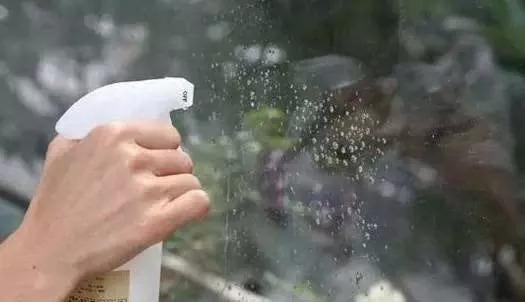
Kitchen windows are always greasy, and cleaning them isn't easy. Don't worry, all you need are a few sheets of cling film.
Spray some cleaning agent on the kitchen window and cover it with plastic wrap. After fifteen minutes, peel off the plastic wrap and wipe the window with a dry cloth . Effortlessly, the greasy window will become sparkling clean, just like new. Give it a try!
Is your gas stove not being cleaned properly?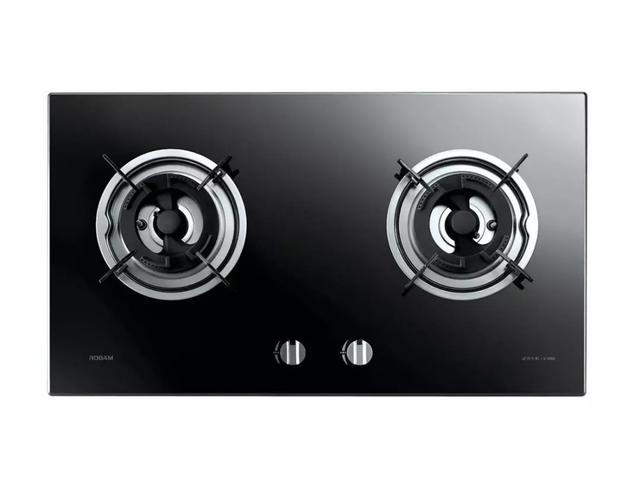
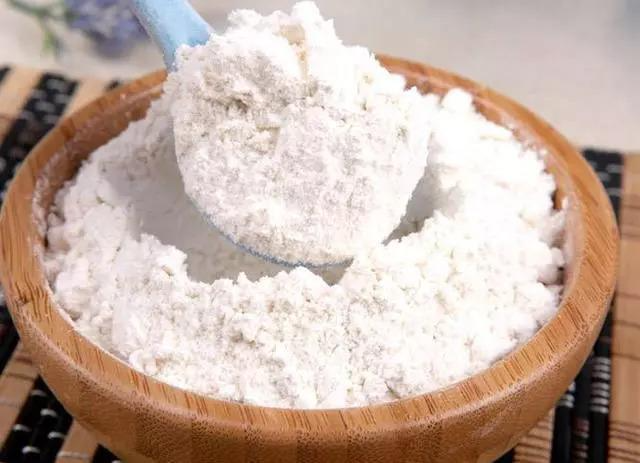
Even with vigorous scrubbing with a cloth and detergent, the grime on a gas stove may not be completely removed. Here's a trick:
Instead of detergent, use flour. Simply dip a cloth in flour and wipe the grease away . If it hasn't been cleaned in a long time, you'll need to use a little more force! But it won't hurt your hands or the gas stove. After cleaning, it will look like a brand new stove.
Is it difficult to remove heavy grease stains from range hoods?
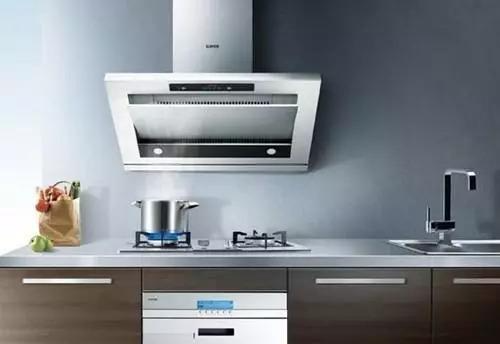
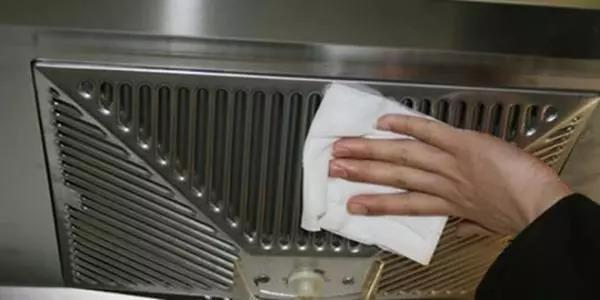
Heavy grease stains on the exterior of a range hood are usually cleaned with dish soap, rinsed thoroughly with plenty of water, and then wiped dry with a cloth. But is there a better way that saves time and effort?
Pour warm water into the flour and dilute it into a thick paste. Use a brush to spread the paste onto the surface of the outer shell. Cover the shell with a paper towel to reduce moisture evaporation. After 3-5 minutes, remove the paper towel, wipe off the paste with a sponge, and then rinse with clean water.
Is your cutting board not clean?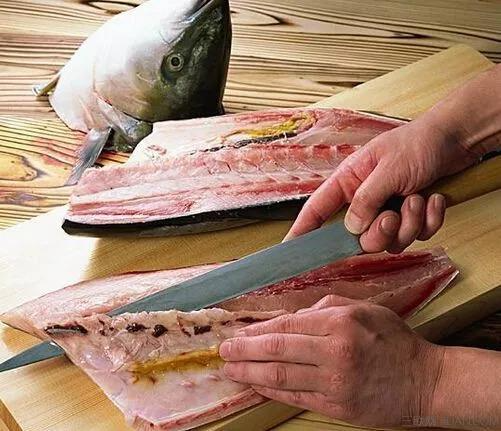
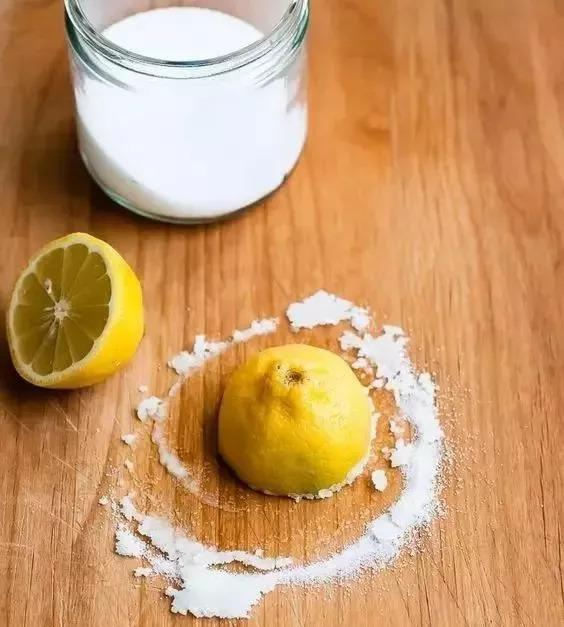
Never wash a cutting board used for processing fish with hot water! Many people think that hot water can remove the fishy smell, but that's wrong. Fish contains protein, and when washed with hot water, the protein coagulates, leaving the fishy smell.
The correct way is to scrub with salt, then rinse with cold water, and finally expose to the sun to dry . This will achieve a thorough sterilization effect!
Remove the sticky residue from the bottom of the pot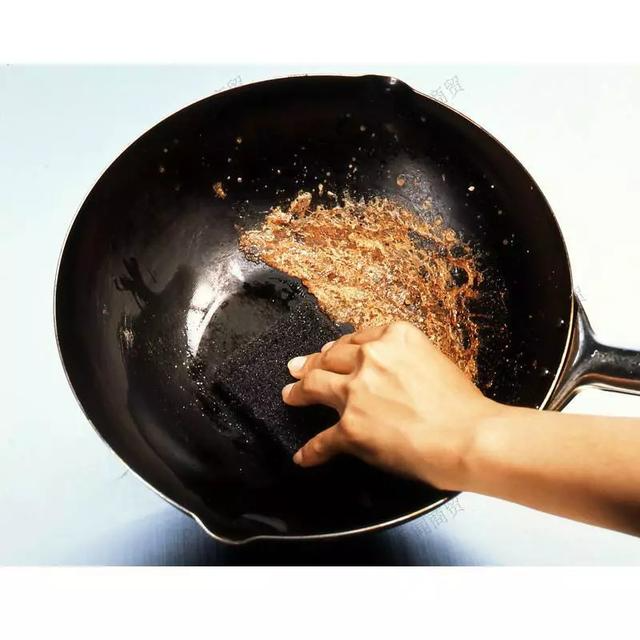
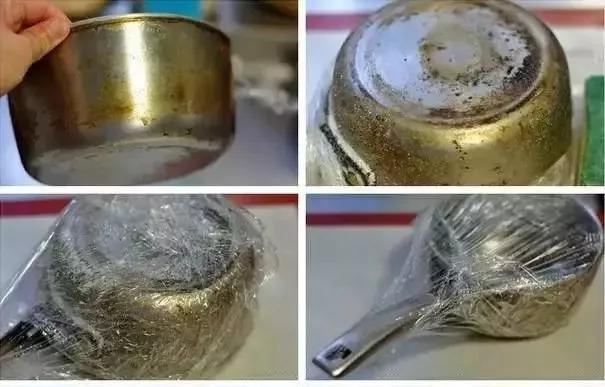
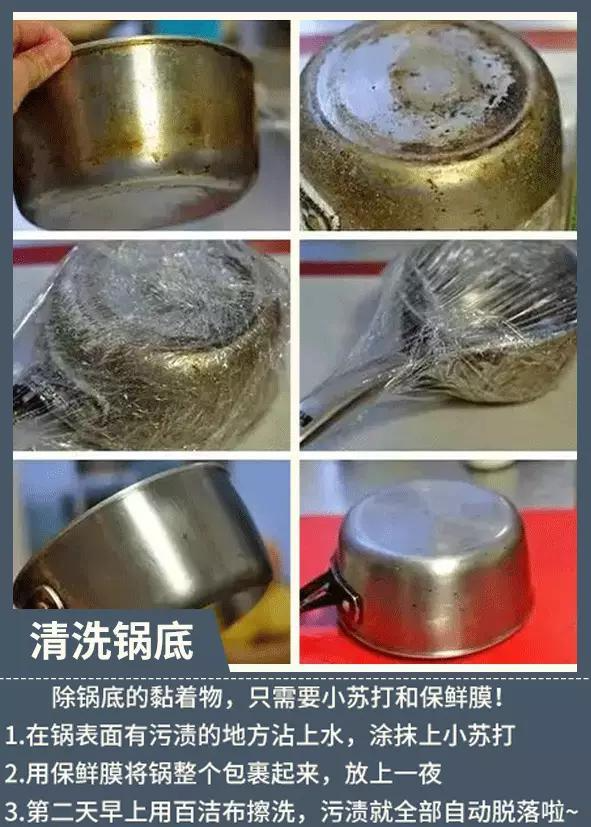
To remove the sticky residue from the bottom of a pot, all you need is baking soda and plastic wrap!
1. Dampen the stained areas on the pot with water and apply baking soda.
2. Wrap the pot completely with plastic wrap and leave it overnight.
3. The next morning, scrub with a scouring pad, and all the stains will come off automatically.
Can't you reach the seams of the plastic basket?
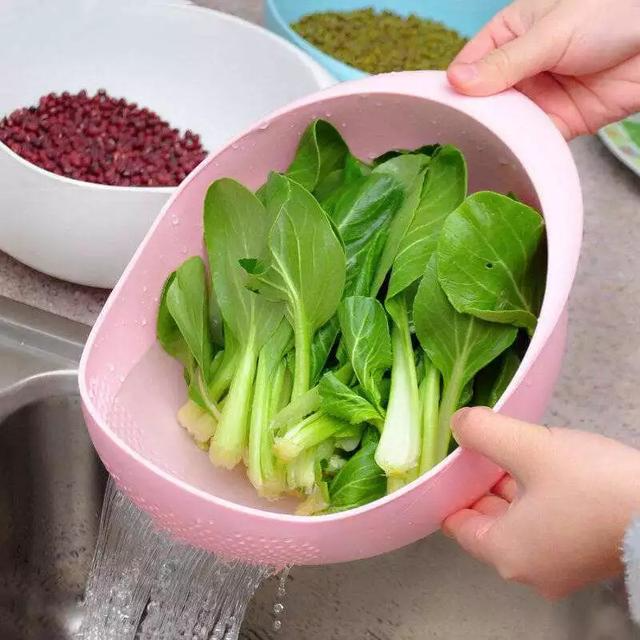
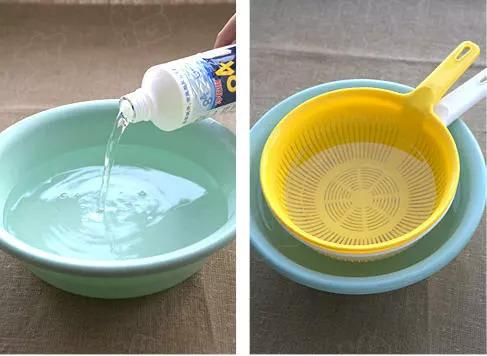
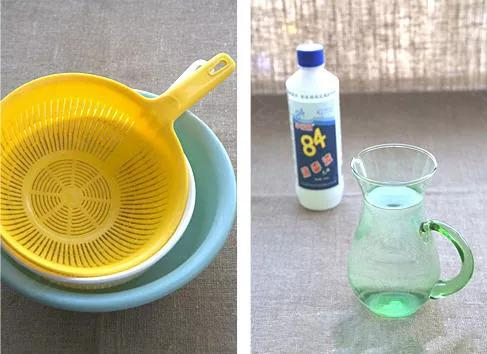
We often use various plastic baskets in our daily lives, such as vegetable washing baskets. Over time, various stains accumulate in the crevices, and regular scrubbing is often insufficient to remove them. Here's a little trick:
Pour 84 disinfectant and water into a basin at a ratio of 1:200, put the plastic products that need to be "cleaned" into it, soak for two hours, and then rinse them thoroughly with clean water. It is effective and will not cause any corrosion. The water used to soak the plastic basket can also be poured into the toilet to clean it.
Is the rag stained?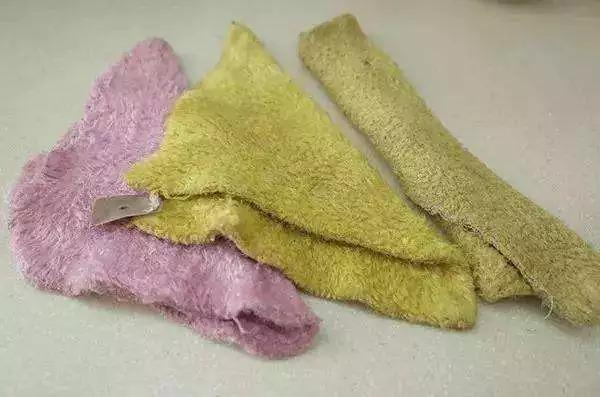

Cleaning cloths are the most common items in our homes. We absolutely cannot do housework with them. We use them to wipe tables, chairs, stoves, range hoods, bathrooms, appliances, and so on. We always need to prepare a lot of cleaning cloths at home. The most difficult to clean are probably the cleaning cloths in the kitchen.
Try this method; it can not only disinfect and sterilize the cloth, but also remove some of the stains.
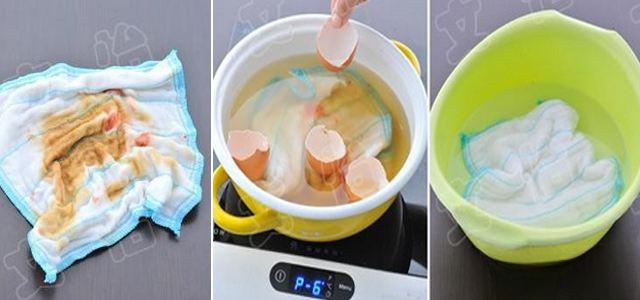
Place the rag in a pot filled with water, add about 5 eggshells, bring to a boil over high heat, and continue boiling for 6 minutes. Remove, wash, and let dry.
The principle is that the egg white residue in the eggshell contains protease, which can break down the stains in the rag.
Cleaning the washing machine
Generally, bacteria begin to increase in a new washing machine after 5 months of use, so it needs to be cleaned regularly.
First, let's look at what happens when a washing machine hasn't been washed for years and is treated using the methods below.
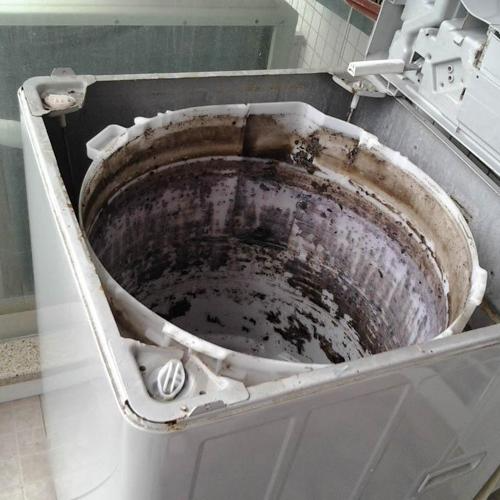
If you don't clean your washing machine regularly, it will look like this. Would you dare throw clothes in? Don't worry, I'll tell you a few tricks to get your washing machine sparkling clean.
Tip 1 for cleaning your washing machine: Use household white vinegar
Add water until it covers more than half of the washing machine tub. Do not add any detergent. Soak for 3 hours, then turn on the washing machine and rinse several times. Then pour out half of the water, add white vinegar (as much as possible), let it sit overnight, drain the washing water, rinse once more with clean water, and leave the machine lid open to dry.
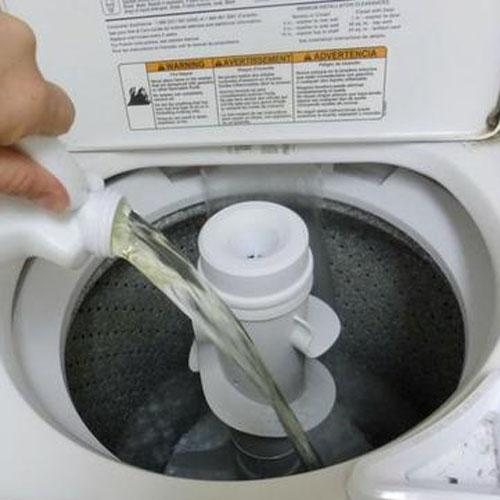
Tip #2 for cleaning your washing machine: Use bleach
Add an appropriate amount of bleach; be sure to use a chlorine-based bleach. Add 300 ml of bleach to 40 liters of water. Adjust the water level to high, and once the water is full, add the bleach and stir well. The slowly forming foam is due to the dissolution of residual detergent in the inner drum. After about twenty minutes, the bleach will thoroughly clean the dirt from the back of the inner drum. During the spin cycle, some dirt may remain at the bottom of the washing machine's inner drum; add water again to completely remove this dirt.
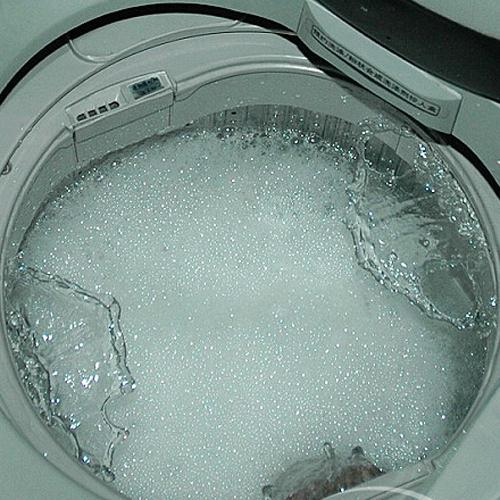
Tip 3 for cleaning your washing machine: Use a washing machine cleaner
Fill the machine with water to the high water level and run it for 5 minutes to fully dissolve the detergent. For front-loading washing machines with a heating function, heat the water to 40℃. Turn off the washing machine and soak for at least 1 hour. Then, run a normal wash cycle. After the cycle stops, you will see a large amount of dirt and debris floating on the surface. Cleaning the machine like this every month or so will prevent dirt from accumulating inside. Additionally, after each wash, do not close the washing machine door immediately; allow the machine to ventilate and dry to prevent mold and mildew buildup.
How to clean the inner drum of a washing machine
1. First, fill the washing machine tub with water to the maximum level. (For front-loading washing machines, select the 40-degree heating function; for top-loading washing machines, you can use hot water for better dissolving effect.)
2. Pour a whole packet of washing machine drum cleaner into the "detergent dispenser".
3. Keep the drain pipe properly closed to prevent overflow.
4. Run the washing program for 3-5 minutes to fully dissolve the inner drum cleaner.
5. Turn off the power and let the water in the tank soak for 2-3 hours to fully decompose the dirt and kill the bacteria.
6. Run the washing machine again on the main wash cycle to clean the filter once more. The descaling and cleaning process is now complete.
7. If too much dirt is discharged, place an unused towel on the floor and run the washing machine on the main wash cycle again.
Kitchenware

1. Cleaning the pot lid
Put a little water in the pot, place the lid upside down on top of the pot, and bring the water to a boil (you can add a little dish soap). Let the steam steam the lid. When the grease turns white and soft, gently wipe it with a soft cloth, and the lid will be shiny and new.
2. Kitchen window screen
To clean greasy kitchen window screens, you can repeatedly brush heated, diluted flour paste onto both sides of the screen several times. After about 10 minutes, wash off the paste with water, and the grease on the screen will be clean.
3. Odor from the kitchen knife
Rubbing the knife with ginger or vinegar can remove the fishy smell or the smell of onions and garlic.
4. Stains on the rag
Place the dishcloth in a pot of water, add raw eggshells, boil over high heat for 6 minutes, then remove and let it dry. The stains will disappear. So don't throw away eggshells when cooking; they have many uses!
5. Stains in the cup
A small amount of toothpaste is all you need to easily scrub away the dirt, as the tiny particles in the toothpaste help to rub away the grime.
6. Exhaust fan
Before cleaning and disassembling the exhaust fan, wash your hands with soap, making sure to leave plenty of soap under your fingernails, and then wipe your hands dry.
7. Dining table
Sometimes, rings of stains appear on the dining table. Just sprinkle some salt and a few drops of salad oil, and you can scrub them clean.
8. Range hood
Mix flour with warm water to form a paste. Brush the paste onto the range hood's grease filter. Cover the filter with kitchen paper. After about 5 minutes, peel off the paper and wipe the surface clean with a cloth. Done!
9. Gas stove
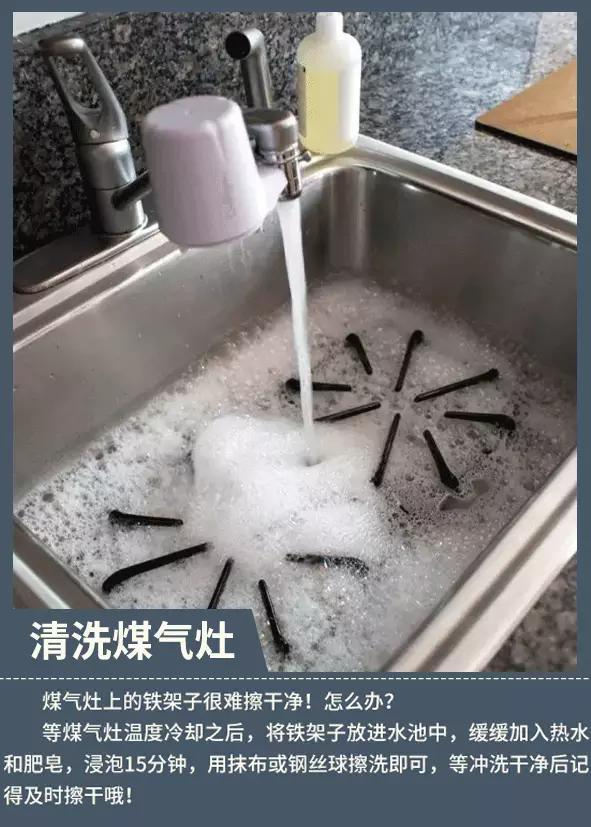
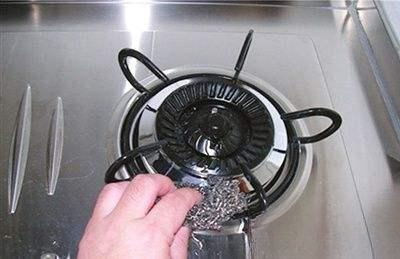
After the gas stove has cooled down, place the metal rack in the sink, slowly add soapy water, soak for 15 minutes, then scrub with a cloth or steel wool. Remember to dry it thoroughly after rinsing!
10. Electric kettle
Pour some cola into the bottle, then repeatedly wipe it with aluminum foil until the cola is clean. Finally, gently wipe the bottle with kitchen paper towels.
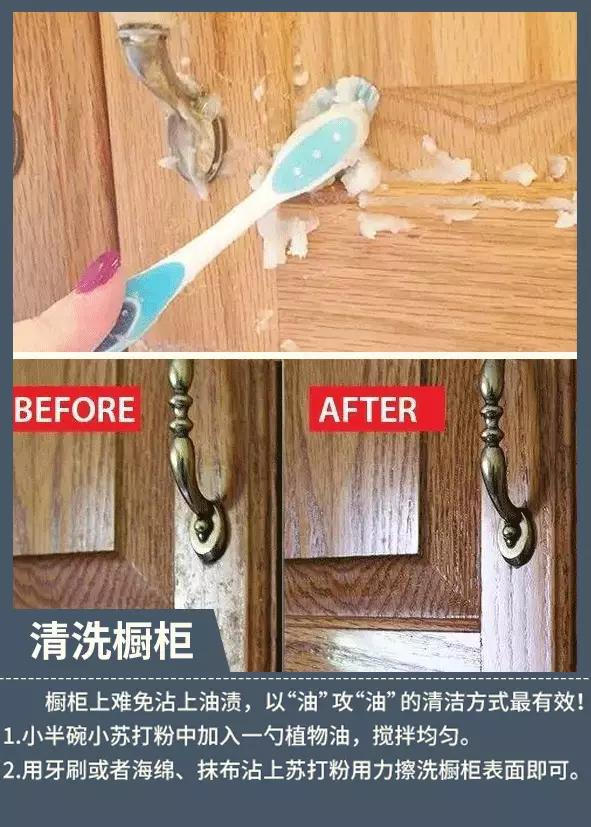
11. Cabinets
When wooden utensils in the kitchen are covered with grease, you can apply bleach mixed with water to the grease-stained surface, and then rinse it clean with water the next day.
12. Dishwasher Sink
Pour kitchen cleaner onto a damp cloth and scrub the sink. If mineral deposits form due to stagnant water, use a low-concentration vinegar solution to remove them, then rinse thoroughly with water.
13. Odor from the cutting board
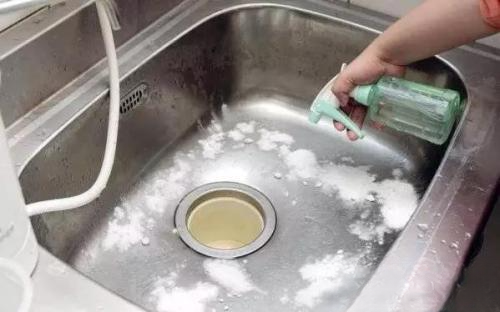
Cutting boards are prone to developing odors after use. Household vinegar can effectively clean odorous cutting boards. Mix two tablespoons of vinegar with 200 ml of warm water, then pour it onto a cutting board that has been lined with paper towels and leave it for 15 minutes. The dirt on the cutting board will be easy to remove, the odor will disappear, and it also has a certain bactericidal effect.
14. Cleaning tiles
Spray a certain amount of cleaner on the tile, then stick kitchen paper towels on it. After about 10 minutes, tear off the paper towels and wipe it with a damp cloth.
15. Microwave oven
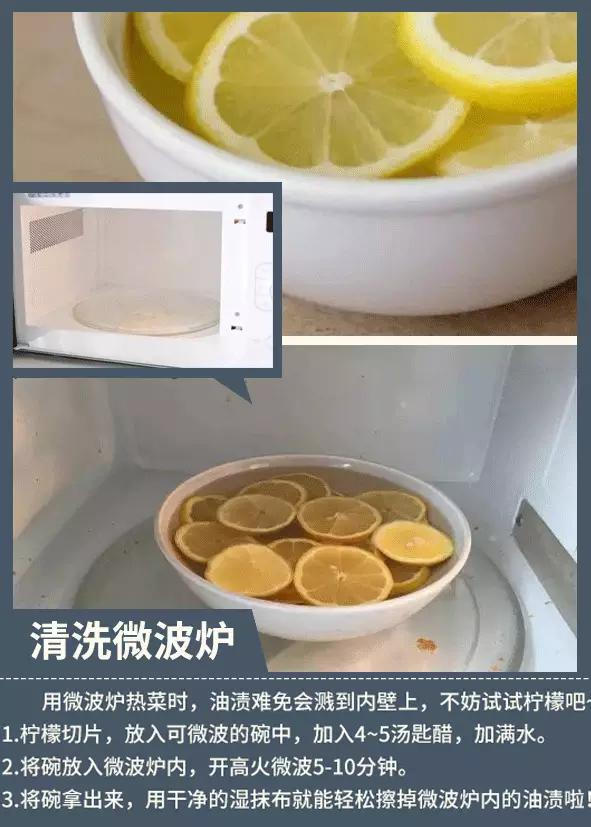
Pour a few drops of dish soap into a bowl of cold water, put the bowl in the microwave, heat for 3 minutes, and then wipe the inside of the microwave with a paper towel. The grease will be easily wiped away.
16. Unpleasant odor in towels
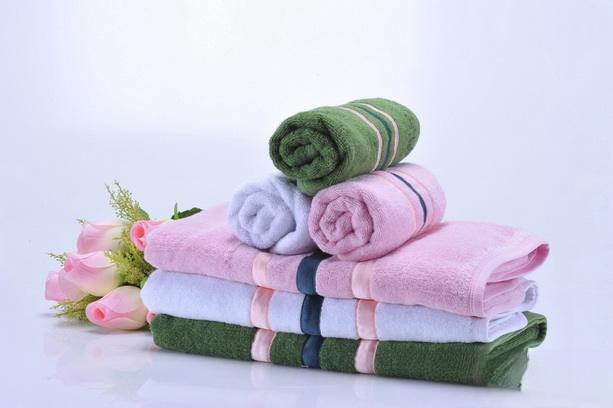
Wash the towel and put it in hot water with a little salt or white vinegar. After 5 minutes, take it out, wash it clean, and then dry it in the sun.
toilet waste
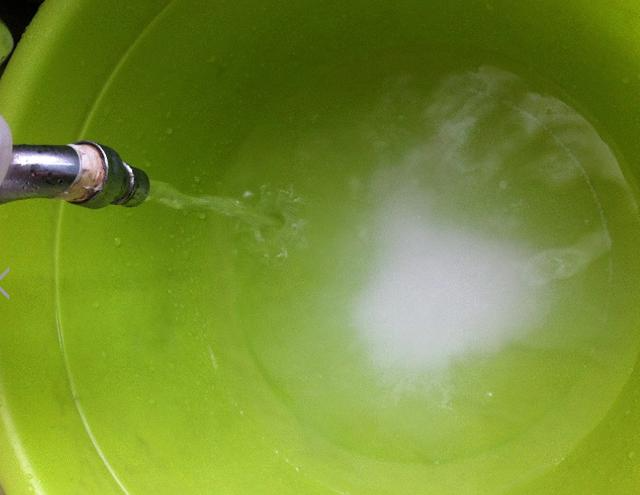
The materials you'll need are: laundry detergent, white vinegar, alcohol, baking soda, a basin, an old toothbrush, and a rag. The method is also very simple. First, pour half a basin of water into the basin. Then, add one capful of laundry detergent, two capfuls of white vinegar, three capfuls of alcohol, and baking soda. Stir well and let it sit for a while. Use the old toothbrush dipped in the prepared water to scrub away the stubborn dirt in the toilet. After scrubbing all the dirty areas, use a rag to rinse the basin and wipe the entire bathroom clean. After wiping, you'll find the bathroom is as clean as when it was first renovated.
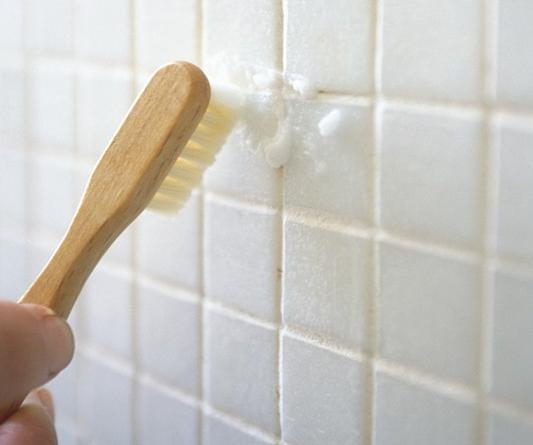
Actually, many things we don't use in our daily lives can be put to other uses. For example, discarded toothbrushes and toothpaste can be used to clean the grout lines of bathroom tiles. First, squeeze toothpaste onto the dirty area in the bathroom, then gently scrub with a toothbrush. You'll find that the dirt is quickly removed. The abrasive particles in the toothpaste can easily remove some stubborn stains. Then, simply rinse with clean water.
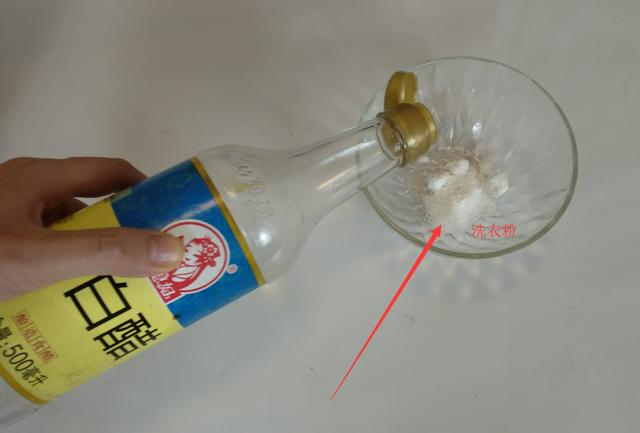
Every household has laundry detergent and white vinegar, but everyone knows that laundry detergent is used for washing clothes. But what happens if you mix laundry detergent and white vinegar together? Let's take a look with Xiaoyu! First, take a container and add a little alcohol. The alcohol evaporates quickly, allowing the moisture in items wiped with it to evaporate rapidly. Then, take out the laundry detergent and pour it into the container.
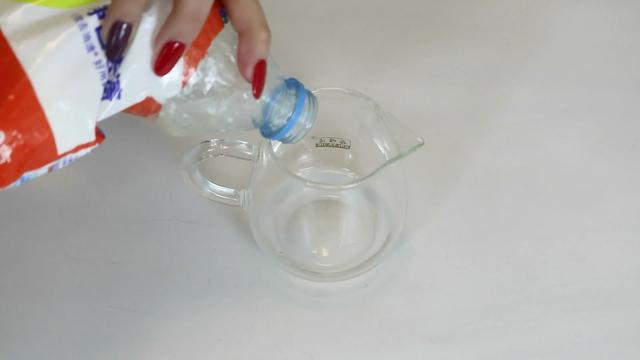
Then take out the white vinegar from our house and pour it into this container. The acetic acid in white vinegar can kill bacteria and also remove dirt.
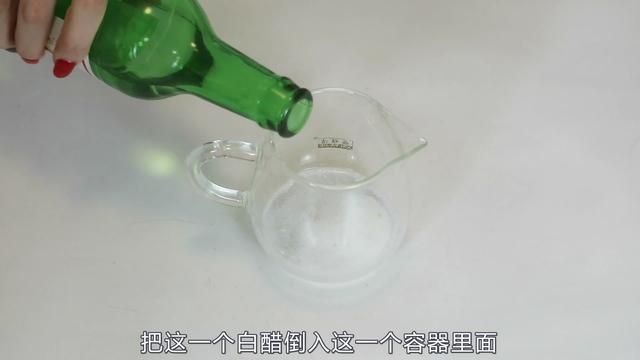
Next, take out some clean water, pour it into this container to dilute it, stir it, and after stirring it evenly, we can pour it into a spray bottle, tighten the cap of the spray bottle, and this powerful stain remover is now ready.
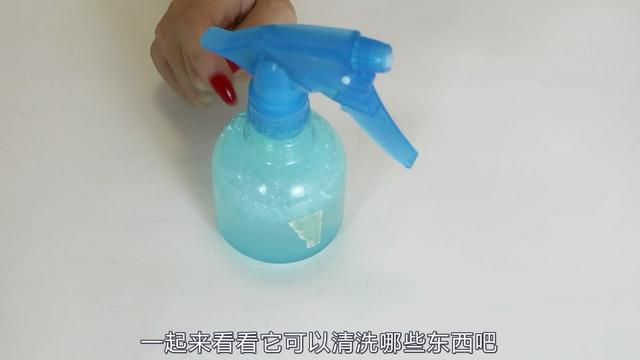
Let's see what it can clean. Look at this table; there's some double-sided tape stuck to it, and we can't seem to remove it no matter what we do. What should we do? We'll gently spray our homemade solution on it.
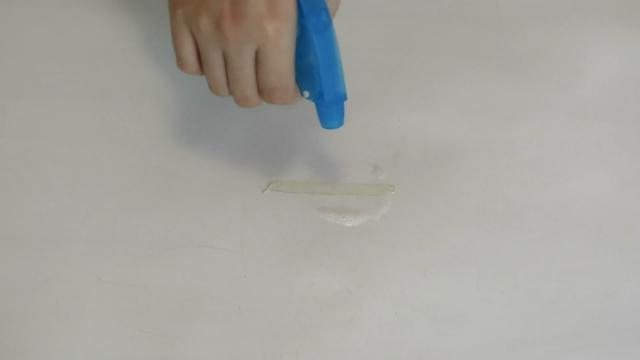
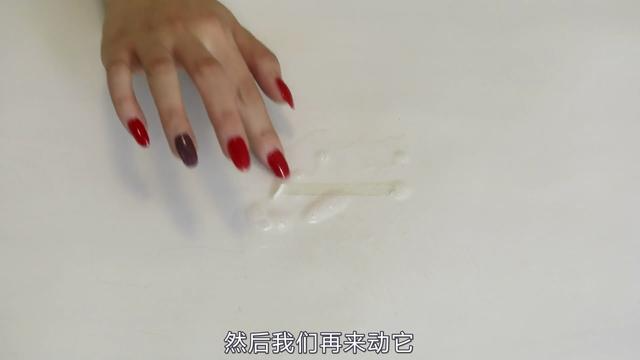
Then let it sit for about a minute, and when we try to peel off the double-sided tape, it will come off very easily. We can also spray a little bit of this on the adhesive residue of double-sided tape or the adhesive residue of regular transparent tape. After a minute, the adhesive residue will slowly decompose, and when we try to remove it again, we will find that the tape will come off very easily.
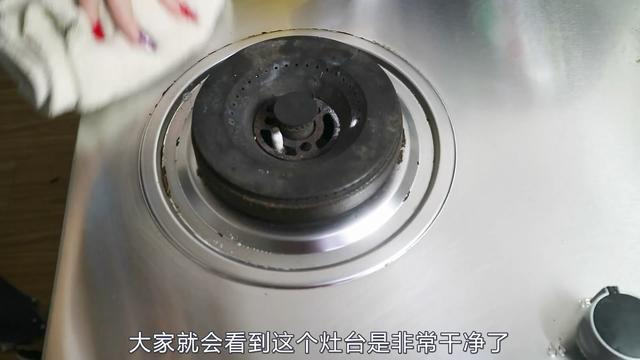
After prolonged use, a very light layer of grease will accumulate on the surface of the stove. However, this light grease will eventually turn into a thick layer of grease. So how do we remove this grease? It's actually very simple. We just need to spray our homemade solution on it. This white vinegar and laundry detergent can break down the grease stains. After one minute, we can wipe it with a towel, and you will see that the stove is very clean. Moreover, the alcohol evaporates very quickly, so no water stains will be left on the stove.
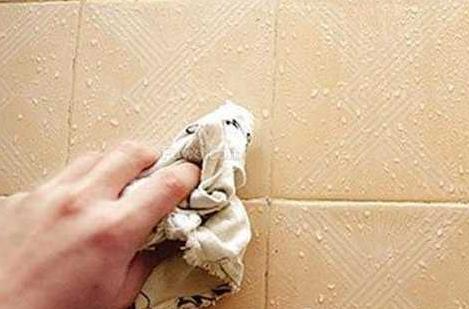
Its third clever use is for cleaning the tiles in our bathrooms, kitchens, or shower rooms. As we all know, if these tiles aren't cleaned regularly, a layer of stains and grime will accumulate on the surface, leading to mold growth in the corners and edges. Actually, we can easily clean them using this homemade solution.
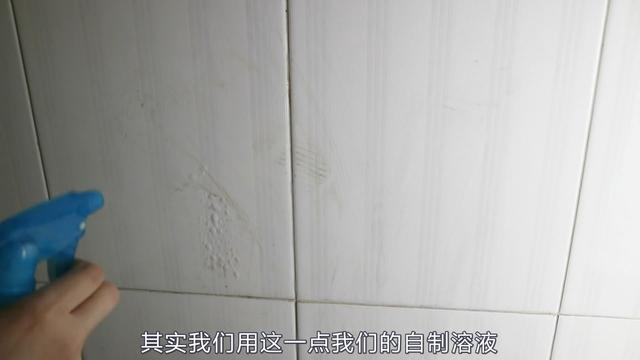
White vinegar and laundry detergent can remove stains. After gently wiping the wall like this, you can see that it is very clean and has a faint scent of laundry detergent, which is also a floral fragrance. Most importantly, there are no water stains on the wall, so the dirt will not form on the wall again.