Cultivation techniques for autumn flowers
General maintenance measures
1. Strengthen fertilizer and water management by applying phosphorus and potassium fertilizers to winter-dormant flowers. Flowers that do not go dormant in winter can still be fertilized with nitrogen fertilizer, especially foliage plants, which should still be fertilized primarily with nitrogen. However, it is important to combine this fertilizer with phosphorus and potassium fertilizers. Appropriate application of phosphorus and potassium fertilizers can improve the cold resistance of flowers. Winter-flowering plants such as cineraria, calceolaria, cyclamen, poinsettia, and wintersweet are in their vegetative growth period in early autumn and should be fertilized primarily with nitrogen fertilizer. In late autumn, when they are mostly in bud formation, fertilization should focus on phosphorus and potassium fertilizers with nitrogen fertilizer as a supplement. Excessive nitrogen fertilizer is not conducive to winter flowering.
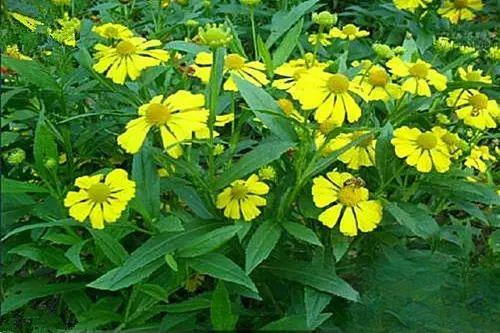
For flowers and seedlings planted outdoors, water only when the soil is dry, and when you do water, water thoroughly. Potted flowers require frequent and thorough watering, avoiding partial watering which creates a wet top and dry bottom, hindering root growth; overwatering should also be avoided to prevent root rot. In autumn, water supply should be controlled to promote the maturation of new shoots and prevent the plants from producing new shoots in late autumn and winter, which is detrimental to overwintering. However, in early or mid-autumn, due to higher temperatures, plants will sprout new shoots, and during this period, sufficient water should be provided to ensure timely growth and maturation of these shoots. Watering in autumn is best done in the morning or afternoon. This is to ensure the water temperature is close to the soil temperature, facilitating absorption and avoiding damage to the roots.
2. Pay attention to flowering period regulation. Many flowers are scheduled to bloom during New Year's Day and the Spring Festival, therefore, forcing or suppressing cultivation should be carried out. For example, baby's breath is a long-day flower and requires winter flowering. Supplemental lighting must begin in early September, generally increasing light exposure by 4 hours between 10:00 PM and 2:00 AM for one month . Chrysanthemums are short - day flowers, and supplemental lighting is also necessary to delay their flowering. Supplemental lighting should begin in mid-September and stop 50 days before the expected flowering date . For some heat-loving flowers, such as anthuriums, bird of paradise, and phalaenopsis orchids, heating should be provided when the average daily temperature is below 15℃ . Lilies cultivated in autumn and winter require heating in addition to low temperatures, and supplemental lighting is also needed to prevent bud dormancy.
3. Strengthen pest and disease control. Major autumn pests include: carnations and baby's breath (to prevent cabbage caterpillars), gerberas (to prevent spider mites), chrysanthemums (to prevent cabbage caterpillars and aphids), and lilies (to prevent aphids). Major diseases include: chrysanthemum spot disease, rose black spot and powdery mildew, carnation leaf spot disease, and gerbera spot disease. Disease control should focus on prevention, paying attention to ventilation, reducing humidity in the greenhouse, increasing phosphorus and potassium fertilizer application to improve plant disease resistance, and spraying protective and control agents.
4. Cultivation and weeding: Cultivation can loosen the topsoil, reduce water evaporation, increase soil moisture, promote air circulation and nutrient decomposition in the soil, and create favorable conditions for the root growth and nutrient absorption of flowers.
Weeding prevents weeds and flowers from competing for soil nutrients, water, and sunlight. Cultivation can be done simultaneously with weeding, but weeding cannot replace cultivation. The cultivation depth is generally 3 to 5 centimeters. Cultivation and weeding can also help prevent pests and diseases, reducing the likelihood of their occurrence the following year.
5. Pruning and Shaping: Autumn pruning should be light , avoiding excessive force that could weaken the tree or even kill it. Pruning methods mainly include pinching and branch trimming. The focus should be on maintaining the plant's natural shape, shaping only as needed. For trees, branch trimming is primarily used to emphasize the main trunk, ensuring it reaches a certain height before branching. For shrubs, pinching is mainly used to maintain their original shape or encourage them to develop an ideal shape, expanding their crown width. Pruning and shaping can improve the quality of flowers.
Garden planting flower management
1. Transplanting: For the layout of newly built courtyards or the renovation of old courtyards, ground-planted flowers can be transplanted, provided that the root ball is intact. Thorough pruning, increased watering, and shading are necessary after transplanting to ensure a successful transplant.
2. Pruning and Pinching: Continue pruning vigorous, sprouting hedges and spherical ornamental plants in the garden. This is also the last pruning of garden hedges and spherical plants in northern regions during the autumn growing season. Suitable garden hedges and color block plants for pruning include: boxwoods, French holly, photinia, privet, small-leaved privet, red-leaved barberry, golden privet, and golden-edged cypress. Suitable spherical ornamental plants for pruning include: Chinese juniper, Sichuan juniper, bayberry, holly, holly, photinia, pittosporum, firethorn, and forsythia.
The following flowering plants can be pinched back when planted in the ground: Salvia splendens, Gomphrena globosa, sulfur chrysanthemum, Kochia scoparia, marigold, and Tagetes patula. It is advisable to pinch back the tips every 10 days to encourage the formation of a full plant shape and the production of more inflorescences on the lateral shoots. Pinching should be stopped after late September .
3. Seed Collection: The main woody ornamental plants suitable for seed collection are flowering trees of the Magnoliaceae family. Magnoliaceae, as well as yew, horse chestnut, and crabapple varieties, must have their seeds treated and stored in moist sand until early spring of the following year. Sowing should only begin after the seeds have cracked open. Harvestable herbaceous flower seeds include: marigolds, zinnias, impatiens, four o'clocks, cockscomb, periwinkles, strawflowers, and asters. After harvesting, the seeds should be threshed promptly, dried, and stored until the following spring for sowing.
Garden potted flower management
1. For potted chrysanthemums, continue to remove buds and buds; for roses, pomegranates, milans, jasmine, pearl orchids, bougainvillea, lantana, golden bud flowers, coral flowers, etc., prune after each flowering; for those tree stump bonsai species that are tolerant of pruning, easy to sprout, and grow vigorously, continue to prune or remove buds.
2. Pest and Disease Control: Pests and diseases affecting autumn flowers are less prevalent than in summer, so prevention is key in pest and disease management. For the peach-necked longhorn beetle appearing on potted plum blossoms, crabapples, peach trees, and flowering peach trees, poisoned sticks can be inserted to block the beetle, or furadan granules can be applied for control. For Japanese wax scale, cottony cushion scale, shield scale, and woolly scale appearing on potted plants, a 1500- fold dilution of 40 % imidacloprid can be used for control.