Cultivation and pruning methods for potted roses
Growing a few potted plants at home not only improves indoor air quality but also enhances the overall environment, which is why many people now keep potted plants at home. To successfully cultivate potted roses, proper pruning is essential. Below, we'll share some methods for cultivating and pruning potted roses.
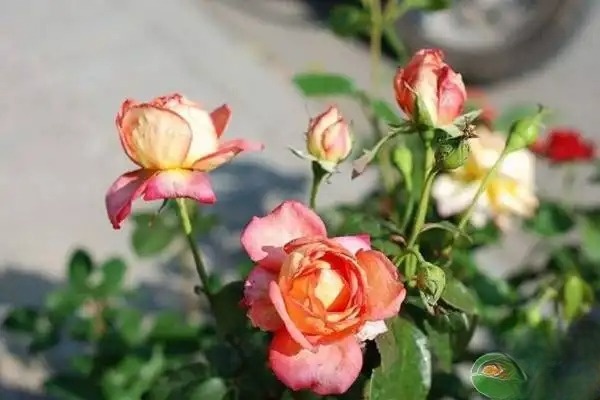
I. Cultivation and Pruning Methods for Potted Roses
1. Spring pruning
Roses are highly adaptable and easy to cultivate, preferring warm, sunny, and well-ventilated environments. After the spring blooms fade, potted roses should be pruned to shape and shape them, removing dead, old, diseased, and weak branches to encourage the growth of more lateral branches. During the flowering period, promptly remove spent blooms to prevent excessive nutrient absorption. Watering should keep the soil moist.
2. Summer pruning
Some rose varieties can tolerate temperatures up to 35 degrees Celsius. Potted roses can be shaded in summer. Before summer, prune overly dense and weak branches and leaves to improve air and light penetration. Place them in a well-ventilated and shady place, and also prune any sprouting branches and flowers. This will encourage more blooms in potted roses (remove withered flowers promptly) and prevent diseases during the high-temperature period. Water them in the morning and evening, and spray water during the day to cool the plant and maintain air humidity.
3. Autumn pruning
As the autumn season cools down, reduce watering for roses. For potted roses, prune away any yellowing or withered leaves and branches, allowing them to receive ample sunlight to encourage new side shoots and continue blooming.
4. Winter pruning
Some rose varieties can tolerate temperatures as low as -15 degrees Celsius and continue to bloom even when it snows, while others go dormant when temperatures reach 5 degrees Celsius. Before winter, potted roses can have old, weak, and diseased branches pruned appropriately and placed in a sunny spot indoors. The plants can grow and bloom normally when the temperature is above 15 degrees Celsius.

5. Management
(1) Potted roses need ample sunlight to bloom except during the hot summer months when they require shade. Insufficient sunlight will only result in leaf growth without flowering, and even if flower buds form, the flowers will be dull and lack fragrance. Water and fertilizer are also essential. Before flowering, apply nitrogen, phosphorus, and potassium fertilizer monthly, and during the flowering period, apply phosphorus and potassium fertilizer at a 1:1000 ratio. During the growing season, water only when the soil is dry to the touch, and water thoroughly. Do not water during the summer rainy season, as waterlogging can easily lead to root rot. Control watering in winter.
(2) After the potted roses have faded, cut off the withered flowers. If there are too many flower buds in a given month, select one well-shaped flower bud from each branch and cut off the rest. When they bloom, they will be full and beautiful, with large flowers and a strong fragrance. At the same time, it is best to do a light pruning after each season, and promptly cut off the withered flowers and weak, crossing, and overlapping branches, leaving strong branches.

II. Selection of Potted Rose Varieties
For potted roses, choose varieties with compact growth, dense branching, abundant flowers and foliage, and moderate height. Tall varieties are not suitable for potting. Grafting can produce roses of different colors and flower shapes, enhancing their ornamental value. However, due to the influence of the plant's own growth condition and grafting techniques, grafted plants often have asymmetrical shapes. Therefore, when selecting roses for potting, choose plants with relatively symmetrical shapes to achieve a fuller plant form and improve the ornamental effect. In addition, varieties with pure flower colors, frequent blooming, and a strong, pleasant fragrance are ideal for potting.
Alright, that's all for today's sharing. If you're growing potted roses or planning to grow them, you can learn some of the pruning methods mentioned above. This will help you grow beautiful and abundant roses. Feel free to bookmark this article if you found it helpful!