Comprehensive Health Knowledge
Ten Standards of Health
The World Health Organization (WHO)'s official definition of health/ten criteria for measuring health:
Energetic and able to handle daily life and work with ease;
Optimistic, positive attitude, willing to take on tasks, and not picky;
Good at resting and has good sleep;
It has strong adaptability and can adapt to various environmental changes;
It has some resistance to the common cold and infectious diseases;
Appropriate weight, even physique, and harmonious proportions of all body parts;
Bright eyes, quick reflexes, and no eyelid inflammation;
Teeth are white, without defects, without pain, gums are normal, and there are no cavities;
Hair is clean and dandruff-free;
Skin is radiant and elastic, walking is easy and energetic.
Health is a state of complete physical, mental and social well-being, which is not merely the absence of disease or infirmity. In other words, a healthy person has a strong physique, an optimistic and positive mental state, and is able to maintain a harmonious relationship with their social and natural environment, as well as good psychological qualities.
definition
A state in which no disease can be detected in the human body, all its biological parameters are stably within the normal range of variation, and it has a good ability to adapt to changes in the external environment (natural and social) within a daily range.
There are many definitions of health, each with its own basis and imperfections. Among the many definitions, one of the more authoritative is that of the World Health Organization (WHO), defined as: "Health is a state of complete physical, mental and social well-being and not merely the absence of disease, infirmity or debility." Some criticize it as an unattainable "utopian" definition, or argue that it is not a definition of health but rather a societal goal, or that it understands health from a sociological perspective. In reality, health is a vague concept regardless of the perspective. The absence of illness is certainly a basic condition for health, but the concept of illness is no clearer than that of health. A person with an allergic constitution is healthy from any perspective as long as they do not come into contact with the allergen; however, once exposed to the allergen, they may experience rashes or asthma, or even shock or death. Defining health by the degree of adaptation to the environment, and understanding health in relation to the environment, is a step forward. Defining health using biological parameters seems to be the most accurate and convenient, as normal values for various aspects of the human body can be found simply by consulting medical textbooks. However, athletes whose height exceeds that of the average person should be classified as unhealthy according to this standard. In reality, these normal values are calculated statistically from surveys of normal individuals, but the normal range does not include all normal individuals; it only considers the middle 95%, that is, 2.5% exceeding the upper limit and 2.5% falling below the lower limit. Normal individuals are not included. Therefore, many clinicians believe that the term "normal value" is inaccurate and should be changed to "standard value" or "range of variation" to avoid misunderstanding. The definition of health proposed in the World Health Organization's constitution is recognized by most countries in the world, but "complete physical, mental and social comfort" is a difficult standard to grasp.
Traditional Chinese Medicine's description of health
Traditional Chinese medicine believes that a person's health depends on the health of their internal organs and meridians, and the health of their internal organs depends on the health of their spleen and stomach. There is a famous saying in traditional Chinese medicine that "the spleen and stomach are the foundation of postnatal health." After a person is born, the supply of all food and activities depends entirely on the function of the spleen and stomach. Therefore, traditional Chinese medicine judges a person's health by whether their spleen and stomach are healthy.
The meaning of modern health
The modern meaning of health is not merely the absence of disease as traditionally understood. According to the World Health Organization, health is not simply the absence of disease or infirmity, but a state of complete physical, mental and social well-being. This is the more comprehensive scientific concept of health in modern times.
The modern concept of health is multifaceted and broad, encompassing three aspects: physiological, psychological, and social adaptability. Social adaptability ultimately depends on the physical and psychological state. Mental health is the spiritual pillar of physical health, while physical health is the material foundation of mental health. A good emotional state can optimize physiological functions, while a poor emotional state can impair or damage certain functions, leading to illness. Changes in physical condition can bring about corresponding psychological problems. Physiological defects and diseases, especially chronic illnesses, often cause negative emotions such as distress, anxiety, worry, and depression, leading to various abnormal psychological states. As individuals, as a unified whole of body and mind, the physical and psychological aspects are closely interdependent.
The four cornerstones of maintaining health: a balanced diet, appropriate exercise, quitting smoking and limiting alcohol consumption, and mental health.
Health Formula
After research, experts have derived a health formula:
Health = (Emotional stability + Moderate exercise + Reasonable diet) - (Laziness + Smoking + Alcohol abuse)
The above formula illustrates that the three elements of longevity are beneficial to health. The larger the numerator in the formula, the healthier the body; the larger the denominator, the worse the body.
Personality and Health
Personality-shaping disorders:
When we experience psychological imbalance, certain organs may malfunction, leading to illness. To recover, in addition to following medical advice, it's crucial to manage our emotions. In this sense, health is in our own hands.
Our health is related to the external environment and our lifestyle, but few people know that personality is also a factor in causing disease. Everything that can affect the brain can affect the body. Dissatisfaction, resentment, anger, self-blame, feelings of fault, etc.—these negative emotions can lead us to the hospital bed. To avoid these, we must immediately stop what causes us pain and anxiety. Each organ in the human body has its specific function and is strictly and specifically connected to our consciousness and psychology.
health issues
1. Heart disease :
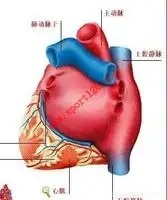
Most cases of cardiovascular disease stem from a lack of love and security, as well as emotional self-isolation. Those who believe they are unworthy of love, disbelieve in the possibility of love, or prevent themselves from expressing love for others are highly likely to develop cardiovascular disease. Learning to face one's true feelings and listen to one's inner voice can significantly reduce the risk of heart disease.
2. Arthritis :
Learn to frequent the company of those who can't say "no" and accuse others of taking advantage of them. For these people, it's important to learn to say "no" if it's necessary.
3. Obesity:
It is the body's intention to protect something. Inner emptiness easily stimulates one's appetite. Erjincai's actions can give many people a feeling of "fulfillment," but spiritual poverty cannot be filled by food.
4. Kidney problems :
It's because of blame, sadness, unhappiness in life, and a critical attitude towards life. These people often feel that others have deceived and bullied them. Similar feelings and emotions can lead to abnormal chemical processes in the body and an imbalance in the immune system. A common cold is a warning from the body: "Stop! Take a breath, it's not a big deal!"
5. Asthma:
This is usually because they are unable or unwilling to live independently.
6. Stomach problems :
Ulcerative colitis and constipation, according to psychological experts, stem from clinging to the past and failing to break free from old ideas and take responsibility for the present. The stomach reacts sensitively to problems that trouble us; if you suppress these feelings, refuse to acknowledge them, and try to ignore or "forget" them with reason and consciousness, various gastrointestinal disorders will arise. Prolonged anger and tension can trigger gastritis , stomach pain (heartburn), and excessive stomach acid , indicating long-suppressed personality traits.
7. Constipation:
Sometimes, people accumulate too many emotions, ideas, and experiences, and are unable or unwilling to let go of them, making it difficult for them to feel new emotions and experiences.
8. Eye diseases :
It's a manifestation of not wanting to see something, not accepting the world around them. Nearsighted people want to recover from what's been destroyed.
Having poor eyesight requires self-confidence and improving one's personal and professional qualities to enhance personal prestige. Subconsciously, farsighted people feel surrounded by difficulties and unpleasantness, leaving them nowhere to hide. The problem lies in a lack of self-confidence, an inability to resolve accumulated issues, and perhaps a habitual tendency to overreact. It's recommended that you train your self-control; you'll surely find positive aspects in life. Perhaps you should try changing your lifestyle .
9. Ear diseases:
Hearing loss or deafness is related to our tendency to ignore auditory information and abstract away the people and the outside world around us. We don't want to hear others' complaints, accusations, or insults; we just want peace and quiet for ourselves. Consider what gives you this desire. If it's related to a family member, try to find the root cause of their words that you find offensive. Remember, there's no smoke without fire—perhaps the problem lies within yourself.
10. Avoid insomnia
People should take insomnia seriously because it is harmful to health. Clinically, for mild cases, tranquilizers can be used to control insomnia, but long-term use should be avoided to prevent drug dependence and further deterioration of the condition. For patients with long-term or severe insomnia, traditional Chinese medicine treatments are recommended, such as the "Chinese Medicine Sleep Aid Treasure" developed by China Medical University, which can have significant effects. In addition, insomnia patients should cultivate good lifestyle habits, such as taking a walk after dinner and exercising regularly, which are all very helpful for recovery.
11. High blood pressure:
This often occurs in people who, full of enthusiasm, take on all the burdens within their capabilities, working tirelessly, afraid of disappointing those around them, and hoping to be seen as important and respected, thus suppressing their own inner feelings and needs. (This is a summary of a passage on mental health.)
Eight Elements of a Healthy Life for Men
1. Nutrition: In daily life, it is important to have a balanced diet. You should eat a variety of grains and whole grains, as well as plenty of fresh fruits and vegetables. Pay attention to low oil, low salt, no sugar, and control the amount of staple food.
2. Exercise: Persist in safe and moderate aerobic exercise, and walk at least 2 to 3 kilometers every day.
3. Water: Drink enough clean water every day and use hot and cold water to regulate your body's discomfort.
4. Sunlight: Spend more time outdoors and get natural sunlight, but avoid excessive sun exposure.
5. Moderation: Restrain your desires and bad habits, do not smoke or drink alcohol. This is something that many people may find difficult to do.
6. Air: Men should pay special attention to going out more often and breathing fresh air in nature.
7. Rest: In life, it is important to balance work and rest, maintain good rest habits and regular sleep.
8. Belief: Trust in scientific guidance, build confidence, and maintain an optimistic and peaceful mindset.
Health Tips
1. Eating late-night snacks frequently can lead to stomach cancer because the stomach doesn't get enough rest.
2. Eggs are high in cholesterol, so the number of eggs you can eat each day varies from person to person. Young people can eat more, while middle-aged and elderly people should not eat more than one per day.

3. Chicken butts contain carcinogens, so it's best to avoid eating them.
4. It is best to eat fruit half an hour to an hour before meals or one to two hours after meals.
5. When a girl is menstruating, she should not drink green tea or any other type of tea. Instead, she should eat more foods that can replenish blood.
6. When drinking soy milk, do not add eggs or sugar, and do not drink too much.
7. Do not eat tomatoes on an empty stomach; it is best to eat them after meals.
8. Drink a glass of water first thing in the morning to prevent kidney stones.
9. Don't eat anything three hours before bed, or you'll gain weight.
10. Drink less milk tea, because it is high in calories and oil and has no nutritional value. Long-term consumption can easily lead to diseases such as high blood pressure and diabetes.
11. Freshly baked bread should not be eaten immediately.
12. Keep away from the charging base. Keep at least 30 cm away from the body. Do not place it next to the bed.
13. Drink eight glasses of water every day.
14. Drink ten glasses of water a day and you'll be less likely to get bladder cancer.
15. Drink more water during the day and less water at night.
16. Do not drink more than two cups of coffee a day, as drinking too much can easily lead to insomnia and stomach pain.
17. Eat less oily food, because it takes 5 to 7 hours to digest and causes blood to concentrate in the stomach and intestines, making you drowsy.
18. Eat less of a large meal after 5 pm, because the body does not need as much energy after 5 pm.
19. Ten foods that will make you happy: deep-sea fish, bananas, grapefruit, whole-wheat bread, spinach, garlic, tomatoes, low-fat milk, chicken, and cherries.
20. Lack of sleep can make you less intelligent; you need eight hours of sleep a day, and taking a nap can slow down aging. Appropriate use of sleeping pills can be beneficial to health.
21. The best time to sleep is between 10 pm and 6 am. Sleeping pills can be taken appropriately for insomnia.
22. Do not drink more than one glass of alcohol per day, as alcohol can inhibit B cells that produce antibodies, increasing the chance of bacterial infection.
23. Capsules should be swallowed with cold water (they can be taken first). Take the medicine 30 minutes before bedtime and avoid lying down immediately.
24. Sour plums have anti-aging properties, helping to maintain a youthful appearance; those with liver problems should eat more of them.
25. Factors causing hair loss: staying up late, stress, smoking and drinking, fried chicken cutlets, spicy hot pot, greasy food, and heavily seasoned dishes.
26. To help hair growth: Eat more cabbage, eggs, and beans; eat less sweets (especially fructose).
27. Drinking a glass of lemon juice or orange juice every day can not only whiten the skin but also lighten dark spots.
28. Apples: A must-have for motorcyclists, drug addicts, and housewives; one a day is all you need to keep your lungs clean.
29. Smoking and taking vitamins (beta-carotene - a type of vitamin A) can cause cancer. Quitting smoking as soon as possible is the healthiest approach.
30. Five periods when women should not drink tea: during menstruation, during pregnancy, before childbirth, after childbirth, and during menopause.
31. Smoking: It is most closely related to lung cancer, lip cancer, tongue cancer, throat cancer, and esophageal cancer, and is also associated with bladder cancer.
32. Drinking alcohol can lead to cirrhosis and liver cancer.
33. Chewing betel nut can lead to oral fibrosis and cause oral cancer.
34. Food that is too refined, lacks fiber, and contains a lot of fat, especially cholesterol, can cause stomach cancer.
35. When food is too coarse and lacks nutrition, it can lead to esophageal cancer and stomach cancer.
36. Aflatoxin and nitrites in food are both carcinogenic.
37. Do not smoke and refuse to inhale secondhand smoke.
38. Drink alcohol in moderation, do not drink excessively, and do not get drunk.
39. Reduce consumption of salt-cured, smoked, and grilled foods.
40. Eat fresh vegetables and fruits every day.
41. Consume whole grains and legumes rich in fiber every day.
42. Eat a balanced diet every day, but don't overeat.
43. Correct eating habits: Eat like an emperor in the morning, like a commoner at noon, and like a beggar at night.
44. Regular consumption of bee products is beneficial to health and beauty.
45. Imagination: Relax your mind by imagining a place you love, such as the sea or mountains. Focus your thoughts on what you are imagining—what you see, smell, and hear—and gradually immerse yourself in it, thereby achieving mental relaxation.
46. Massage: Close your eyes and use your fingertips to massage your forehead and the back of your neck in a regular, circular motion. Do not rub aimlessly.
47. Breathing: Take quick, shallow breaths. To relax better, slowly inhale, hold your breath, and then exhale, each phase lasting 8 counts.
48. Abdominal breathing: Lie flat on the floor, face up, body relaxed, eyes closed, exhale completely, letting all the air out of your lungs, your abdomen expanding. Then contract your abdomen, inhale, and finally relax, allowing your abdomen to return to its original state. Repeat this process after several minutes of normal breathing.
49. Break free from routine: Try some different new methods and do things you don't usually do, such as hopping down the stairs on both feet.
50. Relaxation response: Sit comfortably in a quiet place, close your eyes, relax your muscles, and silently breathe in and out, focusing on your breathing.
51. Develop interests: Cultivate your interest in various beneficial activities and enjoy them to the fullest.
52. Stretching exercises: Stretching is very beneficial for relieving tension, as it can relax all the muscles in the body.
53. Sing in the shower: Sing loudly every time you shower, trying to draw out the notes. Singing loudly requires constant deep breathing, which is very beneficial and can improve your mood.
54. Take a nap: Learn to take a 10-minute nap in any situation, such as the office, hallway, or car. This will refresh you.
55. Chicken skin and necks should not be eaten in large quantities: because chicken skin contains a relatively high amount of estrogen and has a high fat content. Additionally, chicken skin is rich in...
It contains protein, fat, iron, zinc, and other nutrients. Therefore, it can be consumed in moderation!
56. It is not advisable to drink tea before bed: Tea contains many alkaloids, such as caffeine and theophylline, which have a significant stimulating effect on the central nervous system after being absorbed by the body, eliminating fatigue and invigorating the spirit. Therefore, drinking tea before bed can lead to insomnia.
57. Eat more toon leaves mixed with tofu, which can clear heat, detoxify, and supplement calcium.
health care
There are many foods that are rich in nutrients, such as soybeans, carrots, tomatoes, and spinach. Eat less fatty foods like fatty meat. It's best to have four meals a day, with smaller, more frequent meals.

Eating is beneficial for growth and development.
Health supplements encompass four aspects: health foods, health products, health devices, and special cosmetics. Health foods are an important component of health supplements, and many people believe that health supplements are simply health foods, or vice versa.
26 little-known health secrets
Little Secret 1
Every morning when you wash your face, remember to gently inhale cold water into your nasal cavity to clean it. The great benefit: killing two birds with one stone—it stimulates the nasal cavity and cleans it at the same time. After this daily practice, the nasal cavity gradually gets used to the low temperature, and when cold air invades, it will not be a problem, and you will not catch a cold so easily.
Little Secret 2
Hang a pleasing landscape painting in a place that's easily visible in your bathroom, and imagine yourself inside that painting before brushing your teeth each day. Big reward: Perhaps you're standing on a cloud-shrouded mountaintop looking down, or perhaps you're sitting in a trendy outdoor café sipping coffee. Allow yourself a few minutes to meditate, and your stress hormone levels will drop significantly.
Little Secret 3
Find a quote or saying that resonates strongly with you and evokes positive feelings in your mind. Before leaving for work each day, spend five minutes mentally rehearsing this quote. Big reward: It will make you feel more positive and energetic, allowing you to approach your work with greater enthusiasm.
Little Secret 4
When stuck in traffic, don't just complain about the terrible traffic conditions; try some breathing exercises to relax. Focus on your lower abdomen (Dantian) and practice the 4:7:8 breathing method—exhale first, then inhale through your nose, silently count to 4, hold your breath for 7, then exhale through your mouth, making a "whoosh" sound, silently count to 8. The great reward: If you consistently take a few moments to do this breathing exercise, you'll find your restless mind calms down, and if you have insomnia, your symptoms will definitely improve.
Little Secret 5
If you commute by bus, don't miss the opportunity to do pelvic floor muscle exercises while others are reading the newspaper. Focus the contraction motion on your urethra, repeatedly contracting and relaxing. Rest assured, no one will notice. Big reward: The better your pelvis, the tighter your vagina. Doing this exercise for 5 minutes every day will make your vaginal muscles tighter, giving you a "gripping" feeling during ejaculation, and it can also prevent urinary incontinence in the elderly.
Little Secret 6
Don't squeeze into a cramped, stuffy elevator, take the stairs! Big reward: For every minute you climb stairs, you burn 6 calories. Even if you only live on the 4th floor, you can burn at least 120 calories a week, and 5520 calories a year. That's equivalent to losing 1 kilogram of fat per year.
Little Secret 7
Once you get to the office, take a deep breath and then use your fingertips to vigorously comb your hair in the direction of its growth in a circular motion. Big reward: Combing your scalp can relieve tension in your head, leaving you feeling clear-headed and better able to focus on your work.
Little Secret 8
If it's sunny outside, steal a moment to step outside and soak up the sun for 15 minutes. The benefits are great: ultraviolet rays are not only excellent disinfectants, but they also enhance your calcium absorption, and you'll easily get the vitamin D you need.
Little Secret 9
If you can't take a nap during your lunch break, try applying some peppermint balm or chewing gum. The benefits are great: the smell of peppermint balm can refresh you; just a few seconds of inhalation sends the olfactory stimulation to your brain, instantly invigorating you. Chewing gum has the same effect; both your sense of smell and taste are stimulated, which is then transmitted to the brain, providing a similar stimulating effect.
Little Secret 10
After working for a while, remember to shrug your shoulders forcefully, bringing them as close to your ears as possible, clench your arms, and then relax. Repeat this action 10 times. Great benefit: By engaging your neck and back muscles, you stimulate blood circulation, thus relaxing your neck and back and preventing back pain.
Little Secret 11
Dump all your potato chips into the trash and replace them with bananas. The big reward: Around 3 or 4 pm is when you feel most tired, so grab a banana for a energy boost. Vitamin B6 helps the body produce dopamine and norepinephrine, neurotransmitters that boost energy, and bananas are an excellent source of vitamin B6. Eating snacks like potato chips not only makes you feel more tired, but also adds at least 155 calories to your daily intake, equivalent to 11 grams of fat.
Little Secret 12
While watching TV, dry brush your skin. Use a dry bristle brush or a loofah to gently rub your legs and hands until the skin turns pink. Great benefits: Massaging the skin removes dead skin cells, accelerates blood circulation, stimulates your nerves, and invigorates your mind.
Little Secret 13
Mix a little lemon juice and a little salt, gently pat it onto your face for five to ten minutes, then wash it off. Great benefits: After a long day out, you've accumulated a lot of bacteria. Lemon has astringent and antibacterial properties, making it an excellent cleanser. It's also rich in vitamin B3, which helps prevent bacterial growth and has a good therapeutic effect on acne.
Little Secret 14
While washing your face, cup warm water in your palms and gently splash it onto your closed eyes 20 times; then repeat with cold water 20 times. Big benefit: If you sit in front of a computer all day, your eyes must be very tired. You might as well do this to improve your eye circulation.
Little Secret #15
Why not opt for a light and enjoyable drink, perhaps with some wine? The benefits are significant: wine contains cardiac stimulants that can effectively prevent heart disease.
Little Secret 16
When I got home at night, my back and waist were aching terribly. I quickly filled a paper cup with water, froze it in the refrigerator, then cut off about 3-4 inches from the rim and rubbed it on the painful area for 10 minutes. Great reward: It can reduce and eliminate your pain and swelling.
Little Secret 17
Turn off the TV and go to bed an hour earlier than you usually do! Big reward: More sleep will give you a healthier immune system, preventing the flu and neurological symptoms like headaches.
Little Secret 18
Make sure to floss every night before bed. The big reward: This can reduce your chances of developing gum disease by 85%.
Little Secret 19
Take alternating hot and cold showers before bed, each lasting about 30 seconds, with the last shower being cold. The big benefit: This relaxes your nerves after a long day, preventing you from tossing and turning all night.
Little Secret 20
After bathing, mash a peeled raw potato, wrap it in clean gauze, and apply it to your eyes. Elevate your legs and rest for 15 minutes. Great benefit: It can reduce puffiness and dark circles under the eyes.
Little Secret 21
Stretch before bed. Big reward: A slow, comfortable stretch is perfect for those about to go to bed, as it's relaxing and helps soothe tense nerves.
Little Secret 22
Take a walk in the woods on weekends or holidays, place your index, middle, and ring fingers together below your navel, take deep breaths, and gently press your abdomen—this is a key area for restoring energy and invigorating the body. Repeat this action 15 times. Great benefits: In recent years, many countries around the world have utilized the unique anions found in forests to regulate bodily functions and treat diseases. Forests are oxygen factories; every hectare of forest can absorb 1 ton of carbon dioxide and produce 0.37 tons of oxygen. Forests are also natural vacuum cleaners, effectively absorbing and filtering dust and pollutants, which is highly beneficial for treating respiratory diseases such as pharyngitis, pneumonia, and bronchitis.
Little Secret 23
If you've been racking your brains trying to figure out what to do this weekend, here's a suggestion: go fishing! The rewards are great: fishing is a fun outdoor activity that not only burns 100-200 calories per hour, but also makes fish a great source of nutrition for your healthy diet. Even fatty fish have less fat than lean meat.
Little Secret 24
You should consciously cultivate the habit of growing your own vegetables. The big reward: homegrown vegetables, including carrots, tomatoes, bell peppers, and red peppers, are much more affordable than buying them in stores, and an hour of gardening can help you burn 150-250 calories.
Little Secret 25
If possible, spend your holidays watching the sunrise at the beach or on a mountaintop. The big reward: perhaps work and marriage have made you feel a bit lethargic, but watching the sunrise will give you a feeling of being reborn and refreshed.
Little Secret 26
Adding goji berries to your tea daily is beneficial, as goji berries are a plant known for its resilience and energy, making them ideal for relieving fatigue. They promote blood circulation, prevent arteriosclerosis and fat accumulation in the liver. Furthermore, the various vitamins, essential amino acids, and linoleic acid in goji berries work synergistically to boost metabolism and prevent aging. Significant benefits: Goji berries are believed to treat conditions such as cold constitution, frigidity, stomach problems, liver and kidney diseases, tuberculosis, constipation, insomnia, low blood pressure, anemia, various eye diseases, hair loss, stomatitis, and skin problems.
Healthy eating
The Healthy Food Pyramid : This pyramid has seven levels. The top level is desserts and butter, followed by dairy products, fish or small amounts of red meat, nuts and legumes, vegetables and fruits, whole grains and vegetable oils, and the bottom level is unrelated to food—long-term, appropriate physical exercise.
Analyzing the pyramid layer by layer
First layer: Butter and dessert
Both the old-fashioned pyramids and Professor Willett's latest pyramid list butter and desserts at the very top. This demonstrates that these foods offer virtually no health benefits beyond increasing calories and fat. If you want to maintain a slim figure, it's best to avoid foods in this category; however, if you need to engage in strenuous physical activity such as long-distance running or swimming, you can eat a piece of chocolate before exercising to replenish your energy and calories.
Second layer: Dairy products
In the old pyramid, dairy products were placed on the second level, alongside meat. Professor Willett singled out dairy products for this second level because excessive dairy intake increases the burden on the heart and raises cholesterol, with side effects greater than those from meat. Some people emphasize that dairy products can increase calcium levels, but in reality, dairy products are neither the only nor the best way to obtain calcium. Experiments have shown that two glasses of milk provide only the equivalent calcium of a few bites of tofu. Of course, you don't need to change your daily milk-drinking habit, but it's generally more reasonable to drink skim milk.
Third layer: Fish or a small amount of red meat
Seafood, often referred to as "white meat," is rich in protein and various amino acids and does not convert into fat, so it can be consumed appropriately 2-4 times per week. Other types of "red meat," however, can increase the risk of cardiovascular disease if consumed excessively, especially animal organs. It's best to avoid frequent consumption of these, even for young people, as high cholesterol levels can lead to future health problems.
Fourth layer: Nuts and legumes
These types of foods were overlooked in the old pyramid, but Professor Willett believes they are very important. Many people think nuts lead to fat accumulation, but in fact, the oils in nuts are all vegetable oils, which are cleaner than animal fats and contain more vitamins and other nutrients. Soy products contain a variety of trace elements, especially calcium, which is very beneficial for people with osteoporosis and the elderly.
Fifth layer: Vegetables and fruits
The importance of vegetables and fruits to human health needs no further emphasis. Within the limits of your stomach's capacity, consume as much of these two categories of foods as possible, as they are most beneficial to your health.
Sixth layer: Whole wheat products and vegetable oils
In traditional Chinese culinary traditions, vegetable oils were not included in the list of edible ingredients. However, in reality, vegetable oils are an indispensable ingredient in cooking. Furthermore, vegetable oils are not as high in calories as one might imagine; on the contrary, the trace elements they contain provide the body with essential nutrients, making their benefits outweigh their drawbacks.
Seventh level: Long-term and appropriate physical exercise
Professor Willett surprisingly listed physical exercise as the "foundation" of the food pyramid, believing that a perfect dietary structure should be based on a healthy lifestyle. Life lies in movement; only by combining exercise with a scientific diet can the body be kept in optimal condition.
Seven essential nutrients
Modern medical research indicates that the human body requires no fewer than one hundred nutrients, some of which can be synthesized and manufactured by the body itself. However, about 40 nutrients cannot be synthesized and must be obtained from external sources. These can be further categorized into seven major nutrients:
(1) Protein
Protein is the foundation of all life. It is constantly synthesized and broken down in the body, and is an essential component for the formation, renewal, and repair of tissues and cells. It participates in the regulation of metabolism and physiological functions, ensuring the body's growth, development, reproduction, heredity, and providing energy. Meat, eggs, milk, fish, and beans are the main sources of protein.
(2) Fat
Fat is one of the sources of energy. It assists in the absorption of fat-soluble vitamins (A, D, E, K, and carotene), protects and stabilizes internal organs, prevents heat loss, and maintains body temperature. Fats and oils are the main nutrients that provide fat.
(3) Vitamins
Vitamins are essential substances for maintaining human health. Although the required amount is small, the body cannot synthesize them or synthesizes insufficient amounts, so they must be obtained from food. Vitamins are divided into two categories: water-soluble (B vitamins, vitamin C) and fat-soluble (vitamins A, D, E, K, etc.). They are crucial for normal growth and development and the regulation of physiological functions. Vegetables and fruits are the main sources of vitamins. [Meishijie]
(4) Carbohydrates
Carbohydrates are the primary energy source for the human body, providing over 70% of the energy we need. They are also an important component of tissues and cells. Grains are the main source of carbohydrates.
(5) Minerals
Minerals are essential components of bones, teeth, and other tissues. They activate hormones and maintain the major hormone system, playing a vital role in regulating physiological functions. Vegetables and fruits are the main sources of minerals.
(6) Water
Water is the main component of body fluids in the human body and is essential for maintaining life. It accounts for about 60% of body weight and plays a role in regulating body temperature, transporting substances, promoting internal chemical reactions, and lubrication. The main source of water is the water we drink every day to maintain the body's needs.
(7) Cellulose: A type of carbohydrate. Includes: cellulose, hemicellulose, lignin, pectin, etc. After ingestion, it is not digested and absorbed by the human body, forming waste. It is excreted with feces. It can promote intestinal peristalsis and at the same time absorb excess fat, cholesterol, etc. and excrete them from the body; effectively preventing the occurrence of cardiovascular and gastrointestinal diseases in adults.
The best drinking water is "photon water":
The latest research in the Chinese medical community shows that a person generates and accumulates a large number of toxins from the sky, the ground, food, medicine, and internal and external conflicts during birth and throughout life. These toxins accumulate over time and cause increasing damage to a person's physical health and mental state. In addition to potentially causing the recurrence of old illnesses, they may also cause lesions in body tissues and shorten lifespan, thus leading to aging and death.
Medical researchers have discovered that a highly effective way to eliminate toxins accumulated in the body and delay or even completely conquer aging is to consistently drink "photon water".
The method is very simple: (Photon water = lukewarm boiled water with a small amount of salt added + ice cubes + sunlight exposure)
Precautions for taking "Photon Water": For various reasons, Photon Water must be consumed during the day after waking up in the morning, and must never be consumed at night.
An old Chinese proverb says: "Drinking salt water in the morning is like ginseng soup, but drinking it at night is like arsenic." The temperature of the photon water should not be too cold to avoid irritating the stomach and causing discomfort.
(7) Dietary fiber
Dietary fiber refers to the indigestible components of plants. It is an essential factor for maintaining health, softening intestinal contents, stimulating stomach peristalsis, and aiding in bowel movements. It also reduces the absorption of cholesterol and glucose in the blood.
Standards of health
The World Health Organization has proposed eight standards for physical and mental health.
Eating quickly: Having a good appetite and being able to finish a meal quickly without being picky about food indicates that the internal organs are functioning normally.
Quick bowel movements: If you can quickly defecate and urinate when you feel the urge, and feel relaxed and comfortable, it indicates good gastrointestinal function.
Falling asleep quickly: You can fall asleep quickly and deeply after going to bed, and wake up feeling refreshed and clear-headed.
Speaking quickly: Expressing oneself correctly and speaking fluently. This indicates a clear mind, quick thinking, sufficient energy, and normal heart and lung function.
Walking fast: indicates agility and quick adaptability. It proves abundant energy.
Good personality traits: gentle, strong-willed, emotionally rich, with an open mind and optimistic outlook.
Good interpersonal skills: viewing problems objectively and realistically, having self-control, adapting to complex social environments, maintaining a positive attitude towards changes, and maintaining a balance between the external social environment and the internal environment of the body.
Good interpersonal relationships: Being generous and kind in dealing with people, not being overly calculating, being helpful and kind to others.
Blood health
Blood is the precious red river of life in the human body; protecting blood is protecting life and health. To prevent your blood from becoming polluted, blocked, or stagnant, it is essential to prioritize blood protection. So, how can we protect our blood from pollution?
Avoid chemical toxins: Many chemical toxins can damage blood in industrial settings. For example, toxins that cause methemoglobinemia include benzene amino groups and nitro compounds; toxins that cause hemolytic anemia include arsine, aniline, and nitrobenzene, with arsine being the most serious; toxins that impair hematopoietic function include benzene, antitumor drugs, and radioactive substances. Radioactive substances can both inhibit bone marrow hematopoiesis and cause granulocytopenia.
Use certain medications with caution: Some therapeutic drugs can cause significant damage to the blood. For example, chloramphenicol at adult doses exceeding 50 mg/kg daily, with blood concentrations exceeding 25 μg/mL, will almost always inhibit red blood cell maturation after 1-2 weeks. Other examples include sulfonamides and cyclophosphamide used to treat cancer. Improper use of these drugs can also cause hematopoietic dysfunction or granulocyte disorders.
Quit smoking and drink alcohol in moderation: Tests show that normal people have only 0.5%–0.7% carboxyhemoglobin in their blood, while smokers have 10%–15%. Furthermore, carbon monoxide in cigarette smoke can combine with hemoglobin in the blood, causing red blood cells to lose their oxygen-carrying capacity. Smoking also prevents millions of red blood cells from being repaired in time, damaging various organs and causing a decrease in white blood cell count. In addition, while alcohol can dilate blood vessels and accelerate blood circulation, long-term excessive consumption of strong liquor can lead to alcohol poisoning. Therefore, people with heart, kidney, brain, or liver diseases should avoid drinking strong liquor.
Actively treat parasitic diseases: The damage some parasites can cause to the blood should not be underestimated. For example, hookworms can both suck blood and secrete toxins, making it difficult for blood to clot at the bleeding site, causing chronic blood loss and leading to anemia; tapeworms can deprive or hinder the binding of hematopoietic factors in the intestines, causing anemia; schistosomiasis can cause serious damage to the liver and spleen, and can also cause anemia. Therefore, people suffering from parasitic diseases should actively seek treatment.
Pay attention to nutrition: Your diet should provide sufficient raw materials for blood production, maintaining normal levels of red blood cells and hemoglobin. Red blood cell development requires iron, copper, vitamins, folic acid, etc. A deficiency in any of these elements can cause anemia. Therefore, regularly consume foods rich in iron, protein, folic acid, and vitamins, such as eggs, milk, fish, beans and bean products, and vegetables. To protect blood cleanliness, consume vegetable oils rich in unsaturated fatty acids, such as peanut oil, sesame oil, and soybean oil. These can improve cholesterol distribution within blood vessels, promote the transfer of plasma cholesterol to extravascular tissues, reduce platelet adhesion, and have anticoagulant effects. Experiments have shown that regularly consuming fiber-rich foods can lower blood cholesterol levels. Drink an appropriate amount of boiled water daily, especially a glass in the morning, which helps cleanse the blood, promote metabolism, and eliminate toxins.
Moderate exercise: Exercise can alter the chemical composition of the blood, which helps prevent arteriosclerosis. It protects the blood and maintains the health of the cardiovascular system. Regularly participate in endurance-based sports such as running, ball games, and mountain climbing.
Importance of mental health
What is the meaning of health? The Cihai dictionary defines health as "a state in which all organ systems of the human body are well-developed, the body is robust, functions normally, energy is abundant, and work efficiency is good. It is usually measured by anthropometric measurements, physical examinations, and various physiological indicators." In the 1970s, the United Nations World Health Organization clearly stated: "Health is not merely the absence of disease or infirmity, but a state of complete physical, mental and social well-being."
In other words, human health includes not only physical health but also mental health. Psychologists and medical experts both domestically and internationally have offered many insightful perspectives on mental health. Psychologist Mellinger stated, "Mental health refers to the state of people's most efficient and joyful adaptation to their environment and to each other. It's not just about efficiency, nor simply about feeling satisfied, or being able to happily accept life's changes; it requires all three. A mentally healthy person should be able to maintain emotional calm, possess keen intelligence, exhibit behavior appropriate to their social environment, and have a cheerful temperament."
Renowned health scholar Masler points out that "mental health is more important than physical health."
Mental fatigue is the greatest enemy of health.
With rapid economic development and an increasingly fast pace of life, feeling too tired and exhausted has become a common phrase in people's daily lives. Mental fatigue is becoming an "invisible killer" in modern society and among modern people.
Medical psychology research shows that mental fatigue is gradually formed by long-term mental stress, repeated psychological stimulation, and complex negative emotions. If it is not addressed and resolved in time, it can lead to psychological disorders, loss of control, and even psychological crises over the years. It can also cause mental lethargy, mental confusion, and even mental disorders, triggering a variety of psychosomatic illnesses, such as anxiety, motor incoordination, insomnia, memory loss, poor concentration, and decreased work efficiency. In addition, it can cause diseases such as migraines, urticaria, hypertension, ischemic heart disease, peptic ulcers, bronchial asthma, menstrual disorders, and decreased libido.
Therefore, psychological fatigue should not be ignored. Once you feel exhausted due to high psychological pressure, you must actively adjust your mindset and seek treatment.
First, identify the cause of your psychological stress. If it's due to family discord, strained interpersonal relationships, work difficulties, or adversity, try to put those annoying things aside for now and consider solutions after you've recovered your mental state.
Secondly, it's important to learn self-regulation. The key is to cultivate a cheerful and optimistic personality, have confidence and assertiveness when facing difficulties, and be easygoing in dealing with others. This will help avoid mental fatigue caused by sulking or getting angry for no reason.
Third, avoid unnecessary mental waste. Life is full of unsatisfactory things. When you realize that some annoying things cannot be changed, it is best to face them. This does not mean weakness, but rather shows that you have courage and confidence. You should avoid endless, exhausting rumination and unrealistic fantasies. This is the best way to save mental energy and reduce mental fatigue.
Adolescent mental health
For an adolescent to maintain mental health, the following points should be observed:
(1) Psychological characteristics are consistent with age. The psychological processes of adolescents, such as cognition, emotion, and will, as well as their personality characteristics, should conform to the laws of aging. They should not be as simple and naive as children, nor as mature as adults, but rather exhibit the characteristics that adolescents should have. This is a basic condition for mental health.
(2) Maintain an optimistic and stable mood. An optimistic and stable mood helps improve learning and work efficiency. Maintaining an optimistic mood in the face of difficulties and adversity will enhance self-confidence. An optimistic and stable mood is an important indicator of mental health.
(3) A love of learning. Learning is the dominant activity during adolescence, laying the foundation for adulthood and entering society. Clearly defining the purpose of learning and cultivating an interest in it will make learning a pleasure and motivate one to learn actively, thus preventing it from becoming a burden. This will not only avoid increasing psychological pressure but will also benefit mental health.
(4) Establish good interpersonal relationships. Maintain harmonious relationships with parents, teachers, and classmates in family, school, and other environments. Treat everyone equally, respect and understand others, and be willing to help. Build legitimate friendships with classmates and find close friends. Strive to be a well-liked person in family, school, and other settings.
(5) Self-regulation and adaptation to the environment. When dissatisfied with their environment or encountering misfortune or setbacks, some people often experience negative emotions such as depression, grief, and anxiety, losing their psychological balance. At this time, they should adopt a positive attitude, manage their emotions, adjust their expectations of reality, and be able to face reality, adapt to the environment and deal with problems in the most appropriate way, thereby increasing their resilience.
(6) Accept your gender identity. Adolescents should correctly understand and treat their gender identity, act in a way that is appropriate for their gender, and be satisfied with being male or female, never feeling inferior because of their gender. Only by consciously recognizing and correctly treating their gender identity can they happily accept it and maintain a good mental state. This is also an important indicator of adolescent mental health.
Sub-health
The World Health Organization (WHO) defines sub-health as a borderline state between health and disease, characterized by negative results from various instruments and tests, yet the body experiences a variety of discomforts. This is a new medical theory and concept, a product of social development, scientific advancements, and improved living standards. It is directly related to unhealthy lifestyles and increasing social pressures in modern society.
Sub-health conditions often manifest as: fatigue syndrome caused by excessive mental work and long-term mental stress, such as lack of energy, inattention, chest tightness, shortness of breath, palpitations, insomnia, forgetfulness, neck, shoulder, back pain, and tension when faced with problems; irritability, night sweats, hot flashes, depression, dizziness, irregular menstruation, and decreased sexual function caused by endocrine disorders, menopausal syndrome, and aging; and various discomforts caused by the recovery period of serious illness and long-term chronic diseases.
Many manifestations of sub-health fall under the category of "deficiency of essence and qi" in Traditional Chinese Medicine (TCM) theory. TCM utilizes methods such as replenishing essence, tonifying qi, generating blood, strengthening the spirit, and invigorating kidney yang to regulate the body's yin and yang, qi and blood, and the functions of the five internal organs (heart, liver, spleen, lungs, and kidneys), restoring them to a normal state and overcoming "deficiency symptoms." It often involves carefully selecting Chinese medicinal herbs such as astragalus, ginseng, rehmannia, angelica, wolfberry, and jujube, which have the effects of tonifying qi and blood, invigorating kidney yang, nourishing yin essence, generating body fluids, strengthening the body's defenses, calming the five internal organs, strengthening the spirit, and promoting blood circulation. These herbs are rigorously combined and used in a dialectical manner to treat various sub-health conditions.
Self-test for sub-health status
Because sub-health is a state between health and disease, and a kind of floating state, it is difficult to diagnose. For example, fatigue and insomnia can be corrected and overcome by healthy people with proper rest and conditioning, but if one is in a state of fatigue and insomnia for a long time, it can be regarded as sub-health.
In response, some people have compiled a list of 30 symptoms of sub-health for people to use for self-assessment. If you feel that you have 6 or more of the following 30 symptoms, you can be considered to be in a sub-healthy state.
(1) Mental anxiety, tension and unease; (2) Depression, loneliness, low self-esteem and depression;
(3) Distracted attention and superficial thinking; (4) Easily agitated by events and easily agitated even when there is nothing to do;
(5) Forgetful and suspicious, forgetting the names of acquaintances; (6) Loss of interest and a sharp decrease in desire;
(7) Lazy to socialize, depressed; (8) Often feel tired, with swollen eyes and dizziness;
(9) Decreased energy and slow movements; (10) Dizziness and headache, difficult to recover;
(11) Dizziness and blurred vision after standing for a long time; (12) Weakness and lack of strength in the limbs;
(13) Weight loss, physical weakness; (14) Difficulty falling asleep, frequent dreams and easy awakening;
(15) Reluctance to get up in the morning and frequent naps during the day; (16) Localized numbness and cold hands and feet;
(17) Excessive sweating of the palms and armpits, dry tongue and mouth; (18) Feeling of low-grade fever, night sweats;
(19) Lower back pain, one pain after another; (20) White coating on the tongue, bad breath will naturally follow;
(21) Recurrent oral ulcers; (22) Loss of taste and poor appetite;
(23) Acid reflux and belching, indigestion; (24) Loose stools and constipation, abdominal distension;
(25) Susceptible to colds and cold sores on the lips; (26) Nasal congestion, runny nose, and sore throat;
(27) Shortness of breath and difficulty breathing; (28) Chest pain and tightness, pressure in the heart area;
(29) Palpitation, heart palpitation, irregular heartbeat; (30) Tinnitus, hearing loss, motion sickness.
10 Unhealthy Signs
As people reach middle age, they inevitably develop some health problems. However, many people discover their illnesses are already quite serious by the time they realize they are sick, and some have even lost the opportunity for a cure. In fact, most diseases have some warning signs before they occur. Comparing these signs with one's own physical condition can be beneficial for the early detection of diseases.
Ten easily overlooked changes in your body. Take this test to see if you have any of the following ten signs. If not, congratulations!
1. Increased urination, frequent trips to the toilet, and thirst at night. Or frequent urination, especially at night, and dribbling. Be wary of diabetes or prostate problems.
2. If you experience shortness of breath, palpitations, chest tightness, or chest pain when climbing stairs or on a slope, be wary of potential hypertension or cerebral arteriosclerosis.
3. Recently, you have been frequently getting angry over trivial matters, feeling anxious and restless, and often experiencing dizziness. You should be wary of conditions such as high blood pressure or cerebral arteriosclerosis.
4. If you have been coughing and producing a lot of phlegm lately, sometimes with streaks of blood in it, be careful as it may be a sign of lung diseases such as bronchiectasis or tuberculosis.
5. Loss of appetite; feeling bloated and uncomfortable in the upper abdomen after eating even a little oily or hard-to-digest food; irregular bowel movements. Be wary of potential gastrointestinal or liver/gallbladder diseases.
6. My alcohol tolerance has decreased significantly lately; I feel drowsy and unwell after just a few sips, and still feel dizzy the next day. This could be a sign of liver disease or arteriosclerosis.
7. Stomach discomfort, often accompanied by dull pain, acid reflux, belching, etc. Be wary of chronic stomach ulcers or other stomach diseases.
8. If you've recently become forgetful and sometimes repeatedly do the same thing, be careful as it could be a sign of cerebral arteriosclerosis, cerebral infarction, or other conditions.
9. If your joints are stiff and painful upon waking in the morning, and you experience pain when moving or pressing on the joints, be wary of rheumatoid arthritis.
10. Frequent swelling of the face, eyelids, and lower limbs, high blood pressure, often accompanied by headaches, lower back pain, etc., may indicate kidney disease.
Ten natural and healthy eating habits:
Omnivorous diet, slow eating, vegetarian diet, early breakfast, light diet, cold diet, fresh diet, clean diet, raw diet, snacks. Omnivorous diet fully embodies the principle of food complementarity.
Focus on women's health
People who work night shifts for a long time can also develop their own normal life rhythm as long as they maintain the habit of sleeping during the day and get 7 hours of sleep.
Keywords: staying up late.
Harm: It can cause problems such as endocrine disorders.
Prescription: Reset 24 hours.
People who work long-term night shifts can establish a normal daily routine by maintaining a consistent daytime sleeping habit and ensuring at least 7 hours of sleep. Paying attention to a healthy diet, including easily digestible foods such as green vegetables and fresh fruits, and supplementing with vitamin A are also beneficial. Ensuring adequate sleep is crucial; when napping during the day, create a quiet, dark environment. If you experience discomfort or insomnia, seek medical attention promptly. Regular checkups at the hospital are also essential for early detection and treatment.
Keywords: talcum powder.
Harm: Talcum powder may induce ovarian cancer.
Prescription: Avoid using talcum powder as much as possible.
Keywords: panty liners, tampons.
Dangers: Tampons can cause gynecological problems.
Many women believe that using panty liners can prevent direct contact between the vulva and underwear, helping to keep the vulva clean. This idea is very wrong, because long-term use of panty liners can easily lead to poor ventilation of the vulva and cause infection.
In addition, using seemingly convenient tampons can increase the risk of gynecological diseases, especially if tampons are not changed for a long time, which can easily lead to vaginal inflammation and other gynecological diseases.
Prescription: It is best to use panty liners only for a short period of time when menstruation is about to end or begin. Try to avoid using tampons, and if you do use them, change them promptly, and be sure to change to a new tampon before going to bed.
Keywords: cleaning fluid.
Harm: The cleaning solution can cause gynecological diseases.
60% to 70% of patients develop vaginitis due to long-term use of vaginal washes.
Prescription: Do not use cleansing solutions if you are in good health; simply rinse the vulva with water. If you experience any discomfort in the vulva, consult a doctor and do not use cleansing solutions indiscriminately.
Five Types of Healthy Teas for Summer
Drinking tea in summer not only quenches thirst and replenishes the body's fluids, but it can also treat illnesses and benefit health. Five methods of drinking tea are as follows:
1. Tangerine Tea: Steep dried tangerine peel and tea leaves together in boiling water. Drinking this regularly can clear heat and detoxify, and treat symptoms such as sore throat.
2. Sugar Tea: Steep tea leaves and brown sugar in boiling water at a ratio of 1 to 5. Drink after a few minutes. It has the effects of clearing the liver and improving eyesight, clearing heat and detoxifying, and has a certain curative effect on dry cough and sore throat.
3. Salt tea: Add a little salt to tea leaves and steep for 10 minutes before drinking. This can improve eyesight, reduce inflammation, clear phlegm, and reduce internal heat. It also has a significant effect on gingivitis.
4. Honey tea: Steep 3 grams of tea leaves in boiling water for a few minutes, then add an appropriate amount of honey, stir well, and drink. This can nourish the lungs and kidneys and treat constipation.
5. Jujube Tea: Steep 5 grams of tea leaves in boiling water for several minutes, then add 10 mashed jujubes. Consuming this tea can invigorate the spleen, replenish deficiencies, and stimulate appetite, and can treat anorexia.
Health Tips
1. Health comes from healthy lifestyle habits.
2. Good health requires an optimistic and cheerful attitude towards life.
[The Best Dietary Model for Women]
The human body primarily obtains energy from carbohydrates, and consuming excessive fat is equivalent to gaining excessive weight. Below are some of the most popular and effective weight loss diets and methods.
Scientists have discovered that, despite eating the same foods, some women gain weight while others maintain a healthy weight. There are many reasons for this, but a significant factor is the scientific and balanced nature of their food combinations. They have summarized this pattern into two formulas:
A: Fat (steak, butter, etc.) + Carbohydrates (flour, potatoes) = Weight gain
B: Oils (steak, cream, etc.) + vegetables + beans = weight loss. It is not hard to see that diet B is suitable for overweight men and women, while people with a bean sprout body shape may wish to follow diet A. Everyone can choose what they need and be happy.
Here is a recommended dietary model for healthy weight loss for Chinese women: the "One to Seven" diet. This includes one fruit, two plates of vegetables, three meals of Oslim90, four bowls of whole grains, five servings of protein, six kinds of condiments, and seven cups of water, tea, or soup per day.
One fruit: Eating at least one fresh fruit rich in vitamins every day, and persisting in this practice over the years, will result in noticeable skin-beautifying effects.
Two plates of vegetables: Eat two plates of a variety of vegetables daily, avoiding eating the same type of vegetable all the time. One plate of vegetables must be fresh, seasonal, and dark green. It's best to start with some scallions and tomatoes. Also, try cold dishes like celery salad, radish salad, and tender lettuce leaves to avoid the destruction of vitamins A and B1 during cooking. The actual daily vegetable intake should be around 400 grams per person.
Oslim90 before meals: Taking it before each of your three daily meals is very beneficial for healthy weight loss.
Four bowls of whole grain rice: Four bowls of mixed grain rice a day can strengthen the body, nourish the skin, and improve body shape. It's important to overcome the craving for refined staple foods and resist the temptation of delicious snacks.
Five servings of protein daily: 50 grams of any animal meat, preferably lean; 50 grams of any type of fish (net weight, excluding bones); 200 grams of tofu or soy products; one egg; and one cup of milk or milk powder. This method of combining low-fat plant-based protein with non-high-fat animal protein, or using plant-based protein with a small amount of animal protein, is not only economical but also relatively reduces animal fat and cholesterol, and is recognized as a "healthy cooking model."
Six essential seasonings in small quantities: These are the main seasonings such as sour, sweet, bitter, spicy, and salty. They are indispensable as daily cooking ingredients. They each have different functions, such as enhancing the flavor of dishes, increasing appetite, reducing greasiness, detoxifying and sterilizing, relaxing muscles and promoting blood circulation, protecting vitamin C, reducing the loss of water-soluble vitamins, maintaining the body's osmotic pressure and blood acid-base balance, maintaining the nerve and muscle's ability to respond quickly to external stimuli, and regulating physiology and beauty and fitness.
Seven cups of water, tea, and soup: Drink at least seven cups of water daily to replenish body fluids, promote metabolism, and improve health. Limit your intake of sugary or artificially colored beverages.
Women's reproductive health
Protecting the Ovaries – Caring for Women's Reproductive Health
In modern society, many human factors can accelerate ovarian decline, such as high stress, overwork, surgical damage, and improper ovulation induction. If ovarian function declines or disease develops, it can lead to the following adverse consequences:
(1) Reproductive system: menstrual disorders, ovarian atrophy, vaginal dryness, low ovulation rate, infertility, sexual dysfunction and frigidity, etc.
(2) Autonomic nervous system: hot flashes, irritability, depression, insomnia, etc.;
(3) Body shape: obesity, bloated lower abdomen, sagging buttocks, barrel waist, etc.;
(4) Skin system: dryness, lack of elasticity, hair loss, and loss of luster;
(5) Decreased immunity: prone to colds, infectious diseases, etc.;
(6) Cardiovascular system: Atherosclerosis such as myocardial ischemia, myocardial infarction, etc.;
(7) Urinary system: urethral atrophy, polyuria, urinary frequency, urinary incontinence, etc.;
(8) Bones: Cervical spondylosis, rheumatism, arthritis, osteoporosis, etc.;
(9) Digestive system: stomach discomfort, loss of appetite, constipation, etc.
Do not do anything that could harm your reproductive health.
Excessive ovulation induction damages the ovaries
If a woman experiences symptoms in any of the nine systems mentioned above, she should start paying attention to her ovarian function. Because eggs cannot regenerate, once eggs are depleted, the decline in ovarian function is irreversible. Therefore, cherishing eggs and protecting the ovaries is crucial.
A special reminder: Due to the rising infertility rate in modern society, some women are forced to use ovulation induction to increase their chances of pregnancy. However, excessive use of this method can be very damaging to the ovaries. Generally speaking, natural cycle ovulation induction should be controlled within 3-6 months. If conception is still not achieved, other methods should be considered, such as artificial insemination or in vitro fertilization (IVF). In our clinic, we often encounter infertile patients who have undergone repeated ovulation induction for up to 10 months or even a year, leading to premature ovarian decline, making it too late for IVF. At the same time, it is crucial to avoid iatrogenic damage to ovarian function. Procedures such as surgery for ovarian cysts, especially chocolate cysts, and fallopian tube surgery should be carefully performed to protect ovarian function.
Daily life and health
I. Health foods?
Recently, health foods have become incredibly popular, but many people who take these products suffer greatly from ailments such as high blood pressure, abdominal bloating, rough skin, heart disease, eczema on their legs or hands, nasal congestion, headaches, insomnia, arthritis, gallstones, and constipation. There's a heartbreaking example: a cancer patient, believing a salesperson's claim that a certain health food could cure cancer, took large quantities daily, and died within a few months as his condition worsened. In fact, this patient's original condition wasn't very serious.
Another housewife in her 50s suffered from multiple diseases, including diabetes, cataracts, and arthritis. She bought health food after being persuaded by a salesperson. She was required to take 70 pills at a time, but she died from shock caused by hypoglycemia.
Today, perhaps due to the surge in demand for health supplements, hospitals are seeing an increasing number of patients. Among these, the consumption of various vitamin products is particularly alarming. Currently, the rate of birth defects in newborns in Japan has skyrocketed, and including external deformities, nearly 30% of infants are now born with birth defects. There are even infants without an anus, all caused by these vitamin products.
A 30-year-old woman who excessively believed in health foods and took large amounts of calcium and vitamins died of pancreatic cancer. Her death was due to being deceived by unrealistic health food claims.
Second, avoid excessive consumption of milk and meat products.
Excessive consumption of meat can completely destroy the body. Fat is stored closest to the skin's surface, and the uneven surface of the skin is exposed to ultraviolet rays. This is why white people who consume meat and dairy products often have uneven skin and are more prone to skin cancer.
Milk contains a large amount of calcium, which is difficult to digest. It draws calcium from the bones and excretes it, making bones brittle and prone to deformation or cartilage damage. Meat and milk, when combined with weakened immune systems, create ideal conditions for cancer cell development. Our bodies produce only a small amount of lactose to digest milk. It's important to know that fish contains 3 to 7 times more calcium, iron, and vitamins than meat.
3. Toxicity of fruit juice (beverages packaged in bottles, cans, or paper bags) and packaging products containing vitamins, nutrients, health products, or raw medicines.
The number of kidney stone patients increases by more than 20,000 each year, largely due to synthetic substances found in fruit juices and pharmaceutical packaging. These substances, once inside the body, adhere tightly to the inner lining of the kidneys and are difficult to eliminate, leading to decreased kidney function and eventually complete loss of kidney function.
Fourth, excessive intake of vitamins E and C is a dangerous behavior.
The human digestive system contains various bacteria that adhere to food, crush it, and aid digestion. However, excessive intake of vitamins E and C can kill these bacteria, preventing digestion. This is a symptom caused by an excess of vitamins E and C, and it is very dangerous. Human beings have ruined their health precisely because of these excessive and incorrect behaviors.
Fifth, excessive absorption of calcium, iron, and magnesium is extremely dangerous.
There's a Chinese idiom, "doing more harm than good," and excessive calcium intake is a perfect example. Why? The body's tissues need exercise to build muscle and produce calcium. In recent years, there has been an increasing number of injuries and deaths among students and athletes during exercise due to myocardial infarction, cardiac arrest, shortness of breath, and fractures. Investigations have found that the cause is their excessive consumption of milk and calcium-rich foods.
Many people advertise that beverages containing iron, magnesium, and other nutrients are good for your health. Is this true?
In fact, when iron or magnesium enters the body, it can cause the low-frequency electricity in the body to have a magnetic function, resulting in leakage, short circuits, and other phenomena. This makes the body unable to regulate its temperature, and the body will subsequently cool down drastically.
VI. The current state of food safety is alarming.
In modern life, people's food is also fraught with danger. In recent years, the number of people eating beef or pork has been increasing, and some of these patients suffer from brain disorders caused by bacteria found in meat, where the mouth can only open and not close. Therefore, avoid meat and obtain calcium from fish, vegetables, and grains. Our traditional miso soup contains about three times the calcium of milk, so to put it extremely, if you eat rice and miso soup as your staple foods for breakfast, lunch, and dinner, and also consume a balanced diet of vegetables and seaweed, you will be free from any illness.
In addition, to ensure sufficient calcium levels in the body, we should walk more, because life is about movement. A balanced diet and walking—this is the secret to longevity.
7. Growing a mustache under the nose and below the mouth is very dangerous.
Anyone examining a beard under an electron microscope would be shocked by the sheer number of bacteria present. A single person's beard can harbor hundreds of millions of bacteria; calling it a breeding ground for bacteria is no exaggeration. Many of these individuals suffer from stomach or duodenal ulcers. I urge everyone not to do something so foolish as to reap the consequences.
8. Modern food and living environment and baldness.
In recent years, modern living conditions have led to an increase in baldness among men, and women are not exempt. To investigate the causes of baldness, a survey of 1000 individuals was conducted, and the reasons are as follows:
First, people who loved milk, dairy products, and meat in their youth often start to have thinning hair from their teens onwards.
Secondly, people who enjoyed milk, dairy products, and meat during their middle school years often start losing hair after they turn 20.
Third, people who don't eat vegetables or fish start to go bald after the age of 30, and become completely bald by their 40s.
Fourth, people who frequently wash their hair or apply shampoo to the top of their head are more likely to be bald.
Why does a meat-eating diet cause baldness? It's because excessive consumption of animal fat increases cholesterol levels, narrowing blood vessels and hindering blood circulation. This not only prevents the supply of essential nutrients to capillaries but also blocks calcium from entering the blood vessels, hindering metabolism and preventing the scalp from receiving the necessary nutrients. Therefore, drinking vegetable soup to purify the blood and eating more fish can help prevent baldness from its early stages.