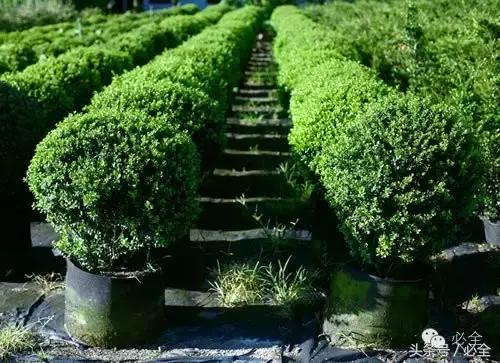
Comprehensive Guide to Seedling Varieties in Various Cities
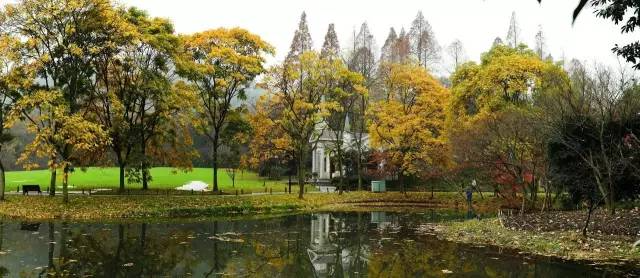
Examples of plant communities in Nanjing and surrounding areas
1. Dawn redwood + Coptis chinensis + Chinese tallow tree + Cercidiphyllum japonicum → Euonymus japonicus + Photinia serratifolia + Mahonia fortunei + Spiraea japonica → Iris
2. Masson pine + cork oak + hemp oak → camellia + weeping crabapple + kerria japonica → oxalis
3. Goldenrain tree (Koelreuteria paniculata) + Albizia julibrissin – variegated coral tree (Golden Japanese coral) + Pittosporum tobira + Nandina domestica – Liriope muscari
4. Sycamore + Weeping Willow + Black Pine – Forsythia + Beautyberry + Hydrangea macrophylla – Orychophragmus violaceus
5. Liriodendron tulipifera + Magnolia grandiflora + Osmanthus fragrans – Hydrangea + Viburnum macrocephalum + Pearl Bush – Daylily + Hosta
6. Magnolia grandiflora + Magnolia denudata → Camellia → Liriope muscari
7. Cedar + Chinese Juniper + Red Maple – Large-leaved Boxwood Ball + Rhododendron simsii – Daisy + Liriope muscari
8. *Bischofia javanica* + *Sapium sebiferum* + *Pinus thunbergii ... – *Rhododendron molle* + *Rhododendron simsii* – *Lysimachia christinae*
9. Japanese maple + red maple + osmanthus — Pittosporum tobira + Weigela + Forsythia — Variegated ivy
Similarly, garden plants and plant communities suitable for planting in Nanjing and its surrounding areas are also suitable for planting in the following cities and regions: Nanjing, Yangzhou, Zhenjiang, Nantong, Changzhou, Wuxi, Suzhou, Hefei, Wuhu, Anqing, Huainan, Xiangfan, and Shiyan.
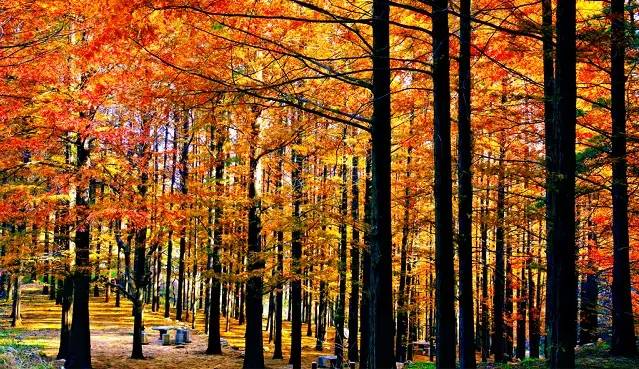
Examples of plant communities in Hangzhou and surrounding areas
1. Camphor tree + Purple nanmu + Ginkgo + Masson pine – Woody hydrangea + Rhododendron + variegated Japanese coral – Liriope muscari
2. Large-leaved willow – Holly – Lucky grass
3. Oak + Liquidambar formosana – Thick-skinned fragrant wood + Red fennel – February orchid
4. Camphor tree – Orchid + Pittosporum + Gardenia – Red oxalis
5. Cork oak + Liquidambar formosana + Masson pine → Kerria japonica + Red osier dogwood → Butterfly flower
6. Black pine + red pine → hybrid rhododendron + Rhododendron yunnanense → Lycoris radiata
7. Michelia chapensis + Michelia ficus-indica – variegated Japanese coral + Rhododendron simsii + Rhododendron simsii – Acorus calamus
8. White Magnolia + Southern Magnolia – Michelia figo + Fatsia japonica – Hosta
9. Michelia champaca + Osmanthus fragrans – Mahonia fortunei (broadleaf magnolia) + Nandina domestica – Dichondra repens (horse-hair fern)
10. Golden larch – Rhododendron simsii – Sedge
11. Goldenrain tree with entire margin + Albizia julibrissin – Gardenia + Hypericum perforatum – Farfugium indicum
12. Trident maple + sweetgum + Chinese tallow tree – Hydrangea + butterfly hydrangea – Variegated ivy
Similarly, garden plants and plant communities suitable for planting in Hangzhou and its surrounding areas are also suitable for planting in the following cities and regions: Wuhan, Shashi, Huangshi, Yichang, Nanchang, Jingdezhen, Jiujiang, Ji'an, Jinggangshan, Ganzhou, Shanghai, Changsha, Zhuzhou, Yueyang, Huaihua, Jishou, Changde, Xiangtan, Hengyang, Shaoyang, Chenzhou, Guilin, Shaoguan, Meizhou, Sanming, Nanping, Hangzhou, Wenzhou, Jinhua, Ningbo, Chongqing, Chengdu, Dujiangyan, Mianyang, Neijiang, Leshan, Zigong, Panzhihua, Guiyang, Zunyi, and Liupanshui.
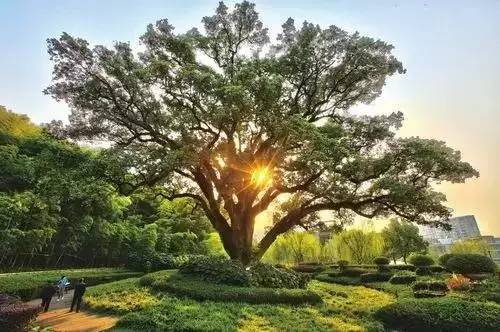
Examples of plant communities in Harbin and surrounding areas
1. Red pine + white birch + aspen → dwarf yew + creeping pine + European lilac + Northeast forsythia → iris + lily of the valley
2. Branwood + Purple Lamium + Obaku - Dwarf Purple Cedar + Tenmoku Flower + Red Auspicious Tree - White Three-Leaf
3. Sugar maple + purple linden + Manchurian ash → Water elm + red spruce + Acanthopanax senticosus → Northeast pearl bush + creeping cornelian cherry + Northeast elderberry → Glechoma hederacea
4. Spring elm + Scots pine + white birch – yellow honeysuckle + willow-leaf spirea + lespedeza – mountain peony + goldenrod + goat's beard grass
5. Korean pine + Salix matsudana + Alnus pubescens → Acer florida + Sorbus spp. + Acer buergerianum → Pearl bush + Prunus cerasifera + Deutzia spp. → Caragana korshinskii + Astilbe spp.
Similarly, garden plants and plant communities suitable for planting in Harbin and its surrounding areas are also suitable for planting in the following cities and regions: Harbin, Mudanjiang, Hegang, Jixi, Shuangyashan, Yichun, Jiamusi, Changchun, Siping, Yanji, Fushun, and Tieling.

Examples of plant communities in Beijing and surrounding areas
1. Willow – White trunk + Green trunk – Dwarf yew + Large-leaved boxwood ball + Kerria japonica + Wisteria – Laoyu sedge
2. Hebei poplar + oil pine - honeysuckle + pearl bush - goat's beard grass
3. Juniper – Peace Lily + Elderberry – Daylily
4. Chinese pine – lilac + white jade crabapple – creeping bentgrass
5. Elm tree – Deutzia spp. + Hericium erinaceus – Oryza sativa + Danish grass
6. Ailanthus altissima – Lespedeza bicolor + Red osier dogwood – Hosta
7. Black locust tree – Kerria japonica + Callicarpa macrophylla – Orychophragmus
8. Goldenrain tree – Tianmu magnolia + glutinous rice strips – Iris
9. Paulownia tomentosa + Spiraea japonica + Forsythia suspensa - White clover
Similarly, garden plants and plant communities suitable for planting in Beijing and surrounding areas are also suitable for planting in the following cities and regions: Shenyang, Huludao, Dalian, Dandong, Anshan, Liaoyang, Jinzhou, Yingkou, Panjin, Beijing, Tianjin, Taiyuan, Linfen, Changzhi, Shijiazhuang, Qinhuangdao, Baoding, Tangshan, Handan, Xingtai, Chengde, Jinan, Dezhou, Yan'an, Baoji, and Tianshui.
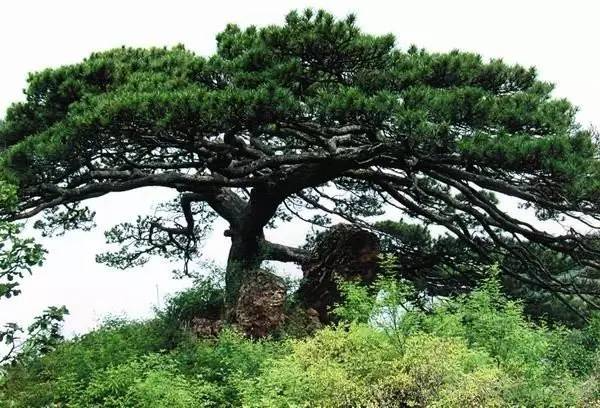
Examples of plant communities in Zhengzhou and surrounding areas
1. Chinaberry + Chinese juniper – Boxwood + Photinia + Kerria japonica – Orychophragmus violaceus
2. Cork oak + Chinese pine → Deutzia + Tianmu viburnum → Hosta + Daylily
3. Quercus acutissima + Quercus variabilis + Pistacia chinensis + Juniperus chinensis – Cornus officinalis + Forsythia suspensa – Liriope muscari
4. Catalpa + Catalpa – Photinia + Glutinous Rice Strips + Kerria japonica – Red Oxalis
5. Chinese pine + Chinese tallow tree + Chinese pistache → smoke tree + cotoneaster horizontalis → white clover
Similarly, garden plants and plant communities suitable for planting in Zhengzhou and its surrounding areas are also suitable for planting in the following cities and regions: Qingdao, Yantai, Rizhao, Weihai, Jining, Tai'an, Zibo, Weifang, Zaozhuang, Linyi, Laiwu, Dongying, Xintai, Tengzhou, Zhengzhou, Luoyang, Kaifeng, Xinxiang, Jiaozuo, Anyang, Xi'an, Chengyang, Xuzhou, Lianyungang, Yancheng, Huaibei, Bengbu, Hancheng, and Tongchuan.
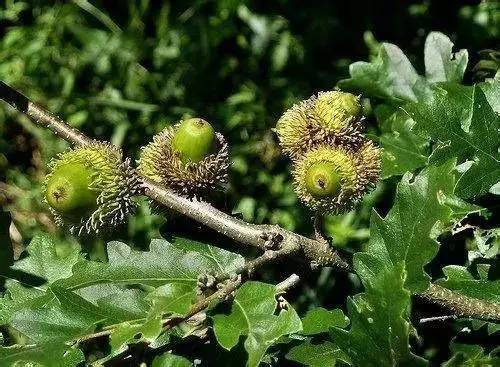
Examples of plant communities in Guangzhou and surrounding areas
1. Ficus microcarpa + Olive tree + Celtis sinensis + Sterculia foetida - Areca palm - Philodendron bipinnatifidum + Alpinia zerumbet
2. Bauhinia purpurea – Camellia – Taro + Alpinia galanga – Carpet Grass
3. White magnolia – Camellia oleifera + Chinese cabbage – Snake plant
4. Melaleuca alba – Murraya paniculata – Liriope muscari
5. Fan palm – Nandina domestica + Pittosporum tobira – Oxalis corniculata + Curculigo orchioides
6. Half maple leaf – winter red + hairy jasmine – carpet grass
7. Nanyang Jacaranda – Eagle Claw Flower + Michelia figo + Camellia + Ardisia crenata – Butterfly Flower
8. Magnolia alba – Aglaia odorata – Chloranthus spicatus + Maranta purpurea
9. Eucalyptus macrocarpa – Podocarpus longifolia – Rhapis excelsa – Liriope muscari
10. Bonsai Tree – Red-backed Laurel + False Forsythia – Tradescantia zebrina
11. Taiwan acacia + small-leaved banyan – Murraya paniculata + woody hydrangea + gardenia – White butterfly
12. *Machilus thunbergii* + *Magnolia denudata* – *Michelia champaca* + *Hypericum perforatum* + *Cinnamomum camphora* – *Pterocarya stenoptera*
Similarly, garden plants and plant communities suitable for planting in Guangzhou and its surrounding areas are also suitable for planting in the following cities and regions: Fuzhou, Xiamen, Quanzhou, Zhangzhou, Guangzhou, Foshan, Shunde, Dongguan, Huizhou, Shantou, Taipei, Liuzhou, Guiping, and Gejiu.
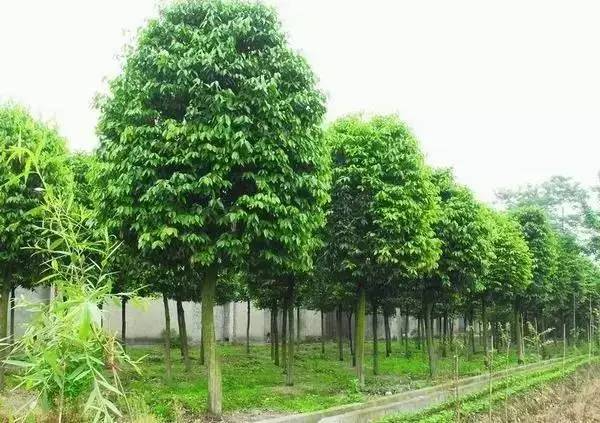
Examples of plant communities in Haikou and surrounding areas
1. Kapok + Red Magnolia – Lagerstroemia indica + Red Bauhinia + Fishtail Palm – Myrtle + Michelia figo + Eagle Claw Flower + Wild Melastoma + St. John's Wort + Hydrangea – Zephyranthes + Spider Lily
2. Flame Tree + Magnolia Bark – Yellow Locust Tree + Bauhinia Flower – Michelia figo + Camellia Sassafras + Murraya paniculata – Zephyranthes + Laughingthrush + Gynostemma pentaphyllum
3. Flamewood + Yellow Orchid – Winged Bean + Red Velvet Ball + Golden Phoenix Flower + Double-pod Cassia Seed – Lycoris radiata + Ginger Flower + Curculigo orchioides
4. Jacaranda + Ashoka – Dragon's Tooth Flower + Purple Magnolia + Dogtooth Flower + Red-flowered Loropetalum + Rice Orchid – Red-flowered Oxalis + Homalomena + Alpinia oxyphylla
5. Goldenrain tree with entire margin + large-flowered Dillenia + Syzygium aromaticum – Allamanda cathartica + large-flowered Gardenia jasminoides + Pittosporum tobira – Tradescantia pallida + Alpinia zerumbet
6. *Syzygium buergerianum* + *Phoebe zhennan* + *Syzygium serratum* – *Ficus microcarpa* + *Syzygium serratum* + *Phyllostachys nigra* – *Gardenia jasminoides* + *Butterfly Pea* + *Hedyotis diffusa*
7. Autumn Maple + Michelia alba + Michelia chapensis – Acanthopanax japonicus + Red Paper Fan + White Dan – Large-leaved Oil Grass + Amomum villosum + Large-leaved Curculigo orchioides
8. *Elaeocarpus longicornis* + *Magnolia ledongensis* + *Tamarix chinensis* – *Hibiscus syriacus* + *Camellia sinensis* + *Camellia dongxingensis* – *Hippeastrum* + *Carpetgrass*
9. Jacaranda + Jacaranda + Silver Birch – Purple Cicada + Jasminum + Pink Paper Fan – Tradescantia zebrina + Holly Leaf + Red Banana
Similarly, garden plants and plant communities suitable for planting in Haikou and its surrounding areas are also suitable for planting in the following cities and regions: Haikou, Sanya, Qionghai, Kaohsiung, Tainan, Shenzhen, Zhanjiang, Zhongshan, Zhuhai, Macau, Hong Kong, Nanning, Qinzhou, Beihai, Maoming, and Jinghong.
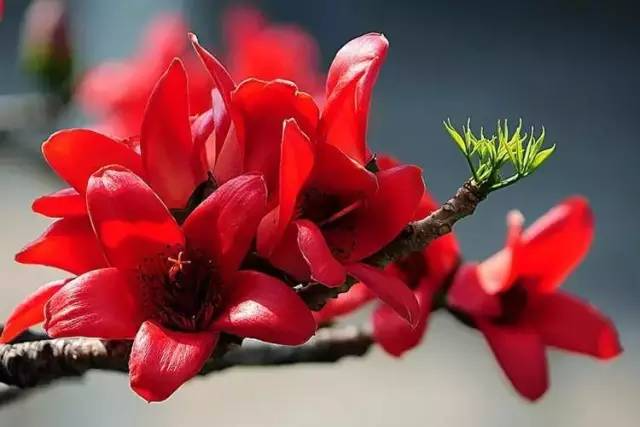
Examples of plant communities in Lanzhou and surrounding areas
1. Silver poplar + large-fruited juniper – forsythia + elderberry – February orchid + Kentucky bluegrass
2. Salix matsudana + Pinus tabuliformis → Syringa vulgaris + Syringa obtusifolia + Syringa pubescens → Iris tectorum + Poa chinensis
3. Qinghai Spruce + Qilian Juniper + Xinjiang Poplar – Mongolian Spiraea + Red Ostreae + Red Honeysuckle + Golden Honeysuckle – Oriental Strawberry + Purple Fescue
Similarly, garden plants and plant communities suitable for planting in Lanzhou and its surrounding areas are also suitable for planting in the following cities and regions: Lanzhou, Pingliang, Altay, Hailar, Manzhouli, Qiqihar, Fuxin, Zhaodong, Daqing, Xining, Yinchuan, Tongliao, Yulin, Hohhot, Baotou, Zhangjiakou, Jining, Chifeng, Datong, Ceylon, and Hohhot.
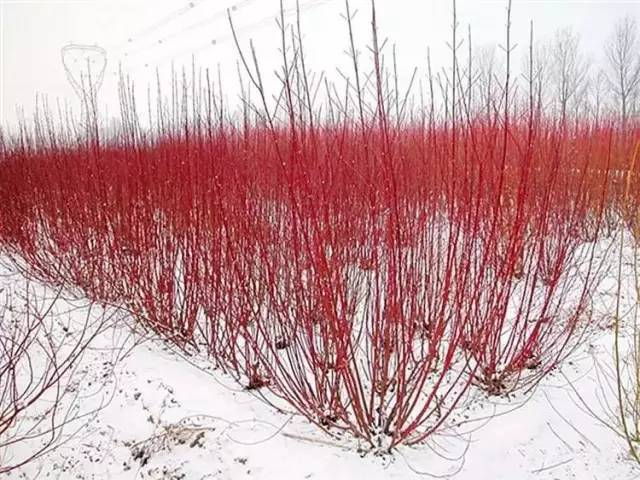
Examples of plant communities in Urumqi and surrounding areas
1. Xinjiang poplar + round crown elm → mountain plum + sand juniper + tartary honeysuckle → grassland Kentucky bluegrass
2. White willow + snow-capped spruce – Xinjiang juniper + Eurasian spirea + pearl bush – steppe geranium
3. Siberian red pine + drought-resistant willow - Xinjiang square-branched juniper + mountain plum + forsythia - white clover
4. Siberian spruce + silver poplar → alpine juniper + barberry + lespedeza → red clover
5. Siberian juniper + walnut – *Juniperus chinensis* var. *spinosa* + *Sorbus tianshanensis* – *Iris tectorum*
6. Elaeagnus angustifolia + Pinus sylvestris var. mongolica + Acer buergerianum → Curcuma longa + Syringa vulgaris + Cotoneaster multiflora → Kentucky bluegrass in forest
Similarly, garden plants and plant communities suitable for planting in Urumqi and its surrounding areas are also suitable for planting in the following cities and regions: Urumqi, Shihezi, Karamay, Hami, Kashgar, Wuwei, Jiuquan, Yumen, Jiayuguan, Golmud, Korla, Jinchang, and Wuhai.
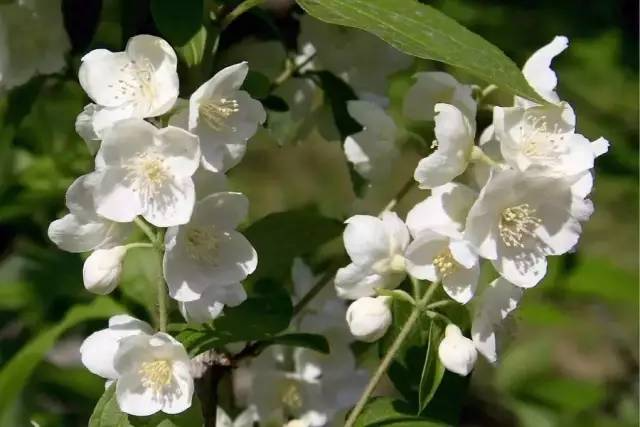
Planting Examples & Classic Combinations
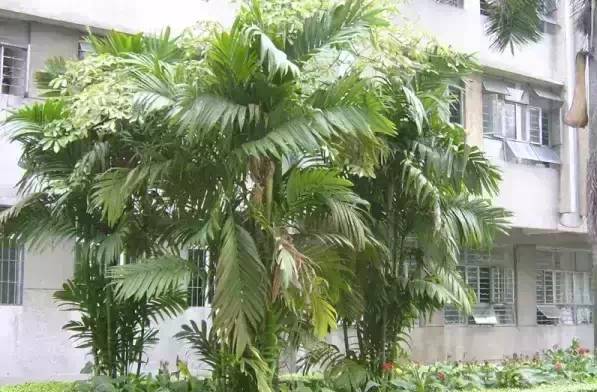
I. Plant ArrangementPhilodendron bipinnatifidum + Graptopetalum paraguayense + 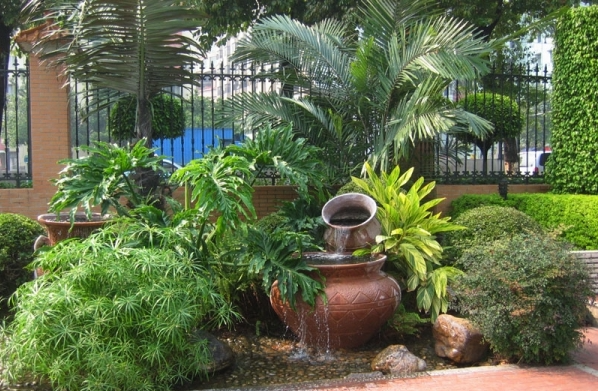
Variegated Alpinia galanga + Dracaena fragrans + Nandina domestica + Nephrolepis cordifolia + Cocos nucifera 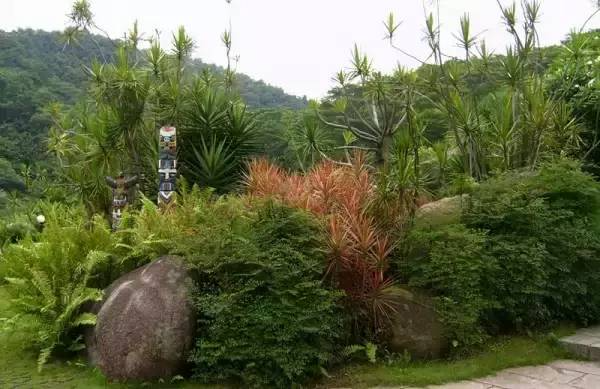
+ Rhapis excelsa + Canna indica + Coleus + Croton arborvitae + Cocos nucifera + 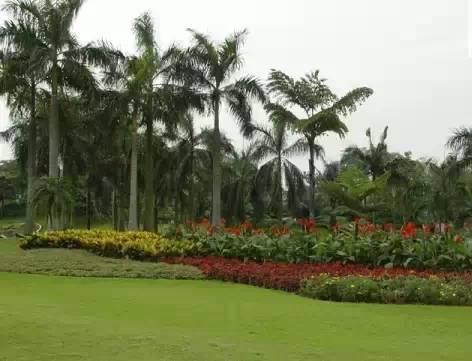
Canary Island Date Palm + Red Ironwood + Red Mulberry + Ixora chinensis + 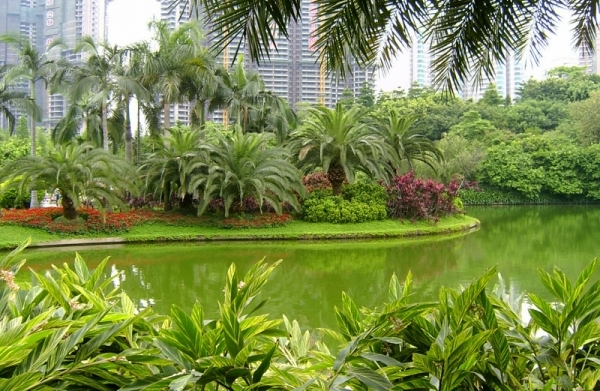
Cocos nucifera + Areca catechu + Areca palm + Rhapis excelsa + Golden-leaved Fishtail Palm + Spider 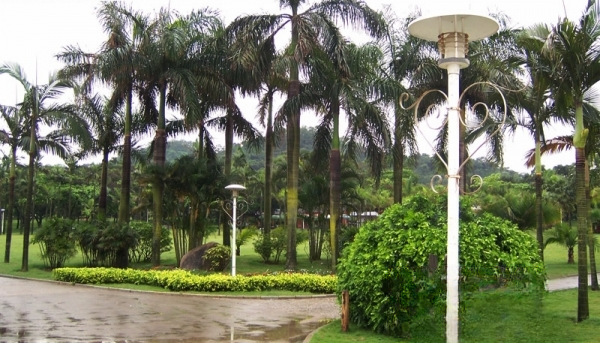
Lily + Bauhinia purpurea 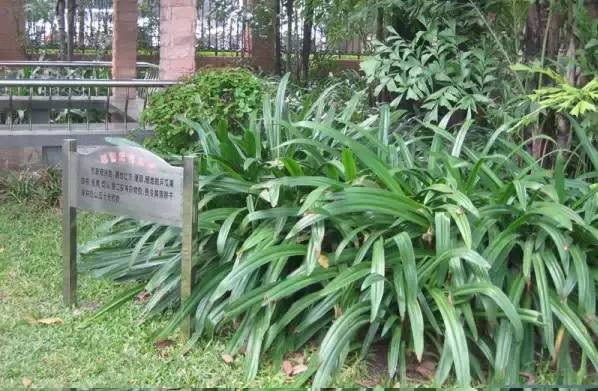
+ Livistona chinensis + Osmanthus fragrans + Pittosporum tobira + Variegated Alpinia galanga + Pandanus tectorius + Yucca 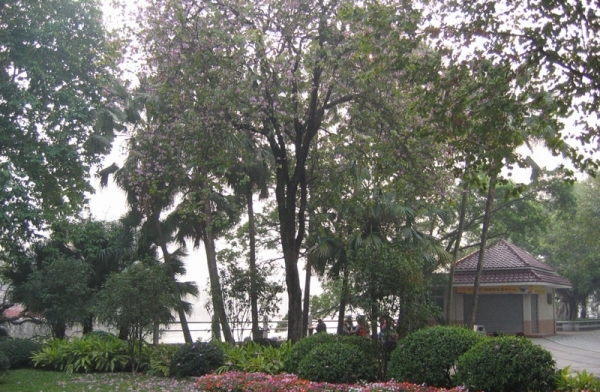
florida + Bougainvillea ball +Large-leaved oil grass 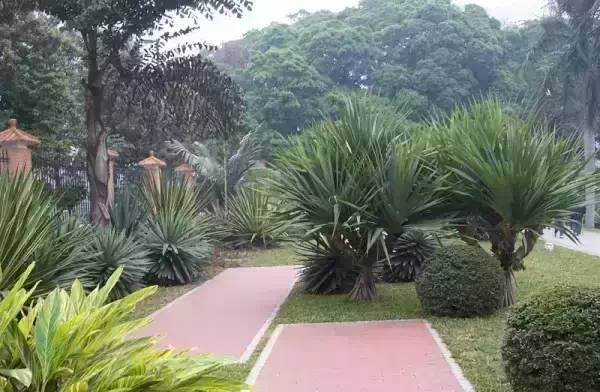
red pompom + Allamanda cathartica + Large-leaved dragon boat flower + Golden 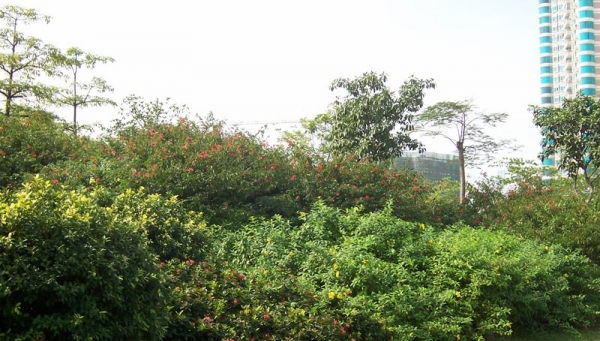
banyan and yellow acacia + Hibiscus + Red pompom + Golden- 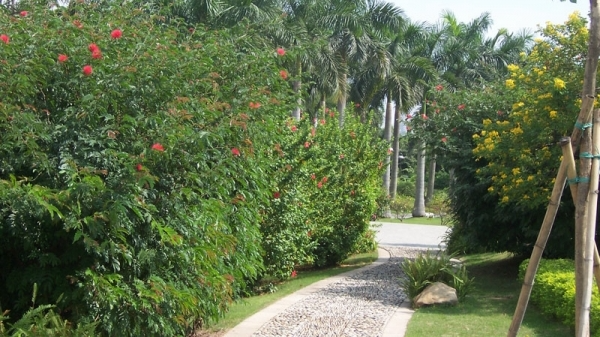
leaved golden bamboo + Street-side frangipani 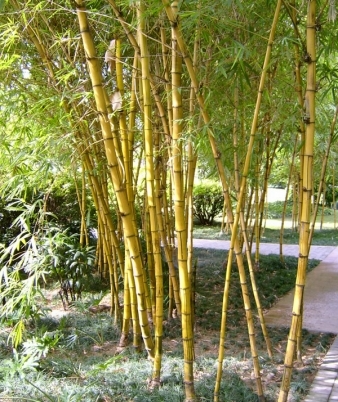
+ Rhapis excelsa + White butterfly 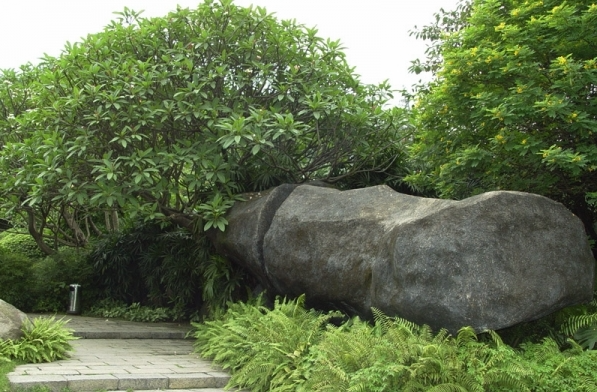
Canary Island date palm + King palm + Bougainvillea ball + Golden banyan ball + Seasonal 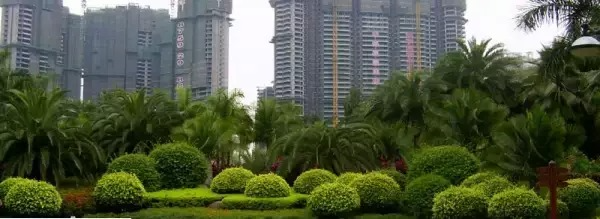
false areca palm + Short-spike fishtail palm + Areca palm + Small king palm + Taiwan 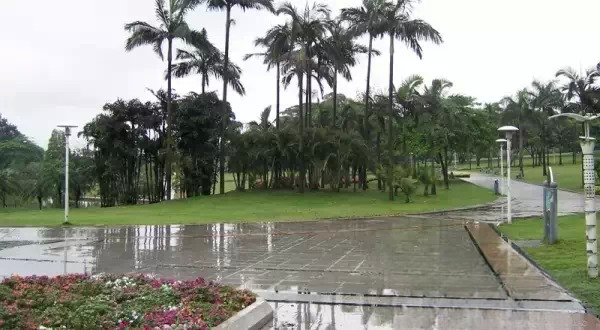
false areca palm + Beautiful needle palm + Aspidistra + Lucky grass 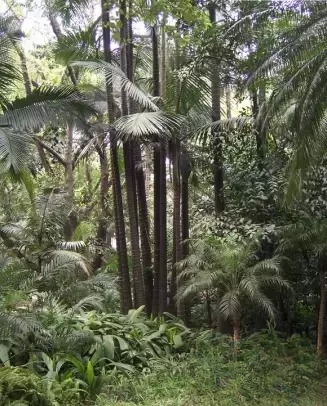
golden mountain palm (phonetic) + Silver-edged iris 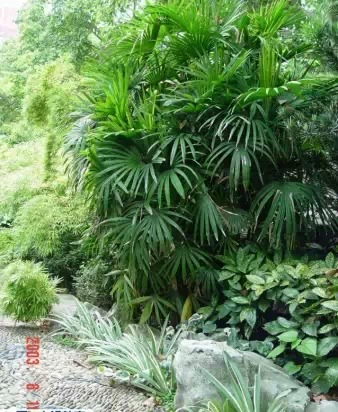
golden peach leaf coral + Chinese ivy + Silver-edged iris 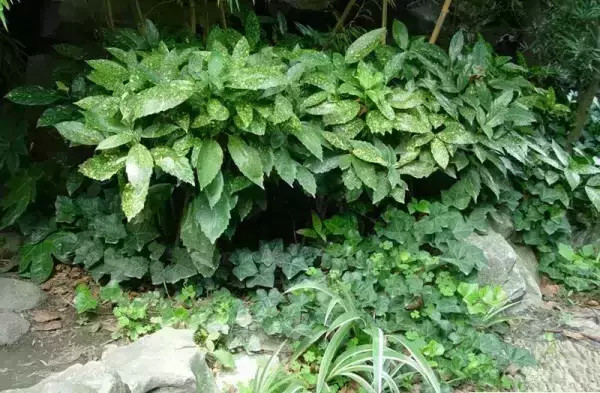
Willow + Livistona chinensis seedlings 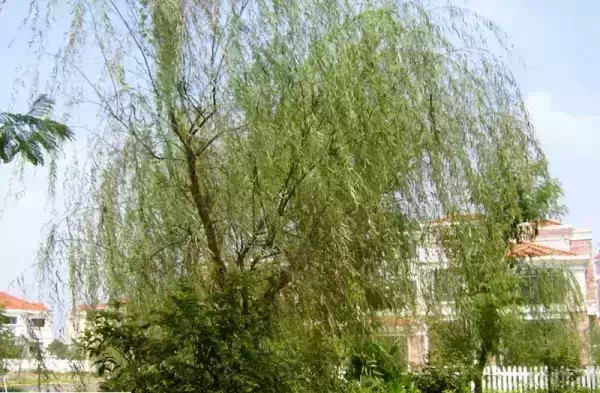
+ Juniperus chinensis 'Seven-Colored' + Zinnia elegans + Orchidonia 'Small's Breath + Taiwan Grass 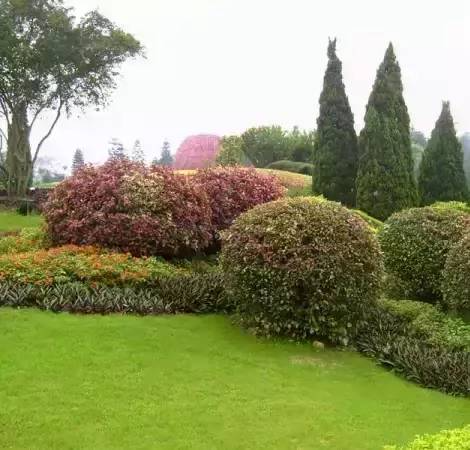
Traveler's Canna + Bird of Paradise + Red Ironwood + Variegated Schefflera 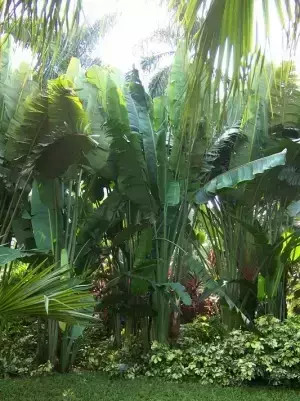
Beautiful Needle Palm + Variegated Galangal + Stone Tablet
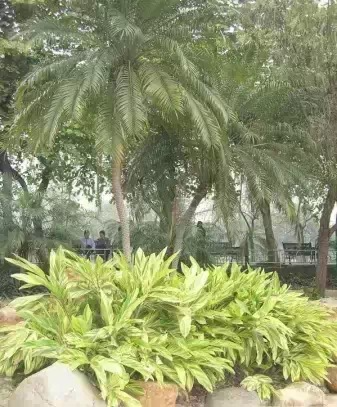
Beautiful Needle Palm + Canna Lily + Golden Ficus

Kapok + Bauhinia purpurea + Weeping Willow + Variegated Alpinia + Large-leaved Oil Grass

Fan palm + white butterfly
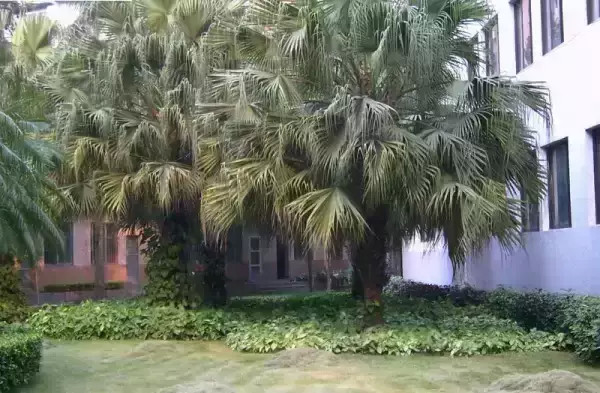
Three-herb areca nut + canna lily + golden fig + golden leaf
II. Examples of Planting
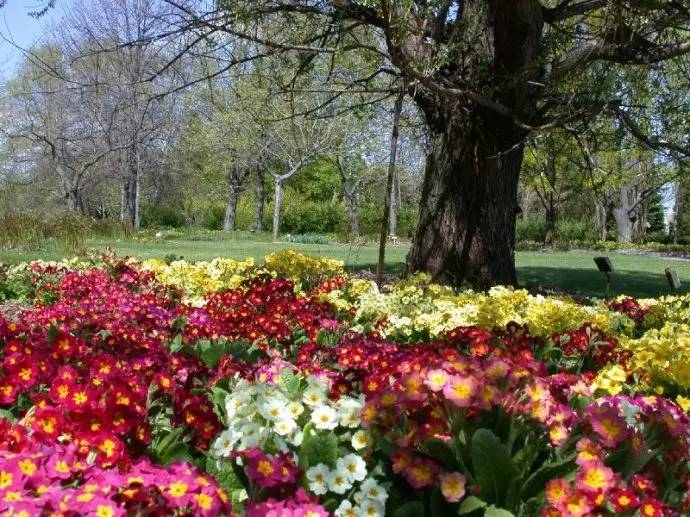
Camptotheca acuminata - Laurel - Berberis
Ginkgo - Osmanthus
Michelia champaca - Oxalis corniculata
Chinese juniper - Hibiscus mutabilis - Ophiopogon japonicus
Loquat - Hydrangea - Ophiopogon japonicus
Populus tomentosa - Mosquito Mother - Bentgrass
Pond cypress - Elaeagnus angustifolia - Yellow alfalfa
Soapberry - Gardenia - Clover
Bamboo forest - Rhododendron - Alfalfa
Chinese parasol tree - Rhododendron - Manila grass
A combination of *Firmiana simplex*, *Acer palmatum*, and *Hippophae rhamnoides
* with therapeutic effects; and *
Ginkgo biloba*, *Elaeagnus pungens*, and *Lycoris radiata*.
Camphor tree - Buxus microphylla - Turf
Magnolia denudata, Camellia florida, Hypericum perforatum
Cedar - Mahonia - Ophiopogon japonicus
Chinese juniper - Red-leaf plum + Podocarpus macrophyllus - Ground juniper
Slash pine - Ten Great Benefits - Chinese juniper ball + Lycoris
radiata (olfactory):
Magnolia grandiflora - Gardenia + Wintersweet - Rose
Magnolia denudata + Ginkgo biloba - Daphne odora + Gardenia jasminoides - Ten Sisters (a type of herb) + Oxalis corniculata
Ginkgo, Osmanthus, Michelia figo, and Oxalis rubra
are used as the main elements in a bamboo-themed landscape.
The upper layer can be mottled bamboo and Phyllostachys edulis, the middle layer can be light bamboo and Phyllostachys edulis, and the lower layer can be Phyllostachys nigra and Phyllostachys pubescens, complemented by Dichondra repens and Oxalis rubra.
Street tree species selection:
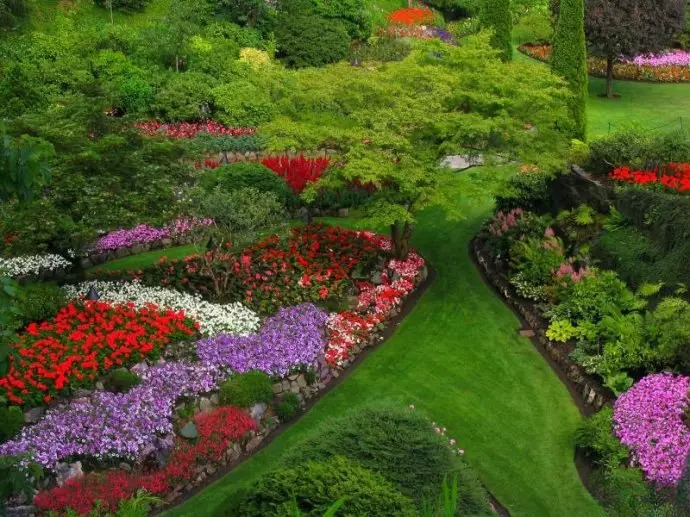
London plane tree (also known as French sycamore): Easy to propagate, grows rapidly, and provides significant shade in summer. However, it can easily cause rhinitis or bronchitis in people during mid-May each year.
Main urban roads: Deciduous trees such as maple, ash, paulownia, ginkgo, chinaberry, locust, and poplar, as well as evergreen trees such as palm, privet, and camphor. If double rows of street trees can be planted, there should be one row of evergreen trees and one row of deciduous trees; interplanting is not allowed.
For roads with narrow lanes and primarily used by non-motorized vehicles: dawn redwood, pond redwood, soapberry, white elm, ailanthus, and privet.
Tree species for roadside planting in industrial areas: Tree species with strong ability to absorb and resist harmful gases and dust should be used, mostly evergreen trees, such as camphor, Chinese juniper, palm, privet, ailanthus, and poplar. Oleander, large-leaved boxwood, and coral tree are suitable for separating factories from roads.
Precision instrument factory area: Tree species that emit pollen, down, seed hairs or fall leaves with the wind should not be used. Evergreen tree species should be planted instead.
If farmland runs alongside a suburban road, deciduous tree species with narrow canopies should be selected, such as dawn redwood, pond cypress, bald cypress, Mexican bald cypress, and white elm.
The interrelationships and incompatibilities of plants in Shanghai:
Incompatible plant combinations:
1. Black locust, clove, mint, and laurel secrete large amounts of directional substances that inhibit the growth of certain nearby plants. Black locust strongly inhibits the growth and development of weeds.
2. Elm, oak, and birch should not be interplanted.
3. Small-leaved elm and cabbage should not be planted in vineyards, otherwise it will lead to large-scale death of grapevines.
4. Bamboo should not be planted with sesame.
5. Clove and lily of the valley, daffodil and lily of the valley, clove and violet should not be mixed.
6. Fruit trees planted next to flowers will accelerate the withering of flowers.
7. Peach trees and tea trees should not be interplanted, otherwise the tea leaves will wither and die.
Mutual Growth
1. Grapes and Violets:
Plant community embodying spring scenery.
Top tree: Cedar. Middle tree: Magnolia, Cherry Blossom + Malus spectabilis or Cercis.
Ground cover: Viola yedoensis. Top tree: Weeping Willow + Schefflera or Ailanthus altissima. Middle tree: Ligustrum lucidum + Lilac or Prunus cerasifera. Bottom tree: Prunus triloba + Forsythia suspensa, Rosa rugosa, Weigela, Clerodendrum trichotomum. Ground cover: Iris + Orychophragmus violaceus or Parthenocissus tricuspidata.
Plant community embodying summer scenery.
Top tree: Juniperus chinensis + Sophora japonica + Albizia julibrissin. Middle tree: Prunus cerasifera + Lagerstroemia indica or Punica granatum - Cotoneaster horizontalis or Euonymus japonicus. Ground cover: Hosta.
Top tree: Populus tomentosa + Koelreuteria paniculata. Middle tree: Ligustrum lucidum + Hibiscus syriacus or Spiraea japonica. Bottom tree: Rose or Canna indica. Ground cover: Lycoris radiata or Scutellaria barbata.
Plant communities embodying autumn scenery:
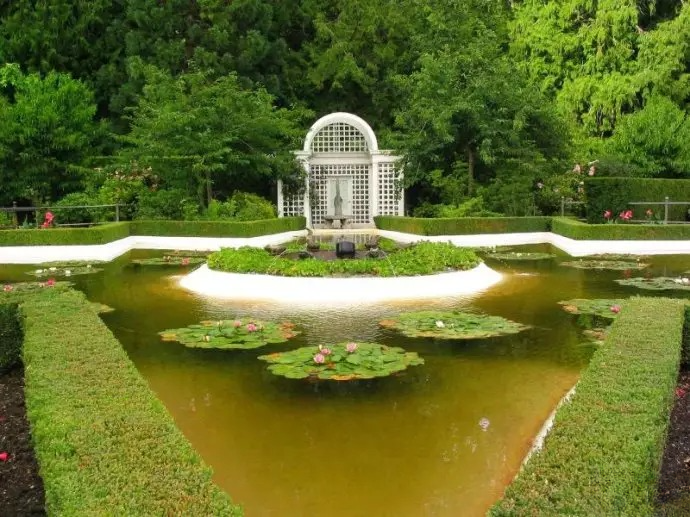
Upper trees: Diospyros kaki or Ginkgo biloba + Rhus chinensis; Middle trees: Cotoneaster horizontalis; Ground cover: Liriope muscari;
Upper trees: Metasequoia glyptostroboides + Pinus slashensis + Acer palmatum; Middle trees: Viburnum or Crataegus pinnatifida + Deutzia serrata; Lower trees: Rosa chinensis + Berberis vulgaris or Juniperus procumbens.
Plant communities embodying winter scenery
: Upper trees: Cedrus deodara + Celtis sinensis; Middle trees: Chimonanthus praecox; Lower trees: Ilex cornuta; Ground cover: Juniperus procumbens + Liriope muscari;
Upper trees: Pinus tabuliformis + Tamarix chinensis + Ginkgo biloba; Middle trees: Bamboo + Pyracantha fortuneana; Ground cover: Clover.
Health-promoting artificial plant community:
Topwood: Juniperus chinensis (or Platycladus orientalis) + Ailanthus altissima (or Sophora japonica, Magnolia denudata, Tamarix chinensis, Koelreuteria paniculata) Middlewood: Buxus macrocarpa + Prunus persica + Lonicera japonica (or Syringa vulgaris, Lagerstroemia indica, Elderberry) Underwood: Juniperus procumbens + Rosa rugosa or Forsythia suspensa Ground cover: Iris or
Liriope muscari Topwood: Pinus bungeana (or Cephalotaxus fortunei or Platycladus orientalis) + Ginkgo biloba (Koelreuteria paniculata, Eucommia ulmoides, Juglans regia, Syringa vulgaris) Middlewood: Phyllostachys edulis + Dichroa febrifuga (Pearlberry, Cotoneaster horizontalis, Ilex cornuta, Rosa xanthina) Ground cover: Hemerocallis fulva + Poa chinensis
III. Some classic plant arrangement combinations
1. Dawn Redwood + Chinese Pistacia + Chinese Tallow Tree + Chinese Sweet Tree – Euonymus + Photinia + Mahonia + Spiraea zebrina + Kerria japonica – Iris
2. Masson Pine + Cork Oak + Quercus acutissima – Camellia + Weeping Crabapple + Kerria japonica – Oxalis
3. Integrity Tree + Albizia julibrissin – Specie + Pittosporum tobira + Nandina domestica – Ophiopogon japonicus
4. Integrity Tree + Albizia julibrissin – Gardenia + Hypericum + Farfugium indicum
5. Platanus orientalis + Weeping Willow + Black Pine – Forsythia suspensa + Callicarpa purpurea + Hydrangea macrophylla – Orychophragmus violaceus
6. Weeping Willow + Lilac – Peach Blossom + Osmanthus fragrans + Prunus cerasifera – Herbaceous Ground cover:
7. Liriodendron tulipifera + Magnolia grandiflora + Osmanthus fragrans – Hydrangea + Viburnum macrocephalum + Pearl Bush – Daylily + Hosta
8. Magnolia grandiflora + Magnolia denudata – Camellia – Liriope muscari
9. Magnolia grandiflora + Magnolia denudata – Michelia champaca + Fatsia japonica – Hosta
10. Cedrus deodara + Magnolia grandiflora – Cercis chinensis + Lagerstroemia indica + Jasminum nudiflorum – Iris + Oxalis corniculata + other ground cover
11. Cedrus deodara + Juniperus chinensis + Acer palmatum – Buxus macrocarpa ball + Rhododendron simsii – Daisy + Ophiopogon japonicus
12. Bischofia javanica + Sapium sebiferum + Pseudolarix amabilis + Pinus thunbergii – Rhododendron molle + Rhododendron simsii – Rhododendron molle 13.
Japanese maple + red maple + osmanthus - Pittosporum + Weigela + Forsythia - Variegated periwinkle
14. Ailanthus altissima - Red osmanthus - Hosta
15. Robinia pseudoacacia - Kerria japonica + Callicarpa - Orychophragmus violaceus
16. Koelreuteria paniculata - Viburnum macrocephalum + Glutinous rice flower - Iris
17. Paulownia tomentosa - Spiraea japonica + Forsythia suspensa - White clover
18. Chinaberry + Juniperus chinensis - Buxus megistophylla + Photinia serratifolia + Kerria japonica - Orychophragmus violaceus
19. Ginkgo biloba - Photinia serratifolia + Elaeagnus pungens - Liriope muscari
20. Cinnamomum camphora + Ginkgo biloba + Pinus massoniana - Hydrangea macrophylla + Rhododendron + variegated coralberry — 21. Camphor tree
— Pittosporum tobira + Gardenia — Oxalis rubra
22. Camphor tree + Ulmus parvifolia + Sapium sebiferum — Palmyra davidii + Photinia serratifolia — Orychophragmus violaceus
23. Camphor tree + Sapium sebiferum — Nandina domestica + Cynodon dactylon — Bermuda grass
24. Camphor tree + Zelkova serratifolia — Hydrangea macrophylla + Euonymus japonicus — Natural ground cover
25. Camphor tree + Sapindus mukorossi — Fatsia japonica + Pittosporum tobira — Natural ground cover
26. Michelia alba + Osmanthus fragrans — Mahonia fortunei + Nandina domestica — Dichondra repens
27. Trident maple + Liquidambar formosana + Sapium sebiferum — Hydrangea macrophylla + Hydrangea macrophylla — Vinca minor
Container seedlings will become the future trend.
Table of Contents
1 Concept
2 Container seedlings will become the development direction
3 Market analysis
4 Current status of container seedlings in Hunan greening market
5 Container seedling planting technology
(1) Seedling container cultivation technology (Part 1)
(2) Seedling container cultivation technology (Part 2)
(3) Container seedling afforestation technology
(4) Fixing, binding, shaping and pruning of container seedlings
(5) How to ensure the safe overwintering of container seedlings
6 Container seedling demonstration cultivation technology
(1) Container seedling cultivation technology has been promoted in Jiangshan
(2) Red photinia container seedling cultivation technology
(3) Cultivation and afforestation technology of black locust container seedlings
(4) Seed treatment and sowing:
(5) Key points of citrus container seedling cultivation
1 Concept: Container seedlings (The process of garden seedlings from the beginning of propagation to the cultivation into large seedlings is carried out in containers, which is achieved through the continuous change of containers and the continuous change of substrate) At present, in off-season planting, the use of container seedlings for shrub planting is increasing. The key is a cost issue. In fact, the reason is very simple. The cost of purchasing container seedlings is a bit higher, but it can play a great role in improving the survival rate and reducing the need for future replanting. The use of container seedlings is now widespread, especially for slightly higher-end flowering plants and shrubs. Container seedlings are destined to become the main form of seedling production and trade in the future. Although the initial investment is relatively large, container seedlings have many advantages over ground-planted seedlings, which can greatly reduce subsequent investment. Therefore, in the long run, container seedling production is an economical and ecological seedling production method worthy of promotion and application. Developed countries in the Western landscaping and seedling industry have already widely implemented container seedling production with remarkable results, serving as a model for us to learn from.
Bao Zhiyi, deputy director of the Horticulture Department of Zhejiang University, believes that container cultivation is a completely new production method and technological concept. Its difference from ground planting is not merely transplanting seedlings from the ground into containers; the most important aspect is the use of substrate and the adjustment of water and fertilizer ratios to achieve standardization and high commercialization of seedlings. Bao Zhiyi said that although some domestic enterprises have accepted the concept of container cultivation, in actual production, many enterprises find it difficult to use substrate entirely due to its high cost. While this may seem to save costs on the surface, it actually reduces profits accordingly. Adding soil to the cultivation substrate makes it difficult to control the water and fertilizer ratio, hindering product quality improvement, standardization, and ultimately, sales profits, rendering container cultivation meaningless. Therefore, he believes that since container cultivation is a technology imported from abroad, it's worthwhile to learn from foreign nurseries, imitate their successes, and then adapt the technology to suit local conditions, exploring new methods. Some companies simply use local soil in containers to cultivate seedlings, or remove seedlings before sale and place them in containers; this is merely a sales tactic using the "container cultivation" concept. Importing substrates is impractical, so large-scale container seedling production can only proceed when the domestic substrate market achieves a large-scale, inexpensive, and uniform supply. Compared to substrates, domestically produced containers and slow-release fertilizers have already met standards. Two relatively concentrated container production bases have been established in Pinggu, Beijing, and Jiaxing, Zhejiang; Zhejiang Guomei Horticulture has developed three sizes of cultivation containers that can be reused for more than five years, and more than 3 million pots have already been put on the market.
Market Development Bottlenecks: (Current Situation)
Substrate Constrains the Promotion of Container Seedlings Although container seedling cultivation has been promoted in China for a long time, the substrate problem required for container seedling cultivation and container planting must be solved to popularize this production method. Zhou Jingli, Director of the Seedling Enforcement Division of the State Forestry Administration, said that currently, of the more than 20 billion forest tree seedlings produced annually in China, 10% to 20% are container seedlings. The supply of containers needed for container seedling cultivation is no longer a problem, but the quality and quantity of substrate cannot meet market demand. She explained that the state invests a large amount of money in seedling projects every year, but very little is specifically allocated to container seedling cultivation. This is an objective reason for the slow progress of supporting technologies and facilities such as substrates. The subjective reason is that although the forestry system conducts many research projects on substrate development and utilization every year, due to insufficient connection between research and the market, very few are applied to actual production. Currently, China does not have a decent substrate production enterprise. Currently, China has introduced many large-scale container seedling production lines from abroad. These foreign companies mostly require the import of their substrates as well, so the cost of producing container seedlings is much higher than that of ordinary field seedling cultivation.
Currently, many seedling companies remain hesitant about container cultivation. While acknowledging its numerous advantages, they doubt its widespread adoption. Jiang Yongfa, general manager of Ningwei Yingyi Flower and Tree Farm in Xiaoshan, Zhejiang, believes that economic costs are the dominant factor for both the current consumption level of China's seedling market and the vast majority of seedling producers. Promoting container cultivation will require at least 5 to 8 years.
Container seedlings
will become a development trend. Container seedlings have advantages such as high survival rate, short recovery period, no seasonal restrictions on planting, convenient landscaping construction, good landscaping effect, and suitability for factory-style seedling production. They are already widely produced and used in developed countries such as Europe and America. Some companies in Guangdong, Zhejiang, and Fujian provinces in China have begun to experiment with them. Containerized production of landscaping seedlings will be a crucial factor in winning the next round of competition in the landscaping seedling industry.
Containerization and shaping of seedling production are two unstoppable development trends. Bao Zhiyi said that currently, container seedlings account for 80% of total seedling production in the United States, but less than 1% in China, indicating a large future market potential. In addition, for seedlings to develop into high-quality products, shaping is essential.
Currently, the demand for ground cover plants, climbing plants, and aquatic plants in landscaping is increasing, but these plants generally suffer from a lack of variety. Bao Zhiyi believes this presents a great opportunity for seedling growers. Taking climbing plants as an example, no domestic company currently produces them well, and standardized production is even harder to find. Similarly, there are very few companies in my country producing aquatic woody plants. Container cultivation not only saves labor and land, but also produces seedlings with significantly better growth than those planted in the ground, allowing for year-round seedling supply for afforestation. Currently, the two hottest keywords in the seedling industry are probably "new varieties" and "container seedlings." "Stars" like American smoke trees, Hokkaido boxwoods, golden locust trees, and fragrant locust trees have appeared and disappeared, but their popularity has been short-lived. Many factors contribute to this, with seedling growers becoming increasingly cautious about new varieties introduced from abroad, a major reason why the "new variety" craze is gradually cooling down. Today, seedling production technology has become a hot topic in the industry. Governments at all levels in major seedling-producing provinces such as Zhejiang, Jiangsu, Shanxi, Hebei, and Shandong are vigorously encouraging the development of container seedlings. A number of leading local enterprises have begun commercial production of container seedlings, and training courses on various production techniques related to "container seedlings" are gradually increasing. - Actively utilize new technologies to improve technological content. Eliminate the backward phenomenon of relying on "ancestral methods to cultivate ancestral varieties," promote facility cultivation and container seedling production, especially making the promotion of containers a highlight of Xiaoshan's seedling industry. Implement plant shaping, taking advantage of the abundant and inexpensive raw materials for shaping in the next stage, to develop different shaped products of the same plant. Strengthen cooperation with scientific research institutions, introduce technology and talent, and improve the technological content of Xiaoshan's seedlings. Container seedlings—the terminator
of traditional
seedling planting methods—To accelerate the development of China's landscaping towards high speed and high quality, the transformation of traditional seedling cultivation methods for woody seedlings to container seedling production is imperative. Therefore, the container seedling production method for woody seedlings is hailed by the industry as a revolution in the history of world seedling cultivation, and the terminator of traditional seedling planting methods. Traditional ground-planted seedlings are typically lifted only with the roots within the root ball, resulting in the severing of most roots, and sometimes even the complete loss of the root ball. This damage forces the roots to heal and sprout again before survival and growth, and some seedlings even die from dehydration during transport. Developed countries in the landscaping industry, such as Europe and America, have gradually shifted their seedling cultivation methods from ground planting to container seedling cultivation. This allows landscaping projects to be carried out year-round without time constraints, resulting in high survival rates and intact tree canopies, truly enabling rapid changes in the appearance of landscaping and fully demonstrating the advantages of container seedling cultivation. The characteristics of container seedling cultivation are: the root system forms within the container, ensuring root integrity during transplanting; there is no recovery period after transplanting, leading to a high survival rate; the nutrient soil used in container seedling cultivation is carefully selected and prepared, promoting rapid seedling growth; container seedling cultivation relatively reduces the impact of the environment on plant growth, extending the seedling cultivation season; container seedlings grow uniformly; each container only needs to be sown with one or a few seeds, saving a significant amount of seeds; and container seedling cultivation facilitates mechanized seedling production. As a leading agricultural enterprise in Zhejiang Province, Senhe Seed Industry has always attached great importance to its pioneering and exemplary role in the development and application of new technologies. This year, Senhe Seed Industry completed the production of more than 20 million container seedlings, achieving a major breakthrough in container seedling production. This will undoubtedly lead a new trend in the planting of woody seedlings in my country and promote the rapid integration of my country's seedling production technology with international standards. Guomei Horticulture - Materials Series Products I. Woody Planting Containers 1. The Best Choice for Container Cultivation (1) Contains anti-aging additives, long service life, more than 5 years for outdoor use (2) Very easy to pot and transport, saving labor (3) The container wall has unique vertical wavy lines to effectively prevent root rot (4) Resistant to compression, strong compression does not deform or break (5) Complete specifications and varieties, currently successfully mass-produced 1, 2, 5, and 7 gallon containers Guomei Woody Gallon Pot Specifications Name Lower Diameter (cm) Upper Diameter (cm) Height (cm) 1 Gallon 13.6 16.5 17 2 Gallon 21 25 22 5 Gallon 29 36 23 7 Gallon 28 35 32
II. Beautiful Planting Bags
1. Description: Its effectiveness surpasses that of other materials. It boasts excellent air and water permeability and effectively controls root growth, making it particularly suitable for trees that are difficult to transplant, such as camphor trees, bamboo, ginkgo, cherry blossoms, and maples. Seedlings can be directly planted into the bags without the need for temporary planting or repotting. Mature trees can be directly transplanted. This product has been used in Xinjiang, Jiangsu, Hunan, and other regions, proving its effectiveness in controlling root growth and promoting healthy development.
2. Efficacy (1) The special non-woven fabric material can create a natural root-breaking effect, resulting in high transplanting efficiency. (2) The plant will not form a root system, and water and nutrients can still be absorbed normally by the fine roots outside the bag and then transported upwards by the xylem in the center of the root, which is the same as the effect of planting in the field, which is unmatched by other container cultivation. (3) Water can penetrate freely without water accumulation. (4) The transplanting cost is low and the transplanting season is long. (5) Water compounds accumulate inside the bag, and the plant quickly recovers its growth after transplanting.
3. Advantages of using planting bags: (1) Small root system, less prone to entanglement. (2) Small root ball, less prone to loosening. (3) Quick and easy transplanting with a significantly extended transplanting season, basically suitable for transplanting year-round. (4) Reduces many costs: cultivation costs, packaging costs, transportation costs, transplanting costs, and maintenance costs. Compared to traditional field planting or container (plastic pots or wooden boxes) planting, the costs are lower and the benefits are higher. (5) High transplant survival rate and significantly improved quality. No need for extensive pruning before transplanting, thus improving tree shape and quality. As shown by the above advantages, using planting bags to produce seedlings is currently the most advanced trend. It will greatly benefit producers and also has many other uses, such as the recycling of sample plants in landscaping.
III. Woody Seedling Planting Bags – Economical and Affordable, Complete Range of Specifications and Varieties
3. Market Analysis: Container Seedlings and Shaped Seedlings Have Potential and Good Sales In the past two years, China's seedling industry has entered a period of adjustment, experiencing some difficulty in selling seedlings. Under these circumstances, what kind of seedlings sell well? Recently, Dr. Bao Zhiyi from the Department of Horticulture at Zhejiang University introduced and predicted the cultivation of seedlings of suitable specifications at a seedling trade fair. Currently, the diameter at breast height (DBH) of trees used in landscaping projects in China is between 7 and 20 centimeters. However, in many nurseries, seedlings with DBH of 7 to 8 centimeters are gradually increasing, potentially leading to oversupply. In the near future, trees with DBH of 10 to 15 centimeters will be the mainstay in landscaping projects; seedlings with DBH of over 20 centimeters will face sales difficulties due to high prices, long transplant recovery periods, and low survival rates. Similar to the current situation of small-sized trees, small-sized shrubs will also encounter difficulties in selling seedlings in the future. Currently, small seedlings of Pyracantha fortuneana, Ligustrum lucidum 'Aureum', and Ilex crenata are mainly used for color blocks. The common practice in landscaping is to plant 16 to 36 seedlings per square meter. However, this densely packed landscaping style has been criticized, and the design concept of planting only 2 to 5 seedlings per square meter is gaining popularity. The market for small-sized shrubs used for color blocks will shrink, and prices will fluctuate significantly.
How large is the market potential for container seedlings? On September 24th, news emerged: Are container seedlings suitable for China's national conditions, and what is their market potential? Many nursery companies currently have these questions. Reporters interviewed industry experts and business representatives on this issue. Bao Zhiyi, deputy director of the Horticulture Department of Zhejiang University, has visited and inspected nurseries in Europe and America many times, acquiring a wealth of information on modern seedling cultivation and management techniques. He predicts that in the next 5-10 years, container seedlings will gradually increase their market share, reaching 10%-20% of the total seedling market supply. Although container cultivation requires higher investment, this production method improves production efficiency and ensures product quality. Therefore, he believes that container cultivation occupies the "apex" of the "pyramid" of demand for landscaping seedlings, and should be positioned in the high-end market. Has this high-end market already formed? The answer is yes. In recent years, my country's urbanization process has accelerated, and major cities are actively creating garden cities, resulting in a very strong overall demand for seedlings. From the client's perspective, for key government projects or high-quality real estate projects, the client values seedling quality and the speed of greening effect formation most, while economic cost is no longer the primary factor. In this case, high-quality, seasonally unrestricted container seedlings can perfectly meet these needs. From the construction side's perspective, transplanting seedlings inevitably involves a certain mortality rate, and replanting seedlings will increase project costs; although container cultivation itself is more expensive, the seedling survival rate is close to 100%, saving on maintenance and management costs associated with replanting seedlings. Therefore, for construction companies, the use of container-cultivated seedlings is also indispensable in certain specific projects. However, the high-end market is only a small segment. Factors such as the current state of the industry and the structure of the seedling market determine that container seedlings will not reach the level of popularity in my country as seen in countries like the United States in the near future. In the United States, container seedlings account for 80% of the total seedling market, with over 60% used for home consumption. This is because container seedlings perfectly suit the characteristics of home consumption. The United States is dotted with "garden centers" similar to seedling supermarkets, where various seedling varieties of different shapes and sizes are planted in containers. Consumers can easily arrange their gardens according to their interests after purchasing seedlings. In contrast, my country's home consumption market has not yet taken off, but the large-scale development of villa areas indicates that this market has great potential. Container seedlings can be transplanted with soil without seasonal restrictions. From a type perspective, although container seedlings have higher production costs, they are easier to cultivate and have stronger growth potential later on, so they should be used as much as possible. To encourage the development of container seedlings,
container seedlings will become a development direction. Container seedlings have advantages such as high survival rate, short recovery period, no seasonal restrictions on planting, convenient landscaping construction, good landscaping effect, and suitability for factory-scale seedling production. They are already widely produced and used in developed countries such as Europe and America. Some enterprises in Guangdong, Zhejiang, and Fujian provinces in China have begun to experiment with them. Containerized production of landscaping seedlings will be a crucial factor in winning the next round of competition in the landscaping seedling industry. Container seedlings must have their container bags removed, and the planting depth should be 5-7 cm deeper than the nutrient soil. Using container seedlings fully utilizes their advantages of not damaging or trapping roots, and having a high survival rate.
Efforts should be increased to develop the application of native tree species in container seedlings. Although many types of garden plants are now introduced from abroad, native trees should still be selected as the backbone species. This is because imported trees may initially perform well, but it often takes 50 years or even longer for them to become risk-free species, while native tree species do not have this risk. Many native tree species in China still require significant development, such as the *Ulmus spp.* and *Ulmus langyaensis*, and the *Celtis sinensis* species *Celtis microphylla* and *Celtis sabina*. *Ulmus spp.* is distributed in eastern China, but currently no one is cultivating seedlings of it. Currently, China's landscaping projects require a 1:1 ratio of slow-growing to fast-growing tree species, and the same ratio of deciduous to evergreen species. However, in reality, fast-growing species are more numerous than slow-growing ones, and evergreen species are more numerous than deciduous ones. Landscape industry professionals indicate that the market for slow-growing tree species, especially in the selection and application of backbone species, will continue to improve; therefore, the development of slow-growing tree species should be emphasized. Container seedlings and shaped seedlings: Potential varieties should be prioritized, and conventional varieties should be containerized and shaped. The "preemptive strike" of potential varieties is also a development path pointed out by nursery experts for nursery growers.
4. The current situation of container seedlings in the Hunan greening market:
In 2008, due to cyclical market changes, the Changsha greening planting market entered a trough! Coupled with changes in China's market economy and the international financial crisis, the flower and seedling planting industry in Changsha faces even greater challenges. Worse still, due to a lack of rational investment and research by Hunan seedling growers, and insufficient improvement in variety and quality, previous advantages have been largely exhausted. Changsha's seedling growers have now lost their direction! The overall scale of seedling development is large, with many small-scale operators. Nursery production still relies on the old three methods, resulting in serious duplication of investment, low quality, a shortage of talent, and a lack of exemplary nurseries. Policy misguidance is also a frequent problem; new regulations have disrupted the seedling circulation order, affected regional characteristics, and accelerated the elimination of underperforming companies. The government lacks professional personnel to guide the market effectively. Research institutions have not kept pace with the market and growers. There is an urgent need for industrial upgrading and government/industry support and guidance! We hope that container seedlings will bring hope for the upgrading of Hunan's greening efforts!
However, the demand for container seedlings in Hunan is low, awareness is insufficient, there is a lack of active guidance in landscape design, the variety of varieties in landscape quotas is scarce, there are few farmers planting and operating container seedlings, the variety of container seedlings produced is limited, the quantity of seedlings planted is increasing, the standardization is chaotic, and there is a lack of demonstration container seedling bases. These problems are becoming increasingly apparent. In recent years, several companies in Tiaoma Township, Changsha County, have been developing and promoting container seedlings. Among them, Changsha Zhongsen Flower and Tree Seed Garden produces about 1 million seedlings annually and has promoted about 500,000 to 1 million pots within Changsha County. They have developed a unique cultivation technique and promoted it to other growers in Changsha! Changsha Tiaoma Landscape Greening Company has played a good demonstrative role in the promotion of large tree container seedlings and has achieved excellent results! Currently, these container seedling growers are facing the following situations: small scale, financial difficulties, sales difficulties, limited land for expansion, lack of container seedling cultivation technology, and difficulties in purchasing related gardening materials.
Container seedlings in Hunan are only in their infancy, a period that urgently needs our attention, a period of industry transformation, and a period that needs to be promoted and supported!
5 Container Seedling Planting Technology
(1) Seedling Container Cultivation Technology (Part 1)
- Preparation for Container Cultivation
Compared with traditional field cultivation, container cultivation has the following advantages: 1. Container seedlings are easy to manage. For example, the distance between seedlings can be adjusted at any time according to the growth status of the seedlings; it is convenient for shaping and pruning, etc. 2. It is convenient for transportation, saving the time and cost of seedling lifting and packaging in field cultivation. 3. Transplanting can be done in all four seasons without affecting the quality and growth of the seedlings, maintaining the original tree shape, and improving the green landscape effect. Therefore, container cultivation technology has long been widely popularized and promoted abroad. With rapid economic development and increasingly higher demands for landscape design, container cultivation has developed rapidly, especially in economically developed areas, where it is becoming a major cultivation method. The first step in container cultivation is selecting a nursery site. After selecting the site, an effective production plan must be developed, including: zoning, such as offices and staff rest areas, material storage (fertilizers, pesticides, and flower pots), parking, substrate storage areas, potting areas, seedling propagation areas, small seedling potted areas, and large seedling potted areas; land leveling; road construction (the main road must be able to accommodate large trucks); and the design and installation of irrigation and drainage systems. These tasks must be completed before container production begins.
II. Nursery Site Selection
Selecting the nursery site is the first step in nursery construction and directly affects nursery production and sales. Therefore, nursery sites should be selected in areas with convenient transportation and close to cities. Unlike field cultivation, nursery sites do not require consideration of soil structure and fertility, allowing for the full utilization of abandoned land. They should also have gentle slopes, good drainage, and ideally, a nearby water source, such as a river, to ensure sufficient water for seedling growth.
III. Facility Preparation 1. Office and Warehouse Office space mainly includes offices and worker rest areas; warehouses are mainly used to store equipment, tools, pesticides, fertilizers, and seeds. Fertilizers and pesticides should ideally be stored separately in a warehouse to prevent corrosion of farm implements and equipment. If possible, garages and farm machinery sheds should also be built to prevent rust from long-term disuse. 2. Irrigation and Drainage System Small container seedlings can use sprinkler irrigation, while larger container seedlings require drip irrigation. This helps save water and promotes plant growth. A corresponding pump house and drainage system are also needed to ensure water supply to the plants and the removal of excess water. Saving water is beneficial to plant growth; at the same time, a supporting water pumping station and drainage system are needed to ensure the water supply to the plants and the drainage of excess water. 3. Substrate storage area, potting area, equipment and agricultural machinery. Large foreign nurseries have a large potting area, with the cultivation substrate piled next to the potting equipment; there are various types of potting equipment, the most common being round or long potting equipment; in addition, there should be a tractor with a soil shovel and a trailer with multiple flatbeds to greatly speed up the potting speed and the transportation speed of potted seedlings. Domestically, suitable equipment can be selected according to the nursery's own economic conditions. 4. Others such as necessary agricultural tools, fertilization and spraying equipment, etc.
IV. Preparation of seedbed 1. Width of seedbed The placement of potted seedlings is the same as that of ground-planted seedlings. The width of the seedbed is determined by the shaping and pruning method, weeding, pest and disease control, fertilization and sprinkler irrigation method. To facilitate shaping and pruning, the width of potted shrub seedbeds is generally 1-1.5m. For larger potted seedlings, especially those with a trunk diameter of over 5cm, the spacing between plants and rows is much larger, allowing for various shaping, pruning, or other operations. Therefore, the width of the seedbed can be appropriately larger, with some seedbeds reaching 3m in width. 2. Seedbed Preparation: In North American nurseries, seedbeds are often covered with gravel or discarded wood shavings from woodworking factories. Before covering, the soil must be thoroughly weeded. Covering with gravel and wood shavings facilitates drainage, prevents weed growth, and reduces management costs. Generally, the gravel layer is about 10cm thick, and the wood shavings layer is 10-20cm thick. In Japan, nurseries often use thicker perforated plastic sheets. The numerous holes in the plastic sheeting on the seedbed facilitate drainage, weed control, and seedling management. 3. Some nurseries, to save water and facilitate management, directly bury the containers filled with seedlings half- or fully in the soil, without the need for covering with gravel or wood shavings. When using the seedlings, simply remove the containers with the seedlings. The spacing of the seedbeds is the same as in field cultivation, and the management is similar. 4. In China, where wood shavings are scarce, gravel or cinders can be used as a covering material, depending on local conditions; or, like in Japan, perforated plastic sheeting can be used as a shade net – inexpensive, breathable, and permeable, making it a good covering material. Half- or full-burying of containers is also an option.
V. Choose suitable cultivation containers based on the size of the seedlings, and replace the containers as the seedlings grow. In North American nurseries, the main containers used for container cultivation are plastic pots, categorized by size (No. 1, No. 2, No. 3, No. 5, and No. 7). These are the most commonly used containers for cuttings, one- or two-year-old seedlings, dwarf shrubs, medium-sized seedlings, and perennial herbaceous plants. Larger trees are often cultivated in larger plastic containers or large iron baskets woven from steel bars and thick wire. Wooden containers or PVC-coated plastic pots are also used. In my country, existing containers can be selected or developed. Generally, PVC-coated plastic pots are inexpensive and suitable for start-up nurseries. However, it is worth noting that some domestic PVC-coated plastic pot manufacturers produce containers that are not very durable; some break after only one growing season. Such containers are unsuitable for container cultivation.
When selecting a substrate for potted plants, the first considerations are its permeability, water and fertilizer retention, and non-toxicity. Simultaneously, the appropriate substrate should be chosen based on the size of the container. For example, small containers require a lightweight, loose, and well-draining substrate. Soil easily carries a large amount of weed seeds, pathogens, and insect eggs, and adding it to the substrate can easily cause poor drainage; therefore, it is rarely used in potted plant substrates. Soilless cultivation substrates are very popular abroad because they are free from diseases, pests, and weeds. There are specialized manufacturers of potted plant substrates abroad that can prepare suitable substrates according to the needs of nurseries and deliver them to them [For the composition and proportion of potted plant substrates, see "Foil Nursery Window," Issue 6, pages 5-6]. my country lacks timber resources and does not have sufficient wood shavings for nursery production. However, we can make full use of my country's unique resources such as cottonseed hulls and rice husks. After fermentation, adding a certain proportion of peat, yellow sand, perlite, and fertilizer can produce high-quality potted plant substrates. When preparing the substrate, special attention should be paid to whether it contains any toxic components that are detrimental to plant growth. The general requirement for substrate pH is 5.0, but a substrate with a suitable pH can be selected based on the plant species. Acid-loving plants such as azaleas, pieris, and yew require a substrate pH of 5.5-6.0; while plants in the genus *Juniperus* and *Thuja* tolerate higher pH levels and can use substrates with higher pH values.
VII. Substrates supplied by fertilizer manufacturers already contain a certain amount of fertilizer, and self-prepared substrates should also have an appropriate proportion of fertilizer added. Because the substrate in the container is limited and seedlings cannot obtain nutrients from the soil, regular topdressing is necessary. Imported long-acting fertilizers are very expensive; however, long-acting fertilizers have now been developed in Shandong and are expected to be available on the market at a lower price. In addition to long-acting fertilizers, liquid fertilizers can be applied along with sprinkler irrigation to effectively supplement fertilizer deficiencies. The fertilizer applied must be nutritionally balanced to avoid single salt poisoning; the fertilizer applied should not be excessive, otherwise it will easily cause seedling burn. In short, the preparation work is the first part of container seedling production and the foundation of container seedling cultivation. The above is based on the container seedling cultivation production of foreign nurseries combined with the actual situation in China. It may not be possible to fully achieve this in actual production in China. For example, it is difficult to achieve the potting equipment, substrate and fertilizer supply, and large plastic containers that are available abroad. Therefore, it is necessary to adapt to local conditions and determine the equipment, infrastructure and production methods according to the funds. With the continuous development of container cultivation production, it is constantly being improved.
(2) Seedling container cultivation technology (Part 2) ----------- Production management of container cultivation Seedling container cultivation technology (Part 2)
Production management of container cultivation The speed and quality of container seedling growth are key to production management. Production management technology mainly includes the following aspects:
I. Potting and placement of container seedlings 1. Potting In China, the potting of seedlings is mainly done manually, which is labor-intensive and time-consuming. In foreign countries, the potting of seedlings has long been mechanized. Tractors use soil shovels to load substrate into the feeding box of the potting equipment (see issue 9 of the magazine for potting and transportation equipment). The mixing device inside the potting machine continuously agitates the substrate, causing it to be pounded out from the discharge port. Workers only need to prepare the seedlings and containers, place them under the discharge port for potting, and then have them loaded and transported by designated personnel to the nursery for placement. This greatly speeds up the potting, transportation, and placement process. 2. Placement is generally based on the type of container seedlings, with the nursery divided into zones such as tree zone, shrub zone, herbaceous plant zone, specimen zone (nursery), etc. Within each zone, seedlings are placed according to their characteristics. For example, different plots are placed according to the plants' water requirements and pH levels. Plants with similar environmental requirements are placed in the same zone and managed using the same methods. This facilitates management and promotes plant growth and development.
II. Irrigation water quality, irrigation method, and irrigation volume are important factors in container cultivation production. 1. Water quality: Only good water quality can cultivate high-quality seedlings. Generally, water with neutral or slightly acidic pH and low soluble salt content is best, as it is beneficial to plant growth. Ideally, the water should be free of pathogens, algae, and weed seeds. 2. Irrigation Methods: Container seedlings are mainly irrigated by sprinkler irrigation and drip irrigation. Generally, shrubs and seedlings under 2 meters tall are mostly irrigated by sprinkler irrigation, while larger seedlings placed more sparsely are mainly irrigated by drip irrigation. Foreign nurseries have long adopted computer-controlled sprinkler irrigation, such as modern European and American nurseries. Fully automatic sprinkler irrigation technology not only saves water and provides uniform irrigation, but can also be used for fertilization, saving labor and providing uniform and effective fertilization. In the long run, the cost savings from reduced labor far outweigh the investment in sprinkler irrigation equipment. Moreover, the effect of automatic sprinkler irrigation is superior to manual sprinkler irrigation, especially in container cultivation, where the water-saving effect of automatic drip irrigation is even more significant. Regardless of the irrigation method, the best time for irrigation is in the morning to reduce the occurrence of pests and diseases. 3. Water Quantity: Plants have different water requirements, and seedlings should be rationally zoned accordingly. Seedlings with similar or identical water requirements should be grouped together. During sprinkler irrigation, ensure each container receives approximately the same amount of water. Container seedlings generally require more water than ground-planted seedlings, and the frequency of irrigation varies with the season. The amount and frequency of irrigation depend on the plant's needs.
III. Fertilization: Seedling growth is closely related to fertilization. Unlike ground-planted seedlings, container seedlings cannot absorb fertilizer from the soil and rely primarily on artificial fertilization for nutrition. Therefore, fertilization is particularly important for container cultivation. In North America, container cultivation substrate manufacturers have already added appropriate proportions of fertilizer to the substrate according to the plant's needs, meeting the requirements of early growth. Therefore, continuous replenishment of fertilizer is still necessary. Foreign nurseries mainly use two fertilization methods: one is to apply an appropriate amount of slow-release fertilizer to the container seedling substrate, suitable for the production of large landscaping seedlings; the other is to dissolve soluble fertilizer in water at a certain ratio and apply it directly through sprinkler irrigation, a method more suitable for small seedlings and shrubs. IV
. Pest and Disease Control and Weed Management for Container Seedlings Pest and disease control is a crucial aspect of nursery production management. Improper management can lead to seedling losses or poor growth, especially damping-off and seedling blight during the seedling stage, which can severely kill all seedlings. The main method for preventing seedling diseases is substrate disinfection, which can be achieved through fumigation with methyl bromide or formalin. The specific procedure involves placing the mixed substrate in a sealed room or covering it tightly with plastic film, and adding a measured amount of methyl bromide or formalin. The fumigation time decreases with increasing temperature; generally, 10-12 days are needed when the temperature is above 18℃, and 35-40 days are needed at 5-8℃. If the organic matter content in the substrate is high, the dosage should be increased appropriately. Methyl bromide fumigation is most effective, killing all organisms in the substrate, such as pathogens, insects, seedlings of weeds, and seeds. Safety precautions must be taken during fumigation; the disinfection site should be at least 80-100 meters away from residential areas. In addition to fumigation, chemical treatment can also be used to treat the substrate and seeds. Commonly used fungicides include tebuconazole, thiram, and insecticides such as furadan. Root irrigation can also be used during the seedling stage. Pests and diseases of the stems and leaves should be observed frequently. Once pests and diseases are found, they should be controlled in time to reduce losses. Pest and disease control should focus on prevention and comprehensive control, which is the basic principle. Generally speaking, there are relatively few weeds in the containers when the seedlings are repotted in the same year. However, as the seedlings remain in the containers for a longer period, the number of weeds in the containers will increase, especially mosses, which will cover the surface of the pot and affect the growth of the seedlings. They should be removed in time. If the gravel on the seedbed is laid too thinly or for too long, weeds will also grow. In this case, in the large seedling area, a non-selective herbicide can be sprayed to completely remove the weeds; in the shrub area or small seedling area, the weeds should be completely removed when the seedbed is cleaned after the seedlings are sold.
(3) Container seedling afforestation technology I. Selection of afforestation time It is best to choose the continuous cloudy days, light rain days, or early morning or late evening of sunny days after a thorough rain. Under favorable soil moisture conditions in early spring, container seedlings can achieve a high survival rate in afforestation. Avoid planting during prolonged droughts when the soil is dry. II. Tree Species Selection: The selection of tree species for container seedlings should follow the principle of "suitable tree for suitable site," especially for afforestation during the rainy season. Species with low transpiration rates and strong sprouting ability should be selected, such as Chinese arborvitae, Pinus tabuliformis, and Pinus sylvestris. These conifers have small leaves with a thick cuticle, resulting in low transpiration even in hot summer weather, thus exhibiting drought resistance and high survival rates. 12 Container Seedlings: In our province, in addition to Pinus tabuliformis, Chinese arborvitae is another coniferous species that grows on dry, sunny slopes. Experiments have shown that in the early stages of afforestation on dry, sunny slopes in limestone mountainous areas, planting Chinese arborvitae container seedlings is more effective than Pinus tabuliformis. Therefore, in dry, sunny slopes with poor site conditions, Chinese arborvitae container seedlings should be selected for afforestation. III. Requirements for Container Seedlings 1. Seedling Substrate: The culture medium is the foundation for cultivating strong seedlings. Generally, the principle of adapting to local conditions and using locally available materials should be followed. Commonly used materials include topsoil (forest soil or sod), sand, compost, peat, vermiculite, and certain synthetic materials. 2. Seedling Standards: First, select seedlings with strong vitality and a prominent main trunk; second, select seedlings with a large diameter at the base, well-developed taproots, and numerous hairy roots; third, select seedlings with normal leaf color and free from pests and diseases. Container seedlings aged 1-2 years should be selected. When soil moisture is good, robust 100-day-old Pinus tabuliformis seedlings can also be used for afforestation on mountains. 3. Pre-planting seedling protection: First, thoroughly water all container seedlings in the nursery to ensure the substrate is fully saturated, enhancing the seedlings' drought resistance. Second, before transporting the seedlings, trim all roots extending above the bottom of the container and carefully select seedlings, promptly removing weak, small, and damaged ones to ensure seedling quality. Third, during handling and transportation of container seedlings, avoid loosening the substrate and damaging the root system. IV. Planting of Container Seedlings: 1. Pre-soil preparation: If container seedling afforestation is to be carried out during the rainy season, the soil should be prepared in spring; if afforestation is to be carried out in spring, the soil should be prepared in the autumn of the previous year. Fish-scale pit preparation specifications: 60-80 cm long, 40-50 cm wide, and 20-30 cm deep. 2. Planting with bags: Planting seedlings with bags has the following advantages: ① The root system of container seedlings is less likely to be damaged; ② It saves labor and speeds up afforestation; ③ In dry conditions, it prevents moisture in the substrate from diffusing into the surrounding soil, thus keeping the substrate relatively moist, which is beneficial for seedling survival and growth. 3. Planting Techniques ① Planting Depth. Experiments show that when using current-year-old containerized Pinus tabuliformis seedlings for afforestation on dry, sunny slopes, deep planting is not recommended. It is best to plant them level with the surface of the planting hole (i.e., the top of the container bag should be level with the hole surface). ② Digging Holes and Planting. Planting holes should be small with a flat bottom, avoiding pot-shaped pits, to ensure a tight seal between the bottom of the container bag and the bottom of the hole. Planting should be meticulous; the seedling should be upright and positioned in the center of the hole. Backfill soil should be compacted to ensure close contact between the soil and the container bag, and to prevent the topsoil from becoming loose.
Containerized seedlings have a high survival rate after transplanting. After short-term cultivation in plastic containers, pear seedlings achieved a 98% survival rate when planted on mountains during the rainy season, compared to 67% for bare-root seedlings. Container seedlings had a 31% higher survival rate and reduced planting costs by 40%. Container seedling cultivation uses homemade paper containers (15 cm high and 5 cm in diameter) or purchased specialized seedling containers. A 4:1 mixture of sandy loam and well-rotted farmyard manure is placed in the containers. 3-4 treated Haloxylon ammodendron seeds are sown at a depth of 1 cm. The containers are then placed in level beds, watered to 1/3-1/2 full or simply moistened. Thinning is done 2-3 weeks after emergence, leaving 1-2 strong seedlings per container. Seedling cultivation can be done from May to July, or 1-2 months earlier depending on afforestation needs. Greenhouse container seedling cultivation is not limited by season. Planting of container seedlings: When planting container seedlings, biodegradable containers should be used as much as possible. If a container is used where the roots cannot easily penetrate the container wall, the container bag should be removed, the soil should be covered and tamped down from the side, and water should be poured in as much as possible. Then cover with a layer of loose dry sand and bury it 1-3cm above the container.
(4) Fixing, binding, shaping and pruning of container seedlings
V. Fixing, binding, shaping and pruning of container seedlings 1. Fixing and binding Because the container seedlings are placed densely in the early stage, the plants grow quickly and the stems are relatively weak, they generally need to be supported by pillars and bound with plastic tape or ropes to ensure that the seedlings are upright. In North American nurseries, seedlings are fixed with a small tool, similar to a stapler (same English name), which makes the fixing of seedlings very simple and quick. The pillars used for fixing the seedlings are mostly bamboo poles from China. The short bamboo poles are only 1 meter long and the long ones are 2-3 meters long. They are in great demand in the North American nursery industry. 2. Shaping and Pruning: To produce compact, beautifully shaped landscaping seedlings, shaping and pruning are necessary, generally carried out after the rapid growth period of the seedlings. For container seedlings, "light" pruning is generally required, unless the tree shape changes drastically (excessive bending can be corrected by tying), in which case "heavy" pruning is necessary. Shrub pruning, especially hedge shrub pruning, can be done using tools similar to lawn mowers to ensure uniform shrub height and increase pruning speed. Many large nurseries abroad use this pruning method. VI. Overwintering: Overwintering is a crucial stage in container cultivation, especially in areas with low winter temperatures. The root systems of many seedlings are sensitive to low temperatures. In the middle and lower reaches of the Yangtze River, winter temperatures drop below -5℃. Without protection, the root systems of container seedlings will be damaged by freezing, affecting growth the following year or even causing death. Therefore, active overwintering and insulation measures are necessary. Two common methods abroad are: one is to move the seedlings into greenhouses or plastic tunnels, mainly for small container seedlings. To save space, container seedlings moved into greenhouses are often placed close together, some even in several layers. Another overwintering method is to cover the roots with sawdust to ensure the seedlings survive the winter. This method is often used for larger seedlings. In China, rice straw, wheat straw, and rice husks are abundant and are good materials for protecting container seedlings during the winter. The straw is collected and piled up the following spring, and after a year of decomposition, it becomes an excellent cultivation substrate. After overwintering, some container seedlings need to be replaced with larger containers in the second year to ensure the growth and quality of the seedlings. However, regardless of whether the containers are replaced, the spacing between the containers should be increased to give the seedlings more room to grow.
(5) How to ensure the safe overwintering of container seedlings (Part 1) At present, the application of container seedling technology is becoming more and more widespread, and its ornamental value is also favored by more and more consumers. Compared with field seedlings and bare-root seedlings, container seedlings reproduce faster and in larger quantities, but they are easily damaged by mechanical stress during transplanting and have slightly lower tolerance to high and low temperature stress. Here, the author introduces some techniques and protection measures to improve the overwintering ability of container seedlings. During winter dormancy, cold resistance and frost resistance are commonly used to describe a plant's ability to safely overwinter without damage, expressed as the lowest temperature it can tolerate. However, frost damage often occurs not during the absolute minimum dormancy period, but rather in late autumn and early spring. When autumn temperatures drop below 15.5°C, the cool air slows or stops root growth. Field plants can be insulated by the soil, but container seedlings are susceptible to frost damage if not properly managed. Regardless of the stem's cold resistance, the root's critical temperature is the lowest temperature the plant can tolerate, and the cultivation substrate has a significant impact on this. For example, the aboveground parts of *Pyracantha* plants can tolerate temperatures as low as -25.5°C, while older roots suffer frost damage at -18.8°C, and young roots at -6.1°C. Therefore, exposure to low temperatures will directly lead to the death of a large number of aboveground parts. Growth regulators such as abscisic acid (ABA) can affect root cold resistance. Studies have shown that the transport of abscisic acid (ABA) from the plant apex to the leaves and roots enhances the cold resistance of older roots, but has no effect on young roots. This is a result of the action of gibberellin (GA) produced at the plant apex. Mechanical damage to the plant stem, forming a ring-like band, can hinder ABA transport and affect root cold resistance. Older roots are more cold-resistant than younger roots, with a temperature difference of generally 5°C to 10°C. Young roots, being at the edge of the container, are most susceptible to frost damage. In many cases, older roots can survive even after young roots die. However, frost damage to young roots slows plant growth, prevents the root system from absorbing sufficient calcium to promote cell differentiation and growth, and increases susceptibility to disease. Therefore, before container seedling cultivation, it is essential to understand the impact of low temperatures on root cold resistance and nutrient absorption. The seeds or cuttings used for seedling cultivation, due to differences in genetics, also affect root cold resistance. To enhance plant cold resistance, it is best to cultivate seedlings at temperatures slightly above the frost-prone temperature, such as 0°C to 4.5°C. In prolonged warm climates, plants lose some of their cold resistance. Low-temperature damage is attributed to the formation of ice crystals inside and outside cells. A sudden drop in external temperature causes ice crystals to form within the cytoplasm, leading to severe dehydration of the protoplasm and cell death. If the formation of ice crystals continues, the entire plant will wither and die. Conversely, in winter, crystals form outside the cells, causing water to flow out of the cells to resist the low temperature. When the temperature rises, the water flows back into the cells. Most woody plants can tolerate this damage, but frost damage can occur at very low temperatures or when cells are dehydrated for extended periods. Outdoors, the tips of container seedlings are most vulnerable to damage. High ambient temperatures and low humidity cause the plant to evaporate large amounts of water. If water is not replenished to the stems and leaves in time, further frost damage will occur. Simultaneously, wind movement around the plant accelerates water loss, leading to dehydration, manifested as browning of leaves in evergreen plants, death of flower buds, longitudinal cracking of bark, or death of roots. To avoid plant damage, water appropriately during the growing season and dormancy period, pay attention to weather changes, and avoid watering in cold, dry, or windy weather. Irrigation increases cell turgor pressure, aiding in water absorption. Plants grown in clay soil are most susceptible to drought and require frequent irrigation. Even if container seedlings survive the winter, improper management can lead to frost damage, such as cracking and root death. On sunny days below 0°C, the southwest-facing side of the plant absorbs solar heat. However, in cold weather, the absorbed heat is easily lost due to sunset or overcast skies. This change can cause longitudinal cracking in container seedlings. Container seedlings stop root growth and enter dormancy latest of the year, but begin activity and emerge from dormancy early. In the event of a sudden temperature drop, without proper cold hardening, they are easily susceptible to early frost damage. How to ensure safe overwintering of container
seedlings (Part 2): Artificial control of fertilization, irrigation, and pruning can affect the cold hardening process, nutrient storage capacity, and leaf drop in container seedlings. Balanced fertilizer nutrition helps plants resist low temperatures. Liquid and granular fertilizers have rapid effects; their use should be reduced two months before the first frost.氮源也是一个重要的因素,植物易吸收硝态氮,高氮能促进新枝条的生长。所以,在秋天施用氮磷钾肥时,要等到地上部分完全停止生长以后。对于落叶植物,应在落叶后施肥。 水分在生长末期,容器苗应适当进行控水,不合理的灌溉会降低其耐寒性。充分彻底的、持续不间断的灌溉,能保证植物最大限度的生长和对营养的吸收。 在秋天可以减少灌溉的频率,适当控水,但要保证水到达容器的底部。适当控水能增加容器苗的抗寒能力。 在室外,当温度降低到足以使栽培基质结冰前,进行几次灌水能提高容器苗的越冬率。但只有在枝条没有得到充分的抗寒锻炼和温度下降到0℃左右的情况下,灌水才可以作为冬季的一种保护措施。在春天和秋天,使用这项措施还可以避免园林植物的嫩枝受到伤害。 修剪在晚秋,最好不要进行修剪。因为修剪会促进芽的分化和植株生长,致使容器苗抗寒能力下降。同时,产生的伤口直到春季开始生长时才能愈合,而在冬季,伤口很容易发生腐烂。 如果没有保护措施,植物的枝条在早秋和晚春经常会受到霜冻危害。修剪去掉枯萎死亡的枝条,同时喷施杀菌剂,可以促使发出新的枝条,提高植物抗寒力。 冬季的保护措施有很多种,如尽量选择抗寒的植物品种、使用材料覆盖、成群种植等。利用覆盖物覆盖容器顶部和在容器四周围上成捆的秸秆,能减少空气流动和水分蒸发。而且,还能将白天空气的热量保留下来,当夜晚温度降低时,它可以散发出热量,间接保护植物根系。在室外,遮阴可避免叶片受灼伤和风吹,降低水分散失。 在建立温室和大棚的时候,一般要建成东西方向,要比南北方向好一些,建议不要采用塑料结构。在植物经过充分抗寒锻炼和完全休眠,后再移到棚中。移栽前4至6周,喷施除草剂防治杂草,喷施杀菌剂防止病害发生。因为,在低温和高湿的条件下,病原物的活动比较活跃。
容器苗移到棚中之后,要经常通风来降低空气湿度,防止病害发生,同时避免脱水。可以打开大棚上部的气窗,同时打开前后门通风换气。还可以在塑料薄层四周开一些孔,然后去掉覆盖物,减少热量的积量,使植物正常生长。待容器苗在遮阴条件下生长几周后,就可以进行正常的管理。
6容器苗示范栽培技术:
(1)容器苗栽培技术在江山得到推广近年来,江山市为深入贯彻落实《中共中央、国务院关于加快林业发展的决定》和省林业工作会议精神,全面推进林业现代化建设,实现“建设山水园林城市,再建山川秀美新江山”的战略目标,提出到2010年,全市林业用地面积稳定在210万亩,森林覆盖率达到60%,建设生态公益林70万亩,速生工业原料林基地50万亩,绿化苗木基地10万亩,城市绿化覆盖率达到40%,建成比较完备的林业生态体系,比较发达的林业产业体系及比较健全的林业保障体系。为此,江山市从2004年开始实施林业五大工程,其中以湿地松、杨树、马褂木等为主的速生工业原料林基地建设就是五大工程之一。实施这一工程需要大量的速生造林苗,这为江山市苗木业发展提供了一个良好的契机。 江山市绿业园艺有限公司是国家星火计划实施企业、浙西南的新优花卉苗木园区,是一家集研究开发、规模生产、应用示范、高效应系营销于一体的,以园林植物、花卉种苗、造林树种为主的公司,技术力量强,资金雄厚。通过广泛的市场调查,顺势而上,在今年大力发展造林树种栽培产业。 前些年,江山市造林普遍使用裸根苗,由于裸根苗起苗时易损伤根系,在运输途中易失水,导致造林一般只能选择在春季等雨量充沛时进行,而且极易造成造林的成活率和保存率的降低。而当今世界林业发展的主流是容器苗造林,容器育苗是在装有营养土的容器中培育苗木。容器苗与裸根苗不同,容器苗的根系在容器内形成,造林时苗木带着完整的根团栽入造林地,栽植后没有缓苗期,造林成活率高;容器育苗所用的营养土是经过认真选择和配制的,符合苗木生长发育需要,苗木生长快,育苗周期大大缩短;用容器苗可以延长造林季节;容器育苗所用的种子一般都经过严格的挑选,每个容器只播种一至几粒,可节省大量种子;容器育苗有利于实现育苗机械化。随着林业科学技术和经济的发展,容器苗将会得到广泛应用,容器苗种植可不受季节限制,只要有一定的降雨量,一年四季都可上山造林,具有良好的市场前景。针对这种状况,江山市绿业园艺有限公司在江山市林业种苗管理总站的指导下,投入了大量的人力、物力和财力,引进先进的造林树种容器苗栽培技术,解决育苗技术中的关键问题。到目前为止,苗圃内的容器苗出芽率高,育苗时间短,成本低。 预计在年内能培育各类容器苗260万株,垄断了江山市容器苗栽培行业,这些容器苗全部用于江山市生态公益林建设。
(2)红叶石楠容器苗栽培技术:1、摆放场地准备: 容器苗一般露天摆放,摆放场地要求水源良好,排灌方便、道路畅通。 苗床布置:一般5.2m左右开一条宽35cm、深40cm的水沟保证排水通畅,两边稍低,苗床中间稍高。 搭遮阴网:若是裸根苗移植,应加盖遮阴网渡过缓苗期,搭建方法同地栽苗。 2、基质准备: 基质配方(体积比)蛭石∶泥炭∶珍珠岩∶有机肥=5∶3∶1∶1 混拌基质:按配方要求配制基质,要求混拌均匀,每方基质中加入100g敌克松消毒。 3、容器管理: 根据不同培养目的,选择不同规格容器。一年生容器苗采用15×13cm营养钵,半年生容器苗采用12×10cm营养钵。 4、移栽: 移栽前先对要移栽苗木大致分级以便安排场地也便于以后管理,裸根苗移栽注意苗木保湿工作,移栽前一天应对基质浇水至湿润。 5、容器苗管理: 水分管理:容器苗浇水原则是见干见湿。浇水则要浇匀浇透。 养分管理:容器苗养分补充主要以液体肥为主,如果是裸根苗移植则在10天后喷施叶面肥一次,当新根开始生长后则每隔10天浇施一次3%液体肥(采用尿素和复合肥轮换浇施),采用穴盘苗移栽则在有新根开始长出后即可采用3‰液体肥浇施。 其它日常管理同地栽苗。
(3)刺槐容器苗的培育与造林技术: 刺槐原产美国东部,别名洋槐,属蝶形花科植物。刺槐萌蘖性强,生长迅速,根系发达,具有根瘤,有一定的抗旱、抗烟、耐盐碱、耐沙埋,耐表土高温的能力,是华北、西北等地区优良的保持水土,改良土壤,防风固沙和“四旁”绿化树种,深受群众欢迎。是白龙江干旱河谷地区经营用材林和薪炭林的优良速生树种,白龙江干旱河谷地区气候干燥,雨量少,冬春干旱,昼夜温差大,本地造林基本上采用裸根苗造林,造林成活率低,2000年我们采用容器苗造林成活率可达95%以上,取得很好的效果。? 1 作床及装袋? (1) 选地作床选择地势平缓,交通便利,水源丰富的地方做圃地。在白龙江干旱河谷地区选择低床,床面宽度1 m,深30 cm,长10 m,步道30 cm,整平田面,夯实,为了方便起苗和防止苗木根系穿透营养袋扎到袋下的土壤中,底部可铺一层塑料薄膜,再铺上一层2 cm的粗沙。? (2) 营养土的配制成份为40%的表土,39%的细绵沙,20%的堆肥,1%的复合肥,过筛后进行土壤消毒,一边喷洒0.5%的高锰酸钾(每立方米30L),一边搅拌营养土,使土壤消毒均匀。 ? (3) 容器规格刺槐容器育苗常用营养袋规格有14 cm×17 cm、16 cm×19 cm。? (4) 容器的摆放装填容器时土不要装的太多,也不要太紧,松紧适度即可,土装至与容器口平。将装好的营养袋整齐地摆放在床面上,做到横竖成行。摆好营养袋后,每袋四周有空隙,要用细土适当填充,以防止营养袋倾倒和风化。
(4)种子处理和播种:2.1 种子处理? (1) 浸种刺槐种皮厚而坚硬,透水性差,为了提高发芽率,缩短发芽期,出苗整齐,播种前必须进行种子处理。用55℃左右的热水倒入盛种子的容器内,边倒边搅,直到不烫手为止,浸泡一夜,用筛子捞出已膨胀的种子。余下的未膨胀的硬种再用85℃左右的水处理1~2次,直到绝大多数种子膨胀,如还有很难膨长的硬种子,可用纱布包住置于沸水中10 s中,迅速提起,然后放在凉水中浸泡一夜。? (2) 催芽为了使种子发芽齐,出苗快,播种前应进行催芽。将膨胀的种子放于竹筐内,上盖湿毛巾或湿布,置通风向阳或温暖处,每日清水淘洗种子2次,经5 d左右,当有1/3的种子裂嘴露白时便可播种。? 2.2 播种? (1) 播种时间一般在3月份播种,这时气温低,有利于种子发芽。? (2) 播种方法播种前把装好营养土的容器淋透水,使土下沉,有的容器营养土多,用棍子捣个洞,把已催好芽的种子点播于容器内,每个容器内播种3粒。 然后将细绵沙均匀地撒在容器上面,盖土以看不见种子为宜。? 3 苗期管理? 播种视天气情况,一般3 d左右浇水一次,以保证出苗,随着苗木生长阶段不同,浇水量也有区别。苗子出土一个月后,就可以补苗、间苗,一般在补苗后进行间苗,每容器保留一株,要及时拔草,做到拔小拔了,以免影响苗木生长。幼苗出齐后每10 d喷洒1%~2%的硫酸亚铁溶液防治立枯病,喷40%乐果?0.05%?的溶液防治蚜虫。? 4 造林? (1) 造林季节最好选在3月初,树叶还没有开始萌动,最迟不宜超过4月份,宜在小雨或雨后湿润的阴天栽植。? (2) 造林密度刺槐的造林密度要比其它阔叶树种稍大些,因为刺槐成枝杈多,干形弯曲, 初植密度适当加大,能促进树高生长,培养优良干形。株行距一般采用2 m×1 m,每667 m ?2种植330株为宜。 ? (3) 整地挖穴在干旱河谷地区不良土壤气候条件下,合理的整地方法是改善土壤的水肥、 气、热状况,充分利用降水,减少土壤水分蒸发,提高苗木成活率和保存率,促进苗木生长的一项重要技术措施。一般在雨季末至翌年3月整地效果较好。这段时间内土层较湿润,气温不高,易于整地作业。同时整地后经数月的太阳烤晒,可改良土壤理化性质。整地可分为全垦、带状和块状3种方法。根据生产实践,本地采用鱼鳞坑整地,鱼鳞坑一般长为1~1.5 m,宽0.5~1 m,深30 cm以上。在山坡上横山等高挖半圆形的坑,先把表土放在一边,再用里切外垫的方法,将生土培在下边,围成半圆形的土石梗,土埂围成后,再将挖出的表土填入坑内,坑面水平或稍向内倾斜。 ? (4) 栽植栽植时小心将塑料薄膜袋撕掉,放直,定植复土时应从四周侧向压紧,杜绝垂直下压容器苗,以防压散容器苗中的基质。浇完水后覆盖地膜,在地膜中间剪7~10 cm长的缝隙,使苗木通过缝隙直入穴内,植后地膜上覆一层土,厚约2 cm,以避免地膜被风吹走,刮坏。在进行植苗覆膜过程中,应做到地膜在植穴内形成锅底形,便于使水流向苗木根部附近的土壤内。? 5 抚育管理? 刺槐造林后,要加强幼林抚育管理工作,俗话说“三分造七分管”。栽后要及时做好扩穴培土,抹芽,修枝等工作,每年进行1~2次。如果幼林干形弯曲或生长不良,可在早春进行平茬,使重生萌条,再在萌条中选健壮者保留一株。
(5)柑桔容器苗栽培要点柑桔容器苗由于具有成活率高、病虫危害少、栽后缓苗期短、可提前1年挂果等特点,正日益受到广大桔农的青睐。其栽培要点如下。 1.栽植时期容器苗在春、夏、秋季均可栽植,但冬季不宜栽植。定植时选择阴天进行为宜。 2.栽植密度种植密度依品种、砧木、土壤条件和改土方式等而定。宽皮类柑桔每667平方米栽45株~75株为宜,株距、行距均为3米~4米;甜橙类每667平方米栽50株左右为宜,株行距为3米×4米~5米。 3.挖穴、施底肥及回填土定植穴长宽、深各80厘米,在栽植前1个月挖好。每穴施入土杂肥50公斤、腐熟猪牛粪25公斤、菜饼肥2.5公斤、磷肥1.5公斤。施肥时,先将肥料与表土拌和均匀后,填入穴内30厘米~40厘米处,上面再盖上一层表土,以避免根系直接与肥料接触而被烧伤。回填穴内的土壤要高出地面15厘米~30厘米,防土层沉实后凹陷而低于地面。 4.栽植方法先挖一个栽植孔,从容器中取出柑桔苗,并轻轻抹掉与容器接触的营养土,使根系末端伸展,然后将苗放入栽植孔中。使根颈露出,用木杆或锄把在栽植孔周围斜插下去,将土壤推向栽植孔,使土与苗根充分接触。之后再筑直径为1米的树盘,灌足定根水。为减少水分蒸发,定植后在树苗周围用稻草覆盖。为防止柑桔苗风吹倒伏,可在苗木旁5厘米~10厘米处插杆,并将树干绑缚在杆上,保持主干直立。 5.栽后管理①浇水保湿。苗木种植后20天内每隔二三天浇水1次,半个月后苗可成活。待柑桔苗新梢萌发后,每隔10天~15天浇水1次,以保持土壤湿润为宜。②适时施肥。苗成活后,可勤施薄施肥液,以促进根系和新梢的生长。肥料以腐熟人粪尿或腐熟饼肥