Complete Guide to Vegetable Disease and Pest Control
This study analyzes the causes of various soil-borne diseases in common vegetables and proposes targeted prevention and control measures.
chili
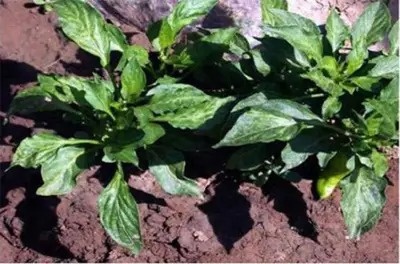
Symptoms of viral diseases in peppers vary depending on the type of virus. The main symptoms include mild mosaic, severe mosaic, yellowing, necrosis, and deformity.
Transmission Routes: There are two main routes of transmission for pepper viral diseases: one is insect transmission, such as aphid transmission; the other is contact transmission, such as mechanical friction and human contact. Cucumber mosaic virus is mainly transmitted by insects, while tobacco mosaic virus is mainly transmitted through mechanical friction and human contact. Pepper seeds and soil can also transmit the virus, but this is not the main route of transmission.
Prevention and control methods
The most suitable method for controlling the spread of disease in chili peppers is chemical control, as shown below:
1. Kebingling: Use 34.5-52.5 grams of active ingredient per acre, by spraying.
2. Bactericide: Use 187.5-281.25 grams of active ingredient per acre, or 166-250 microliters/liter for spraying.
Pepper leaf spot disease
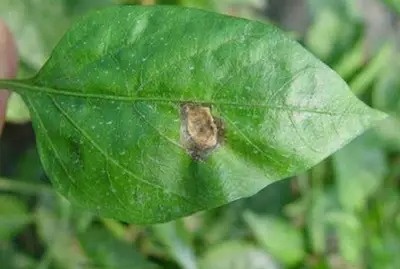
Prevention and treatment:
1) Strengthen seedbed management, use well-rotted organic fertilizer, ensure timely ventilation, control seedbed temperature and humidity, and cultivate disease-free and robust seedlings.
2) Remove diseased plant debris promptly.
3) Strengthen field management, use nitrogen fertilizer rationally, increase phosphorus and potassium fertilizer application, or apply foliar fertilizers such as Mancozeb, Plant Growth Supplement, or Ambroxol; loosen the soil and apply topdressing after transplanting, and drain water promptly during the rainy season.
4) At the initial stage of disease, spray with 64% Mancozeb wettable powder at a dilution of 500 times, 50% Metalaxyl-Copper wettable powder at a dilution of 600 times, thiophanate-methyl wettable powder at a dilution of 500 times, 58% Metalaxyl-Mancozeb wettable powder at a dilution of 500 times, or Bordeaux mixture at a ratio of 1:1:200, once every 10-15 days, for 2-3 consecutive sprays. The control effect is over 90%.
White spots on peppers
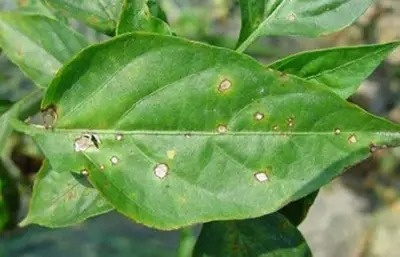
Prevention and control: 1. Strengthen management to improve the plant's disease resistance;
2. After harvesting, promptly remove diseased and damaged plant parts and bury them deeply or burn them to reduce the source of disease;
3. In the early stage of the disease, spray with 50% carbendazim at 800 times dilution or Bordeaux mixture at a ratio of 1:0.5:160, or 75% chlorothalonil wettable powder at 700 times dilution for prevention and control.
Pepper powdery mildew
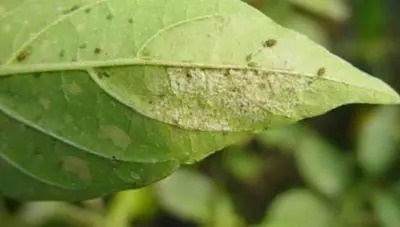
Prevention and control
① Biological measures: Increase the application of phosphorus and potassium fertilizers, and avoid excessive nitrogen fertilizer during the growing season.
② Chemical control: Apply chemical control promptly at the initial stage of disease. Suitable chemicals include 15% wettable powder of carbendazim at a dilution of 1500 to 2000 times, 47% wettable powder of carbendazim at a dilution of 600 times, or 60% water-soluble powder of fungicide at a dilution of 1000 times. Spray once every 7 to 10 days, for 2 to 3 consecutive applications.
cucumber
Cucumbers are susceptible to damping-off, seedling blight, anthracnose, and downy mildew throughout their growth cycle. Below is a brief introduction to each disease, which we hope will be helpful to fellow cucumber growers and save you a lot of trouble in your management.
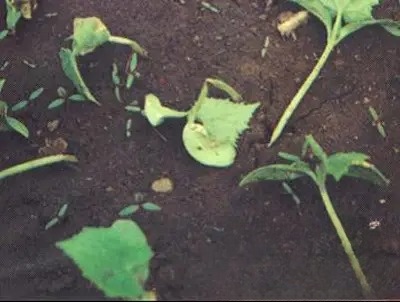
(a) Cucumber damping-off disease (also known as cucumber cancer, choking disease, or small foot acne)
1. Conditions for the onset of the disease
This is a fungal disease. It is prone to occur under low temperature and high humidity conditions, and spreads rapidly under waterlogged substrate conditions. It is generally most likely to occur in seedlings with 1 to 3 leaves.
2. Main symptoms
The base of the stem develops water-soaked lesions that gradually turn yellowish-brown and dry out, forming linear patterns that cause seedlings to suddenly collapse to the ground (at this stage, the leaves have not yet wilted, hence the name damping-off). In high humidity, the lesions will rot and develop white, cottony mycelium. When the disease occurs on fruit, the lesions enlarge, becoming yellowish-brown and water-soaked, with large patches of rotting. The surface of the diseased fruit is covered with white, cottony mycelium.
3. Prevention and control methods
Prevent environments with low temperatures and high humidity below 10℃. Seedling containers can be placed indoors in warmer conditions, and the substrate should be sterilized before sowing. At the initial stage of disease, spray with a 400-fold dilution of 72% propamocarb.
(ii) Cucumber damping-off (also known as seedling death or moldy roots)
1. Conditions for the onset of the disease
Damping-off is a fungal disease that spreads through the substrate. It is prone to occur under conditions of high temperature and humidity or high temperature and drought; during the seedling stage, it is also susceptible to infection by anthracnose fungi.
2. Main symptoms
The main symptoms of damping-off are oval-shaped, dark brown sunken spots appearing at the base of the stem or underground roots. These spots expand and encircle the stem, causing it to wither, dry out, and die. However, the stem does not collapse after death, hence the name damping-off. As the symptoms progress, the cortex of the rhizome turns brown and gradually rots. At the same time, faint, light brown concentric rings or spiderweb-like mold appear on the lesions.
3. Prevention and control measures
Maintaining proper substrate temperature, increasing phosphorus and potassium fertilizer application, and improving plant disease resistance are key measures. Foliar spraying with potassium dihydrogen phosphate and sugar water (concentration preferably 0.2%–0.5%) is also recommended. In the early stages of disease, a 400-fold dilution of 15% hymexazol solution can be sprayed. Substrate disinfection should be performed before sowing.
(III) Cucumber anthracnose
1. Conditions for the onset of the disease
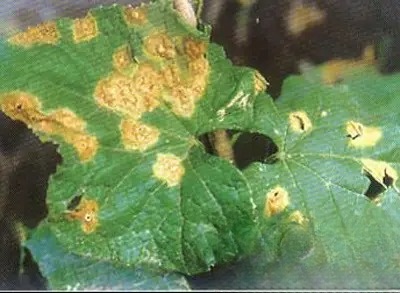
Anthracnose is a fungal disease. The pathogen overwinters on seeds and enters the plant through the epidermis or wounds. The disease is more likely to occur when the temperature is around 24℃, the relative humidity is 85%–95%, and there is dew on the leaves. The disease is more severe under low temperature and high humidity conditions.
2. Main symptoms
Anthracnose can damage leaves, stems, and fruits. Diseased leaves develop light brown rectangular lesions, which eventually wither and die. Stems develop yellowish-brown sunken oval lesions, which spread around the stems and vines, eventually causing the plant to die. On melons, lesions are dark brown sunken spots that later crack and secrete a red, viscous substance.
3. Prevention and control methods
Strictly disinfect the substrate; select high-yield and disease-resistant varieties, such as the Luyan series and Zhongnong No. 5; disinfect the seeds before sowing by stirring and scalding them with 55℃ hot water for 20 minutes, and then soaking them to promote germination; control the use of nitrogen fertilizer and increase the application of phosphorus and potassium fertilizer, or spray phytoprotectants to enhance plant resistance; carry out management operations when there is no dew, and avoid damaging the plants; at the early stage of disease occurrence, spray with 50% carbendazim at a dilution of 500 times, or spray with 75% chlorothalonil wettable powder at a dilution of 500 times.
(iv) Cucumber downy mildew
1. Conditions for the onset of the disease
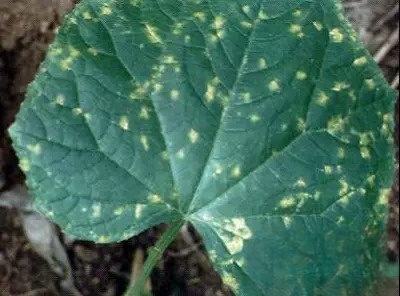
Downy mildew of cucumbers, also known as "running horse dry" or "black hair disease," is a fungal disease. The pathogen overwinters on the leaves and invades the leaf tissue via water droplets on the leaves, spreading through air circulation and improper management. This disease is prone to occur when the temperature is between 20 and 24°C, the relative humidity is above 85%, and there are water droplets on the leaves.
2. Main symptoms
Downy mildew of cucumbers mainly affects the leaves. The upper surface of the diseased leaves has yellow-green spots, while the leaf margins and the underside of the leaves have water-soaked spots. The spots are restricted by the leaf veins and appear as polygonal yellow-brown spots. When it is humid, a blackish-gray mold layer appears on the underside of the leaves. In the later stages, the diseased leaves curl up and become yellow and dry leaves, which are easily broken.
3. Prevention and control methods
Strengthen field management, prevent high humidity environments, and select disease-resistant varieties such as Lvyan No. 7; strictly disinfect the substrate; to improve the plant's disease resistance, spray the leaves with 0.1% urea or 0.3% potassium dihydrogen phosphate, and add an equal amount of sugar water; at the early stage of disease, spray with 500 times dilution of 75% Mancozeb wettable powder, or 400 times dilution of 64% Mancozeb wettable powder.
(v) Cucumber wilt (also known as vine wilt, wilt disease, seedling death disease)
1. Conditions for the onset of the disease
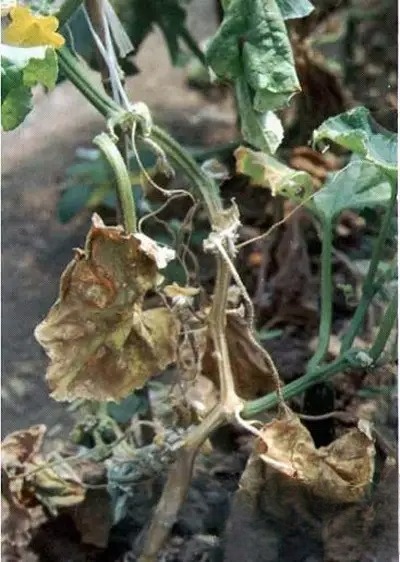
Cucumber wilt is a fungal disease. The pathogen overwinters in the substrate and enters the plant through root hairs or wounds on the roots, spreading through management practices. The disease is most likely to occur when the temperature is around 24°C and the relative humidity is around 90%.
2. Main symptoms
Fusarium wilt typically develops in cucumbers after flowering and fruiting. Symptoms appear on the stems and leaves. Diseased leaves become dehydrated, wilt, and droop. The disease first affects one side or a portion of the leaves, gradually spreading to all leaves on the plant. The base of the stem cracks longitudinally, and the papery vascular bundles turn brown. In humid conditions, a white or pinkish hazy substance appears on the surface of the diseased area, along with an oily, gelatinous exudate.
3. Prevention and control methods
Strictly disinfect the substrate; strengthen field management and prevent high humidity; promote grafting and root replacement to prevent wilt disease; in the early stage of disease, drench the roots with a 400-fold dilution of 50% methyl thiophanate wettable powder, using 250 grams of the solution per plant, once every 8-10 days, for a total of 3 drenches.
(vi) Cucumber black spot disease
1. Conditions for the onset of the disease
Cucumber black spot is a fungal disease. The pathogen overwinters in the substrate, and when seeds are infected, the pathogen can infect the plant through the seeds, or enter through the plant epidermis, stomata, or wounds, spreading through introduction, sowing, or management practices. Black spot is more likely to occur when the temperature is between 15 and 25°C and the relative humidity is greater than 90%.
2. Main symptoms
Cucumber black spot disease can damage leaves, stems, and fruits. Diseased leaves develop circular smears, which later form star-shaped holes with yellow halos around the edges. Diseased stems develop water-soaked, dark green, oval lesions that later become sunken and cracked, developing a black mold layer when moist, and rotting occurs at the tendrils and growing points (the tip of the plant). Diseased fruits develop dark green, sunken sores, sometimes oozing a brownish-yellow, gummy substance.
3. Prevention and control methods
Strictly disinfect the substrate; disinfect seeds by soaking them in a 500-fold dilution of 50% carbendazim wettable powder for half an hour; strengthen management and prevent low temperature and high humidity; in the early stage of disease, spray with a 1000-fold dilution of 70% thiophanate-methyl.
(vii) Powdery mildew of cucumber
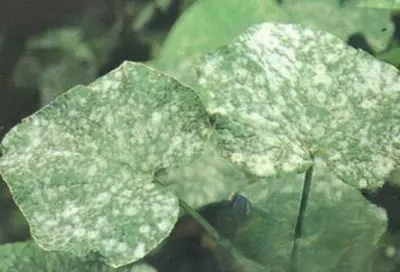
1. Conditions for the onset of the disease
Powdery mildew of cucumber is a fungal disease. The pathogen overwinters in the substrate and spreads by wind and rain. It is prone to occur under conditions of high temperature and humidity or drought.
2. Main symptoms
The leaves are covered with white powder, which later turns gray, and the diseased leaves wither and turn yellow.
3. Prevention and control methods
Select disease-resistant varieties; in the early stage of disease, spray with 1500 times dilution of carbendazim or 600 times dilution of 75% chlorothalonil wettable powder for prevention and control.
(viii) Gray mold of cucumber
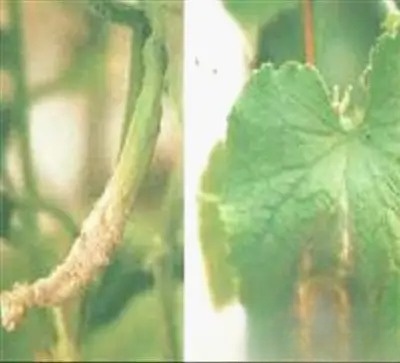
1. Conditions for the onset of the disease
Gray mold in cucumbers is a fungal disease. The pathogen overwinters in the substrate and spreads via air currents. It is prone to occur when the temperature is between 15 and 30°C and the relative humidity is above 90%.
2. Main symptoms
Gray mold damages leaves, young stems, and young fruits. The pathogen enters through withered flowers, causing the petals and navel to rot in a water-soaked manner and develop gray mold. The rotten material splashes onto the stems and leaves, causing them to become diseased. In severe cases, the lower stem nodes rot and break, leading to the death of the plant.
2. Prevention and control methods
Strengthen management and strictly prevent high humidity; in the early stage of disease, use fungicides such as carbendazim, chlorothalonil, and thiophanate-methyl for prevention and control.
(ix) Bacterial angular leaf spot of cucumber (also known as white leaf spot)
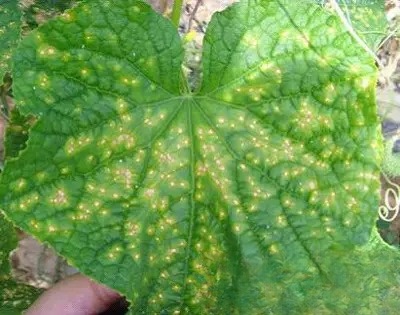
1. Conditions for the onset of the disease
Bacterial angular leaf spot of cucumber is a bacterial disease. The pathogen overwinters on the seeds and enters the plant through stomata or wounds, spreading via air currents and irrigation water. The disease is more likely to occur when the temperature is between 24 and 28°C and the relative humidity is above 70%.
2. Main symptoms
Bacterial angular leaf spot of cucumber affects leaves, stems, and fruits. Diseased leaves develop water-soaked, light brown spots, which later become polygonal yellowish-brown spots due to vein restriction. When moist, the underside of the leaves shows milky-white bacterial ooze; when dry, it forms a thin white film (hence the name "white dried leaf"), becoming brittle and easily perforated. Diseased stems develop longitudinal cracks and water-soaked rot, turning brown after drying. Diseased fruits show water-soaked spots.
3. Prevention and control methods
Select disease-resistant varieties and disinfect seeds; strengthen management and prevent high temperature and humidity; at the early stage of disease, spray with 50% copper succinate wettable powder at a dilution of 500 times, or spray with 200 units of agricultural streptomycin, or spray with 1:2:300 Bordeaux mixture or 1:4:600 copper soap solution.
tomato
(a) Early diseases of tomatoes (also known as leaf blight or summer blight)
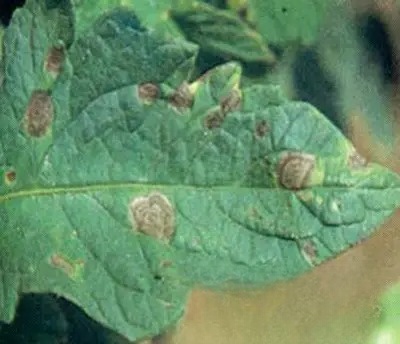
1. Conditions for the onset of the disease
Early blight is a fungal disease. The pathogen overwinters on seeds and enters the plant through the epidermis or stomata, spreading via air currents. Early blight is more likely to occur when the temperature is around 25℃ and the relative humidity is above 70%.
2. Main symptoms
Early blight can damage leaves, stems, flowers, and fruits. Diseased leaves develop yellow, concentric ring-shaped spots, which are polygonal in shape and restricted by the veins, with a hairy surface. Diseased stems develop dark brown, oval spots at branching points, often with black mold. Infected flowers develop oval, sunken black spots. Fruit lesions appear as oval, hard, black spots with concentric rings, eventually leading to fruit cracking.
3. Prevention and control methods
Strengthen management, prune and remove twigs in a timely manner, and prevent high humidity; select disease-resistant varieties and disinfect seeds; strictly disinfect the substrate. In the early stage of disease, spray with a 500-fold dilution of 64% metalaxyl wettable powder.
(ii) Late blight of tomato (also known as disease)
1. Conditions for the onset of the disease
Late blight is a fungal disease. The pathogen overwinters on diseased plant debris and enters the plant through the leaf epidermis or stomata, spreading via irrigation water. The disease is more likely to occur when the temperature is around 15℃ and the relative humidity is above 85%.
2. Main symptoms
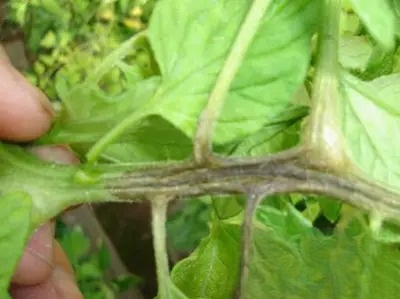
Late blight affects leaves, stems, and unripe fruit. Diseased leaves develop water-soaked, dark green spots at the leaf tips or margins, and white mold appears on the underside of the leaves when moist. Diseased stems develop dark brown rot spots. Diseased fruit develops water-soaked, dark brown sunken spots, and white mold appears when moist.
3. Prevention and control measures
Strengthen field management and prevent low temperature and high humidity; select disease-resistant varieties and disinfect seeds; in the early stage of disease, spray with 500 times dilution of 64% metalaxyl wettable powder.
(III) Tomato leaf mold
1. Conditions for the onset of the disease
Leaf mold is a fungal disease. The pathogen overwinters in the substrate or on the seeds, invading the plant through the leaf epidermis and spreading through seedling introduction. Leaf mold is prone to occur when the temperature is around 20℃ and the relative humidity is above 90%.
2. Main symptoms
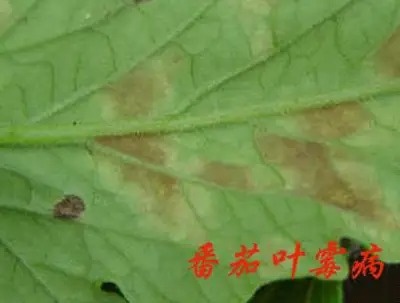
Leaf mold can damage leaves, stems, flowers, and fruits. Diseased leaves develop oval, pale yellow spots with white mold on the underside; as the disease progresses, black mold appears on both sides of the leaves, causing the leaves to curl, turn yellowish-brown, and dry out. Diseased stems develop spindle-shaped, yellowish-brown spots with black mold. Diseased flowers develop pale yellow spots with black mold. Diseased fruits develop black, circular, sunken, hard spots on their surface.
3. Prevention and control measures
Strengthen management, increase light exposure, and prevent high humidity and low temperature; select disease-resistant varieties and disinfect seeds (by stirring and scalding seeds in 52℃ water for 30 minutes). In the early stage of disease, spray with 10% dithiocarbamate dust or 7% chlorothalonil dust, or spray with 150 times dilution of 2% Wuyimycin (BO-10) aqueous solution.
(iv) Bacterial wilt of tomatoes (also known as bacterial wilt)
1. Conditions for the onset of the disease
Bacterial wilt is a bacterial disease. The pathogen overwinters on diseased plant debris and enters the plant through the roots or wounds, spreading via irrigation water or management practices. The disease is more likely to occur when temperatures are above 30°C and the substrate moisture content is high.
2. Main symptoms
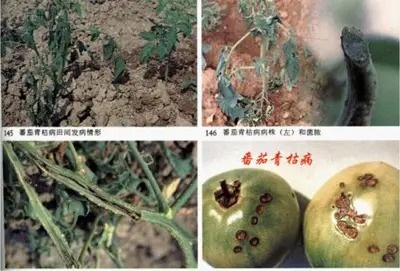
It damages leaves and stems. Infected plants show initial wilt and drooping leaves, followed by wilting of the middle and lower leaves; some plants may experience wilting on only one side of the leaves. Diseased stems develop water-soaked brown spots; when a diseased stem is broken, the interior is brown, and white bacterial ooze flows from the wound. Adventitious roots easily grow on the lower part of the diseased stem.
3. Prevention and control methods
Select disease-resistant varieties and disinfect seeds; strictly disinfect substrate; at the early stage of disease, spray with 200 mg/L streptomycin sulfate, or spray with 500 times dilution of 30% DT wettable powder, or drench the roots with 4000 times dilution of streptomycin sulfate (300 grams of the solution per plant, drench the roots once every 10 days, for a total of 3 times).
(v) Tomato bacterial canker (also known as horse eye disease)
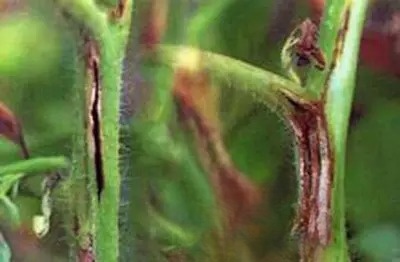
1. Conditions for the onset of the disease
Tomato bacterial canker is a bacterial disease. The pathogen overwinters on the seeds and enters the plant through wounds in the seed coat, spreading via seeds and irrigation water. The disease is most severe in warm, humid environments.
2. Main symptoms
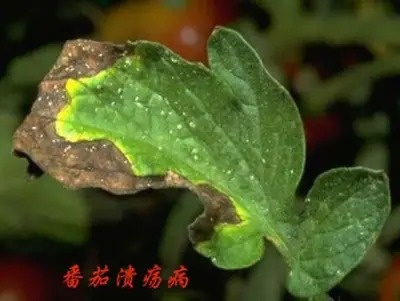
Canker can damage leaves, stems, and fruits. Leaves curl up as if suffering from dehydration, and some plants may experience leaf withering on one side. The pith of the diseased stem turns brown and rots, or the stem cracks and grows adventitious roots, with a white, purulent substance oozing out when moist. Diseased fruits have slightly raised, round spots with white edges and a brown center (resembling a horse's eye, hence the name "horse eye disease"). In later stages, the fruit pulp rots, and the seeds become infected; some young fruits shrivel and stop growing.
3. Prevention and control methods
Tomato bacterial canker is a quarantine disease, therefore strict seed disinfection is necessary (soak seeds in 52℃ water for 30 minutes with stirring, or soak seeds in 200 mg/L streptomycin sulfate for 24 hours); select disease-resistant varieties and strictly disinfect the substrate; use wild tomatoes as rootstock for grafting; irrigate seedlings with streptomycin solution at transplanting (each dose of agricultural streptomycin diluted in 15 kg of water). In the early stages of bacterial canker, spray with a 400-fold dilution of 72% agricultural streptomycin sulfate wettable powder.
(vi) Tomato viral diseases
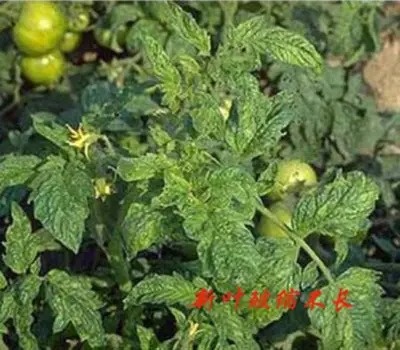
1. Conditions for the onset of the disease
Viral diseases are infectious diseases caused by viruses. Viruses can overwinter on seeds or diseased plant debris and spread through field operations, such as by transferring the virus to hands or tools, or by aphids sucking sap from plants. Diseases are more likely to occur under conditions of high temperature, drought, and aphid infestation.
2. Main symptoms
Tomato viral diseases affect leaves, stems, and fruits. Diseased leaves are mottled with yellow and green patches, or linear in shape, with the lower and middle leaves curling upwards. Diseased stems have dark brown spots, and some may become twisted and stop growing. Diseased fruits have mottled or brown spots, are small and hard, and the entire plant is stunted, grows in clumps, has deformed flowers, and produces few or no fruits.
3. Prevention and control measures
Select disease- and aphid-resistant varieties, such as Maofen 802; disinfect seeds (soak in 10% trisodium phosphate for 40 minutes); strengthen management and prevent high temperature and drought. For example, use shade nets to protect against high temperatures and strong sunlight. Also, avoid damaging roots during transplanting and avoid damaging the plants during management. Timely control of aphids is also necessary to reduce virus transmission. For viral disease prevention, spray with 20% Virus A at a dilution of 500 times; alternatively, spray with Plant Virus Eliminator-912, mixing 7.5 grams of powder with a small amount of warm water to form a paste, adding 100 grams of boiling water and soaking for 12 hours, stirring thoroughly, cooling, and then adding 1.5 kg of water. Spray once in the morning and once in the evening after transplanting, during the initial fruiting stage, and during the peak fruiting stage; or use a high-lipid film (a pollution-free protective agent developed by the College of Plant Protection of China Agricultural University), which forms a thin film on the plant surface, effectively preventing virus invasion. Spray the leaves with a 200-300 times dilution before disease onset, every 7-15 days. Spray once every 10 days, for 3-4 consecutive times; or spray 83 resistance enhancer (developed by China Agricultural University) once each at the 2-3 leaf stage of seedlings, 7 days before transplanting, and 7 days after transplanting and seedling establishment; in addition, you can also use antiviral agent No. 1 at 300-400 times dilution, antiviral wettable powder at 400-600 times dilution, or antiviral agent at 400-500 times dilution for spraying.
(vii) Eggplant downy mildew (also known as egg drop, water rot, or rotten eggplant)
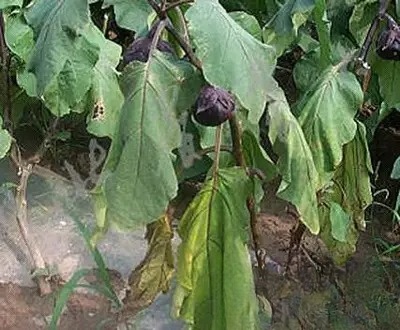
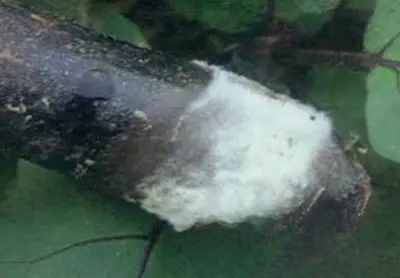
1. Conditions for the onset of the disease
Eggplant downy mildew is a fungal disease. The pathogen overwinters on the substrate, invades the plant through the epidermis, and spreads via irrigation water. The disease is most likely to occur when the temperature is between 28 and 30°C and the relative humidity is above 85%.
2. Main symptoms
Eggplant downy mildew can damage leaves, stems, and fruits. Diseased leaves develop circular, water-soaked brown spots with concentric rings, and white mold grows when moist. Diseased stems develop water-soaked purplish-brown spots, later constricting and developing white mold. Diseased fruits develop water-soaked, circular, sunken spots; the flesh turns brown, develops white mold, and easily falls off and rots.
3. Prevention and control methods
Select disease-resistant varieties, such as *Zi Chang Ru*; strengthen management and prevent high temperature and humidity. In the early stage of disease, spray with a 500-fold dilution of 64% cymoxanil or 75% chlorothalonil wettable powder.
(viii) Eggplant Verticillium wilt (also known as half-side wilt or black heart disease)
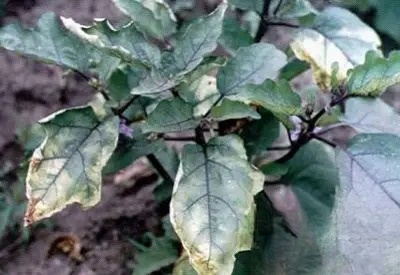
1. Conditions for the onset of the disease
Verticillium wilt in eggplant is a fungal disease. The pathogen overwinters in the substrate and enters the plant through the root epidermis or wounds, spreading via seedling cultivation. The disease is more likely to occur when temperatures are around 15℃ for an extended period before and after flowering.
2. Main symptoms
Verticillium wilt in eggplant can damage leaves, stems, and roots. On one side of the leaf or one side of the plant, the leaf tissue and veins turn yellow and wilt. Later, the leaves turn brown and fall off; in severe cases, all the leaves on the plant fall off. The vascular bundles of the diseased stem turn brown, and the vascular bundles of the diseased roots turn dark brown.
3. Prevention and control methods
Select disease-resistant varieties; use rootstocks such as Torubam for grafting and seedling cultivation; strictly disinfect the substrate; disinfect seeds by soaking them in 55℃ warm water for 15 minutes, or by treating them with 0.2% of their weight in 50% carbendazim; transplant at the appropriate time and strengthen management; prevent low temperatures of around 15℃; spray with a 400-fold dilution of 50% thiophanate-methyl wettable powder; drench the roots with a 500-fold dilution of 50% carbendazim wettable powder, applying 500 grams of the solution per plant.
(ix) Bacterial wilt of eggplant
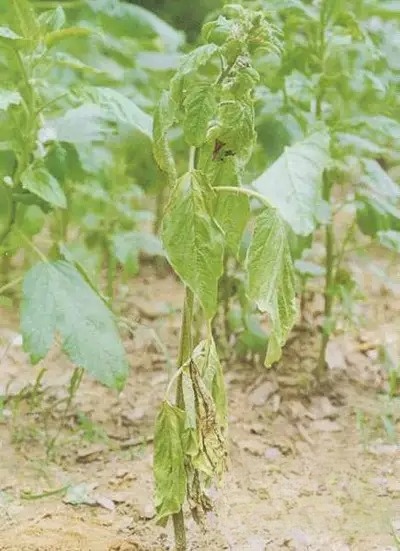
1. Conditions for the onset of the disease
Bacterial wilt of eggplant is a bacterial disease. The pathogen overwinters in the substrate and enters the plant through wounds on the roots and stems, spreading via irrigation water or seedling substrate. The disease is more likely to occur when the substrate temperature is above 25℃ and the air humidity is above 80%.
2. Main symptoms
Bacterial wilt of eggplant damages leaves and stems. Diseased leaves appear pale green and wilted, later turning brown and scorched. The vascular bundles at the base of the stem turn brown, and the pith rots, forming cavities that release a milky white sap when moist.
3. Prevention and control methods
Strictly disinfect the substrate and seeds; in the early stage of disease, spray with 10% agricultural streptomycin sulfate at a dilution of 4000 times, or spray with copper oxychloride wettable powder at a dilution of 5000 times. Alternatively, the above-mentioned agents can be used for root irrigation, with 500 grams of the solution applied to each plant, once every 10 days, for a total of 3 irrigations.
Green beans
(a) Brown spot disease in legumes
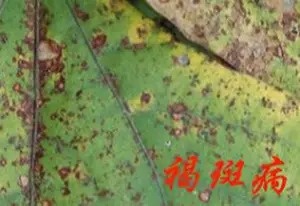
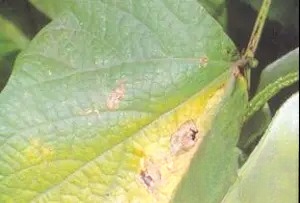
1. Main symptoms
It damages leaves and pods, forming dark green or blackish-brown spots with small black dots on them.
2. Prevention and control methods
Spray with a 500-fold dilution of 70% thiophanate-methyl wettable powder, or a 1500-fold dilution of 50% carbendazim wettable powder, or an 800-fold dilution of 40% polysulfide suspension, or a 600-fold dilution of chlorothalonil wettable powder, or an 800-fold dilution of 25% chlorpyrifos aqueous solution, once every 7-10 days, for 2-3 consecutive sprays.
(ii) Anthracnose in legumes
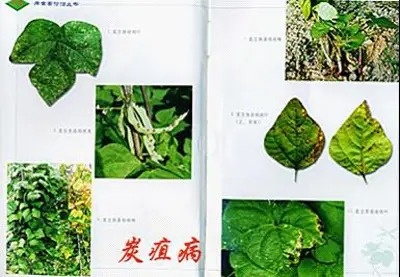
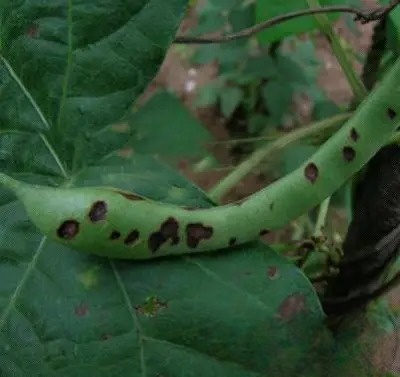
1. Conditions for the onset of the disease
Anthracnose is a fungal disease. The pathogen overwinters on seeds or diseased plant debris and directly invades the blastocyst through wounds or the epidermis of stems and leaves. If seeds are infected, diseased plants will develop directly. The disease spreads through rainwater, field operations, and seedling cultivation. It is prone to occur under conditions of 16–23°C and 98% humidity.
2. Main symptoms
Anthracnose can damage leaves, stems, pods, and seeds. Diseased leaves develop reddish-brown streaks on the veins, which later turn into black reticulate spots. Infected stems and petioles develop brown, sunken, cracked spots, which later become long, dark brown streaks. Infected pods develop black, circular, sunken spots that may contain a pinkish substance when moist. Infected seeds develop yellowish-brown or brown sunken spots.
3. Prevention and control methods
Select disease-resistant varieties; disinfect seeds by dressing them with 0.4% of their weight of 50% carbendazim wettable powder, or soaking them in a 600-fold dilution of 60% anti-mildew powder for 30 minutes; spray with an 800-fold dilution of 75% chlorothalonil wettable powder, or spray with an 800-fold dilution of 50% thiophanate-methyl.
II. Control of Major Insect Pests
(a) Aphids
Aphids are very common pests on vegetables. For example, when cultivating tatsoi on a balcony in winter, it is very easy for the plant to be infested by aphids. If not controlled in time, the entire plant will die. Aphids have many common names, such as honey bugs and plant lice. They can be divided into many species, and often two or three species live together on vegetables, clustering together to suck sap, causing the vegetable leaves to wrinkle, become stunted, and stop growing. In severe cases, the vegetables will die. At the same time, aphids can also spread viruses, aggravating the disease.
Prevention and control methods
(1) Spraying pesticides
This method is the most commonly used. Systemic or contact chemical insecticides can be used for spraying. Commonly used agents include: organophosphates, such as 40% dimethoate EC at 1000-2500 times dilution; pyrethroids, such as 2.5% deltamethrin EC at 3000 times dilution; carbamates, such as 50% pirimicarb WP at 2000-3000 times dilution; and mixed agents, such as 21% cypermethrin EC at 6000 times dilution, or 25% cypermethrin EC at 1500 times dilution. Control should be carried out at the initial stage of aphid infestation, spraying once every 7-10 days, for 2-3 consecutive sprays. Alternatively, household summer mosquito repellents such as "Miehailing," "Qiangshou," and "Sanjianke" can be used for spraying. Pay attention to spraying the undersides of leaves and the heart leaves, and rotate the types of insecticides used.
Note that pirimicarb is ineffective against melon aphids.
(2) The release of smoke
Cover the vegetables with plastic film, and use 1 gram of 10% citrus aphid-killing fumigant, or 1 gram of 22% dichlorvos fumigant, or 1 gram of 10% cypermethrin fumigant per cubic meter of space for fumigation. Ignite the fumigant with a smoldering flame, then leave the area. Ventilate after 6 hours.
(3) Aphid repellent
The silver-gray color repels aphids, preventing them from migrating into the vegetable garden.
On the balcony, a strip of silver-gray plastic film is strung horizontally and vertically every 0.3 meters. This will repel aphids with an effectiveness rate of over 80%, reducing the need for pesticides by 1-2 times. In summer, a silver-gray shade net can be used to cover the area.
(4) Yellow sticky traps for aphids
Winged adult aphids are strongly attracted to yellow and orange-yellow colors. Take a rectangular piece of cardboard or fiberboard, typically 15 cm x 20 cm. First, coat it with a layer of yellow poster paint. After it dries, coat it with a layer of sticky yellow machine oil (with a little butter added) or No. 10 machine oil. Insert the yellow sticky board into the field and hang it between the rows of plants, about 0.5 meters above the vegetables. The machine oil will trap and kill aphids. Regularly check and reapply the machine oil. Replace the yellow sticky board promptly after it has attracted aphids. This method can also be used to monitor aphid population trends. Yellow sticky boards are currently available on the market.
(5) Laundry detergent kills aphids
The main ingredient in laundry detergent is sodium dodecylbenzene xanthate, which has a strong contact toxicity against aphids. Therefore, a 400-500 times dilution of laundry detergent can be used to kill aphids; spraying 2-3 times can achieve good control results.
(6) Plant-based aphid control
Grind tobacco into a fine powder, add a small amount of lime powder, and sprinkle. Soak chili peppers or wild wormwood in water for 24 hours, filter, and then spray. Crush castor leaves and apply, or mix with water at a 1:2 ratio, boil for 10 minutes, filter, and then spray. Soak peach leaves in water for 24 hours, add a small amount of lime, filter, and then spray. (Refer to the preceding content in this section.)
(7) Plant-based aphid repellent
The volatile aroma of chives repels aphids, so they can be planted with other vegetables to reduce aphid density and lessen the damage they cause to vegetables.
(ii) Whiteflies
Whiteflies have been occurring in Northeast, North, Northwest, and East my country for over a decade, spreading rapidly and causing severe damage. Their infestation leads to sooty mold contamination of vegetable leaves, further exacerbating the problem. Currently, whiteflies have become a major pest of vegetables. Whiteflies have a wide parasitic range, infesting cucumbers, beans, eggplants, tomatoes, peppers, winter melons, cabbages, celery, and many other vegetables. Large numbers of adults and larvae congregate on the undersides of leaves, sucking sap, causing wilting, discoloration, yellowing, and even death of the leaves. Their excrement also contributes to sooty mold, covering and contaminating leaves and fruits, severely impacting photosynthesis. Furthermore, whiteflies can transmit viruses, causing viral diseases. Greenhouse whiteflies are highly prolific, exhibiting strong resistance to adverse conditions and pesticides.
Prevention and control methods
(1) Fumigation method
The fumigation method involves placing undiluted dichlorvos in a crucible (or other container) and heating it with an alcohol lamp to turn the liquid into smoke, or directly dripping dichlorvos onto hot, burnt honeycomb briquettes to create smoke. Close all doors and windows tightly and fumigate for 8–12 hours, using 6 ml of the undiluted dichlorvos per 10 square meters.
(2) Adhesive addition method
To enhance the effectiveness of a pesticide, mix equal parts of 2000x dilution of cypermethrin or deltamethrin, or 500x dilution of dichlorvos and dimethoate, and add 0.2% laundry detergent to the water. Dissolve and stir well before spraying. This will make the pesticide more easily adhere to the insects or leaves, thus increasing its effectiveness. Spray every 3-4 days for 3 consecutive times, focusing on the undersides of the leaves while also covering other areas.
(3) Biological control
Artificial release of lacewings can eliminate 100 whiteflies in the lifetime of one lacewing.
(4) Physical prevention and control
Since whiteflies are strongly attracted to yellow, you can coat the surface of cardboard boxes, yellow paper, or other similar materials with machine oil and place them on balconies infested with whiteflies to attract and kill them.
(iii) Cabbage caterpillars
Cabbage caterpillars feed on vegetable leaves. Young caterpillars burrow into the leaf tissue to feed on the mesophyll, leaving only the epidermis and creating transparent spots known as "windows." Larger caterpillars can cause holes and notches in the leaves. In severe infestations, they can eat the leaves into a net-like pattern, seriously affecting vegetable yield and quality. During the seedling stage, cabbage caterpillars concentrate on feeding in the heart of the plant.
Control methods: With years of extensive use of pesticides, cabbage caterpillars have become increasingly resistant, making chemical control very difficult. When the quantity of vegetables grown is small, it is best to manually capture them in the early morning or evening.
In addition to using traditional insecticides such as cypermethrin and phoxim, people have explored some compound pesticide formulations in practice, which have yielded very good results.
(1) Formula 1: 25% diflubenzuron No. 3 + 50% bacalan wettable powder + water, in a ratio of 1.7:0.7:1000;
(2) Formula 2: 25% diflubenzuron No. 3 + 25% insecticide aqueous solution + water, in a ratio of 1.7:5:1000;
(3) Formula 3: 25% insecticide aqueous solution + 50% phoxim emulsifiable concentrate + water, in a ratio of 4:1.5:1000;
(4) Formula 4: 50% Batan wettable powder + 10% permethrin + water, in a ratio of 0.5:1:1000;
(5) Formula 5: Bt emulsion + 25% insecticide aqueous solution + water, in a ratio of 4:5:1000;
(6) Formula 6: Bt emulsion + 50% bacalan wettable powder + water, in a ratio of 4:1.5:1000.
In addition, you can also choose Huanye No. 2, an environmentally friendly biological virus pesticide specifically for treating cabbage caterpillars.
(iv) Leek maggots
This pest primarily damages vegetables such as chives, onions, garlic, and celery, with chives being the most severely affected. Chive maggots live in the substrate, congregating around the tender stems and roots of chives. Their feeding easily causes rot. In mild cases, the damaged rhizosphere environment leads to weakened growth and yellowing leaves. In severe cases, the roots and stems are mauled into a tangled mess, ultimately resulting in plant death.
Prevention and control methods
During the crushing process of used substrate, add 800 times diluted dimethoate, mix well, and then pile and cover. Generally, use 25-30 ml of undiluted dimethoate per cubic meter of substrate. Alternatively, in April or May, use a sprayer (without the nozzle) to drench the roots with an 800 times diluted dimethoate or a 600-800 times diluted trichlorfon solution. To improve efficacy, you can drench the roots while exposing them to sunlight through the substrate. For transplanted leek roots, first kill the larvae using the above method.
(v) American serpentine leafminer
The American serpentine leafminer is an omnivorous, highly damaging, widely distributed, rapidly spreading, and difficult-to-control quarantine pest. Introduced to Hainan Province from abroad in 1994, it has now spread to 28 provinces and municipalities across China. The American serpentine leafminer particularly feeds on the leaves of vegetables such as green beans, cucumbers, loofahs, tomatoes, eggplants, red cabbage, and bok choy.
Prevention and control methods
(1) Seed treatment
It is strictly forbidden to purchase vegetable seedlings from areas infested with insects. If possible, before sowing, use a 50% seed dressing agent mixed with an appropriate amount of water to coat the seeds, let them dry, and then sow them.
(2) Chemical control
To control larvae, spray pesticides during the cotyledon stage and the first true leaf stage of melons and beans, and when the larvae are initially feeding on the leaves and their body length is about 1 mm. To control adults, spray in the morning or evening when adults appear in large numbers. Focus on spraying the lower and middle leaves of the plant. Suitable pesticides include: 8% chlorfenapyr at 3000x dilution, 1.8% chlorfenapyr at 2500x dilution, 1.8% abamectin at 2000-3000x dilution, 40% chlorfenapyr or 98% bacalanil at 1000-1500x dilution, and 3.5% malathion at 1000x dilution; all have efficacy exceeding 90%. Spray every 7 days, for a total of 2-4 applications, rotating pesticides to prevent pest resistance.
During the growth period, spray with 1000 times dilution of 48% Lorsban EC to kill mature larvae and pupae; when adults appear in large numbers, place fly bait paper (paper soaked in insecticide) and change the paper every 2 to 4 days to trap and kill them.
(3) Yellow board trapping
Yellow insect-attracting boards can be inserted or hung to trap and kill insects. The insect-attracting boards are made by cutting yellow cardboard into 40 cm × 25 cm pieces, coating both sides with waste diesel oil, tying them to small sticks and inserting them, or hanging them on wires at the same height as the top of the vegetables, and adjusting the height as the vegetables grow.