Complete Guide to Rose Gardening
After receiving the rose seedlings, place them in a shady spot and spray them with water. You can transplant them in the evening. Try to choose small pots (about 16 cm in diameter). The potting mix must be loose and well-draining, otherwise the roots will rot. After planting, water them thoroughly and place them in a well-ventilated place with indirect sunlight. It is best to avoid placing them indoors or in poorly ventilated areas.
If you can't get good ventilation and indirect light, it's better to expose it to direct sunlight. At worst, the tender leaves will scorch, but it won't die; a little sun is fine. Keeping it indoors for more than three days is quite dangerous; blackened, dried-out leaves, yellowing leaves, and root rot will all appear. If someone says it died after being indoors for a week, that's really bad news.
If planting in the ground, transplant it in the evening after receiving it, water it thoroughly, and it will be fine to expose it to the sun the next day.
If you're not sure, you can hold off on repotting for now. Smaller pots are safer. My small pot is fine; you can water it thoroughly as much as possible. Wait about a week before repotting.
How should I care for newly purchased roses?
1. Dehydration
This is the biggest killer of plants. On Taobao, it takes anywhere from 3 to 5 days for a seedling to go from the nursery to your hands. During this time, some European roses are grown bare-root. Although it's spring, the harsh environment and lack of water cause dehydration. Some plant enthusiasts even leave them at home for several days without any treatment, worsening the condition. It's no wonder these seedlings die! Plants are like people; what happens if a person doesn't drink water for 3 days?
Solution:
After receiving the seedlings, prune them, leaving only one main branch, about 10-15cm from the base. Remove all other branches and leaves. Then, soak the roots in a 1:500 potassium dihydrogen phosphate solution for 24 hours (if this is not possible, plain water will suffice). Allow the plant to fully absorb the water before planting. Place the newly planted seedlings in a shady location for at least two weeks to allow them to recover and develop roots. Once new shoots (note: shoots, not leaves) appear, the plant has survived and can be cared for normally.
2. Died from sunburn
Some plant enthusiasts know to soak the plant in water after receiving it and then transplant it, but they put it directly in the sun, thinking that the plant will root faster in high temperatures. However, the plant often dies from sunburn. The reason is that the plant hasn't recovered its strength, and direct sunlight increases transpiration, causing rapid water loss and dehydration.
3. Fertilizer burn
Newly planted roses should never be fertilized. Wait until new shoots appear before resuming normal care, gradually increasing the concentration of fertilizer. If fertilizer burn occurs, immediately uproot the plant, rinse the roots with clean water to remove the soil, and then soak it in clean water for 24 hours, changing the water 2-3 times to ensure the plant's cells are more acidic than the surrounding environment, thus restoring its vitality. Then replant it in fresh soil in a shady location.
4. Wash the roots
Beginners are reluctant to wash the roots, and many bare-root seedlings are still wrapped in mud. They are afraid of damaging the roots and planting them directly. However, the two types of soil are different, and the mud covering the roots prevents them from breathing properly, which can cause the seedlings to die.
5. Timing and location of transplanting
After receiving the plant, place it in a cool, shady place and spray it with water. You can transplant it in the evening, choosing a small pot (about 16 cm in diameter). The potting mix must be loose and well-draining, otherwise the roots will rot. After planting, water it thoroughly and place it in a well-ventilated area with indirect sunlight. Avoid placing it indoors or in poorly ventilated areas. If you can't provide good ventilation and indirect sunlight, it's better to expose it to direct sunlight. At worst, the tender leaves will scorch, but it won't kill the plant. I hardened off my seedlings under direct sunlight; I'm not delicate, so I was fine. Keeping it indoors for more than three days is extremely dangerous; blackening, drying, yellowing leaves, and root rot will all occur.
6. Variety selection
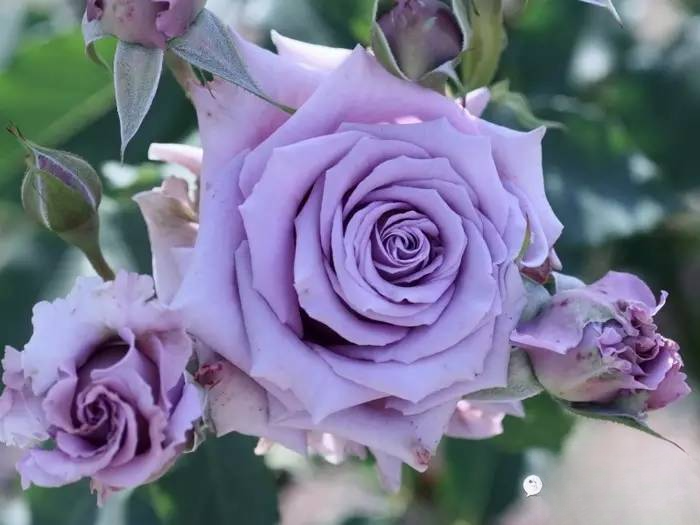
First, you need to choose the variety you want. There are no good or bad varieties, only roses that are suitable for you. Every rose variety has its advantages and its reason for existence. Don't blindly follow trends or be a picture enthusiast. Choose the variety that you need most and that is most suitable for you based on your growing environment.
Don't switch to a new variety before you've even seen the desired results from the current one. In the end, you'll find yourself unable to truly appreciate one plant, as new varieties are released too quickly. Some varieties require mature growth to produce stunning flowering results. You might not be satisfied with them when they're young, but once they've matured, they will surprise and delight you. Note that you shouldn't blindly pursue new varieties.
Balcony dwellers
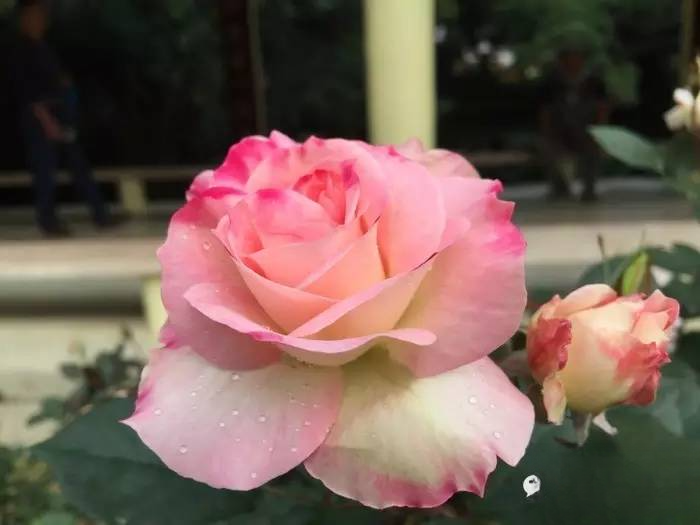
Choose varieties that produce a lot of flowers, bloom in multiple seasons, and have a small canopy. Be sure to do your research first, otherwise you'll end up with a tree before you even see any flowers. Actually, many translated foreign language sources are not very accurate about flowering characteristics because the climate is different. You need to refer to other people's experiences growing them.
You can choose some small-crowned Austin roses, floribunda roses, miniature roses , etc. It's not that you can only grow miniature roses on your balcony; some small-crowned varieties are also suitable, such as Misaki, Juliet of Oche , Miranda , etc.
Terrace
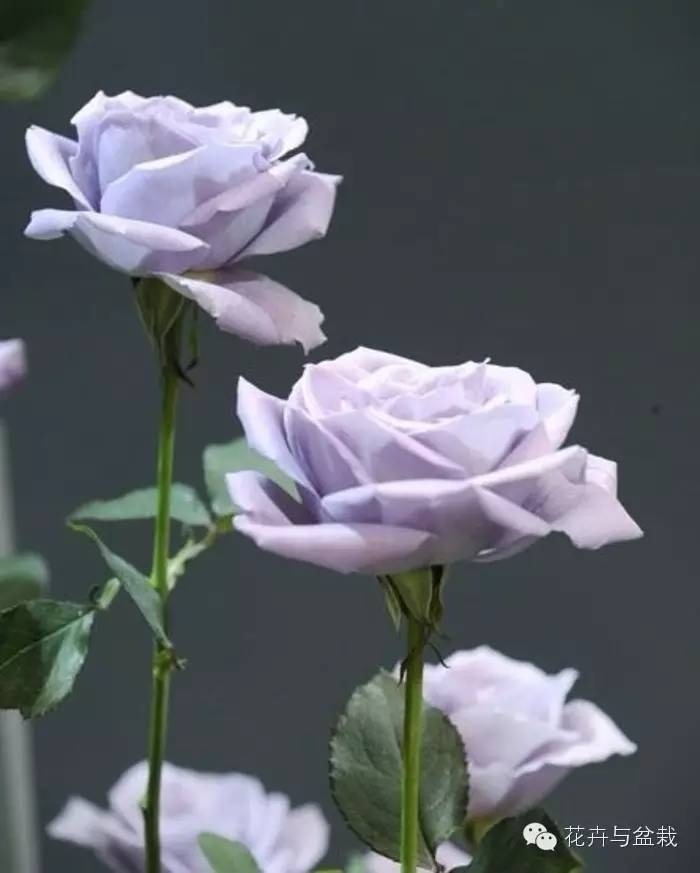
Similar to a balcony, you can choose some shrubs, and you can use flower racks or flower columns to grow small vines. You can also plant a few HT plants, but I don't recommend classic roses or large-flowered roses.
patio
Choose your varieties based on the actual conditions of your yard. If there's a wall, get a climbing rose; if there's a trellis, get a small climbing rose; if there's an archway, get a climbing rose. For large walls, you can mix single-season and multi-season roses. Some single-season old roses are really beautiful and can always give you a big surprise. They're also easy to grow and care for.
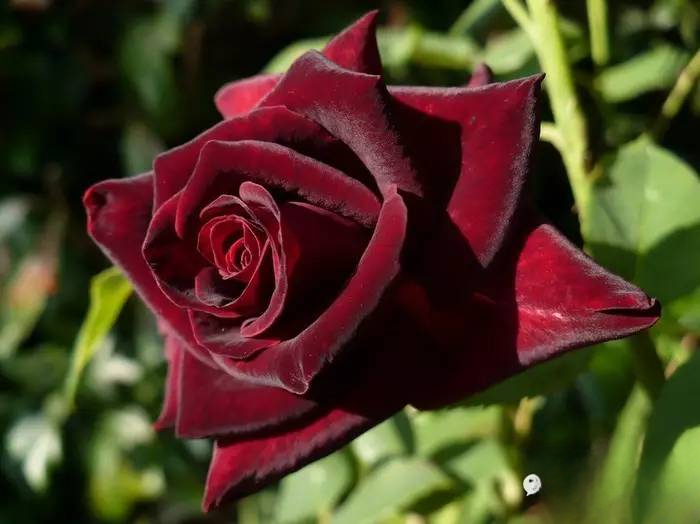
Combine the colors you like and plant a few robust flowering plants in an open space. They look beautiful in clusters. You can also plant some HT-type plants densely around the edges.
You can plant a few old rose bushes near the rockery or in a corner. They have a strong fragrance, produce a lot of flowers, and are very spectacular. A real rose garden wouldn't be complete without these old roses. Although they only bloom for one season, their blooming is magnificent and enough to surprise you for a whole year.
I. Rose Recommendations
arch:
Most people associate arches with climbing roses, but climbing roses aren't actually the right choice. Climbing roses grow very tall and endlessly, eventually collapsing the archway – mine is an example. Furthermore, climbing roses don't easily bloom at the base, and many climbing roses don't produce good flowers, and few are fragrant.
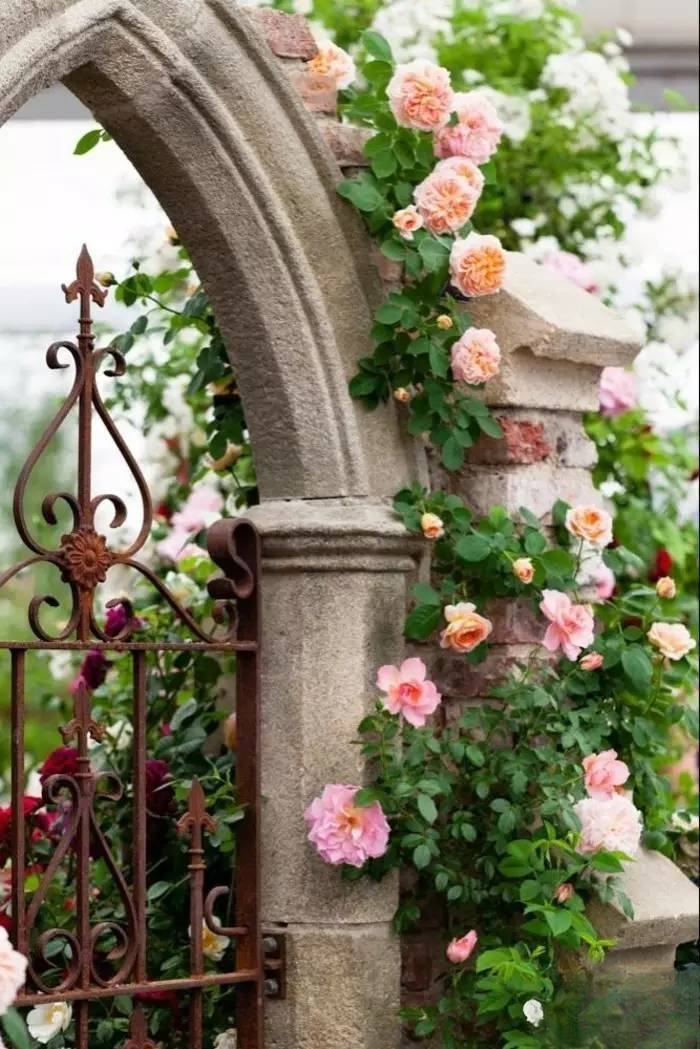
The most recommended are small vine-like books like those by Austin, such as Morris, Wedgwood, Princess Margaret, Claire Austin, Tess, Gertrude Geyser, and Laughing Georgia.
Wall:
There are two types: regular fences and high walls. The height of the fences is the same as that of the archway. For high walls, choose vines. If the wall is long, you can use several colors in combination, both multi-season and single-season.
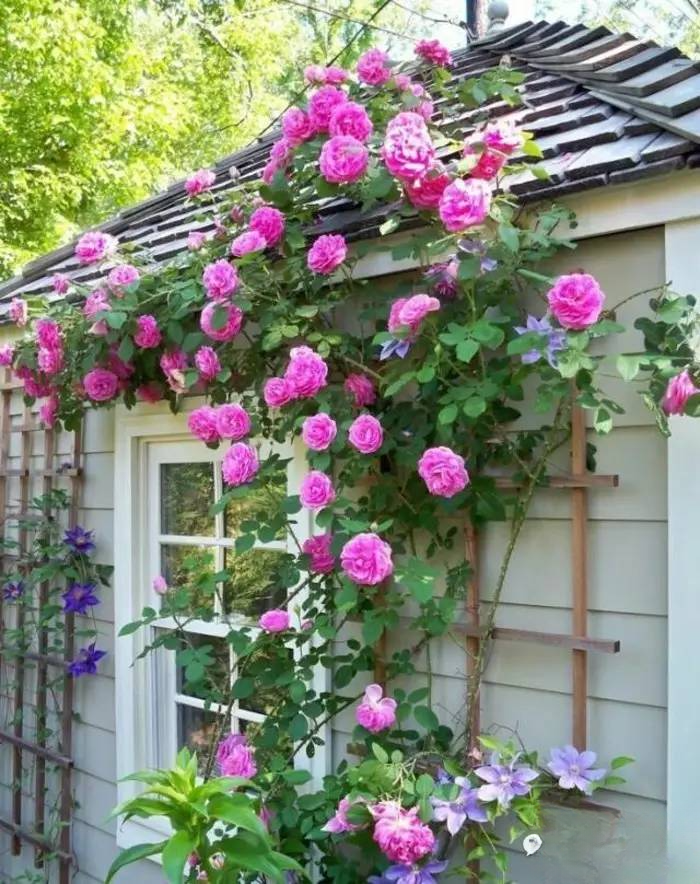
trellis:
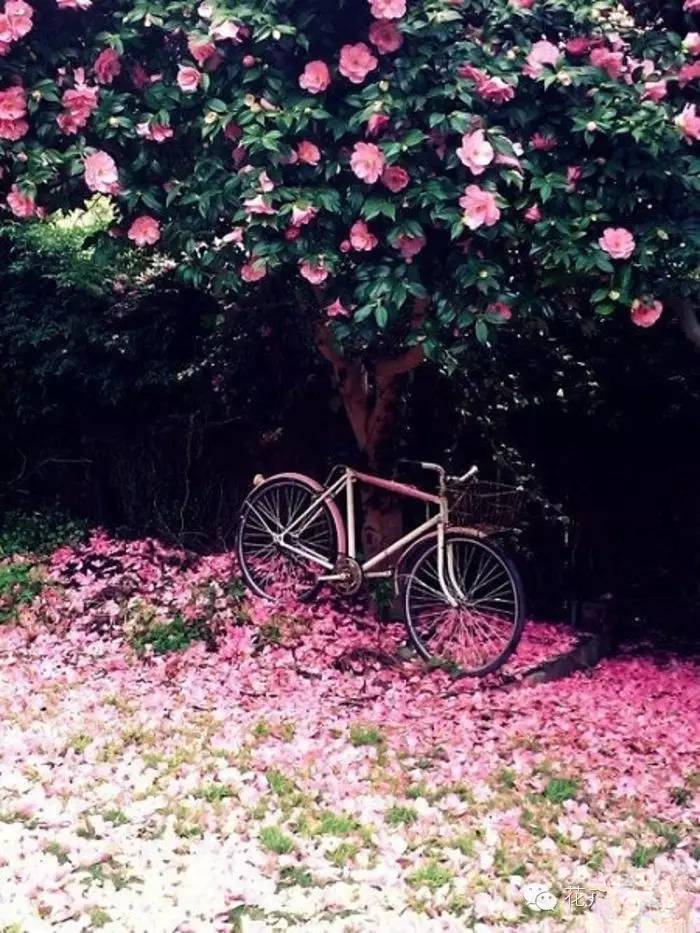
If you only need to surround a pillar or something, an archway is fine. But if you need to cover the entire pergola, you can choose large vines like the Dragon's Gem or the Alchemist.
flower bed:
Just choose low-growing varieties. As for the varieties, you can choose the ones I mentioned above for balconies. Generally, flower beds are planted together with fences and walls. Plant these low-growing varieties in the flower beds, and then choose large shrubs on top.
Potted plants:
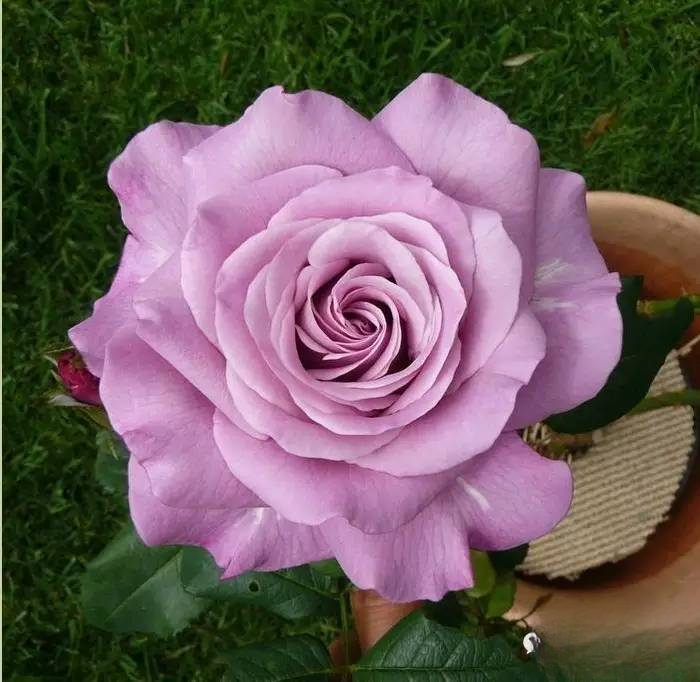
Choose some vigorous, horizontally spreading varieties, such as Austin shrubs, floribunda roses, and miniature roses.
II. Purchasing and Treating the Plants
What kind of seedlings are considered strong seedlings?
Tall seedlings aren't necessarily strong; vigorous root systems and fresh leaves are more important than anything else. If the root system is good, there's no need for acclimatization after receiving the seedling; it will grow immediately and much faster than slightly larger bare-root seedlings. If the root system is poor, the seedlings will die during the period when new roots are sprouting.
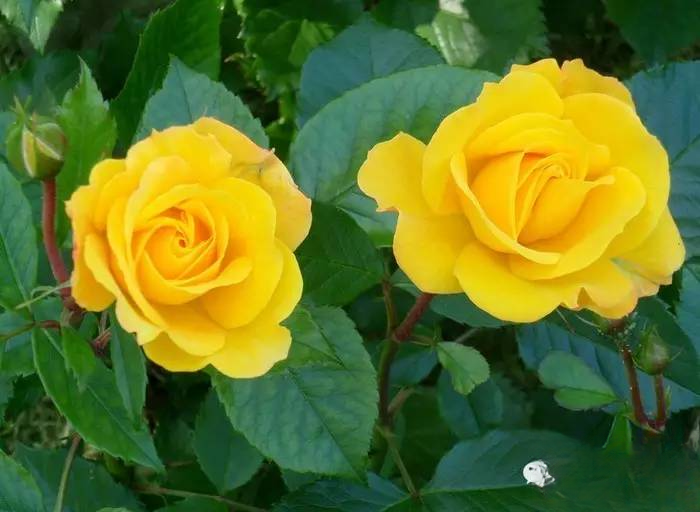
Leaves are also very important. The roots absorb water partly through root hairs, which are powered by concentration differences. This is the principle behind the problem of concentrated fertilizer burning the roots. When the fertilizer is too concentrated, the external concentration is too high, and the roots absorb all the water.
Part of the water absorption relies on the leaves. The transpiration from the leaves powers the roots to absorb water. If there are no leaves and the root system is weak, water cannot be absorbed, and the plant will dry out and die. Watering it more won't help. This is the principle behind why many plants bought in the fall with few leaves die.
In summer, the only thing you absolutely shouldn't prune is the stem. Many students see disease and cut off all the leaves, ultimately killing the entire plant. As long as the plant is healthy, it's fine, even if it's small.
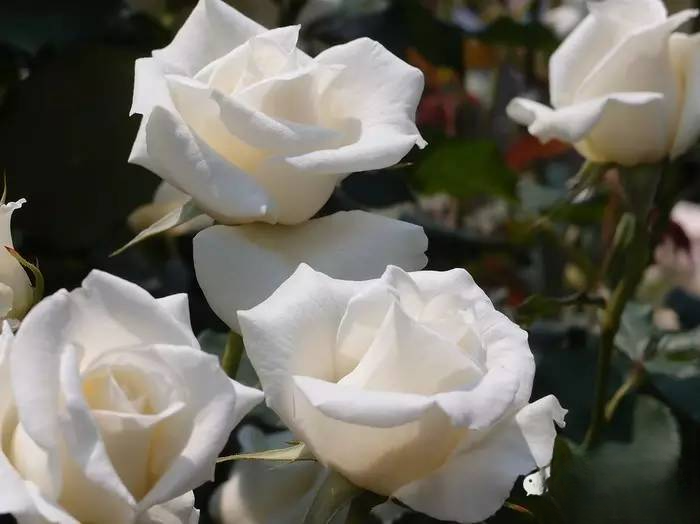
Problems with seedling establishment
If the root system is healthy and has many new white roots, there's no need for acclimatization. In spring or autumn, you can plant it directly in the ground or repot it and place it in the sun. In summer, plant it in the evening, water it thoroughly, and if the sun isn't too strong, it can be exposed to direct sunlight the next day. If the sun is too strong, place it in a shady place for a few days. Ensure good ventilation and indirect light. **Important:** Never, ever acclimatize it indoors. If you leave it indoors for a week and then expose it to direct sunlight, it will definitely die. If the root ball is very hard and you can't see new roots, you can slightly peel off a layer of soil to allow the roots to contact the new medium, which will promote root growth. If you're using peat moss, this isn't necessary; plant it directly without worrying about nematodes.
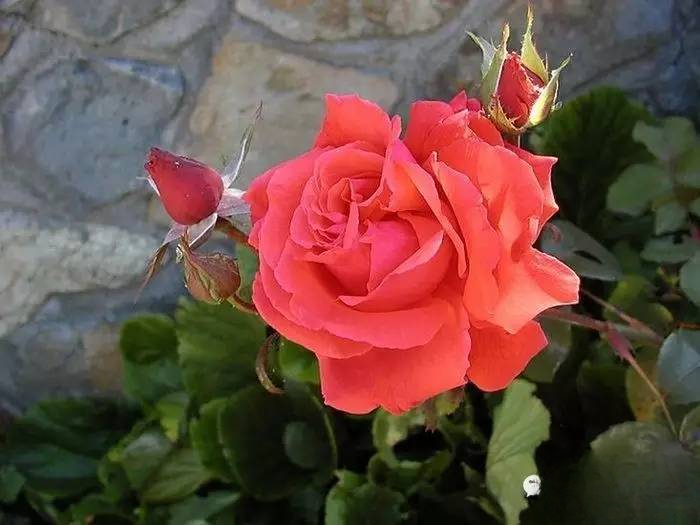
III. Medium
Although roses are not demanding in terms of growing medium and can grow well with almost anything, a good medium makes it easier to grow healthy seedlings and reduces maintenance costs. The most reasonable ratio for potted rose growing medium is 30% solids, 35% air, and 35% water. While it's not possible to strictly adhere to this ratio, you can use it as a guideline to mix various media. The soil ratio is 50% solids, 25% air, and 25% water.
The choice of medium is a complex topic, enough to fill a book, and involves many different combinations. Generally, you can just mix your own based on the materials you have around you, as long as they are loose and breathable.
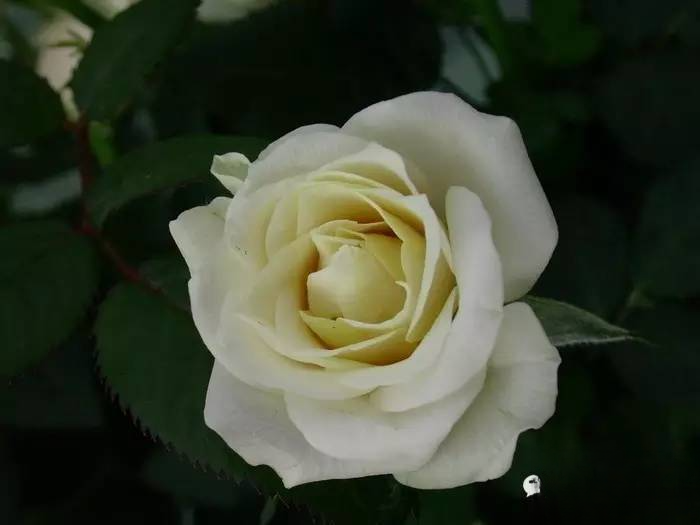
Common soil mix ratios include: garden soil: coarse sand = 6:4, peat moss: perlite = 6:4, and peat moss: pine bark = 6:4. These ratios are not very strict and can be adjusted to your liking. Adding some organic fertilizer would be even better. Organic fertilizer can slowly release nutrients through microbial decomposition, strengthen the soil's aggregate structure, make the soil loose, and improve its aeration and drainage, preventing it from becoming too compacted. It is recommended to add some organic fertilizer to pots with garden soil.
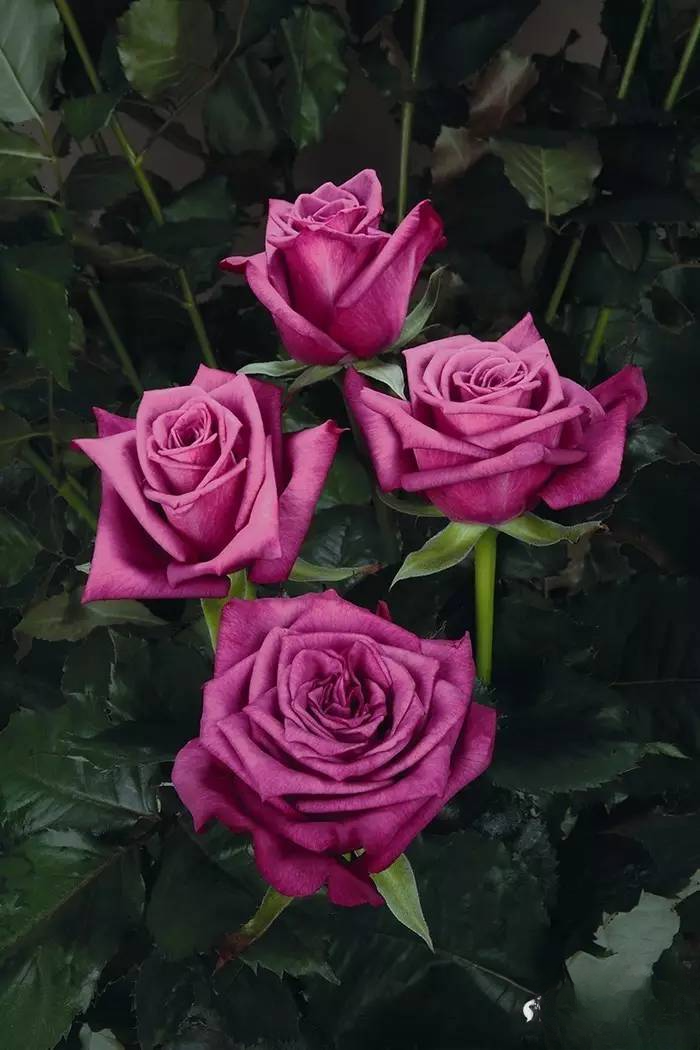
Another misconception to understand is that base fertilizer isn't placed at the bottom of the pot. That way, the fertilizer is easily washed away by water. It should be mixed into the soil or applied in a ring around the roots in the topsoil, as roots are attracted to nutrient-rich soil. Another common misconception is that potted plants grow better than those planted in the ground.
IV. Selection of Basins
Generally, seedlings that are about six months old can be transplanted into pots with a diameter of about 16 cm. Don't try to make it easier by transplanting them into a very large pot all at once, as this can lead to root rot if the water is not well controlled. Then, after about six months, transplant them into larger pots, each time by increasing the size by 10 cm.
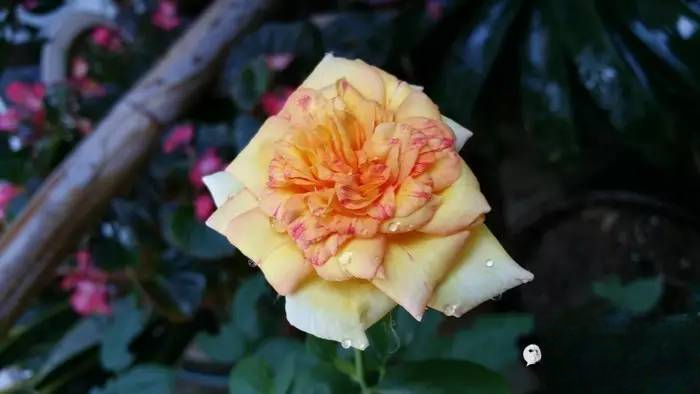
V. Planting
When planting, support the surface of the pot with your palm, then turn it upside down and remove the seedling pot directly. Then, turn it back upside down and plant it in the pot or planting hole. Never pull it out directly. Be careful not to break the root ball, as this will damage the root system. Even a slight squeeze will break many root hairs because they are so fine; you understand the importance of root hairs now.
After planting, water thoroughly as soon as possible. Even if it rains, be sure to water again. Watering allows the root hairs to directly absorb water while adhering to the growing medium, otherwise it will affect water absorption.
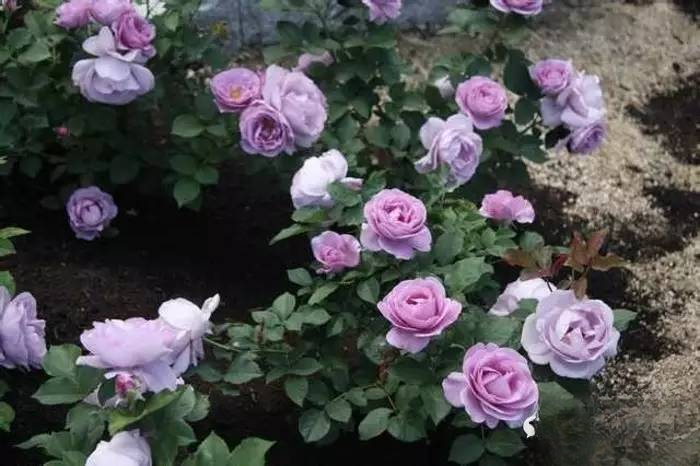
Some plant enthusiasts worry that water will freeze after planting in winter. Actually, having some water provides a buffer, but without water, the roots are more likely to freeze. So remember to water promptly after planting, and don't wait until the next day. What will happen to the roots if you don't water them overnight?
Yellowing leaves
Many plant enthusiasts have reported that the leaves turn yellow and then fall off after planting. This is actually caused by a lack of water at some point in the process. When the plant is short of water, it produces abscisic acid to reduce water evaporation, causing the leaves to fall off as it tries to enter dormancy. While this won't necessarily kill the plant, it will affect its growth. Many bare-root seedlings also experience this issue.
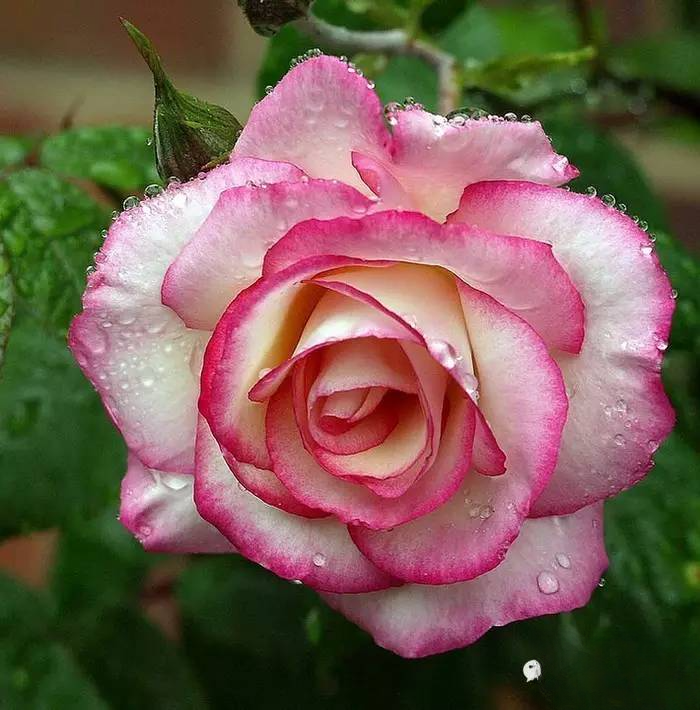
VI. Fertilization
Plants need nitrogen, phosphorus, and potassium most, followed by trace elements. Organic fertilizers also utilize these nutrients, but they are released more slowly, ensuring a long-term supply of nutrients to plants and promoting a looser texture.
Chicken manure and bone meal are the main sources of phosphate fertilizer, but their effects are slow. Phosphorus promotes flowering, so it is very beneficial for roses. Wood ash is the main source of potassium fertilizer, which promotes strong branches. Soybean cake contains a lot of nitrogen and phosphorus fertilizer.
Therefore, these chemical fertilizers can meet the needs. Roses aren't edible, so a little chemical fertilizer is fine. The simplest and most convenient option is controlled-release fertilizer. Controlled-release fertilizer is formulated according to the plant's needs and can be used once a year. It's very convenient, and the release rate varies depending on the amount of water and the temperature, so you don't need to worry about winter or anything like that. If you don't have controlled-release fertilizer, you can spray foliar fertilizer or water it in regularly. Dilute water-soluble fertilizer to about 1000 times its original concentration and apply it once a week to ensure healthy and robust plants. However, different ratios of nitrogen, phosphorus, and potassium are needed at different seedling stages. Use more potassium for seedlings and in autumn, more phosphorus for flowering, and more nitrogen for leaf growth. But for simplicity, a general-purpose fertilizer is usually sufficient.
Bare-root without fertilization
However, this is under the premise that the roots are bare or the medium contains a small amount of fertilizer, such as organic fertilizer. If you are using new, unfertilized potting soil and the root system is good, then you definitely need to fertilize. It's best to apply diluted fertilizer frequently, otherwise the roots and leaves won't grow well due to lack of nutrients.
Misconception: You can't fertilize in summer .
Summer is the time of year when plants grow the fastest. If you feed them too much at this time, how can they grow quickly? This may cause them to go dormant or something. This is also why summer flowers are often small. In summer, it is best to apply light fertilizer frequently and water and fertilize heavily. This will make them grow quickly and produce large flowers.
VII. Pruning
There's a lot to say about pruning, and I'll elaborate on that later. I'll just briefly mention it; you can understand it by looking at a picture.
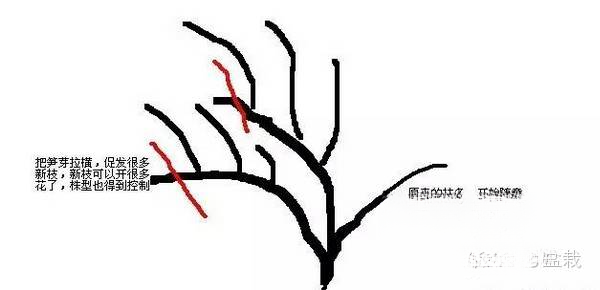
If you follow this method, you'll definitely be able to grow a very full and round plant. Many people always say that this plant is easy to grow into a tree shape, or that plant into a tree shape, but actually, that's just because you've spoiled it. If you prune it like this from the beginning, it won't grow into a tree shape. With just a few branches tied straight up, how can you encourage the growth of new shoots? It will only keep growing upwards.
However, I want to emphasize a few points about major pruning in winter. First, the pruning method differs for each type of rose. Old roses have their own pruning methods, miniature roses have theirs, and climbing roses have theirs. To roughly remember, old roses can be pruned higher, leaving more branches, while modern roses only need three to five large branches per plant, pruned to about 30 to 45 cm.
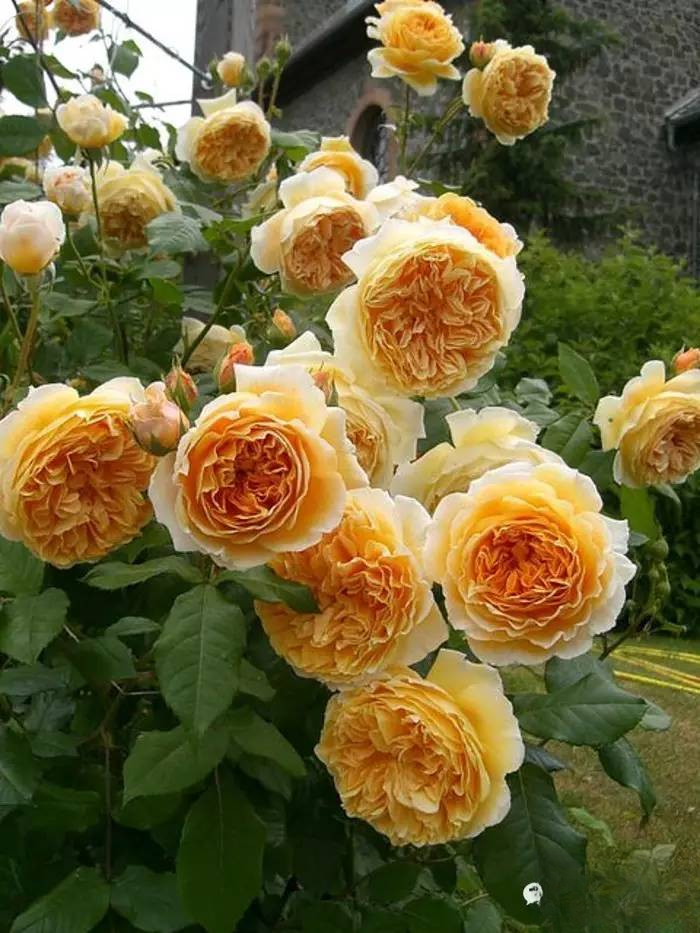
Seedlings that have been purchased for only six months do not need to be pruned in winter. Let them accumulate nutrients, resulting in more leaves, faster growth, and a better root system, with the number of branches and leaves directly proportional to the number of roots. This way, they are more likely to sprout new shoots in spring, and they will not lose leaves in winter. Pruning can be done after the new shoots appear.
8. How to promote bamboo shoot growth
To grow thick and strong bamboo shoots, you need to do two things;
First, the nutrition must be adequate, the seedlings are very strong and have sufficient fertilizer;
Secondly, to break apical dominance, you can bend or pull the branches horizontally. Although pruning can also destroy apical dominance, it will affect the plant's nutrient absorption. So try to keep as many leaves as possible, which will definitely produce a strong shoot. If the original branches are very thin and weak, you can cut them off. Also, be careful not to do it too late, otherwise the shoots will freeze in winter.
IX. Frequently Asked Questions
Black Dry
This is mainly due to weak seedlings and poor root systems. This is an inherent problem, and medication will not be very effective. It is recommended to increase ventilation and keep the growing medium slightly dry.
Yellow leaves
One issue is that the older leaves at the bottom of the bottle turned yellow immediately after receiving it. This is due to premature aging caused by shipping and is not a major problem. The number of roots and leaves is directly proportional; if the roots are slightly damaged, the number of leaves needs to be reduced to restore balance.
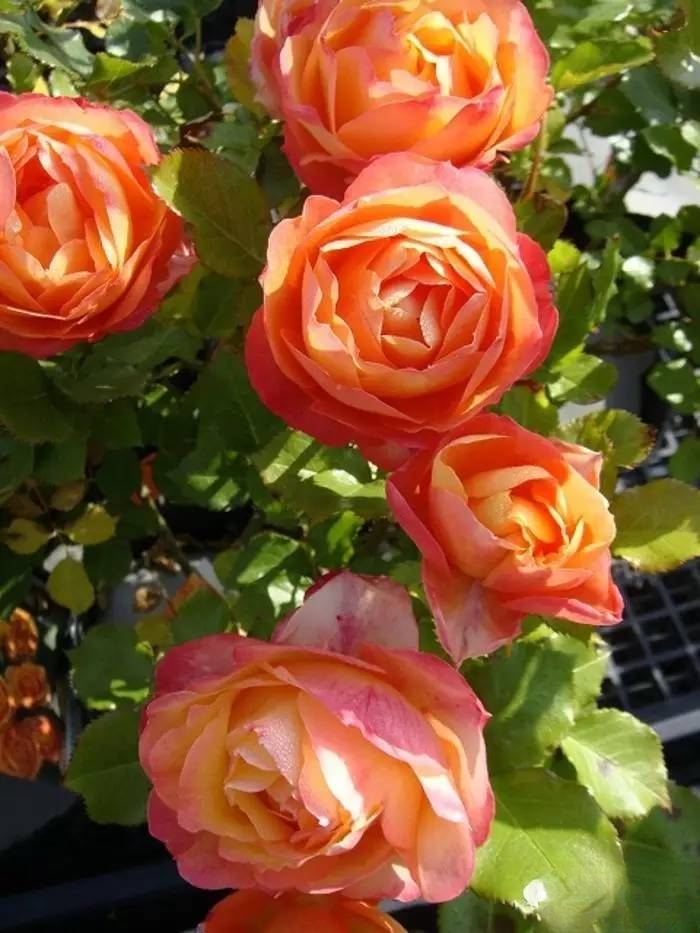
Yellowing leaves due to lack of water
Another issue is yellowing leaves, mainly caused by unintentionally drying out. You might water thoroughly in the morning, but the plant still wilts due to lack of water by midday. Although it may recover by evening, you might think it's fine, but damage has already occurred. After drying out, the plant needs dormancy to minimize losses, the most direct manifestation of which is leaf drop. Alternatively, the plant may simply dry out completely. In this case, don't water thoroughly immediately. First, spray some water, then water lightly, and wait for it to recover before watering thoroughly again. Never water heavily immediately after the leaves have dried out completely, as this will inevitably lead to root rot.
10. Pests and Diseases
For pests, you should apply pesticides as soon as you see them. The main pests are spider mites and
caterpillars.
You should all recognize them, right? Apply pesticide as soon as you see them. If there aren't many seedlings, pinch them off if you can; otherwise, wash them with water. Take a spray bottle and spray them daily for three days, and they'll be clean. Remember to spray the undersides of the leaves. If there are many roses and many pests, then you'll have to use pesticides. Generally, you can use abamectin or pyridaben; this is the most commonly used. If that doesn't work, you can try a new pesticide, which might be a bit expensive, but it's very effective.
Green caterpillars
If there aren't many, just pinch them off. If there are many, I recommend using a biological pesticide, specifically a bacillus-based one. It's effective for about a month and is non-toxic to humans, so this is the best option.
Aphids
Generally, applying a small amount of imidacloprid will suffice.
Diseases
The main diseases are black spot and powdery mildew. Prevention is key. Spray the affected areas once a week to every two weeks, alternating between the two, and also spray again after each rain.
(Black spot)
Black spots will appear on the leaves, and the surrounding area will turn yellow. In severe cases, the leaves of the entire seedling will turn yellow and fall off, which has a significant impact.
powdery mildew
White powder appears on the leaves, causing them to curl. This is common in spring and autumn, and prevention is usually key. Once it occurs, it can be quite troublesome, especially on young leaves. It's easiest to simply cut them off. However, some pesticides are quite effective against this. The powdery mildew died after three days of spraying
; the fungicide killed it.