Complete Guide to Flower Pruning
Growing flowers requires proper pruning. Correct pruning not only encourages larger and more abundant blooms but also helps cultivate high-quality flowers and reduces yellowing leaves and pests/diseases. Especially in spring and summer, mastering the timing and methods of pruning is crucial for timely and vibrant flowering. Today, we've compiled pruning techniques for fifty common flowers—let's learn together!
Pruning method:
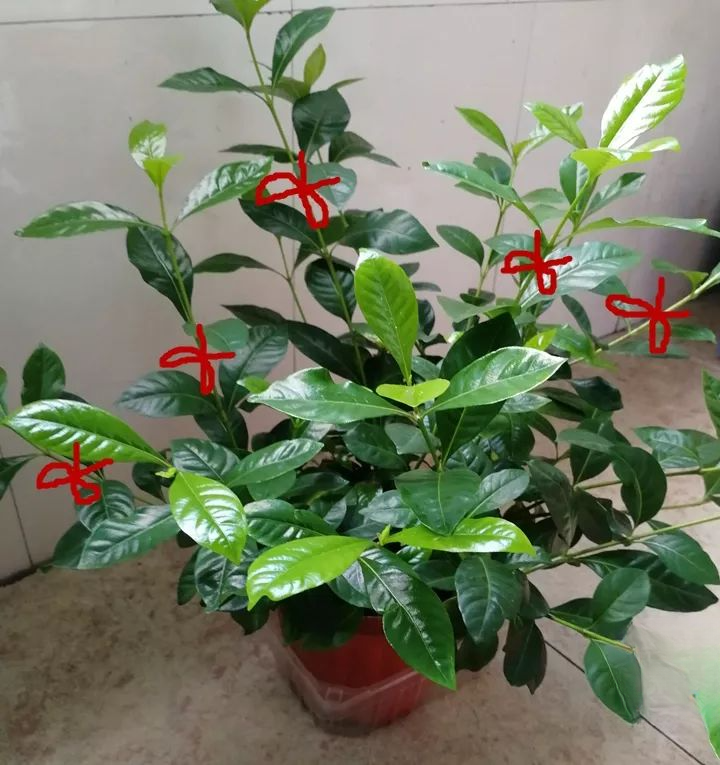
1. After the flowers have finished blooming, you can cut off the withered flowers. If it is a small-leaved gardenia, it can quickly bloom a second wave of flowers, while the large-leaved gardenia blooms only once a year.
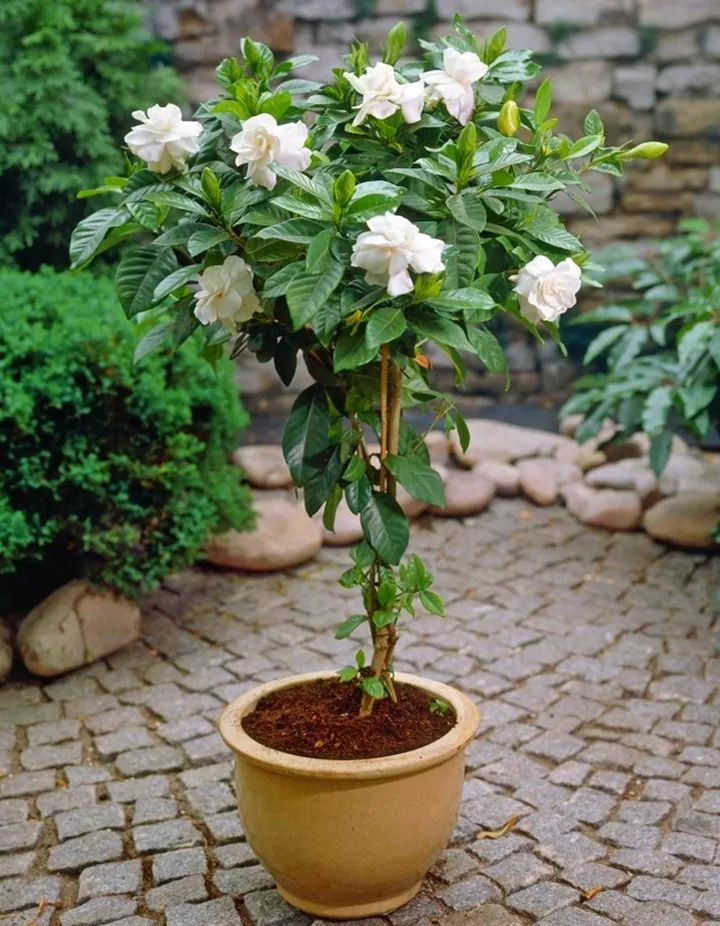
2. Pruning can be done again every autumn. After pruning, nutrients are concentrated on the strong branches, which will produce large flower buds the following spring.
Pruning method:
1. Bloom every year. Prune before the roses sprout. Shrub roses can be pruned to 20cm above the ground, and climbing roses can be pruned to retain only the strong main stems.
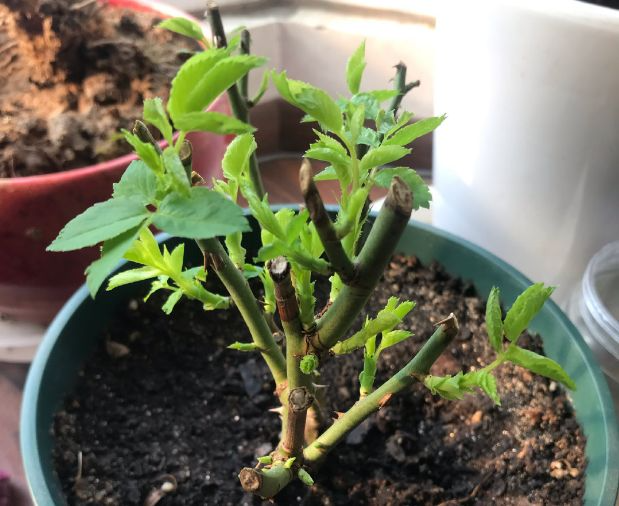
2. Before the flowers bloom and fade, prune 10-20cm of the stem along with the flowers. Blind branches and buds can be pruned at any time to save nutrients and ensure rapid re-blooming.
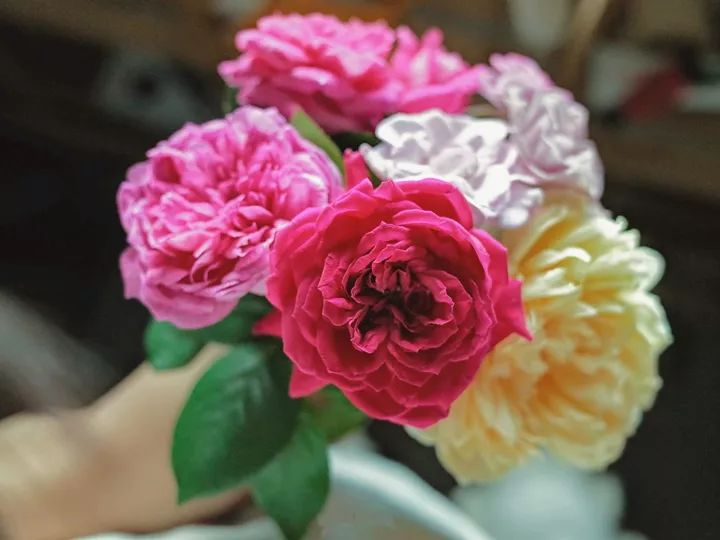
3. Prune in winter, generally around the beginning of winter. Prune thin and weak branches, branches with pests and diseases, and try to cut off flower buds in frosty or snowy weather to avoid frost damage.
Pruning method:
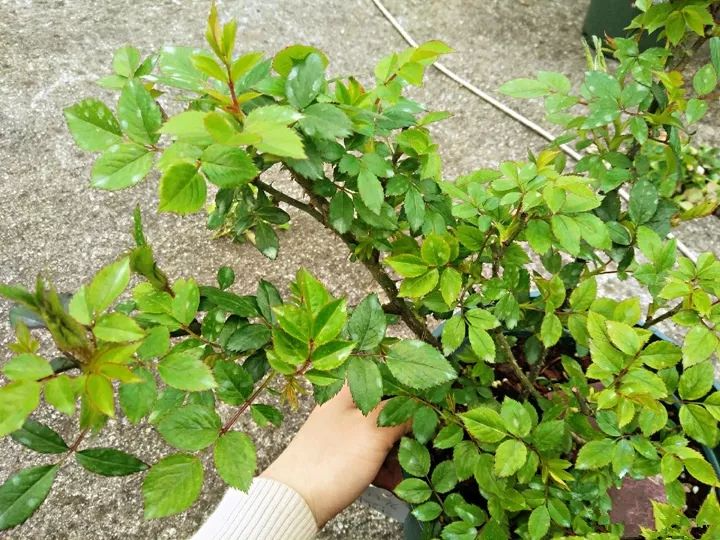
1. Heavy pruning can be done from mid-March to early April. First, prune the leaves (do not tear them off roughly, keep the buds in the leaf axils), then prune the branches, only pruning the green branches with 2 long leaf buds.
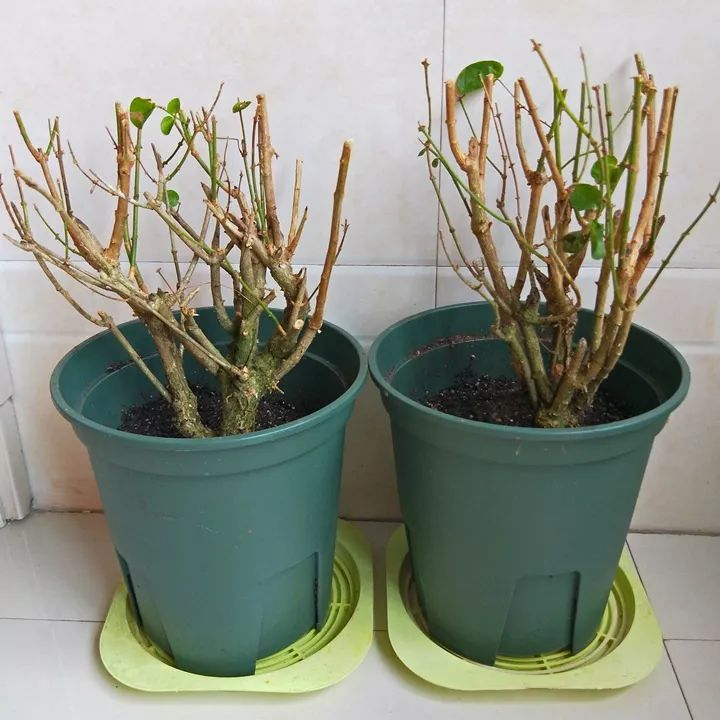
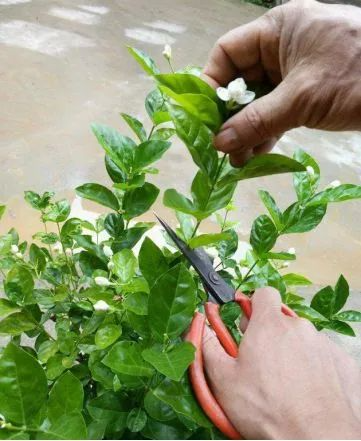
2. Prune after each bloom, cutting from the second or third pair of leaves below the flower to conserve nutrients and stimulate the jasmine to bloom again;
3. When the temperature drops below 5 degrees Celsius in winter, you can prune the top appropriately, removing any overgrown or excessive branches to conserve nutrients for winter.
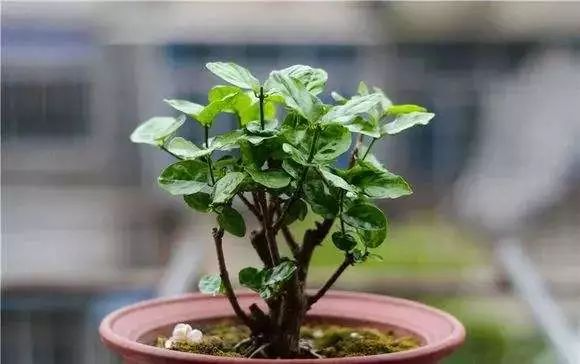
Image by: Dawn
Pruning method:
1. After surviving the summer, prune heavily in September or October. In late summer and early autumn, prune away all the overgrown and deformed branches of the geranium, keeping only the old trunk.
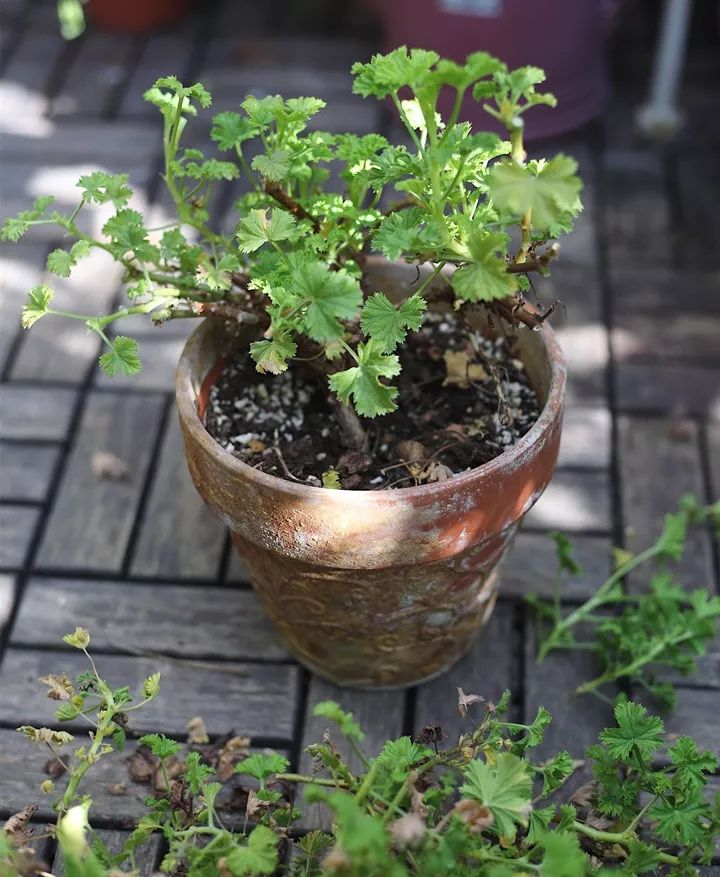
Image by: Coco
2. To encourage more branches to grow, pinch off the tips and prune the tops around February, before the new shoots sprout. Pinch off 3-8cm from the top of the branch. Try to do this before March to avoid affecting flowering.
Pruning method:
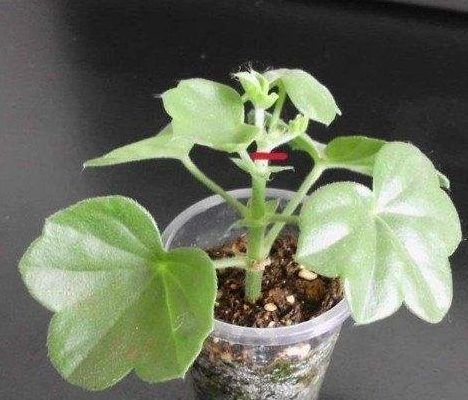
1. The first time there are relatively few flower buds, so you can pinch off the flower buds to promote branching and growth. After more branches and flower buds grow, the plant will fill the pot faster.
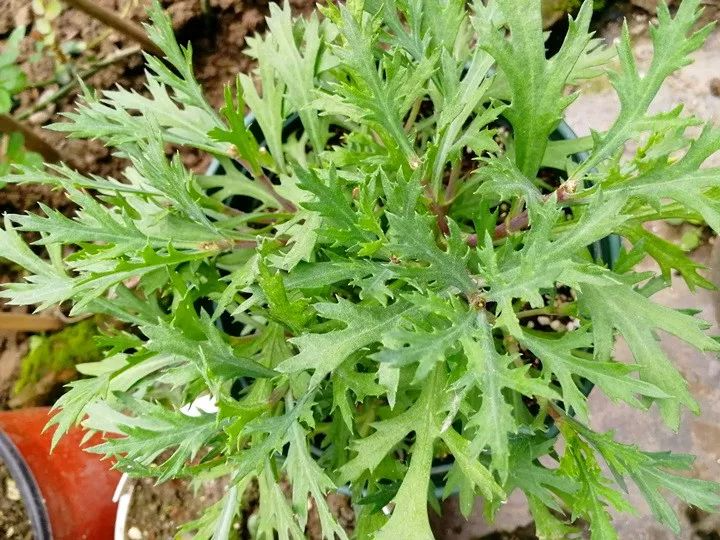
2. When the flowers are about to fade, cut off the withered flowers and excessively long branches and leaves to form a spherical shape. Cut off 5-10cm to ensure a second bloom .

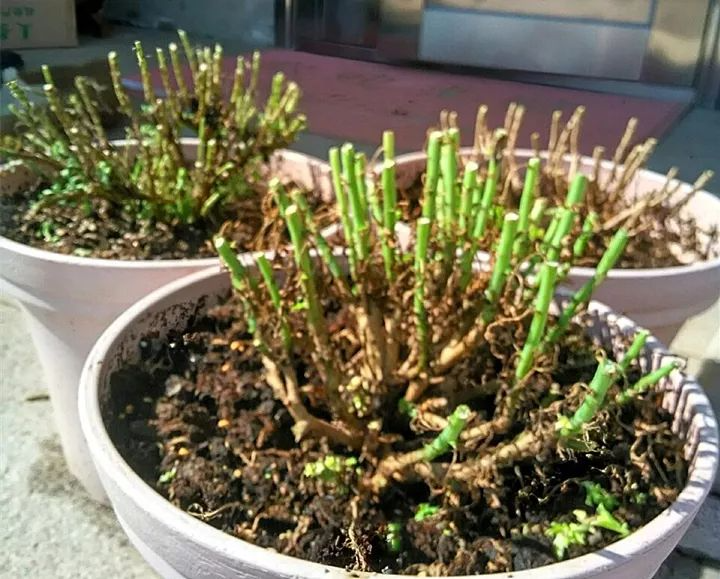
3. In the spring of the second year after winter, in February or March, prune heavily, keeping only the old stumps 5-10cm off the ground .
Pruning method:
1. Prune the plant when it is almost finished blooming (ideally before the flowers fall off), cutting off about 5-8cm of the flower and leaves. It will bloom again in 1-2 weeks .
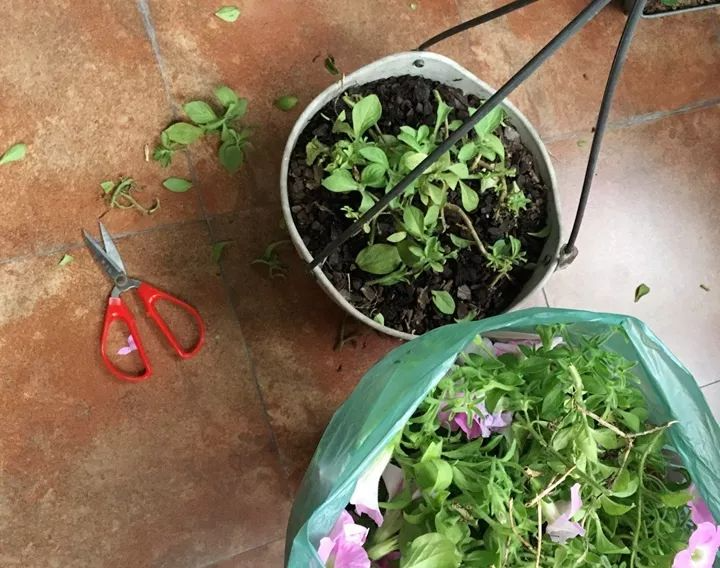
2. Although petunias are perennials, they generally bloom best in 1-2 years. In early spring of the second year, in February or March, they can be heavily pruned, leaving only branches 5-10cm from the ground. They will bloom profusely again in one month.

Pruning method:
1. Asparagus ferns grow and recover quickly in spring and autumn, making them ideal for pruning. Asparagus ferns are considered seedlings for the first 1-2 years, and need to be topped in spring and autumn to shorten them and prevent them from growing too long and becoming unsightly.
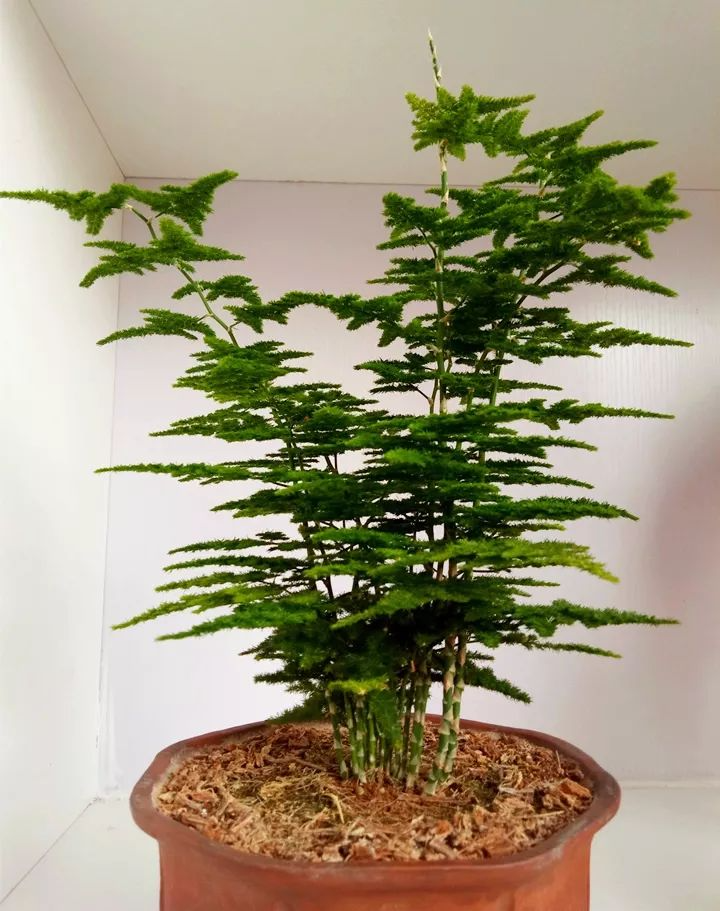
2. For asparagus ferns that are 2 years or older, you can shape them by pruning yellow and diseased leaves, as well as unwanted branches, to maintain their aesthetic shape.
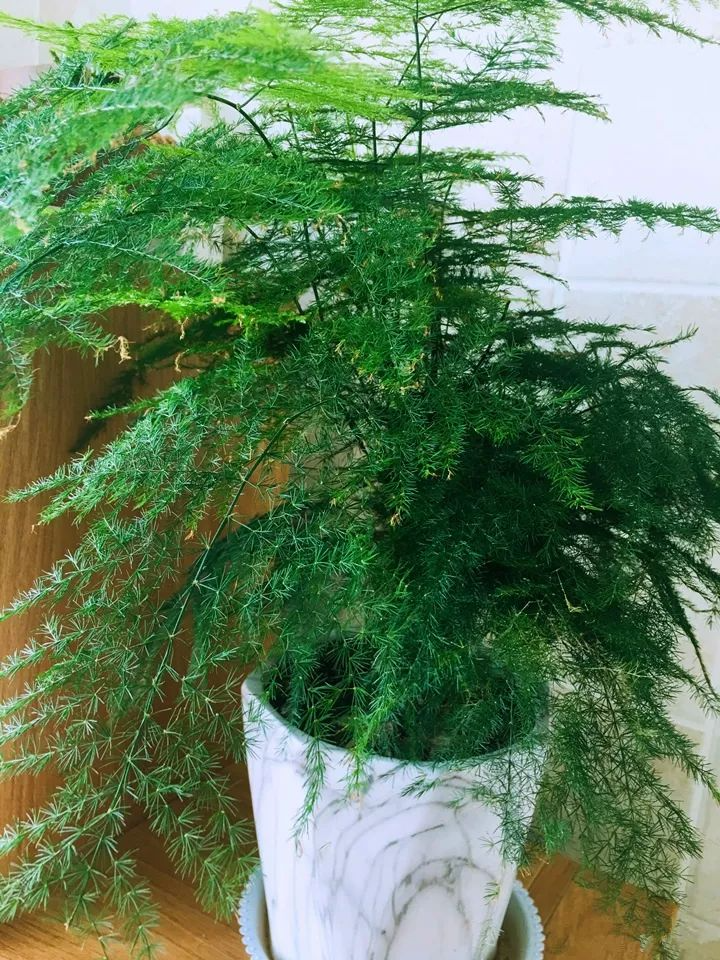
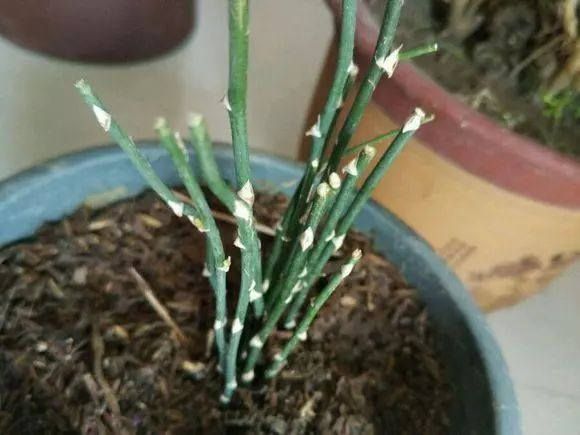
3. If the asparagus fern has a large area of yellow leaves or is not growing well, you can cut off all the leaves and leave only the thicker stems to allow it to grow again.
Pruning method:
1. If the leaves of your snake plant grow too tall, you can trim them to ensure balanced nutrition. The trimmed leaves can also be cut into sections for leaf propagation .
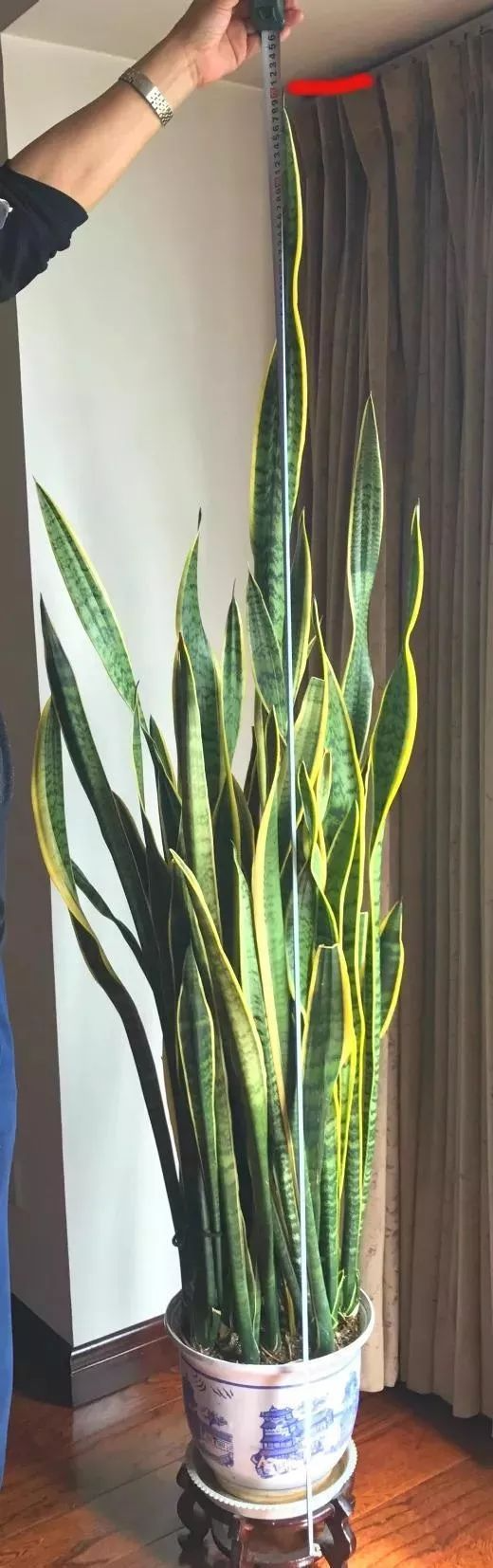
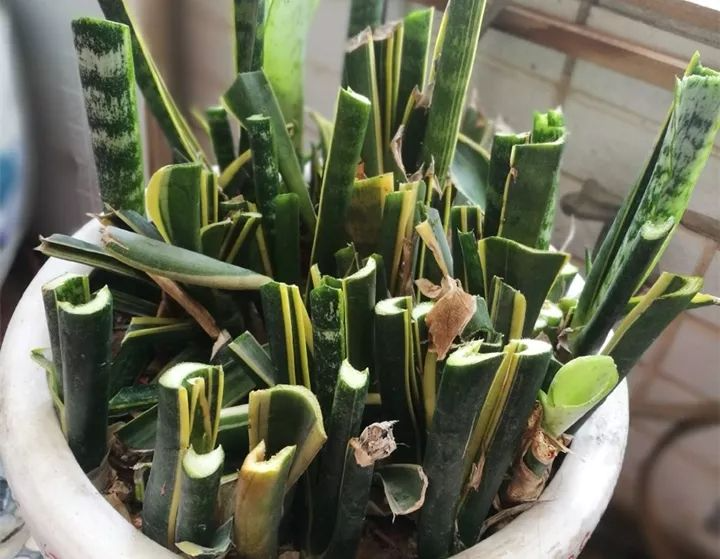
2. If the plant becomes waterlogged, frostbitten, or wilted, it should be pruned. It is best to use a blade to cut it off in one stroke. After cutting, avoid direct sunlight and let the wound dry. Do not water it. Wait 1-2 weeks before watering.
Pruning method:
1. Prune in March or April when growth begins, and sort out the dense and intersecting branches to ensure that each branch can receive sunlight and has its own independent growth space.
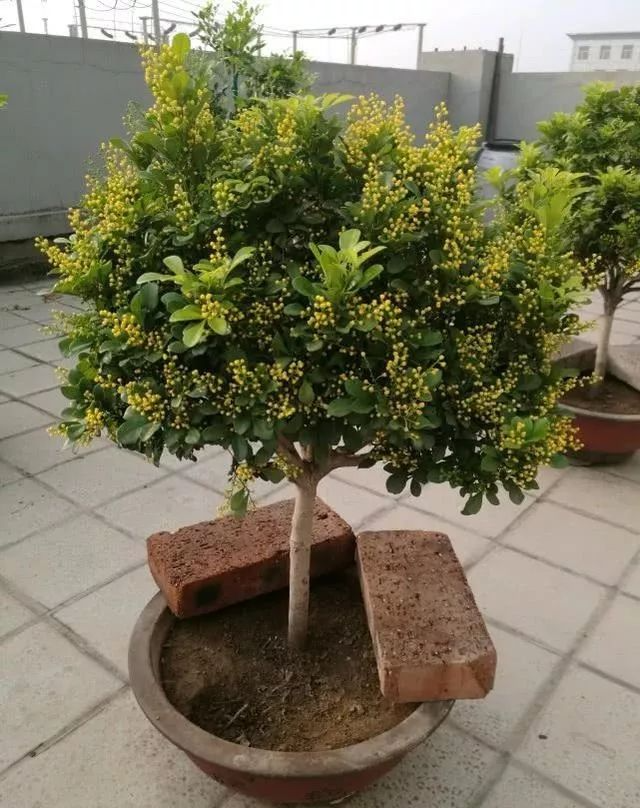
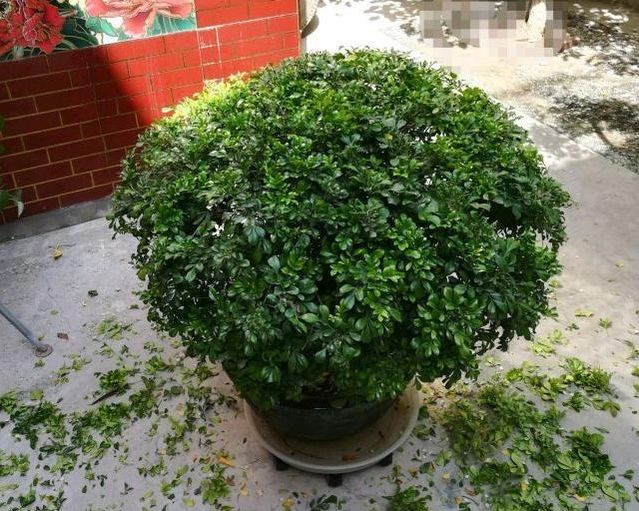
2. Prune in November and December when growth is slow in winter. Remove diseased and weak branches and cut them into a general shape. This will save nutrients and allow the plant to grow in the desired shape.
Pruning method:
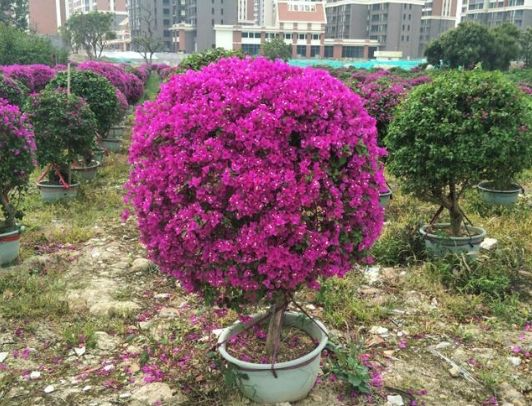
Pruning should be done in 1-2 months, before flowering. First, plan the general shape and cut off messy, weak, and overgrown branches;
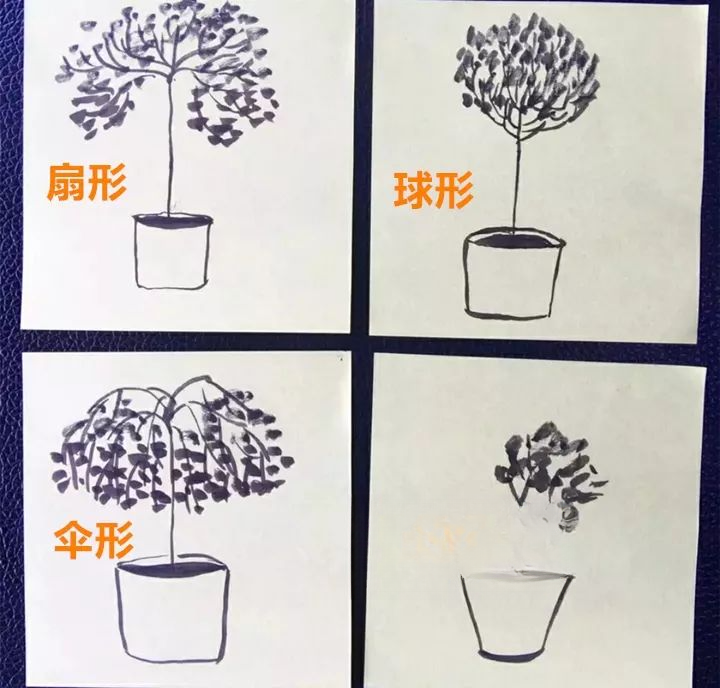
2. When the flowers are about to fade, prune them. Depending on the length of the bougainvillea, cut off 3-15cm including the flowers. After pruning, water less. After 1-2 weeks, water with phosphorus fertilizer solution, and it will bloom again soon.
Pruning method:
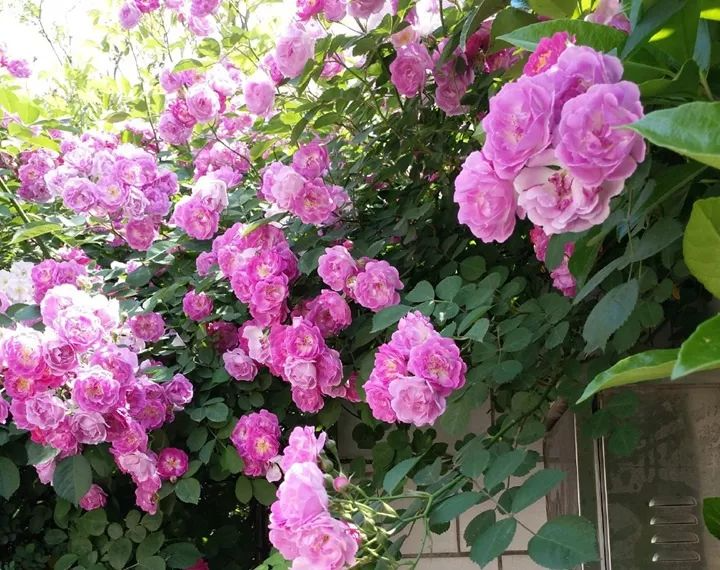
1. Prune in January or February before the buds sprout , keeping only the main branches. The growth will be faster than if not pruned, ensuring accelerated growth in the new year.
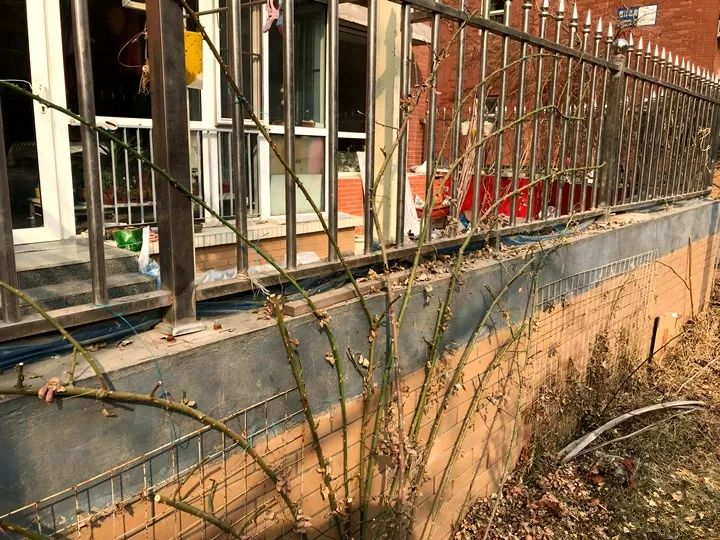
Image by: Free Handmade Baking
2. Pruning after flowering can help control the shape, prevent growth in an undesirable direction, conserve energy for new branches and leaves, and increase the coverage area.
Pruning method:
1. Whether planted in the ground or in a pot, after flowering in spring and summer (preferably before the flowers wither), prune the flowers along with the spent blooms to conserve nutrients .
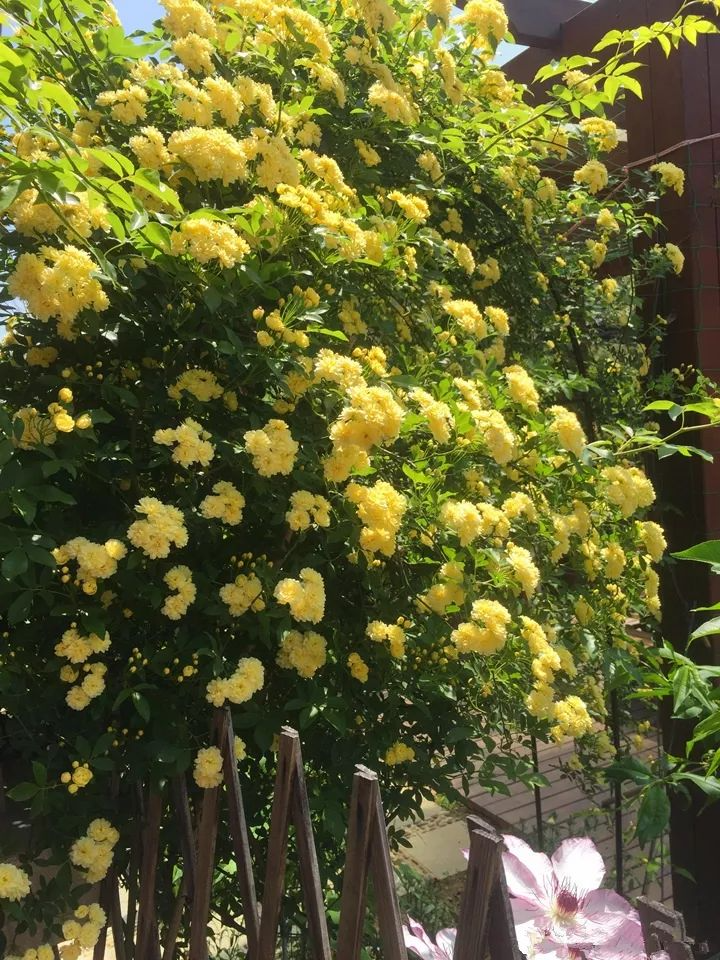
Image credit: Tall Land Water TSOG
2. In August, when the temperature is suitable, new shoots should be pruned to ensure the quality of flowering the following year and reduce the situation of having more leaves than flowers.
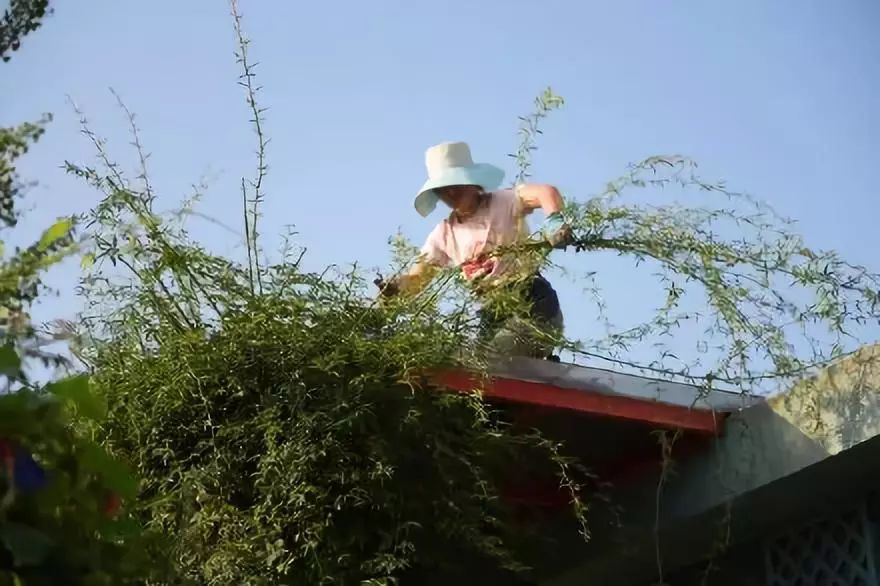
Image credit: Houye from Flying Cat Country House
Pruning method:
Pruning should be done in January, February, and March, mainly to stimulate growth and flowering. All diseased and weak branches after winter can be pruned off completely.
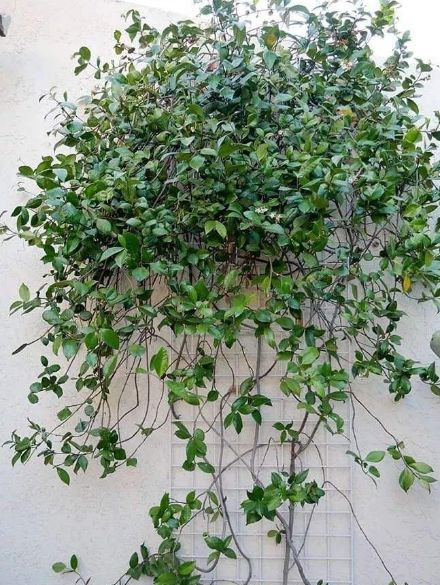
2. Prune in August or September. After the summer sun exposure, many branches will look worn and tough. Pruning them can help maintain growth and prevent pests, diseases, and slow growth.
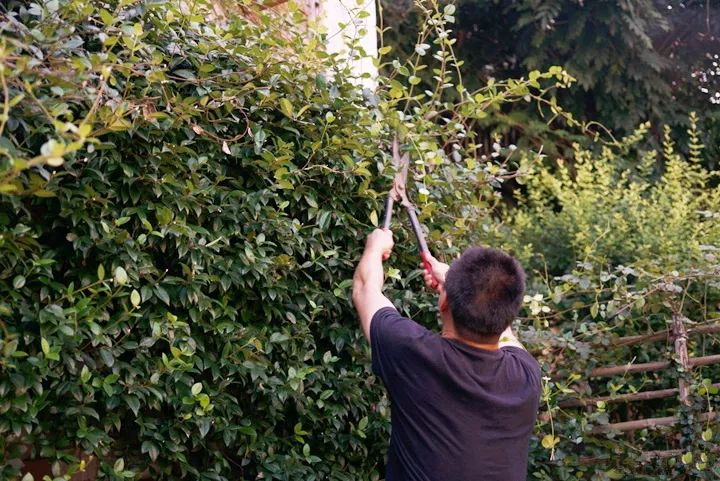
Image by: Twelve Barbarians
3. Prune in November or December to prepare for winter. Prune according to your personal preference to create a general outline and shape. This will save you a lot of trouble and effort the following year.
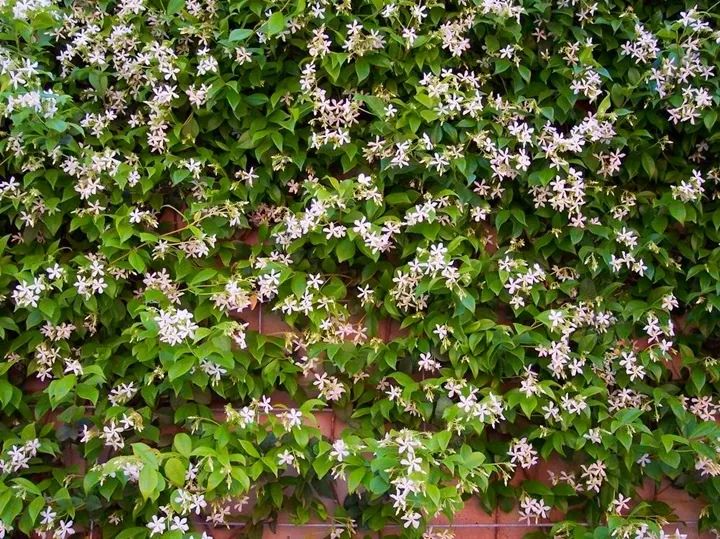
Pruning method:
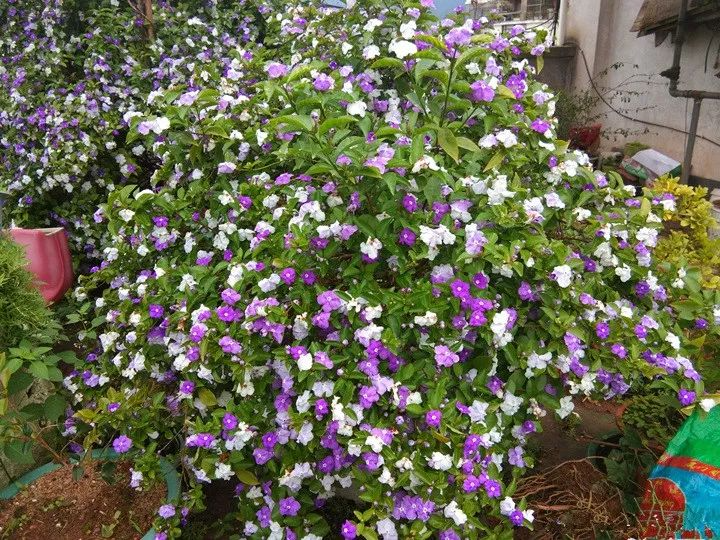
1. The flowering period of bicolor jasmine is from March to October. When the flowers are about to fall, prune them. Cut off the spent flowers and stems together to a length of 3-8cm. Also, prune any overgrown branches that do not flower.
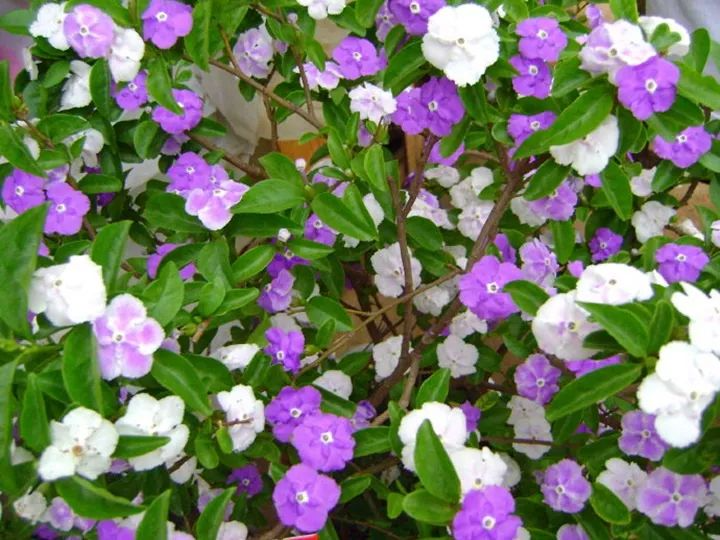
Image by: Hanfu
2. In winter, you can prune it to shape it. Generally, you will top it and press it down to prevent it from growing too tall. If it is planted in the ground, you don't need to control it. Just prune the long and weak branches.
Pruning method:
1. Prune in the middle and late January in the south and in February in the north. Only prune diseased and weak branches after winter, as well as branches that grow crosswise, to ensure the quality of flowering this year.
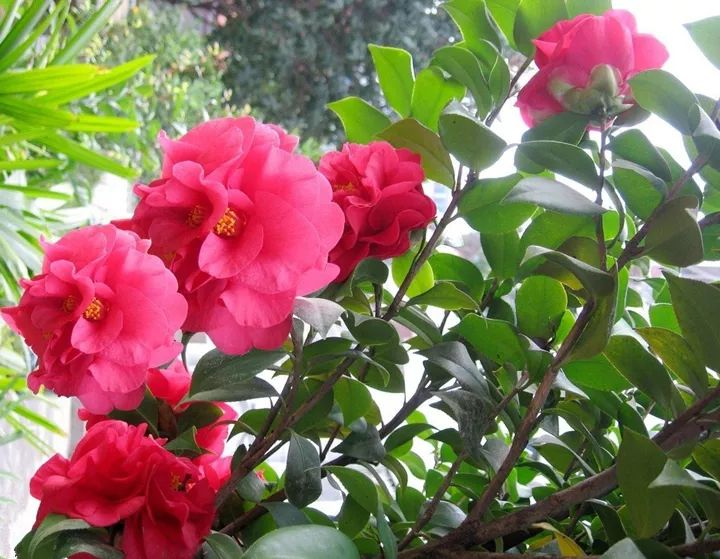
2. Prune the tree around April after flowering. When the flowers are about to fall, prune off 10-20cm of the branches along with the flowers, and remove the lower branches to maintain an upward-growing tree shape.
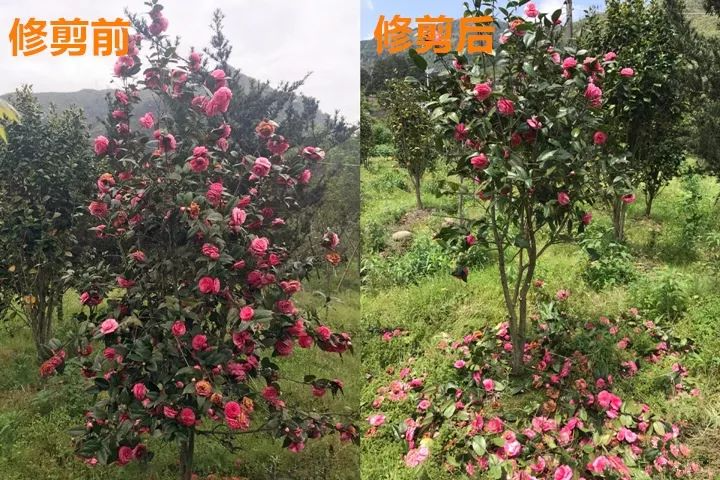
Photo by: Muyi Garden Florist
Pruning method:
1. Pruning can be done after the flowering period each year. After the petals wilt, cut them off along with the flower stalk below the flower to conserve nutrients for continued growth and prevent yellowing leaves.
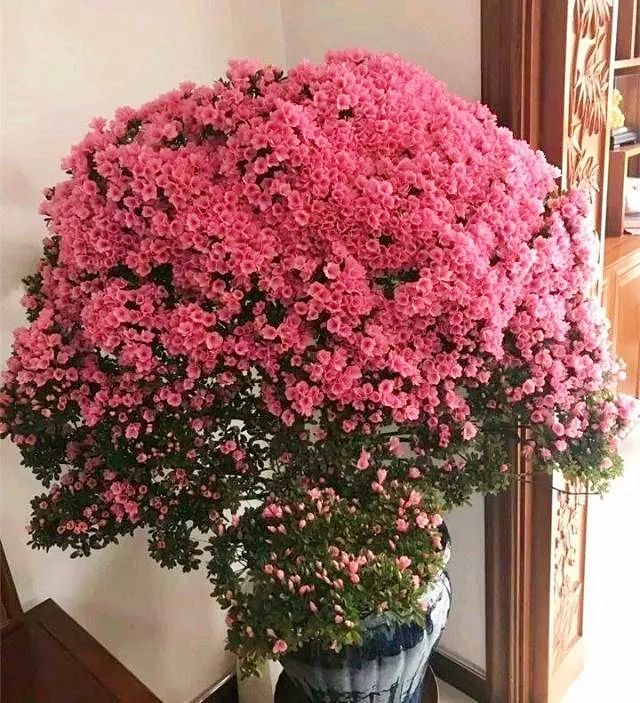
2. After pruning the spent flowers, the azalea will grow vigorously with new branches and leaves. You can prune away the overgrown, tender branches. If the azalea grows too tall, remember to top it off to encourage it to spread out. This is generally done in late spring and early autumn; do not prune it in summer or winter.
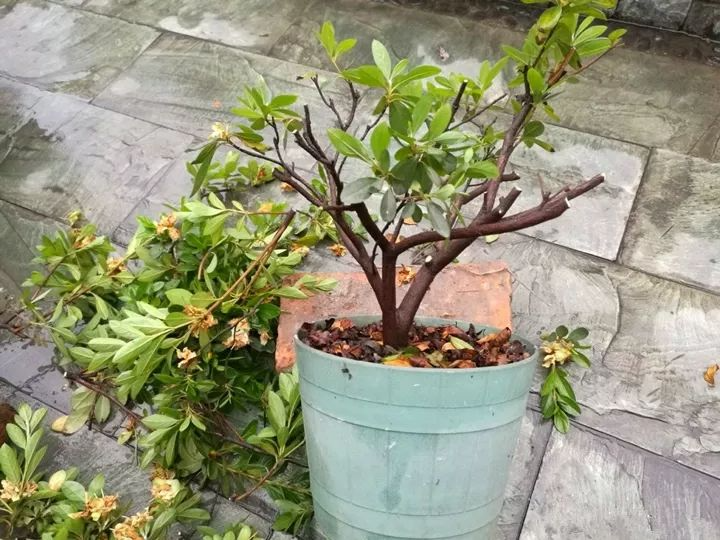
Image credit: Happyjeep
Pruning method:
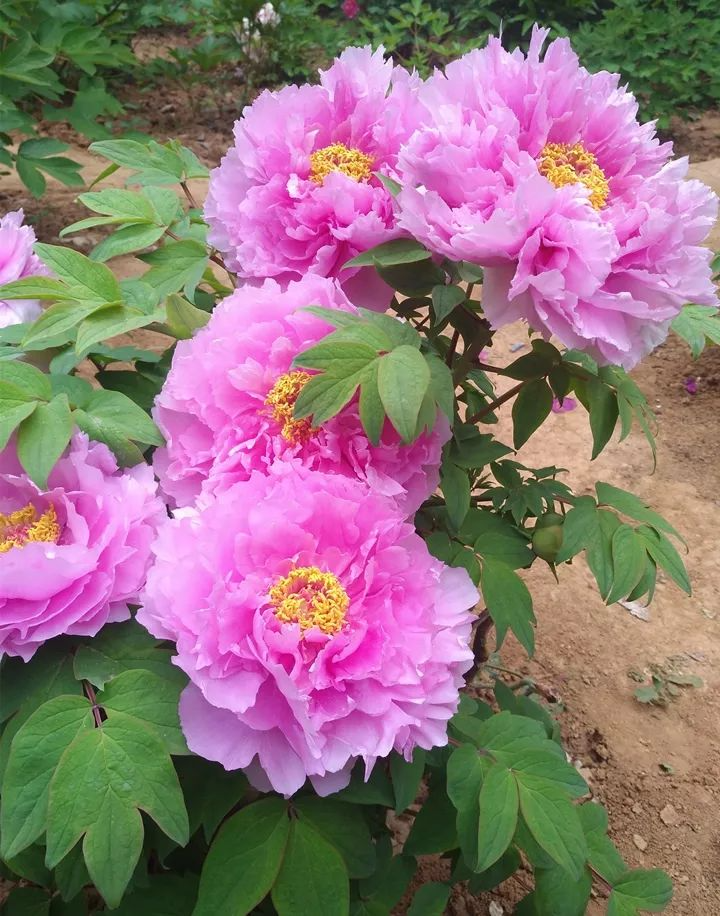
1. Prune after flowering. When the flowers are almost finished, cut off the withered flowers. You can cut them quite hard, leaving about 20cm above the ground. This will encourage more basal buds to grow, resulting in larger and more abundant flowers the following year. Do not prune branches that have not yet flowered.
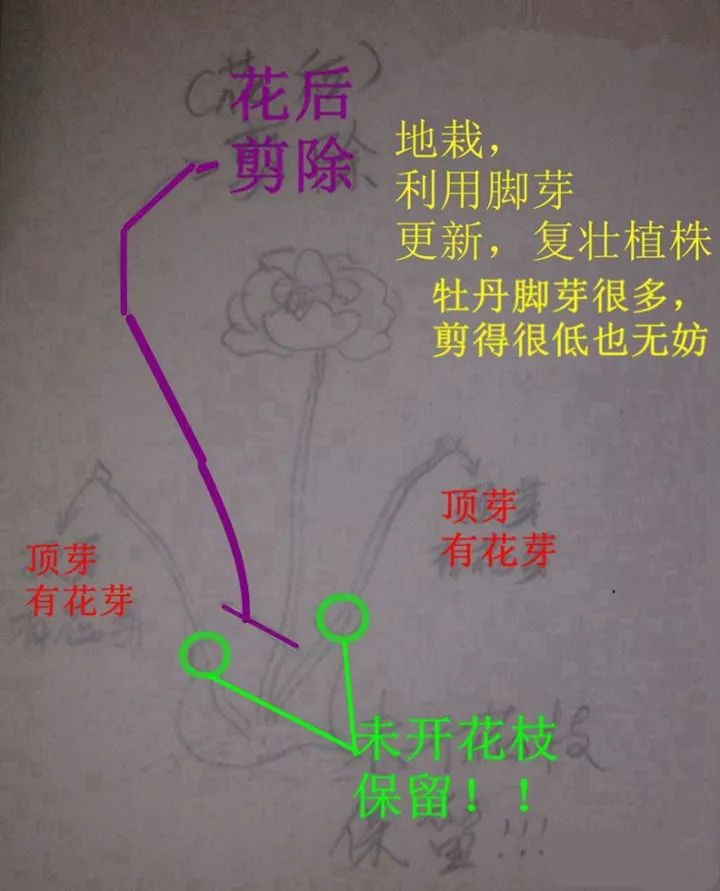
2. Prune in the spring of the second year. In the south, prune in mid-to-late January, and in the north, prune to 20cm above the ground (retain 2 buds on each branch). Pruning will promote growth and result in larger and more abundant flowers.
Pruning method:
1. Perform normal post-flowering pruning in July and August. After flowering, cut off the spent flowers, including 10-20cm of the branch. Do not cut off branches that have not yet flowered. If you have purchased hydrangeas that have already flowered, you can lightly prune them after flowering, and then prune them again in July and August.
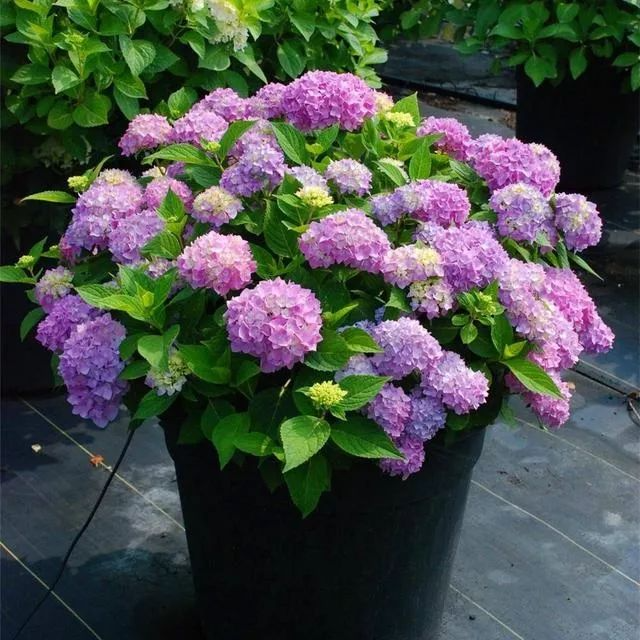
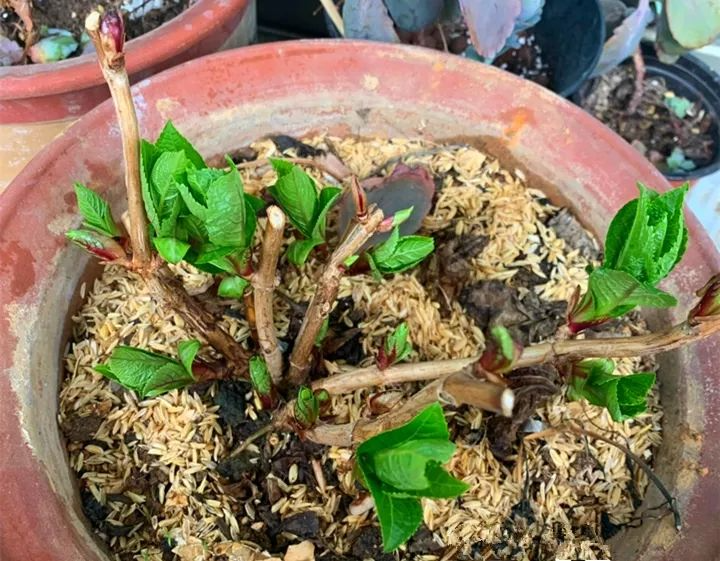
2. Hydrangeas that can bloom on new shoots, such as Endless Summer, can be heavily pruned in January or February to stimulate growth and flowering. It is not recommended to prune other hydrangeas.
Pruning method:
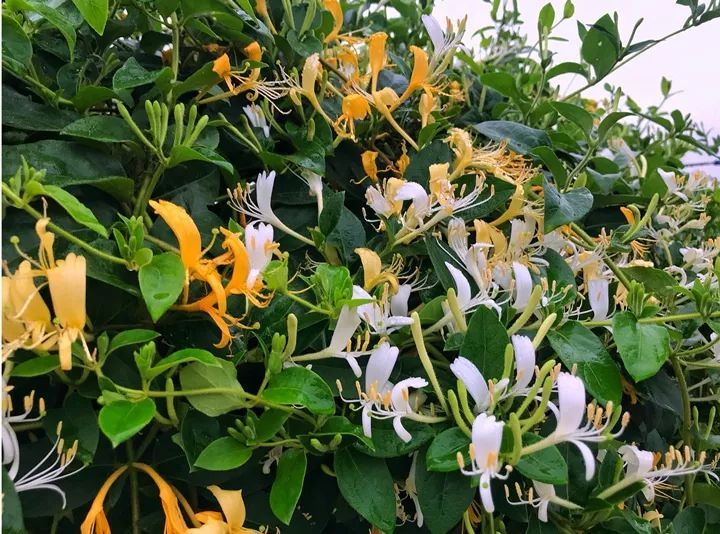
1. Pruning is generally done at the end of winter. In the south, it can be done in January or February, and in the north in February or March. First, cut off the messy branches to ensure light and ventilation. Then, remove the weak branches and keep the strong branches.
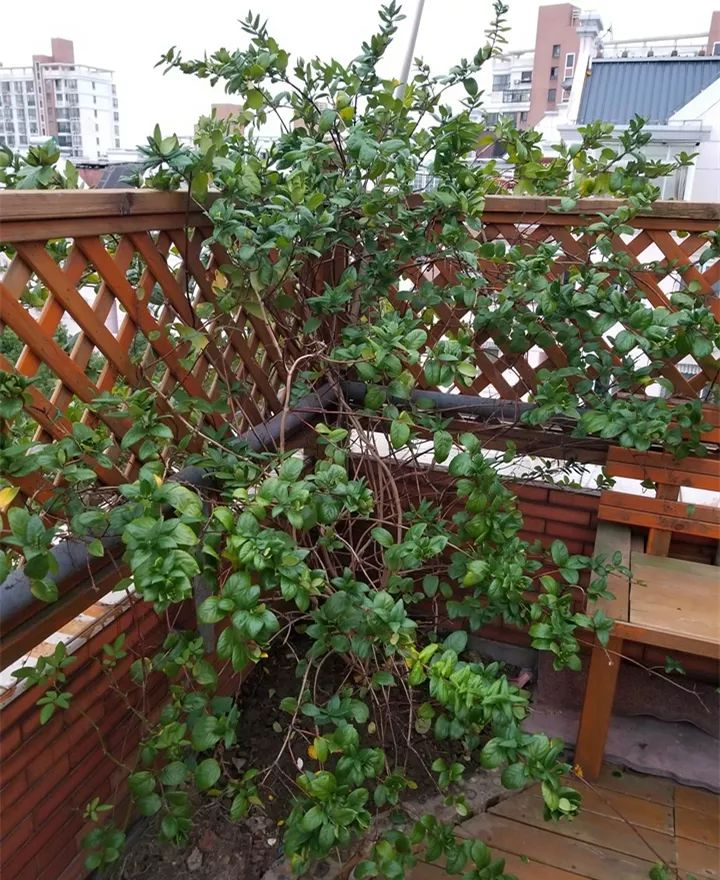
2. After flowering, the buds can be picked on a sunny day, washed, dried, and made into honeysuckle tea. The buds are rich in nutrients after picking and will continue to produce buds in a short period of time.
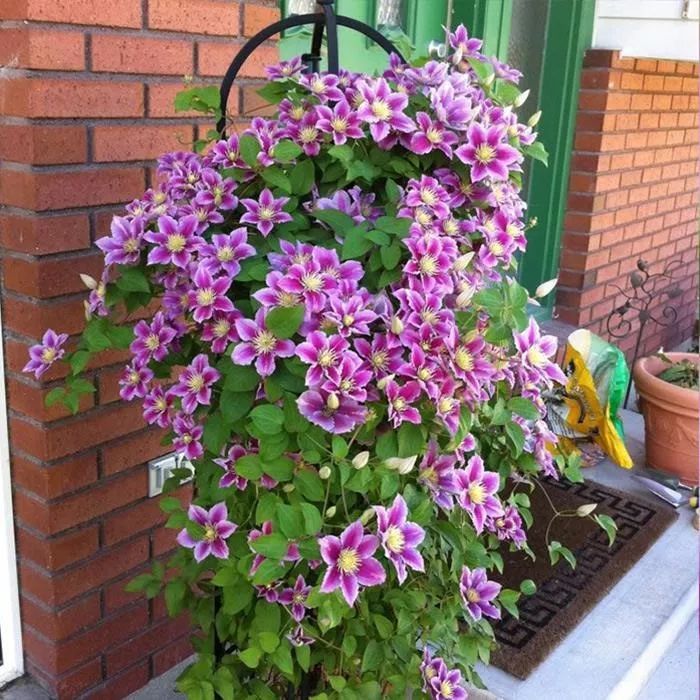
Pruning method :
1. Heavy pruning can be done in early winter to remove tender new branches and prevent frost damage;
2. In early spring, around February, simply prune away any dead branches that have survived the winter. Keep the surface of the pot clean and tidy to prevent gray mold and anthracnose.
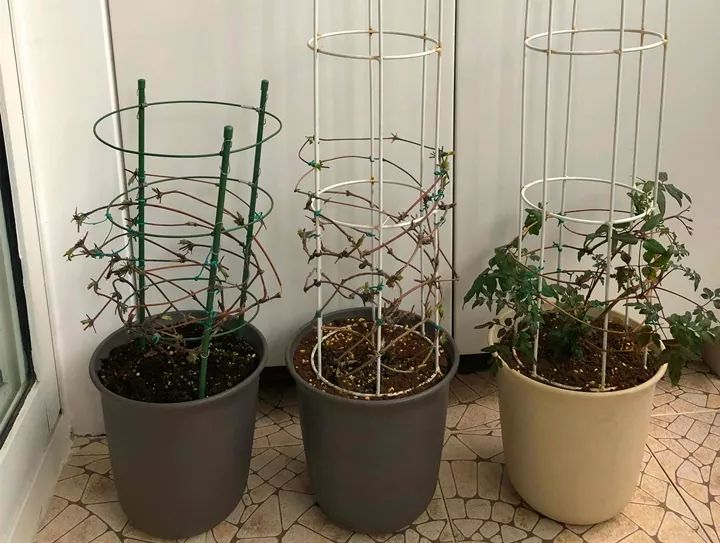
Image by: Cat's Paw Kung Fu
Pruning method:
Pruning can be done at any time of year, but it's best to do it during the spring and autumn growing seasons when recovery is faster. Before pruning, decide on the desired shape; you can prune it to create a tree-like, cascade, spherical, or multi-layered shape. You can prune it once a month to control the shape.
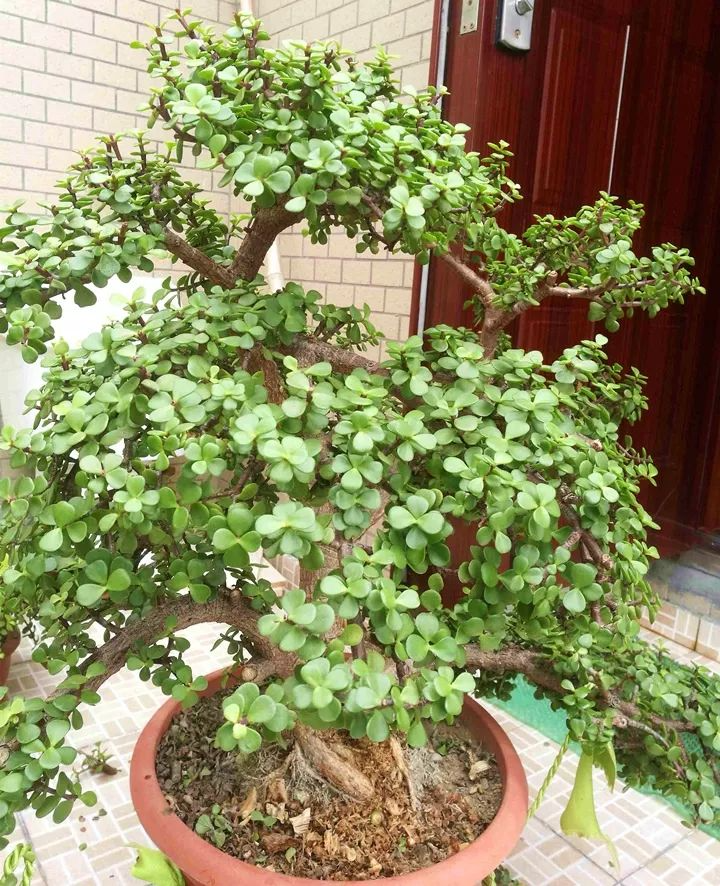
Photo by: Country Villager
Pruning method:
1. Pruning can be done all year round, but heavy pruning is best done in early spring and late autumn. In early spring, the plant will start to grow rapidly, and pruning the dormant branches will make it grow better. In late autumn, the plant will enter dormancy, and it can be pruned to create a general shape.
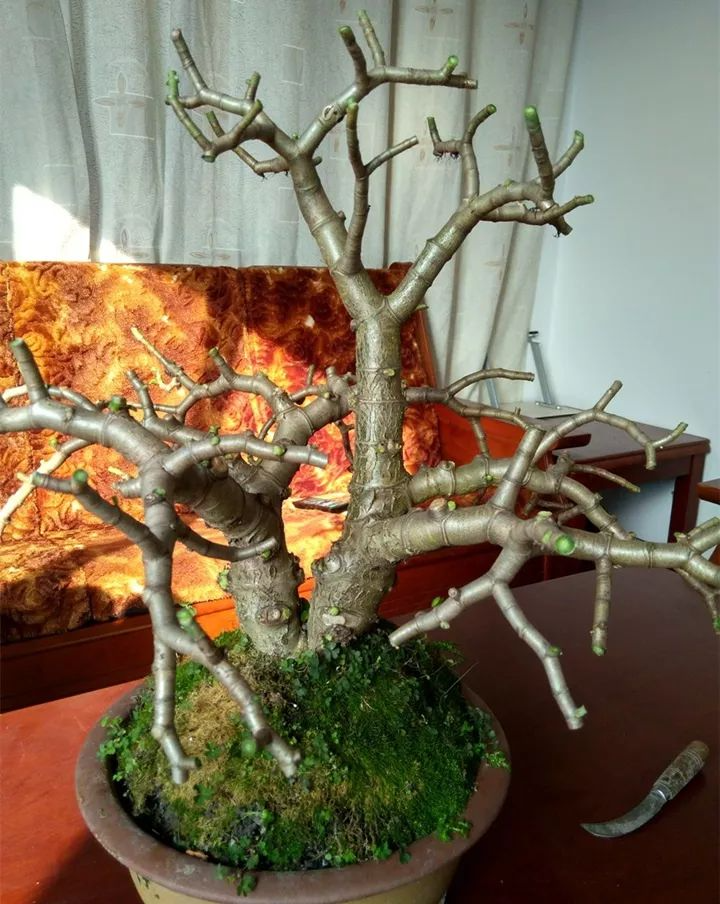
Image by: Dreamy Little Residence
2. Normally, you only need to trim the protruding, messy, diseased or damaged branches slightly; you can also prune them back into shape, removing all the leaves so they can grow back, and the cut branches can be planted in sand to root.
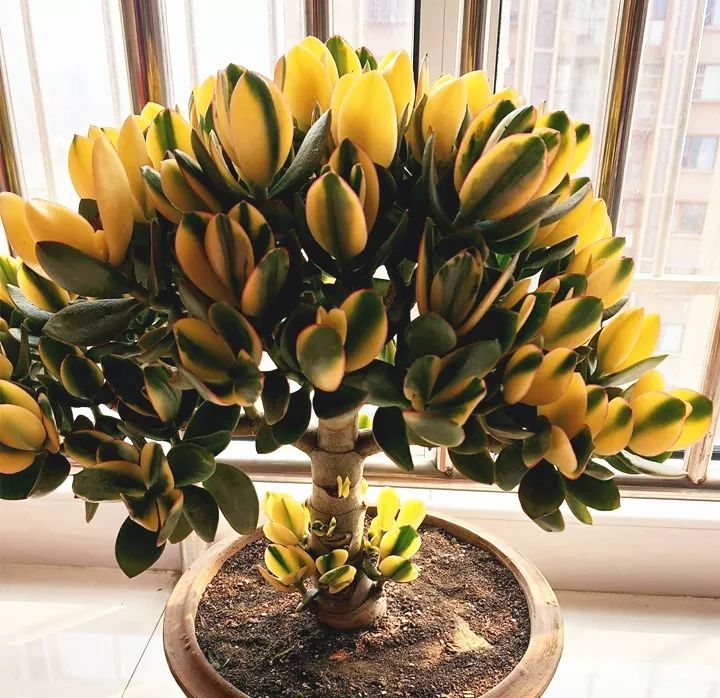
Image by: Little Passerby 0
Pruning method:
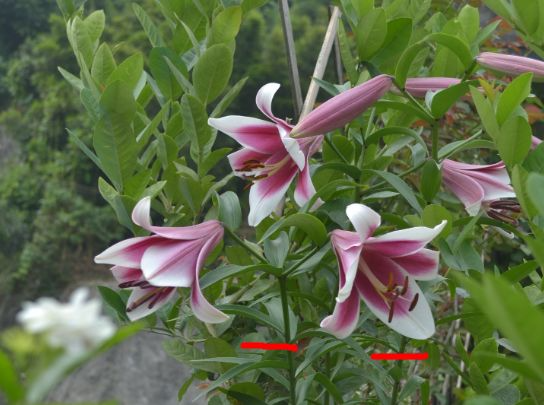
1. Lily bulbs can be planted for many years. Generally, they are planted in spring or autumn. It is recommended to bury them in the soil at a depth of about 5 cm. After flowering in spring or autumn, prune them and continue to care for them. Let them wither and go dormant naturally in winter (at this time, control watering). They will bloom again in the following spring or autumn.
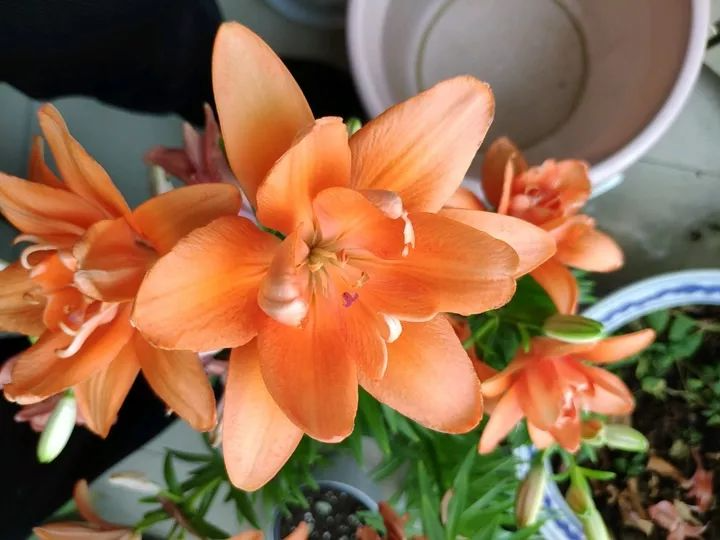
2. When the flowers are about to fade, prune them 10-20cm, including the flowers and leaves, to control the growth height of the lily and prevent it from growing too tall. Continue to care for it normally and let it wither and go dormant naturally. Do not prune it after it sprouts new buds in the following spring. Just let it bloom naturally.
Pruning method:
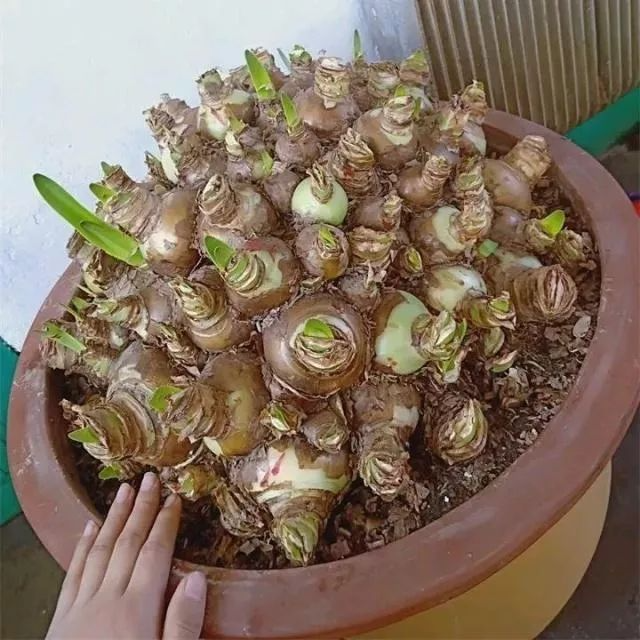
1. Amaryllis grows relatively slowly and can be planted for many years. Generally, it does not require much pruning. If you want to grow the bulb larger, you can cut it off when it blooms and then propagate it hydroponically to save nutrients.
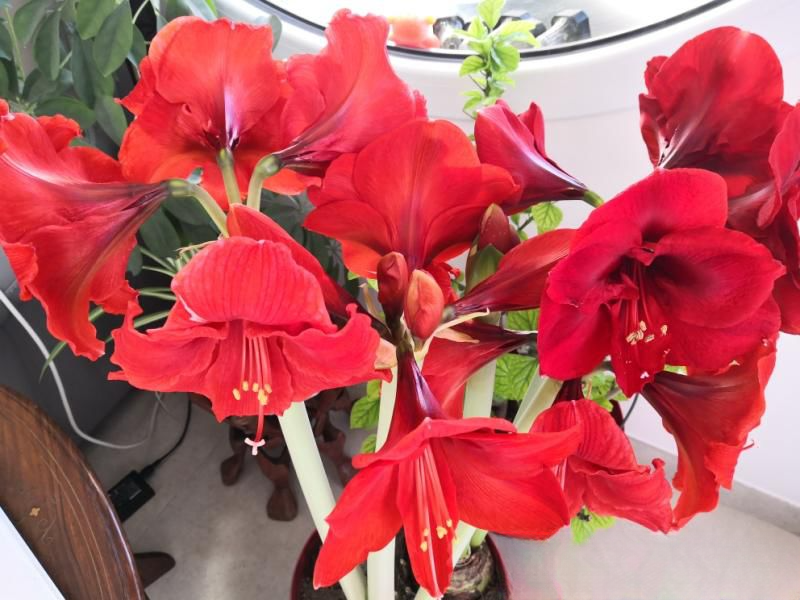
2. In late autumn, the leaves of amaryllis may turn yellow and wither. At this time, simply prune and remove the unhealthy leaves to save nutrients, maintain hygiene, and prevent the growth of bacteria.
Pruning method:
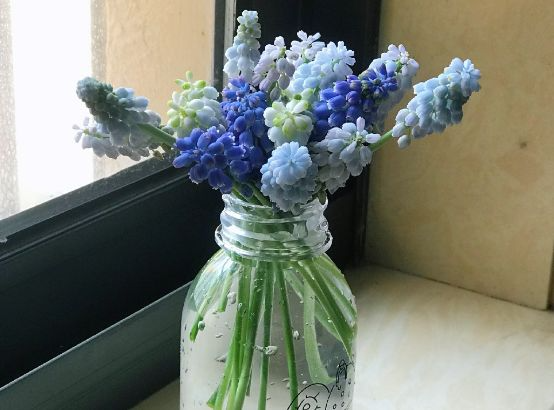
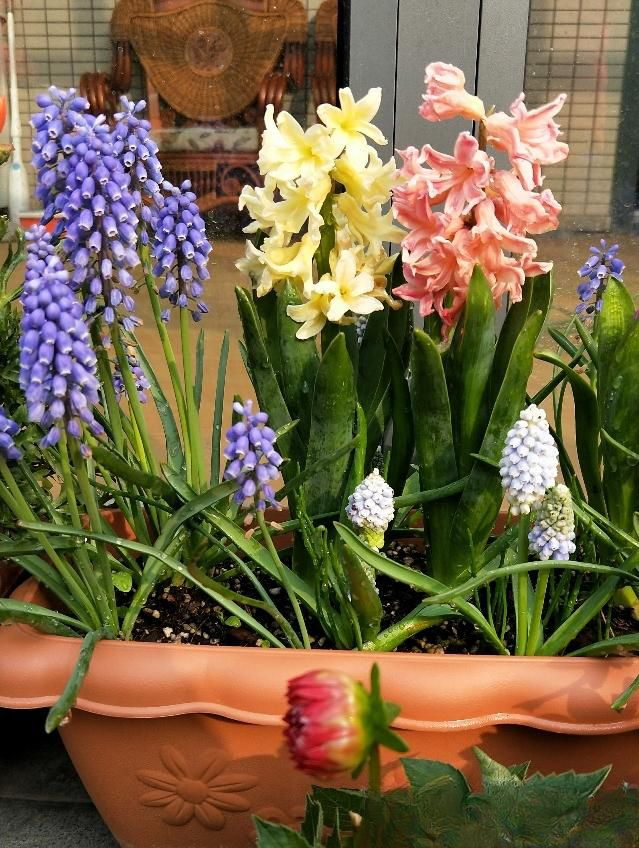
1. Hyacinths generally bloom in winter, and many bulbs are only planted for one year. If you want to plant them for another year, you can cut them off before the flowers wither and propagate them in water to enjoy them. This will preserve the nutrients in the bulb so that it can bloom again the following year.
2. Continue normal care until May or June when it gets hot and the plant enters dormancy. When the leaves turn yellow and wither, cut off all the leaves, take out the bulb and cut off the roots (leaving only 0.5-1cm of roots). Soak the bulb in carbendazim for half an hour, then let it dry. Wrap it tightly in toilet paper or newspaper and store it dry. Plant it again in autumn and winter.
Pruning method:
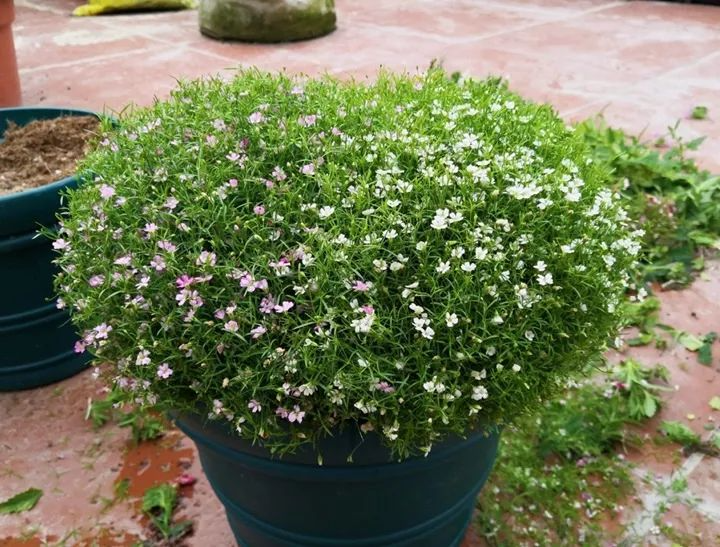
1. Prune whenever you find that the plant is growing too long, crooked, or sparse. Generally, prune it once every two weeks. If you don't prune it, it will grow thinner and thinner and produce fewer and fewer flowers.
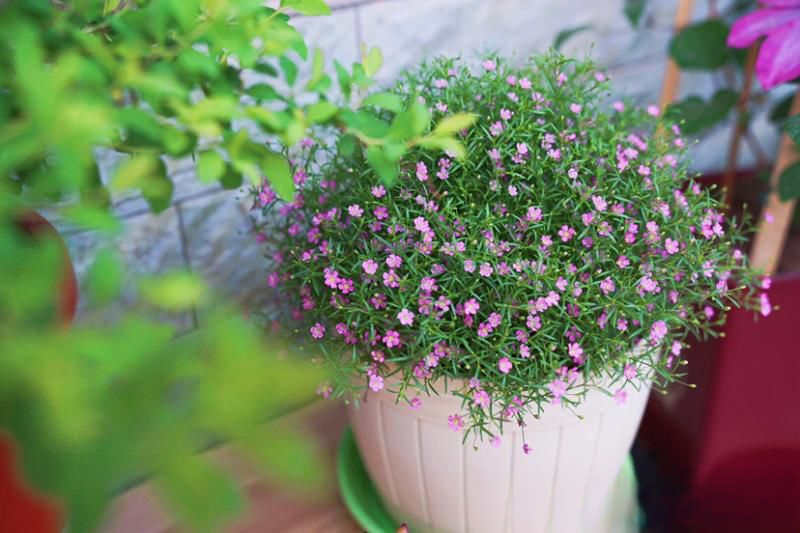
2. When pruning, first cut off the overgrown branches and leaves, generally pruning to form a spherical shape. After pruning, place the plant in a shady place to allow the wound to heal, and then expose it to sunlight appropriately after one day.
Pruning method:
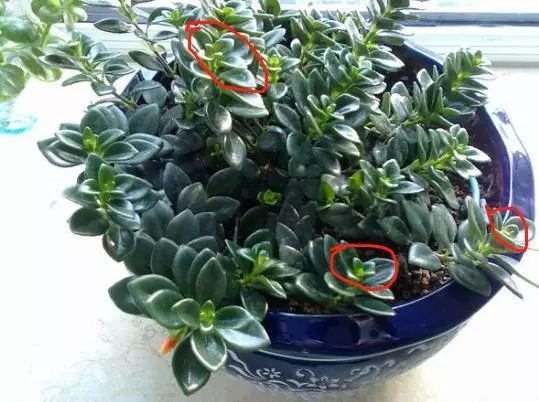
1. Except during the flowering period (winter and spring), pruning can be done all year round. When pruning, in order to avoid excessive growth and to conserve nutrients, first prune the excessively long, thin and tender branches, and then prune the branches with pests, diseases, or withering.
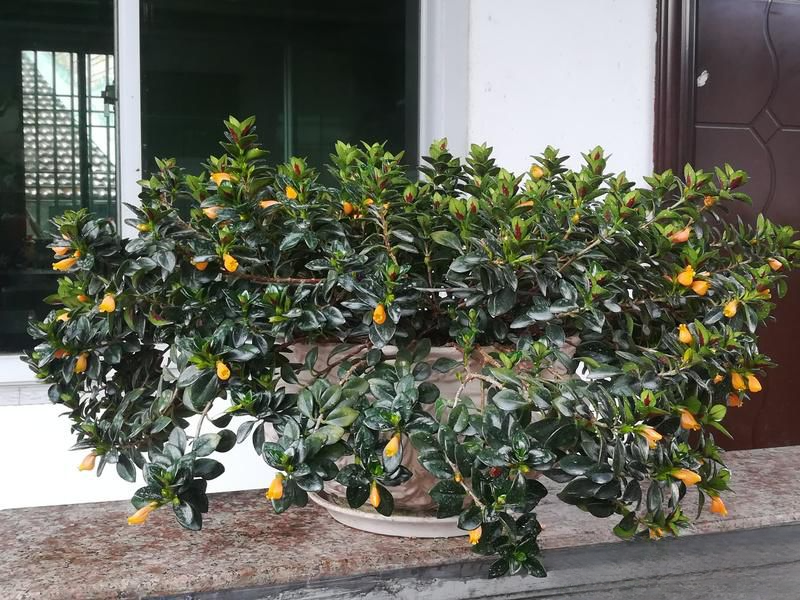
2. For seedlings and newly purchased seedlings, pinch off the top after 2 months of growth. You can pinch off 3-5cm from the top to ensure that they will grow more vigorously and spread outwards.
Pruning method:
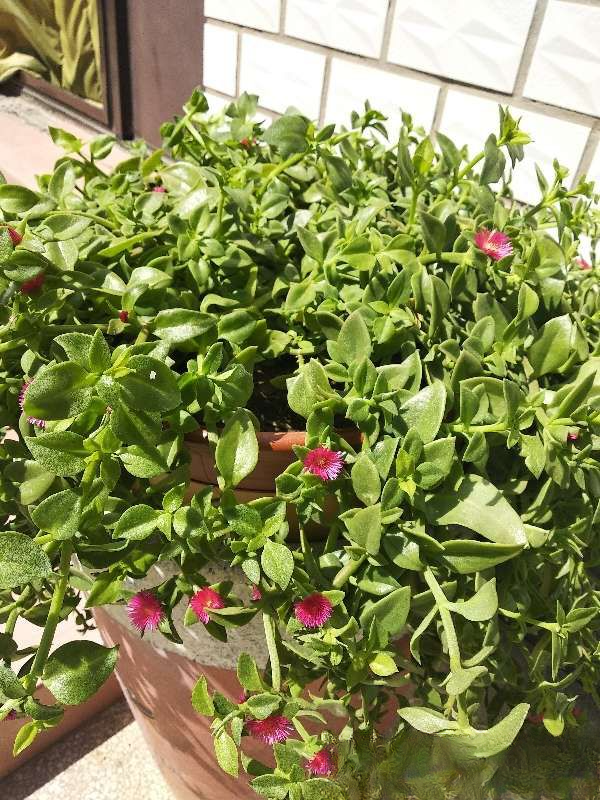
1. Spring and autumn are the growing seasons, and pruning can be done in both seasons. You can prune according to your own preferences, removing branches with few leaves, diseased branches, and weak branches to ensure the growth and flowering of other branches.
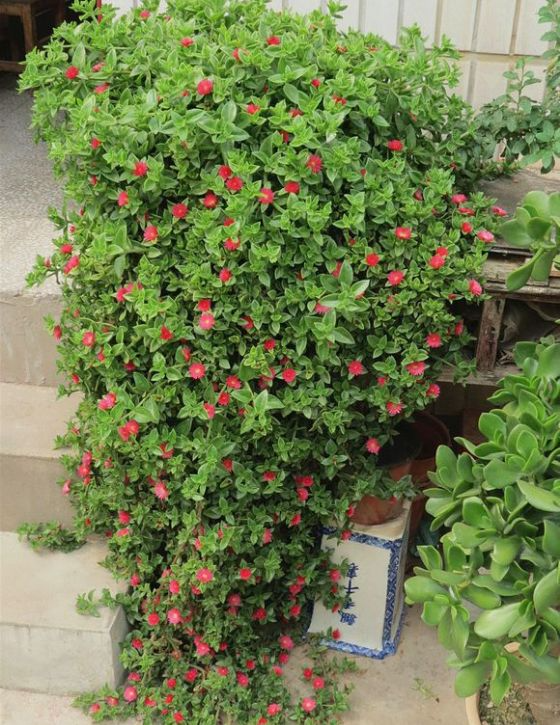
2. Before winter dormancy, pruning can be done more heavily, leaving strong branches that are less likely to be damaged by frost.
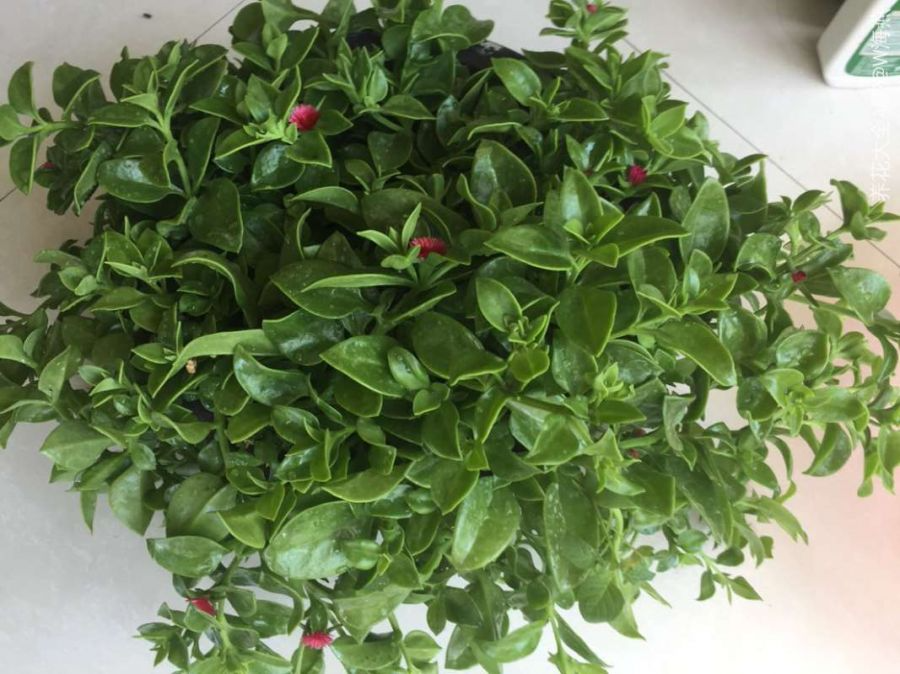
3. To encourage vigorous growth (overflowing the pot), pinch off 3-5cm from the top. This will encourage one branch to produce two branches, resulting in faster growth.
Pruning method:
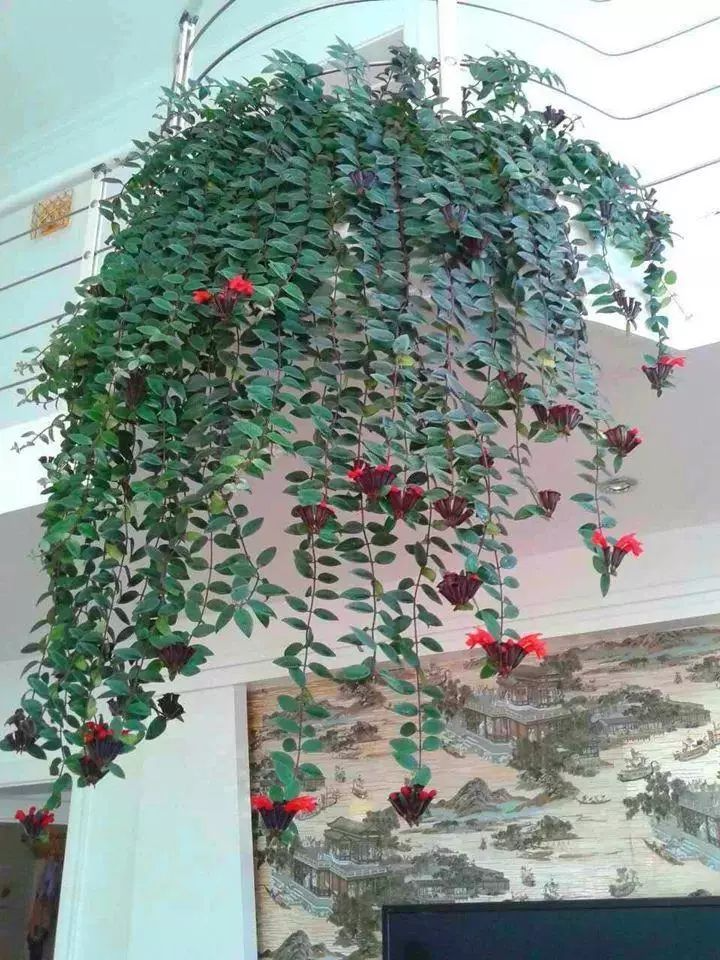
1. The flowering period of the lipstick vine is from November to June of the following year. Pruning can be done after the flowering period, around July. Prune messy branches, diseased branches, and branches with yellow leaves to conserve nutrients for strong branches, so that they can grow longer.
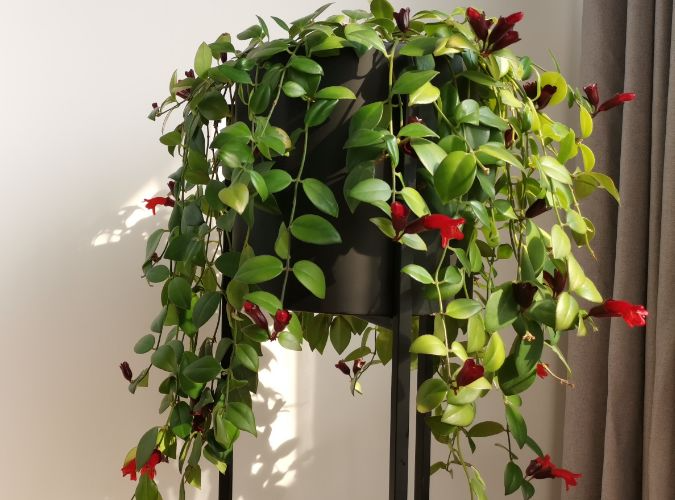
2. The pruned branches can be used for propagation. The vines of the lipstick plant are distinct, and with many cuttings, they can be used to create a screen or curtain effect.
Pruning method:
1. It is best to concentrate the pruning during the spring and autumn growing seasons, specifically March-April in spring and September-October in autumn. Pruning is very simple; just trim it like chives, giving it a short, flat top. After pruning, place it in a shady place, water it sparingly, and then water it normally again after a week.
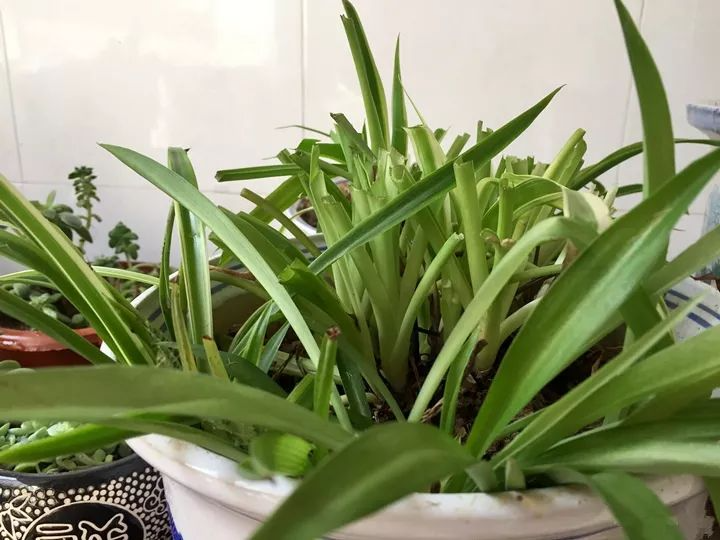
2. After the new shoots emerge, place it in a location with indirect light and water it appropriately. The new leaves will grow more beautifully than before, and with concentrated nutrients, it may even bloom.
Pruning method:
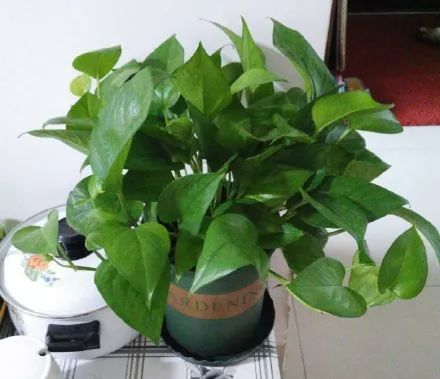
1. Once yellow leaves appear, prune them immediately to remove all yellow leaves and prevent the spread and worsening of the disease.
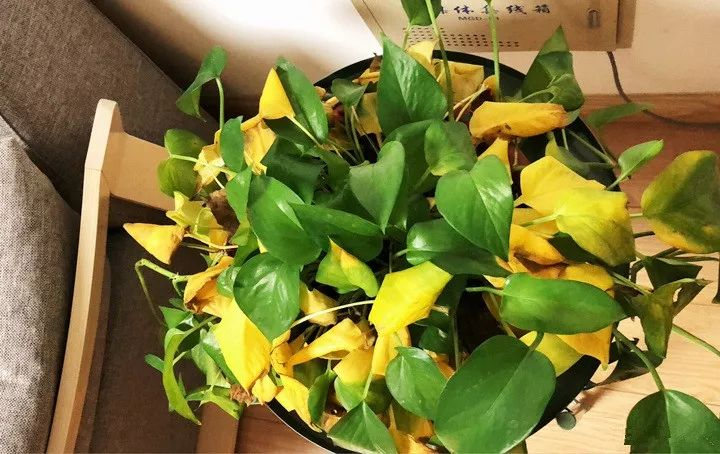
2. If you are dissatisfied with the current state and want new leaves to grow, you can prune in spring or autumn, as recovery is faster during the growing season;
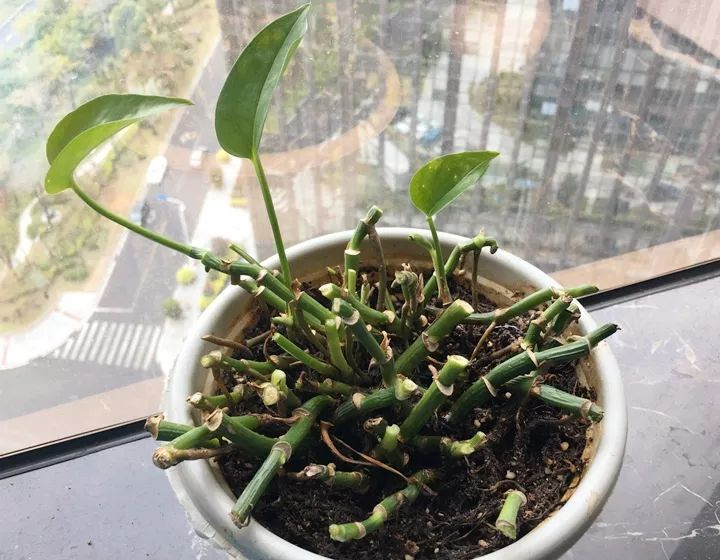
3. Prune before winter. You can cut off the tender branches and leaves, leaving only the thicker main stem to ensure overwintering.
Pruning method:
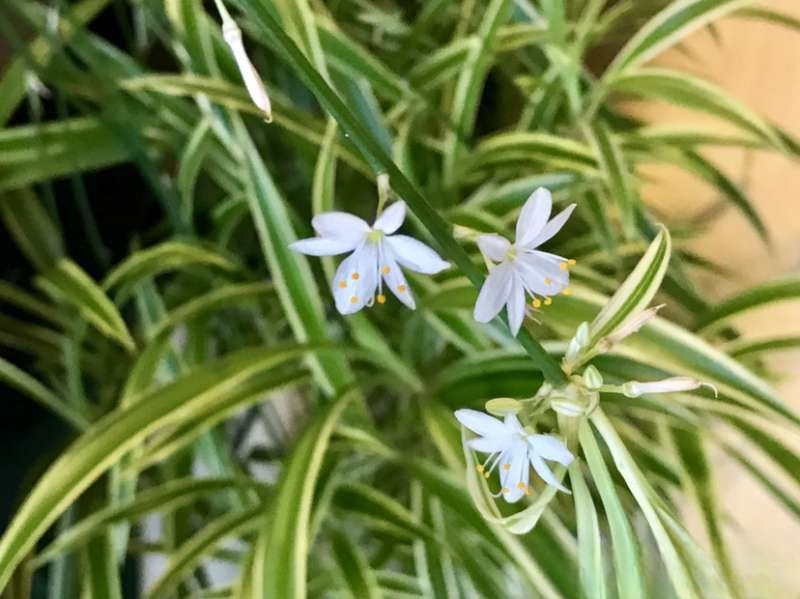
1. Before the spider plant starts to grow wildly in February and March, you can shave it completely, leaving only 5-8cm long.
2. If the branches and leaves are lush and there are yellow leaves or signs of disease, prune them immediately to prevent the spread of disease;
3. Prune before winter. After the temperature drops below 5 degrees Celsius, prune away weak branches and keep strong branches to avoid frost damage.
Pruning method:
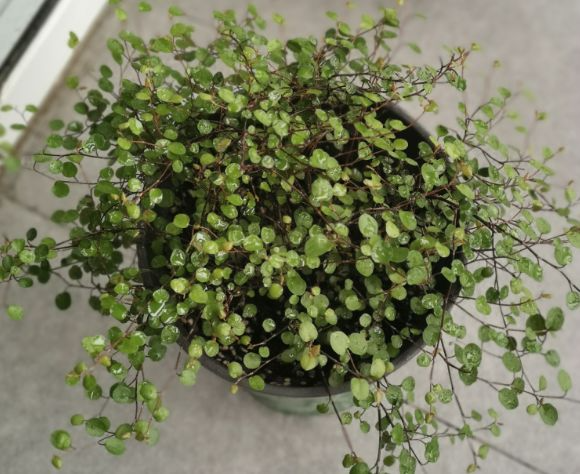
1. To encourage more branches, prune the top of the seedling or plant two months after repotting. Pruning involves pinching off the top 3-5cm, which will encourage one branch to grow into multiple branches.
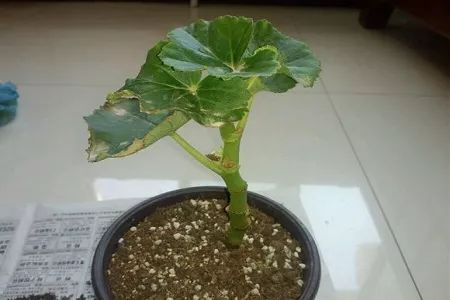
2. If there are yellow leaves, rot, or black rot, prune them immediately. Make sure to prune them cleanly, leaving no residue.
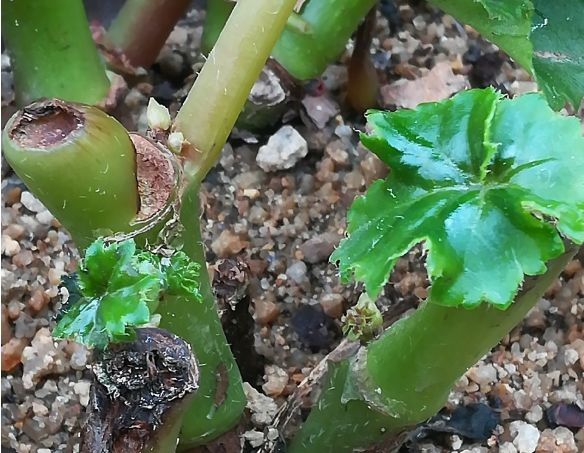
3. Prune the flowers as soon as they are about to fade, otherwise they will rot on the branches. Cut off 5-8cm of the stem along with the flowers, and do not water the wound.
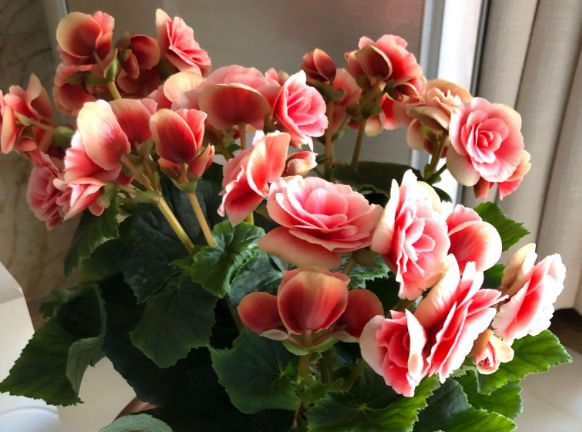
4. After summer, prune around September. You can prune heavily, leaving only 2-3 buds to ensure good growth next year.
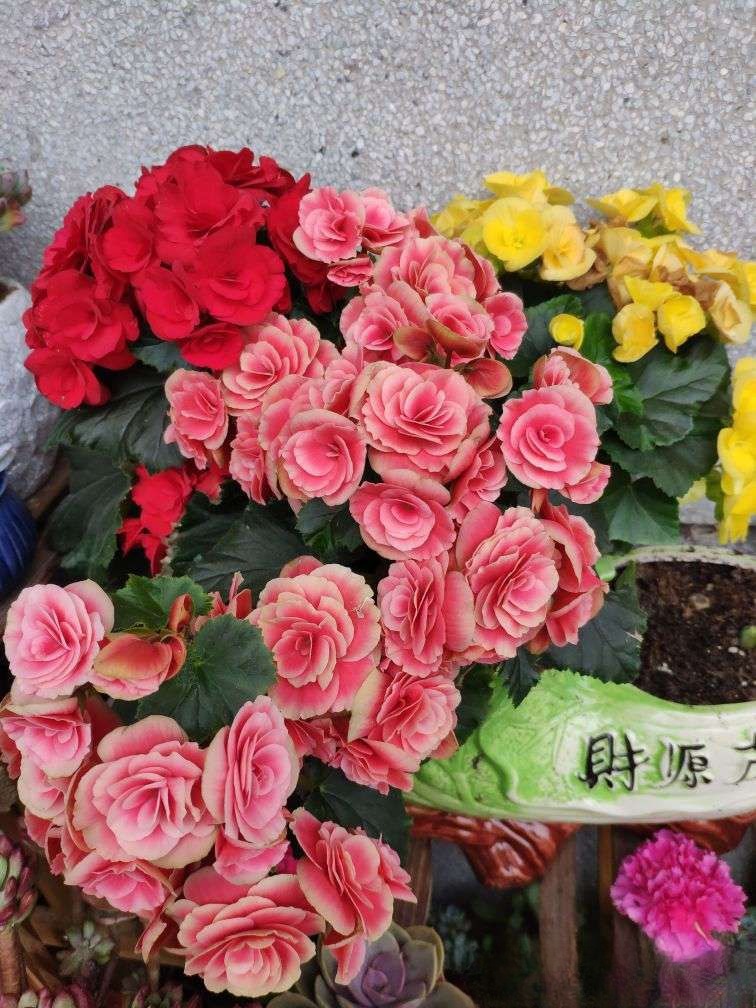
Pruning method:
1. Prune in spring (March-April) and autumn (September-October). You can prune more, leaving only 1-2 leaves on each branch.
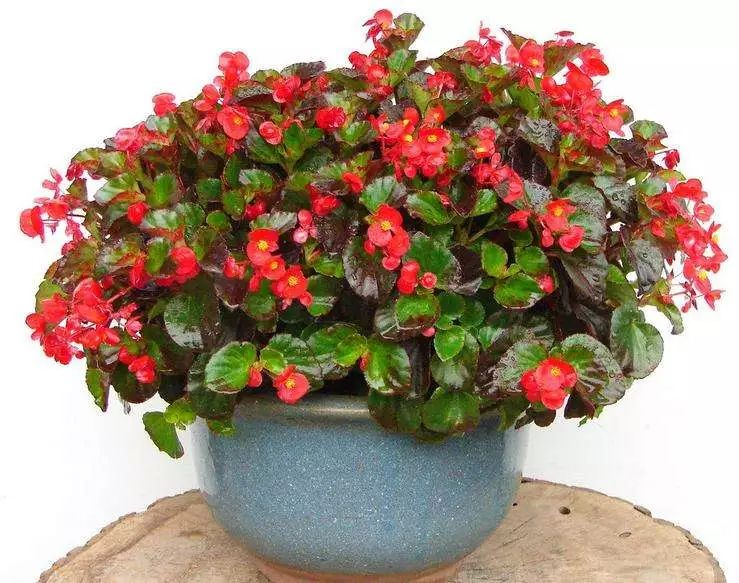
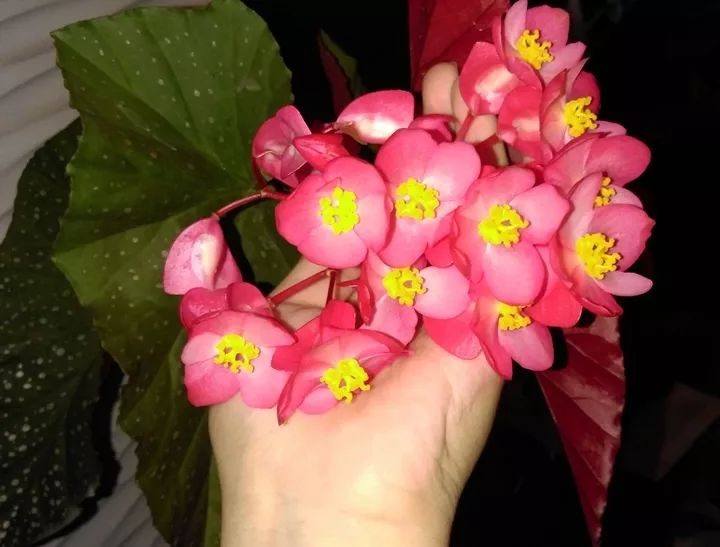
2. After flowering, cut off the flower stalks together to retain nutrients so that it can continue to bloom.
Pruning method:
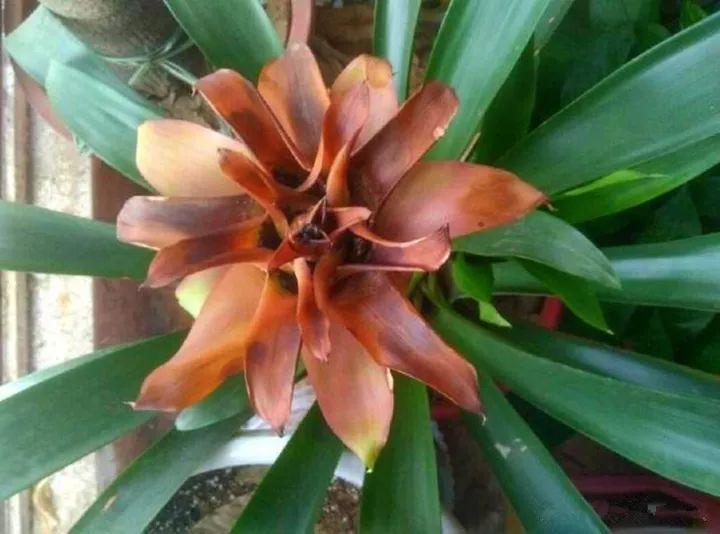
1. A single Guzmania plant can only bloom once. When the flower fades or is about to wither, it can be pruned to concentrate nutrients and encourage the growth of side shoots. Once the side shoots grow larger, they can be divided and will bloom.
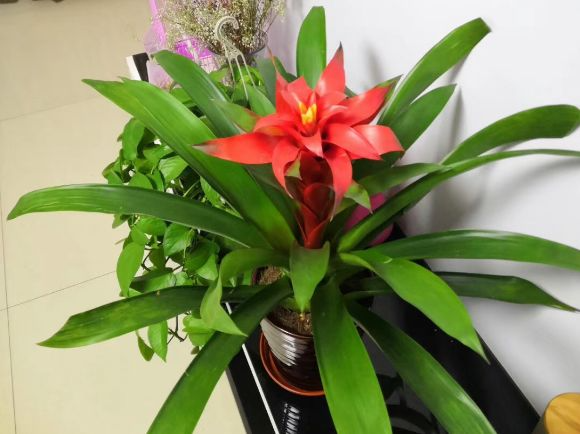
2. Once the flower turns yellow or brownish-yellow, you can cut it off from the bottom. Just cut off all the withered and yellow parts. Pay special attention to the areas with small buds. When the small buds grow bigger, you can divide them into smaller plants. You can discard the old plant.
Pruning method:
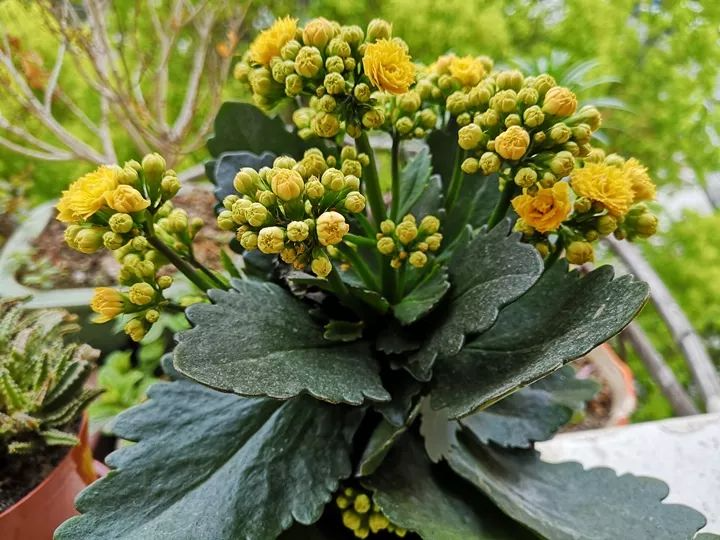
1. Prune the flowers when they are about to fade, cutting them off along with the flower stalks. You can cut off 8-15cm to conserve nutrients, so they may bloom again.

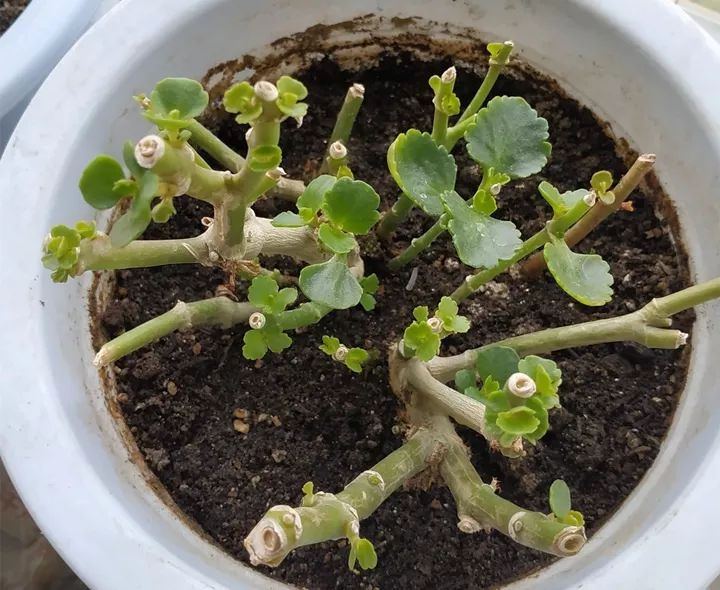
2. Pruning after summer, usually in August or September. In the hot south, it can be done in September or October. After summer, the branches are relatively fragile, so you can prune them more heavily to encourage the growth of new branches.
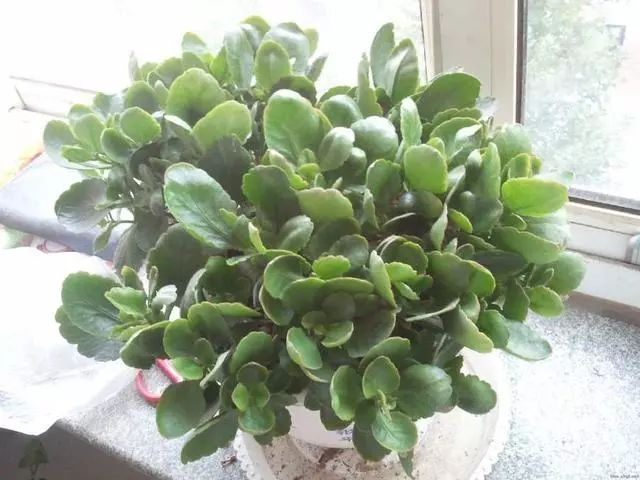
3. Prune before winter to promote flowering. Around November, you can pinch off the top leaves, removing any particularly large leaves to stimulate flower bud formation and increase light exposure.
4. If branches grow excessively long and thin, or if there are signs of disease, pests, or black rot, they can be pruned at any time.
Pruning method:
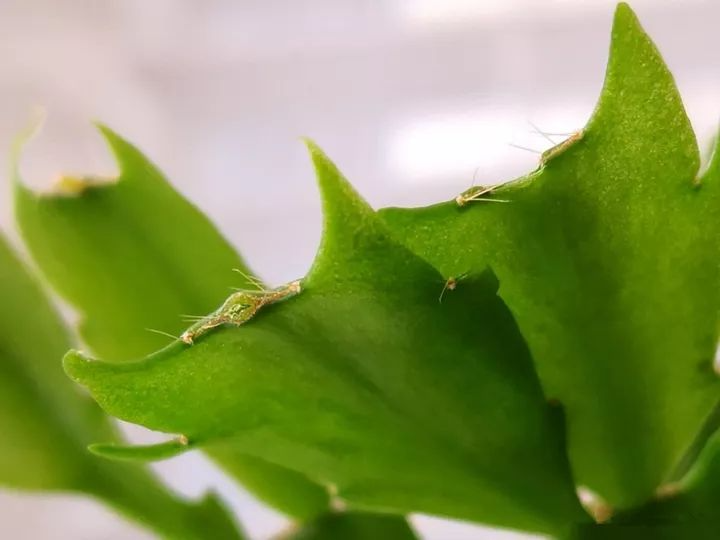
1. When the Christmas cactus flower is about to fade, remove 1-2 leaves along with the flower. A few days later, flower buds will sprout from the middle of the leaves.
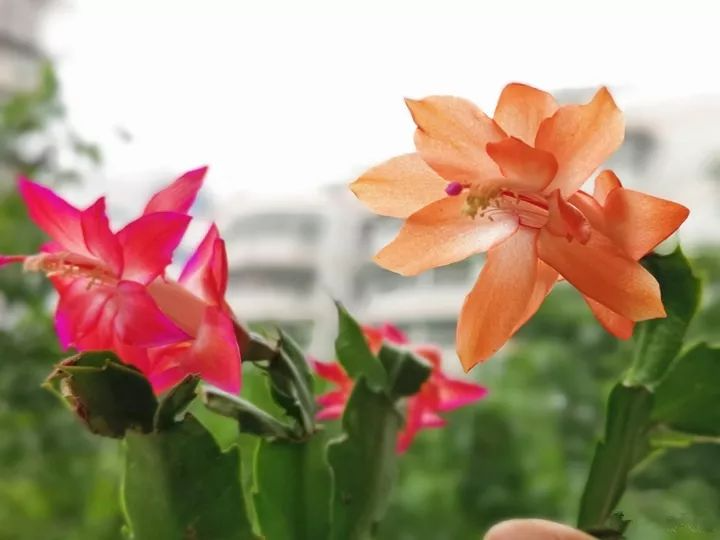
2. After autumn arrives (September-October), retain 3-8 leaves on each branch to ensure that nutrients are concentrated on flowering, resulting in more timely and abundant flowering in winter.
Pruning method:
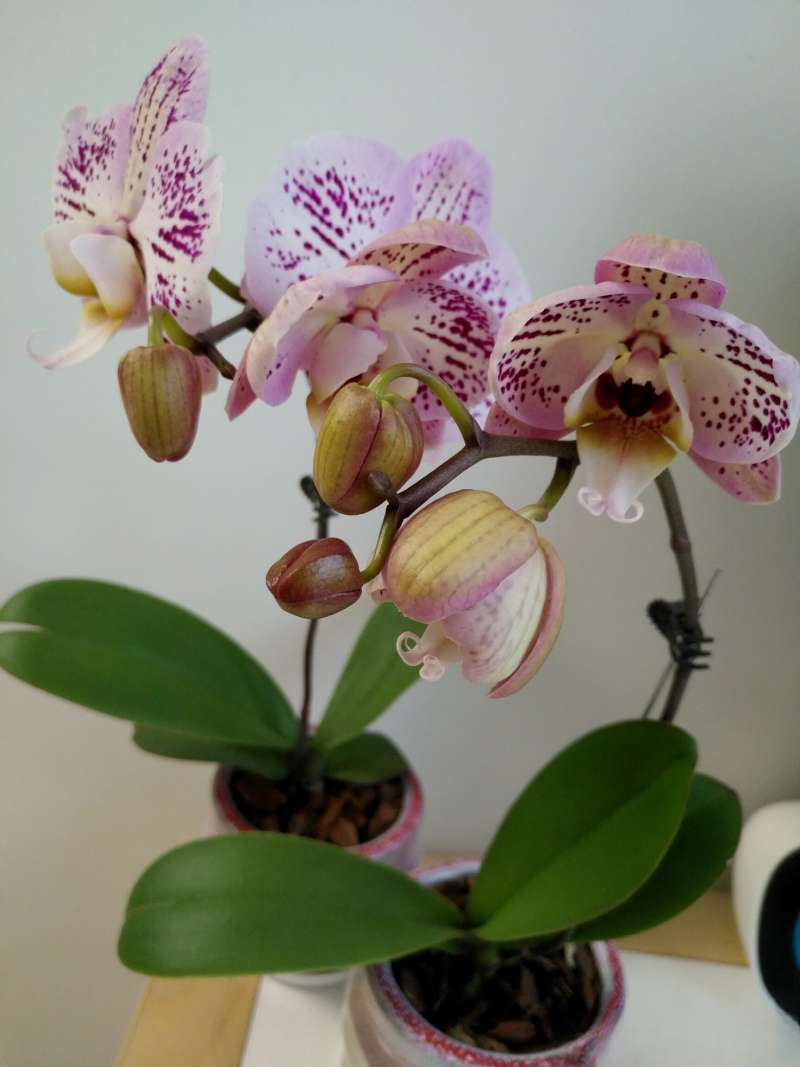
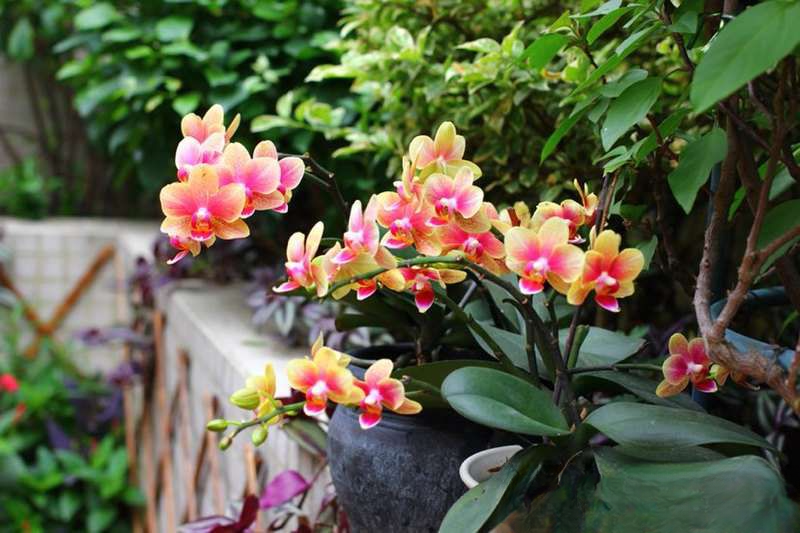
1. After the flowers have almost faded, simply cut off the withered flowers along with the flower stems to conserve nutrients. You can water them with nutrient solution a week after pruning, and they may bloom again.
2. When pests or diseases occur, thoroughly prune away the affected leaves to prevent the spread of infection.
Pruning method:
1. Prune before spring budding. In the south, this is done in January or February, while in the north, it can be done in February. Prune dead, diseased, and weak branches to avoid affecting spring growth.
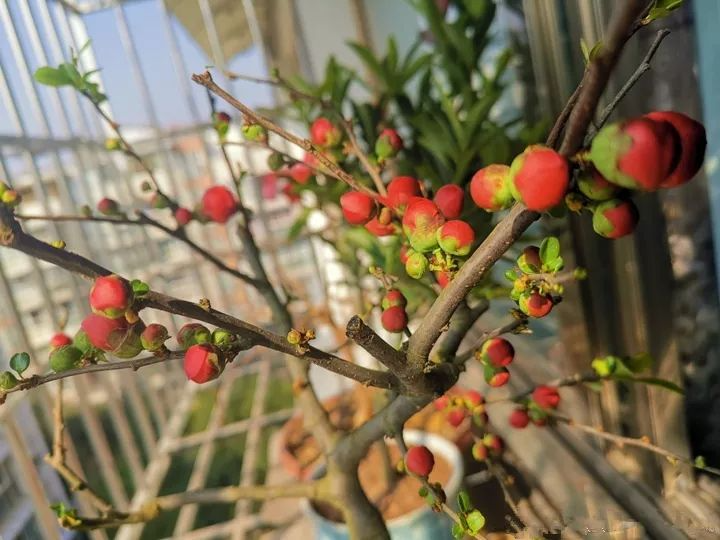
2. Prune after flowering, removing spent blooms and shortening branches;
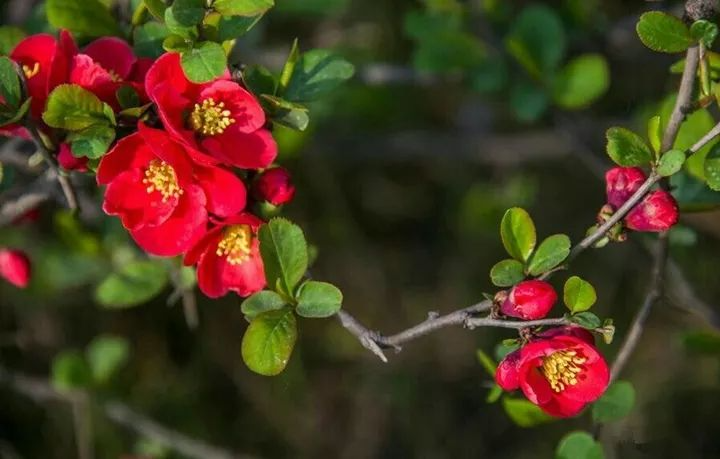
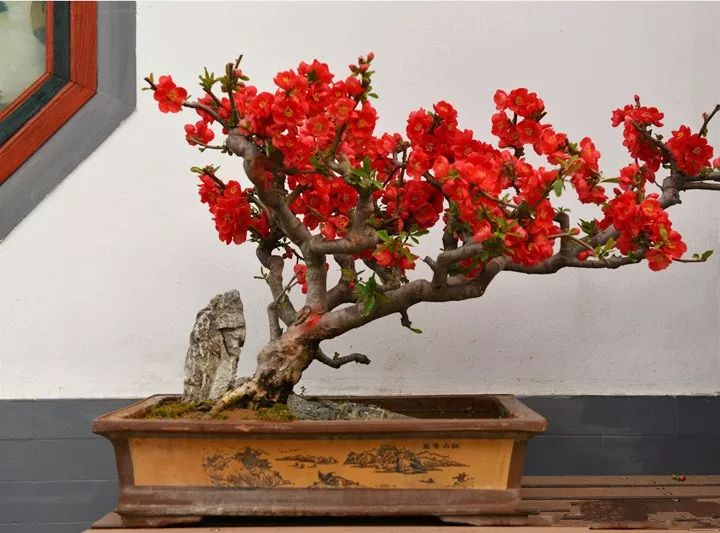
3. Prune after the leaves fall in winter, shape the branches, remove weak branches and leave strong branches to survive the winter.
Pruning method:
1. After the flowers have finished blooming, trim off the spent blooms, cutting them off along with the flower stalks;
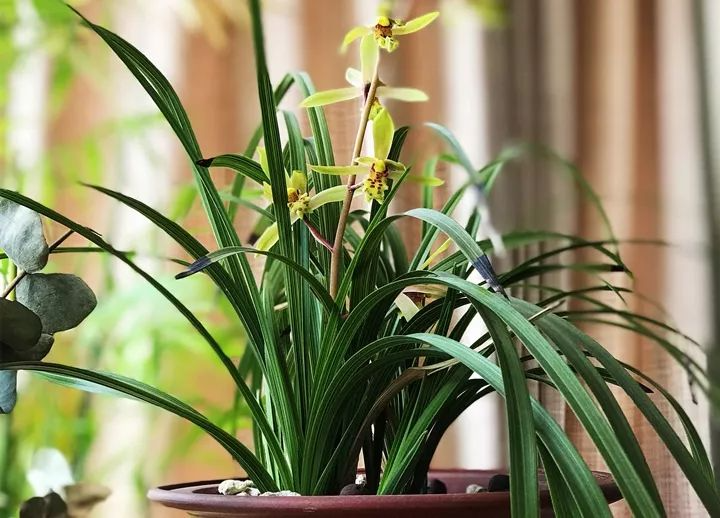
2. If you notice any problems with the leaves, such as dryness or black spots, cut them off immediately to prevent the spread of infection.
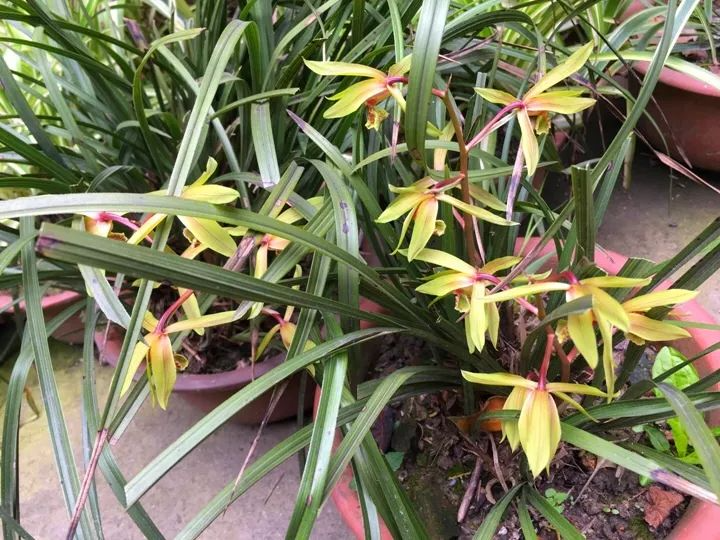
Pruning method:
1. Prune the flowers when they are about to fade, cutting off the central flower stalk as well. The stalk with flower buds will grow back quickly.
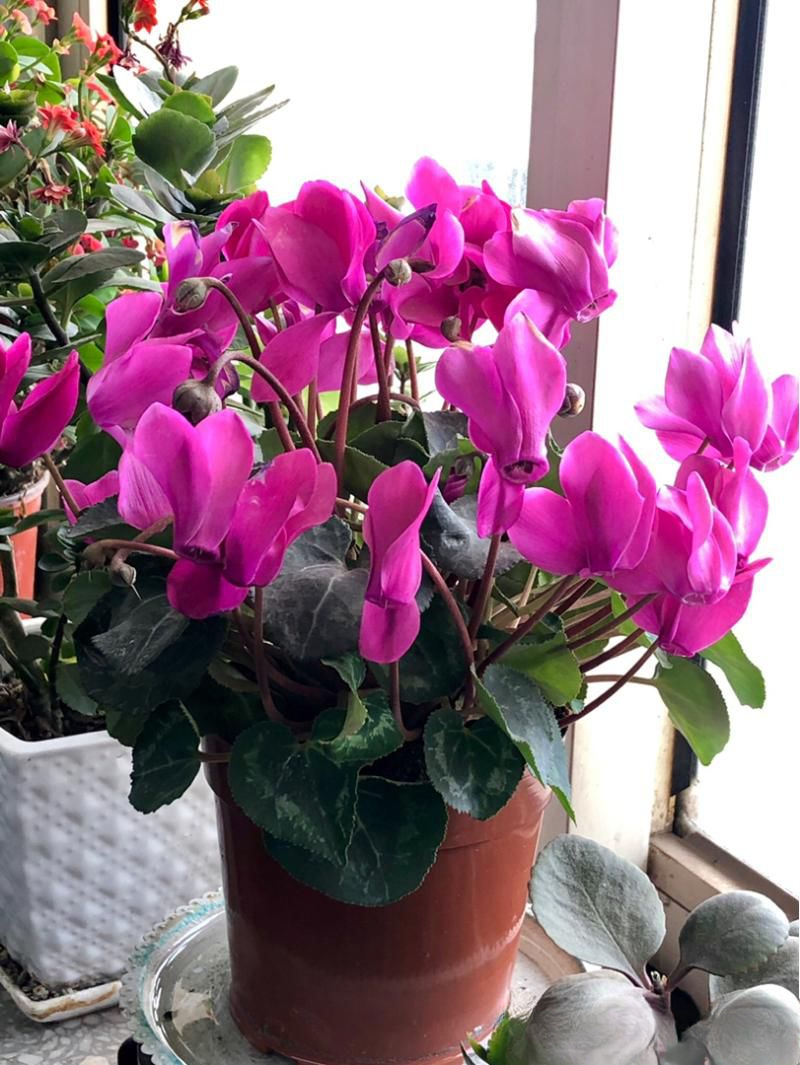
2. When the temperature exceeds 28 degrees Celsius in early summer, the plant will go dormant and may develop yellow or withered leaves. In this case, you can prune the leaves and water less to ensure it survives the summer.
Pruning method:
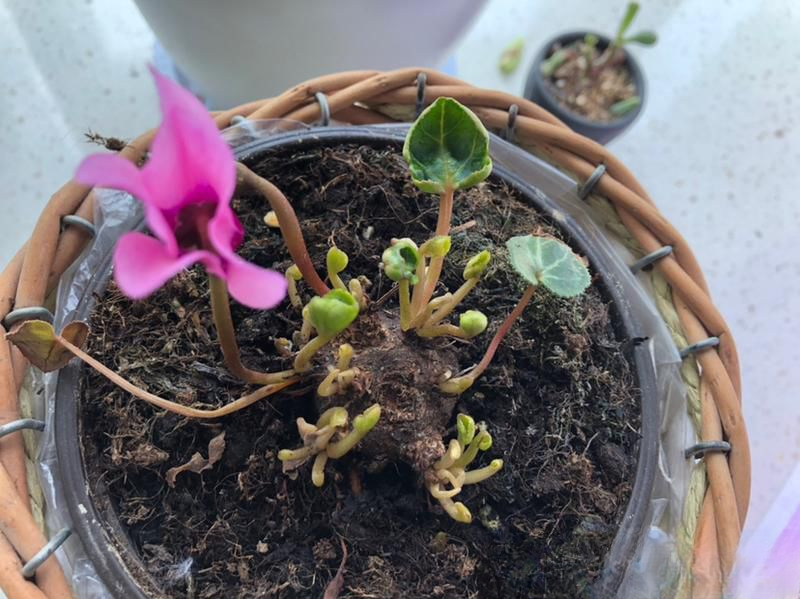
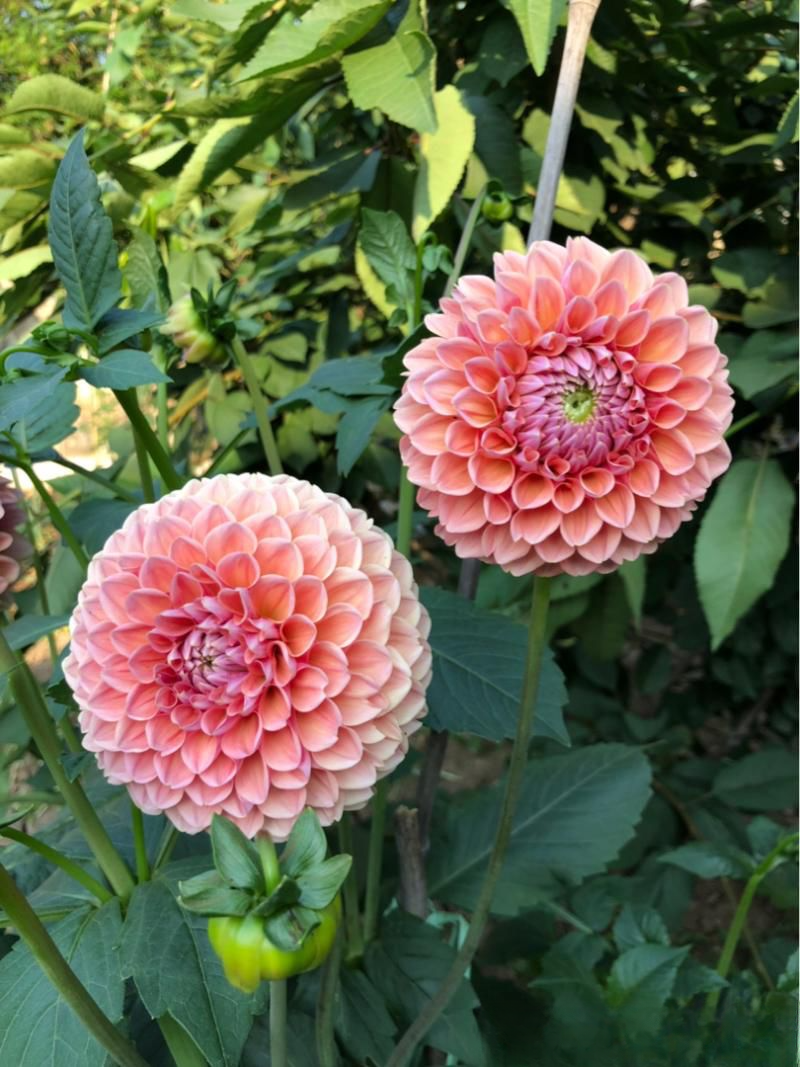
1. When the seedlings grow to 20cm in height in spring, you can pinch off the top to promote branching. Pinching off the top of the seedlings means cutting off about 5cm from the top. This can turn one branch into many branches. If you don't want to do this, you can skip it.
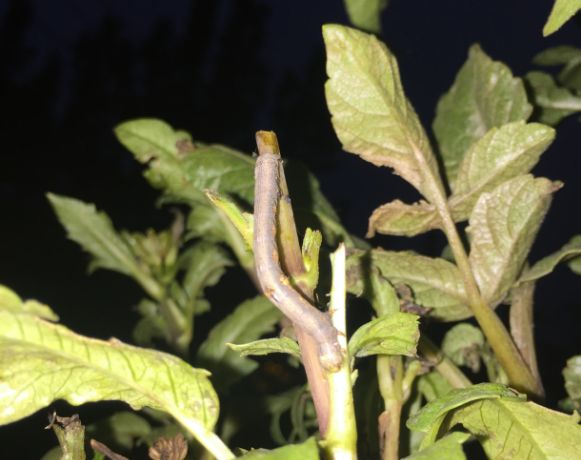
2. After flowering, prune the spent flowers. When the flowers are about to wither, cut off about 10-15cm of the flower and stem.
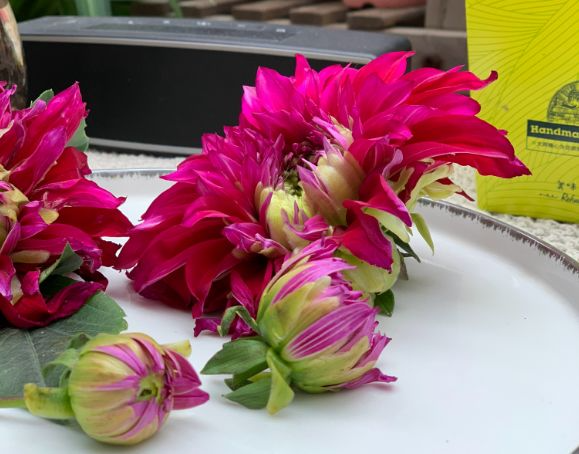
3. Regularly prune dead branches, yellow leaves, and diseased branches and leaves, and remove them promptly to prevent the spread of infection;
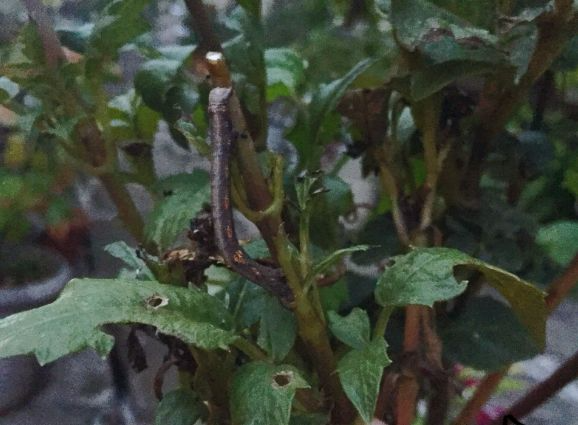
4. After the first frost in autumn, ground-planted dahlias go dormant. You can cut off all the leaves, dig up the "sweet potato roots" from the ground, and bury them in sand for preservation. For indoor potted dahlias, simply cut off all the leaves and stop watering. They can be replanted the following spring.
Pruning method:
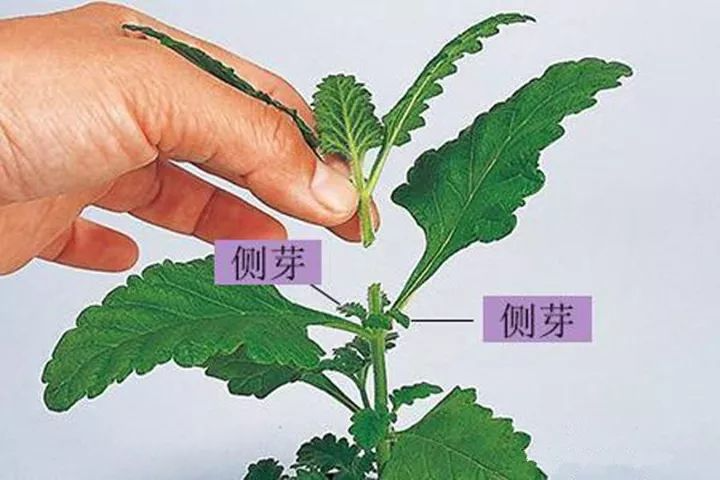
1. One to two months after seedlings are planted or repotted, pinching off the top 3-5cm bud will encourage the plant to multiply and grow rapidly.
2. After flowering, prune the spent flowers. When the flowers are about to wither, cut off 5-8cm of the stem along with the flower to ensure sufficient nutrients for a second bloom.
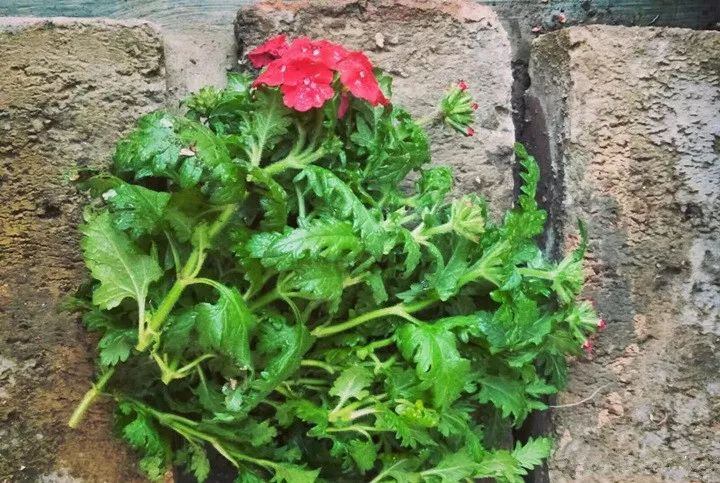
3. Prolonged exposure to direct sunlight can easily cause yellowing leaves. Timely pruning is necessary to prevent the spread of diseases and pests.
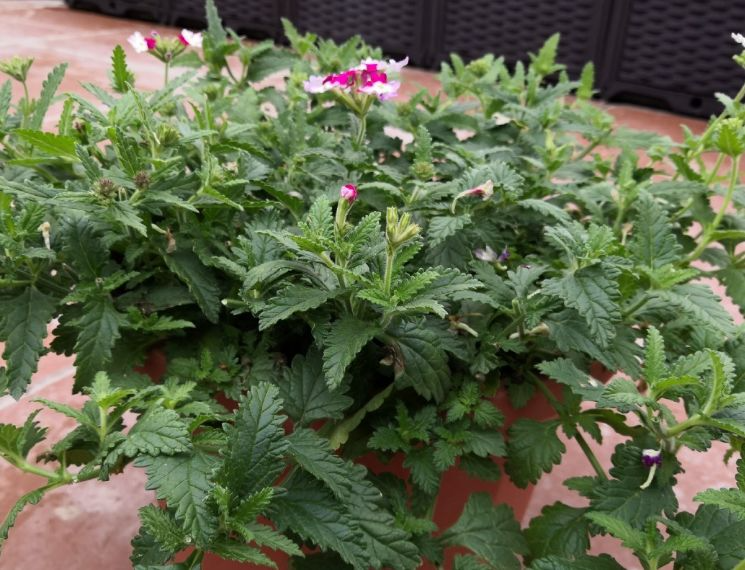
4. In the high temperatures of summer, shading and water control are necessary, which may lead to malnutrition. Heavy pruning is required in autumn (September-October) for regrowth.
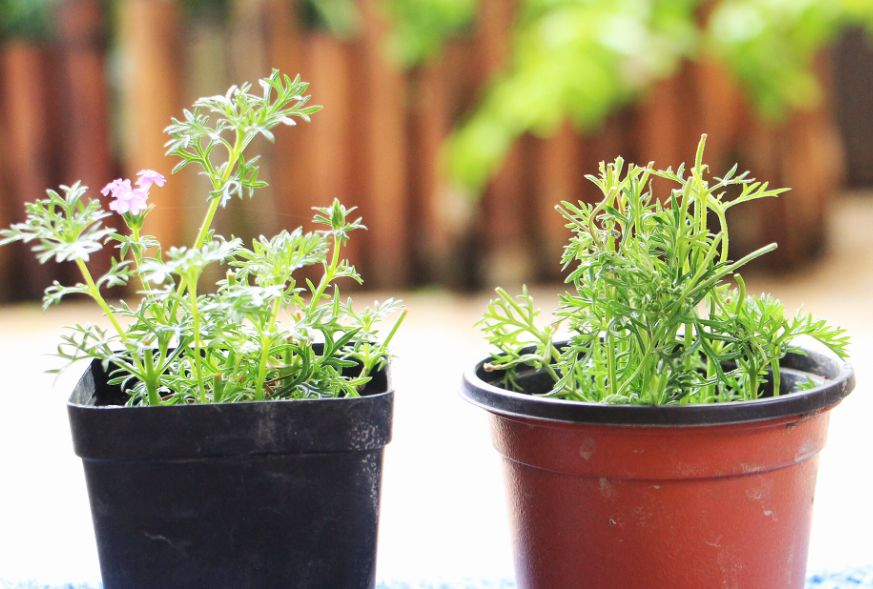
5. In winter, prune thin branches and weak leaves, leaving only strong branches to prevent them from being damaged by frost.

Image by: Sweet Queen Baby
Pruning method:
1. Prune before new buds sprout in spring, mainly cutting off crossing and dense branches, keeping strong branches and removing weak ones, to ensure space, ventilation and light for new bud growth;
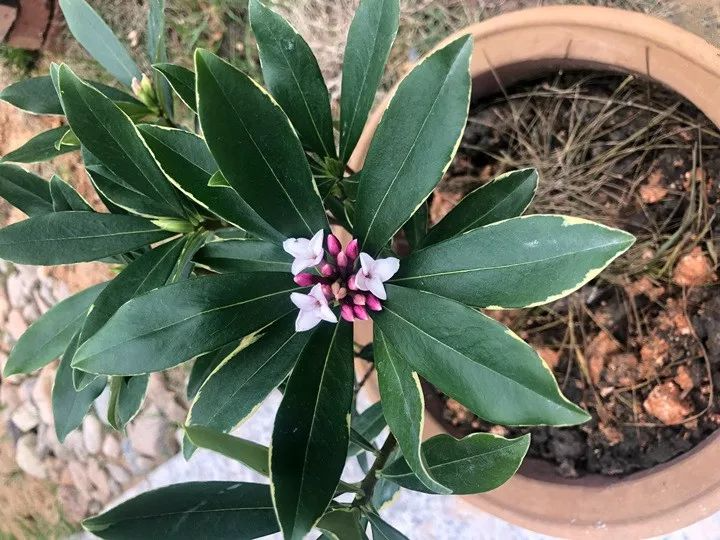
2. After flowering, prune the spent blooms;
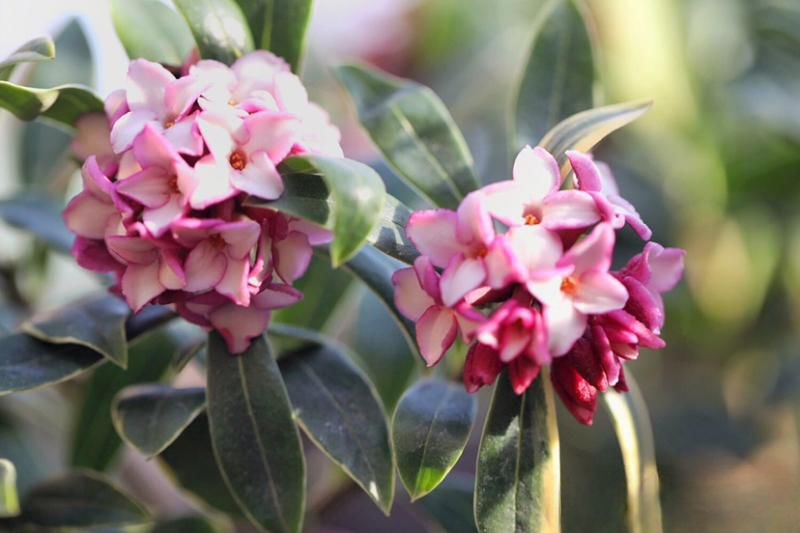
3. Prune the branches in June to prepare them for summer. Before summer, prune the newly grown branches from this year to encourage robust growth.
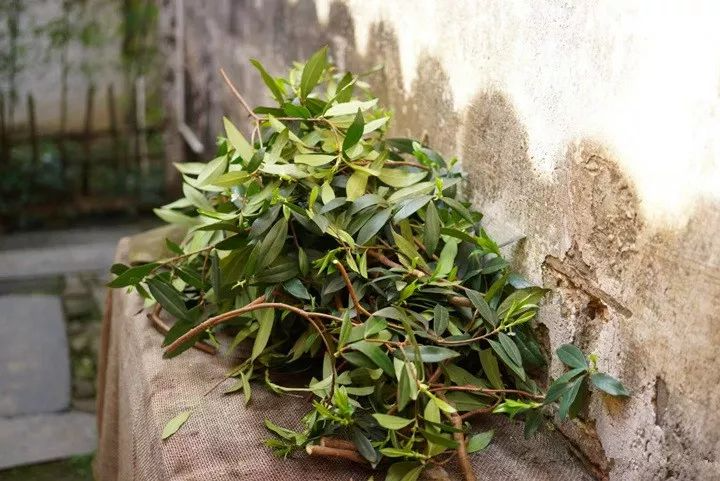
4. Winter pruning: Before winter, prune away dead and weak branches to conserve nutrients.
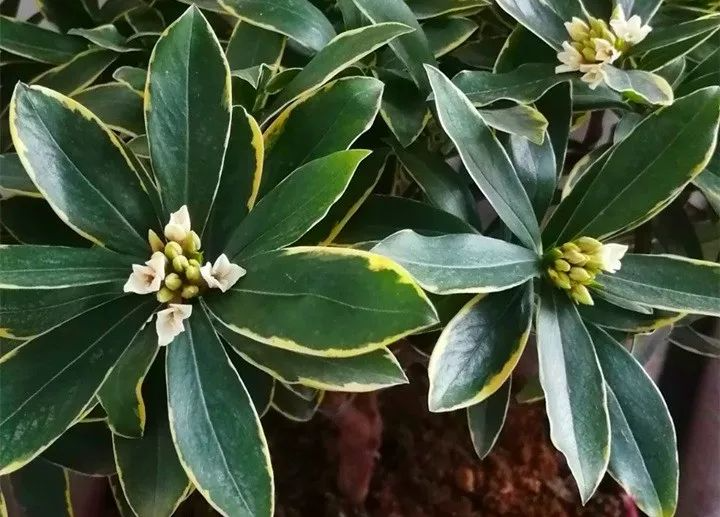
Pruning method:
1. Prune and shape the osmanthus in January and February. Before it sprouts, prune it into shape according to your personal preference.
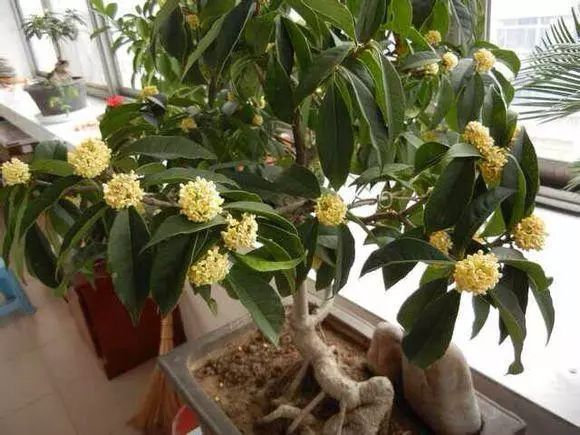
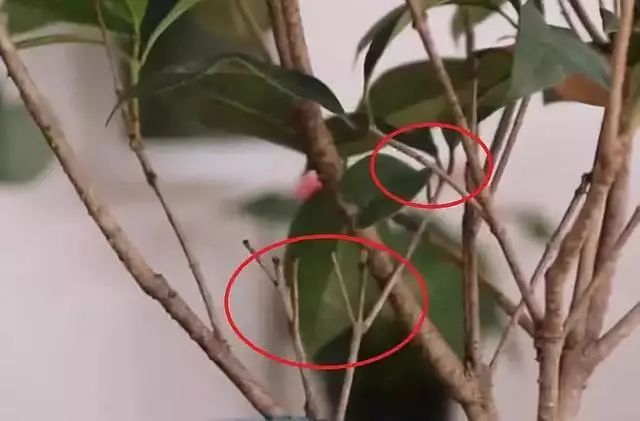
2. As summer draws to a close, prune away diseased and weak branches, as well as branches growing inwards (see diagram below). These branches do not flower, and pruning them will conserve nutrients for flowering in the fall.
Pruning method:
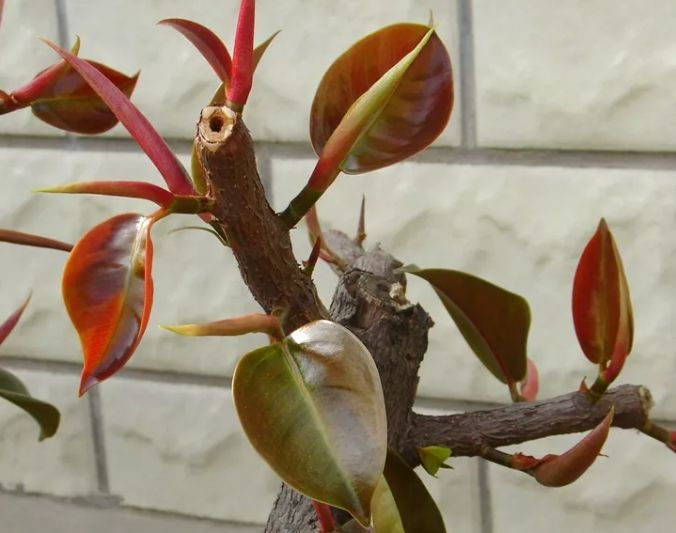
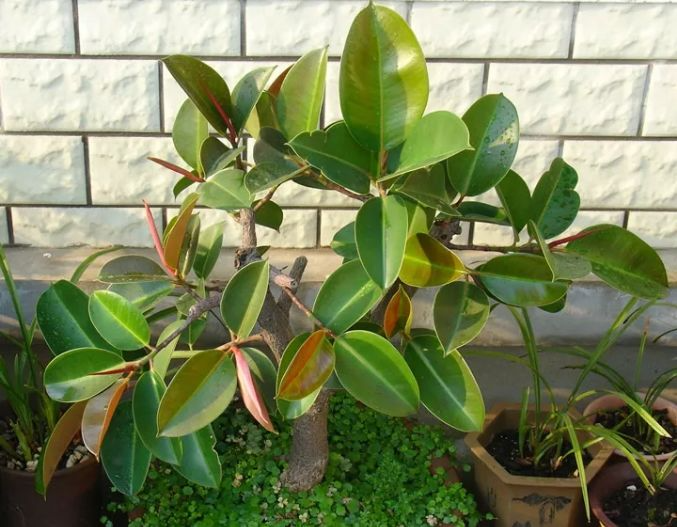
1. The best time to prune is in spring, February or March, before the new shoots emerge. You can heavily prune the rubber tree, leaving only 5-8 cm of branches to encourage more leaves to grow. If you don't like a compact and dense shape, you can prune it into other shapes.
2. You can also prune it regularly. If there are bad leaves or branches that have grown too long, you can cut them off so that the plant can grow back.
Pruning method:
1. Pinching: If the money tree is of uneven length, you can cut off the top of the longer branches to inhibit its continued growth and allow the lower leaves to become wider and larger.
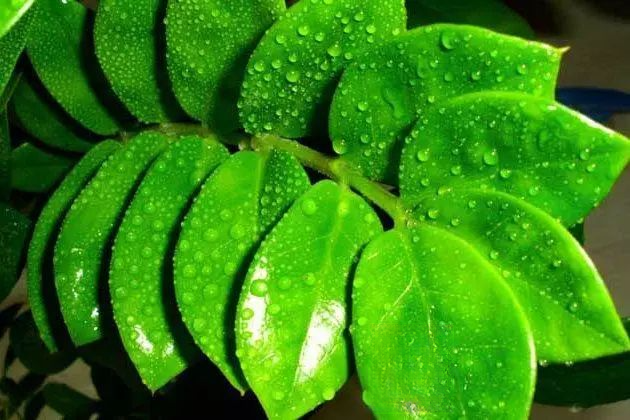
2. If branches fall over, in addition to tying them up with strips of cloth, you can also cut them off at ground level to encourage new buds and leaves to sprout.
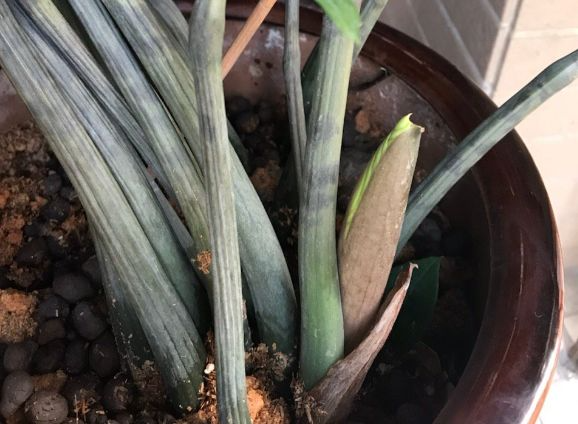
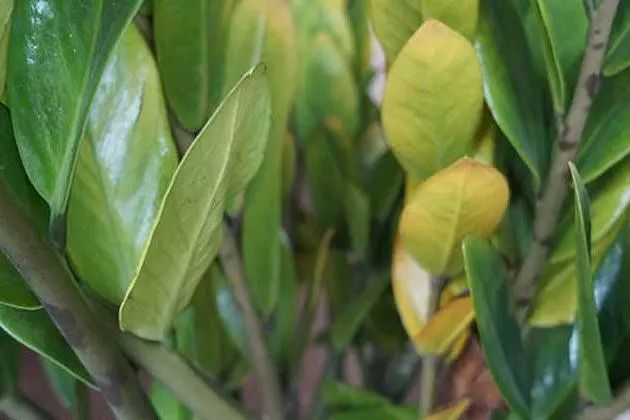
3. If old leaves are not growing well, they can be removed in time. At the same time, water them with some nutrient solution, such as Flower More No. 1 or Osmocote slow-release fertilizer.
Pruning method:
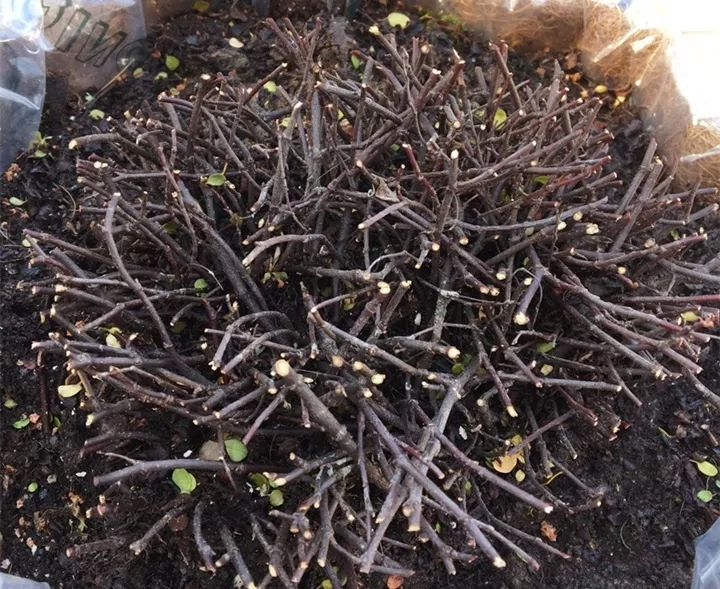
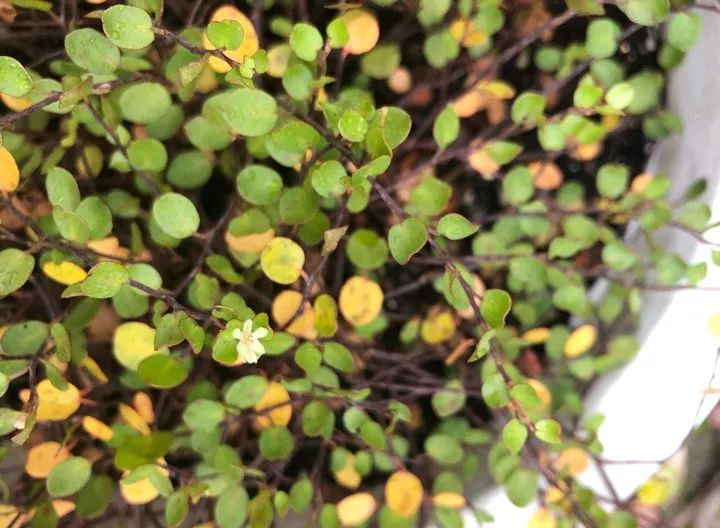
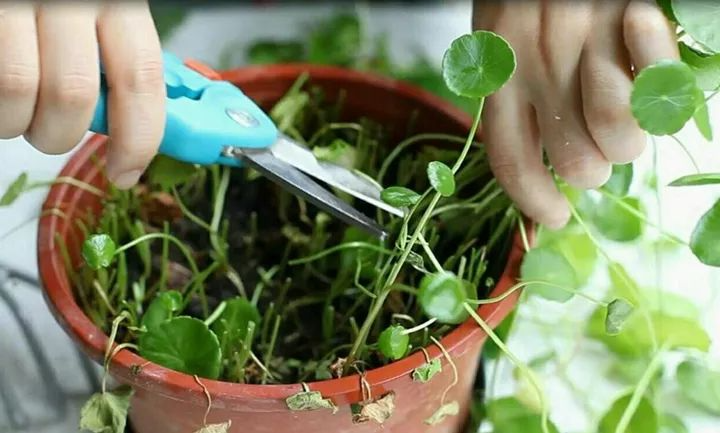
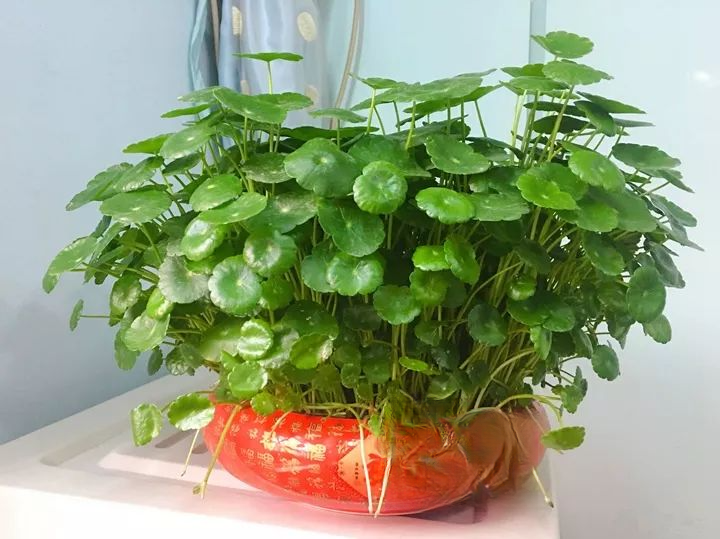
1. Copper coin grass grows quickly. If it grows poorly or in a messy manner, you can prune it completely, leaving only the roots to sprout new leaves in 7 days.
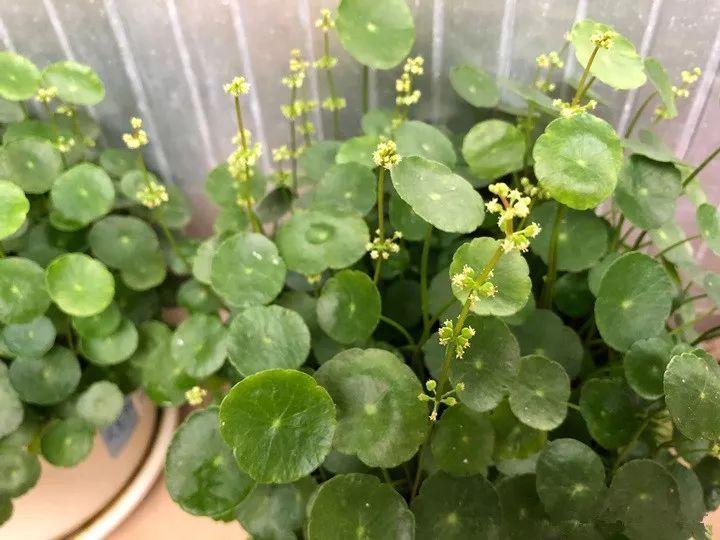
2. The flowering of pennywort consumes nutrients, so it needs to be cut off in time. If you like to enjoy the flowers, you can leave it and add some nutrient solution after it finishes flowering.
3. Pennywort is sensitive to cold, so it can be cut off in November before winter to preserve nutrients and avoid frost damage.
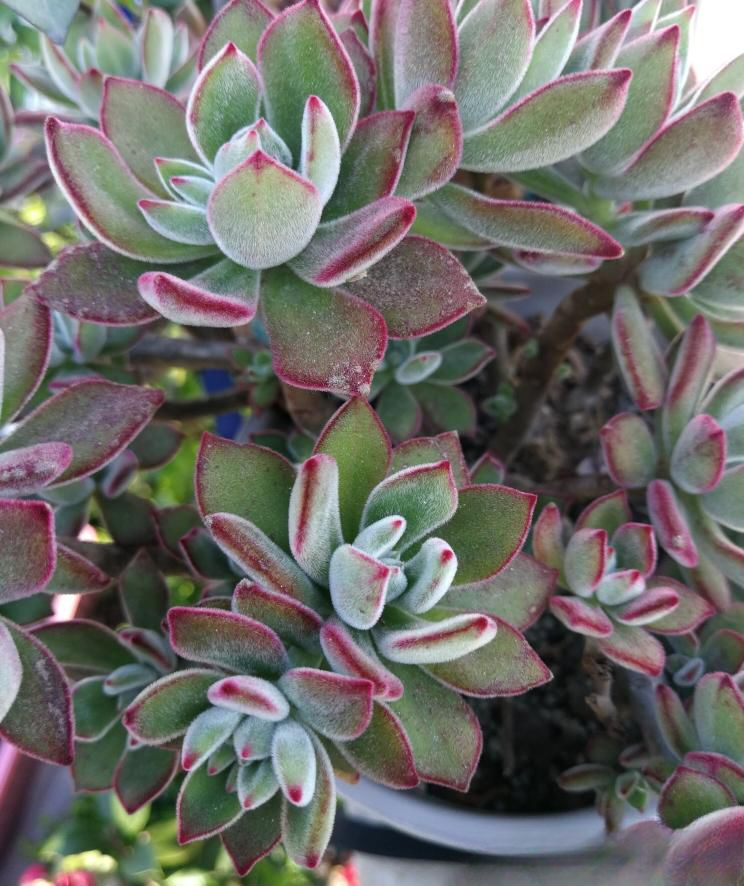
Pruning method:
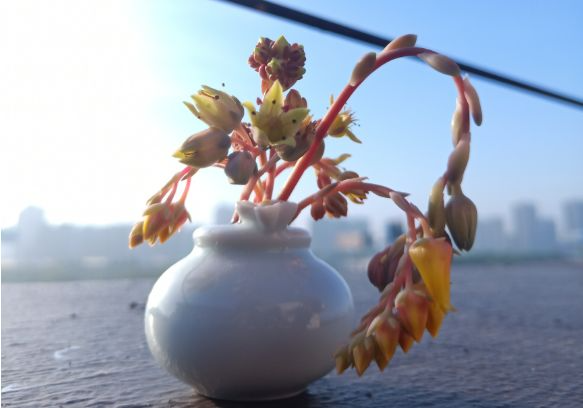
1. Succulents consume too much nutrition when they bloom, so the flower stalks need to be cut off in time. If you want to enjoy the flowers, you can cut them off and put them in water to keep them, which will also ensure that the succulents are not affected.
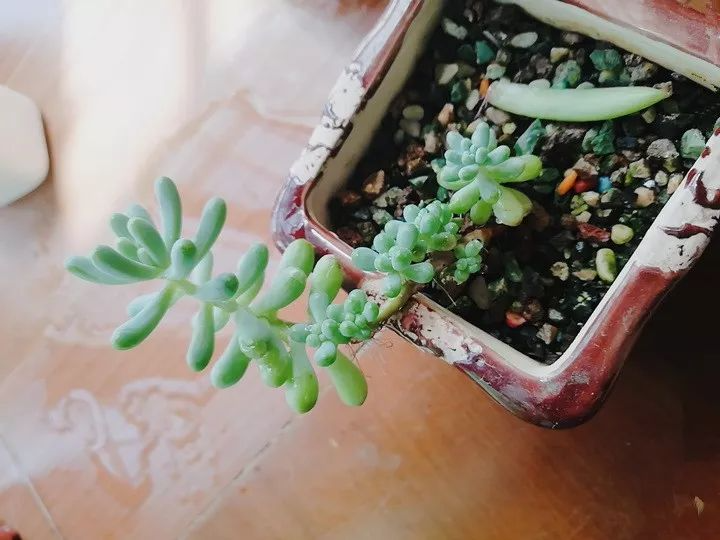
2. Indoor succulents are prone to etiolation and deformation. You can cut them in half to stop etiolation in time. The cut part will sprout new buds.
3. If there is black rot, waterlogging, or black spots, cut them off immediately to prevent the spread. Sometimes it is also necessary to dig it up to check if the root system is rotten. If it is rotten (turned black), cut it off, soak it in a fungicide solution, and then replant it in fresh soil.
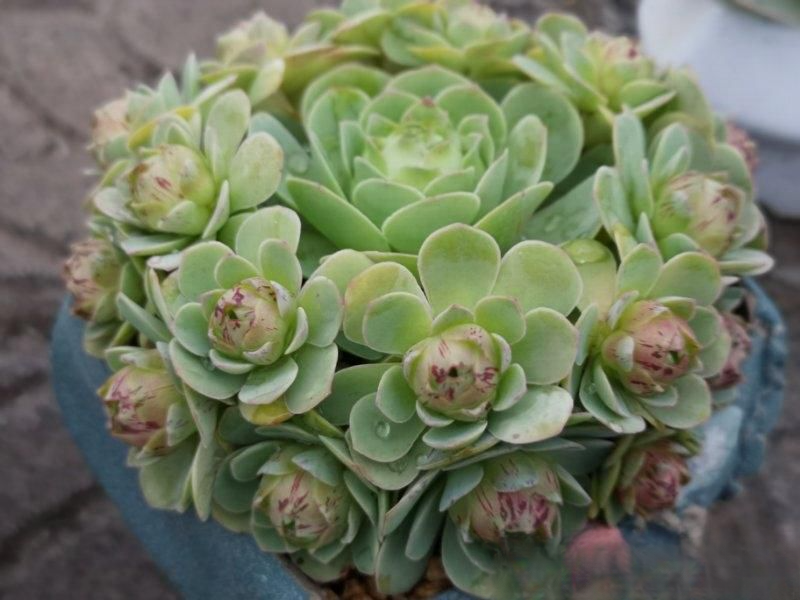
4. If the succulents are growing too densely and need to be separated, you can cut them off. The cut-off parts can be planted in soil and will root quickly.
Pruning method:
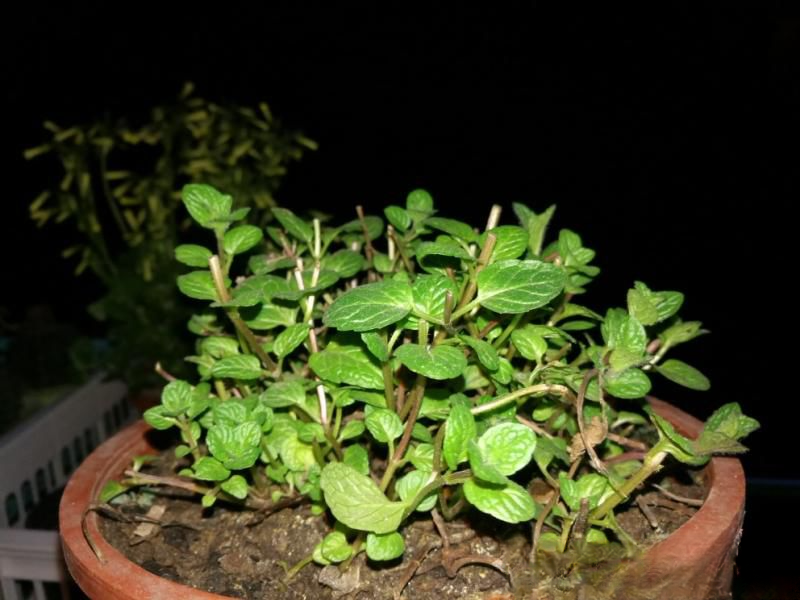
1. You can cut it at any time. Some mints are edible, and the leaves can be used to make tea, cooking, or baking. They will grow back after you pick them.
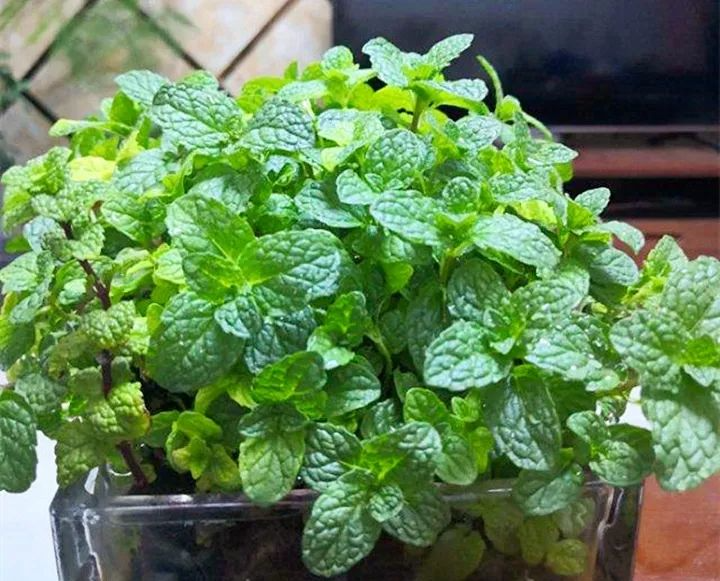
2. Mint needs frequent watering and grows quickly. Cut off the top (the length of the cut is not important), and one stem can split into two. Rather than letting the mint grow longer and thinner, it is better to prune it more often to make it fill the pot and grow stronger.
Pruning methods for these 50 types of flowers
Have you all learned it?