Common pests and control methods for potted flowers
[Introduction] Like outdoor plants, potted flowers are primarily threatened by pests and diseases. Once infected, these pests and diseases can severely impact a plant's growth and survival. Therefore, learning how to prevent and control pests and diseases is crucial. Relatively speaking, potted plants encounter fewer pests and diseases than field plants, making prevention easier.
Before learning how to prevent and control pests and diseases, everyone must have a comprehensive understanding of the pests and diseases that flowers may be susceptible to and the effective tools for preventing and controlling them. Only in this way can you prevent and control flower pests and diseases in a targeted manner.
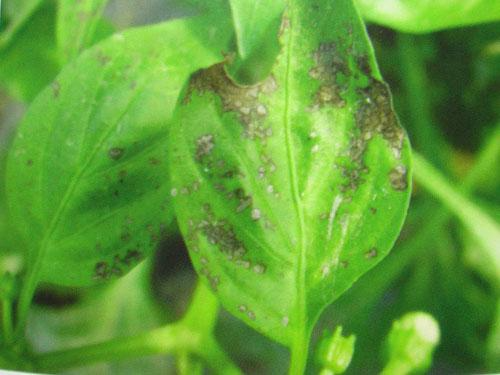
I. Common Flower Diseases and Pests
1. Aphids: These are the most common pests of flowers. There are many types of aphids, which often cluster on the tender parts of flowers, using their piercing-sucking mouthparts to suck sap. Aphids cause damage to a wide range of plants, including chrysanthemums, pansies, dahlias, and roses. During their life cycle, aphids excrete honeydew, which provides favorable conditions for the reproduction of other harmful microorganisms, causing leaves to turn black and affecting photosynthesis. Therefore, aphids should be eliminated promptly upon discovery.
2. Red spider mites: Although few in number, they cause widespread damage, affecting plants such as chrysanthemums, dahlias, roses, and azaleas. Due to their small size, these pests should be detected promptly and controlled as early as possible.
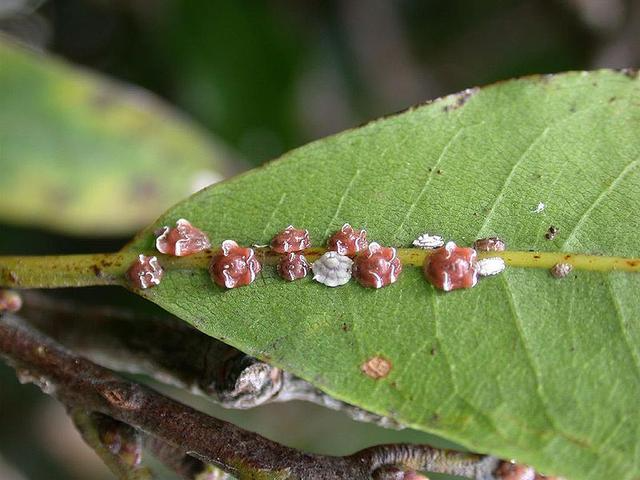
3. Scale insects: This type of pest has many species and a wide range of diets, and can damage various flowers such as cacti, roses, oleanders, and osmanthus. The secretions of scale insects also contain honeydew, which can promote the growth of these plants.
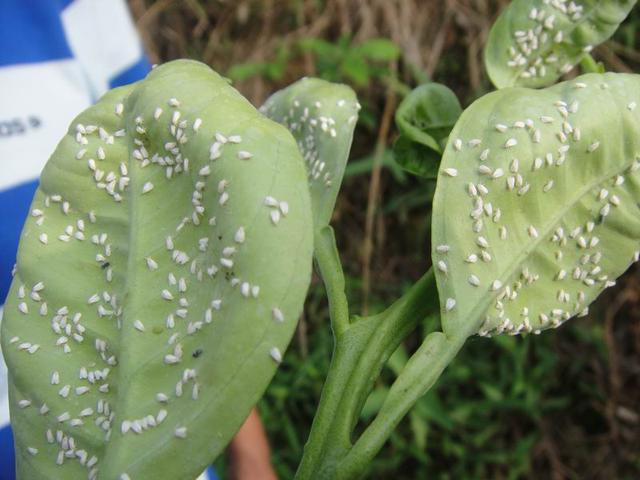
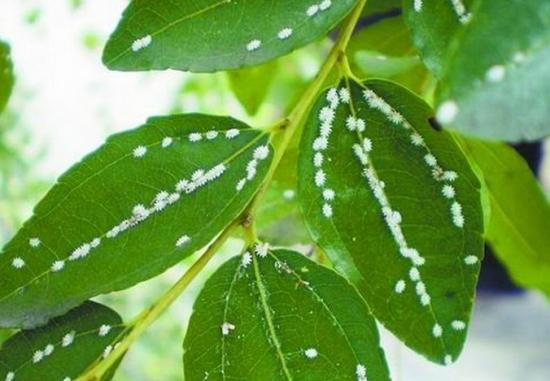
4. Whiteflies: Whiteflies are very small, only 1 mm long, white, and reproduce rapidly, thus causing serious damage. Plants infested with whiteflies can also experience a large proliferation of harmful microorganisms, causing the leaves to mold and turn black.
II. Common pesticides for pest control
1. Bordeaux mixture: It is a good protective bactericide, made of copper sulfate, quicklime and water. Depending on the amount of copper sulfate and quicklime used, it can be divided into several types, such as equal amount (1:1), half amount (1:0.5), multiple amount (1:3) and double amount (1:2).
2. Lime-sulfur mixture: It is also a protective bactericide, made by boiling quicklime, sulfur powder and water in a ratio of 1:2:10. The original solution is a dark reddish-brown transparent liquid with a rotten egg smell and is alkaline.
3. Trichlorfon: It is a highly effective and low-toxicity organophosphate preparation that has a strong stomach poison effect on pests, as well as a contact killing effect.
4. Dichlorvos: It is a highly effective and low-toxicity organophosphate preparation with strong contact, fumigation and stomach poison effects. It has a wide range of insecticidal activity, fast speed and short duration of action.
5. Dimethoate: It is a highly effective and low-toxicity broad-spectrum organophosphorus pesticide with contact, systemic and stomach poison effects. It is generally used as a spray to control pests such as aphids, spider mites, leafhoppers, leaf miners, and whiteflies by spraying 40% emulsifiable concentrate at a dilution of 1000-1500 times or 60% wettable powder at a dilution of 3000-5000 times.
6. Streptomycin: It is a white powder, usually sprayed, drenched or injected at a concentration of 100-200 mg/L to prevent bacterial diseases, downy mildew, etc.
III. Clever ways to control pests and diseases in potted plants at home (simple, easy, and pollution-free)
1. Soak tobacco or cigarette butts in water until the water turns brown, then spray the water on the branches and leaves of potted plants to prevent whiteflies and aphids; watering the potting soil thoroughly can prevent ants.
2. Soak garlic, onion, or scallion cloves in water for 24 hours, then filter. Spray the filtrate onto potted plants 2-3 times to kill spider mites and aphids.
3. Mix dishwashing detergent with water at a ratio of 1:500 to form a solution, and spray it on the branches and leaves of potted plants. This can kill aphids very effectively.
4. Soaking wood ash in water for 2 days and then spraying the clear liquid onto the affected branches and leaves of potted plants can kill aphids.
5. Add a small amount of laundry detergent or soap to water and stir to make soapy water. Applying this soapy water to the branches and leaves of potted plants can effectively kill pests such as aphids, spider mites, and scale insects.
When growing flowers at home, it is generally recommended to use non-toxic and environmentally friendly methods to prevent and control pests and diseases. After all, the concept of "green and environmentally friendly" is advocated in modern life, and the same applies to growing flowers.