Common orchid diseases and pests: all explained in one picture, with control methods included.
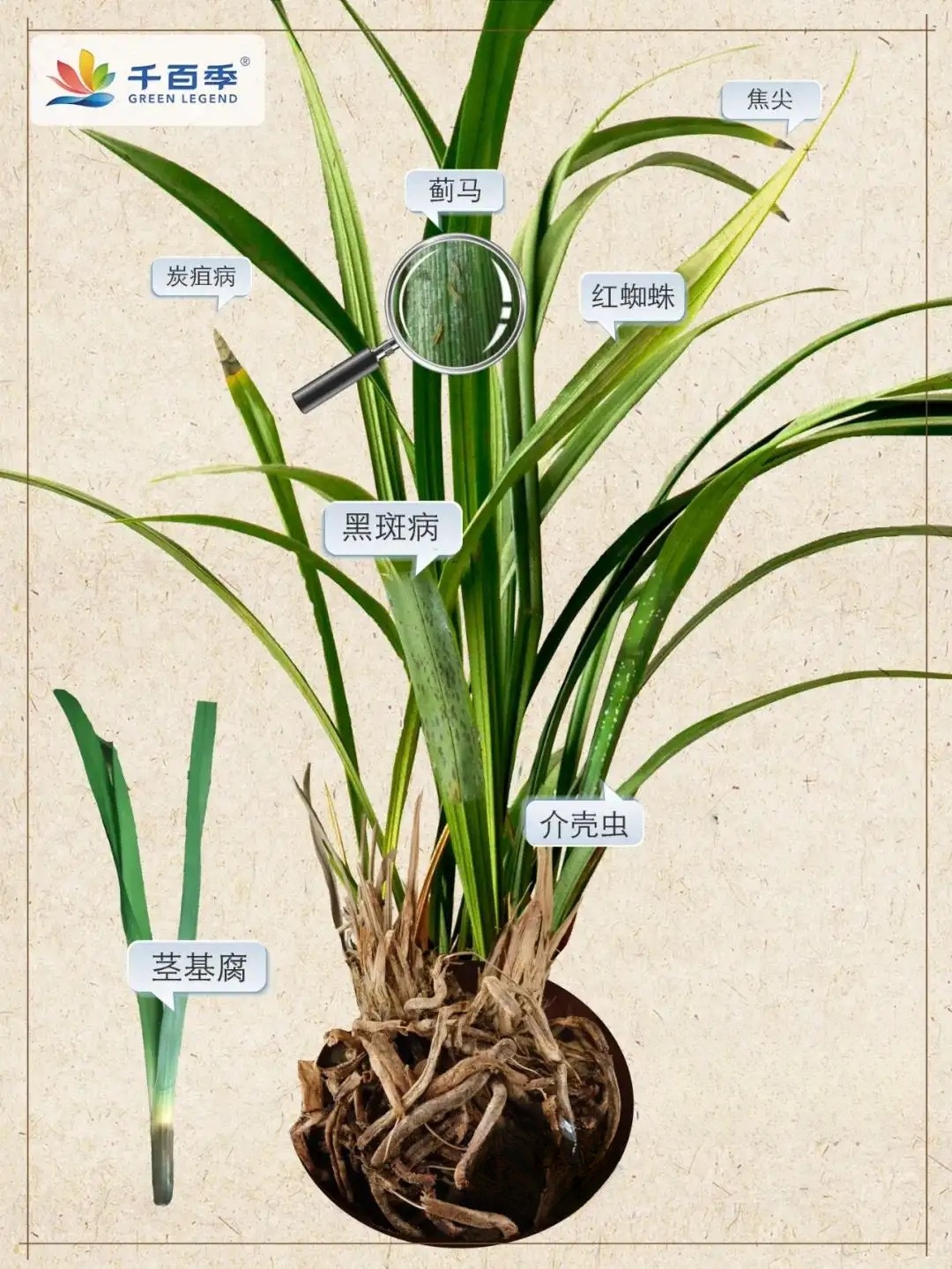
Anthracnose and black spot are fungal foliar diseases that cause spots and drying on leaves, affecting their appearance and growth. They can be controlled with a fungicide like chlorhexidine spray, applied every 5-7 days for three consecutive applications. Before applying the pesticide, remember to prune any spotted leaves to reduce the source of infection.
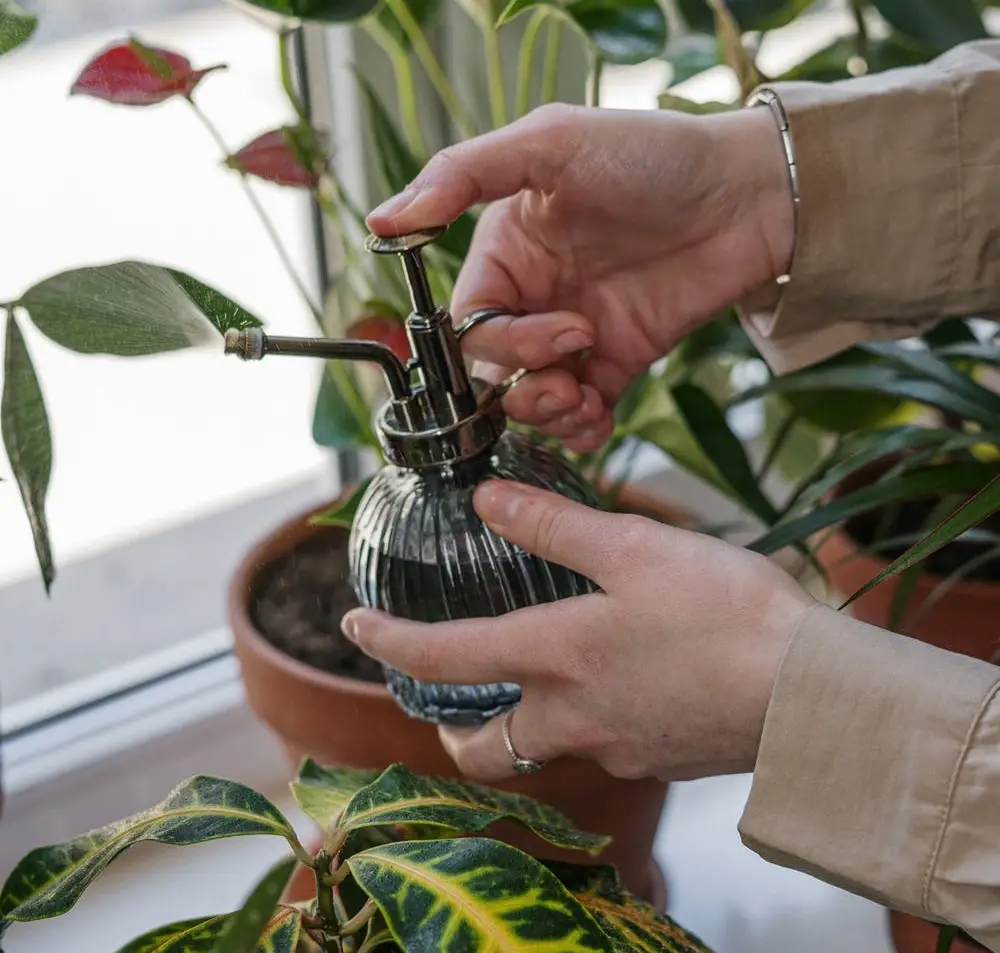
For root diseases such as stem rot and root rot, prevention is key. During routine maintenance, water with Fumo once a month . If the disease occurs, promptly cut off the rotten parts, soak in Fumo for 30 minutes, let dry, and then replant.
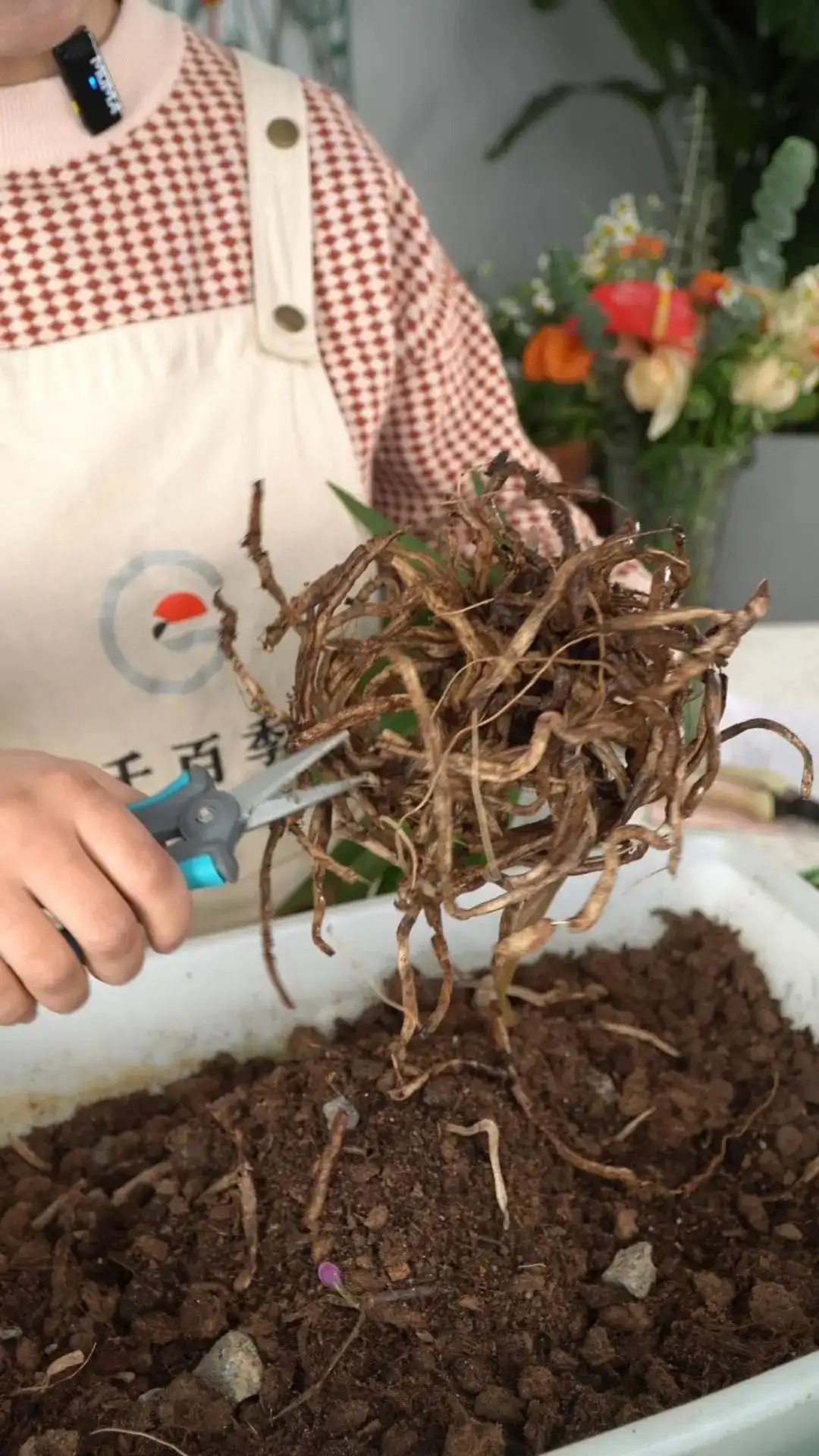
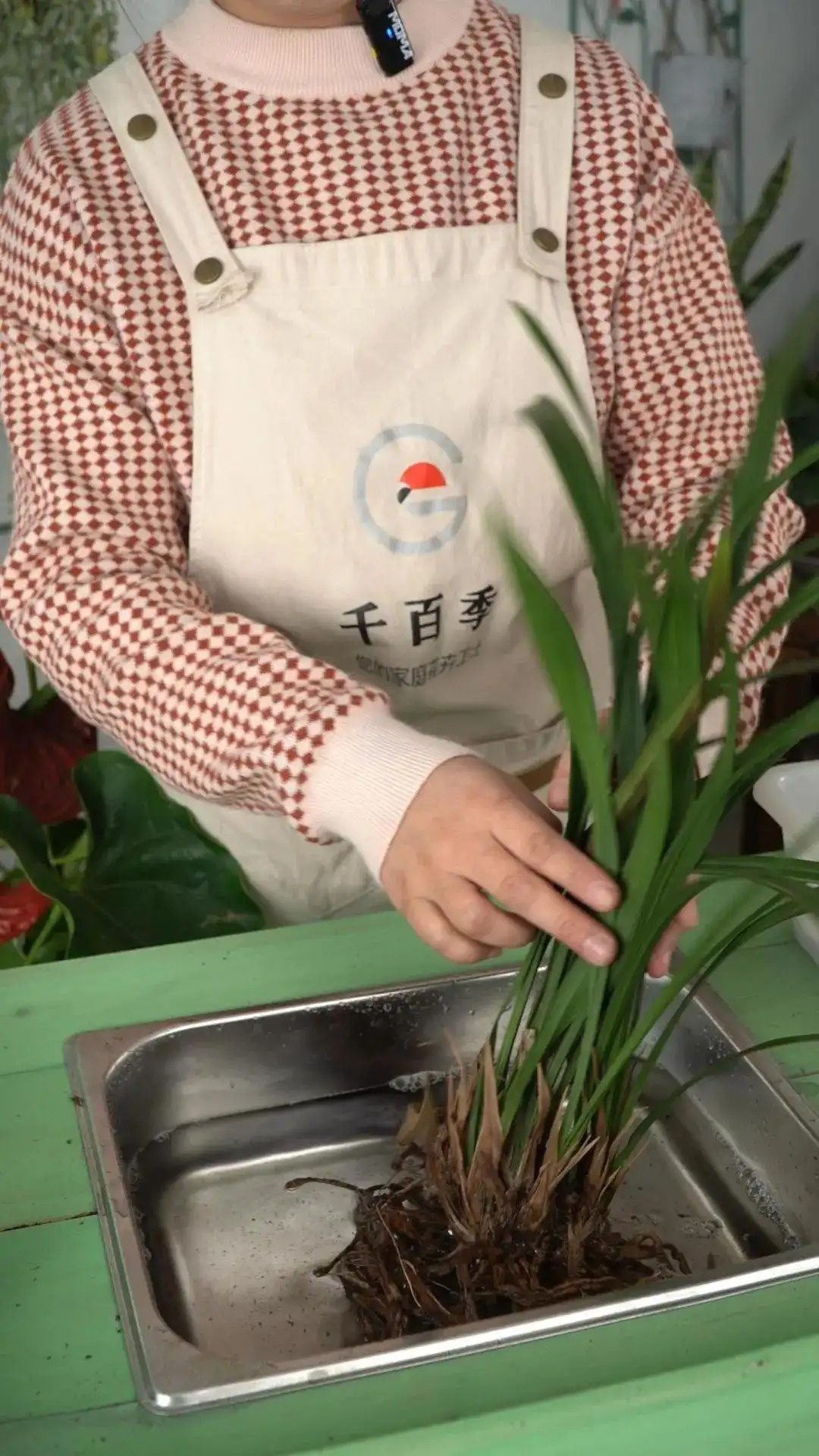
• Trim the orchid roots and soak them in Fu Meng (a type of herbal tea).
Thrips and scale insects, which are piercing-sucking pests, can be controlled with Relimid . Dissolve 500 ml of water in 4 pumps of the vacuum bottle, shake well, and spray onto the leaves. Use the remaining solution for watering. Repeat every 5-7 days for 3 consecutive applications. Before applying the pesticide, prune severely infested leaves to reduce the infestation.Insect source.
Spider mites are a common problem for gardeners, appearing almost everywhere. They can be controlled with a fungicide like chlorpyrifos spray, applied once every 5 days for a total of 3 applications. Make sure to spray the undersides of the leaves.
Burnt tips are not actually a disease, but rather caused by excessively dry air, low humidity, and poor ventilation. For example, this is common when growing orchids in northern regions during spring and autumn, as well as in winter when there is heating. Using humidifiers and improving ventilation will greatly reduce the problem.