Common diseases and pests of roses
As living standards improve, people demand that their homes be aesthetically pleasing, convenient, and comfortable. Besides equipping their homes with necessary furniture and appliances, they also want to display paintings, ornaments, and handicrafts. However, without the embellishment of flowers and plants, the space can feel lifeless and lacking in natural vitality. Therefore, cleverly arranging indoor flowers and plants—using flowers, shrubs, bonsai, and artistic flower arrangements on windowsills, walls, tables, cabinets, and corners—can create a pleasing, vibrant, and comfortable aesthetic effect.
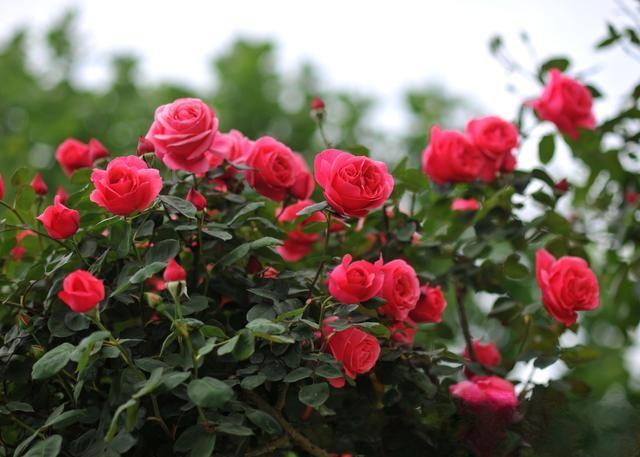
Roses come in a wide variety of colors and types, making them a top choice for many flower enthusiasts. However, once you get into roses, it's easy to become a variety collector and can't stop buying them. Many rose lovers spend money to learn how to care for roses, and only those who have experienced it can truly understand the hardships involved, yet they still enjoy it immensely.

There are many details to consider when growing roses. Regularly check the branches and leaves, as many pests hide on the back of the leaves or in the leaf axils. If pests are found, they must be removed in time. Aphids can be washed away with plenty of water, while other pests require targeted pesticide application.
For rose pests and diseases, you should apply pesticides as soon as you see them. There are many types of pests that harm roses, the most common ones being aphids, thrips, spider mites, lace bugs, leafcutter bees, sawflies and their larvae.
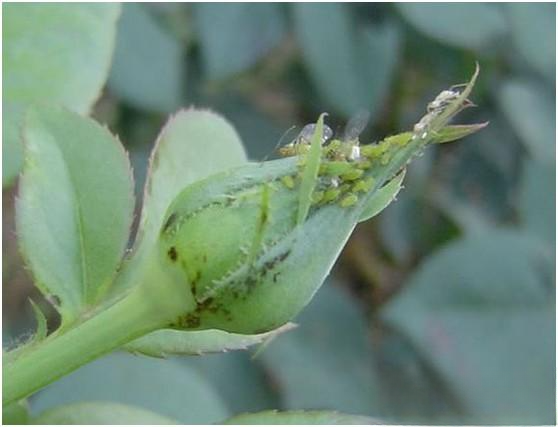
1. Aphids
These are pests with piercing-sucking mouthparts, often clustering on leaves, tender stems, flower buds, and terminal buds to suck sap.
Symptoms of damage: Causes leaves to wrinkle, curl, and become deformed and unable to extend.
Occurrence time: Peak incidence is from March to May in spring (starting in late February in greenhouses), and it can also appear in September and October in autumn. Adult aphids generally overwinter on the leaf buds and undersides of roses. After overwintering, adult aphids begin to parasitize and reproduce on new shoots, young leaves, and flower buds of roses from early April, with winged aphids appearing from mid-April. The rose long-tubed aphid reproduces twice a year, in mid-May and mid-to-late October. Temperatures around 20℃ and dry climates are conducive to reproduction.
Chemical control: Pesticides with active ingredients such as imidacloprid, acetamiprid, and thiamethoxam, such as Guoguang's Insect Killer and Syngenta's Phytosanitizer.
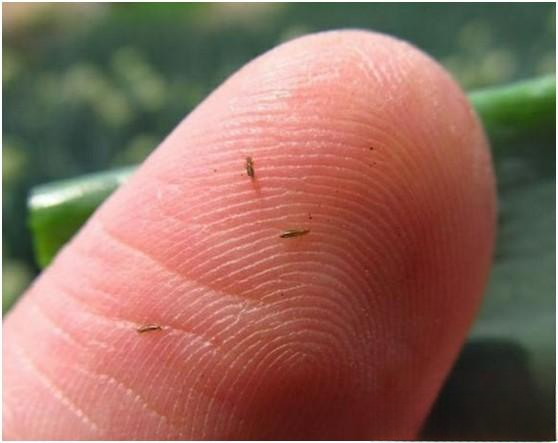
2. Thrips
Nocturnal, hence also called assassin, it is an insect that feeds on plant sap. The larvae are white, yellow, or orange, while the adults are brown or black.
Symptoms of damage: Tender branches cannot grow after being damaged, and the tips die. Nymphs feed on the undersides of tender leaves and excrete brown substances from time to time. After the leaves are damaged, the undersides become deformed, grayish-white or grayish-brown streaks appear on both sides of the midrib of the leaves, the epidermis turns grayish-brown, and becomes deformed and curled.
Timing: Occurs year-round, but mainly occurs outdoors in spring, summer, and autumn, and primarily in greenhouses in winter. The first peak occurs from March to June each year, and the second peak from September to November, mainly during the spring and autumn rose growing seasons.
Chemical control: Pesticides with active ingredients such as imidacloprid, acetamiprid, and thiamethoxam, such as Guoguang's Insect Killer and Syngenta's Phytosanitizer.
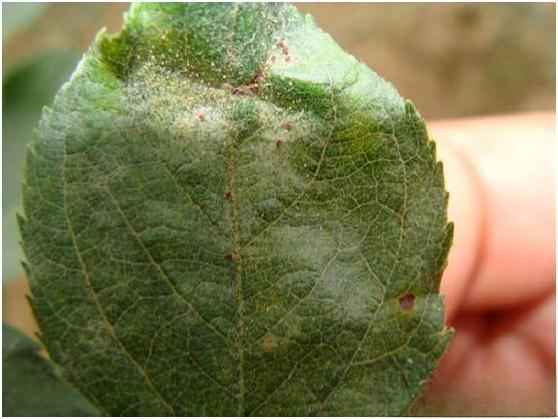
3. Red spider
The spider mites that harm roses are mainly the common spider mite, also known as the two-spotted spider mite.
Symptoms of damage: It starts from the lower leaves. It mainly consists of adult mites, nymphs, and larvae that congregate on the underside of leaves, spin webs, and suck sap. Initially, small grayish-white spots appear on the affected leaves, which then turn yellow and weak, as if they have been scorched by fire. Severe damage can cause premature leaf drop.
Occurrence time: Red spider mites prefer hot and dry conditions, from March to October. Outdoors, they begin laying eggs on weeds in March, with peak activity from May to July. They begin to migrate to the ground to overwinter in October. In greenhouses, red spider mites can occur year-round.
Chemical control: In the early stages of infestation, spray preventatively every 15 days. If individual leaves are already affected, remove and burn the infested leaves; if a large infestation occurs, spray as soon as possible. Depending on the severity of the infestation, spray once every 7-10 days, for 2-3 consecutive applications. Suitable pesticides include 2% abamectin, pyridaben, fenvalerate, and nipromethazine.
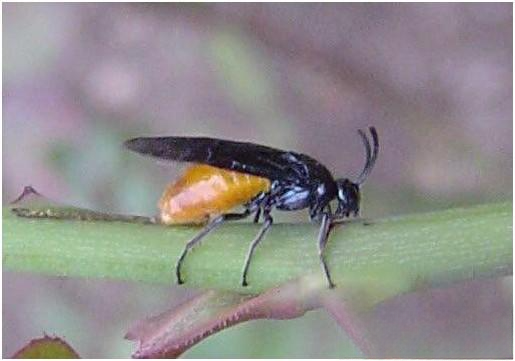
4. Rose Leaf Peak
It belongs to the order Hymenoptera, family Trisseglaceae.
Damage symptoms: The larvae feed on rose leaves, causing holes and notches. They feed quickly, often with dozens of larvae gathering on the leaves to feed, and in severe cases, they can completely devour the leaves and even tender shoots. The female adult has a sickle-shaped ovipositor, which causes longitudinal cracks in the tender shoots during oviposition, reaching deep into the xylem (causing the tender shoots to wither). These oviposition scars are 2 to 2.5 centimeters long. Because the cracks often fail to heal, the tender shoots are easily broken by the wind and die. Furthermore, when the eggs have fully hatched, the new shoots of the plant almost completely split open, causing them to turn black and fall over.
Occurrence time: There are 3-4 generations per year. The peak period for the first generation is from late May to early June, the peak period for the second generation is from early July to mid-July, the peak period for the third generation is from mid-August to late August, and the peak period for the fourth generation is from late September to early October. They usually overwinter as mature larvae in cocoons in the soil.
Chemical control: Spray phoxim, abamectin, or cypermethrin at the initial stage of pest infestation.
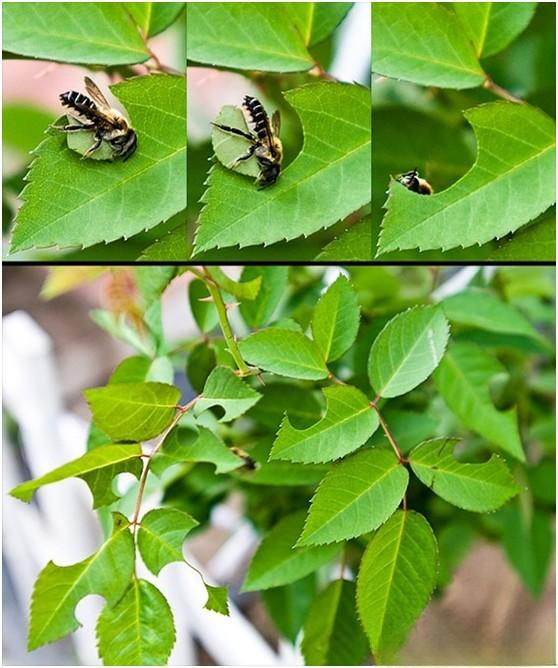
5. Moon-cutting Bee
Belongs to the order Hymenoptera, family Leafcutter Bees. They resemble small honeybees in appearance. Female bees emerge from their nests when the temperature exceeds 20°C and can cut leaves from morning till night. The leaves are not for food, but for nest building.
Symptoms of damage: It mainly damages the upper and middle leaves of the plant. The adult leafcutter bees can cut rose leaves very quickly, cutting the edges of rose or wild rose leaves into many regular oval cuts, resulting in damaged leaves and sparse flowers, which affects the ornamental value.
Occurrence time: Rose leafcutter bees have 3-4 generations per year, with overlapping generations. Mature larvae overwinter in cocoons built in dead tree cavities, rock caves, and other natural burrows. They pupate the following spring, with a pupal stage of 10-15 days. The first generation of adults appears from mid-May to late June, the second generation from late June to mid-July, the third generation from early August to early/mid-September, and the fourth generation from mid-September to late October or early November.
Chemical control: Spray Syngenta Phytochlor, Guoguang Bizhi, Phoxim, Abamectin methyl methacrylate, or pyrethroid insecticides during the larval stage or early adult emergence.
Medication usage tips:
(1) All medicines have side effects. It is recommended to temporarily isolate children and pets when spraying medicine, and remember to wear a mask to protect yourself.
(2) Prevention is the main approach. In spring and autumn each year, two weeks of key preventive application of pesticides should be carried out, with each application occurring every three days. Multiple pesticides can be used in rotation.
(3) Carefully examine the subtle clues and act first. During the season when outbreaks are likely to occur, observe the leaves frequently and carefully. If any abnormalities are found, apply the pesticide immediately. Applying the pesticide a day earlier will greatly improve the effectiveness.
(4) Prepare sufficient medication and apply it ruthlessly. During the epidemic, the dosage should be 1.5 or 2 times higher than the dosage instructions. Apply the medication continuously to give the insects no chance to breathe. After applying the medication for three consecutive days, rest for two days before continuing to apply the medication to suppress their reproduction.

Prevention and Control of Major Diseases of Roses
Common rose diseases include black spot, powdery mildew, downy mildew, rust, root and stem canker, branch blight, mosaic virus, gray mold, crown gall, gray spot, brown spot, and anthracnose.
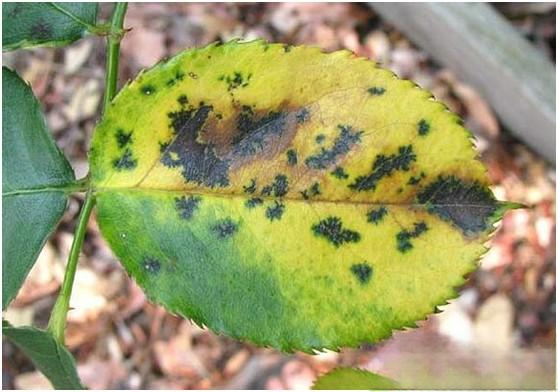
1. Rose black spot disease
Black spot disease is a disease caused by higher fungi. The black spot fungus of roses is like the cold virus in humans, spreading in the air and soil. People with weak immune systems will be infected, while those with strong immune systems will be fine.
Symptoms: Initially, lesions on the leaves appear as small purplish-brown to brown spots, turning black or dark brown. Purple to black streaks appear on young branches and flower stalks. In severe cases, the lower and middle leaves of the entire plant fall off, leaving only a few new leaves at the top.
Occurrence time: It is easy to get sick when it is rainy, foggy and dewy. It can occur all year round, and the peak incidence in the Yangtze River Basin is from May to September.
Physical control: Regularly sweep up fallen leaves and remove diseased leaves to reduce sources of infection. In winter, heavily prune severely diseased plants to remove overwintering pathogens from diseased stems. When potting, do not place plants too densely; avoid spraying water and splashing soil onto the leaves; do not water at night, as water on the leaves cannot dry quickly, facilitating pathogen invasion.
Chemical control: Before sprouting in early spring, spray with lime sulfur to eradicate pathogens; after sprouting, spray with Syngenta Frucicide, Guoguang Leaf Disease, DuPont Fuxing, or Chlorothalonil, alternating between the two fungicides, once every 10 days. If disease occurs, shorten the spraying interval to once every 5-7 days.
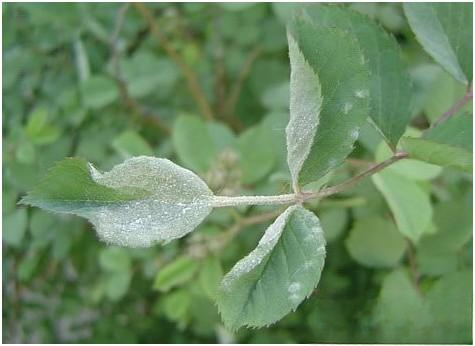
2. Powdery mildew of roses
Powdery mildew is a fungal infectious disease that mainly overwinters as mycelium in the dormant buds of infected plants. It begins to break out the following spring and continues until summer.
Symptoms: Powdery mildew affects the leaves, young shoots, flower buds, and flower stalks of roses. When young leaves are infected, they become wrinkled, curled, and deformed, with a white powdery layer covering the surface; this is a typical characteristic of powdery mildew.
Occurrence time: Spring (March-June) and Autumn (September-October). The disease is more likely to occur in warm, dry or humid environments. Rainfall or high temperatures are not conducive to the occurrence of the disease, while poor ventilation and insufficient sunlight are conducive to its occurrence.
Physical control: Avoid overcrowding the plants, prune them appropriately, and ensure adequate light and ventilation. Do not apply excessive nitrogen fertilizer; instead, increase the application of phosphorus and potassium fertilizers to enhance plant growth and maintain healthy plants.
Chemical control: In the early stage of the disease, spray with fungicides such as Guoguang Black and White Disease, Fungicide, Thiophanate-methyl, and Cyproconazole. Spray once every 7 to 10 days, for 2 to 3 consecutive times.
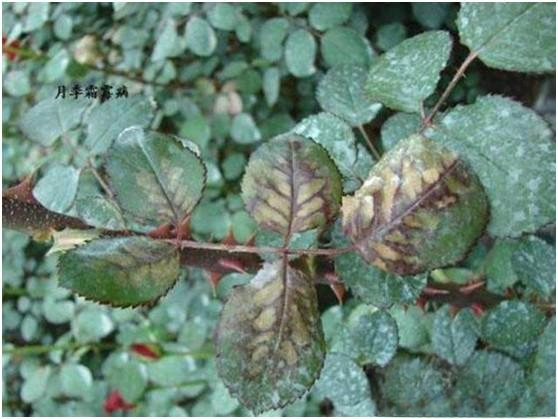
3. Downy mildew of roses
Downy mildew is a fungal infectious disease, and it spreads rapidly and causes widespread damage to roses.
Symptoms: Initially, chlorotic spots appear on the underside of the lower leaves. These spots are irregular and covered with a frosty mold layer. Later, they turn dark purple, appearing water-soaked, and eventually brown. The spots are polygonal and gradually become scorched. In severe cases, all leaves fall off.
Time of occurrence: May to August, during the rainy summer months, especially during the plum rain season in southern China.
Physical control: Plants should not be too densely packed, ensure good ventilation, and apply more scale fertilizer during the growing season to enhance the plant's disease resistance.
Chemical control: Spray with 70% Guoguang Mancozeb, Daisen, Chlorothalonil, etc., once every 7 to 10 days, for 2 to 3 consecutive times.
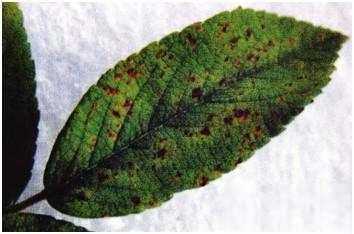
4. Rose rust disease
Rust is a fungal infectious disease that spreads through rainwater.
Symptoms: It affects the buds, leaves, tender branches, petioles, receptacles, flower stalks, flowers and fruits of roses. The symptoms are most obvious on the leaves, where powdery particles that look like rust will appear.
Occurrence time: It can occur all year round, with summer being the peak season.
Physical control: When a small number of plants are found, remove and destroy them manually in a timely manner. Ensure good ventilation for the plants. Apply more phosphorus and potassium fertilizer during the growing season and increase the application of foliar fertilizer to enhance the plant's disease resistance.
Chemical control: Use Guoguang black and white disease, 70% Guoguang mancozeb, Daisen, and chlorothalonil alternately.
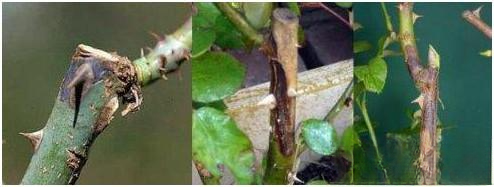
5. Rose root and stem canker
Ulcers are a bacterial disease. The bacteria attack the roots and stems of roses, destroying the active cells in the phloem and cutting off the plant's nutrient supply.
Symptoms: The disease affects the plant or the root collar near the ground. Initially, the stem bark of the infected tissue shows slight discoloration and necrosis, which later expands into irregular, water-soaked black lesions with dried edges. In grafted seedlings, water-soaked lesions often appear at the junction of the rootstock and scion, sometimes extending to the branches above the soil surface. Eventually, the root system rots, and in severe cases, the entire plant dies.
Occurrence time: The disease occurs from June to October, with the peak incidence from July to September. It is more prevalent during the rainy season, when the potting soil is too wet or after heavy rain, and the high temperature and humidity conditions make the disease more likely to occur.
Physical control: Plant disease-free seedlings, avoid overcrowding, ensure ventilation, prevent excessive moisture in the growing environment, and promptly prune and destroy any diseased branches.
Chemical control: Agricultural streptomycin, liquidizing agent (watered at the roots), or 43% formaldehyde at a 40-fold dilution can be sprayed on the topsoil.
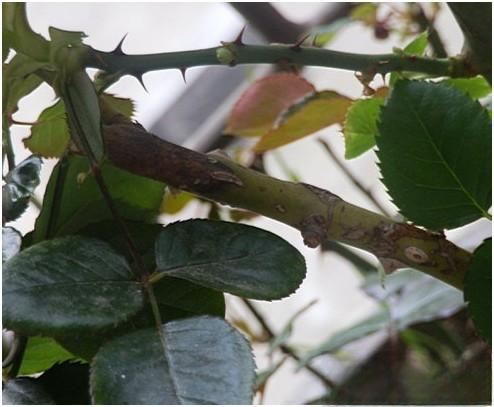
6. Moonflower blight
Also known as stem canker, it is a fungal disease. The lesions on the stem are slightly sunken and cracked longitudinally.
Symptoms: It often occurs on pruning wounds and grafted stems, initially appearing as small purple spots, which later enlarge into oval or irregular spots with a light brown center and purplish-red edges. In later stages, the lesions crack, and small dark brown dots, i.e., conidiophores, appear on the surface. When the lesion encircles the branch, the area above the lesion turns brown and dies; in severe cases, the entire plant dies.
Occurrence time: Spread by wind and rain, the pathogen generally enters through wounds (during grafting and pruning). Weak plants (due to excessive pruning, lack of water and fertilizer, or the seedling itself) are more severely affected. The disease is most severe during the hot and dry season from June to September.
Physical control: Pruning should be done on sunny days. Apply sulfur powder to the cut surfaces. Post-pruning and grafting management should be followed to promote early wound healing. Diseased branches should be pruned and destroyed in a timely manner.
Chemical control: Spray lime sulfur mixture during the dormant period to eradicate pathogens; spray carbendazim, thiophanate-methyl, or thiophanate-methyl in May and June (early stage of disease).
Friendly reminder:
To maintain healthy growth and abundant flowering in roses, in addition to timely pest and disease control, it is essential to ensure sufficient sunlight, water, and fertilizer during the growing season. Promptly prune spent flowers, diseased or weak branches, horizontal branches, and rootstock buds. Additionally, rejuvenate 30% of old branches annually. Potted roses should have their growing medium changed and roots pruned every two years. In areas where temperatures drop below -18 degrees Celsius, frost protection measures are necessary.
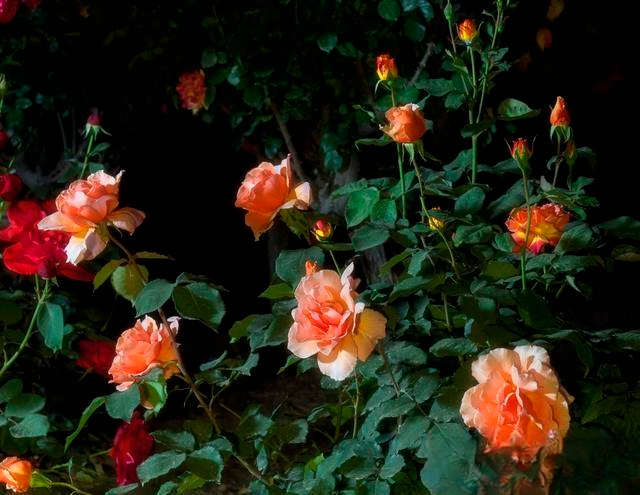
To cultivate a fragrant flower is to cultivate a state of mind. To appreciate the fragrance is to enjoy life. Life is full of joys and sorrows, partings and reunions. Only a tranquil mind brings true comfort and solace. Cultivating a flower is cultivating a sanctuary for the soul, allowing the spirit to rise above adversity in a chaotic world. Cultivating plants is, in essence, cultivating one's character, becoming as serene and composed as the plants themselves, adapting to changing seasons and growing tirelessly. In the midst of a busy life, gently tending to these beautiful lives is like caring for a newborn baby, filling one with love—a feeling that is truly captivating.