Common diseases and pests of jasmine and their control methods
1. The Two-Striped Horned Moth (Trichophyselis cretacea (Batler))
Brief introduction to the two-striped horned moth
The two-striped horned moth (Pyralidae) belongs to the family Pyralidae and subfamily Pyralinae. It is known to occur in low-lying plains in Japan from May to June and August to September, damaging the flowers and fruits of millet. In China, it has been found to damage jasmine flowers, and is commonly known as the jasmine bud moth. Locally, it is called the flower heart borer.
Life cycle: The larvae overwinter on tender branches and withered flowers of jasmine. They pupate in late February or early March when spring warms, and emerge as adults. Adults lay eggs on flower buds or tender shoots and leaves. After hatching, the larvae burrow into the flowers and feed on them. When there are no flowers, they damage the leaves. They can move between leaves and feed on other parts of the plant. The larvae can also damage tender branches. There are more than ten generations per year. Observations show that this insect damages jasmine throughout its entire flowering period, with overlapping generations. The peak period of damage is from June to September.
Control methods for the jasmine double-striped horn borer
This insect primarily damages flowers, and jasmine flowers are a raw material for scented tea, requiring particularly high safety standards. Control measures must first and foremost avoid using highly toxic and persistent pesticides during the flowering period. Pesticide application should be avoided during flowering as much as possible, and pest control should be implemented before and after the flowering period to manage the insect population density. Specific methods:
(1) Clean the fields in winter, thoroughly prune dead branches, insect-damaged branches and insect-infested branches, and burn them. Sweep up dead leaves, and burn or bury them. Check fields with a large number of overwintering insects, and apply pesticides to reduce the overwintering insect population.
(2) During the flowering period, attention should be paid to inspection, and any damaged flower buds, flowers and branches should be removed in time.
(3) Smoke can be used in the flower field at dusk to prevent adult insects from laying eggs.
(4) Chemical control. You can use 24.5% chlorpyrifos at 2000 times dilution or 1.8% chlorpyrifos at 2000 times dilution, or 800-1000 times dilution of Sanle insecticide, or other abamectin-type pesticides, such as: 0.9% abamectin at 2000-3000 times dilution, 1% chlorpyrifos at 2500-3500 times dilution, 0.6% chlorpyrifos at 2000 times dilution, or 24.5% chlorpyrifos at 2500-3000 times dilution, or 0.5% chlorpyrifos at 2000 times dilution, or 4.5% high-efficiency cypermethrin at 3000 times dilution for spraying.
II. Jasmine Leaf Moth (Neusinoe gemetralis Guenee)
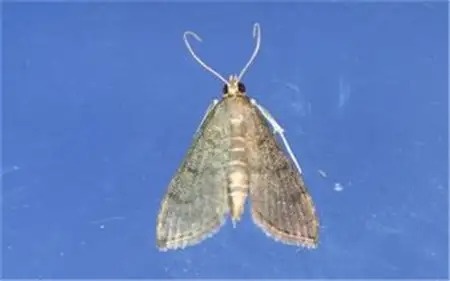
Jasmine Leaf Moth Introduction
The jasmine leaf borer belongs to the order Lepidoptera and the family Pyralidae. The larvae primarily feed on jasmine leaves, but sometimes also damage flower buds and tender branches. Newly hatched larvae congregate on the underside of leaves, feeding on the leaf tissue and leaving a translucent epidermis. As they mature, they eat holes or bite notches into the leaves. They can also gnaw on the bark of twigs, causing leaves to turn yellow and fall off, eventually leading to the death of the entire branch.
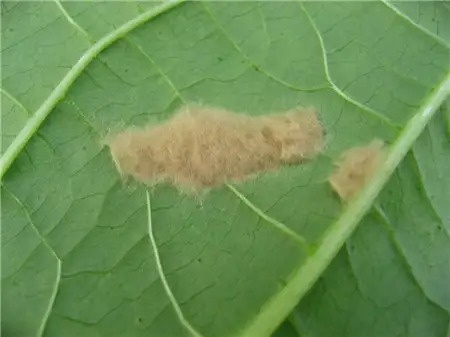
Life cycle: In southern regions, there are 10 generations per year, overwintering as larvae. Adults emerge between March and April, remaining dormant during the day and active at night, mating and laying eggs. Eggs are mostly laid on the upper surface of leaves, but also on the underside of leaves and twigs. Eggs are laid in clusters, arranged in a fish-scale pattern, with each female laying 50-200 eggs. Larvae initially gregariously, but disperse after the third instar, often weaving branches and leaves together to hide within, feeding and causing damage. Damage is most severe in autumn.
Jasmine leaf moth control methods
1. In early spring, clean up the garden, sweep away dead branches and fallen leaves, and burn them to eliminate overwintering insect sources.
2. Biological control. This includes protecting natural enemies, releasing parasitic wasps to lay eggs, and using biological pesticides such as Bacillus thuringiensis.
3. Chemical control. When natural enemies cannot control the damage, you can use a 600-800 times dilution of 90% trichlorfon, a 1000 times dilution of 50% fenitrothion EC, a 1500-2000 times dilution of 2.5% deltamethrin, or a 2000-3000 times dilution of 20% cypermethrin. Alternatively, you can use a 2000 times dilution of 24.5% carbendazim or a 2000 times dilution of 1.8% chlorfenapyr. Note that spraying should be done after harvesting flowers; generally, harvesting should not be done more than 5 days after applying pyrethroid pesticides.
3. Spodoptera litura (Fabricius)
Introduction to the Spodoptera litura
The beet armyworm (Spodoptera litura), belonging to the order Lepidoptera and the family Noctuidae, is also known as the lotus-patterned armyworm or the beet armyworm. It is a global pest, mainly distributed in tropical and subtropical Asia, the Mediterranean region of Europe, and Africa. It is found throughout my country. This insect is an omnivorous and voracious leaf-eating pest, often experiencing intermittent large-scale outbreaks. It is known to damage more than 200 species of plants from 99 families, with at least 99 species being its preferred food. Among cultivated crops, it mainly damages jasmine, cotton, tobacco, sweet potatoes, peanuts, soybeans, corn, wheat, sugar beets, taro, lotus root, sesame, sunflowers, melons, and cruciferous vegetables. The larvae primarily feed on leaves, but also consume flowers, fruits, and tender shoots. This insect is more prevalent in warmer regions south of the Huai River in my country, with larger populations in the middle and lower reaches of the Yangtze River and South China, while occasional occurrences occur in northern regions.
Occurrence pattern: The number of generations of the beet armyworm increases gradually from north to south each year. There are 4 generations per year in Shandong Province, 4 to 5 generations in Henan Province, 5 to 6 generations in Anhui, Hubei and Hunan Provinces, and 6 to 9 generations in Fujian, Guangdong and Yunnan Provinces.
The occurrence and damage of the beet armyworm are influenced by many factors, including temperature, humidity, soil, rainfall, host plants, natural enemies, and human intervention. The optimal temperature for growth and development is 25–30℃, and the optimal relative humidity is 75%–80%. Fields with good water and fertilizer conditions and dense growth generally have higher insect populations. A soil moisture content of 20% is conducive to larvae entering the soil for pupation and adults emerging. Newly hatched larvae will die in large numbers if washed away by heavy rain, and prolonged waterlogging in the field is also detrimental to pupal survival. In Guangxi, the temperature and humidity conditions are most suitable for the growth and development of the beet armyworm; if there is no continuous heavy rain in June, it is conducive to a large-scale outbreak of the insect.
Control methods for beet armyworm
(1) Trapping adults: Take advantage of the phototaxis and chemotaxis of adults, and use black light lamps and poplar branches or sugar and vinegar solution to trap and kill adults.
(2) Manual killing: Based on the characteristics of adult insects tending to lay eggs on the underside of leaves in the middle of the plant and young larvae feeding and causing damage in groups, remove egg masses and kill adult insects in time during the peak egg-laying period and before the larvae spread and cause damage.
(3) Chemical control: During the peak period of young larvae, spray with pesticides such as 10% chlorpyrifos suspension at 1500 times dilution, 5% cypermethrin suspension at 2500 times dilution, 5.7% cypermethrin EC at 4000 times dilution, 4.5% high-efficiency cis-cypermethrin EC at 3000 times dilution, 52.25% deltamethrin EC at 1500 times dilution, 90% trichlorfon at 800 times dilution, 80% dichlorvos at 1000 times dilution, 35% cypermethrin EC at 1000 times dilution, and 2.5% deltamethrin at 3000-4000 times dilution.
IV. Citrus Gray Weevil (Sympiczomias citri Chao)
Citrus Gray Elephant Introduction
The citrus weevil belongs to the order Coleoptera and the family Curculionidae. It damages jasmine flowers from March to May each year, with adults feeding on tender buds, new shoots, and young leaves, as well as older leaves. Both young and old leaves are notched, and in severe cases, the entire plant is eaten, significantly impacting the first bloom in late April and early May. Preliminary surveys indicate that in some sandy loam jasmine fields along the Hengxian River, the weevil population can exceed 20,000 per acre. The citrus weevil is also known to damage citrus, tea, jasmine, peach, longan, and lychee.
The citrus weevil's life cycle: This insect has one generation per year, with a few completing one generation in two years. Adults and larvae overwinter in the soil. Overwintering adults emerge from the soil successively from mid-March to early April. Egg laying begins in mid-April. Larvae hatch from late April to mid-July, pupate successively from late September to late October, and emerge as adults in late October, overwintering in the pupal chamber that same year. Larvae hatching after late July overwinter as 3rd-4th instar larvae that year, continuing activity the following spring. After pupating and emerging as adults in the same year, they overwinter again, emerging as adults in the third year. After emerging, adults climb the tree trunk to the treetops, feeding on tender buds and leaves; if no tender buds and leaves are available, they feed on older leaves. Adults are slow-moving, exhibit strong feigning death behavior, and prefer to hide in rolled leaves and in areas where branches intersect. They are highly resistant to starvation, lasting 6-27 days. Eggs are laid between two overlapping leaves. Adults have a long lifespan, with males averaging 183 days and females 130 days in terms of activity. After hatching, the larvae fall to the ground and burrow into the soil at a depth of 10–50 cm, feeding on young plant roots and humus. Once mature, the larvae pupate in an earthen chamber.
Citrus gray weevil control methods
Manual capture and killing: This insect has no hind wings, cannot fly, moves slowly, and has a strong tendency to feign death, so it can be captured and killed manually.
Chemical control: Spraying is recommended during the peak adult emergence period. Suitable pesticides include: 30% imidacloprid at 1000x dilution, 4.5% lambda-cyhalothrin at 1000-2000x dilution, or 2.5% cypermethrin at 1000-2000x dilution. A small amount of dichlorvos can be added to the spray. Highly toxic pesticides such as methamidophos and 1605 should not be used due to their high toxicity and long residual period.
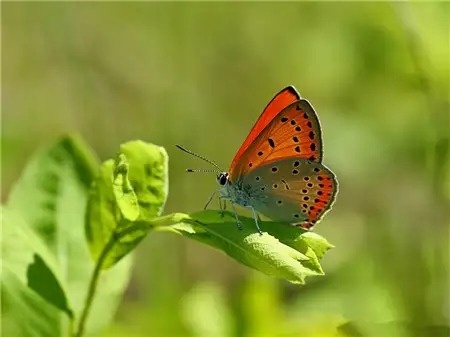
V. *Aleurotuberculatus takahashii* David et Subramaniam, a whitefly
Introduction to the whitefly *Gao's gall*
The whitefly *Gorgonius chinensis* was previously reported to primarily infest citrus. However, this insect is now severely damaging jasmine in Guangxi; it is widespread in Hengxian County, with high population densities in some areas and obvious symptoms of damage. In a severely affected flower field in Caocun Village, Fucheng Town, Hengxian County, 14 leaves with a high number of infestations were examined. An average of 65.3 live nymphs and 58.6 empty pupal cases were found per leaf, totaling 123.9 live nymphs and pupal cases per leaf. The leaf with the highest infestation count had 152 live nymphs and 137 pupal cases, totaling 289. Such a high infestation rate has caused significant yellowing and chlorosis of the leaves, severely impacting plant growth. Because the whitefly feeds with its piercing-sucking mouthparts and does not cause morphological damage to the leaves, and because the insects are small and cluster on the undersides of leaves, its importance has not yet been widely recognized by flower growers. The whitefly *Gorgonius glabripennis*, belonging to the family Amyliidae in the order Hemiptera, was first discovered in India in 1971. In China, it is known to be distributed in Jiangxi, Fujian, and Guangxi provinces. In Fujian province, this insect is reported to primarily damage citrus and jasmine, with other known host plants including Murraya paniculata, star fruit, and gardenia. On jasmine, both nymphs and adults congregate on the underside of leaves, sucking sap and causing the leaves to turn yellow and brittle, resulting in poor plant growth and, in severe cases, branch dieback. It also secretes honeydew, which can easily induce sooty mold.
Adults prefer to congregate on the undersides of young leaves at the top of plants to feed and lay eggs. When disturbed, they often fly short distances. Adults are attracted to light, prefer humid conditions, and are most active in high temperatures. They reproduce sexually or parthenogenetically. Eggs are laid singly on the undersides of leaves. Newly hatched nymphs can crawl around on the undersides of leaves, but become stationary after the second instar. Dozens or even hundreds of nymphs often congregate on a single leaf to cause damage. The peak periods for this insect are April to June and September to October.
Control methods for whiteflies of the Gao's gall
Based on the characteristics of this insect and our results in controlling whiteflies while controlling other pests, we offer two control suggestions for your reference.
Protecting natural enemies: This insect has predatory natural enemies such as grasshoppers, ladybugs, predatory mites, and spiders; its main parasitic natural enemy is the aphid wasp. Various natural enemies play a certain role in controlling pests; therefore, when spraying pesticides to control pests in jasmine fields, the use of highly toxic chemical pesticides should be avoided as much as possible.
Chemical control: During the peak emergence period of young nymphs, use highly effective pesticides such as imidacloprid and pymetrozine to spray and kill homoptera pests. The insecticides used by flower growers to control the two-striped horned moth, such as Insecticide and Flower Maggot Killer, have good killing power against adult whiteflies and are relatively safe for natural enemies.
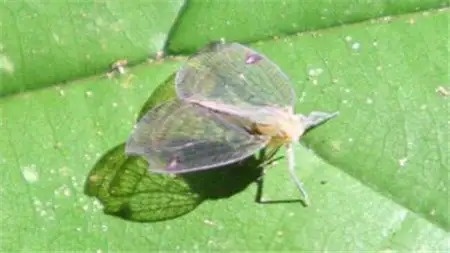
6. Flower Thrips (Frankliniella intonsa)
Flower Thrips Introduction
Flower thrips belong to the order Thysanoptera and the family Thripidae. This insect damages the corolla and stamens inside flowers, particularly around the ovary, harming the reproductive organs. Damaged corollas develop horizontal stripes or spots; in severe cases, the corolla can become deformed, wilted, and even dry out, significantly impacting its ornamental value. Damaged leaves often develop silvery-gray streaks on young stems and new leaves, or the base of the leaves may turn silvery-gray, leading to leaf drop and hindering growth.
Life cycle: There are 11-14 generations per year, with overlapping generations. Adults overwinter. Adults are strongly attracted to light. Dozens to hundreds of adults and nymphs can be found in the stamens of slightly fragrant flowers with large corollas. Eggs are mostly laid in petals, filaments, and young leaves; the oviposition site is slightly swollen or raised, and can be examined against light. Each female lays 77-248 eggs, and the oviposition period lasts 20-50 days.
Thrips control methods
Chemical control measures can be adopted. Spray with 2.5% rotenone EC at a dilution of 500-800 times, or 3% pyrethroid EC at a dilution of 800-1000 times, or 50% fenitrothion EC at a dilution of 1000 times, or 20% cypermethrin EC at a dilution of 1000-2000 times, or 25% quinalphos EC at a dilution of 1000-1500 times, or 10% aphid-killing ultrafine wettable powder at a dilution of 3000-5000 times.
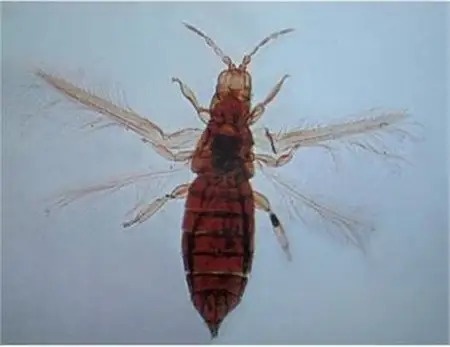
7. Cotton Red Spider Mite [Tetxanychus cinnabarinus (Boisduvavl)]
Introduction to Cotton Red Spider
The cotton red spider mite, also known as the two-spotted spider mite or cotton leaf mite, belongs to the order Acari and family Tetranychidae. It is a significant pest mite. Cotton red spider mites are omnivorous, reproduce rapidly, and spread quickly, damaging dozens of plant species, including corn, melons, beans, vegetables, trees, and weeds. Jasmine is one of the plants they commonly damage. Adult mites, larvae, and nymphs pierce and suck sap from the undersides of jasmine leaves or flower buds, causing the affected leaves to lose their green color, turning noticeably white, and in severe cases, yellowing or even developing rust-like spots. Damaged flower buds become smaller and wrinkled, or close completely, significantly impacting flower yield and quality.
Cotton red spider mites can be transported by water currents, spread by wind, or crawl short distances to disperse. Generally, dry climates and high temperatures favor their reproduction and damage. The optimal temperature for their occurrence is 29–31℃, with a relative humidity of 35%–55%. If the air humidity exceeds 70%, their reproduction will be inhibited. Cotton red spider mites have many natural enemies, such as lacewings, carnivorous mites, carnivorous thrips, and ladybugs, all of which play a good role in controlling cotton red spider mites.
Cotton red spider mite control methods
1. Agricultural control (1) Remove weeds in the field and along the edges of the field. Combine pruning with removing diseased leaves and clearing fallen leaves. Burning or disposing of them can eliminate overwintering insect sources and reduce the damage caused. (2) Strengthen water and fertilizer management to enhance the plant's resistance to insects. Maintain humidity to worsen the living environment of cotton red spider mites.
2. For chemical control, you can use 24.5% chlorfenapyr or 1.8% chlorfenapyr diluted 2000 times, or 50% tricyclazole wettable powder diluted 1500 times, or 75% chlorfenapyr EC diluted 1000 times, or 35% cypermethrin EC diluted 3000 times, or 50% apollo diluted 4000 times for spraying. Spray again after 7 days.
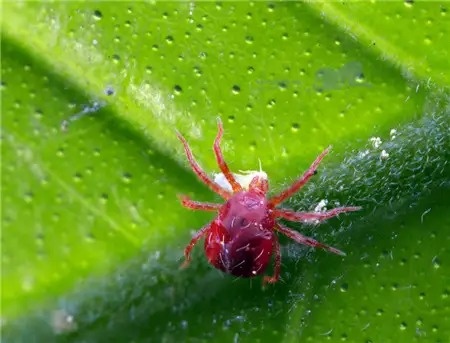
8. Snail
Snail Introduction
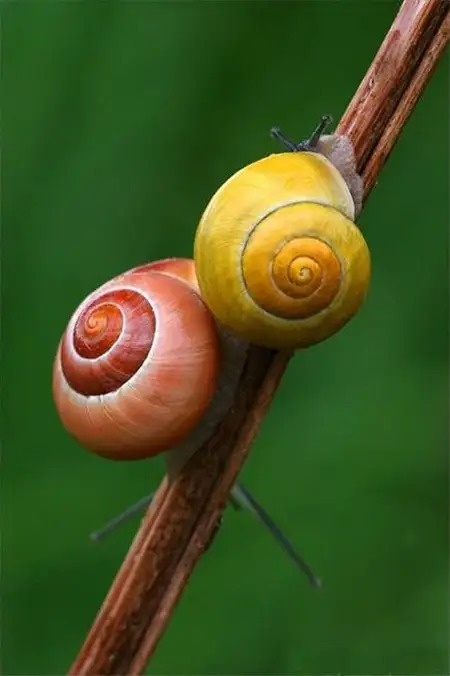
Snails are mollusks, not insects. They belong to the class Gastropoda, order Stylomata, family Slugidae. Common names include water buffalo, snails, and hard-shelled insects. Common species found in farmland include the similaris (Ferussac) and the ravida (Bradybaena ravida), with the similaris being the predominant species. Snails have a varied diet, damaging not only jasmine flowers but also vegetables, beans, hemp, tobacco, tea, cotton, green manure, bananas, fruit trees, and weeds. On jasmine plants, they damage everything from newly emerging buds to growing branches, young leaves, old leaves, and even the stems. They often feed in groups, devouring young buds, biting through the bark of branches causing them to wither, or biting leaves into notches, perforations, and rot, severely impacting yield.
Occurrence Pattern: The same type of snail has one generation per year. Adults and juveniles overwinter in loose soil around crop roots, under fallen leaves and branches, or under piles of rocks and clods of earth. During overwintering, they often secrete a white membrane to seal the shell opening. In March of the following year, as temperatures warm, the overwintered adults and juveniles become active, congregating on crop stems to feed on new shoots. Snails have two peak mating and egg-laying periods each year, the first in April and the second in September. Female adults begin laying eggs a few days after mating, depositing them 1-2 cm deep in the topsoil near plants or under fallen leaves. The eggs accumulate in heaps, each containing ten to several dozen eggs, with each female laying up to 200 eggs. Eggs need shade to survive; exposure to direct sunlight and drying will cause them to burst. Juveniles eat very little for the first four months after hatching, but their appetite increases significantly after six months. They mature into adults after about eight months. Snails prefer damp environments. On sunny days, they mostly hide in shady places, becoming active in the early morning, late evening, and on cloudy days. Their damage peaks twice a year: from April to May, when overwintering juvenile snails mature and the number of adult snails in the fields increases. This period, with abundant rainfall and high humidity, is ideal for their growth, leading to severe damage. From June to August, rising temperatures and drought hinder their activity. They mostly hide under crop roots or soil clods, remaining inactive and secreting a white membrane to seal their shells and survive the hot summer. From September to October, as temperatures drop and autumn rains arrive, they resume feeding and mating activities, laying eggs. After November, they gradually move to overwintering sites.
Snail control methods: agricultural and manual control
(1) Clean the fields regularly, sweep away and burn the dead branches and leaves on the crop ground, especially the branches and leaves pruned before winter, which are one of the places where snails overwinter and should not be left in the field to overwinter.
(2) Between April and May and between September and October, it is the snail egg-laying season. In conjunction with weeding and cultivation, the topsoil around the roots of the crops should be turned over and exposed to the sun to kill the eggs.
(3) During the peak activity period of snails, take advantage of their large number of exposed snails to feed in the early morning, late evening or on cloudy days, and capture them manually.
Pesticide control: 30% snailicide can be used at a rate of 100-500 grams per acre, mixed with 2-3 kg of bait (cornmeal, bran, peanut cake, etc.), and water to form small granules. This can be applied in strips or holes for excellent control. Alternatively, 300-500 grams of snail killer, 350 grams of 6% chlorpyrifos, or 1000 grams of 10% snail killer can be mixed with dry fine soil or sand and evenly spread on crops and ground where snails are active in the evening. Alternatively, it can be dissolved in warm water and applied by splashing or spraying with a water jet. A 1000-fold dilution of 70% siloxane wettable powder can also be used for spraying. If it rains after application, a second application should be made. Alternatively, lime powder can be applied at a rate of 3-5 kg per acre.
Jasmine plants are susceptible to many common pests and diseases, so I'll stop here for now! In conclusion, it's truly remarkable how hard it is for jasmine to survive, and how difficult it is for those who cultivate it! Let's fight against pests to the end and protect our fragrant jasmine!