Common Diseases and Pests of Chinese Medicinal Herbs and Their Control (Collection)
Plant diseases are abnormal phenomena that occur when plants are infected by harmful organisms or affected by adverse conditions, which impair their normal physiological activities and manifest abnormalities in their physiology and appearance.
The main causes of plant diseases are as follows:
1. Diseases caused by biological factors that can be transmitted between each other and have an infection process are called infectious diseases or invasive diseases.
2. Diseases caused by abiotic factors, including unsuitable physical and chemical factors such as nutrient deficiency or excess, water supply imbalance, excessively high or low temperatures, insufficient or excessive sunlight, the presence of toxic gases in the air, and pesticide damage caused by improper pesticide use. Diseases caused by abiotic factors cannot be transmitted between organisms, hence they are called non-infectious diseases or physiological diseases.
I. Common Diseases and Control of Chinese Medicinal Herbs
1. Root rot
In the early stages of the disease, the fibrous roots and lateral roots turn brown and rot, gradually spreading to the main root, eventually causing the entire root to rot, until the above-ground stems and leaves wither from bottom to top and the whole plant dies.
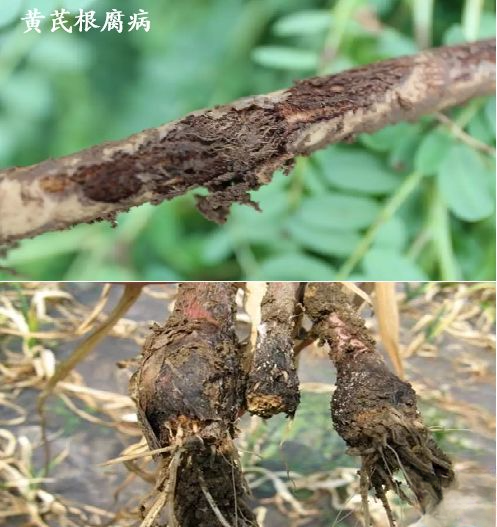
This disease is often associated with damage from underground nematodes and root mites. Furthermore, it is more severe in heavy, waterlogged soils. Among the medicinal herbs susceptible to this disease are Scutellaria baicalensis, Salvia miltiorrhiza, Isatis indigotica, Astragalus membranaceus, Pseudostellaria heterophylla, Paeonia lactiflora, and Codonopsis pilosula.
Prevention and control methods: Disinfect the soil before sowing, use insecticides to control underground pests, and apply well-rotted organic fertilizer to enhance disease resistance. In the early stage of disease, drench the roots with 800-1000 times diluted solution of methyl thiophanate or carbendazim, and drain water promptly after rain.
2. Powdery mildew
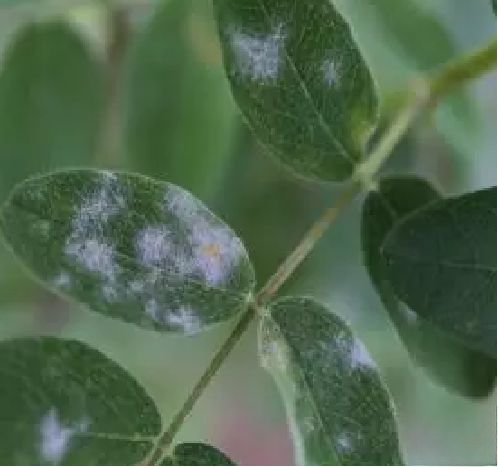
Initially, nearly circular white powdery spots appear on both sides of the leaves; these expand and merge into large, indistinct white powdery patches. In severe cases, the entire leaf or plant is covered with a layer of white powder; it not only damages the leaves but also the flower buds, pods, and stems; later, the white powder turns grayish-white, and numerous small black granules, known as cleistothecia, are produced within the mold layer. By autumn, the disease rate in Astragalus fields reaches over 70%, causing premature leaf drop and yield loss in severe cases.
Prevention and control methods
1) When planting, it is advisable to choose a fresh crop, especially a grass crop, and avoid planting in the same crop repeatedly;
2) Plant at a reasonable density to improve ventilation and light penetration in the field;
3) Based on the habit of powdery mildew fungus of Astragalus membranaceus overwintering on dead branches and fallen leaves, after harvesting the above-ground parts of Astragalus membranaceus, sweep away the remaining branches and fallen leaves and burn them in a concentrated manner to suppress the source of overwintering fungus.
4) Timely cultivation and weeding in the early stage, and reasonable fertilizer and water management in the middle stage, can improve the plant's disease resistance.
3. White silk disease
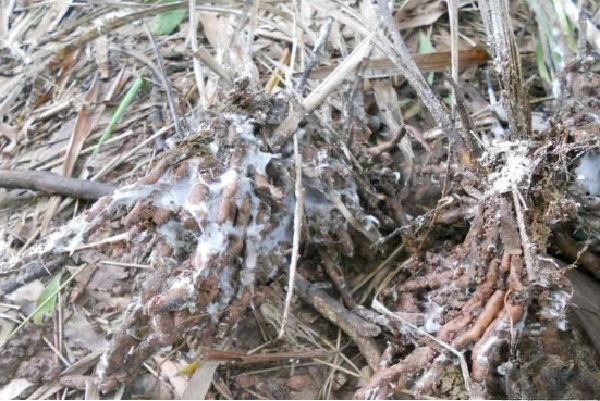
It often occurs at the roots or base of the stem near the ground, where a layer of white silk-like material appears. In severe cases, it rots into a tangled mess, eventually causing the leaves to wither and the entire plant to die.
The disease is more severe during hot and humid seasons or under waterlogged soil conditions. It primarily affects medicinal herbs such as Astragalus membranaceus, Platycodon grandiflorus, Atractylodes macrocephala, Pseudostellaria heterophylla, and Adenophora stricta.
Prevention and control methods: Rotate with gramineous crops or water-dryland rotation. Disinfect the soil with lime or soak seeds in carbendazim or thiophanate-methyl solution before sowing.
4. Damping-off disease
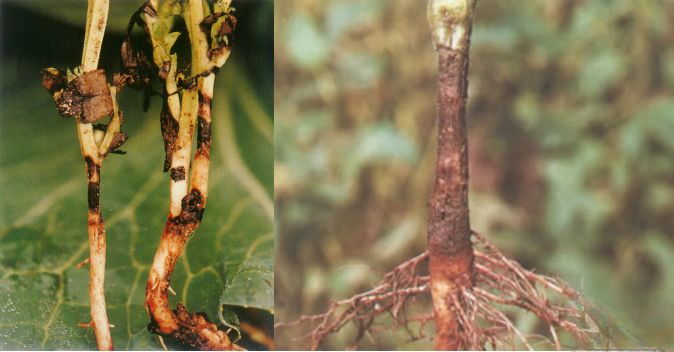
It mainly occurs in the seedling stage. Initially, brown spots appear at the base of the seedling stem, which expand into lesions around the stem. The lesions dry out and shrink, causing the seedlings to wither and die in patches.
The main medicinal herbs affected include Astragalus membranaceus, Eucommia ulmoides, ginseng, Panax notoginseng, Atractylodes macrocephala, Adenophora stricta, Saposhnikovia divaricata, and Chrysanthemum.
Prevention and control methods: Disinfect the soil, strengthen management, and reduce soil temperature; when the disease occurs, promptly remove diseased plants, treat the soil with fungicides such as carbendazim and pentachloronitrobenzene, and spray pesticides to prevent infection of other healthy plants.
5. Wilt disease
Plant diseases mainly caused by fungi or bacteria, with sudden onset and symptoms including severe spotting, wilting, or death of leaves, flowers, fruits, stems, or the entire plant.
In the early stages of the disease, the lower leaves lose their green color, then turn yellow and wither. The disease is more severe in fields with continuous cropping and in poorly drained clay soil. Medicinal herbs such as Astragalus membranaceus, Platycodon grandiflorus, and Nepeta cataria are often infected with this disease.
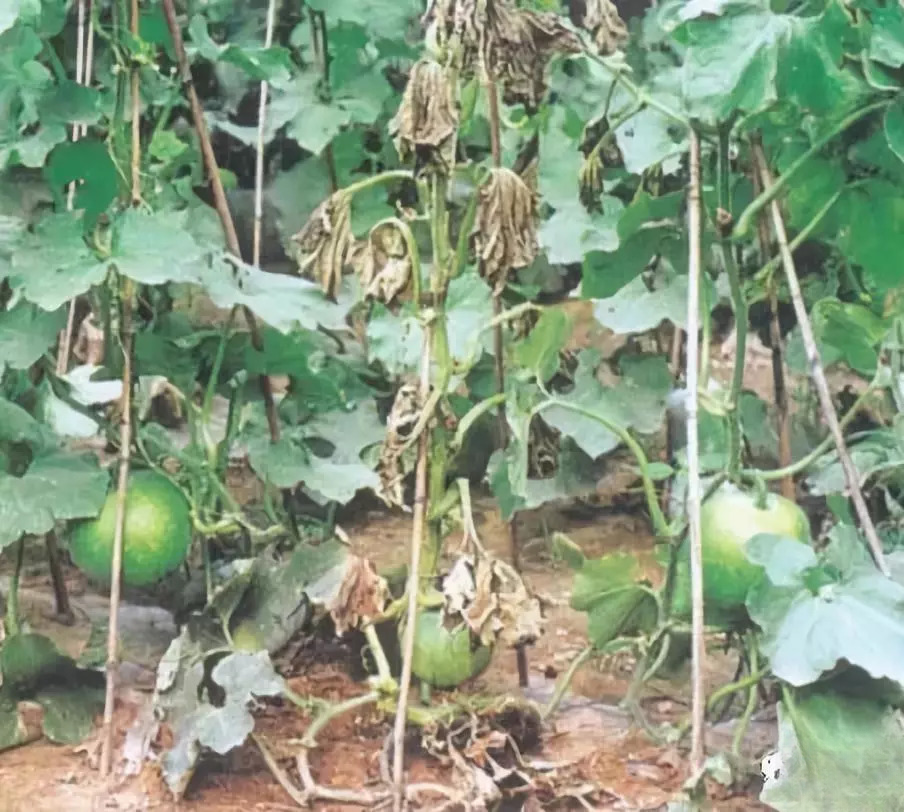
Control methods: Rotate crops with gramineous crops, and use fungicides such as carbendazim and thiophanate-methyl at the early stage of disease.
6. Downy mildew
A layer of frosty mold appears on the underside of the leaves, initially white, then turning grayish-black, eventually causing the leaves to wither and die. The disease is more severe in early spring or late autumn when temperatures are low and the weather is rainy and humid.
The main Chinese medicinal herbs that were damaged were Isatis root, Corydalis rhizome, Codonopsis root, wolfberry, North American ginseng, and chrysanthemum.
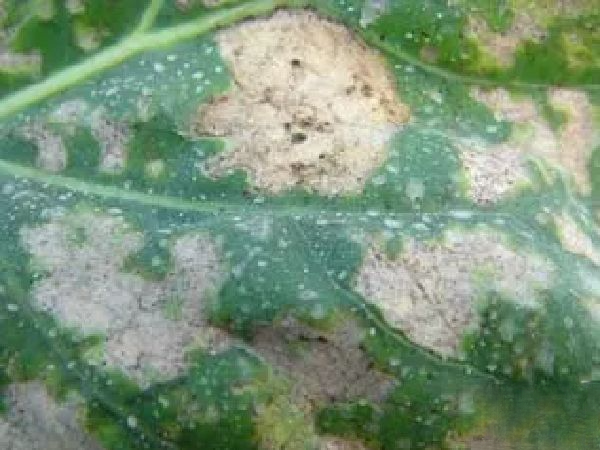
Prevention and control methods: Spray with 40% cymoxanil, aluminum fosetyl-aluminum, metalaxyl, thiophanate-methyl, etc.
7. Leaf spot disease
When the disease occurs, necrotic spots appear on the leaves, varying in size and shape. Chinese medicinal herbs susceptible to leaf spot disease include Platycodon grandiflorus, Salvia miltiorrhiza, Lonicera japonica, Lycium barbarum, Pseudostellaria heterophylla, Chrysanthemum morifolium, and Angelica dahurica.
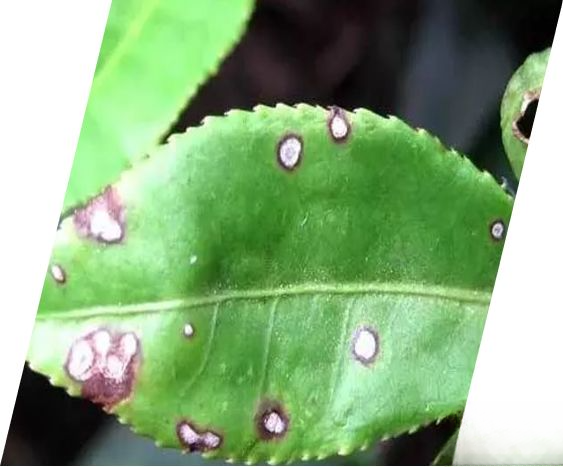
Prevention and control: Spray with fungicides such as carbendazim and zineb in a timely manner.
8. Rust
When the disease occurs, yellow or rust-brown pustules and bristle-like growths appear on the leaf lesions, which release a rust-colored powdery substance when they rupture. The disease is more severe during periods of prolonged rain.
Medicinal herbs susceptible to rust disease include honeysuckle, astragalus, glehnia littoralis, angelica dahurica, atractylodes macrocephala, codonopsis pilosula, papaya, and corydalis yanhusuo.
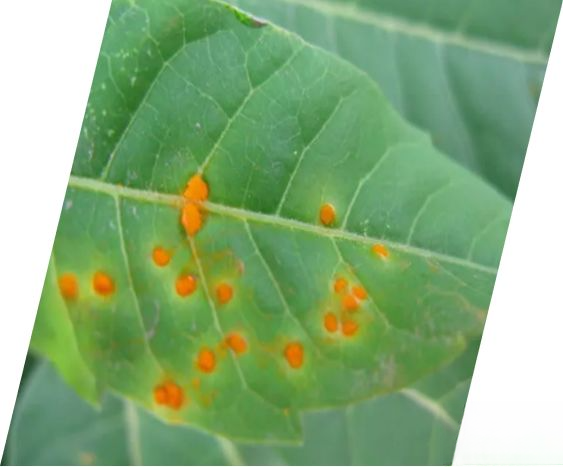
Prevention and control methods: Spray with fungicides such as triadimefon, zineb, and carbendazim in a timely manner.
II. Common Pests and Control Measures of Chinese Medicinal Herbs
Many types of animals can harm medicinal plants, primarily insects, but also mites, snails, and rodents. While many insects are pests, there are also beneficial insects, which should be protected, propagated, and utilized.
Insects vary in mouthparts due to differences in their diet and feeding methods, primarily categorized into chewing mouthparts and piercing-sucking mouthparts. Chewing mouthpart pests include beetles, locusts, and moth and butterfly larvae. They feed on solid food, damaging roots, stems, leaves, flowers, fruits, and seeds, causing mechanical damage such as notches, holes, breaks, borers, and root severance. Piercing-sucking mouthpart pests include aphids, stink bugs, leafhoppers, and mites. They use their needle-like mouthparts to pierce plant tissue and suck food, causing the plant to wither, wrinkle leaves, curl leaves, necrotic spots, loss of growing points, and galls (formed by saliva stimulation). In addition, there are siphoning mouthparts (such as in moths and butterflies), paper-sucking mouthparts (such as in flies), and chewing-sucking mouthparts (such as in bees).
1. Aphids
This pest occurs from May to September. There are many species with varying forms and colors, including yellow, green, black, brown, and gray. They congregate on young leaves, stem tips, and flower buds, sucking sap and causing the plant to wither, stop growing, and suffer from yellowing and drying of leaves, as well as damage to flowering and fruiting. It affects a wide variety of medicinal plants; almost all medicinal plants are susceptible.
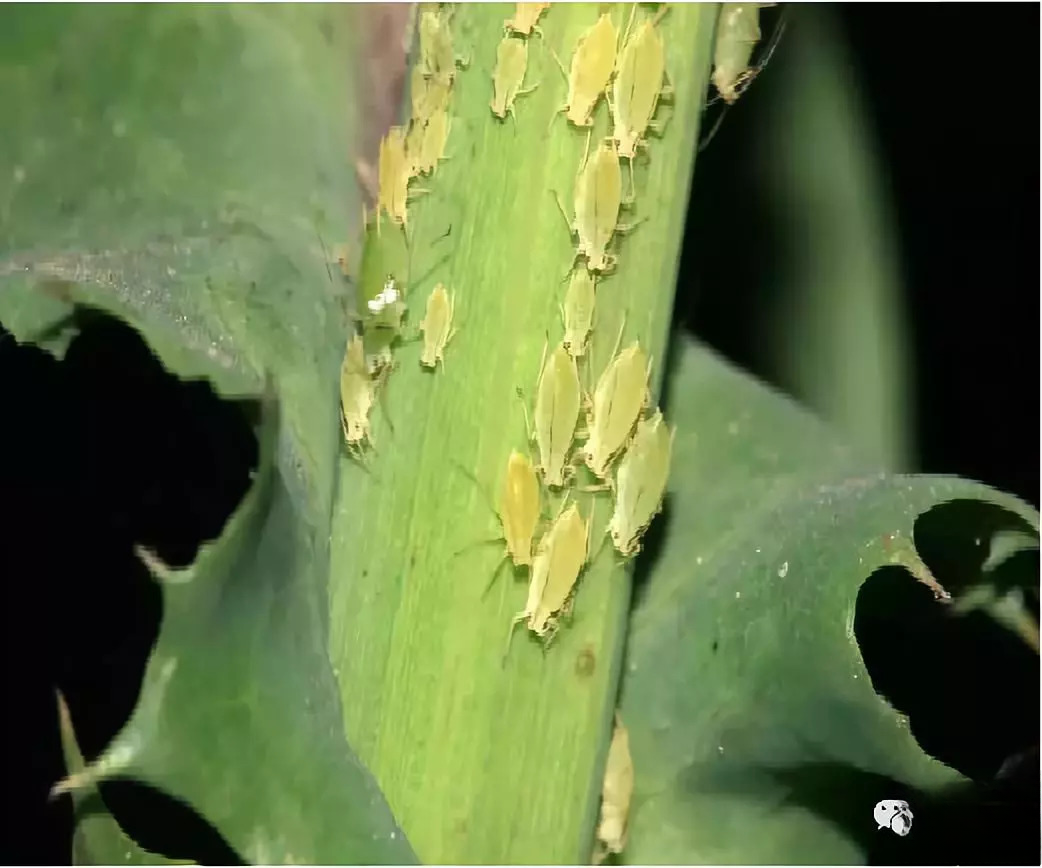
Control methods: Thoroughly clean the herb garden, remove weeds, reduce overwintering insect eggs, and eradicate the chance of infestation. During the outbreak period, spray with a 2000-fold dilution of pyrethroid insecticide, or a 1500-fold dilution of dimethoate, or a 1000-fold dilution of 50% malathion.
2. Red spiders
This pest occurs from July to August. There are many species; they are small and reddish, and often suck sap from the underside of leaves. Initially, affected leaves turn reddish-yellow, but later, the damage becomes severe, causing the entire leaf to wither and die. Flowers, leaves, and fruits are also affected simultaneously.
The pests have an extremely high reproductive rate, and the main affected species include: Fritillaria cirrhosa, Fenugreek, Glycyrrhiza uralensis, Arctium lappa, Panax notoginseng, Angelica sinensis, Rehmannia glutinosa, Carthamus tinctorius, Ligusticum chuanxiong, Citrus aurantium, Platycodon grandiflorus, etc.
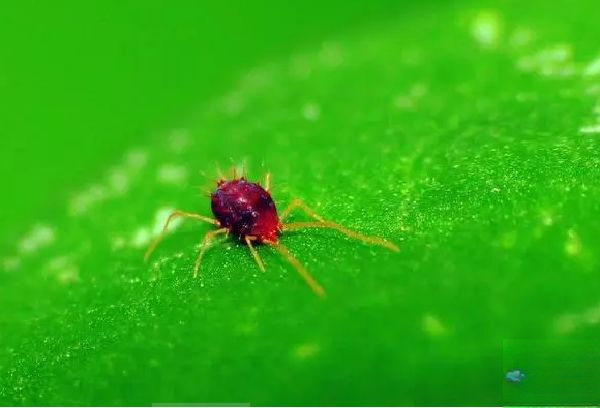
Control methods: During the outbreak period, spray with a 1500-fold dilution of dimethoate, dichlorvos, or lime sulfur mixture.
3. Scale insects
Pests occur in July and August. The infestation is quite severe. The female insects have a waxy coating or filamentous material on their bodies and attach themselves to branches, leaves, or fruits, sucking sap and causing the entire plant to gradually wither and die.
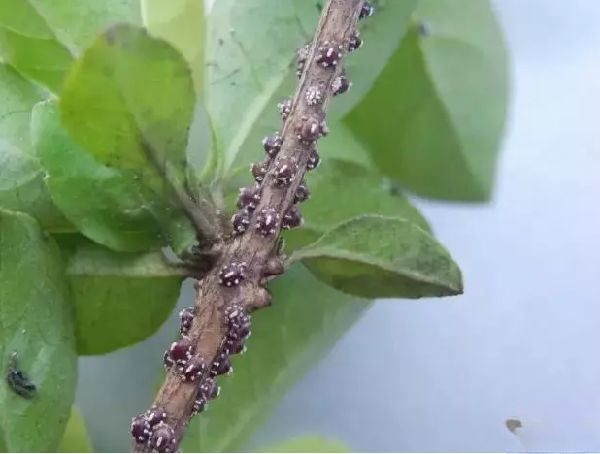
Control methods: Thoroughly clean the herb garden, remove weeds, increase ventilation and light penetration to reduce pests. During the outbreak period, spray with 80% dichlorvos or fluoroacetamide at a dilution of 1500-2000 times.
4. White butterfly
This pest occurs from May to September. The larvae (cabbage caterpillars) damage flower buds and leaves, causing holes and gaps in the leaves, and in severe cases, the leaves are completely eaten.
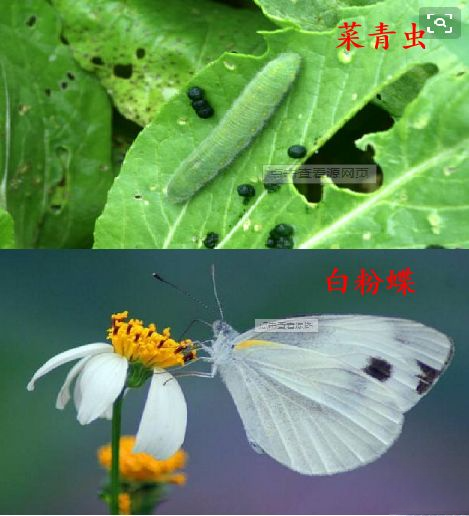
Control methods: Manual killing, and spraying with 90% trichlorfon at a dilution of 800 times during the larval stage.
5. Cutworm
This pest occurs from May to June. The larvae are underground pests that feed on young roots and seedlings at night, causing the plants to gradually wither and eventually die.
The main plants that are susceptible to harm include: yam, peony, wolfberry, phellodendron bark, fenugreek, angelica, codonopsis, bupleurum, atractylodes, rehmannia root, gromwell root, aster, and fritillaria.
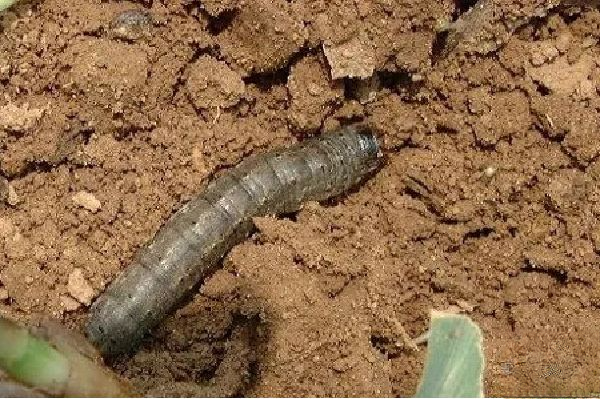
Control methods: Apply poisoned bait before sowing; drench the roots with 500-600 times dilution of phoxim or 700-1000 times dilution of trichlorfon; spray with 600 times dilution of 80% dichlorvos or 700-1000 times dilution of trichlorfon.
6. Grubs
The larvae cause the most damage. The larvae primarily feed on roots and underground stems, followed by the above-ground parts. The adults, known as scarab beetles, mainly damage the above-ground parts.
Many species were affected, including: Dioscorea nipponica, ginseng, Codonopsis pilosula, Fritillaria cirrhosa, Bupleurum chinense, Ophiopogon japonicus, Dioscorea opposita, Angelica sinensis, Lithospermum erythrorhizon, Ziziphus jujuba, Codonopsis pilosula, Paeonia lactiflora, Carthamus tinctorius, Gentiana scabra,
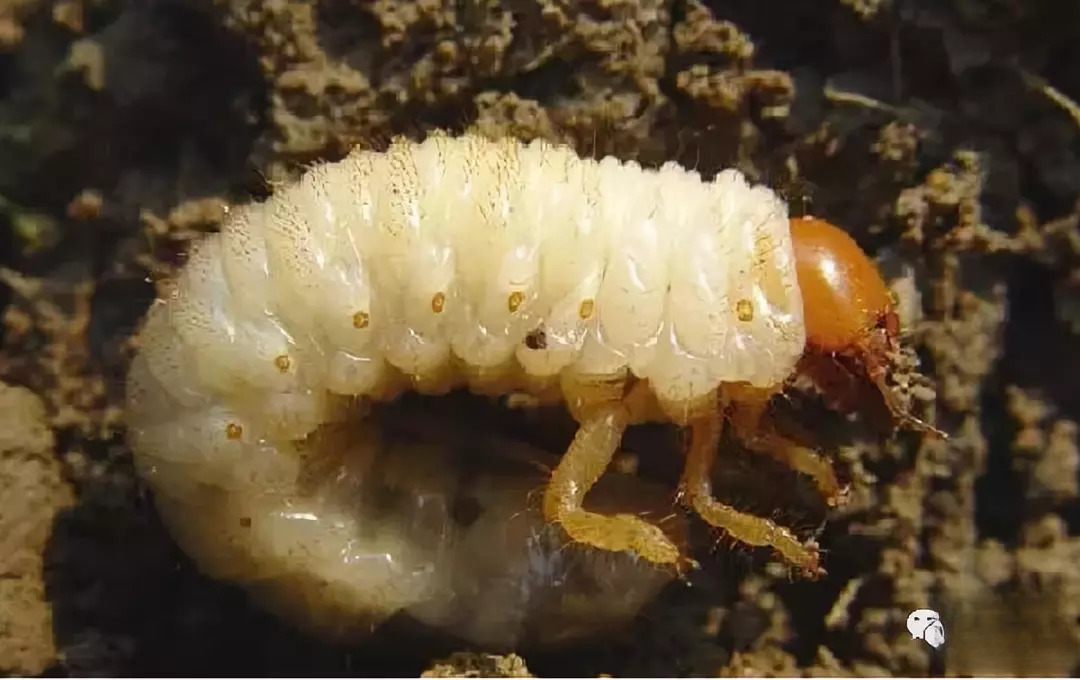
Control methods: Scarab beetles are attracted to light. Black light lamps can be placed in the herb garden at night to lure and kill them. Alternatively, spray with a 600-800 times dilution of trichlorfon or dimethoate.
7. Root-knot nematode disease
Due to the parasitism of root-knot nematodes, many tumor-like growths appear on the roots, causing the plant to grow slowly, the leaves to turn yellow, and eventually the entire plant to die.
The medicinal materials affected by this disease are mainly citrus plants with trifoliate orange or red mandarin orange as rootstock, which are more severely affected, while those with sour mandarin orange or sour orange as rootstock are less severely affected, as well as salvia miltiorrhiza, platycodon grandiflorus, astragalus membranaceus, ginseng, and glehnia littoralis.
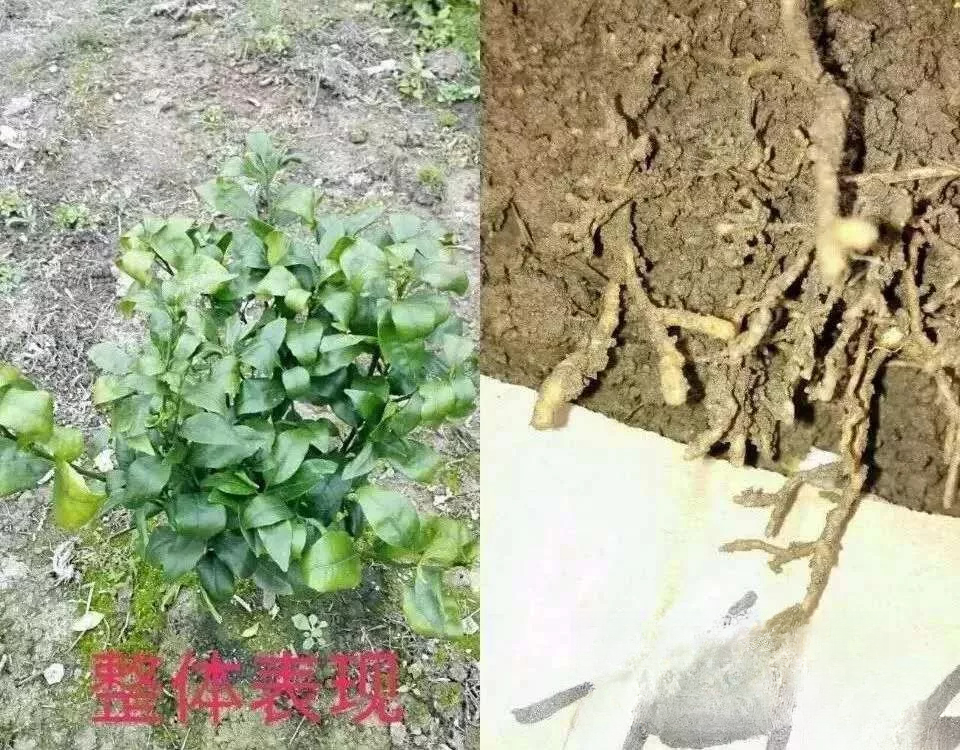
Prevention and control methods: It is best to rotate crops with gramineous crops or with water-dry crops. Before sowing, treat the soil with methyl isofenphos or other disinfectants.
III. Integrated Pest and Disease Management Methods for Medicinal Plants
I. Agricultural Control Methods
Agricultural pest and disease control methods involve adjusting cultivation techniques and other measures to reduce or prevent pests and diseases. Most are preventative and mainly include the following aspects:
1. Reasonable crop rotation and intercropping
In medicinal plant cultivation systems, proper crop rotation and intercropping are crucial for both pest and disease control and full utilization of soil fertility. For example, many soil-borne diseases severely damage ginseng and American ginseng. Land previously used for ginseng should not be used again in the short term; otherwise, severe disease can lead to mass mortality or even complete field destruction. The rotation period is generally determined by the survival time of pathogens in the soil; for instance, the rotation period for root rot of Atractylodes macrocephala and wilt of Rehmannia glutinosa is 3-5 years. Furthermore, the proper selection of rotation crops is also essential. Generally, plants of the same family or genus, or those that are hosts to certain serious diseases and pests, should not be selected as the next crop. The selection principles for intercrops should be basically the same as those for rotation crops.
2. Deep Tillage
Deep plowing is an important cultivation measure. It not only promotes root development and enhances plant disease resistance, but also destroys the nests of dormant pests and overwintering sites of pathogens hidden in the soil, directly eliminating pathogens and pests. For example, before sowing ginseng and American ginseng, the land is required to be left fallow for a year and then plowed and sun-dried several times to improve the physical properties of the soil and reduce the number of pathogens in the soil. This has become one of the important prevention and control measures.
3. Weeding and pruning
After harvesting weeds and medicinal plants, the remains of pests and diseases, along with fallen leaves and branches, often become hiding places and overwintering sites for these pests, becoming sources of disease and pest infestation the following year. Therefore, weeding, cleaning the field, and burning or deeply burying pest and disease remains, as well as fallen leaves and branches, in conjunction with pruning can significantly reduce the severity of pest and disease damage the following year.
4. Adjust the sowing period
Some diseases and pests are closely related to a certain phenological stage of the growth and development of cultivated plants. If this growth and development stage is prevented from being the dangerous period for large-scale infestation and damage by diseases and pests, the purpose of prevention and control can also be achieved.
5. Apply fertilizer appropriately
Proper fertilization can promote the growth and development of medicinal plants, enhance their resistance and recovery ability after being damaged by pests and diseases. For example, applying sufficient organic fertilizer and appropriate amounts of phosphorus and potassium fertilizer to Atractylodes macrocephala can reduce mosaic virus. However, the manure or compost used must be fully decomposed; otherwise, residual pathogens and eggs of underground pests such as grubs will not be killed, which can easily aggravate underground pests and certain diseases.
6. Selecting and utilizing disease- and insect-resistant medicinal plant varieties
Different types or varieties often exhibit significant differences in their resistance to diseases and pests. For example, spiny safflower is more resistant to anthracnose and the red fruit fly than spinless safflower, while dwarf Atractylodes macrocephala is resistant to the Atractylodes seed borer. Therefore, it is of great significance to utilize these disease and pest resistance characteristics to further breed more ideal high-quality, high-yield varieties that are resistant to diseases and pests.
II. Physical Prevention and Control Methods
This method utilizes various physical factors and equipment to control pests and diseases. For example, it uses light traps to kill pests by taking advantage of their phototaxis; it also uses methods such as winnowing and water selection to eliminate diseased seeds, and soaking seeds in warm water, since diseased seeds are lighter than healthy seeds.
III. Biological Control Methods
Biological control is a method of controlling pests and diseases by using various beneficial organisms. It mainly includes the following aspects:
1. Utilizing parasitic or predatory insects
Using insects to control insects involves parasitic insects, including both endoparasites and ectoparasites. These insects are artificially bred and released into the field to control pest populations. Predatory insects mainly include mantises, aphids, and ground beetles. These insects primarily prey on pests and play a crucial role in suppressing pest populations. Large-scale breeding and release of these beneficial insects can effectively control pests.
2. Microbial control
By using fungi, bacteria, and viruses to parasitize pests, the pests become sick and die or their damage to plants is inhibited.
3. Animal disease prevention
Use beneficial birds, frogs, chickens, ducks, etc. to eliminate pests.
4. Application of sterile insects
By treating pests with radiation or chemicals, their reproductive capacity is rendered ineffective, preventing them from reproducing and thus eliminating them.
IV. Chemical Control Methods
This refers to the application of chemical pesticides to control pests and diseases. Its main advantages are rapid action, high effectiveness, and ease of use. It can eliminate or control large-scale outbreaks of pests and diseases in a short period, and is not limited by regional or seasonal factors. It is currently an important means of pest and disease control, and other methods cannot completely replace it. Chemical pesticides include insecticides, fungicides, and nematicides. Insecticides can be further classified according to their insecticidal function into stomach poisons, contact pesticides, systemic pesticides, and fumigants. Fungicides include protectants and curatives. There are many methods of applying pesticides, including spraying, dusting, seed spraying, seed soaking, fumigation, and soil treatment.
The body wall of an insect consists of three layers: the epidermis, skin cells, and the basement membrane. The epidermis is further divided into the inner epidermis, outer epidermis, and upper epidermis from the inside out. The upper epidermis is the outermost and thinnest layer of the epidermis, containing wax or similar substances. This layer plays a vital role in preventing the evaporation of body water and the entry of pesticides.
Generally, as insects age, their body walls become increasingly resistant to pesticides. Therefore, solvents that dissolve fats and waxes are often added to insecticides. For example, emulsions, containing highly soluble oils, are generally more toxic than wettable powders. Pesticides enter the insect's body primarily through three pathways: mouthparts, cuticle, and spiracles. Therefore, selecting appropriate pesticides based on the insect's body wall structure is crucial for improving control effectiveness. For example, stomach poisons such as trichlorfon should be used for chewing pests like corn borers, swallowtail butterfly larvae, and cabbage caterpillars, while systemic pesticides should be used for piercing-sucking pests. Furthermore, it is essential to understand the patterns of pest and disease occurrence, seize opportune moments for control, and apply pesticides promptly. It is also important to pay attention to the rational mixing and alternation of pesticides, and to ensure safe use to avoid phytotoxicity and poisoning of humans and animals.