Common diseases and pests in flower cultivation and their control methods
Recently, many flower enthusiasts have been asking about flower diseases and pests. Spring is actually a peak season for these pests and diseases, with common ones including aphids, scale insects, spider mites, damping-off, rust, and powdery mildew. So how do we get rid of those pesky insects?
First, let's learn about the following common pests!
aphid
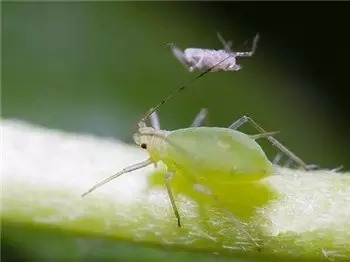
Hibiscus, peach blossoms, roses, honeysuckle, and other plants are all susceptible to aphid infestations. As temperatures rise, the number of aphids also increases.
Prevention and control methods: 1. Spray with 40% dimethoate or more or 50% phosmet diluted with water at a ratio of 1200-1500.
2. For a small number of potted plants, you can also spray them with a 70-100 times diluted solution of neutral laundry detergent.
Red Spider
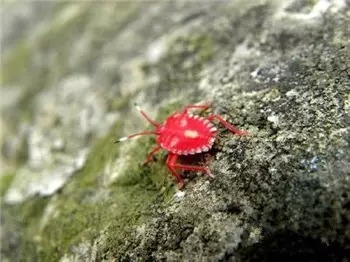
The damage to jasmine, hibiscus, asparagus fern, rose, dahlia, and other plants begins in early April.
Prevention and control methods: 1. Spray with a 1000-fold dilution of acetamiprid.
2. For a small number of potted plants, frequently rinse the front and back of the leaves with tap water, or spray or dip them in a 100-150 times diluted paste of boiled and cooled water. Rinse them with clean water again after a day or two. This will produce noticeable results.
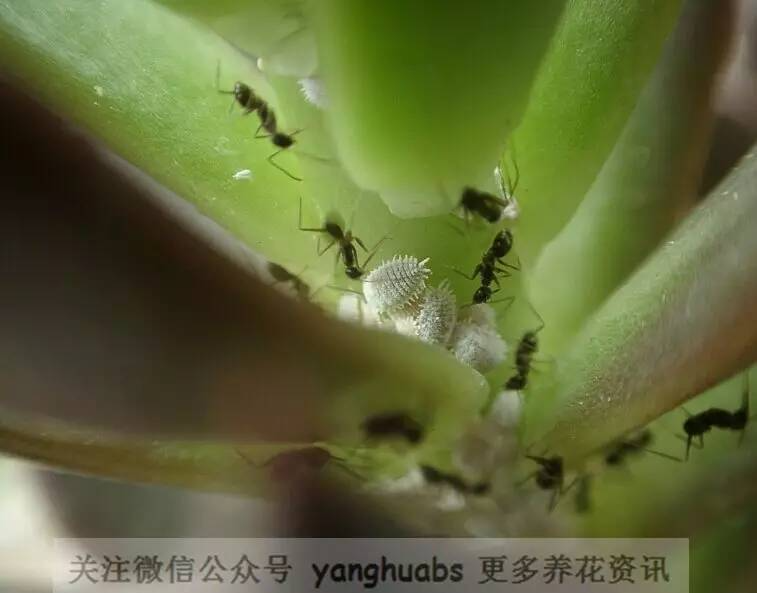
Scale insects
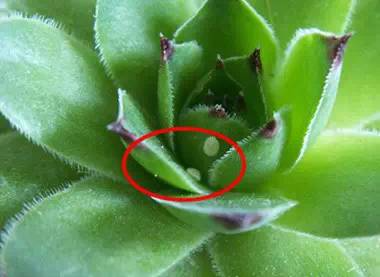
Scale insects on succulents, magnolias, roses, boxwoods, and pittosporum usually begin to hatch from mid-April to mid-to-late May.
Prevention and control methods: 1. Before hatching, gently brush off the insects manually.
2. Spray with a 1000-1500 times dilution of 40% dimethoate during the larval hatching period.
3. Dilute white wine with water in a 1:2 ratio. Water the surface of the potting soil thoroughly when treating the pests. Scale insects begin to become active when the room temperature reaches 7℃ in spring. Water once in mid-April, and then once every two weeks thereafter, for a total of four treatments to see results.
4. Soak a small cotton ball in 50 ml of vinegar (rice vinegar), then gently wipe the affected stems and leaves of the plant with the damp cotton ball. This will remove and kill the scale insects. This method is convenient and safe, achieving both pest control and restoring the green and glossy appearance of the affected leaves.
5. Gently and repeatedly wiping the diseased plant with alcohol can remove scale insects very cleanly and thoroughly. When wiping diseased orchid leaves with alcohol, not only can scale insects be removed, but even larvae that are not visible to the naked eye are completely killed. Scale insect damage is rarely found the following year. This method is simple, safe, and effective.
6. Prepare a stock solution by mixing diesel oil, laundry detergent, and water in a ratio of 10:0.6:6. This stock solution will contain 60% oil and have a milky consistency. Dilute the oil-containing solution with water to a 30% concentration, then carefully spray it onto the scale insects on plants such as Milan, kumquat, and cycads. After one week, most of the scale insects will have changed from their original fresh orange color to a shriveled state, indicating that this method has a good control effect on scale insects.
Damping-off
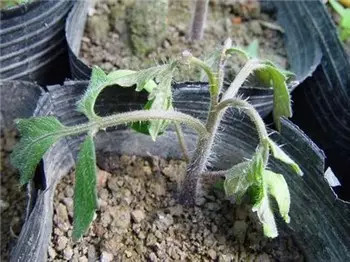
When the temperature reaches 20℃, newly sown flowers, seedlings, and some flowers prone to root rot are highly susceptible to damping-off disease when the soil moisture is high.
Prevention and control methods: 1. Before sowing, mix 1.5-4 kg of 70% pentachloronitrobenzene evenly into the soil for each seedling.
2. Control watering during the seedling stage to prevent the soil from becoming too wet.
3. At the initial stage of the disease, irrigate with 1% ferrous sulfate or 200-400 times diluted 50% mancozeb solution, applying 2-4 kg of the solution per square meter.
Rust
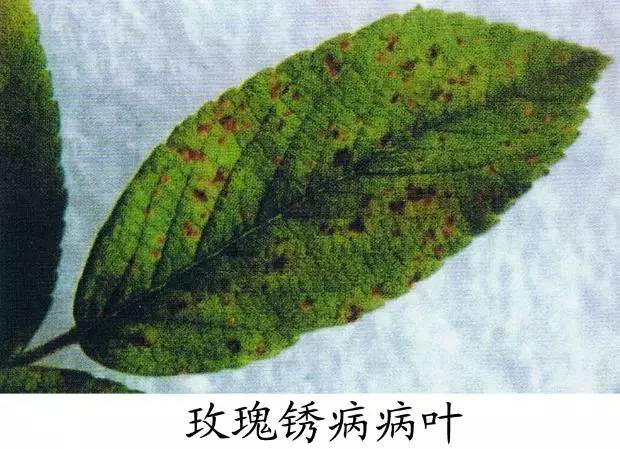
Rust disease attacks roses when they are still in bud.
Prevention and control methods: 1. When roses sprout, the first yellow diseased buds should be removed and burned in time to eliminate the source of infection.
2. Spray with 15% carbendazim at a dilution of 700-1000 times during the initial stage of infestation.
powdery mildew
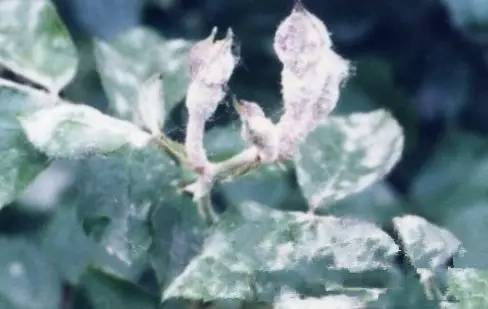
Powdery mildew of flowers such as roses and impatiens mostly occurs in May and June, and in summer it can easily cause symptoms such as yellowing leaves, withered leaves, and bent tender shoots.
Prevention and control methods:
1. Pay attention to ventilation and light penetration for the flowers.
2. Apply less nitrogen fertilizer and more phosphorus and potassium fertilizer.
3. During the initial dyeing stage, spray once with a 15% solution of carbendazim diluted 700-1000 times.
1. Powdery mildew: A layer of white powdery substance appears on the underside or both sides of the leaves.
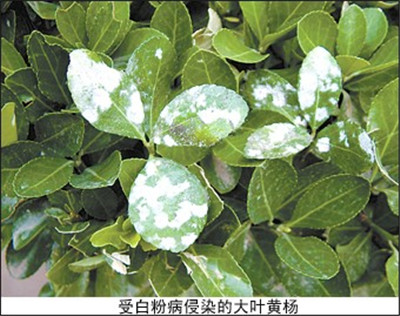
2. Gray mold: A gray mold layer can be seen on the plant under humid conditions.
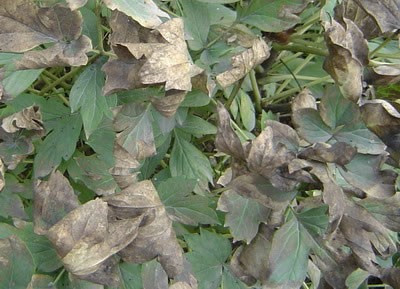
3. Anthracnose: Light brown or grayish-white, nearly circular lesions appear in the center of the leaves, with purplish-brown or dark brown edges. The lesions can expand, and small black dots may appear on the lesions in the later stages. Circular or nearly circular light brown spots may also appear on the stems, and the lesions are mostly sunken.
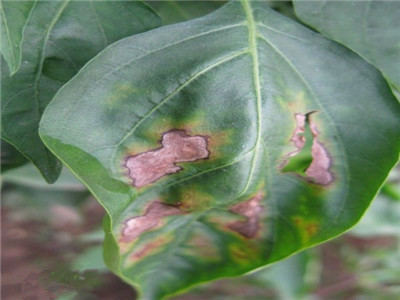
4. Damping-off: When seedlings have lignified to a certain extent, they are infected with pathogens and die upright.
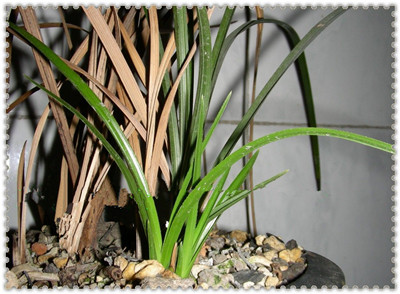
5. Scale insects: Yellowing leaves and withered branches often induce sooty mold.
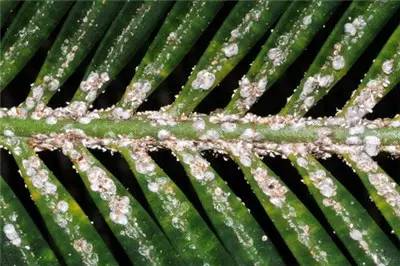
6. Red spider mites: Leaves lose their green color, showing dense, small grayish-yellow patches, or leaves curl and wrinkle. In severe cases, the entire leaf turns yellow and scorched as if burned, and then falls off.
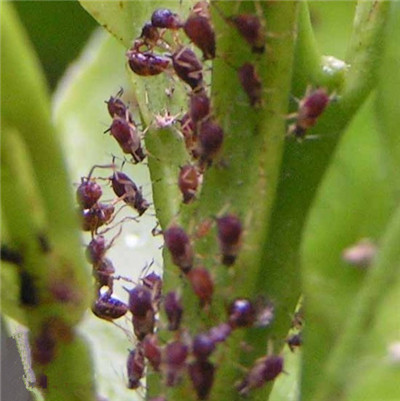
7. Aphids: cause leaves to curl, wrinkle, and become deformed, slowing down the growth of flowers and even causing them to wither and die. They can also induce sooty mold.
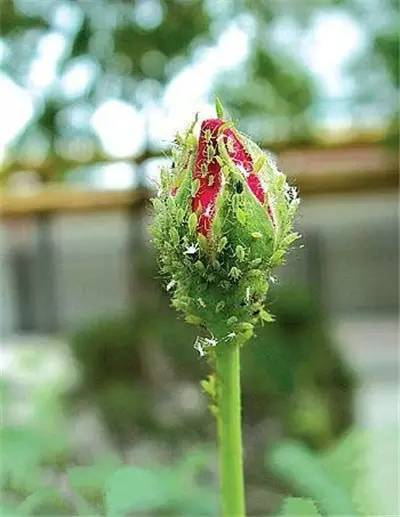
8. Leafhoppers: Cause pale white spots on leaves; in severe cases, the spots become patches or puncture the bark, causing branches to wither.
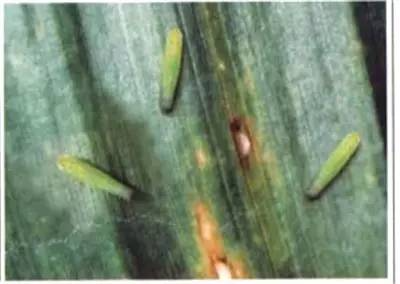
9. Moths: Leaves or buds are incomplete or damaged.
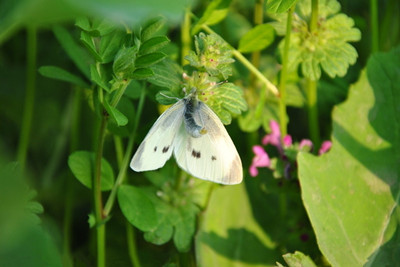
Pollution-free pest and disease control methods:
Wood ash application method : Regularly sprinkling wood ash on the surface of the pot can significantly reduce the incidence of gray mold in flowers such as tulips and cyclamen, while also increasing the absorption rate of potassium fertilizer by the flowers, thus making the flower branches thicker and the flower colors more vibrant.
Vinegar wiping method: Soak a cotton ball in 50 ml of vinegar and gently wipe the flower stems and leaves. This can kill scale insects and restore the green and shiny appearance of leaves that have been damaged by scale insects.
Alcohol wiping method: Gently and repeatedly wipe the diseased leaves with scale insects with 75% alcohol to completely kill the larvae that are invisible to the naked eye.
Baking soda spraying method: Spraying the affected plants with a 0.1% baking soda solution can achieve a control rate of over 80% for powdery mildew in flowers such as roses, chrysanthemums, impatiens, and cineraria.
14 Eco-friendly Pest Control Tips
1. Use bait to kill pests.
Aphids and whiteflies are interesting pests. Place a yellow sticky board next to the flowers and spread a layer of sticky substance evenly on the board, or use sticky insect boards produced by the Hebei Academy of Forestry Sciences. Gently move the branches of the flowers with your hand, and the aphids and whiteflies will be startled and fly to the yellow board, where they will get stuck and die.
2. Manual removal of pests.
When scale insects are found on flowers, they can be removed with bamboo skewers or brushes. If there are leaf-eating pests on the leaves, they can be killed with tweezers. If there are whiteflies or aphids, they can be gently brushed off with a paintbrush. When insect holes are found on the main stem or branches of flowers, the pests can be killed by inserting a wire into the holes or by bending the tip of the wire into a hook shape to hook out the insects.
3. Laundry detergent can be used to control aphids, spider mites, and scale insects.
Dissolving laundry detergent in water to a 5% concentration and spraying it on flowers can prevent aphids and spider mites; a 20% solution can prevent scale insects.
4. Use vinegar to control scale insects.
Soak a cotton ball in 50 ml of vinegar, then use tweezers to gently wipe the affected stems and leaves of the plant. This will kill the scale insects and also make the leaves shiny and green again.
5. Use orange peels to control leaf-eating pests.
Soak about 50 orange peels in 500 ml of water, seal the container for 24 hours, then remove the orange peels and spray them with the soaking solution to control leaf-eating pests.
6. Onions can help control aphids and spider mites.
Soak 20 grams of onion scales in 1000 ml of water for 24 hours. Spray the flowers with the soaking solution every 24 hours for three consecutive times to control aphids, spider mites, etc.
7. Use wood ash to control underground pests.
Soaking 300 grams of wood ash in 500 grams of water for 48 hours, filtering the solution, and then using the solution to water plants can help prevent underground pests.
8. Use mosquito coils to kill pests.
Light a mosquito coil hanging on a flower branch, then cover the flower with plastic sheeting. The pests will be killed within 12 hours. However, do not leave it on for too long, otherwise it will affect the growth of the flower.
9. Garlic juice can be used to control spider mites, aphids, and scale insects.
Crush 30 grams of garlic to extract the juice, dilute it with 500 grams of water, filter it, and then spray it on flowers to prevent spider mites, aphids, and scale insects.
10. Use baijiu (Chinese liquor) to treat scale insects.
Dilute 60-proof liquor with water at a ratio of 1:20, and use the mixture to water the plants. The best time to do this is in early April, watering once every 10 days, for a total of 4-5 times.
11. Use medicated oil to control scale insects, aphids, and spider mites.
Mix eucalyptus oil and water in a 1:400 ratio to create a solution, then spray the solution onto the flowers. This method is most effective in controlling scale insects. To prevent aphids and spider mites, spray the insects more frequently.
12. Sichuan pepper can be used to control aphids.
Take 20 grams of Sichuan peppercorns, add 250-300 grams of water, boil for 1-2 minutes, and spray the flowers after cooling.
13. Use pure alcohol to control wood-boring pests.
Inject pure alcohol into the boreholes of the trunk-boring pests to allow the alcohol to penetrate the branches and kill the pests.
14. Vaseline can be used to control wood-boring pests.
Applying petroleum jelly to the borer holes prevents air circulation, causing the pests to suffocate and die.
Disease control
1. Potassium permanganate for the control of leukemia. Spray the flowers with a 0.02-0.03% potassium permanganate solution. The lesions will gradually disappear after a few days, and the diseased leaves will return to normal growth.
2. Vinegar for the prevention and treatment of leukemia. Prepare a 5% vinegar solution by mixing vinegar with water and spray it on the skin. Repeating this 2-3 times can help prevent leukemia.
3. Baking soda for controlling fungal diseases. Baking soda solution is weakly acidic, and pathogens have difficulty surviving in a weakly acidic environment. Therefore, spraying flowers with a 0.2% baking soda solution is effective in controlling fungal diseases.
4. Garlic juice for treating rot. Scrape away the rotten parts of the flower with a knife to expose the healthy tissue around the diseased area. Then, apply garlic juice evenly to the wound. Repeat this 2-3 times, once a week, until it heals.
5. Use iodine to prevent rot. Scrape away all the rotten parts of the flower, down to the wood, apply iodine, and apply it again after 7-10 days for a complete cure.
6. Use wood ash to prevent root rot. Expose the roots to the top layer of soil in the flowerpot, cover the roots with an appropriate amount of wood ash (depending on the size of the flowerpot), and then cover the wood ash with soil. This method is very effective in preventing root rot, especially in plants like daffodils and cacti.