Collection | Rose Pest and Disease Control
Rose pests
01
thrips
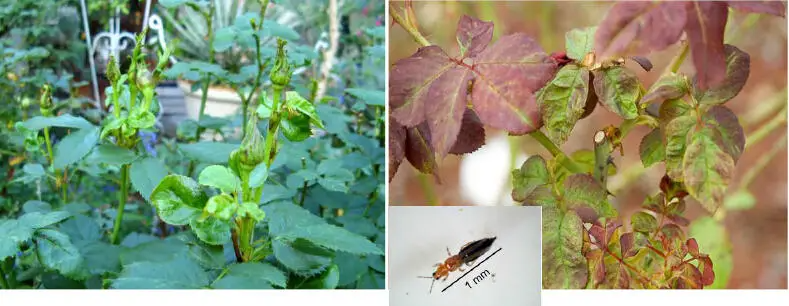
Nocturnal, hence also called assassin, it is an insect that feeds on plant sap. The larvae are white, yellow, or orange, while the adults are brown or black.
During its non-flowering stage, it specifically harms new leaves and shoots. After flowering, it feeds on nectar and gnaws at the flower buds.
Symptoms of damage : Affected young branches cannot grow and the tips die;
After the leaves are damaged, the underside becomes deformed, grayish-white or grayish-brown streaks appear on both sides of the midrib, the epidermis turns grayish-brown, and the leaves become deformed and curled.
Treatment methods : Imidacloprid, chlorpyrifos, and acetamiprid. It is recommended to apply the pesticide in the evening for better results.
Physical method: Hanging yellow backboard
02
Red Spider
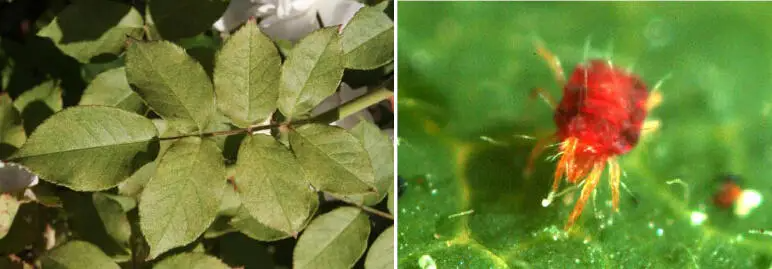
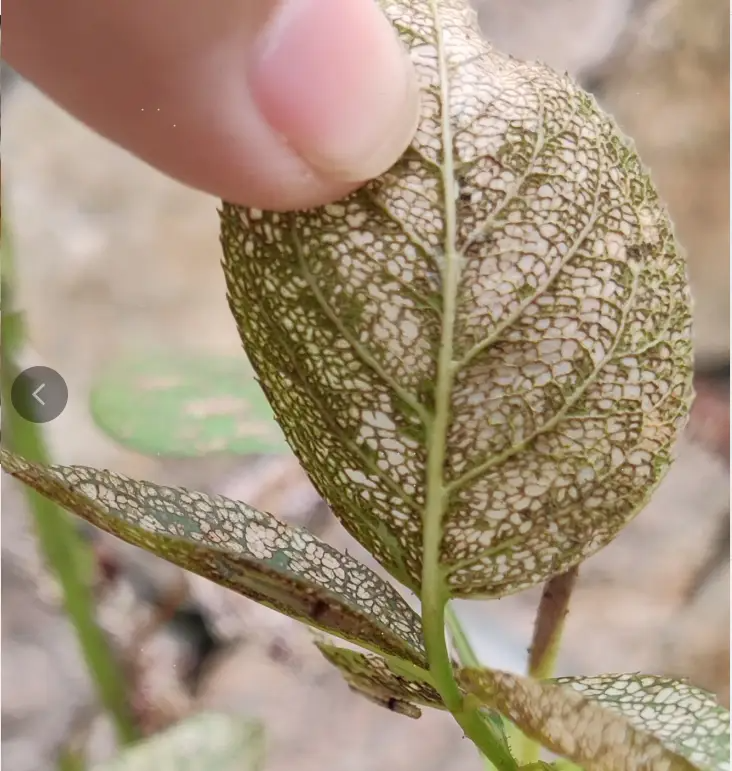
Red spider mites mainly exist as adults, nymphs, and larvae, clustering on the underside of leaves, weaving webs from leaf fibers, and sucking sap.
Symptoms of damage: Initially, small grayish-white spots appear on the affected leaves, which then turn yellow and weak, as if they have been dried out by fire. Severe damage can cause premature leaf drop.
Activity cycle: The egg-laying period begins in March, and the damage to plants begins in mid-to-late April (earlier in greenhouses), with the peak period from May to July. In October, the plants begin to move to the ground to overwinter.
Treatment method: Use a combination of acaricides such as E. coli, E. coli, E. coli, E. coli, E. coli, and E. coli abamectin. It is essential to kill both insects and eggs simultaneously. Apply every 3-4 days for 3 consecutive applications. Pay attention to the dosage ratio; high concentrations can easily damage leaves. The effect generally lasts 15-30 days. Essential oils can be used for preventative care.
03
aphid
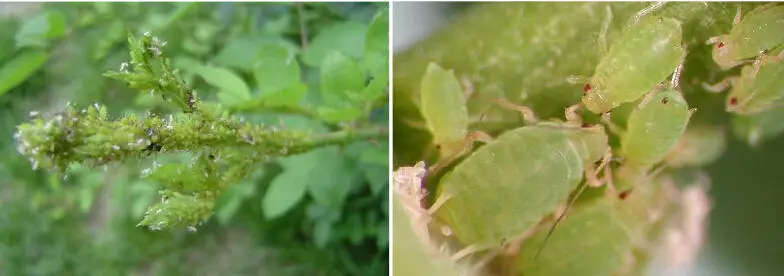
Aphids insert their mouthparts into the leaves and other parts of plants to suck sap.
Symptoms include: wrinkled and curled leaves or deformed terminal buds on young stems; and the appearance of swarms of aphids at the site of the symptom.
Treatment methods: Huijian, Yicheng. Any pesticide with active ingredients such as imidacloprid, acetamiprid, or thiamethoxam is acceptable.
Physical method: Hanging yellow backboard
04
Three Bees Rose
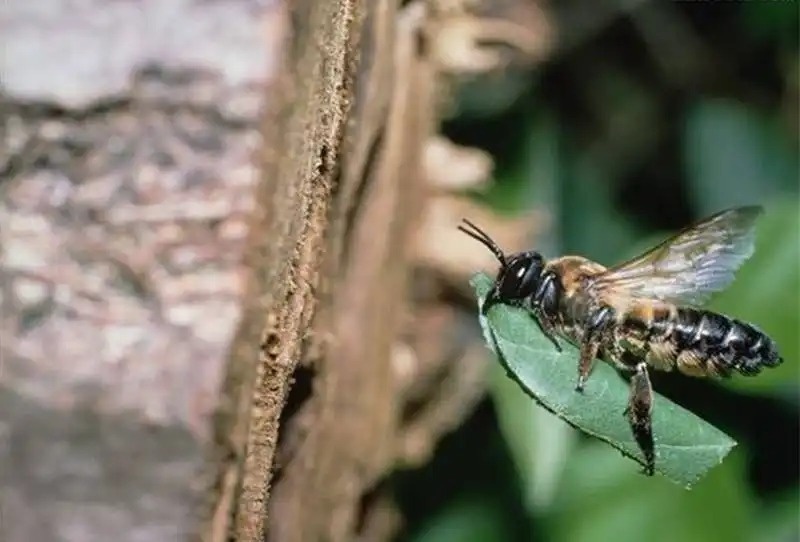
① Leafcutter bee : It looks similar to a regular bee. When reproducing, it cuts leaves. Roses, jasmine and other plants are easily damaged by leafcutter bees.
Symptoms of damage: The cut wounds on the leaves are regular, smooth, and rounded notches.
Treatment: No pesticides are needed; simply move the plant from its original location.
Or hang a yellow backboard.
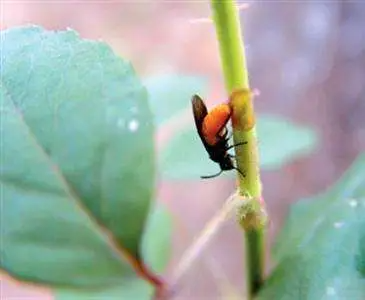
② Stem borer: The larvae bore into the heart of the rose stem, and when they begin to lay eggs, the branches will wilt and droop.
The wilting phenomenon is similar to temporary dehydration caused by hot weather, and it is irreversible damage. If not detected in time, it can lead to the entire rose plant being eaten away by borers and eventually dying.
Treatment methods: Prune drooping branches to a point where they are not soft. Generally, cut 2-3 cm below the cut, then spray the entire plant with pesticides such as abamectin or lambda-cyhalothrin.
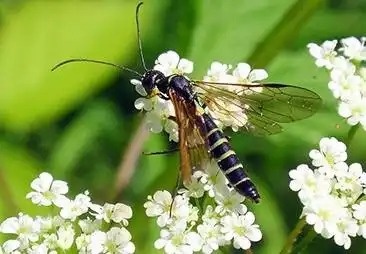
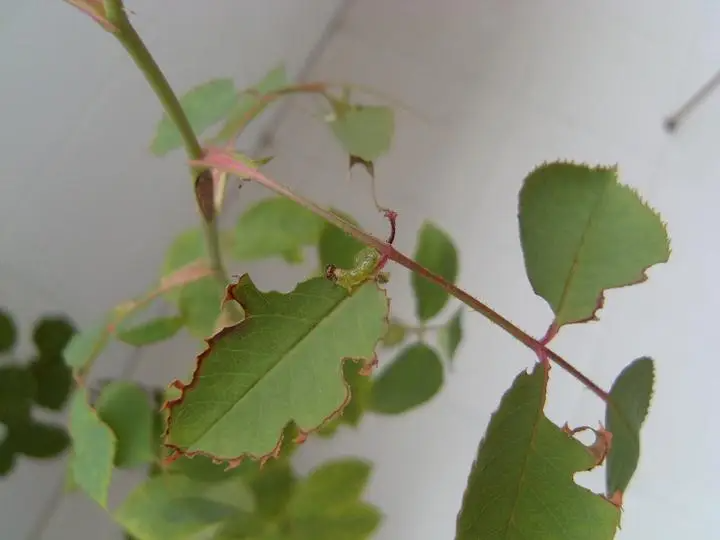
③ Sawfly: Black wings, yellow tail. They lay eggs inside the rose stem, initially making a vertical cut, then slowly turning it outwards. The hatched larvae will collectively feed on the rose leaves.
Treatment: Spray the entire plant with abamectin or high-efficiency cypermethrin.
05
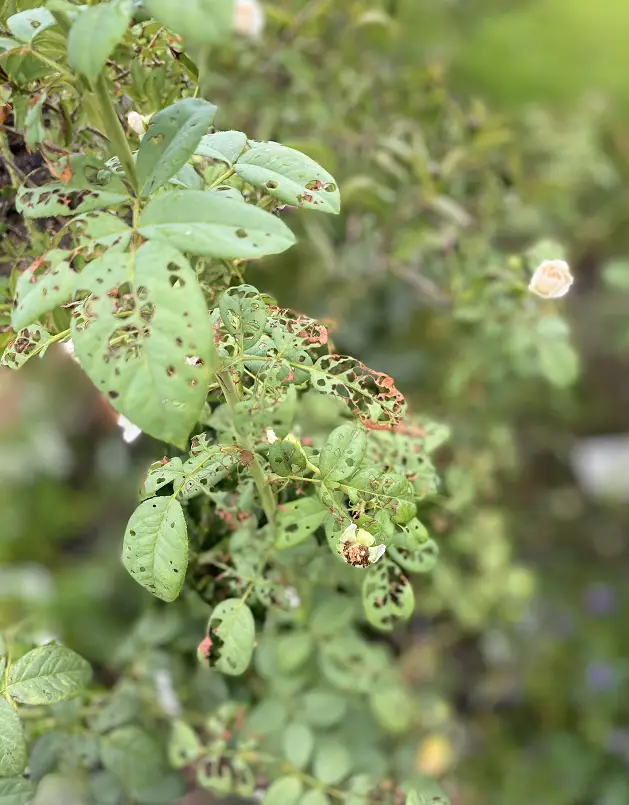
Noctuid moth larvae and other caterpillars
Moth and butterfly larvae that feed on rose leaves.
Treatment: Prune the eaten buds and leaves, then spray with abamectin, high-efficiency cyhalothrin, deltamethrin or acetamiprid, and also spray the surrounding potting soil surface.
06
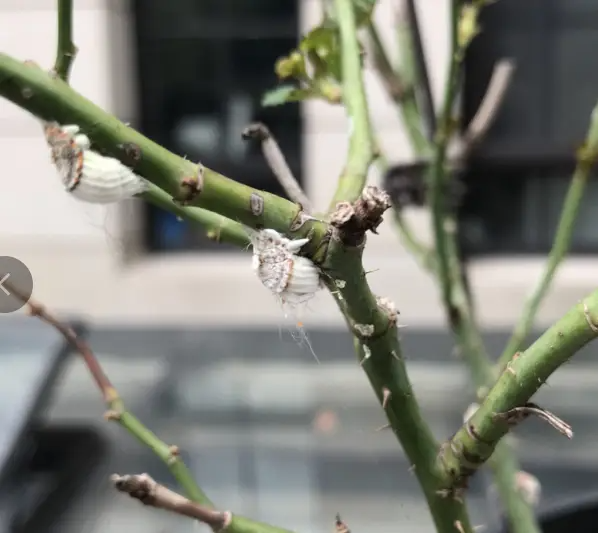
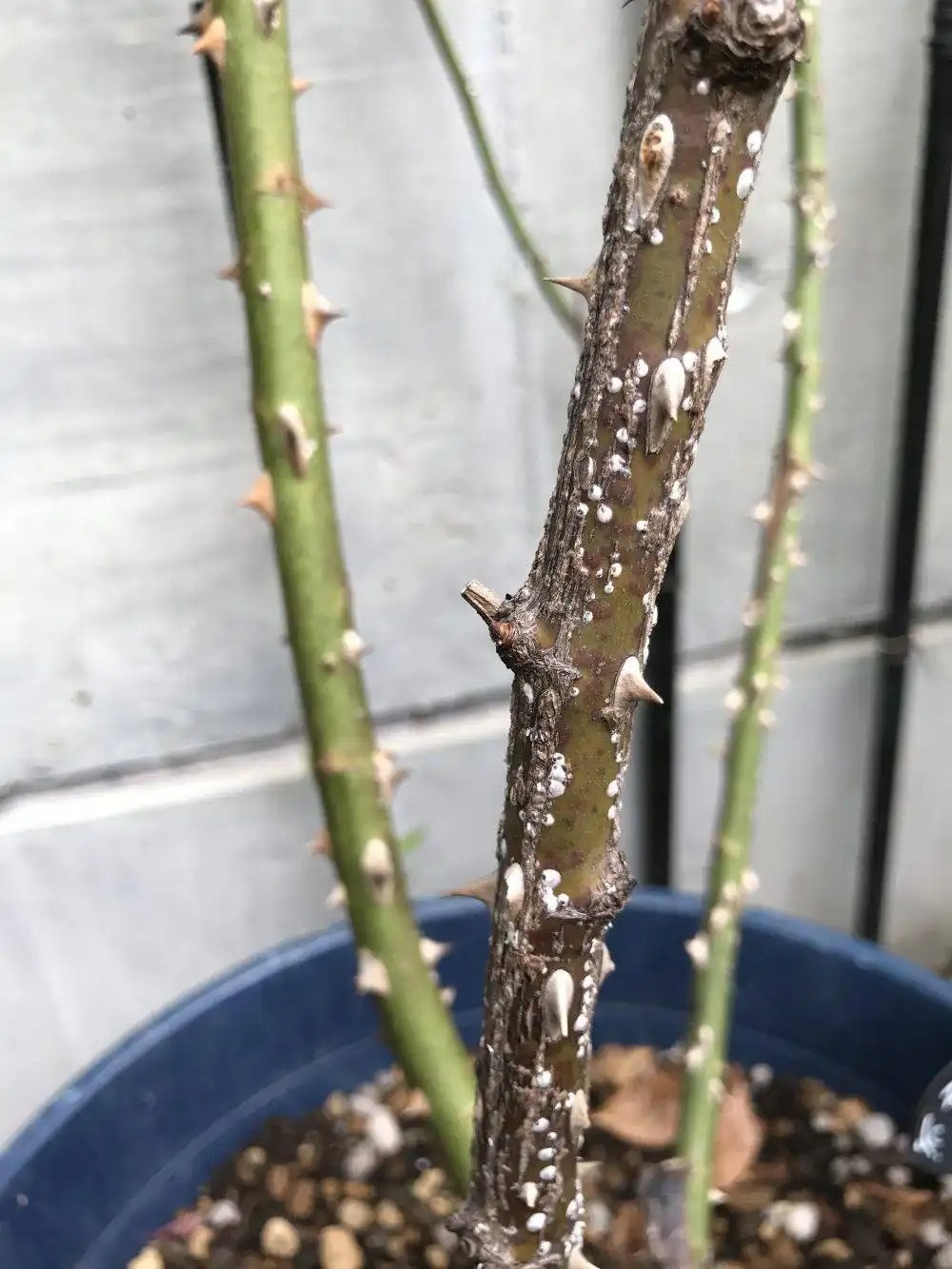
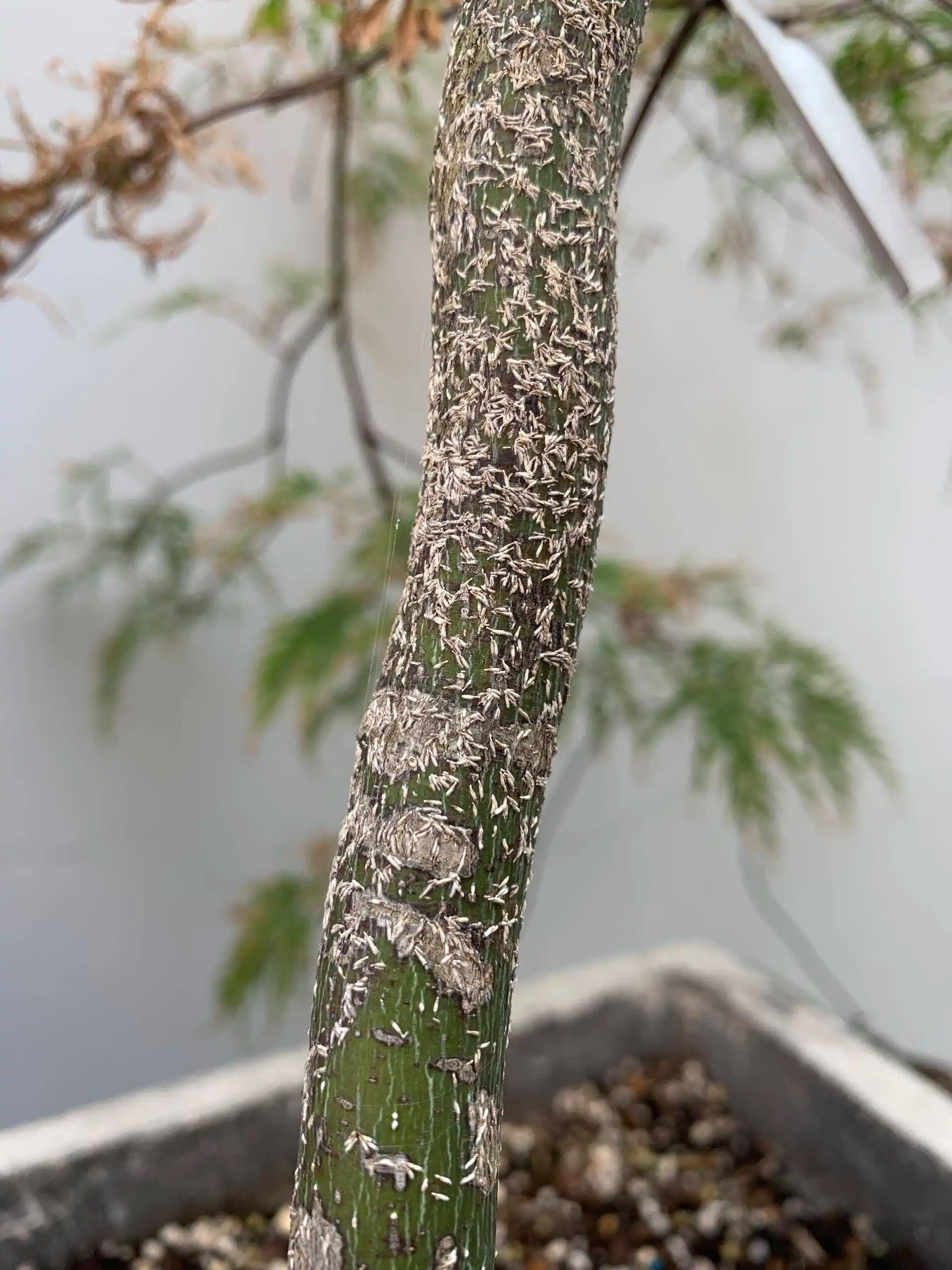
Scale insects
Scale insects feed on plant sap with their piercing-sucking mouthparts, and their secretions and excretions on branches can easily cause sooty mold (soothing disease).
Harmful effects: As it grows, the scale insect develops a waxy shell, making it difficult for pesticides to reach it.
Treatment methods: Mild cases can be cleaned with a toothbrush, while more severe cases require the use of the special medication, Jiebizhi.
Rose diseases
01
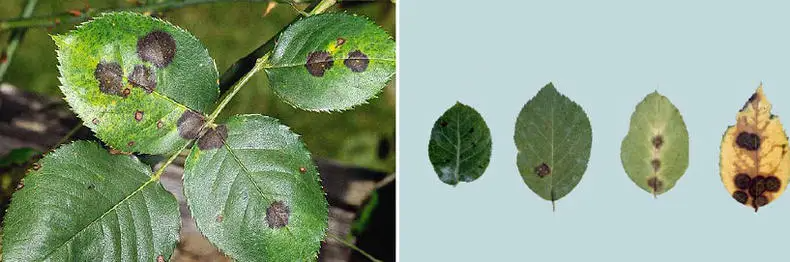
Black spots
Black spot disease is a disease caused by higher fungi, and the fungus causing black spot disease in roses is similar to the cold virus in humans.
Symptoms of damage: Excessive leaf drop, causing plants to become bare prematurely, resulting in weak growth, fewer flowers, and poor flower shape the following spring.
Treatment methods:
① If black spot disease has not yet appeared, use Bordeaux mixture, Dithane M-45 or Shiqi leaf disease spray for prevention. Apply 1-2 times at 7-10 day intervals until the temperature drops.
② If black spot disease has already appeared, use Xinsheng, Kusite, etc. Spray 1-2 times at about 7 day intervals until the temperature drops.
Physical control: Sweep up fallen leaves regularly and remove diseased leaves to reduce sources of infection.
In winter, severely prune heavily diseased plants to remove overwintering pathogens from the diseased stems. Do not place potted plants too densely.
02
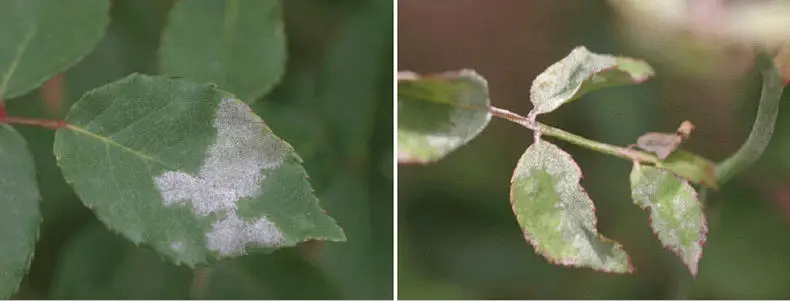
powdery mildew
Powdery mildew is a fungal infectious disease that mainly overwinters as mycelium in the dormant buds of infected plants. It begins to break out the following spring and continues until summer.
Symptoms: Powdery mildew affects the leaves, young shoots, flower buds, and flower stalks of roses. Infected young leaves become wrinkled, curled, and deformed, with a white powdery coating covering their surface.
Treatment methods: Banlv, Bilai, Dasheng
Physical control: Avoid overcrowding the plants, prune them appropriately, and ensure adequate light and ventilation. Do not apply excessive nitrogen fertilizer; instead, increase the application of phosphorus and potassium fertilizers to enhance plant growth and maintain healthy plants.
03
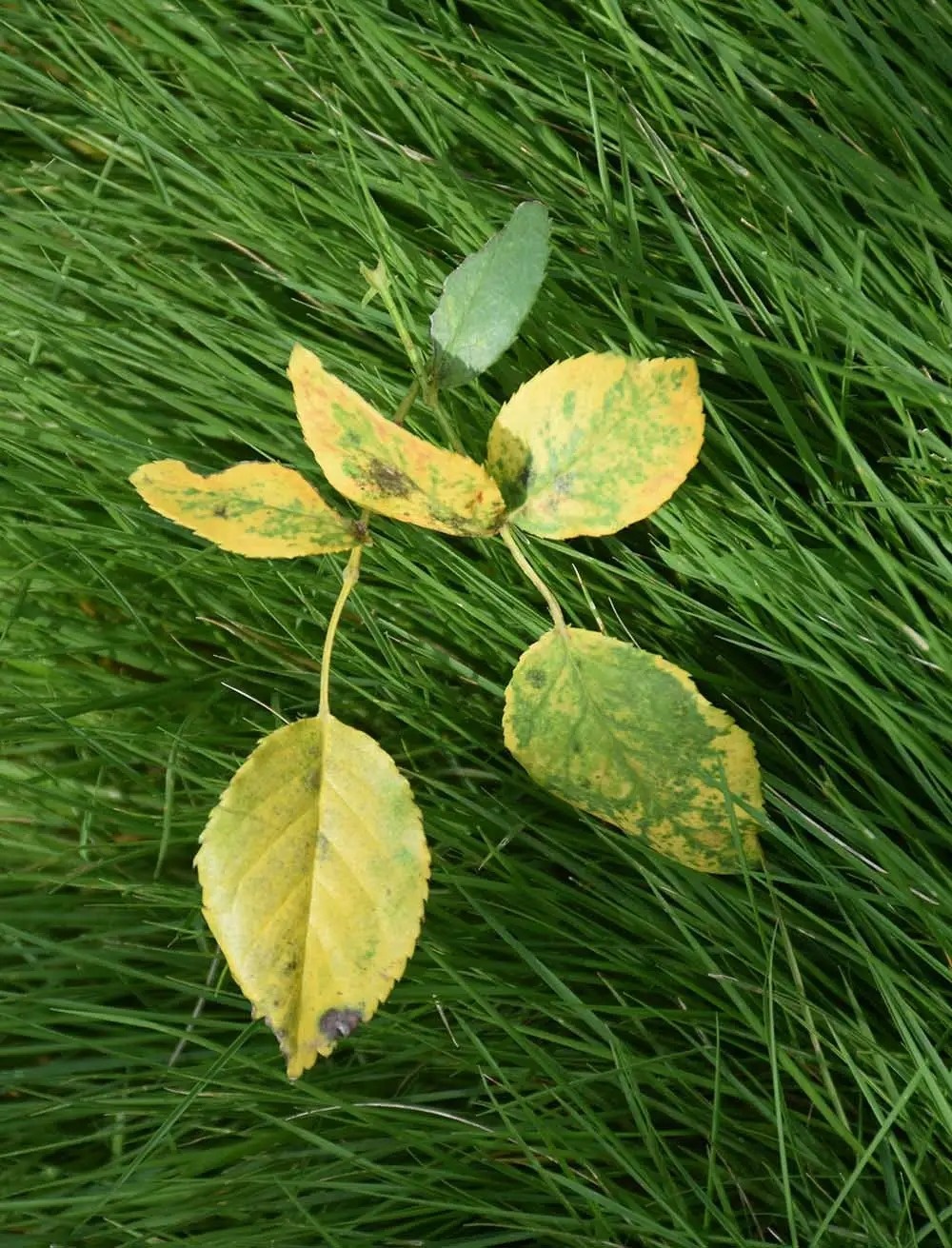
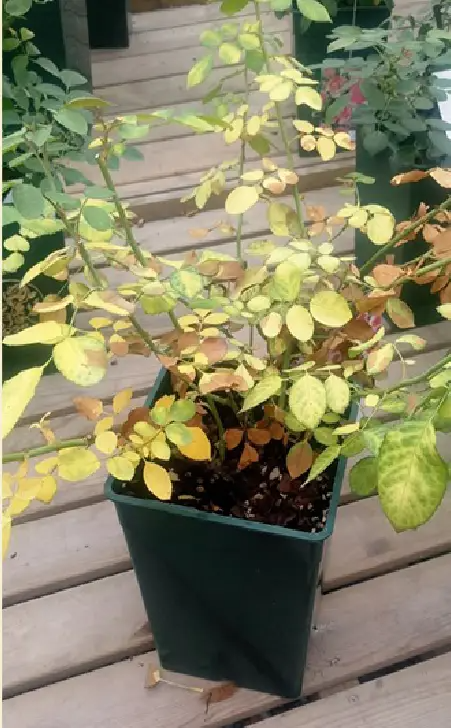
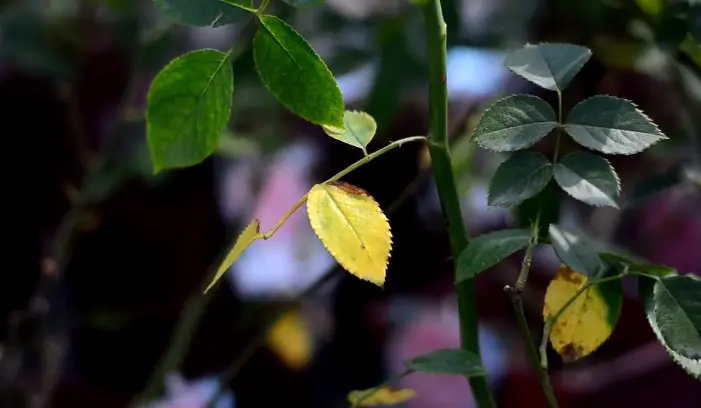
Yellow leaves
Situation Analysis & Treatment Methods:
① If the leaves turn yellow due to lack of water, replenish water promptly and increase ventilation.
② If the roots rot and leaves turn yellow due to overwatering, correct your watering habits, remove the plant from the pot to check the root system. If the situation is serious, treatment is needed. After that, control the watering, let the plant recover, and move it to a cool and ventilated place to observe its condition.
③ If yellowing leaves are caused by black spot anthracnose or other reasons, spray the affected area with appropriate pesticides.
④ The leaves are too dense, resulting in insufficient light at the base and yellowing of older leaves. Prune and thin out overly dense branches, remove old leaves from the base, and finally apply a fungicide to kill bacteria.
⑤ Yellowing leaves due to nutrient deficiency require specific analysis to determine the missing micronutrients, followed by supplementation.
For example, if there is an iron deficiency, older leaves will be green while younger leaves will turn yellow and the veins will be green; if there is a potassium deficiency, the edges of older leaves will turn yellow and the scorched parts of the leaves will wrinkle; if there is a manganese deficiency, the veins will turn yellow and have a reticulate pattern, and new leaves will turn yellow.
⑥ Yellowing leaves caused by high temperatures can be restored by spraying foliar fertilizer when the temperature drops in autumn.
04
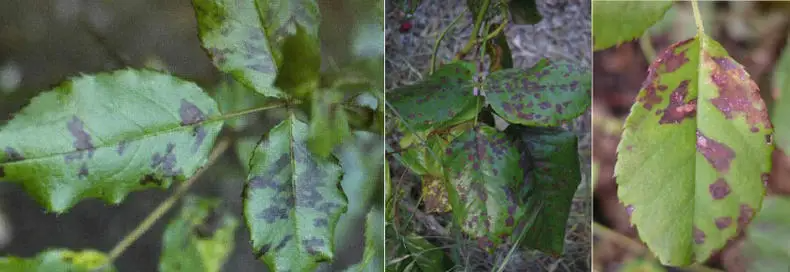
Downy mildew
Downy mildew, a fungal infectious disease of roses, spreads rapidly and causes widespread damage.
Symptoms: Initially, chlorotic spots appear on the underside of the lower leaves. These spots are irregular and covered with a downy mold layer. Later, they turn dark purple, appearing water-soaked, and eventually brown. The spots are polygonal and gradually become scorched. In severe cases, all leaves fall off.
Time of occurrence: May to August, during the rainy summer months, especially during the plum rain season in southern China.
Physical control: Plants should not be too densely packed, ensure good ventilation, and apply more phosphorus and potassium fertilizer during the growing season to enhance the plant's disease resistance.
Treatment methods: 70% Guoguang Mancozeb, Daisen, Chlorothalonil, and other fungicides.
05
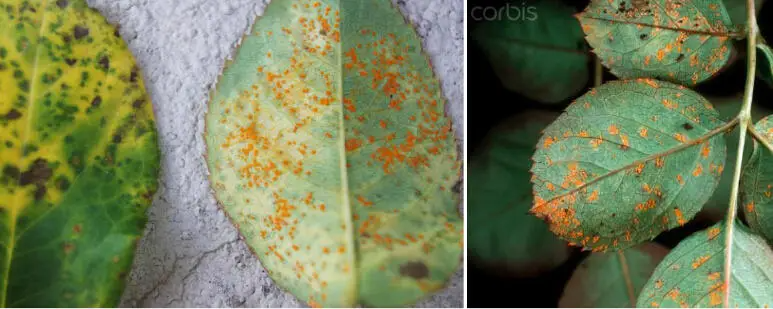
Leaf rust
Fungal infectious diseases spread with the help of rainwater.
Symptoms: It affects the buds, leaves, tender branches, petioles, receptacles, flower stalks, flowers and fruits of roses, with the most obvious symptoms on the leaves.
Occurrence time: It can occur year-round, with summer being the peak season. When discovered, small-scale manual removal and destruction should be carried out promptly. Ensure good ventilation for the plants, apply more scaly fertilizer and foliar fertilizer during the growing season to enhance the plant's disease resistance.
Treatment method: Use 70% Guoguang Mancozeb, Daisen, and Chlorothalonil alternately.
06
peptic ulcer
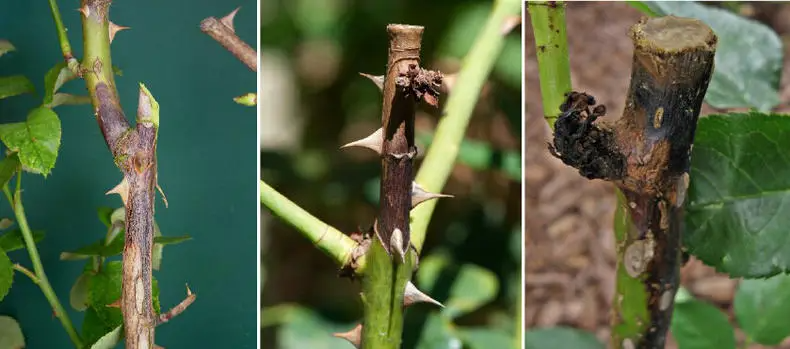
Bacterial diseases damage rose branches and trunks, destroying the active cells in the phloem and cutting off the plant's nutrient supply.
Symptoms: The disease affects the plant or the root collar near the ground. The stem bark of the infected tissue initially fades and dies, and later expands into water-soaked, irregular black lesions with dry edges.
If it is a grafted seedling, the junction of the rootstock and scion often appears water-soaked, sometimes extending to the branches above the soil surface, eventually causing the roots to rot and the entire plant to die in severe cases.
Occurrence period: March to October, peak during the rainy season, especially under high temperature and humidity conditions. Plant disease-free seedlings, avoid overcrowding, ensure good ventilation, prevent excessive moisture in the growing environment, and promptly prune and destroy any diseased branches.
Treatment methods: Agricultural streptomycin, root dredging agent (watering the roots), or spray the topsoil with a 40-fold dilution of 43% formaldehyde.
07
Soot disease (coal pollution disease)
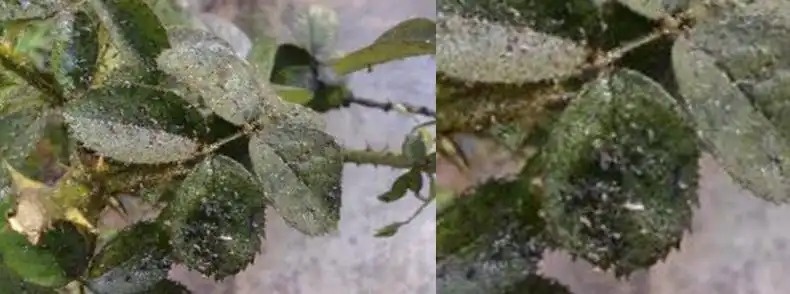
It often occurs in conjunction with aphids or scale insects.
Symptoms of damage: Honeydew produced by aphids or scale insects nourishes pathogens and also attracts a large amount of dust from the air, eventually resulting in a layer of soot-like substance covering the leaves.
Treatment : Wipe off the soot on the leaves.
Insecticides such as Yicheng and Huijian are used to treat aphids and scale insects.
Then treat sooty mold with fungicides such as chlorpyrifos, chlorpyrifos, and methyl hymexazol.
08
Mosaic Disease
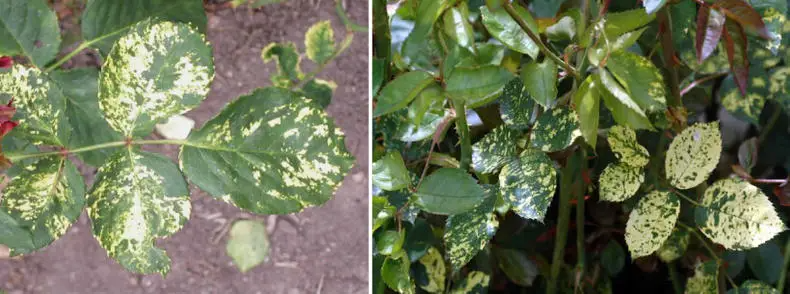
Mosaic disease is a viral disease that spreads rapidly and over a wide area.
Symptoms: The virus is characterized by small, chlorotic spots, sometimes exhibiting polygonal patterns. The leaves around the spots often show some degree of deformity; some symptoms present as ring-shaped, irregular wavy markings, while others include yellow veins and stunting, leading to severe leaf drop.
Occurrence time: May to November. It is spread through diseased buds, scions, and rootstocks, and is transmitted during budding and grafting. Strong sunlight and drought in summer are conducive to the manifestation and spread of symptoms, but latent symptoms or mild mosaic symptoms often occur as well.
Treatment: Avoid using infected roses as propagation material; isolate infected plants immediately. Drug: Mancozeb.