CNN's Top Ten Culinary Kingdoms in the World
Tenth: United States
Representative foods: hamburgers, French fries, cola
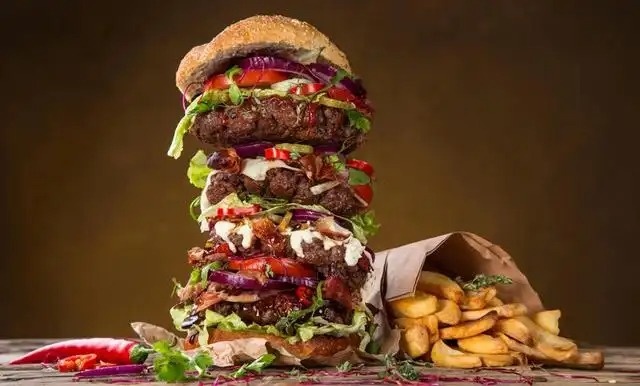
It must be said that this list does have a CNN feel to it. American food is like a global culinary jigsaw puzzle, bringing together delicacies from all over the world. German hamburgers, Italian pizza, Belgian fries, French roasted chicken wings, and even European coffee—these originally foreign foods have blended together on American soil to form a unique American dining style. And among them, Coca-Cola has become a symbol of America.

Americans are adept at packaging and promoting their food culture globally. Leveraging their strong national influence and the capital power of Wall Street, they have packaged these diverse cuisines into American fast food, successfully launching them worldwide and imprinting them with the American mark.
The distinctive feature of American cuisine lies in its diversity and fusion. As a nation of immigrants, the United States has brought together culinary techniques and ingredients from around the world, combining them with local ingredients and cooking methods to create a unique American flavor.
Ninth: Thailand
Representative dishes: Tom Yum soup, Massaman curry, pineapple fried rice
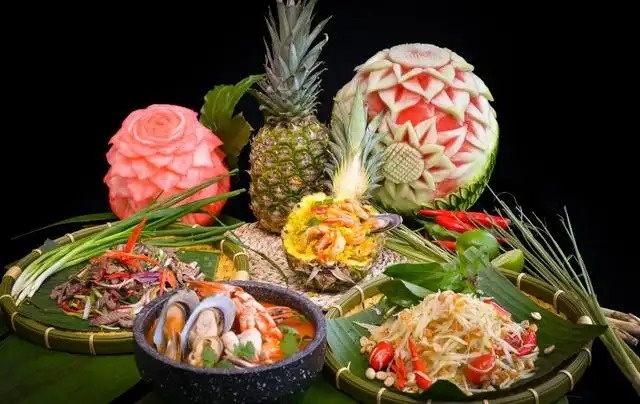
Thailand, a dream destination for Europeans and Americans, is also an unparalleled culinary paradise. The spiciness of Massaman curry, the sweet, sour, and savory flavor of Tom Yum soup, the rich sweetness of pineapple fried rice, and the dazzling array of tropical fruits—each is a tempting treat for the taste buds.
There's a saying online: if you set foot in Thailand and can't be moved by the food, then you don't understand life. While that's a bit of an exaggeration, Thai food is indeed uniquely appealing. And the Thai people's love for chili peppers is no less than that of the Sichuanese; they can't live without spice.
Thai cuisine boasts a rich flavor profile and unique taste, thanks to its abundant spices. Lemongrass, kaffir lime leaves, fish sauce, and coconut milk are all commonly used seasonings in Thai dishes. The use of spices gives Thai cuisine its distinctive sour and spicy flavor.
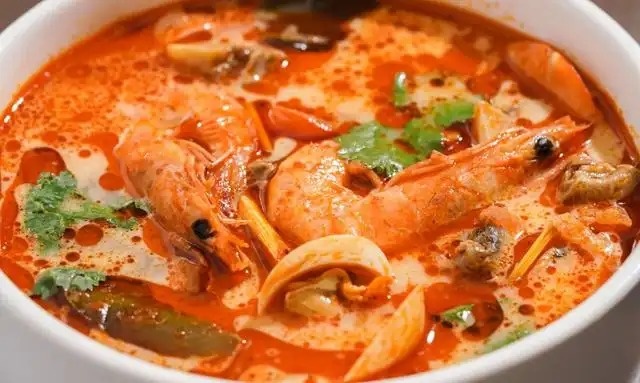
Seafood and fruit also play an important role in Thai cuisine. Due to its coastal location, Thailand has abundant seafood resources, with shrimp, crab, and fish being very common in Thai dishes. What particularly impresses Chinese foodies are the various tropical fruits produced in Thailand, such as mangoes, pineapples, and durians. These fruits can not only be eaten directly but are also frequently used in making desserts and beverages.
Researching Thai food culture reveals a fusion of diverse culinary techniques and cultural influences. You can find cooking methods from China, India, and even the West, all integrated with local Thai ingredients and flavors, creating a highly inclusive food culture that attracts tourists and gourmets from around the world.
Eighth: Greece
Representative dishes: Seafood and vegetable salad, Greek yogurt
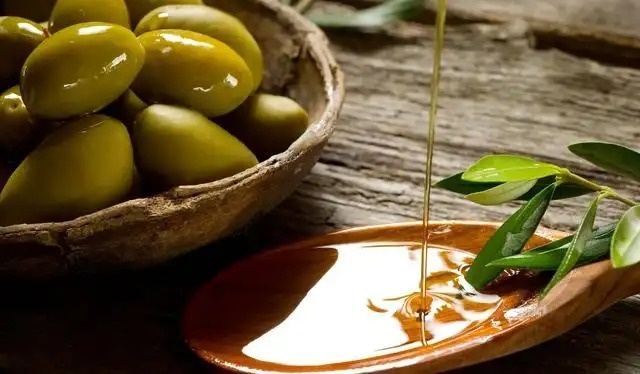
Greece, an ancient land, the cradle of Western civilization, and an important source of European and American culinary culture. Lonely Planet magazine praised Greece as a "paradise for organic food."
As a Mediterranean country, the charm of Greek cuisine lies in its use of olive oil. In Greece, almost every dish uses olive oil; this golden liquid of the Mediterranean is deeply ingrained in the Greek people's blood. Just as Hunan people cannot live without chili peppers, without olive oil, Greek cuisine loses its soul.
Greek cuisine has a strong Mediterranean culinary style, favoring fresh ingredients but rich in seasonings, including olive oil, lemon juice, herbs, and even some medicinal herbs, which add a rich flavor to the dishes.
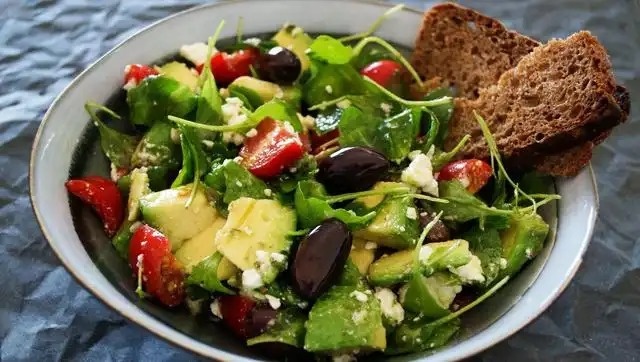
Greek cuisine aims to preserve the original flavor of ingredients, emphasizing natural, fresh, and healthy tastes. This unique culinary characteristic has earned Greek cuisine widespread acclaim worldwide.
Seventh place: Mexico
Representative foods: Mexican omelets, tortillas, chocolate
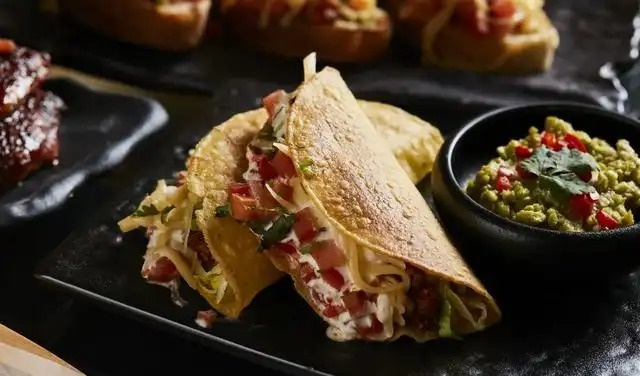
Mexico, the birthplace of chili peppers, the origin of corn, and the birthplace of chocolate. Many important ingredients on our tables today originated in Mexico.
Mexican cuisine blends indigenous, European, and Asian cooking techniques, resulting in a unique flavor profile. For example, Mexican chocolate combines chili peppers, cinnamon, and other spices, giving it a distinctive spiciness. Of course, Mexican cuisine is also constantly innovating, continuously creating new and exciting dishes.
For Mexicans, nothing tastes better than corn. Corn is not only the most important staple food in Mexico, but it is also used to make a variety of delicious dishes. Tacos and tortillas are world-renowned delicacies.

Around 7000 AD, the indigenous people of Mexico discovered and domesticated the earliest chili peppers on Earth.
In the 15th century, the Italian pirate Christopher Columbus landed in Mexico, learned chili pepper cultivation techniques from the Aztec Empire, brought them back to Europe, and eventually popularized this seasoning ingredient worldwide.

In Mexico today, spices such as chili powder, cilantro, cumin, and oregano are commonly used to flavor dishes, adding rich aromas and layers of flavor. Mexico is also renowned for its molé sauces, which further enhance the taste of its cuisine.
Sixth place: Japan
Representative foods: Sushi, sashimi, takoyaki
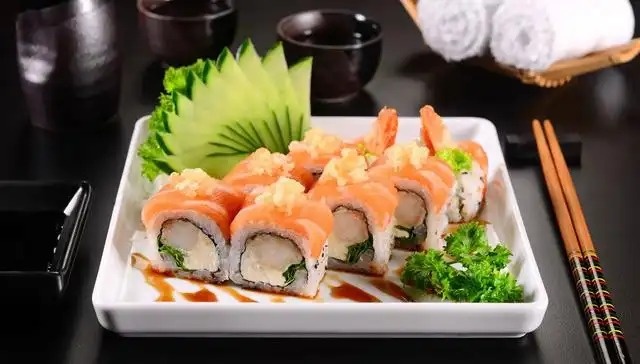
Japanese cuisine has a significant influence on the global culinary landscape. Salmon, sushi, ramen, and eel rice are all classic Japanese dishes, while Japanese sake is also quite distinctive.
The Japanese pursuit of health is reflected in their diet. Light, low-oil, and respecting the original flavor of food are all hallmarks of Japanese culinary philosophy. Surrounded by the sea, seafood is a staple on their tables. Exquisite tableware and plating showcase the Japanese people's ultimate pursuit of culinary ritual and its cultural essence.
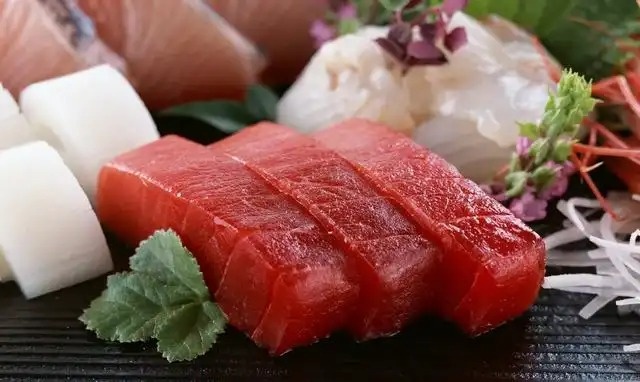
In Japan, fresh seafood such as fish, shellfish, and shrimp are often used in sushi, sashimi, and various cooking methods. Their delicious taste and high-quality protein are highly appreciated by the Japanese.
Compared to the cuisines of other Asian countries, Japanese cuisine typically uses less oil and focuses more on the original flavor of the ingredients and a light taste.
Japanese cuisine emphasizes the texture, color, and shape of food, pursuing refinement and aesthetic sophistication in its dishes. This characteristic is particularly evident in the exquisite plating of traditional tea ceremonies and Japanese cuisine. The Japanese are also very particular about their tableware, often using porcelain, lacquerware, and bamboo products, which enhances the ritual and aesthetic appeal of dining.
Fifth place: Spain
Representative dishes: Iberian ham, seafood risotto

With its 8,000-kilometer coastline, Spain has long enjoyed seafood abundance, resulting in countless delicious seafood dishes. Spanish paella is one of the three most famous Western dishes.
However, Spain's charm extends far beyond this. Iberian ham, the "Rolls-Royce" of hams, is made from locally raised black-hoofed pigs that roam freely in oak forests, feeding on acorns—every bite a gift from nature. Of course, the price is also quite substantial, with a single ham often costing several hundred euros, and the most expensive reaching as high as 30,000 yuan.
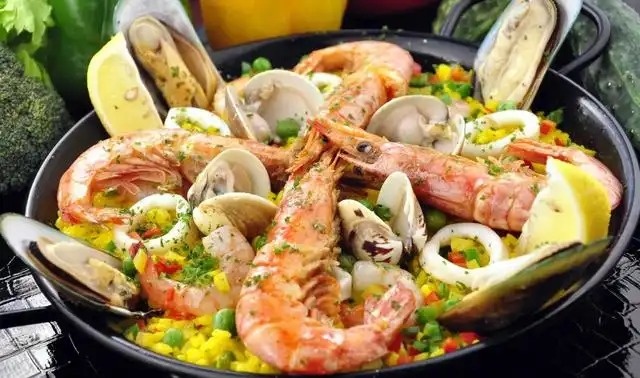
Like Greece, Spain is a devoted lover of olive oil. As one of the world's largest producers of olive oil, the Spanish use it in cooking and dining just as extensively as the Greeks.
Fourth place: Türkiye
Representative foods: Rotating kebab, Turkish coffee, ice cream
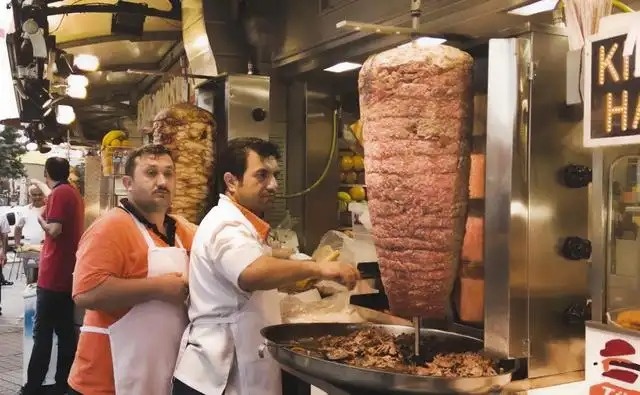
There's a saying online: " If you love him, take him to Turkey, because it has the most tempting kebabs in the world; if you love her, take her to Turkey, because it has the sweetest desserts in the world ."
Türkiye, a recognized culinary kingdom, is located at the crossroads of Europe and Asia. It has absorbed the culinary essence of Greece, Persia, Arabia, and the Balkans, forging a unique Turkish cuisine.
Salt Bae, the Turkish internet sensation, is an epitome of Turkish culinary culture. With his masterful salt-sprinkling skills, he has amassed 50 million followers on social media platforms worldwide, demonstrating his phenomenal influence.

Besides the viral rotating kebab, Turkish dumplings and pizzas are also quite distinctive. Turkish dumplings are mostly filled with spicy beef or mutton, boiled or fried, and served with yogurt or butter—delicious and flavorful. Turkish pizzas, on the other hand, are typically made with boat-shaped dough and can be topped with a variety of flavorful fillings.
Of course, what attracts Chinese tourists the most is still ice cream.
Third place: France
Representative dishes: foie gras, red wine, Belon oysters
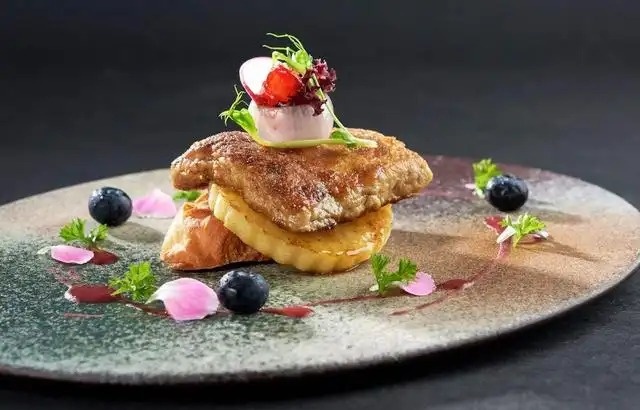
France, hailed as the most romantic country in the world, is a land where people are both captivated by romance and passionate about gastronomy. France is the birthplace of Michelin-starred restaurants and one of the world's most renowned culinary kingdoms.
Foie gras, escargot, blue lobster, fleur de sel, baguette, macarons, Belon oysters, black truffles, and the intoxicating French red wine. In terms of the sheer number of classic dishes and the renown of its cuisine, France truly stands alone.
French cuisine has always been renowned for its refined culinary techniques. The French pay attention to every step of the cooking process; meticulous processing and sophisticated cooking are key characteristics of French cuisine.

French chefs place great importance on the use of seasonings, and France boasts a diverse range of condiments. The famous fleur de sel, also known as "bride's salt," comes from Brittany, a culinary treasure trove in southern France. Here you'll find the world's premier oyster—the Belon oyster, the blue lobster known as the "king of lobsters," and of course, the world-renowned foie gras.
Using wine for seasoning is a characteristic of French cuisine. Different dishes are seasoned with different wines, such as wine for clear soups, brandy for seafood, and various sweet wines or brandy for desserts.

Table manners are an important part of French culinary culture. The French place great importance on table manners and etiquette, which reflects their respect for food and their love of life.
Second place: China
Representative dishes: Peking duck, dumplings, Buddha Jumps Over the Wall
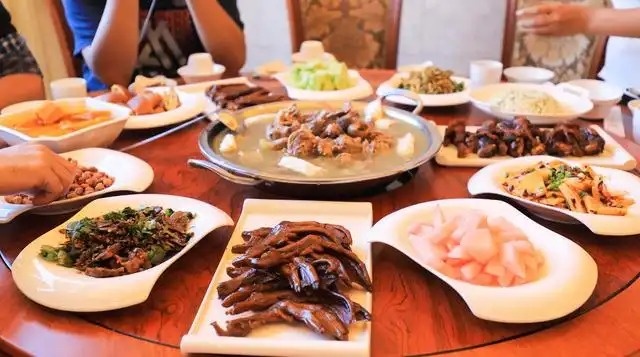
China, an ancient Eastern power, is the only ancient civilization in human history whose civilization has never been interrupted. China's culinary culture has a long history, from the three major cuisines of Beijing, Guangzhou, and Jiangsu to the eight major regional cuisines, showcasing skillful techniques and a rich variety of dishes.
As a nation with one of the richest culinary traditions in the world, the Chinese people's mastery of ingredients and application of cooking techniques are truly astonishing. Chinese food culture has also influenced other Asian countries, including Japan, South Korea, North Korea, Singapore, Malaysia, and Thailand; the culinary cultures of these Asian nations all bear a strong Chinese imprint.
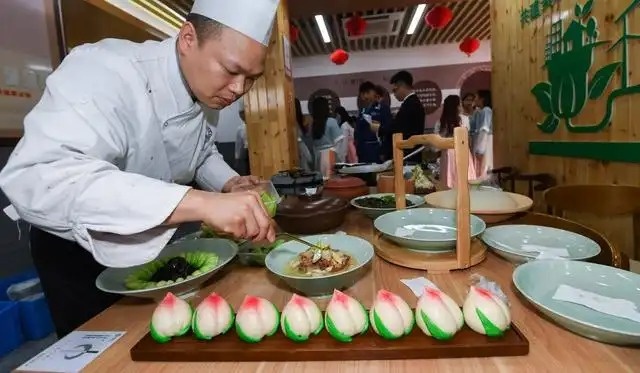
The Chinese are not only skilled in cooking, but also have a tradition of appreciating the aesthetics of dishes. They pay attention to the harmony of color, aroma, taste, shape, and presentation. The Chinese express the beauty of food in many ways; even a cucumber or a cabbage heart can be carved into various shapes.

For thousands of years, the Chinese have always adhered to the dietary principles of "medicine and food sharing the same origin" and "medicine and cuisine having the same effect." They are adept at utilizing the medicinal value of food ingredients to create a variety of delicious dishes, which has profoundly influenced the dietary philosophies of other Asian countries.
First place: Italy
Representative foods: pizza, pasta, tiramisu
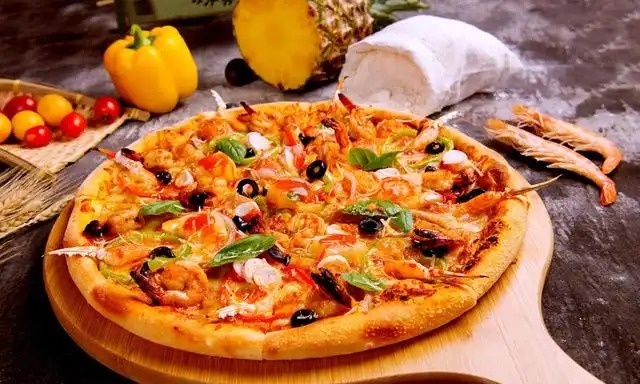
Italy, the mother of European cuisine, is the true origin of Western food. Undoubtedly, Italian cuisine enjoys an extremely high reputation worldwide, and its popularity is unparalleled.
Whether it's pizza, pasta, tiramisu, Parma ham, cappuccino, gelato, panini, or Florentine steak, you can find these Italian delicacies in almost every corner of the world.
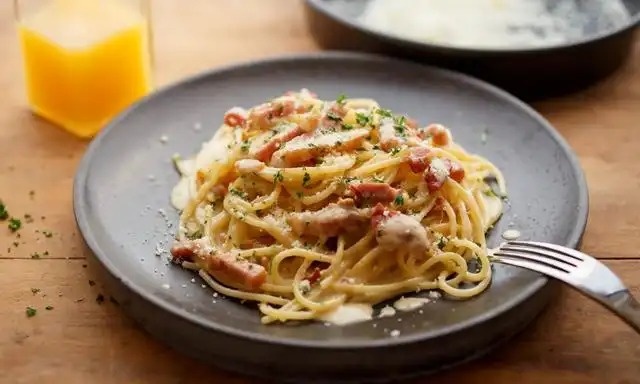
Italy also boasts a wealth of top-quality ingredients. Albanian white truffles, Parmesan cheese (the king of cheeses), balsamic vinegar comparable to gold, and Parma ham, rivaling Iberian ham, all contribute to Italy's place on the world's list of premium ingredients. Of course, Italy is also a major wine producer, consistently ranking first in the world in wine production.
As a Mediterranean country, Italians are equally adept at using spices. Black truffles, garlic, coriander, rosemary, and sage add rich aromas to Italian cuisine, giving it a unique taste and flavor experience.
What do you think?