Cleaning tips
Today I'm sharing some cleaning tips with you. Let's take a look at what they are, and hopefully they will be helpful in your daily lives.
1. Used tea leaves
Have you ever heard of using damp tea leaves to clean floors? For floors that can't be washed with water (such as stairwells and balconies), you can sprinkle slightly damp tea leaves on the floor and then sweep with a broom. The tea leaves will remove dust, leaving the floor clean and also deodorizing.
2. Water for boiling noodles
After cooking noodles, don't rush to pour out the water. The water used to cook noodles, which contains starch particles, makes a great natural dishwashing liquid, especially effective when washing dishes while it's still hot!
The water used to boil noodles can be used to wash dishes and utensils without any detergent, leaving them sparkling clean, especially glasses. The water is even easier to wash while it's still hot. It quickly removes light to moderate grease, making it excellent.
3. Leftover beer
Leftover beer will turn bitter if left out for too long, and most people just throw it away. Instead, try refrigerating it and using it for cleaning later. The alcohol in beer is effective at removing stains, making it especially useful for wiping down kitchen countertops.
4. Baking soda
The amazing cleaning power of baking soda is something you have to witness to know. It's a weak alkali, low-irritant substance, traditionally used in baking. However, its alkalinity neutralizes acidic grease, making it incredibly effective for household cleaning, removing grease and stains. Furthermore, it has the unique ability to absorb and eliminate odors!
When doing laundry, baking soda can enhance the cleaning power. When adding laundry detergent, you can try adding 2/3 of a rice measuring cup of baking soda powder. This can soften the water, improve the cleaning power, and make clothes cleaner without damaging the fabric.

sink
Use a slightly damp dishcloth with baking soda to scrub the stainless steel sink in the kitchen. After washing, rinse it with water, and the sink will become very clean.
It can also be used as a spray for glass and mirrors. If there is dirt on the glass or mirror, you can make your own glass cleaner by adding baking soda and water. The effect is no worse than commercial cleaning products, and it is both economical and environmentally friendly.
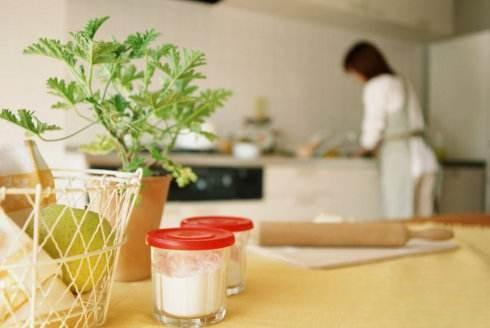
Deodorization
Baking soda is a fantastic natural deodorizer! If your kitchen sink drain smells bad, simply pour in a small cup of baking soda and rinse with water to eliminate the odor. If the drain is both smelly and clogged, pour in a cup of baking soda and then add hot water—that should solve the problem!
Sprinkling baking soda on the carpet and then vacuuming it the next day can restore its cleanliness and freshness. Alternatively, placing baking soda in a small bottle, wrapping the opening with cotton cloth or paper towels, and putting it in the refrigerator can also deodorize, with an effective period of up to three months.

do the washing up
Baking soda's cleaning power is so great that even a dishwasher can't handle it. Furthermore, applying a paste of baking soda to a toothbrush and gently brushing it on silver tableware yields unexpected results, restoring its shine. Besides silver, it also works on stainless steel and other metal tableware.
To remove burnt marks from a pot, use baking soda. If a stainless steel pot accidentally burns while empty, add some water and baking soda to the pot, heat to a boil, and let it sit overnight. The next day, it will be easy to clean. Alternatively, boiling the pot in water with vinegar can also remove burnt marks.
Cleaning your microwave is super easy! Simply wipe it with a slightly damp scouring pad and a pinch of baking soda. After washing, wipe it clean with a damp cloth. This will leave your microwave sparkling clean and prevent any residual cleaning agent smell. Make sure it's thoroughly cleaned, otherwise, baking soda powder will remain after it dries.
5. White vinegar
White vinegar has antibacterial, stain-removing, and deodorizing effects, making it convenient and versatile.
Washing cutting board
This is a common method used in Japanese restaurants, and it's super effective at removing fishy smells! Of course, it can also remove the strange smells from various ingredients, deodorizing and disinfecting at the same time.
To remove grease and limescale, simply add a little white vinegar to the water when mopping the floor; this will completely remove grease. White vinegar is also highly effective at cleaning limescale from faucets.

do the washing up
Adding a little white vinegar to dish soap doubles its degreasing effect; this not only reduces the amount of dish soap needed, but also restores the shine to glass tableware.
Heating white vinegar can remove oven odors. After baking fish in the oven, the fishy smell is particularly strong. If you want to bake bread next, the smell will be unbearable! At this time, you can put vinegar in a heat-resistant container until it is 80% full, put it in the oven and bake for 2-3 minutes to effectively remove the odor.
Boiling water with white vinegar can help cleanse your kettle. Over time, a layer of limescale will build up in the kettle. Simply put vinegar and water (in a 1:10 ratio), boil for 10 minutes, turn off the heat, and let it sit for an hour to easily remove the limescale.
There are many handy tips and tricks in life, simple and effective. Why not give these methods a try? If they work for you, please share them with your friends and family!