Classic Replay: Common Diseases and Pests of Roses and Their Chemical Control
Among various horticultural flowers, the rose is considered one of the more robust and easier to grow. However, various diseases and insects in nature constantly threaten its normal growth, so disease and pest control is a very important aspect of rose cultivation and management.
Pests

1. Aphids
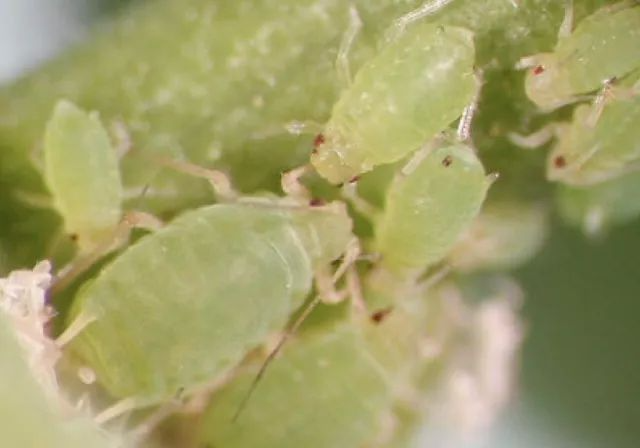
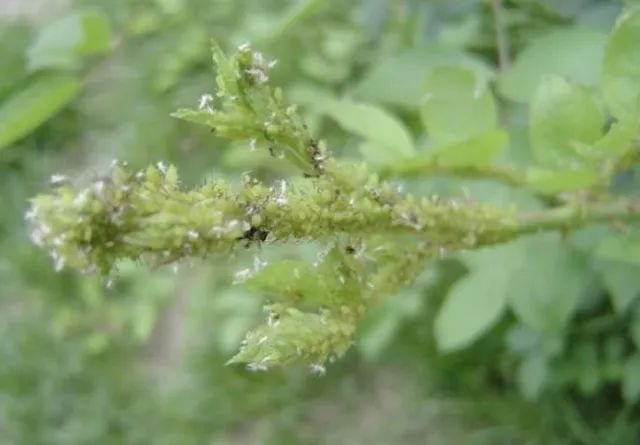
These are pests with piercing-sucking mouthparts, often clustering on leaves, tender stems, flower buds, and terminal buds to suck sap.
Symptoms of damage: Causes leaves to wrinkle, curl, and become deformed.
Occurrence time: The peak season is from March to May in spring (starting in late February in greenhouses), and it can also occur in September and October in autumn.
2. Thrips
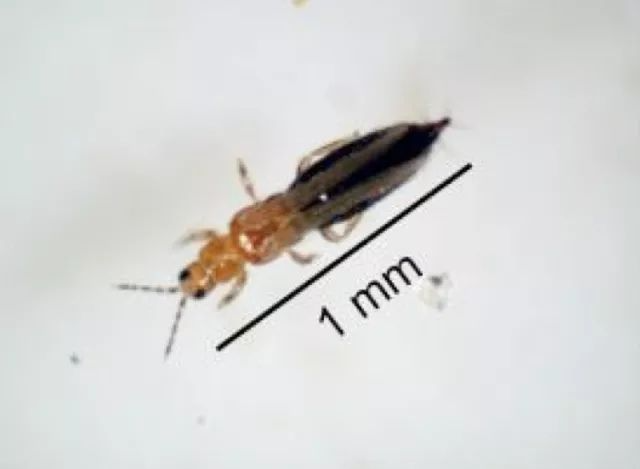
Nocturnal, hence also called assassin, it is an insect that feeds on plant sap. The larvae are white, yellow, or orange, while the adults are brown or black.
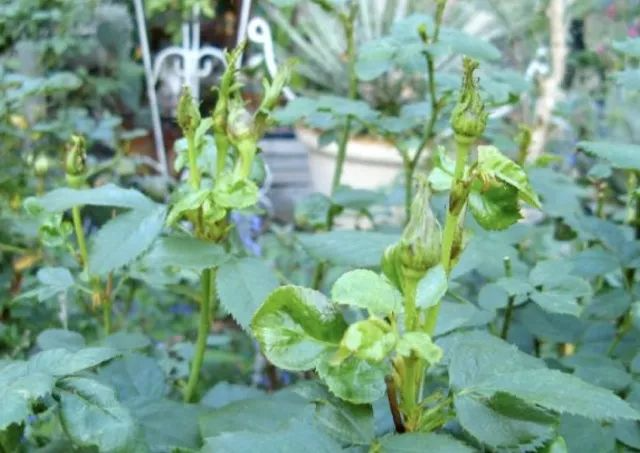
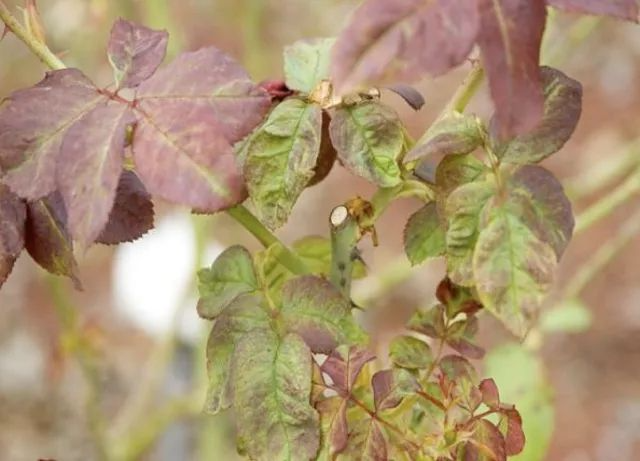
Symptoms of damage: Affected young branches cannot grow and the tips die. Affected leaves are deformed on the underside, with grayish-white or grayish-brown streaks appearing on both sides of the midrib. The epidermis turns grayish-brown and becomes deformed and curled.
Occurrence time: It can occur year-round, but mainly in open fields during spring, summer, and autumn, and primarily in greenhouses during winter. The first peak occurs from March to June each year, and the second peak from September to November, mainly during the spring and autumn growing seasons for roses.
3. Red spiders
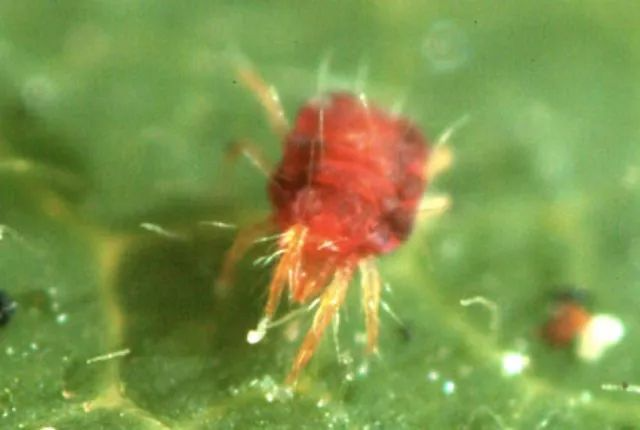
The spider mites that harm roses are mainly the common spider mite, also known as the two-spotted spider mite.
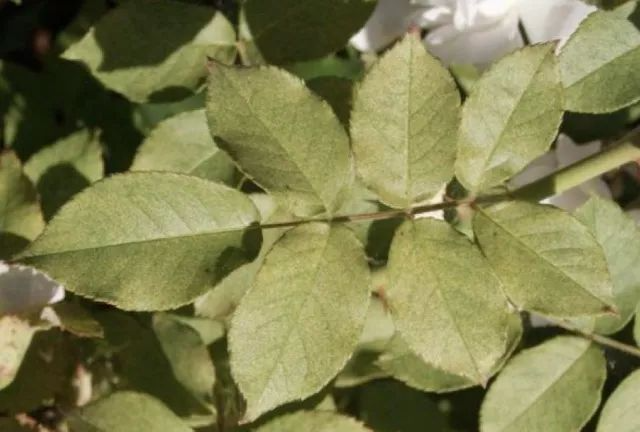
Symptoms of damage: It starts from the lower leaves. It mainly consists of adult mites, nymphs, and larvae that congregate on the underside of leaves, forming webs with leaf fibers and sucking sap. Initially, small grayish-white spots appear on the affected leaves, which then turn yellow and weak, as if they have been scorched by fire. Severe damage can cause premature leaf drop.
Occurrence time: March to October. They begin laying eggs on weeds on the ground in March, with the peak period from May to July. They begin to move to the ground to overwinter in October.
Diseases
1. Rose black spot disease
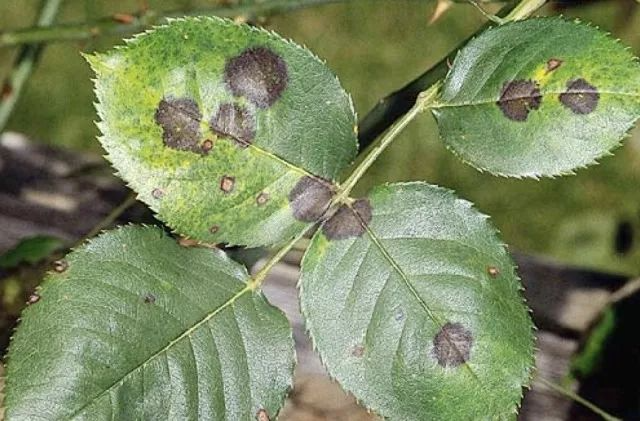
Black spot disease is a disease caused by higher fungi. The black spot fungus of roses is like the cold virus in humans. It is present in the air and soil. People with weak immune systems will be infected, while those with strong immune systems will be fine.
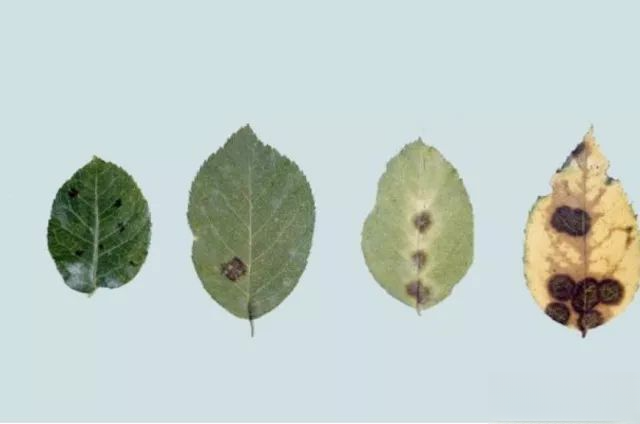
Symptoms: Initially, lesions on the leaves appear as small purplish-brown to brown spots, turning black or dark brown. Purple to black streaks appear on young branches and flower stalks. In severe cases, the lower and middle leaves of the entire plant fall off, leaving only a few new leaves at the top.
Occurrence time: Occurs year-round, with the peak incidence occurring in the Yangtze River basin from May to September.
Physical control: Regularly sweep up fallen leaves and remove diseased leaves to reduce sources of infection. In winter, heavily prune severely diseased plants to remove overwintering pathogens from diseased stems. When potting, do not place plants too densely, avoid spraying water, and do not water at night, as water on the leaves cannot dry quickly, facilitating pathogen invasion.
2. White powder
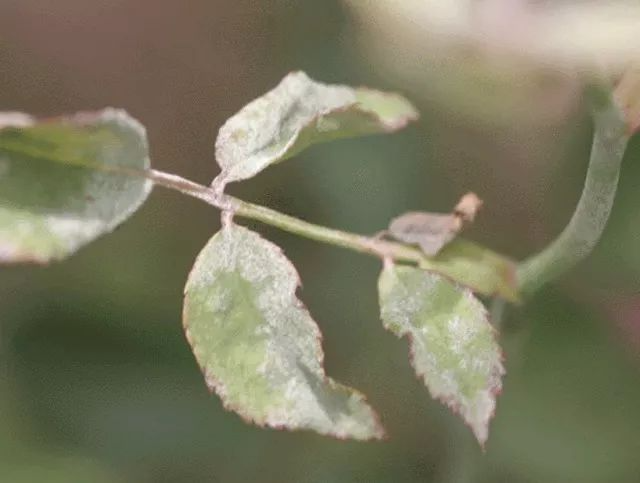
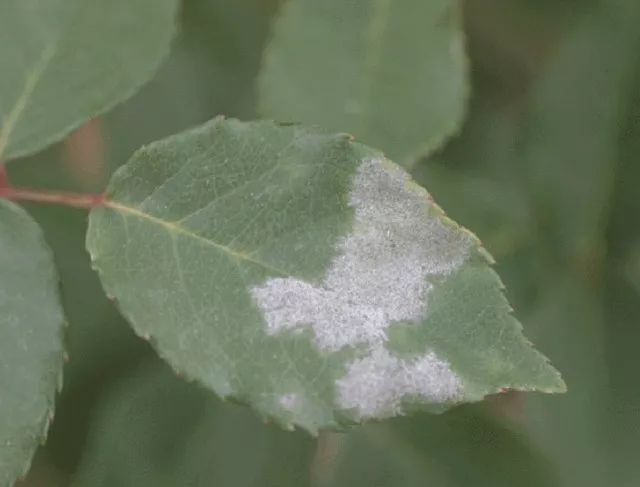
Powdery mildew is a fungal infectious disease that mainly overwinters as mycelium in the dormant buds of infected plants. It begins to break out the following spring and continues until summer.
Symptoms: Powdery mildew affects the leaves, young shoots, flower buds, and flower stalks of roses. When young leaves are infected, they become wrinkled, curled, and deformed, with a white powdery layer covering the surface; this is a typical characteristic of powdery mildew.
Occurrence time: Spring (March-June) and Autumn (September-October). The disease is more likely to occur in warm, dry or humid environments. Rainfall or high temperatures are not conducive to the occurrence of the disease.
Physical control: Avoid overcrowding the plants, prune them appropriately, and ensure adequate light and ventilation. Do not apply excessive nitrogen fertilizer; instead, increase the application of phosphorus and potassium fertilizers to enhance plant growth and maintain healthy plants.
3. Downy mildew of roses
Downy mildew is a fungal infectious disease, and it spreads rapidly and causes widespread damage to roses.
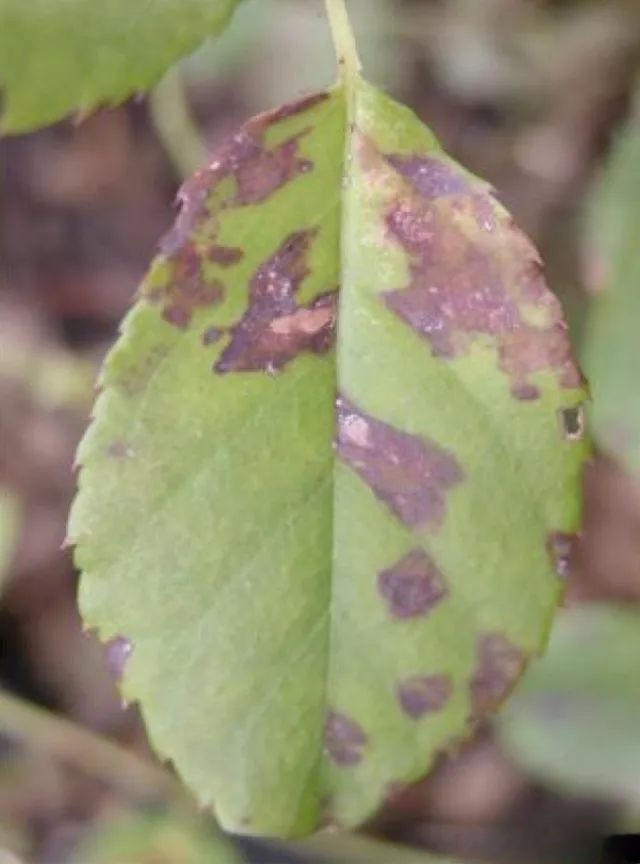
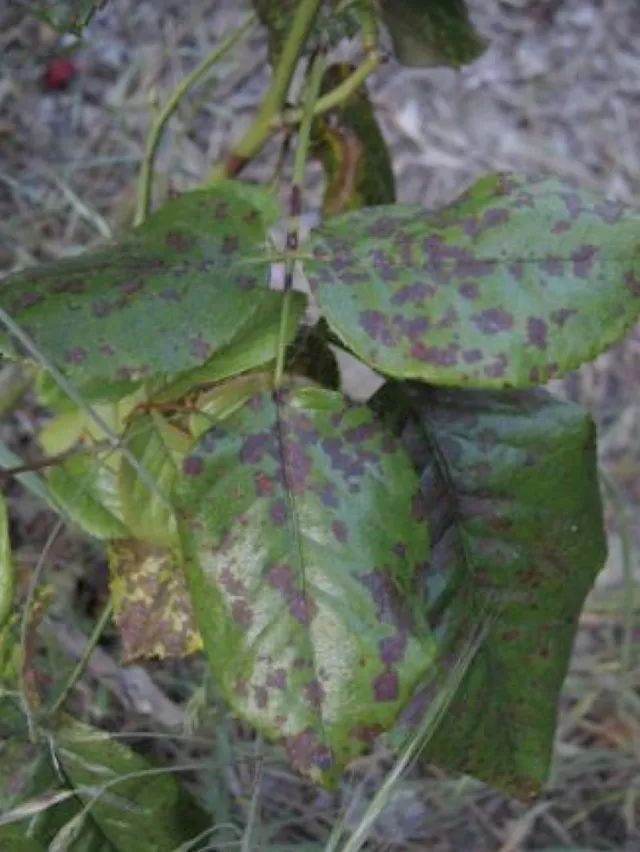
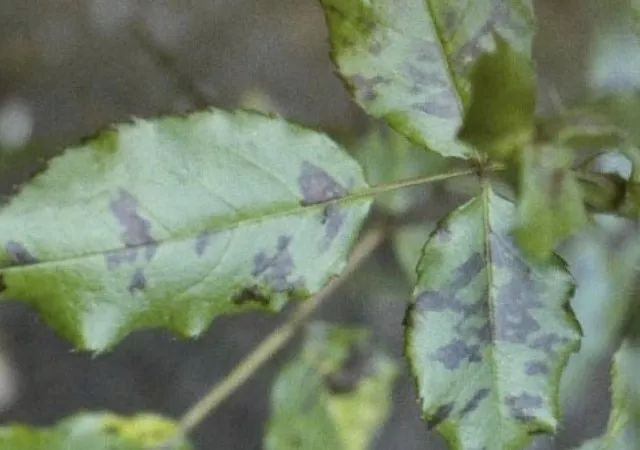
Symptoms: Initially, chlorotic spots appear on the underside of the lower leaves. These spots are irregular and covered with a downy mold layer. Later, they turn dark purple, appearing water-soaked, and eventually brown. The spots are polygonal and gradually become scorched. In severe cases, all leaves fall off.
Time of occurrence: May to August, during the rainy summer months, especially during the plum rain season in southern China.
Physical control: Plants should not be too densely packed, ensure good ventilation, and apply more scale fertilizer during the growing season to enhance the plant's disease resistance.
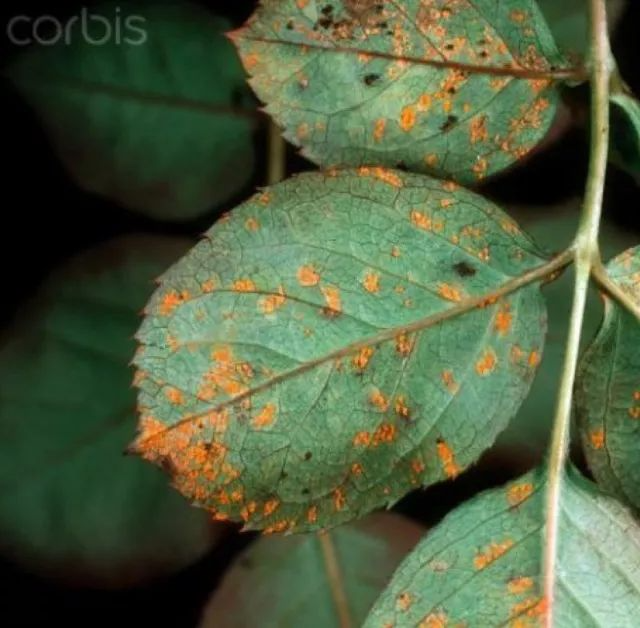
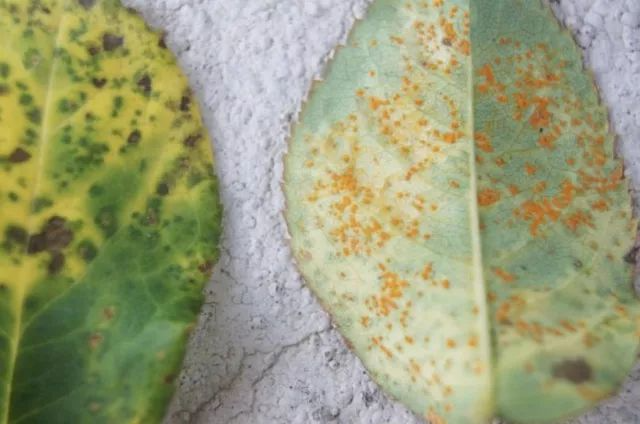
4. Rose rust
Rust is a fungal infectious disease that spreads through rainwater.
Symptoms: It affects the buds, leaves, young branches, petioles, receptacles, pedicels, flowers, and fruits of roses, with the most obvious symptoms on the leaves.
Occurrence time: It can occur all year round, with summer being the peak season.
Physical control: When a small number of plants are found, remove and destroy them manually in a timely manner. Ensure good ventilation for the plants. During the growing season, apply more scaly fertilizer and foliar fertilizer to enhance the plant's disease resistance.
5. Rose mosaic disease
Mosaic disease is a viral disease that spreads rapidly and over a wide area.
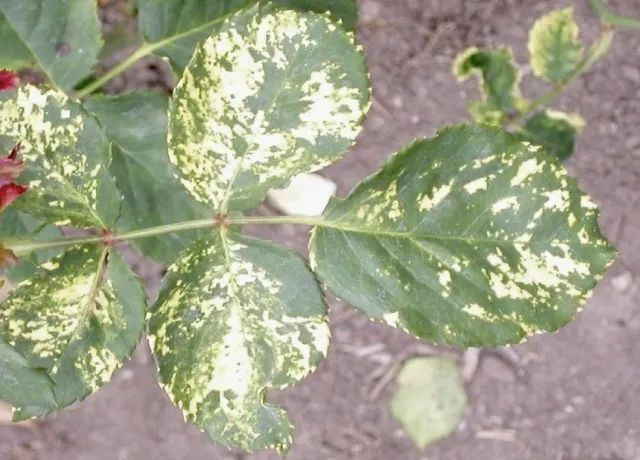
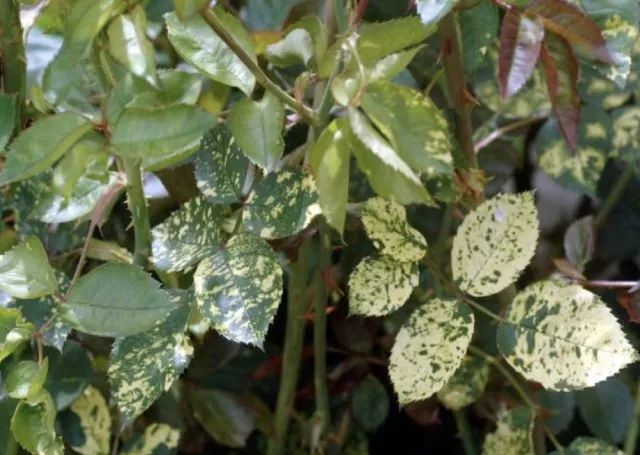
Symptoms: The virus is characterized by small, chlorotic spots, sometimes exhibiting polygonal patterns. The leaves around the spots often show some degree of deformity; some symptoms present as ring-shaped, irregular wavy markings, while others include yellow veins and stunting, leading to severe leaf drop.
Occurrence time: May to November. It is spread through diseased buds, scions, and rootstocks, and is transmitted during budding and grafting. Strong sunlight and drought in summer are conducive to the manifestation and spread of symptoms, but latent symptoms or mild mosaic symptoms often appear as well.