Causes and control of diseases and pests in greening seedlings
1. Diversity of seedling species
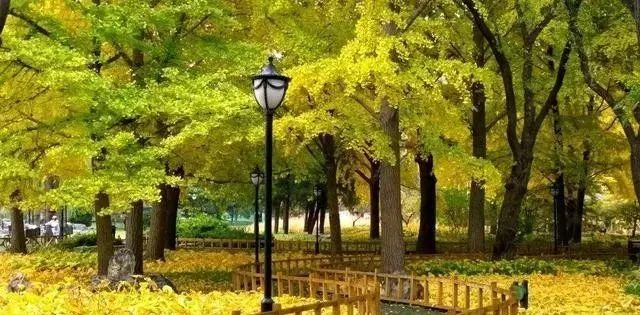
Diversity is an objective requirement for seedlings and related vegetation used in landscaping. Due to the wide variety of plant species selected, their growth cycles inevitably differ. Coupled with the complex and diverse geological conditions, this results in a diverse range of characteristics within a relatively small space. This, to some extent, provides diverse resources for pests and diseases, leading to a large number of pest and disease species and posing challenges to the health maintenance and management of urban greening seedlings.
2. Chemical control is limited.
The primary function of landscaping seedlings is to beautify cities, but most urban parks are concentrated in densely populated areas. Therefore, to ensure the safety of humans and other plants and animals, the use of highly toxic chemical pesticides must be restricted in the control of diseases and pests in landscaping seedlings. Furthermore, in densely populated areas or urban centers, where populations are relatively concentrated and traffic is heavy, it is not advisable to carry out large-scale disease and pest control work in landscaping to avoid disrupting people's normal lives. This results in a significant impact on the control of diseases and pests in landscaping seedlings, leading to poor control effectiveness.
3. Poor management
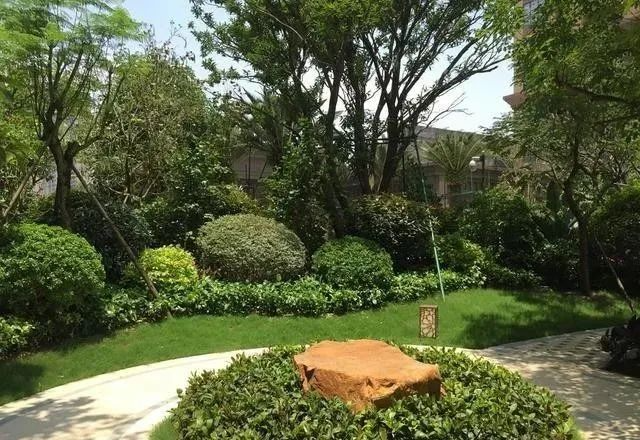
The management of seedlings in gardens is a highly complex task. Different seedlings have different optimal living environments. To ensure their growth in a relatively natural environment, it is necessary to avoid the various adverse factors brought about by the urban environment. The development of my country's seedling industry has long been restricted, with relatively imperfect infrastructure and systems, and a complete set of measures and technologies to address urban climates has not yet been formed. Garden management cannot promptly respond to the changing and complex urban environment and propose corresponding work points, while garden management personnel lack knowledge updates and cannot solve new problems in a timely manner.
1. Scientific selection of plants
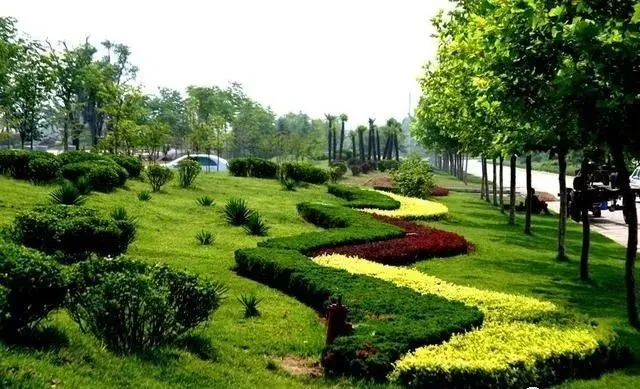
To enhance the distinctiveness of urban landscaping, many cities originally possessed a diverse array of plant species from various origins. This has led to the introduction of plants with predisposition to pests and diseases during landscaping construction, which can negatively impact other plants during their growth. Therefore, future landscaping projects should thoroughly investigate the plants to be introduced, particularly whether the region has completed pest and disease quarantine procedures. This will effectively prevent or reduce the introduction of plants from infested areas, thus avoiding widespread pest infestations. Furthermore, the scientific selection of plants can also be considered in relation to the overall style of the landscaping, enhancing its aesthetic appeal.
2. Chemical control methods
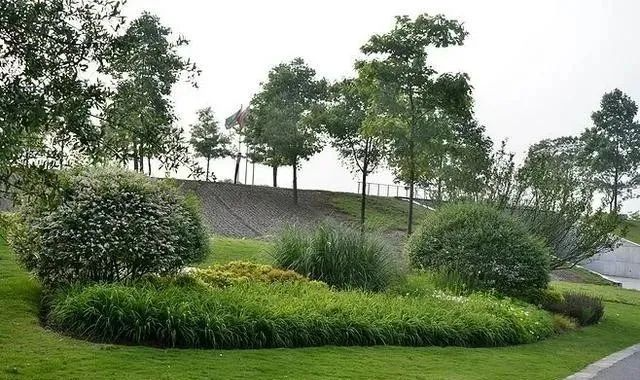
Among various pest and disease control methods, chemical control is the most direct and effective, and it is not limited by region or season. It mainly involves spraying pesticides; however, given the serious environmental pollution this method can cause, and the potential harm to the health of surrounding people from overuse, my country has gradually begun to avoid using this method in recent years. It can be used appropriately in areas with severe pests and diseases, and can also be used as a general emergency measure. Therefore, when using pesticides, chemical agents should be selected rationally, specifically based on the type and characteristics of the pests, avoiding indiscriminate use, and paying attention to reasonable dosages. This ensures that pests are eliminated while protecting the environment. In daily garden maintenance, garden staff should constantly monitor pest and disease conditions. To achieve adequate prevention, chemical methods can be used, but traditional application methods should be improved. For example, the currently widely used methods include root and stem application or electrostatic spraying.
3. Prevention of garden pests and diseases
In recent years, continuous economic development has further boosted the prosperity of the landscaping market, increased the mobility of landscaping seedlings, and consequently triggered the occurrence of various pests and diseases. During the transportation of landscaping seedlings, the lack of professional landscaping skills among transport personnel and inadequate supervision make it difficult to handle emergencies in a timely manner, thus increasing the likelihood of pests and diseases. For example, when importing some plant varieties from abroad, the lack of necessary protection and treatment measures during transportation has resulted in some pests and diseases entering my country along with the plants. Therefore, the prevention and control of landscaping pests and diseases requires attention to detail and strict control at every stage to minimize their occurrence.