Can exercise really help you lose weight?
We have no reason not to exercise, because its health benefits are countless: a "younger" cardiovascular system, a lower risk of type 2 diabetes, a stronger immune system...
Of course, for many people, the main reason for exercising is to lose weight and shape their bodies.
"Eat less and exercise more" has long been regarded as the golden rule of weight loss, but the scientific community has always debated whether "more exercise really helps with weight loss".
The core of the debate is the so-called "constrained total energy expenditure" hypothesis .
This hypothesis suggests that exercise doesn't help you burn more calories overall because, although the amount burned during exercise is significant, your body adapts to this expenditure by burning fewer calories during non-exercise periods, making it a waste of effort. Therefore, while exercise is beneficial to your health in various ways, it doesn't significantly help with weight loss.
A significant number of obesity researchers support this theory and have presented substantial evidence to support their viewpoint.
Other scientists question this hypothesis, arguing that the supporting research findings are all observational, rather than results from randomized controlled trials, which are the gold standard of scientific evidence. In randomized controlled trials, participants are randomly assigned to either the treatment or control group, allowing researchers to clearly determine whether the treatment is effective; and randomized controlled trials show that exercise can lead to weight loss.
Is it useful or not?
A European research team reviewed over 100 exercise studies to analyze and summarize the effects of exercise on weight loss; these reviewed works explored the weight loss effects of aerobic exercise, resistance training, or high-intensity interval training in adults. In 2021, their analysis was published as a review article.
A supervised and guided exercise program can indeed help with weight loss, though not by much.
However, there is a crucial issue here: exercise can reduce weight, but its effect on maintaining the gains is very limited .
According to the authors of the review, several randomized controlled trials they reviewed showed that adult participants who lost weight through dieting were unable to prevent weight regain by consistently engaging in aerobic exercise and resistance training for 6–12 months.
On the other hand, whether the exercise program is supervised and guided, and whether the participants follow the guidance and stick to the plan, greatly affects the results of weight loss through exercise.
The review authors stated that a randomized controlled trial on maintaining weight reported participant adherence rates , which is the percentage of time participants actually exercised as planned .
In this trial, 25 postmenopausal women who had lost weight through dieting participated in a year-long resistance training program, which required them to exercise 2-3 times per week. After a year, the participants' adherence rate was 64%. Given the long duration of the program, this number doesn't seem bad, but the results were surprising—
Their weight rebound was the same as that of the 29 women in the control group who did not participate in the exercise program.
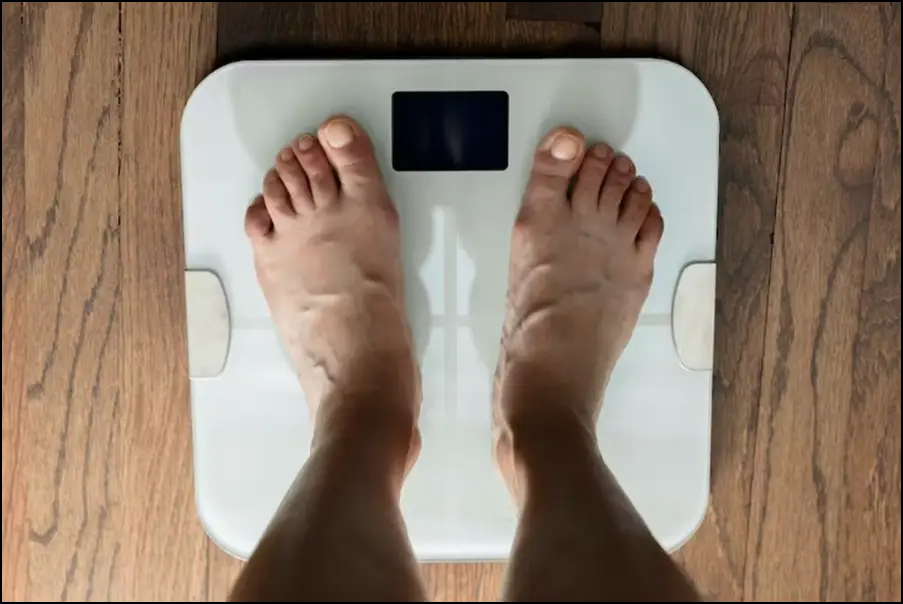
Maintaining weight after losing weight is extremely challenging.
Energy balance technology
If you exercise but don't lose weight, then you should increase the intensity of your exercise. Is that true?
In 2009, the American College of Sports Medicine (ACSM) released a report emphasizing the issue of exercise volume, pointing out that "the amount of exercise required to maintain weight after weight loss is uncertain and difficult to determine." Furthermore, they stated that the field rarely uses rigorous, precise, and advanced methods in randomized controlled trials to monitor the energy balance (energy intake from food and energy expenditure from exercise) of participants .
Dissatisfied with the status quo of the industry, the authors of the ACSM report conducted a more precise exploration.
In 2015, they recruited a group of overweight adults to participate in a 10-month aerobic exercise program and precisely analyzed the energy intake of those who successfully lost weight and those who failed during the program. The results showed that those who did not lose weight did indeed consume more calories.
Invisible heat
This work also yielded some very interesting measurement results. Towards the end of the study, there was surprisingly no significant difference in the total daily calorie expenditure between exercisers and non-exercisers. According to the trainers, those who exercise almost daily burn an extra 400-600 calories per workout.
So why isn't this extra few hundred calories burned reflected in the research team's measurement results?
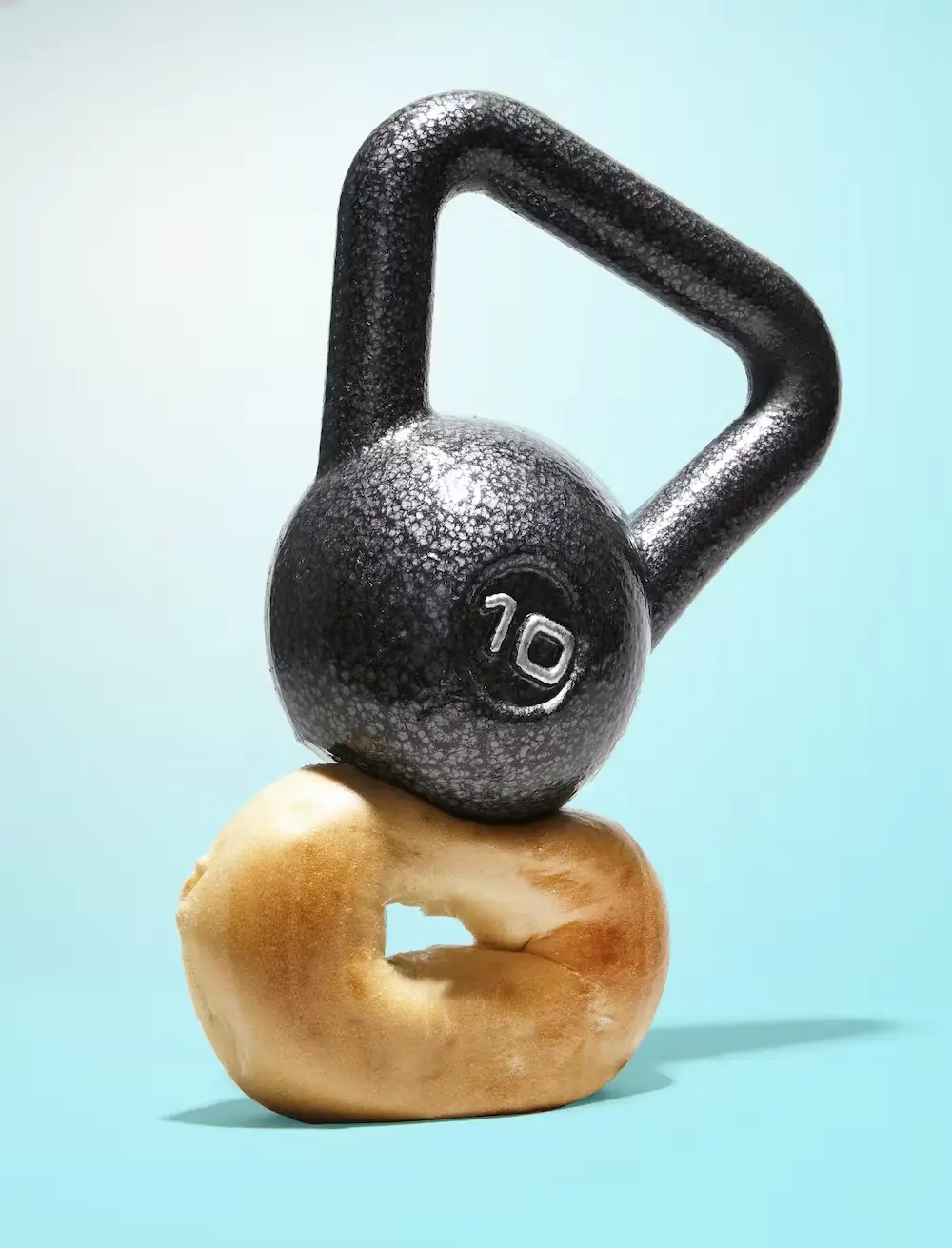
Weight loss is not as simple as energy input and output.
The answer to this question may help explain why exercise doesn't always help you lose weight.
According to the restricted total energy expenditure hypothesis introduced at the beginning of this article, when you develop a habit of regular exercise, your metabolism will reduce the calories you burn when you are not exercising in order to compensate for the exercise expenditure.
Scientists have investigated this issue in depth. They recruited 29 obese adults to participate in a 6-month exercise program and measured their non-exercise calorie expenditure before and after participation.
The results showed that after several months of regular exercise, some participants burned fewer calories when they were not exercising. The word "some" is crucial; it specifically refers to those participants who engaged in more strenuous exercise.
The exercise program was divided into two levels: a health-focused group and a weight-loss-focused group. The former engaged in lower-intensity exercise for overall health, burning an extra 800-1000 calories per week, and experienced no change in metabolic rate afterward. The latter, aiming to lose weight or maintain their weight loss, practiced higher-intensity exercise, burning an extra 2000-2500 calories per week, and experienced a decrease in metabolic rate by the end of the study.