Caesar salad, avocado, and Mexican food
Mexican cuisine evolved from Spanish cuisine, incorporating elements from Central America and the Middle East. Generally speaking, Mexican cooking utilizes techniques and ingredients that focus on natural ingredients such as corn, various beans, and chilies, as well as a variety of meats, dairy products, and various herbs and spices. Especially during the colonial period, Mexican cuisine was influenced by African and Asian cuisines, resulting in a complex cooking style that has been designated as an "intangible cultural heritage" by UNESCO. Today, Mexican cuisine has spread throughout the world. While there aren't many Mexican restaurants in China, we're familiar with Mexican foods, such as avocados.
(Note: You may not be familiar with Mexican food, but you must know avocado. Picture from the Internet)
Caesar salad originated in Mexico
Caesar salad is a world-famous dish, often found in American and Italian restaurants. But where exactly is it from? The earliest Caesar salad actually originated in Mexico. In 1924, it was created by Italian chef and owner Caesar Cardini at a restaurant in the northern Mexican city of Tijuana. Because northern Mexico borders Texas, and the two countries' food cultures have fused and influenced each other, this salad is also very common in the United States.
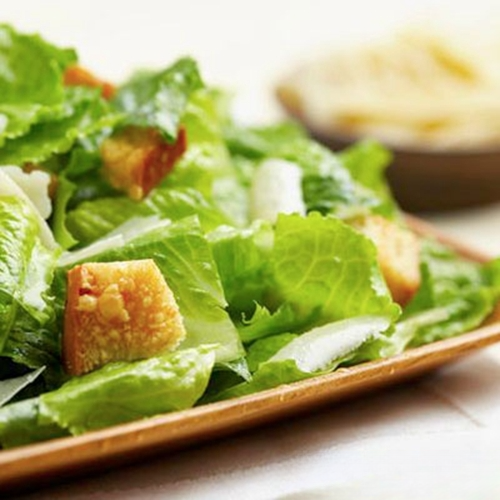
(Note: Caesar salad is now popular all over the world and is a very popular appetizer. Picture from the Internet)
Carne Asada
Grilling steak isn't uncommon, but it's prepared differently in Mexico. "Asada" means "roast" in Spanish, though it can also be grilled. The steak is typically marinated in lime juice, often with beer, orange juice, onions, and scallions. Because the acidic juices tenderize the steak, consider cuts like brisket, belly, and shoulder. It can be served with rice or beans, or cut into strips and used in flatbread dishes like enchiladas, quesadillas, or tacos. I've made this type of beef myself and it's delicious, and I highly recommend giving it a try.
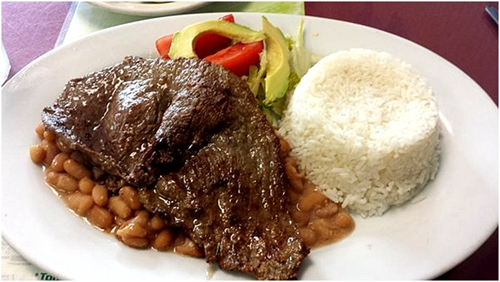
(Picture from the Internet)
Chili con Carne
Chili con carne is a traditional Mexican dish, while others consider it part of Tex-Mex cuisine (though Texas is originally part of Mexico). It's a common dish in both Mexico and Texas. It's made by stewing ground or diced beef with shredded onions, much like traditional Italian meat sauce. Chili powder and cumin are often added, along with red kidney beans. It's usually served with rice or crusty bread, especially baguette.
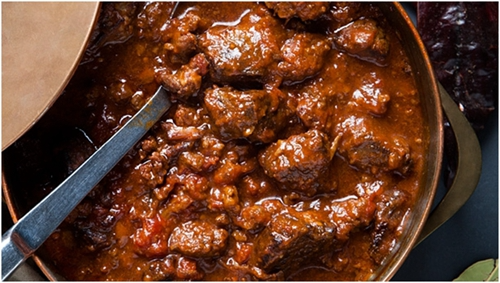
(Picture from the Internet)
Ceviche
Ceviche is a famous Mexican dish. It's fish marinated in lime juice. The acidity of the lime juice "cooks" the fish until it's cooked. The marinating time depends on the size of the fish and can range from half an hour to eight hours or even longer. Some people like to add toppings like olive oil, bell peppers, chili peppers, cilantro, oregano, and more. It's incredibly delicious. Since it's served raw, the fish must be fresh. Traditionally, mackerel is used, but yellowtail and tuna are also popular choices. Nowadays, flounder, sea bass, and red snapper are also popular choices.
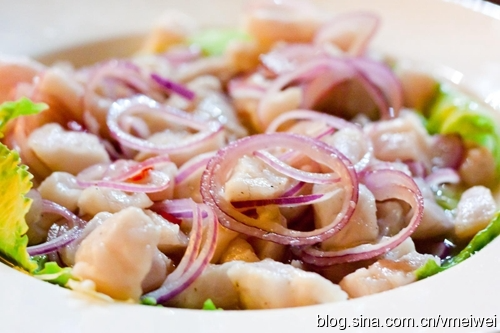
(Picture from the Internet)
Salsa and Sauce
Salsa is a Mexican specialty. Mexicans call it "salsa," and it's a very distinctive dip. Unlike Western salsa, however, salsa is mostly used to refer to a raw sauce. In Mexico, it's like the salt and pepper on the table—a dip you can use as a dip or spoon over a variety of savory dishes: eggs, meats, chili dishes... you name it.
Common salsas include tomato salsa (also known as fresh salsa in Mexico), salsa verde, and guacamole. Cooked salsa includes tomato sauce (salsa di jicamate), green tomato sauce, and adobo sauce. All are excellent dips. There are many different types of salsa in Mexico, perfect with different dishes.
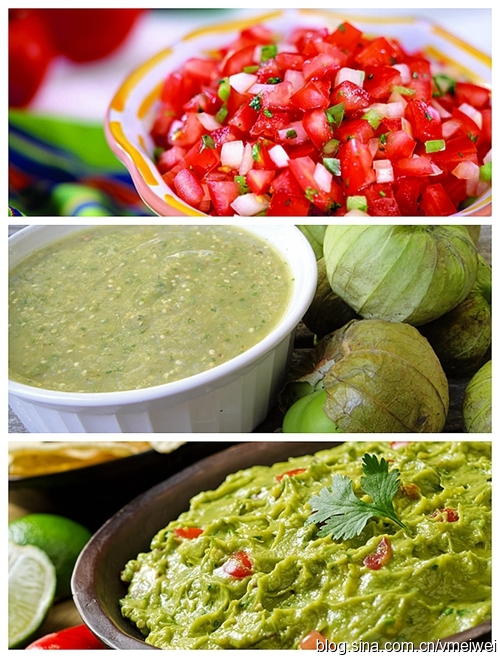
(Note: The top, middle, and bottom images are tomato salsa, green tomato salsa, and avocado sauce, respectively. Images from the internet)
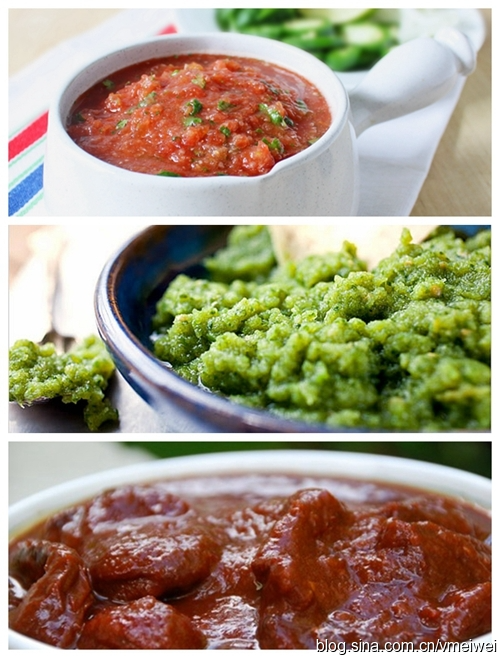
(Note: The top, middle, and bottom images are tomato sauce, green tomato sauce, and aborto sauce, respectively. Images from the Internet)