[Breaking News!] 2017 Common Citrus Diseases and Pests Control Program: "Three Diseases and One Pest"
Note from Lao Dao : Common diseases and pests affecting citrus include black spot, Huanglongbing (HLB), canker, and red spider mite infestation. To increase citrus yield, effective disease and pest control is essential. Let's learn more about it together.
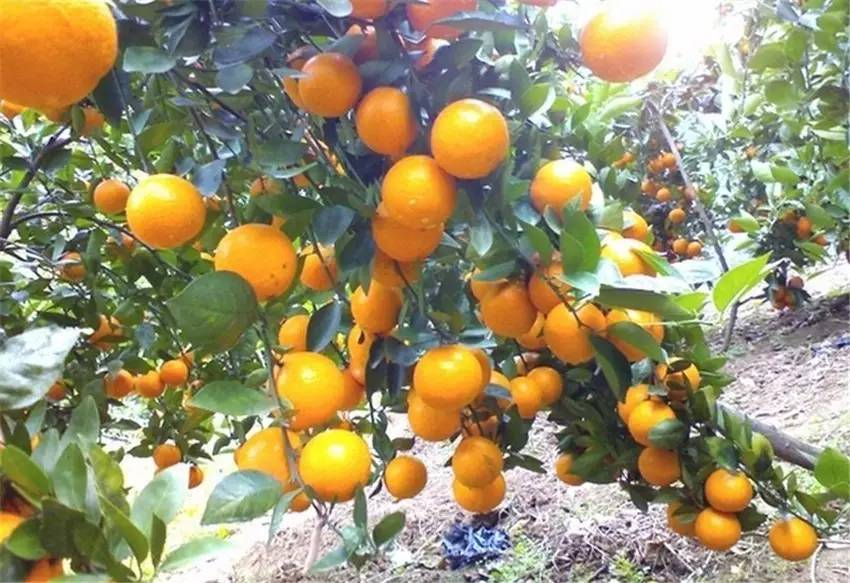
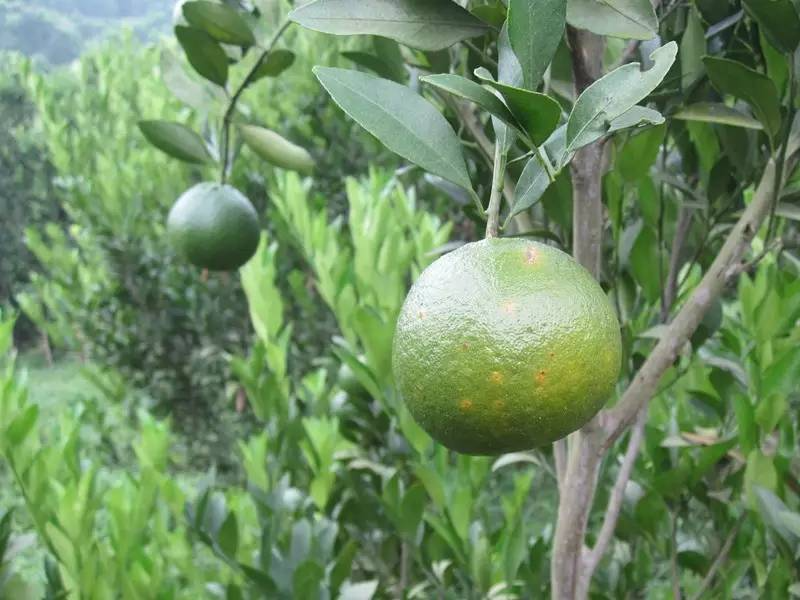
It mainly damages the fruit, and the symptoms are divided into two types: "black star type" and "black spot type" .
"Black Star Type" occurs on nearly mature fruits. The fruit spots are nearly circular, mostly 2-3 mm in diameter, reddish-brown to dark brown, with darker edges. The center of the spot is slightly sunken, with small black granules (diospore organs) the size of pinheads growing on it. The lesions are generally limited to the fruit peel and can continue to develop during storage and transportation.
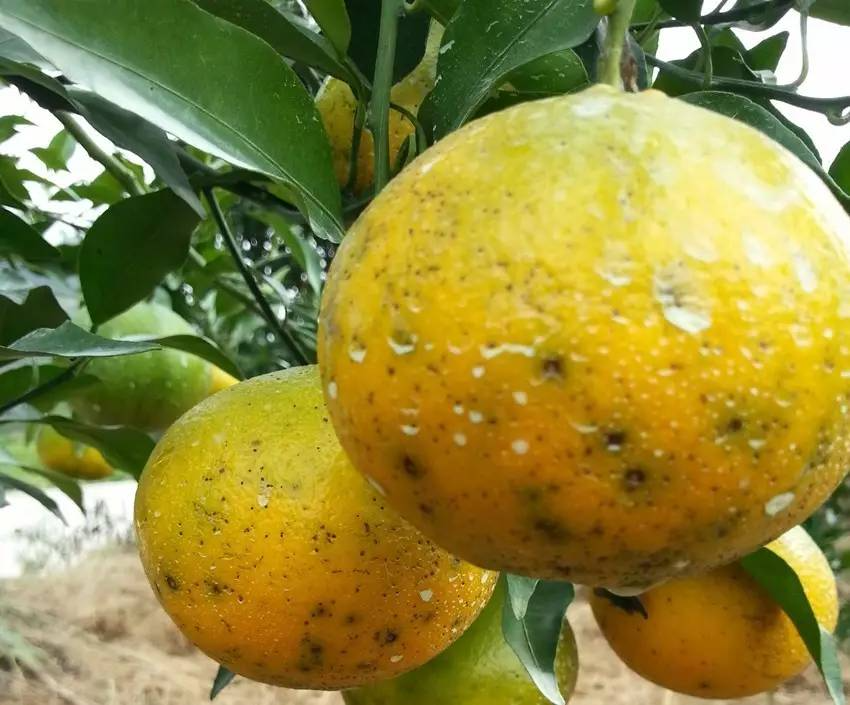
The "black spot type" occurs during the post-harvest storage and transportation period. The fruit spots are nearly round or irregular in shape, with a long diameter of 1-3 cm. The spot surface is slightly sunken, and small black granules are scattered on it. The lower part of the fruit flesh is also shriveled and black rotten.

Prevention and control methods
(1) Combine winter and spring pruning and garden cleaning, and then spray the ground and trees with pesticides for prevention (600 times dilution of 30% copper oxychloride or 1000 times dilution of "Kaoshan").
(2) Strengthen cultivation management and enhance tree vigor. Increase the application of organic fertilizer and implement formula fertilization; improve the irrigation and drainage system to avoid drought and flood damage.
(3) Spray pesticides as early as possible to protect the fruit. Since the disease only shows symptoms when the young fruit is infected until it is close to maturity, the pesticide should be sprayed 3-4 times consecutively within 30-40 days after the flowers fall, with an interval of 10-15 days between sprays.
(4) During harvesting and storage, take precautions to prevent damage to the fruit peel. In areas where diseases are common, pay attention to preservation, anti-corrosion and temperature control (5-7℃) during storage and transportation.
Also known as yellow shoot disease, it is a major disease of citrus and a key plant quarantine target in China, capable of destroying an entire grove of citrus trees. Mandarins, oranges, lemons, and pomelos are all susceptible, with varieties such as tangerines, banana tangerines, and Fuju tangerines being particularly severely affected. Oranges, on the other hand, exhibit relatively strong resistance.
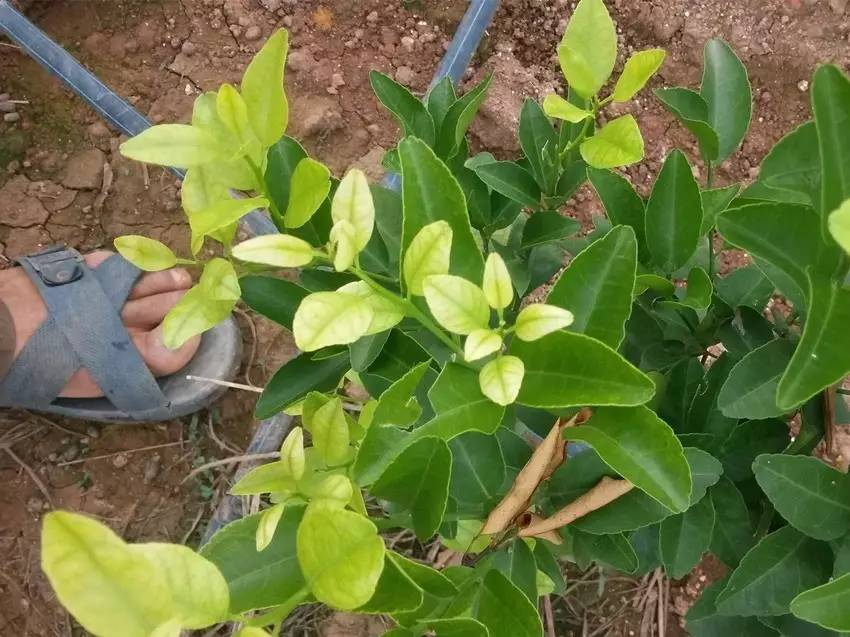
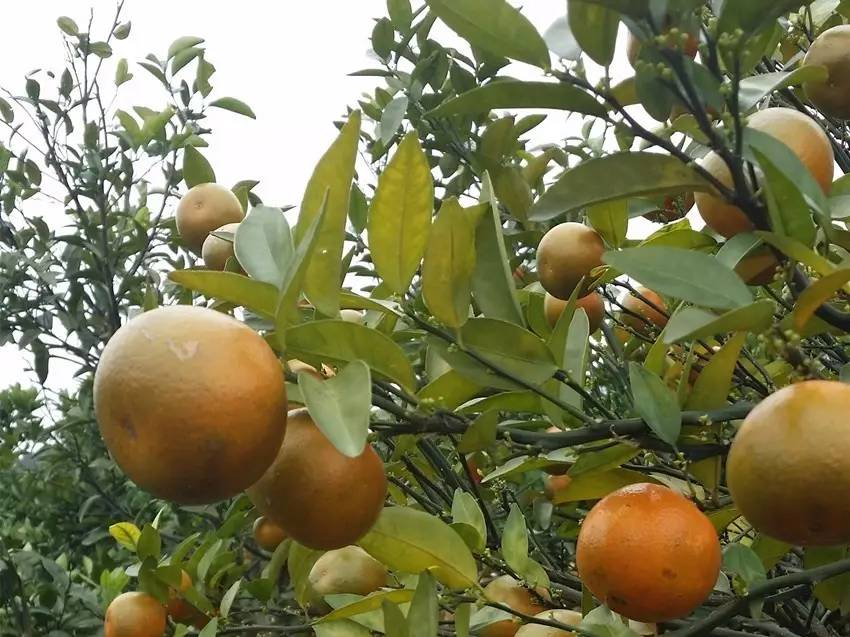
Yellowing can occur year-round in citrus trees, with symptoms appearing on spring, summer, and autumn shoots. There are three types of yellowing in new shoot leaves: uniform yellowing, mottled yellowing, and nutrient deficiency-related yellowing. In young trees and early-fruiting trees, the disease affects spring shoots, causing the leaves to turn pale yellow after initially turning green, resulting in uniform yellowing of all new leaves on the tree. In summer and autumn shoots, the leaves appear pale yellow and dull as they turn green, gradually becoming uniformly yellow. In mature, productive trees, yellowing often occurs on a few branches of individual trees or a portion of the tree canopy, a condition farmers call " chicken head yellowing" or "golden flower insertion . " The following year, the yellowed branches spread to the entire tree, causing it to decline.
In diseased plants, some new leaves begin to turn yellow from the base, near the veins, or at the edges, gradually expanding into a mottled yellow-green variegation. This can occur simultaneously with uniform yellowing. Mottled yellowing can also transform into uniform yellowing. New shoots sprouting from these yellowed branches, or new shoots emerging after pruning yellowed branches, are short, with small, hardened leaves, exhibiting mosaic-like characteristics of zinc and manganese deficiency. Fruits are small or deformed, with uneven coloring; citrus fruits often exhibit "red shoulder" fruit, while oranges show "green fruit" with a dull, greenish peel .
Prevention and control methods
(1) Strict quarantine measures should be implemented, and the transfer of seedlings and diseased materials (such as scions) from diseased areas to new areas and disease-free areas should be strictly prohibited. Within diseased areas, diseased or potentially diseased seedlings should be planted in a controlled and relatively concentrated manner to prevent further spread. Newly established orchards must be planted with disease-free seedlings.
(2) Establish a disease-free nursery and apply stem tip grafting technology for virus removal. Rootstock seeds are collected from healthy mother trees. Before sowing, the rootstock seeds are pre-soaked in hot water at 50-52℃ for 5 minutes, then soaked in warm water at 55-56℃ for 50 minutes. Scions are selected from virus-free, high-yielding, high-quality mother trees, or soaked in 1000mg/kg tetracycline hydrochloride solution for 2 hours, then rinsed with clean water before grafting. Cultivating disease-free seedlings is a key measure for controlling citrus Huanglongbing (HLB). Disease-free seedlings free from HLB and certain dangerous diseases (such as canker and bark cracking) are cultivated for planting in new orchards in new areas and disease-free zones. The nursery should be located in a disease-free area or more than 3 kilometers away from citrus orchards, preferably with natural barriers (such as mountainous or forested areas), or a closed-type seedling cultivation system using plastic netting. Before establishing the nursery, scattered citrus plants or hosts for citrus psyllids such as Murraya paniculata should be removed.
(3) Remove diseased trees. There is currently no effective treatment for citrus trees infected with Huanglongbing (HLB). Therefore, once a tree is found to be infected with HLB, it must be removed immediately, leaving no stumps. During the spring, summer, and autumn shoot growth periods each year, especially the autumn shoot growth period, each tree should be carefully inspected. Diseased or suspected diseased trees should be immediately removed and burned. Before removing diseased trees, the diseased trees and nearby plants should be sprayed with an effective pesticide to kill citrus psyllids to prevent the spread of citrus psyllids from diseased trees to surrounding areas. In new citrus orchards with less than 10% disease incidence and in older citrus orchards with less than 20% disease incidence, disease-free seedlings can be used for replanting after removing diseased trees.
(4) Strengthening the monitoring and control of citrus psyllids and cutting off transmission routes is a crucial step in preventing the spread of Huanglongbing (HLB). Citrus psyllids are vector insects that transmit HLB, living on the new buds and tender shoots of citrus trees. During the fruit tree's growing season, scattered new shoots should be removed, and shoots should be allowed to emerge uniformly. When the new shoots reach 1-2 cm in length, a psyllid-repellent insecticide should be sprayed thoroughly 1-2 times. In winter, citrus psyllids prefer to overwinter on Murraya paniculata (a type of jasmine) near the orchard. Spraying the Murraya paniculata with a psyllid-repellent insecticide can help reduce the number of psyllids. In addition, planting shelterbelts around the orchard can hinder the migration of psyllids.
(5) Strengthen management, especially the water and fertilizer management of fruit trees, maintain the vigor of the trees, and improve disease resistance. This plays an important role in reducing the occurrence of Huanglongbing and the losses caused by the disease.
(6) For orchards where Huanglongbing (HLB) is very serious and has lost its economic value, disease area transformation should be implemented. This involves removing all citrus trees in the orchard (including those that may be infected but have not yet shown symptoms) and replanting them with disease-free seedlings. By doing a good job in pest control, timely removal of diseased trees, and strengthening management, the disease area can be transformed into a new disease-free area.
This disease affects leaves, twigs, fruits, and sepals, with seedlings and young trees being severely affected. The pathogen is *Xanthomonas black rot*, a citrus pathogen belonging to the genus *Xanthomonas*. The bacteria are short rod-shaped, possess polar flagella, have capsules, do not form spores, and are Gram-negative.
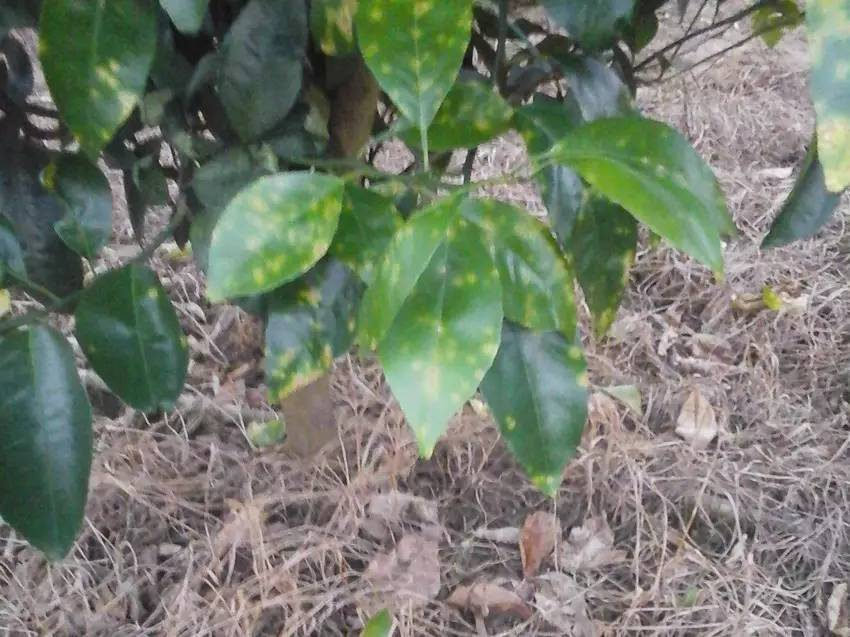
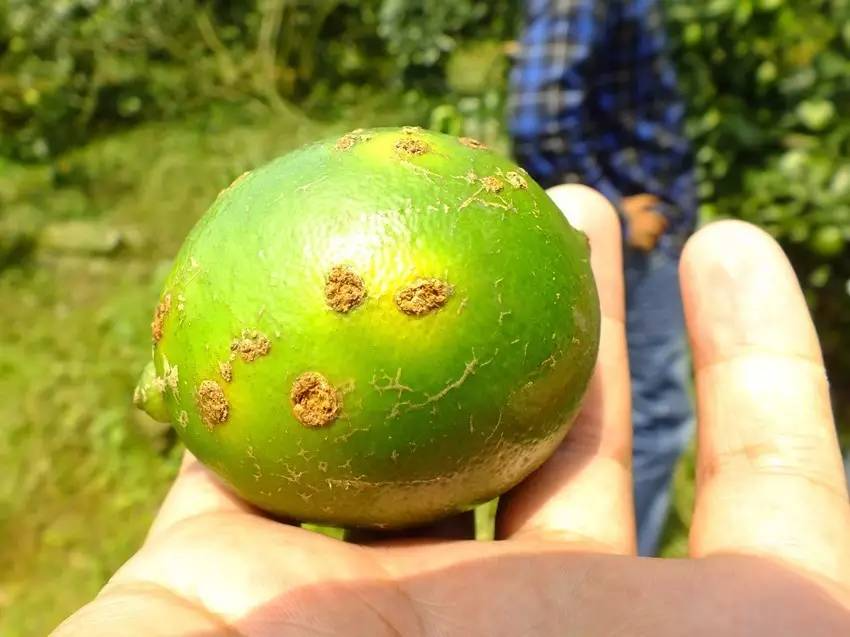
It primarily affects leaves, fruits, and shoots . On infected leaves, small, yellow or dark yellowish-green, oily spots the size of pinheads initially appear on the underside of the leaf. These spots then swell on both sides of the leaf, becoming spongy, and subsequently crack in the center, becoming corky and resembling a grayish-white crater. The lesions are mostly nearly circular, often with concentric rings or spirals, surrounded by a dark brown, oily outer ring and a yellow halo. Lesions on fruits and shoots are similar to those on leaves, but the corky development is more severe, and the crater-like cracking is more pronounced. Summer shoots are most severely affected, leading to leaf drop and shoot death in severe cases.
Prevention and control methods
(1) Strictly implement the plant quarantine system to prevent the spread of the disease.
(2) Set up a nursery in a disease-free area and disinfect the seedlings and scions used. You can soak them for 30-60 minutes in a 1000-fold dilution of 72% agricultural streptomycin soluble powder with 1% alcohol, or soak them for 10 minutes in 0.3% ferrous sulfate.
(3) Reduce damage to fruits and leaves, and promptly control pests such as leaf miners to reduce wounds from pathogen invasion. Strengthen cultivation management and control the uniform growth of summer and autumn shoots.
(4) Spraying to protect tender shoots and young fruits. Focus on protecting summer and autumn shoots and young fruits. For seedlings and young trees, focus on protecting shoots, spraying 1-2 times each 20-30 days after the spring, summer, and autumn shoots emerge. For fruit-bearing trees, focus on protecting fruits, spraying once each 10, 30, and 50 days after flowering. Prevention and control should be carried out immediately after a typhoon. The following pesticides can be used: 50% dichlorvos (Leaf Killer) wettable powder at 1000 times dilution; 12% copper rosinate suspension at 500 times dilution; 20% thiabendazole copper jelly suspension at 300-500 times dilution; 72% agricultural streptomycin wettable powder at 3000-4500 times dilution; 64% thiram zinc·copper hydroxide wettable powder at 500-600 times dilution; 77% copper oxychloride at 800 times dilution; 50% DT wettable powder at 700 times dilution; or 0.3-0.5% lime-based Bordeaux mixture (0.3% for summer use).
(5) In winter, do a good job of cleaning up the orchard, prune diseased and insect-infested branches and leaves, collect fallen leaves, dead branches and fallen fruits, and burn them in a concentrated manner to reduce the source of pathogens.
They typically appear from April to June and from September to November . The optimal relative humidity for spider mite infestation is around 70%, while heavy rains are unfavorable. Their preferred food source is the tender tissue of citrus fruits.
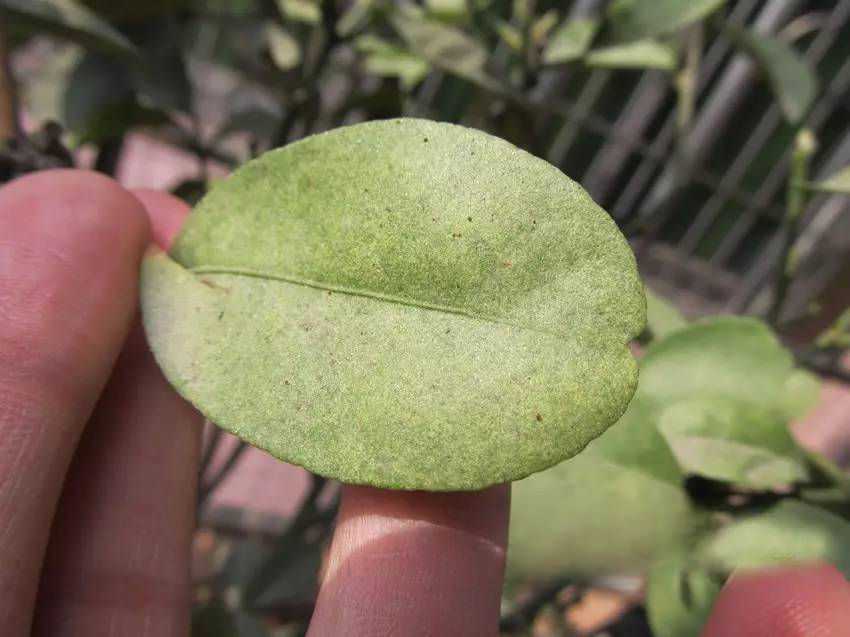
There are many natural enemies of citrus red spider mites, with nearly a hundred species discovered . Among them, those that can significantly control the occurrence of red spider mites include *Amblyseius nisei*, *Amblyseius jiangensis*, *Amblyseius longibranchii*, *Leptochloa crus-galli*, *Mammillaria rotundifolia*, *Solanum spp.*, *Lysimachia chinensis*, *Thrips taeni*, *Deep-spotted Ladybug*, *Sepia spp.*, entomopathogenic fungi, *Branchiola buds*, and viruses without endosomal structures.
In orchards with abundant natural predators, spider mites can be naturally controlled, especially during the middle and later stages of the growing season. The main human impact on spider mites is through pesticide application in orchards. Appropriate pesticide use can better control spider mites, while unreasonable and frequent pesticide use will kill a large number of natural predators, making spider mite infestations more rampant and exhibiting a multi-peak pattern.
Prevention and control methods
The control of citrus mites should be considered from the perspective of the entire citrus orchard ecosystem, adhering to the principle of "prevention first, integrated management." This includes the rational use of pesticides, protecting and utilizing natural enemies, and fully leveraging the natural control mechanisms of the ecosystem to keep mite damage below economically permissible levels.
Strengthen water and fertilizer management in citrus orchards. Timely irrigation during winter and spring droughts promotes spring shoot growth, which is conducive to the occurrence and spread of parasitic fungi and predatory mites, creating an ecological environment unfavorable to mites. In winter, combine pruning with removing overly dense branches, damaged branches, diseased and insect-infested leaves, and galls to reduce overwintering mite sources and suppress the initial population. Planting Hawking's thistle, rapeseed, alfalfa, perilla, and legumes in citrus orchards can improve the microclimate and promote the reproduction and supplementation of food for natural enemies such as predatory mites, enhancing the natural control of mites by natural enemies. Citrus gall mite is a domestic quarantine target and can spread through the transportation of seedlings or scions. Quarantine at the place of origin should be the primary method. The transportation of seedlings, scions, or fruits from infected areas should be prohibited to prevent the spread of the disease.
Protecting and utilizing natural enemies has a significant effect on controlling mites . Between March and May and September and October, release 200-400 predatory mites such as *Amblyseius* per citrus tree on trees with an average of less than 2 mites per leaf. Mite infestation can be controlled within one and a half months after release. After releasing natural enemies, the spraying of highly toxic pesticides is strictly prohibited. *Polytrichum candidiasis* is an important factor in controlling citrus rust mites. Therefore, during the rainy season when *Polytrichum candidiasis* is prevalent, copper-based fungicides such as Bordeaux mixture should not be used in citrus orchards for disease prevention. In addition, predatory ladybugs, thrips, and lacewings can be introduced to control mites. Planting *Ageratum conyzoides*, white clover, bahiagrass, soybeans, and cowpeas between rows in the citrus orchard, and broad beans, radishes, and purple clover in winter, or implementing grass cultivation are also beneficial. Avoid the overuse of pesticides, especially broad-spectrum pesticides that are highly effective against natural enemies.
The key to rational pesticide use is mastering the control indicators and selecting the right pesticide . Generally, the control indicator in spring is 3-4 mites/leaf (65% mite infestation rate), which can be increased to 5-7 mites/leaf (85% mite infestation rate) in summer and autumn. It's crucial to grasp the key periods to reduce the early mite population and control its later rampant growth. For citrus paronychia, the first spray should be applied when spring shoots are 2-3 cm long, during the peak hatching period of winter eggs, and before the mites infest new shoots and leaves. Citrus citrus leaf mite occurs about half a month earlier than citrus paronychia in spring. Spraying should be done when spring shoots are 1 cm long. When harmful mites are found on 20% of the leaves and fruit; or when observed with a 10x magnifying glass, with an average of 5 mites per leaf, spraying should be organized immediately. When spraying citrus rust mites, spray the inside of the canopy first, then the outer perimeter, paying special attention to the undersides of leaves and the shaded areas of fruit. To control citrus gall mites, spray the tree canopy with pesticides when overwintering adult mites leave the old galls in spring and begin damaging new shoots. Apply the pesticide 2-3 times from the early stage of new shoot growth until flowering.
Choose pesticides that are safer to natural enemies and have good acaricidal effects . Examples include: 200x dilution of machine oil emulsion (during the growing season, choose narrow-band, high-precision products such as 99.1% chlorpyrifos EC, but use with caution during the bud stage and after the fruit begins to change color); 2000-3000x dilution of 15% pyridaben EC; 2000-3000x dilution of 73% dicofol EC; 2000-3000x dilution of 70% dicofol EC; 2500x dilution of 40% dicofol EC; 1500-2000x dilution of 25% triazole tin WP; and 2000-3000x dilution of 50% toroxyfen WP. 0x dilution, 20% thiamethoxam wettable powder 2500x dilution, 5% nissorun EC 2000-3000x dilution, 1.8% abamectin EC 3000-4000x dilution, 10% liuyangmycin EC 1000-1500x dilution, 24.5% benzyme EC 2000-3000x dilution, 45% crystalline lime sulfur 250-400x dilution, pine alkali 30x dilution, 20% amitraz EC 1000-1500x dilution, 25% dicofol EC 1000-2000x dilution, etc.
Commonly used agents include: colloidal sulfur at 400 times dilution; machine oil emulsion at 100-200 times dilution; 5% nissorun EC at 2000-3000 times dilution (strong ovicidal effect, but slow effect on adult mites); 73% dicofol EC at 2000-3000 times dilution; 5% carbendazim suspension at 667-1000 times dilution; 20% apollo suspension at 1600-2000 times dilution; 20% triazophos suspension at 1000-2000 times dilution; 20% pyridaben WP at 3000-4000 times dilution; 20% fenpropathrin EC at 2000-3000 times dilution; 1.8% abamectin EC at 4000-6000 times dilution; 50% terbufos (fenbutatin) WP at 2000-3000 times dilution, etc.
Prevention is better than cure when it comes to citrus diseases and pests, so it is important to strengthen field management of fruit trees and apply some foliar fertilizers to help strengthen the trees and make them more resistant to disease.