[Beginner's Corner] 00008: Disease and Pest Control for Orchids
In the biological world , the growth of various plants, animals , and microorganisms is interdependent . Foods like grains, fruits, and vegetables, which humans consume, are cultivated and propagated in large quantities to satisfy hunger and replenish energy. This is also part of nature's cultivation and food-gathering process. Wild fruits in the mountains provide food for birds, but this is not without its challenges. After birds eat the fruit, the seeds are released in their droppings, scattering across the earth. Suitable growing areas flourish and multiply—a natural reward for birds' consuming fruit. A similar phenomenon exists in the world of tiny insects. Ants move aphids to new locations to collect nectar, a process analogous to human farming. Ants are very united in defending their work; smaller animals of equal size have no chance of taking advantage. They will fight to defend their hard-earned produce. This is how ants are portrayed as industrious laborers in the observer's mind.
Just as diligent as ants, we orchid enthusiasts are equally industrious. Our orchids cannot tolerate damage from fungi and insects. We cultivate our orchids with utmost care , but when poor management allows insects to take advantage and devour new buds and tender leaves , the resulting wounds are then eroded by harmful fungi , leading to various diseases. Globally prevalent diseases such as soft rot, stem rot , malignant rot, and blight destroy the orchid seedlings and hinder their growth. Whenever such situations occur, we feel frustrated and pained. Faced with these pest and disease attacks, we constantly reflect and summarize how to manage our orchids scientifically and rationally so that our beloved orchids can grow better. Over the years, orchid enthusiasts have accumulated rich experience, some of which has been crystallized into written form and disseminated through books—a truly meritorious act. Others are passed down orally and personally to cultivate a new generation of successors. I am fortunate to be one of them, and I cherish this opportunity greatly. In the process of learning about orchid disease and pest control, I have gained some personal insights, which I now offer as a humble attempt to stimulate further discussion.
An old saying goes, "A thousand-foot dike can be breached by an ant hole; a hundred-foot house can be burned down by a wisp of smoke from a crack." Orchids, during their growth, suffer from various pests and diseases, largely due to inadequate control of the source of these pests and diseases, and secondly, due to an unclean cultivation medium and environment. In fact, controlling the source of insects is much easier than controlling the source of fungi. Insects are difficult to prevent from carrying and invading, while spores of harmful fungi can be spread by wind and rain, making them ubiquitous and causing significant hidden harm. Therefore, the orchid growing room should maintain excellent ventilation, and beneficial bacteria should be added regularly to inhibit the growth of harmful bacteria, or preventative measures such as cross-application of pesticides should be used. Insufficient light, poor water circulation in the cultivation medium , and a damp , stuffy environment all greatly increase the risk of fungal invasion and disease .
When orchids are infested with pests and diseases, simply relying on treatment is unrealistic . Prevention is key; everything must be done in advance. Don't wait until damage occurs and losses are already incurred before taking remedial action. Being forced into a treatment -only situation is the worst possible approach . Therefore, in the daily cultivation of orchids, it's crucial to anticipate problems and create a favorable growing environment, preventing pests and fungi from taking hold. This is the best strategy. Only by doing can you cultivate healthy and ideal orchid seedlings .
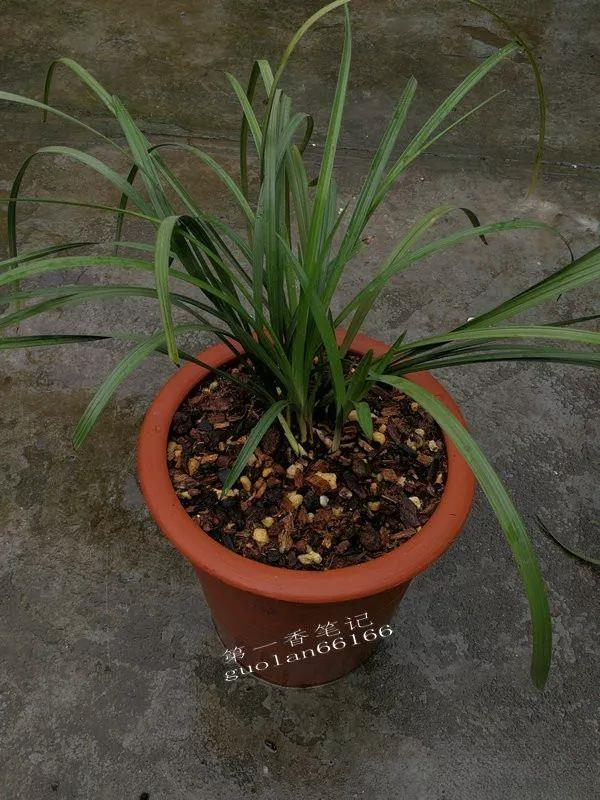
In addition, it's essential to cultivate healthy orchid seedlings. Strong seedlings act as a natural immune barrier . Cultivating such seedlings is of great significance. So, how should we do this? During regular cultivation , pay attention to temperature control and ventilation . Especially in the hot summer, continuous artificial ventilation is crucial to create airflow , providing fresh air for the orchids and promoting metabolism. Reduce nitrogen intake and consciously increase phosphorus and potassium fertilizer application, while also hardening off the seedlings to prepare them for the emergence of new shoots in autumn.
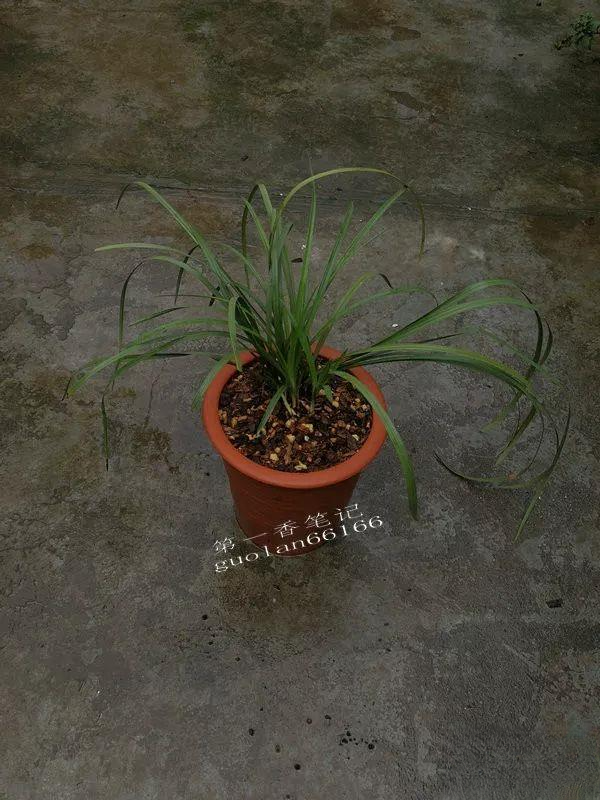
Secondly, in routine management , it 's crucial to observe pests and diseases closely and promptly identify and address any problems to prevent further losses . Used equipment should be frequently disinfected to prevent cross-infection of viruses and bacteria . Furthermore, regular pesticide spraying is essential to control pests before they cause damage , thus preventing harm to new buds, roots, and tender leaves , and ultimately eliminating other diseases .
Finally, it's important to discuss the individual orchid-growing habits of orchid enthusiasts . Some rely entirely on adopting existing methods, refusing to cultivate the habit of experimentation. This leads to them blindly following others, losing their own independent judgment, and ultimately resulting in a lack of passion for orchid cultivation. Indeed, everyone's individual circumstances are different; some have high aptitude, others lower, but this is no excuse for not striving and not growing. The ancients have already told us that it's not impossible for a slow bird to fly first. Aptitude is an innate factor, but if we lack it, we can make up for it through hard work. By dedicating more time to research and learning, and through diligent effort, we will inevitably gain insights and experiences. Over time, persisting day after day for ten years, we will surely become as skilled as the oil seller, mastering the craft through practice! Those with high aptitude who refuse to work hard will ultimately become useless; there are countless examples of this.
Therefore, in the process of orchid cultivation, it is crucial to diligently summarize experiences, dare to experiment, and find the management methods most suitable for oneself . Having one's own unique experience that allows orchids to grow better and better is half the battle won; the other half is improving one's ability to identify and appreciate orchids . In the process of diligent learning , it is essential to avoid blindly copying others' methods. Others' methods may not be suitable for your environment, cultivation medium, or even slight differences in potting mix . Remember, even a small difference can lead to vastly different results, which is unacceptable. Therefore , in the process of orchid cultivation , one can learn from others' experiences , taking the best from them and compensating for one's own shortcomings. However, it is still necessary to experiment and summarize extensively to truly acquire and internalize this knowledge .
In summary, when cultivating orchids , prevention should be the primary focus when dealing with pests and diseases, with treatment as a secondary measure . Only by truly nipping problems in the bud can you ensure your beloved orchids thrive and achieve a bright future!
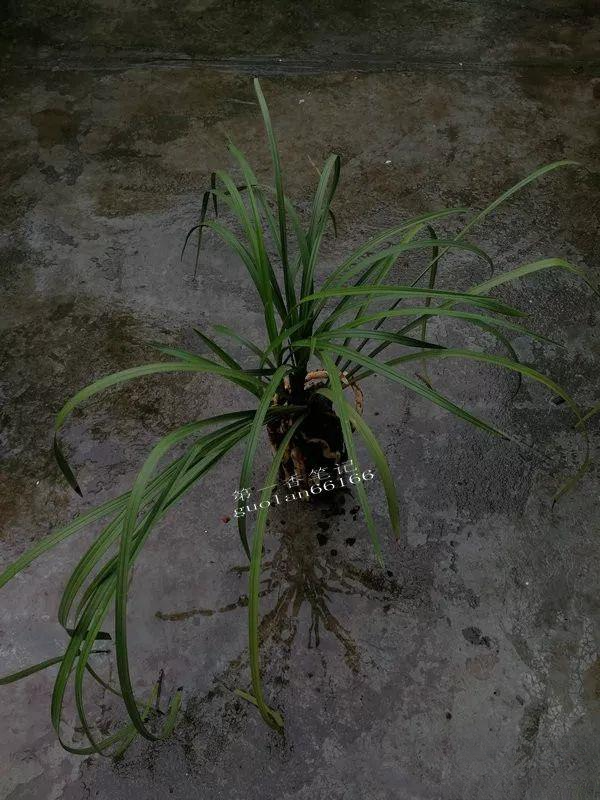
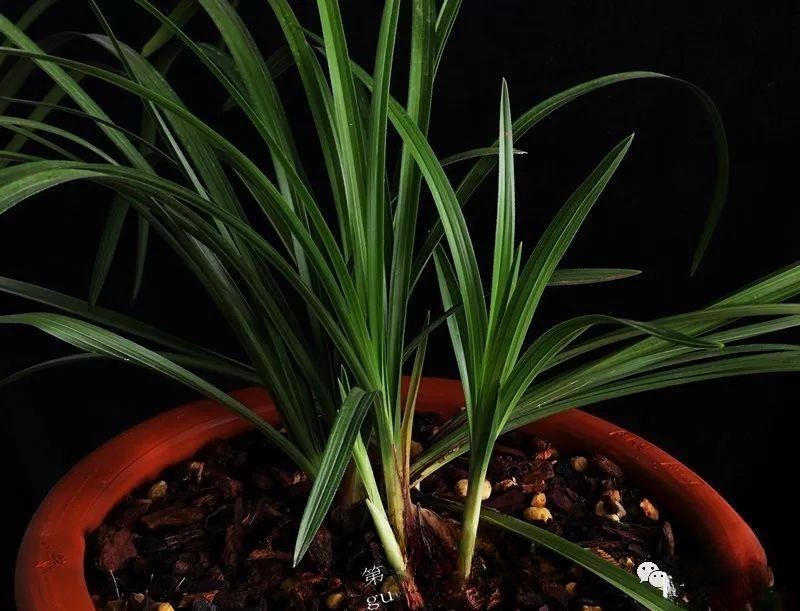
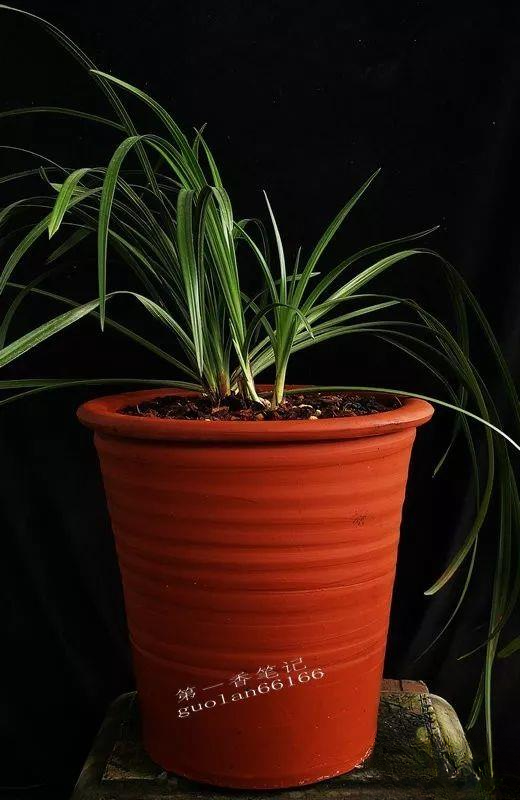
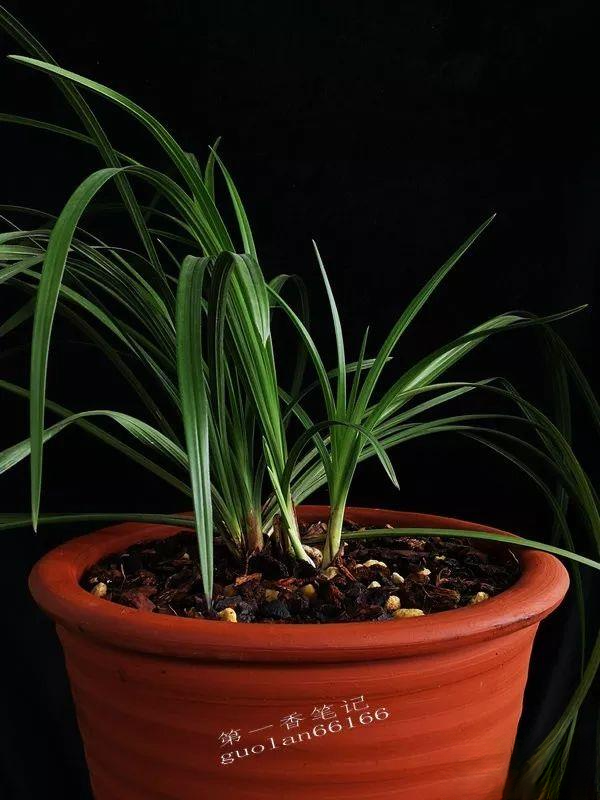
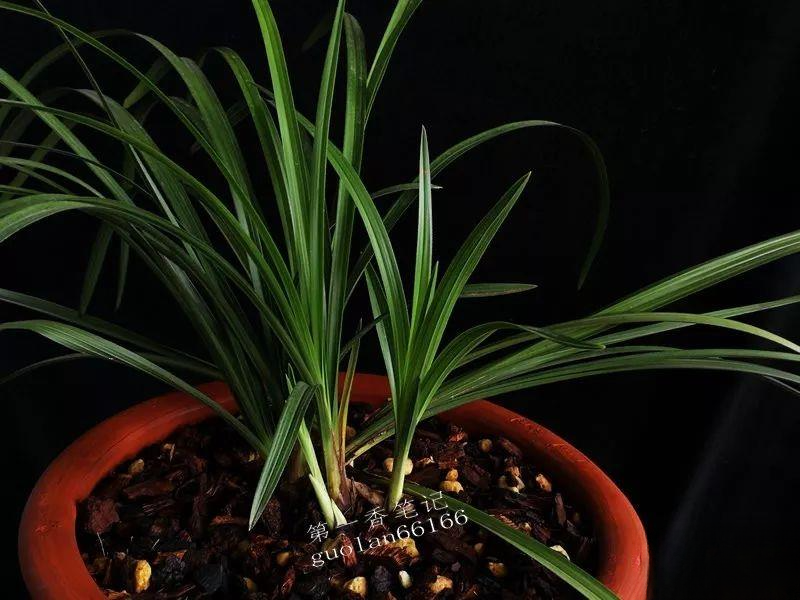
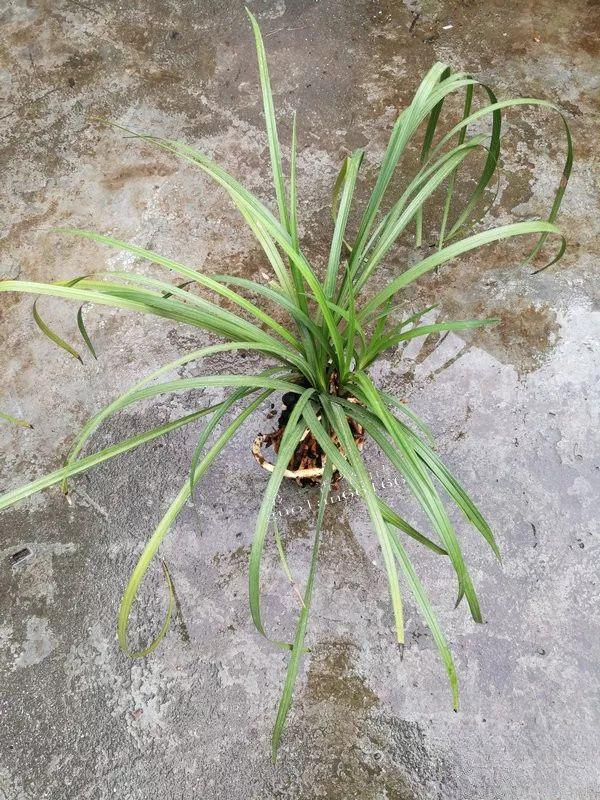
Note: The accompanying image shows a robust Cymbidium faberi cultivar "Da Yi Pin" being tested in a large "Tian Di Pen" (Heaven and Earth Basin) from the Bai Gong Fang Bole series on June 27 , 2018. The large pot and robust plant create a more impressive effect; even with the pot tall and the plant drooping, it retains its beauty! Hopefully, the overall effect will be even more magnificent when it blooms next spring. Imagine planting a robust "Cheng Mei" (Cheng Mei) in such a large pot—its grandeur would be even more pronounced. I've been diligently cultivating this robust plant over the past few years to create a visual feast.
Currently, the oldest grass in the back row of this "Da Yi Pin" sturdy grass is too old and its leaves have already scattered, which has affected the overall effect. Once the old leaves fall off and the new seedlings spread out, the aesthetic appeal will be further enhanced.