Attention greenhouse grape growers! (Part 1) Key Points for Preflowering Pest and Disease Control
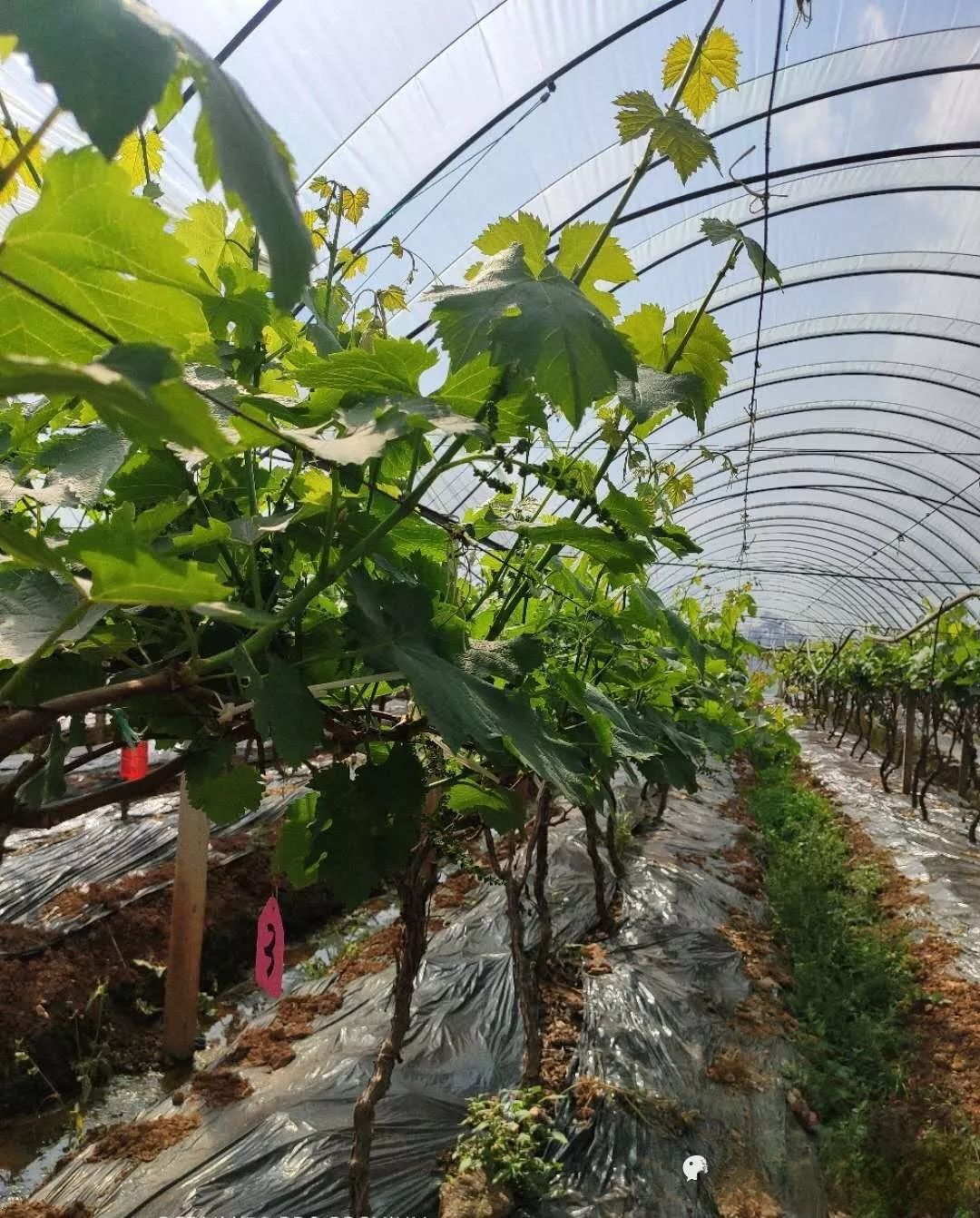
Greenhouse grapes have an early market availability and high economic returns, making it a cultivation model with great development potential. However, due to the high temperature, humidity, and poor ventilation and light penetration in greenhouse cultivation, the plants grow vigorously but are also more susceptible to pests and diseases. Therefore, pest and disease control in greenhouse grapes, especially before and after flowering, is crucial for ensuring grape yield, quality, and profitability .
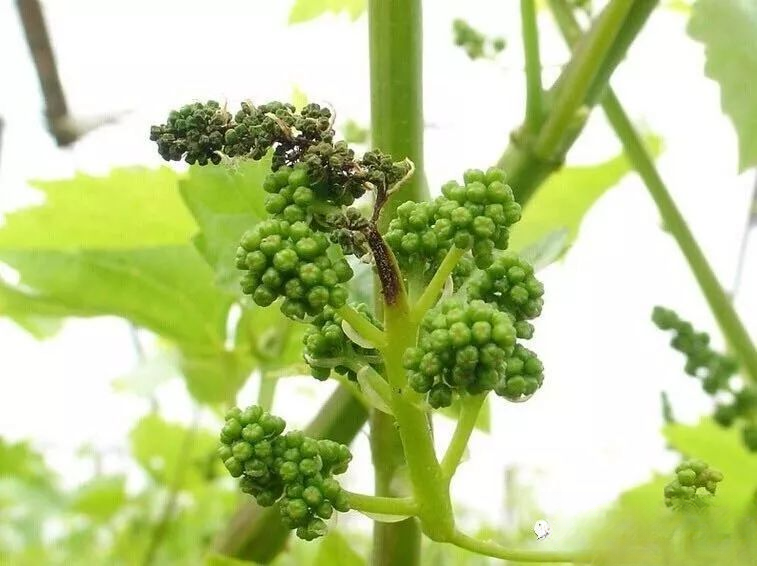
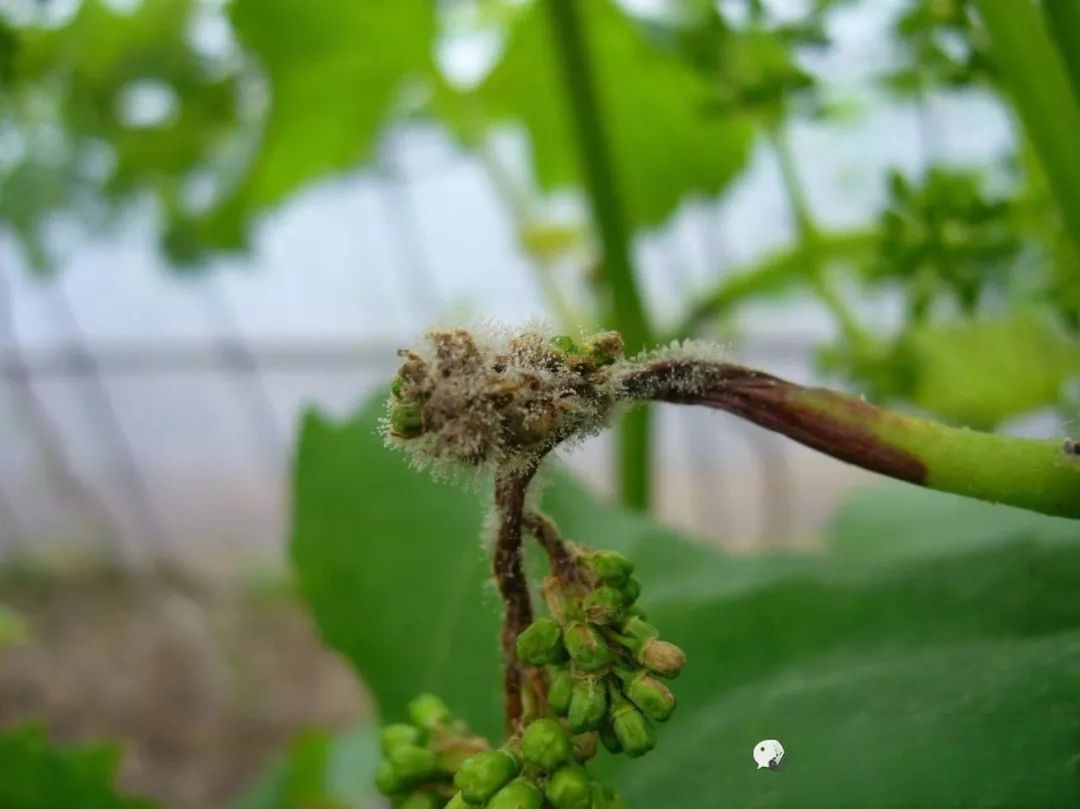
Before flowering, the main diseases to be controlled in greenhouse grapes include brown blight of the rachis, black rot, downy mildew, powdery mildew, and gray mold . Pests to be controlled include green mirid bugs, thrips, leafhoppers, scarab beetles, and spider mites.Brown rachis necrosis, downy mildew, and gray mold affect fruit stalks, petioles, and berries before and after flowering, causing lesions, brown necrosis, and the production of gray mold (gray mold), white mycelium and mold (downy mildew), and brown spores (brown rachis necrosis). This leads to inflorescence drop, berry drop, and even bunch drop. Black rot affects tender branches, buds, leaves, and young fruit, producing brown, oval lesions with a white, sunken center, reducing fruit quality and yield. Powdery mildew affects leaves, stems, and young fruit. The affected areas appear as white powdery substances; after treatment, brown lesions and mold growth appear.
Green stink bugs and scarab beetles damage tender buds, leaves, and young fruit. They cause small, irregular brown spots to form on the fruit surface; as the fruit grows, these spots enlarge, dry out, and form scabs. Leafhoppers damage leaves by sucking sap, impairing leaf function. Red spider mites damage leaves, stems, and fruit stalks, causing leaf curling and irregular brown lesions on stems and fruit stalks.Pre-flowering pest and disease control is crucial for grapes; pesticides cannot be used during peak flowering as this will affect pollination and fruit set. Therefore, 2-3 days before flowering is the critical period for pest and disease control .It is recommended to apply a mixture of 45% azoxystrobin·thiophanate-methyl at 1500x dilution + 40% fludioxonil at 4000x dilution + chlorpyrifos at 1000x dilution 2-3 days before flowering to prevent pests. For orchards infested with spider mites, add abamectin at 2000x dilution for control. Azoxystrobin·thiophanate-methyl is a broad-spectrum, highly effective pesticide with both protective and curative properties, capable of controlling various fungal diseases. It shows good control effects against rachis rot, downy mildew, gray mold, black rot, and powdery mildew.
For orchards with downy mildew, spray with 48% dimethoate·cymoxanil at a dilution of 1:1000 for treatment. For rachis rot and black rot, spray with 40% difenoconazole at a dilution of 1:1000 for treatment. For gray mold, spray with 40% fludioxonil at a dilution of 1:3000 for treatment. For powdery mildew, spray with 30% azoxystrobin · ethirimol at a dilution of 1:1000 for treatment.