April Prevention and Control of Diseases and Pests in Garden Plants
Close observation is crucial for the prevention and control of diseases and pests in garden plants, and it is essential to seize the appropriate time for prevention and control.
Leaf-eating pests
01
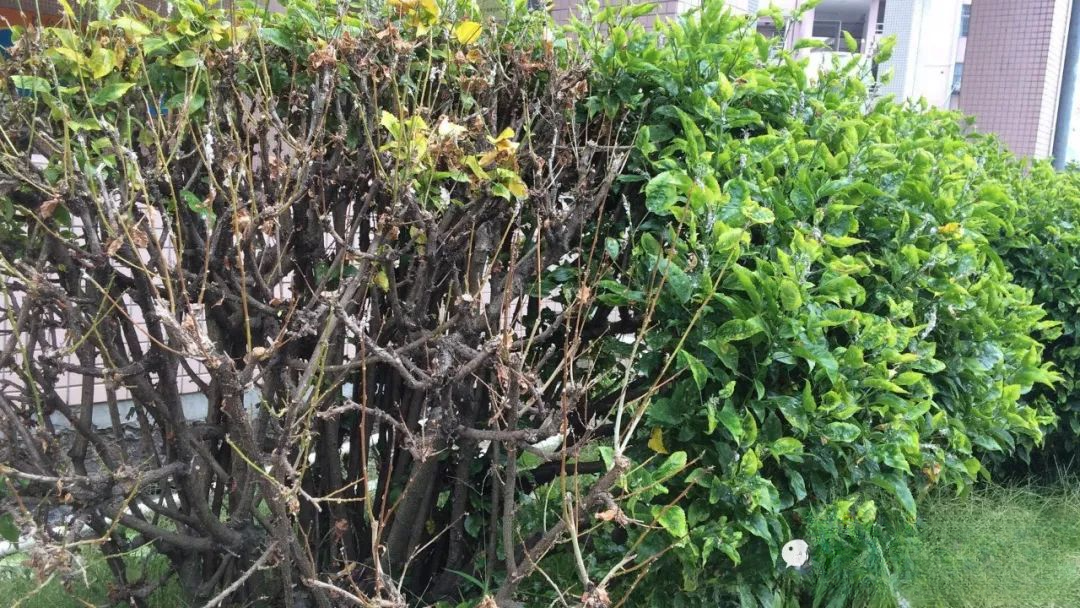
(1) Boxwood leafminer: The infestation period begins in late April. In severe cases, the leaves are completely eaten, and the entire plant turns yellow and withered. It mainly damages plants in the Buxaceae family, such as Buxus microphylla, Buxus chinensis, Buxus macrophylla, Buxus microphylla, as well as Ilex chinensis and Euonymus japonicus. Among them, Buxus microphylla and Buxus chinensis are the most severely affected. The larvae feed on tender buds and leaves. They often spin silk to bind the leaves together and feed inside. The affected leaves wither and turn yellow. In severe cases, the infestation rate can reach more than 50% and even 90%. When an outbreak occurs, it can eat all the leaves, causing large areas of mature Buxus microphylla to die.
Larvae feeding
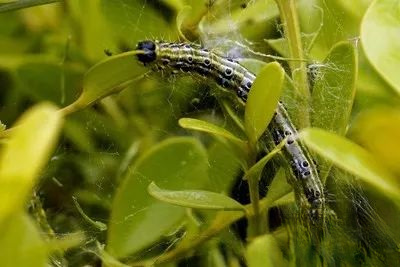
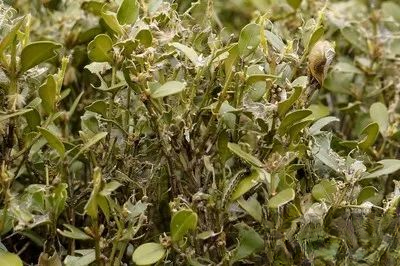
Case of the murder of the boxwood
02
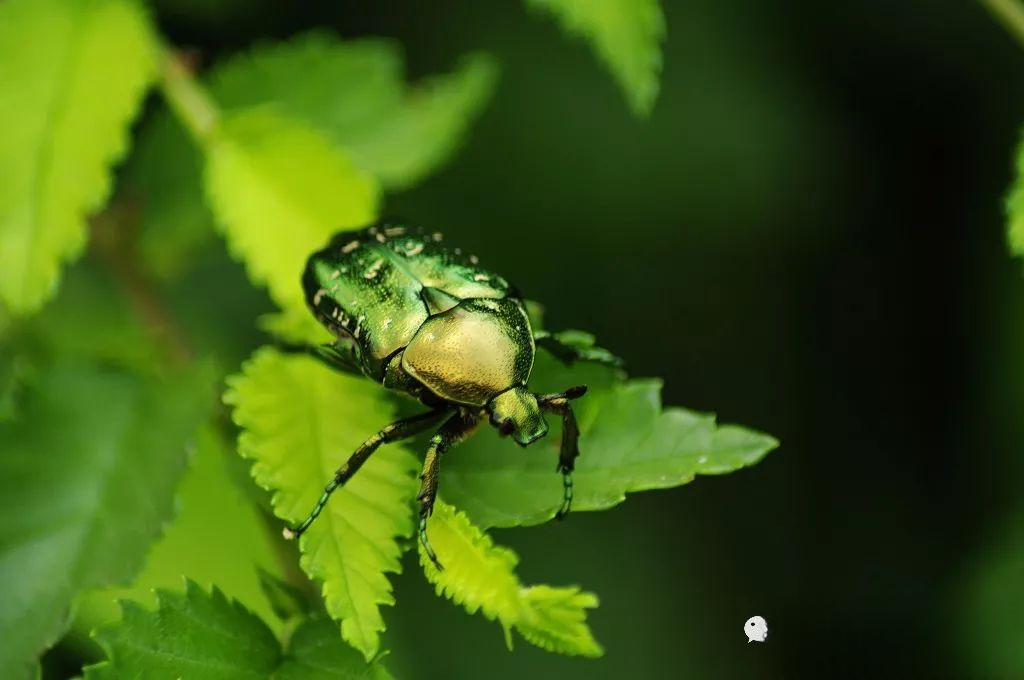
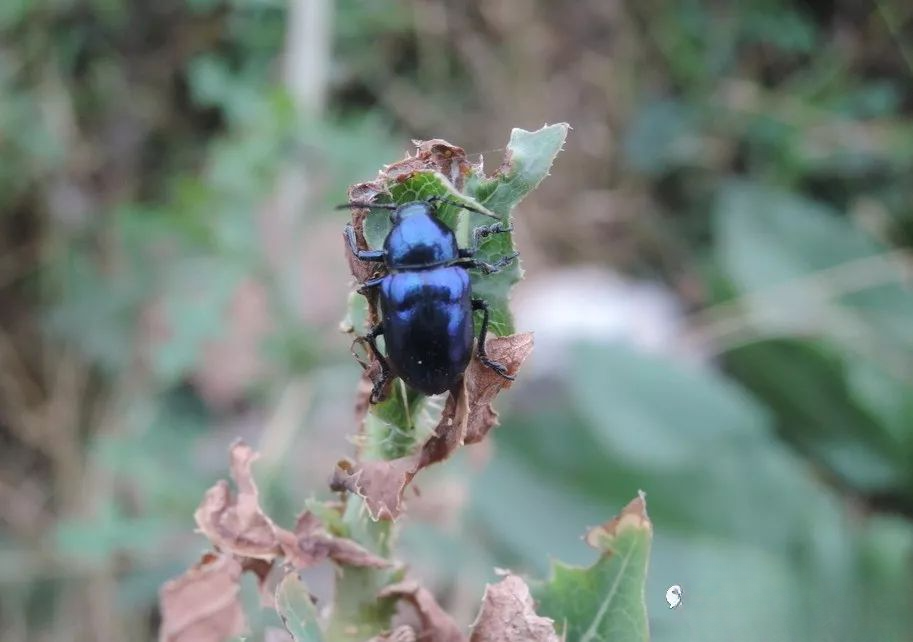
(2) Scarab beetles: In addition to harming pear, peach, plum, grape, apple, and citrus trees, they also harm willow, mulberry, camphor, and privet trees. Adults can be shaken off the trees and killed by feigning death, or they can be trapped by black light traps.
03
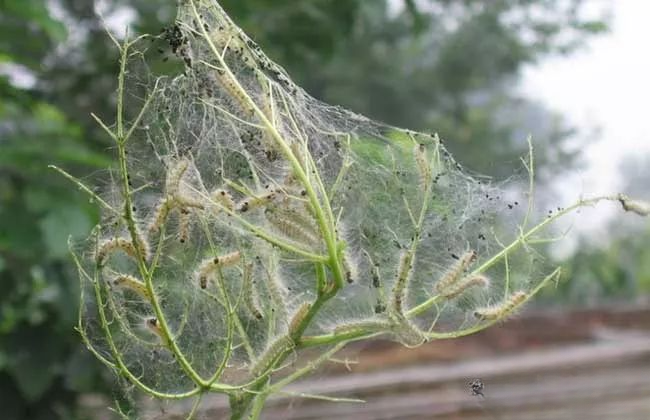
(3) Fall webworm: In mid-April, overwintering adult fall webworms emerge and can be manually captured for control. Fall webworms overwinter as pupae under tree bark or on the ground in dead branches and fallen leaves. After hatching, the larvae spin webs and gather in the webs to feed on the leaves. After the leaves are eaten, the larvae move to another part of the branches and tender branches to weave a new web, which can lead to the death of the plant in severe cases.
Damage caused by the fall white moth
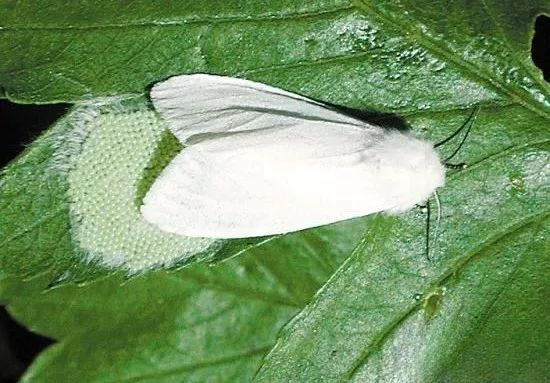
Adult American white moth
04
(4) Sophora japonica geometrid moth: In late April, the first generation of Sophora japonica geometrid moth larvae begin to cause damage. The larvae begin to hatch when the eggs turn grayish-black. The newly hatched larvae are yellowish-brown and turn green after feeding. Control should be carried out during the best period. It mainly damages Sophora japonica and Sophora oleifera, and sometimes Robinia pseudoacacia. The larvae feed on the leaves, and in severe cases, it can kill the plant.
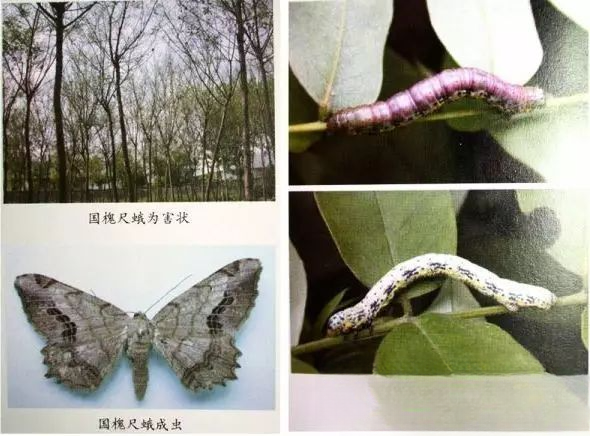
Gerun Landscape recommends a professional prevention and control solution:
① For larvae of leaf-eating pests such as boxwood borer, scarab beetle, and inchworm of Chinese locust, spray with Tree Insecticide diluted 500-800 times and spray evenly on the tree and leaves to comprehensively prevent and kill most leaf-eating pests. It has a broad spectrum of insecticidal activity.
② For the fall webworm, Gerrun has a special insecticide for the fall webworm – Fall Webworm Killer . Use an 800-1000 times dilution for even spraying. Depending on the severity of the infestation, apply the insecticide once every 7 days. You can apply it 2-3 times for more significant results.
Woodworms in April
In April, wood-boring pests begin their damaging activities, mainly including the rust-shouldered longhorn beetle, the glossy-shouldered star longhorn beetle, the ailanthus weevil, and the red-brown weevil. Besides manual injection of pesticides, control measures should be tailored to the specific habits of each pest. In addition, wood-boring moths have also begun their activity and should be controlled promptly.
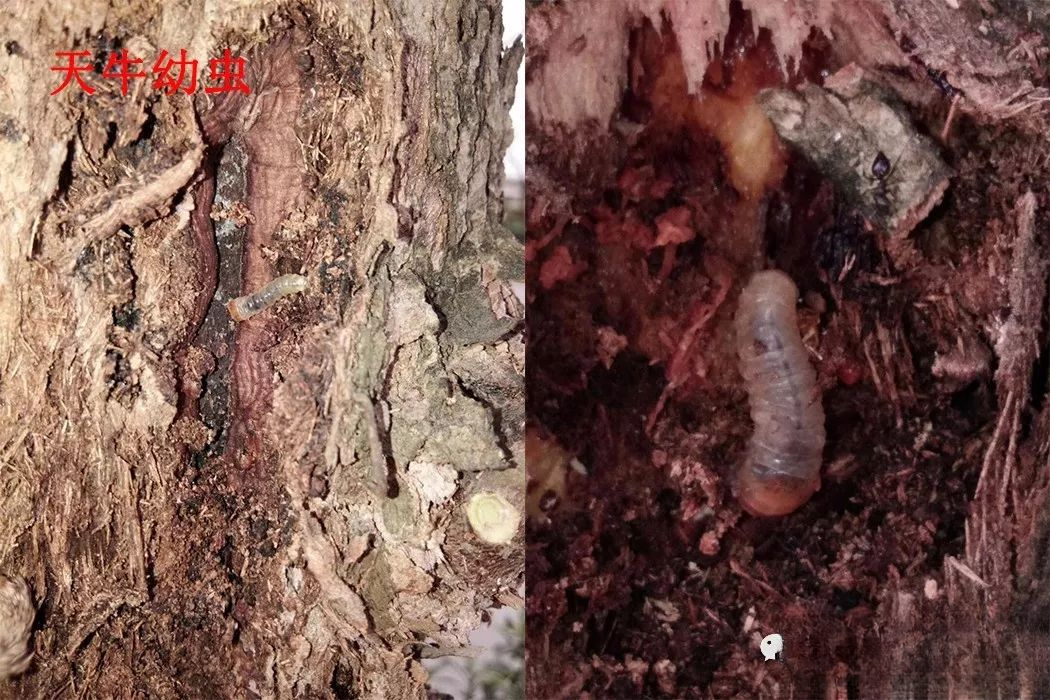
Wood-boring moth
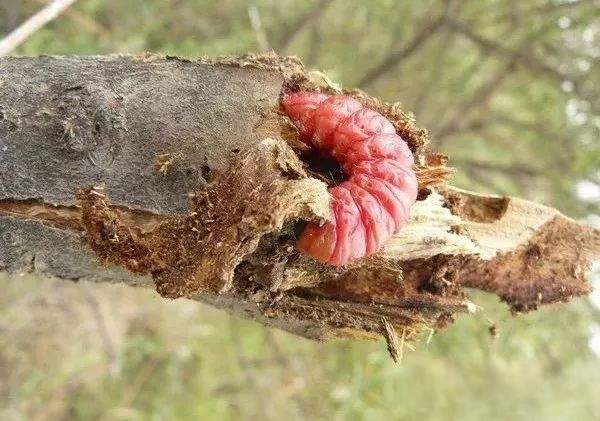
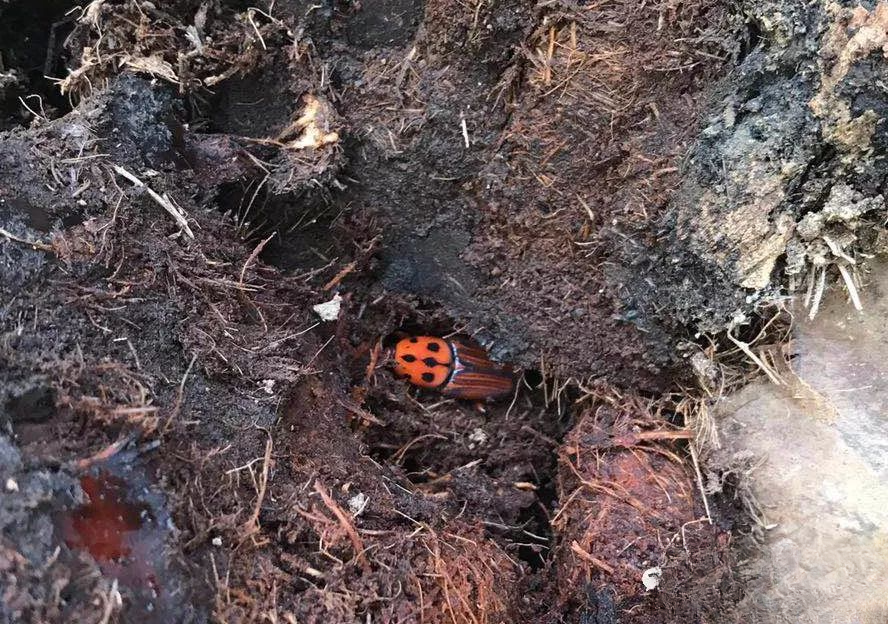
Red-brown elephant shell
Gerun Landscape recommends a professional prevention and control solution:
① Use 200ml of Kegerun's Tianniu Weilei product , diluted 800-1000 times with water for spraying. When other pests active on tree trunks, branches, and leaves step on the capsule, the released highly effective active ingredient adheres to their feet and enters their bodies, quickly killing the pests.
② You can use a tree pest control tool . Drill a hole at a 45-degree angle downwards below the pest infestation site or on the trunk. The hole diameter should be 4-5mm and the hole depth should be 5-6cm. It is convenient, practical and effective.
③ You can use Lotto compound tree pest control and aphid and mite control , diluted in 15 kg of water, to spray evenly on the tree trunk.
Pitting-sucking pests in April
01
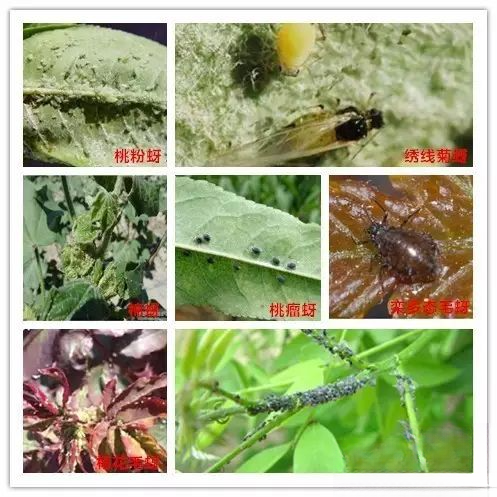
(1) Aphids: They are black in color. Adult aphids or nymphs gather on the back of plant leaves, tender stems, growing points and flowers, causing growth to become unbalanced. Leaves curl and wrinkle on the back, and the growth of the heart leaves is hindered. In severe cases, the plant stops growing and may even wither and die.
When aphids infest plants, they excrete large amounts of water and honeydew, which drip onto the lower leaves, causing fungal diseases, hindering leaf physiological functions, and reducing the accumulation of dry matter. Key aphids to control include: peach aphid, rose aphid, willow black aphid, goldenrain aphid, and cotton aphid. Caution should be exercised when using organophosphate insecticides on Rosaceae plants such as peach trees to prevent phytotoxicity.
02
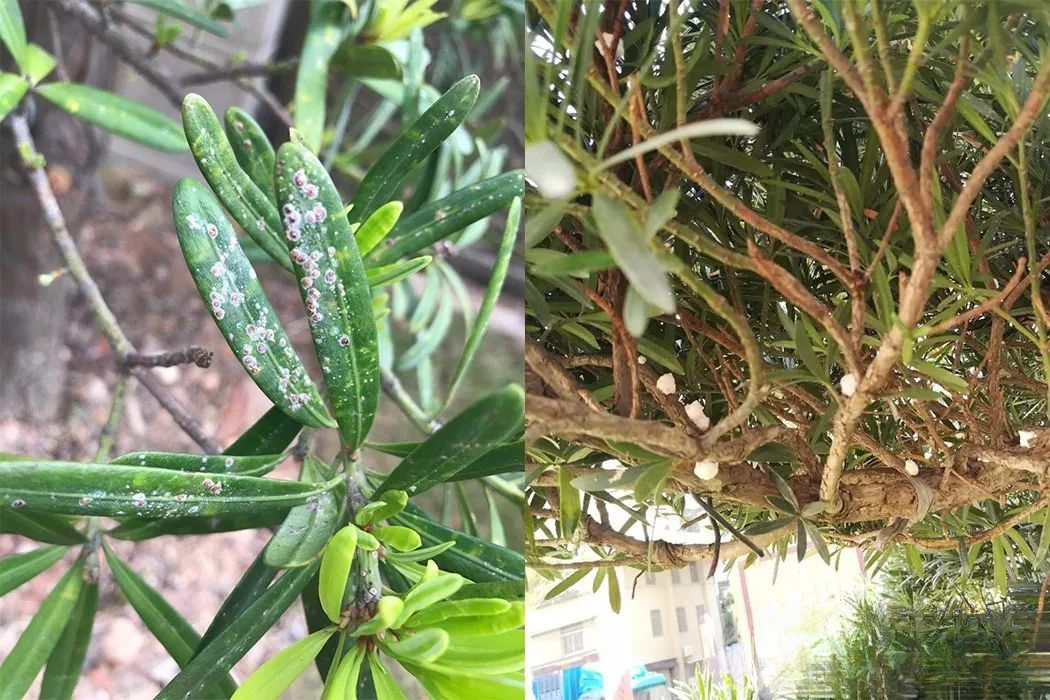
(2) Scale insects such as grass scale and peach scale: When they start to become active and cause damage, the main control methods are to apply poison rings, or you can choose some special scale insecticides for control.
03
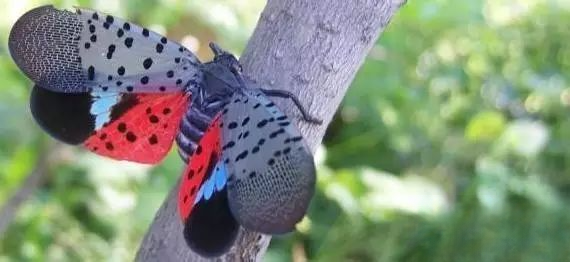
(3) Spotted lanternfly: Hatching begins in late June. Groups of small nymphs gather on tender branches to cause damage. We should seize the opportune time to control it. Pyrethroid insecticides of 1000 times dilution can be used.
In addition, in mid-April, it is necessary to carry out the work of burying granular agents to control spider mites and other piercing-sucking pests.
Gerun Landscape recommends a professional prevention and control solution:
① For aphids and mites, use the highly effective aphid-mite double- kill spray to control aphids, mites, planthoppers, and other piercing-sucking pests. Dilute the pesticide 500-800 times and spray, focusing on the affected areas, ensuring the solution does not drip. Apply the pesticide once every 7-10 days, for 2-3 consecutive applications for better results.
② For scale insects such as grass scale and peach scale, use scale insecticide . Take 100ml of the pesticide, dilute it 800-1200 times, and spray evenly, focusing on the areas where the pests are located, ensuring the solution does not drip. Apply the pesticide once every 7-10 days, and repeat 2-3 times for better results.
③ For spotted lanternflies, control can be achieved with a single application of a tree insecticide .
Underground pests in April
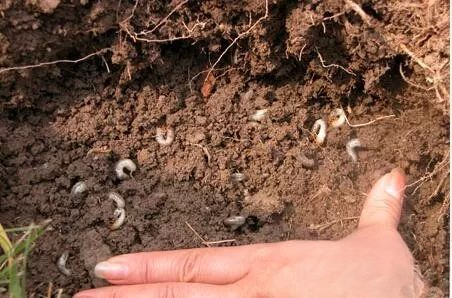
In April, underground pests such as grubs begin to appear, so timely inspections should be conducted. When the soil temperature at a depth of 10 cm reaches 5℃, they begin to rise to the soil surface, and their activity is most vigorous at 13~18℃. Above 23℃, they move to deeper soil. In autumn, when the soil temperature drops to a suitable range for their activity, they move back to the upper soil layer.
Gerun Landscape recommends a professional prevention and control solution :
①During the period of pest infestation, use a 1500-2000 times diluted solution of Yiguanwuchong for root irrigation.
② Alternatively, use Yisajing, a professional insecticide for killing underground pests, with visible results.
Diseases in April
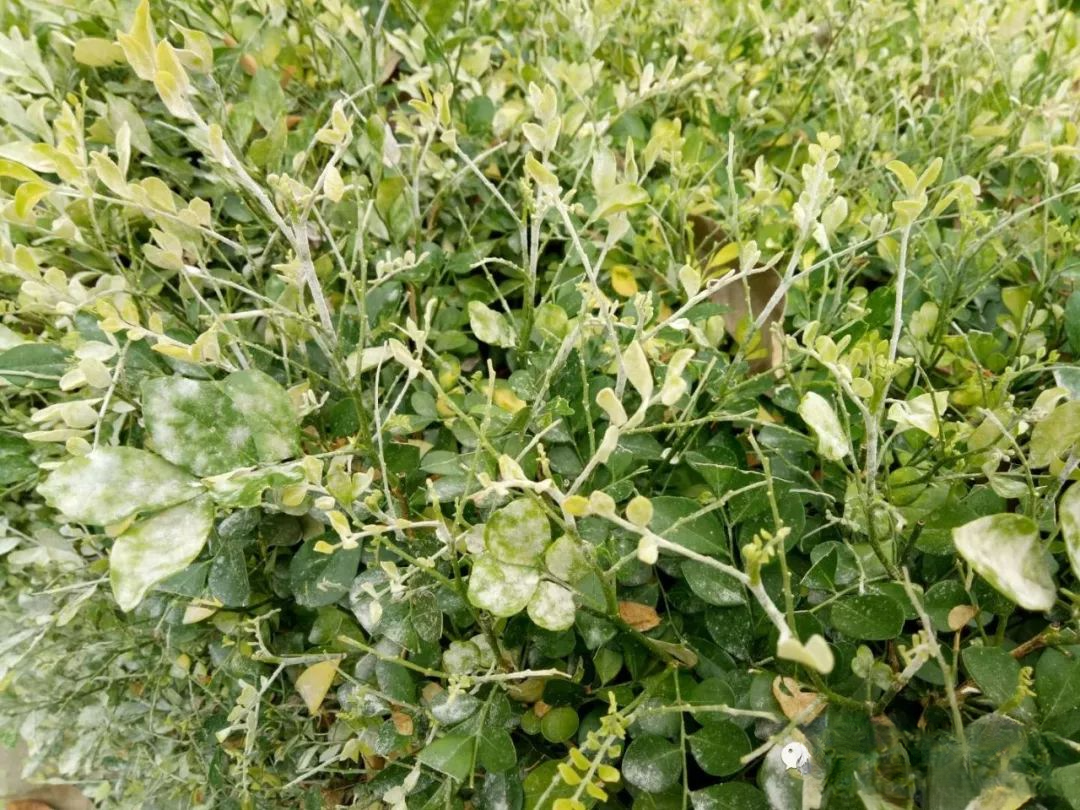
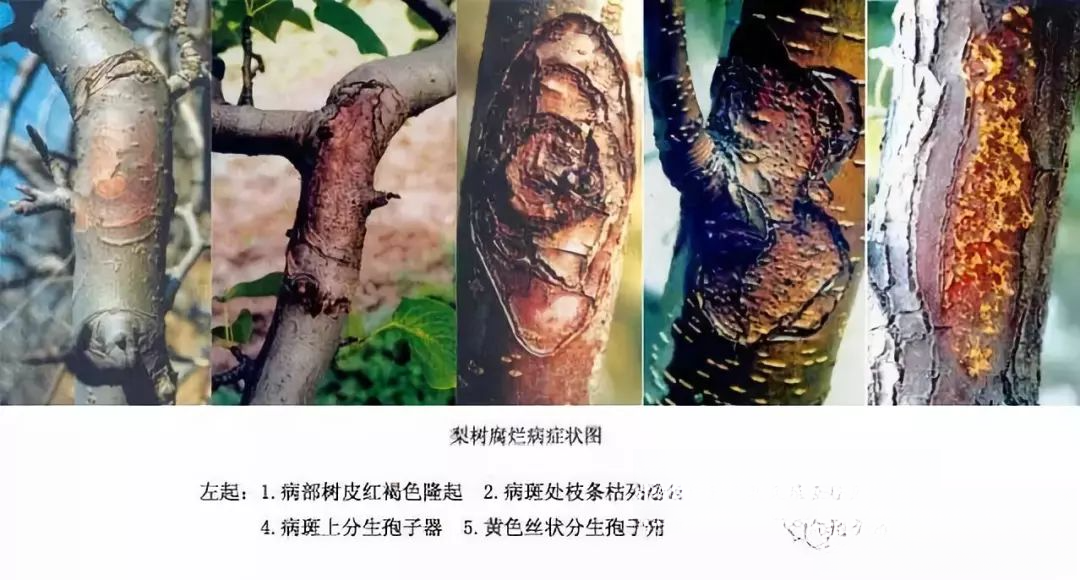
This month, some diseases are in their initial infection stage, such as powdery mildew of large-leaved boxwood and black spot of roses. Prevention is the main focus this month. The key target for control during this period is canker disease of various tree species. The main control methods are to strengthen fertilizer and water management and apply chemical control agents.
Buxus powdery mildew
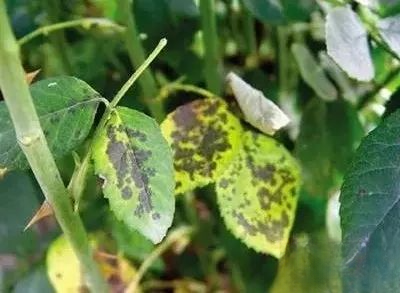
Black spot disease of roses
Gerun Landscape recommends a professional prevention and control solution:
① For powdery mildew, use Gerunzhixing (100ml bottle), dilute with 30kg of water, and spray evenly on the leaves until the leaves are thoroughly sprayed without dripping. Use 2-3 times consecutively, with an interval of 15 days. During periods of high disease incidence, the dosage can be increased appropriately.
② For diseases such as black spot on roses, use a combination of Target Spot Control Agent and Bacterium Fibrosum . This combination is highly effective in controlling wilt, brown spot, leaf spot, stem blight, sheath blight, anthracnose, leaf spot, black mold, and canker in lawns, seedlings, and flowers. It is also highly effective against Verticillium wilt, brown spot, leaf spot, stem blight, sheath blight, anthracnose, leaf spot, black mold, and canker. It is especially effective against Verticillium wilt.
③ For diseases such as rot, use a 500-600 times dilution of Gerun Bark Rot Eliminator . After removing the lesions, apply the solution evenly to the trunk with a brush, or spray the entire tree body thoroughly, ensuring the trunk is fully coated with the medicine, ideally without dripping. Repeat the application once after 10 days. In severe cases, use Gerun's Crown Fungus Compound Quick-Clearing Agent for treatment. The main prevention and control methods are strengthening fertilizer and water management and applying chemical control agents.