All those years of neglecting hygiene? Here are 10 super lazy cleaning methods.
All those years of neglecting hygiene? Here are 10 super lazy cleaning methods.
With improved living standards, people now prioritize comfortable and pleasant living spaces. Houses are getting bigger, but this also brings cleaning hassles. Many hidden corners and grime are often overlooked. So, how should we clean our homes? Do you know any techniques for removing grease stains? Do you know how to cleverly remove stains from clothing collars? Today, let's share some tips in detail through this article.
The dirtiest cutting board in the house
Add dish soap and a spoonful of salt, then scrub with a sponge dipped in water. Alternatively, spray with a mixture of white vinegar and water (1:2).
Toilet cleaning
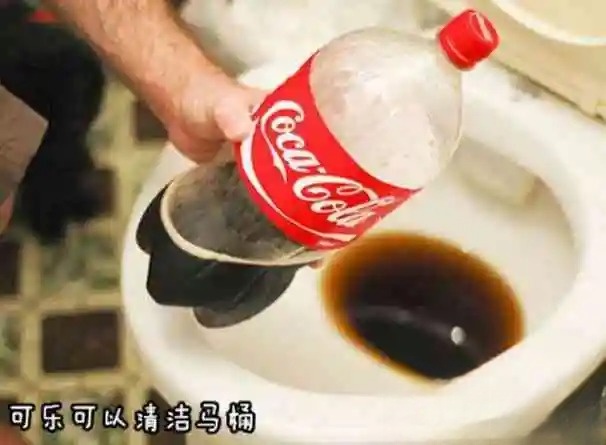
Coca-Cola can be used to clean toilets.
Remove water stains
Lemons can be used to remove water stains.
Remove dirt from glass doors
Dry pieces of paper can help us remove the dirt that has accumulated on glass doors.
Neat cabinets
Using a tension bar can keep the cabinets clean.
Remove cast iron
Using coarse salt can help you clean cast iron.
Remove carpet fibers
Using a window squeegee can help clean carpet fibers.
Cleaning the high places
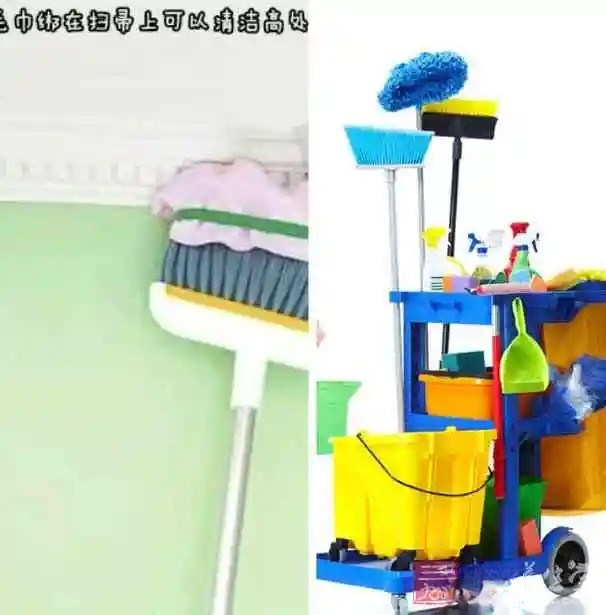
Tying a towel to a broom can help clean high places.
Cleaning the oven screen
Coffee filter paper can help you clean the oven screen.
Cleaning lint off clothes
You can use a razor and tape to remove lint from clothes.
Home cleaning tips
1. Cleaning window screens
Window screens often accumulate dust, and most of the time we clean them by removing them and washing them with water. Here's a great way to clean your window screens without removing them: Dampen an old newspaper with a cloth, then stick the damp newspaper to the back of the screen. After five minutes, remove the newspaper, and you'll find it's covered in dust and grime from the screen. This method saves time and effort; try it!
2. The corners around the room or the seams between the carpet and the walls.
This is the most difficult area to clean, and it's where mold and grime tend to grow. You can try using an old toothbrush to clean it. If you encounter stubborn or difficult stains, you can use a toothbrush with detergent to scrub them off, then rinse it with clean water and keep it dry.
3. If you're worried about dust flying around when sweeping, you can wet newspaper, tear it into pieces, and scatter it on the ground.
Since damp newspaper can attract dust, it makes sweeping the floor easy. If the floor is very dirty, you can first wipe the whole area with a damp rag, and then wipe it clean with a dry rag.
4. While adhesive hooks are quite convenient, removing them can be quite a hassle.
At this point, simply place cotton balls soaked in vinegar around the hook, allowing the vinegar to seep into the tightly adhered gaps. After a few minutes, the hook can be easily removed with a flathead screwdriver. Any remaining adhesive can also be wiped clean with vinegar.
5. Curtains yellowed by nicotine often have the problem of not being able to get clean enough when thrown into the washing machine.

At this time, salt can come in handy. Simply soak the curtains in the washing machine with half a cup of salt, let them sit for a day, and then put them in the washing machine with laundry detergent. The curtains will then be white again, and the whole room will feel fresher and more pleasant.
6. Sometimes, rings of stains appear on the dining table. Simply sprinkle some salt and add a few drops of salad oil, and you can scrub them clean.
Gasoline or turpentine can also remove it, but to avoid damaging the paint on the tabletop, it's best to wipe it with salt. Only use the cleaning agents mentioned above if it really can't be removed.
7. Ceramic or enamelware used for brewing tea often develops a layer of brownish grime that is difficult to clean.
We can use a fine cloth with a small amount of toothpaste to gently scrub, and it will clean quickly without damaging the surface of the porcelain. Kitchen walls often get sticky with grease, so we just need to use a soft cloth to wipe them off, which is even easier and more convenient.
8. Using worn-out socks with worn-out heels to wipe furniture.
It's easy to use and can remove dust easily.
9. When cleaning the room, sprinkle some snow on the floor.
This way, you can sweep cleanly and avoid dust buildup.
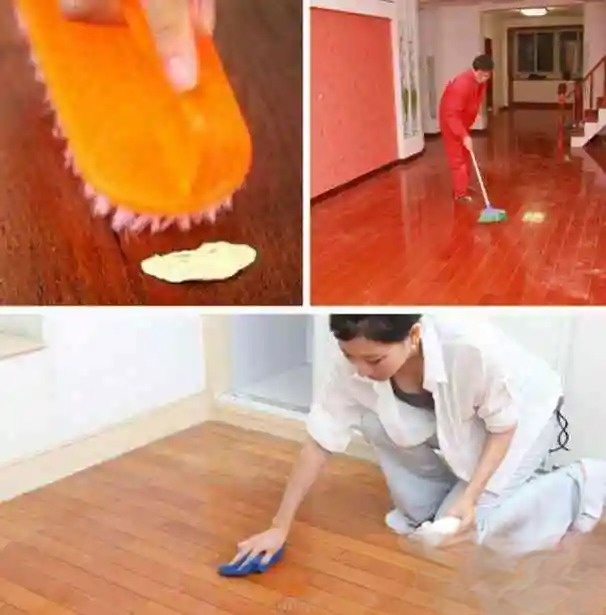
10. When cleaning doors and windows, peel an onion and cut it in half. Use the cut surface to rub the glass.
Before the onion juice dries, quickly wipe the glass with a dry cloth. This will make the glass clean and bright.
Small toothpaste works well
Bathrooms in homes are usually tiled, so cleaning the walls, floors, bathtub, sink, and toilet is easy with a specialized ceramic cleaner. Actually, toothpaste is also a very effective cleaner for ceramic items. For example, squeeze out about the same amount you normally use for brushing your teeth, scrub the sink with an old toothbrush or simply with your hands, then rinse with water. The results are excellent.
To clean a marble countertop, you can use a sponge and detergent. After cleaning, it's best to spray on a layer of gloss wax so that dirt won't easily stick to the marble surface.
Clever use of paper towels to remove oil stains
The kitchen is constantly filled with cooking fumes, making it a top priority for cleaning the home.
For areas with heavy grease, first spray on kitchen cleaner, then cover it with paper towels. This keeps the cleaner moist and allows it to bind more effectively with the grime, preventing it from evaporating too quickly.
After about 15 minutes, most of the oil will adhere to the wet paper towel. Then, simply use the wet paper towel to wipe the oily area clean. For some hard-to-reach places, after spraying the cleaner, scrub repeatedly with an old toothbrush, and finally wipe off all the cleaner with a damp cloth.
Clean the microwave oven with warm water.
Microwave ovens are also a favorite hiding place for grime. So much grime can not only affect the cooking of food, but may also cause sparks or smoke, and increase electromagnetic radiation. Therefore, it is best to develop the habit of wiping them with warm water regularly.
If there is too much grime buildup in your microwave, you can use a microwave-safe container filled with water. Heat the container for a few minutes without rotating it to allow the evaporated water to moisten the grime inside. Then remove the water and, of course, disassemble the dish to wash it. Wipe away the grime inside the microwave with a damp paper towel, and then use dish soap to completely clean away the grease. It is important to remember to wipe the microwave several times with warm water to prevent any cleaning agent residue from remaining inside. Otherwise, when you heat food later, the residue will stick to the food.
In addition, to remove odors from a microwave oven, simply place an orange peel inside and heat it for 15-30 seconds; the odors will be eliminated.
Use old stockings in the sink
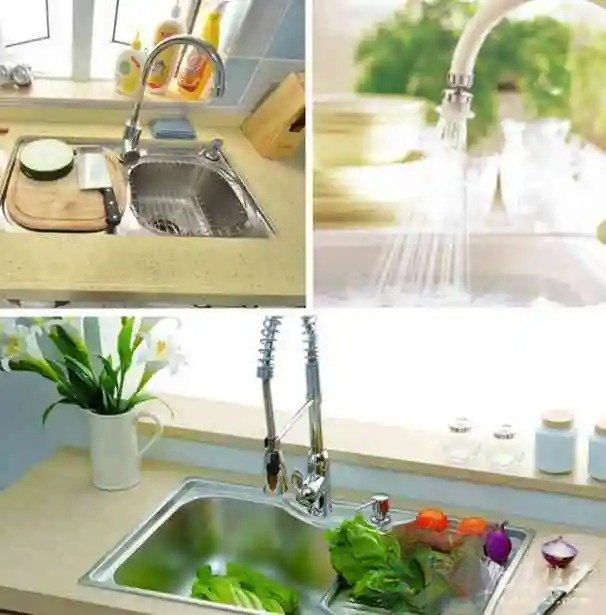
To deal with grease in the sink, you can usually use a sponge with dish soap to scrub horizontally. If the grime is more stubborn, you'll need to use a steel wool pad. However, steel wool may leave scratches. What to do? Try putting an old pantyhose over the steel wool pad. This way, you won't have to worry about scratches. After washing, be sure to wipe the water completely dry with a clean cloth so that the surface of the sink can truly shine.
Old stockings can also be used to wash curtain hooks. Cut off the 15cm toe section of the stocking, insert it into the curtain hook, tie the opening closed, then soak it in warm water with detergent, hand wash it, rinse it with clean water, and air dry it.
Furthermore, tea leaves can help remove dust. Since tea leaves can absorb dust, when cleaning a room, you can first sprinkle some brewed tea leaves on the surface before sweeping. This will make the process easier and more convenient. Remember, wet tea leaves are more effective than dry ones.
Cleverly remove stains from collars
In summer, men often wear light-colored shirts, and because of excessive sweating, the collars become particularly difficult to clean, eventually turning yellow and discolored. A helpful viewer provided a clever trick for removing collar stains: using toothpaste. To clearly demonstrate the effect, we washed two similarly soiled shirts using toothpaste and the usual method. The results were quite noticeable. The result after using the trick was significantly better than the result without! Most importantly, toothpaste contains far fewer irritating chemicals than other detergents, so you can use it with confidence; it will definitely not cause skin allergies.
Removing juice and tea stains from clothes
In this method, you'll need white vinegar and salt. White vinegar is used to remove fruit juice stains from clothes. Pour a spoonful of white vinegar onto the spilled juice, and you'll see the stain gradually disappear. Salt is used to remove tea stains. Gently sprinkle a layer of salt on the tea stain, and after 10 minutes, prepare a basin of hot water and a bar of soap. Soak the white vest in the water for 5 minutes. After 5 minutes, wash it as usual. The fruit juice and tea stains should be mostly gone. Wash it again, and wow, all the stains are gone! This is a very effective method. It's important to note that you must clean fruit juice and tea stains from clothes promptly using this method. Otherwise, you may not achieve the desired results.
Tips for cleaning pot lids
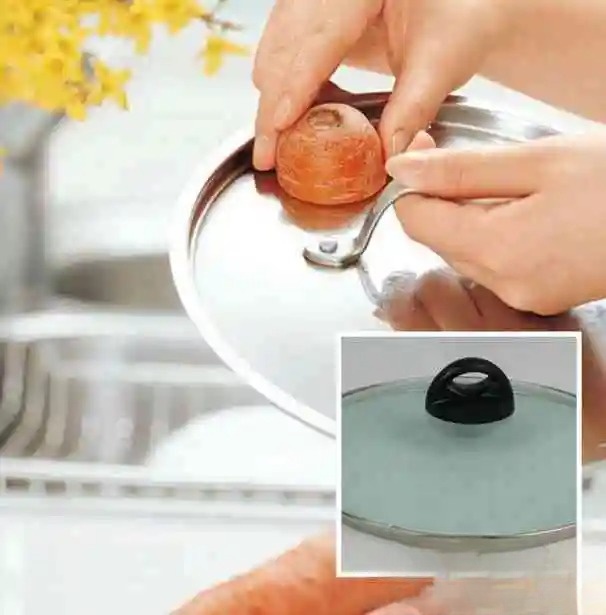
After using your pot lids for a while, they always get covered in a layer of grease. What do you usually use to clean them? Steel wool? A dishcloth? Try this trick – carrot tops! Those carrot tops you're usually about to throw away after chopping vegetables are a great tool for cleaning pot lids! Watch closely: put a few drops of dish soap on the greasy parts of the lid, then rub it back and forth with the carrot top. See? The grease is gone instantly! Wipe it with a damp cloth, and it's sparkling clean! Let's compare: before and after cleaning with the carrot top. More importantly, you don't have to worry about leaving unsightly scratches like you would with steel wool. Next time you throw away a carrot top, use it to clean your pot lid first!
Cleaning methods for switches, sockets, and lampshades
Fingerprints on light switches can be easily removed with an eraser. For dirty sockets, unplug the power cord and wipe with a soft cloth dampened with a small amount of scouring powder. When cleaning wrinkled fabric lampshades, use a soft-bristled toothbrush to avoid damaging them. To clean acrylic lampshades, apply detergent, rinse with water, and then dry. Ordinary light bulbs can be wiped with salt water.
Kitchen and toilet cleaning tips
Kitchens and toilets are always notorious for being difficult to clean, both troublesome and hard to get them thoroughly cleaned. Besides frequent cleaning, some simple tips can be very helpful. For the kitchen, the sink, kitchen waste, and grease are the biggest "stubborn problems." The Japanese cleaning methods include: cutting open the hem of an old pair of stockings, tying a knot on one side to make a bag, and placing it inside the drain; changing it frequently helps keep the sink clean. Place two or three packets of food desiccant at the bottom of the trash can, then cover it with a plastic bag containing the trash; the desiccant absorbs moisture and odors from the trash. Alternatively, placing two pieces of activated charcoal can remove kitchen odors. After each meal, while the range hood is still warm, wipe the surface with a cloth or paper towel to easily remove grease stains and keep it clean and grease-free. For the toilet, the most difficult part is probably the toilet bowl. Normally, you can remove stains with a toilet brush and detergent, but this won't work for stubborn, circular stains on the toilet bowl. Instead, stick toilet paper to the stained area, sprinkle some detergent on it, let it sit for a while, and then scrub to easily remove the stains.
In conclusion: Friends, have you all learned the household cleaning tips I shared above? If you also want to clean your bedroom or home during your free time and are finding it troublesome, you might want to try the methods I taught you above. They can quickly help you remove stains.