All plant disease and pest control solutions are available here.
Vegetable diseases are classified according to their pathogens, mainly into oomycetes, fungi, bacteria, and viruses. Different types of pathogens require different control agents. Vegetable farmers must learn to identify different types of diseases and use pesticides rationally to achieve optimal results.
Protective fungicides develop resistance slowly and can be used continuously; systemic fungicides develop resistance quickly and must be used in rotation, with no more than two consecutive applications. Never use the same fungicide or the same formulation continuously for an extended period.

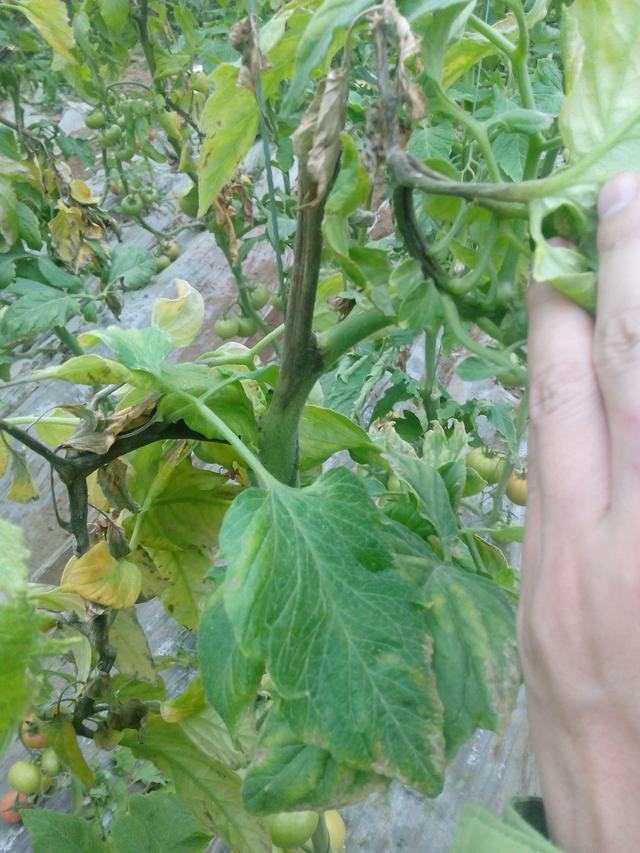
1. Oomycete diseases (downy mildew, late blight, downy mildew, damping-off, Phytophthora root rot, etc.)
Basic tasks include: covering the ground with plastic film and straw, watering under the film, and selecting high-quality drip-free film to control humidity inside the greenhouse and reduce dew production.
Biological prevention: Pythium oligandii/Trichoderma harzianum/Bacillus licheniformis + Taikang chitosan, applied by drenching, root irrigation or spraying.
Chemical prevention: Mancozeb (Daisheng) /Chlorothalonil + Polyoxin /Wuyi mycin + Alginic acid (Wojiafu)
Initial formula: Cyazofamid (Kejia) /Flumorph /Dimethomorph /Dimethomorph Manganese Zinc /Cymoxanil Manganese Zinc /Cymoxanil + Allicin + Polyoxin /Wuyi Mycin + Alginic Acid (Wojiafu)
Mid-term formulation: Fluopyram (Yinfali) /Flumorph. Pyraclostrobin /Oxadiazon. Cymoxanil (Yikuaijing) + Chlorobromoisocyanuric acid + Polyoxin /Wuyi mycin + Alginic acid (Wojiafu)
Late-stage disease spreads rapidly, so medication must be administered immediately upon detection, and the level of the disease should be raised by one level to ensure rapid prevention and control.
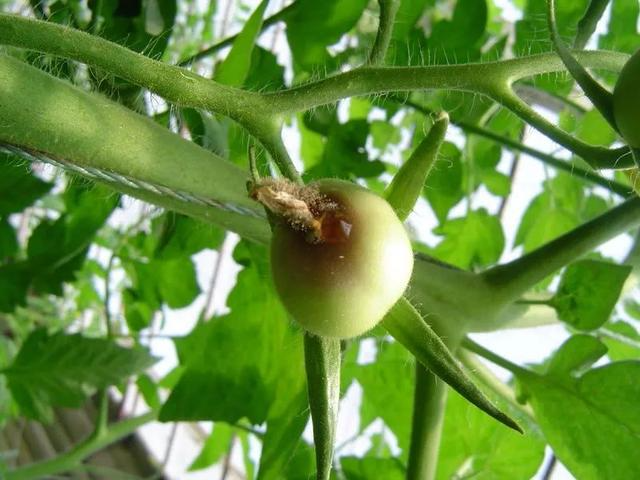
2. Mucor diseases (gray mold, sclerotinia rot, leaf mold, etc.)
Basic work: reducing humidity inside the greenhouse; increasing greenhouse temperature using greenhouse heating blocks, etc.
Biological prevention: Trichoderma harzianum/berberine/catechin + Taikang chitosan (This formula can be used for prevention of all fungal diseases, and can also be used to consolidate the effect after chemical control, the same below)
Chemical prevention: Fumigate the shed with air disinfectant tablets every 2-5 days, or spray with quinoline copper/chlorothalonil + polyoxin/Wuyi mycin + seaweed extract (Wojiafu) and brown sugar.
Initial formulation: Iprodione/Fluordioxonil/Iprodione + Difenoconazole + Ethylene/Eugenin + Alginic acid (Wojiafu)
Mid-term formulation: Fludioxonil/Iprodione + Pyrimethanil/Azoxystrobin/Bacillus subtilis + Ethylene/Eugenin + Chitosan, Brown Sugar
Leaf mold treatment formula: Luna Run, or difenoconazole + polyoxin/kasugamycin copper + allicin + chitosan, brown sugar
Formula for treating anthracnose: Iprodione + Difenoconazole + Ethylene sulfadiazine
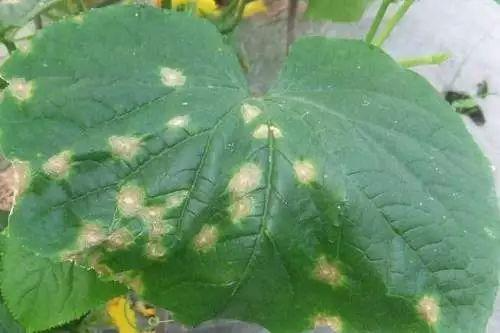
3. Various leaf spot diseases (brown spot, anthracnose, black spot, early blight, target spot, gray leaf spot, etc.)
Preventative formulation: Thiazole zinc (Bihuo) /Quinoline copper /Chlorothalonil + Polyoxin /Wuyi mycin + Alginic acid (Wojiafu)
Treatment formula: azoxystrobin/pyraclostrobin/pyraclostrobin + tebuconazole/nadifen/difenoconazole + allicin + chitosan, brown sugar
Treatment formulas for target spot (small yellow spots) and gray leaf spot: Luna Run, or difenoconazole/flusilazole/tebuconazole/fluopyram + azoxystrobin/pyraclostrobin + kasugamycin/allicin + chitosan.
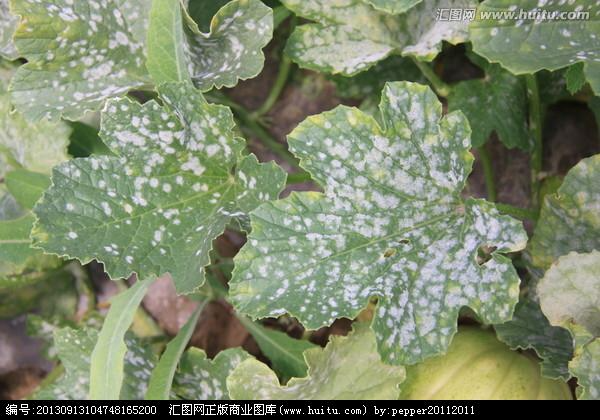
4. Powdery mildew and rust-related diseases (powdery mildew, rust, etc.)
Preventative formulation: Antifungal agent against Trichoderma harzianum + chitosan, or chlorothalonil/quinoline copper + polyoxin/Wuyi mycin + chitosan.
Treatment formulation: Benzyl/Azoxystrobin/Boscalid + Difenoconazole/Flusilazole + Ethirimol/Chitosan
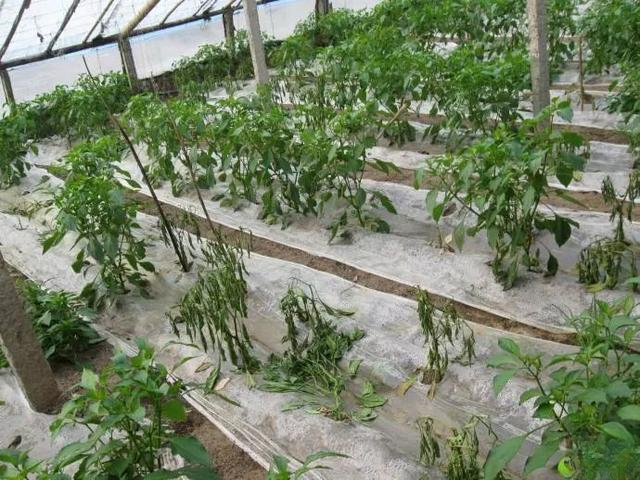
5. Root diseases
Basic measures: Apply bio-fertilizer in holes.
① Fusarium wilt and root rot
Preventative formulation: Trichoderma harzianum (Taikang Muzi Mei) + Bacillus subtilis (NCD-2) applied by drenching, or thiamethoxam zinc (Bihuo)/copper sulfate calcium + carbendazim/hymexazol + alginic acid (Wojiafu).
Treatment formula: Apply a top dressing to remove dead plants, or use a root drench with thiamethoxam zinc (Bihuo)/Spring Thunder King Copper/Thiabendazole Copper + Fludioxonil/Fluorosazole/Methoxyfenozide + Jinggangmycin/Polyoxam + Alginate (Wojiafu). Seven days after the root drench, apply a root drench or top dressing with Bacillus licheniformis/Bacillus subtilis + Trichoderma harzianum.
② Bacterial wilt
Preventive formula: *Pseudomonas fluorescens* (fluorescent stick) /*Bacillus polymyxa* (Condelide) /*Bacillus subtilis* (NCD-2) + chitosan
Treatment formula: Chunlei. Thiamethoxam (Grande)/Thiazolium zinc (Bihuo) + Chlorobromoisocyanuric acid/Allicin + Chitosan, drench the roots for 7 days, then drench or apply Bacillus polymyxa/Bacillus subtilis.
③ Root-knot nematode disease
Fumigation agents: Adawa, Perfect Wireless, and other high-temperature fumigation agents.
Early prevention: Thiazolidinedion (Fuqiduo), Yongwei 4th generation, and abamectin (Xianlei) granules applied to acupoints.
Prevention and control formula: Yongwei 168/Xianoukai/Lufuda/Tizun + Chitosan for root irrigation or drenching, Bacillus cereus (Xianmie)/Paecilomyces lilacinus for drenching.
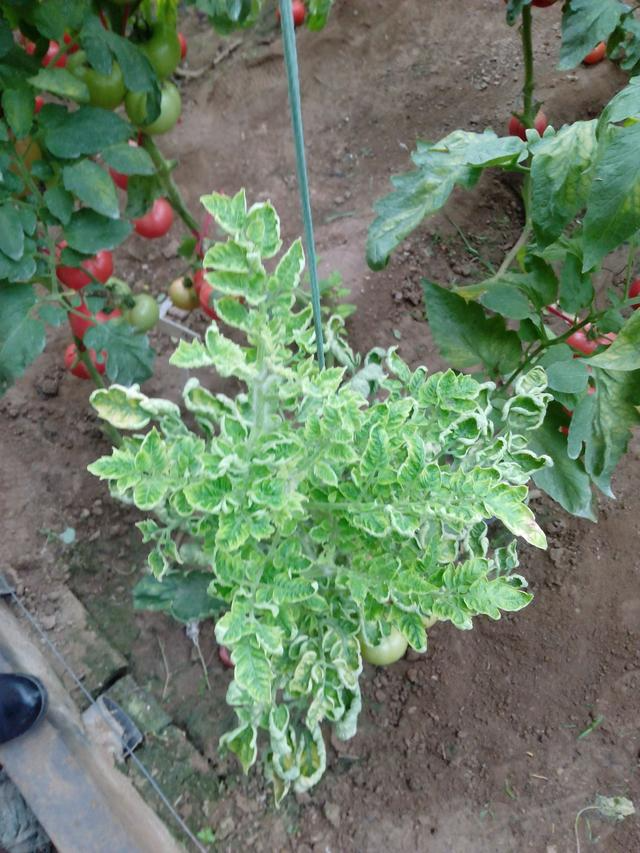
6. Diseases at the growth point
① Viral diseases (occurring during periods of high temperature, drought, insect infestation, or Zn deficiency in the soil)
Initial formula: Chitosan (Taikang) /Alginic acid (Wojiafu) + Mushroom proteoglycans /Plant activator protein (Kanglifeng) + Pyrimethamine /Ningnanmycin + Matrine /Osthol + Chlorobromoisocyanuric acid + Zinc, Copper, Silicon, Molybdenum trace elements
② Boron deficiency (growing point shrinkage, leaf vein wrinkling, empty stems)
Treatment formula: Alginic acid (Wojiafu) + Ishihara Golden Bull microparticle boron
③ Calcium deficiency (new leaves wrinkled, dry leaf tips, blossom-end rot, cracked fruit, soft fruit)
Treatment formula: Alginic acid (Wojiafu) + Ishihara Golden Bull Suspended Calcium/Filile Calcium Boron
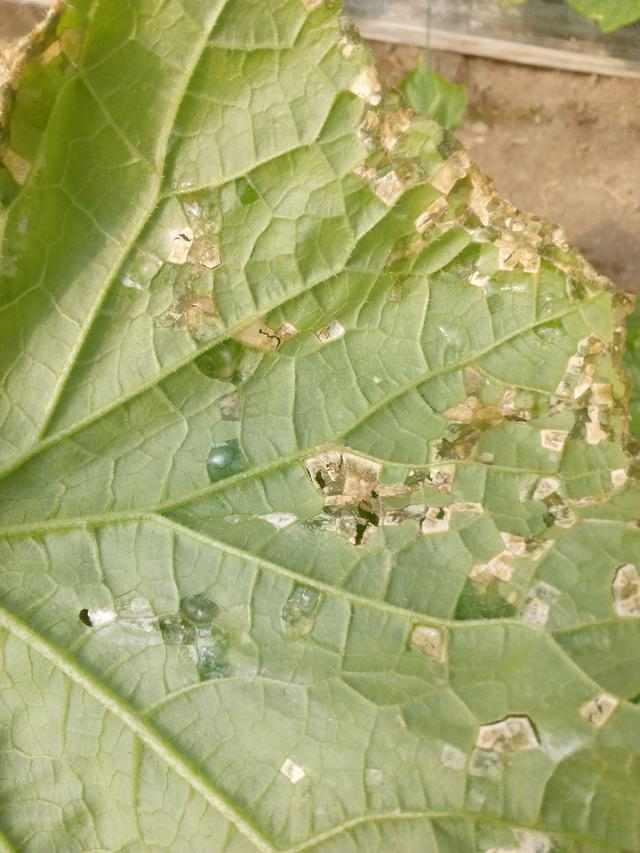
7. Bacterial diseases (bacterial pith necrosis, soft rot, bacterial wilt, angular leaf spot, scab, etc.)
Characteristics of bacterial diseases: thin, transparent, shiny, scattered, spotted, purulent.
Preventative formulation: Fluorescent Pseudomonas (fluorescent stick)/Bacillus subtilis + chitosan, thiabendazole copper/quinoline copper + kasugamycin + chitosan
Treatment formula: Chunlei. Thiamethoxam (Grande) /Thiazole Zinc (Bihuo) + Chlorobromoisocyanuric Acid /Ethylene + Chitosan
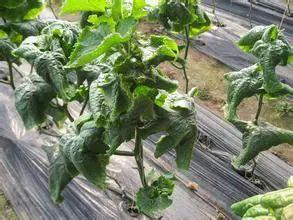
8. Physiological diseases (low temperature damage, freezing damage, high temperature damage, nutrient deficiency, etc.)
Basic measures: Improve facility conditions, cool or heat up.
Prevention and control formula: Alginic acid (Wojiafu) + plant activating protein (Kanglifeng) + Bacillus subtilis, and root application of microbial fertilizer.
If it is a nutrient deficiency, the above formula plus the missing nutrient element will suffice.
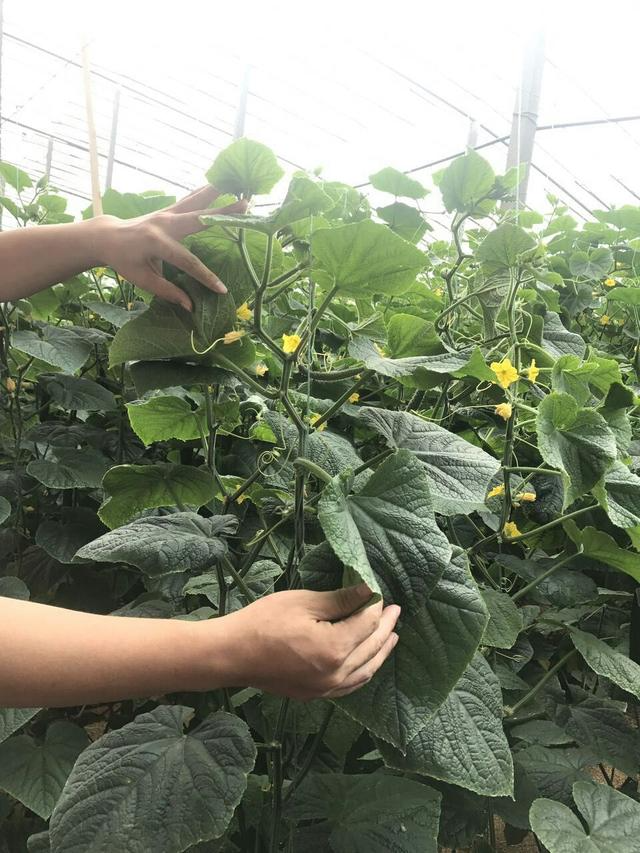
9. Remedial methods for pesticide damage to vegetables
① Rinse with water. Immediately after discovery, spray the leaves with plenty of clean water, rinsing repeatedly 3-4 times to wash away as much of the pesticide solution as possible from the plant surface. If the damage is caused by an acidic pesticide, add an appropriate amount of quicklime when rinsing; if the damage is caused by an alkaline pesticide, add an appropriate amount of vinegar when rinsing. Remove severely damaged leaves.
② Apply mitigating agents. Apply mitigating agents specifically. If the damage is caused by excessive application of copper sulfate, spray with 0.5% quicklime water to remedy it. After being damaged by lime-sulfur mixture, after washing with water, spray with a 400-500 times diluted solution of rice vinegar to reduce the damage.
③ Apply growth regulators. If pesticide damage occurs, timely application of plant growth regulators such as Bihu or plant activator protein (Kanglifeng) can effectively promote the degradation of pesticide damage and restore crop growth.
④ Irrigate to reduce toxicity and apply fertilizer to promote recovery. When excessive pesticide application causes damage to the soil, irrigate the field as soon as possible to flush out a large amount of pesticide. This increases the water content of vegetable crop cells, promotes metabolism, reduces the relative concentration of pesticides in the cells, and lessens the severity of damage. It also reduces the concentration of pesticides in the soil, mitigating their toxicity to crops. If crop growth is stunted and weakened after pesticide damage, timely application of high-nitrogen fertilizer, bio-fertilizer, chitin, alginic acid, etc., can promote the gradual recovery of affected plants and improve their resistance to pesticide damage.
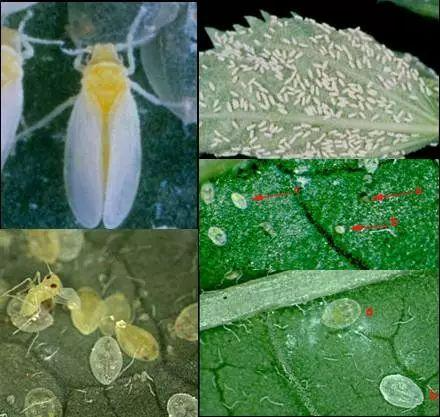
10. Classification of plant pests and their control.
Basic measures: Set up yellow sticky insect traps; cover the entire greenhouse with insect-proof netting; hang insect traps and black light lamps; use short-term high-temperature fumigation in the greenhouse.
① Small insects (aphids, thrips, whiteflies, planthoppers, etc.)
Whiteflies: A combination of imidacloprid and acetamiprid, or imidacloprid/acetamiprid/nitrazepam + matrine/bifenthrin/fluoxetine/phenoxycarb + Beauveria bassiana.
Aphids: Flupyradifurone (Tefury) + Matrine/Pymetrozine + Imidacloprid/Imidacloprid + Beauveria bassiana
Thrips: Aylux/Caiyoule + Bifenthrin/Fluoxane + Beauveria bassiana
② Large insects (cabbage caterpillars, leaf rollers, beetles, etc.)
Control and treatment drugs: Nucleopolyhedrovirus/Bacillus thuringiensis/Beauveria bassiana/Metarhizium anisopliae + abamectin/chlorantraniliprole/flufenican/deltamethrin + chlorfenapyr/tebufenozide
③ Spider mites (red spider mites, white spider mites, etc.)
Control medication: Etoxazole (Baozhuo) + Abamectin/Pyridaben + Spirodiclofen/Etoxazole
④ Underground pests (mole crickets, grubs, wireworms, cutworms, leek maggots, etc.)
Control and treatment: Beauveria bassiana/Metarhizium anisopliae + Phoxim/Decibam + Flufenoxuron/Tebufenozide/Flymethrin
⑤ Nematodes (such as root-knot nematodes)
Control measures include: 1) High-temperature fumigation with calcium cyanamide (Rongbao), Perfect Wireless, and Wireless King; 2) Hole application of thiazophos (Fuqiduo); 3) Root drenching or fertigation with Yongwei 168, thiazophos aqueous solution (Xianoukai), Perfect Wireless No. 2, etc.; 4) Fertigation with biological agents such as Bacillus cereus and Paecilomyces lilacinus.
⑥ Mollusks (snails, slugs, etc.)
Treatment: Metaldehyde.