After reading this article, you'll never have to worry about your flowers getting pests and diseases again!
In daily flower cultivation, pests and diseases can sometimes be very troublesome. The principle of pest and disease control is prevention first, and integrated pest management; prevention is primary, and treatment is secondary. How can we achieve this goal? What are some effective control methods? Let's talk about it today!
Aphid disease
Aphids are herbivorous insects, usually found on the undersides or sides of leaves. They inhibit plant growth, causing plants to wither, twist, turn yellow, curl leaves, reduce growth rate, die, and even die. They are commonly seen in spring and autumn.
Solution:
1. If there are many aphids, wipe them off with a cotton swab, or you can pinch them off directly with your hands.
2. If the aphid infestation is not severe, you can apply a small amount of insecticide or soapy water to the affected area. If it is severe, you will need to use a pesticide such as "Hu Hua Shen" or "Ya Shi Jing" and spray it according to the instructions.

powdery mildew
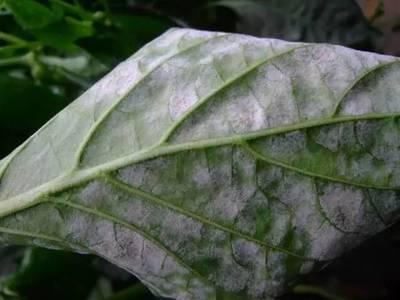
Powdery mildew is a very common disease that easily infects flowers such as chrysanthemums, roses, and impatiens. Infected flowers develop a white powdery coating on their leaves, which become wrinkled and curled outwards, with slightly yellowed tips. In severe cases, the leaves may be covered with small black spots.
Solution:
1. Clean the infected leaflets thoroughly to prevent the infection from spreading to other leaves.
2. Spraying. Chlorothalonil, thiophanate-methyl, and mancozeb are all very effective. Follow the instructions on the pesticide label and spray onto the leaves and soil to prevent the fungi from multiplying.
3. Powdery mildew generally occurs in moist and humid conditions. To prevent it, it is important to maintain ventilation and prune the flower branches properly.
Scale insect disease
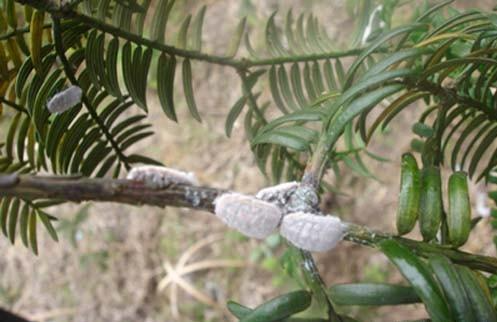
It usually appears on the lower part of the plant, on the stem or leaves.
Solution:
1. Remove it with a toothpick or a strong stream of water, and isolate it to prevent the infection from spreading to other flowers.
2. If the condition is not severe, you can use a water-alcohol solution to wipe the affected area, which will thoroughly kill the insects and sterilize it.
3. For severe cases, spray with insecticides such as imidacloprid or chlorpyrifos, and ensure good ventilation and moisture retention, avoiding direct sunlight.
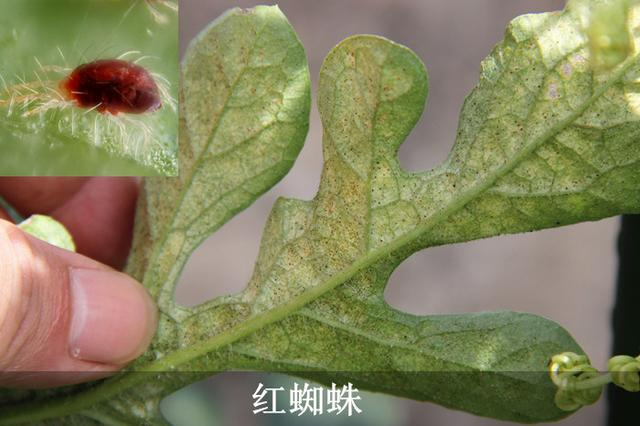
Spider mite disease/Red spider mite disease
Spider mite infestation, also known as red spider mite disease, is a pest that infects many flowering plants. Spider mites are less than one millimeter long, making them difficult to detect. They live on the leaves and stems of plants, causing leaves to twist and turn yellow, leading to leaf drop, and in severe cases, death of the plant.
Solution:
1. After infection, the leaves should be removed immediately, and the remaining leaves should be wiped to prevent the pests from multiplying and spreading.
2. If the pest infestation is severe, spray insecticide promptly, covering both sides of the leaves. Acaricides such as Mancozeb, Miconazole, and Abamectin are good choices; use them according to the instructions.
Sooty mold
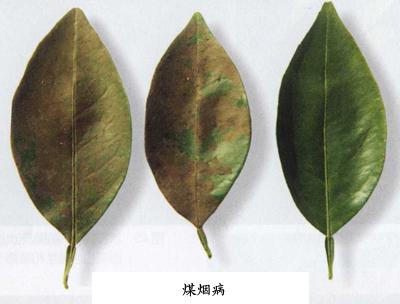
Sooty mold affects plant photosynthesis and is prevalent in many flowers such as crape myrtle, peony, camellia, and milan. Small brown, gray, or black mold spots appear on the surface of the leaves of diseased flowers. As the mold spreads, it covers the entire leaf surface and young shoots, impairing photosynthesis and ultimately causing the flowers to wither and die.
Solution:
1. In the early stages of the disease, you can spray fungicides such as Youlejing and Carbendazim to prevent the spread of pathogens.
2. Regularly strengthen pest and bactericide control, especially during the hot summer months.
3. Ensure good ventilation for the flowers and avoid high temperature and humidity to prevent creating a breeding ground for diseases.
anthrax
This is a common disease affecting flowering plants, primarily damaging the leaves, and sometimes the stems. It mainly harms plants such as crabapple, jasmine, aloe vera, and milan. Small, round or oval, reddish-brown spots appear on the leaves, which then expand into dark brown, round lesions. In severe cases, these lesions can form perforations, causing the leaves to easily fall off or even die.
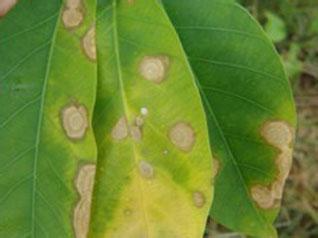
Solution:
1. In the early stages of the disease, promptly remove the affected leaves and burn the diseased parts to prevent the spread.
2. If the disease spreads, you can choose to spray with methyl thiophanate or chlorothalonil solution, about once a week, for about three consecutive times, and the condition will improve.
3. Ensure good ventilation and avoid placing flowers too densely.