Advanced Cooking Guide | Vanilla, the Soul of Western Cuisine (Part 1)
Friends who are familiar with Meat Butler know
When cooking meat steward ingredients
The housekeeper always recommends pairing it with sea salt and black pepper.
Just enjoy the natural flavor of the ingredients
But for those who want high-end cuisine
You can choose different herb combinations
Often the amount is small, but it can be the finishing touch
It can make the food produce a complex aroma and taste
Make the original one-dimensional smell rich in layers
Better meet different taste needs
Next, the butler will introduce you to the Western cuisine.
Commonly used herbs and suitable cooking recipes
Bring you to experience the soul of the Western food world
(Due to space limitations
The vanilla strategy and recipes will be divided into two parts.
We will introduce light vanilla vs. strong vanilla
Please look forward to the next one~)
one
Herbs? Spices?
For those who are new to Western cuisine, the two terms "herb" and "spice" are always easily confused.

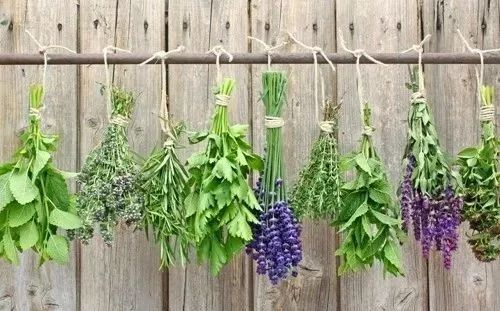
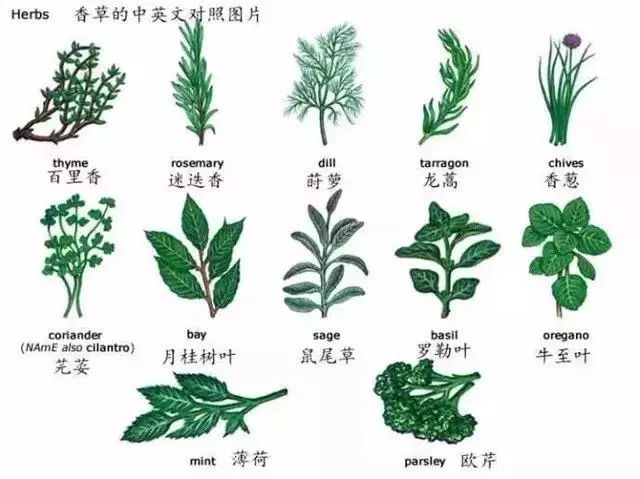
Generally speaking, herbs are the fragrant leaves of plants without woody stems, usually grown in temperate zones, such as parsley, basil, thyme, etc. Vanilla can be said to be a native European aromatic, and in the classical European cooking system, vanilla has already held a high status.
Spices refer to the bark, fruit, roots, and stems of plants, typically grown in the tropics, such as black pepper, cinnamon, and ginger. Vanilla is more fragrant when fresh, while dried spices have a stronger flavor. Spices, mostly produced in the far East and characterized by their resistance to spoilage, were therefore used for international trade in ancient times. To break the Arab monopoly on the spice trade, Europeans waged war, ushering in the magnificent Age of Exploration.

In our kitchens, onions, ginger, and garlic are essential, and in Western kitchens, herbs like dill, rosemary, marjoram, and thyme are equally irreplaceable. Like common seasonings, these herbs can remove unpleasant odors from food and enhance its flavor. Fresh herbs also have a decorative effect, making dishes look richer and more appealing, adding color and flavor.
Herbs have also been endowed with even more personal symbolism. Rosemary is said to smell like the memory of love; mint represents everlasting love; marjoram can be used to pray for happiness; sage symbolizes immortality; and thyme has been a symbol of bravery since ancient Greece. Roman soldiers would bathe in thyme before going into battle and carry a small thyme sprig to bolster their courage. In ancient Greek high society, to compliment someone, "You smell like thyme," was considered the ultimate compliment.

Generally speaking, herbs enhance the aroma of a dish, while spices enrich the taste. For a dish with a more pleasant aroma, use herbs, choosing different herbs based on your preference for different aromas. For a dish with a richer taste, use spices and sauces to enhance the flavor.
two
Common herbs and recipes in Western cuisine
-Light flavor vanilla set-
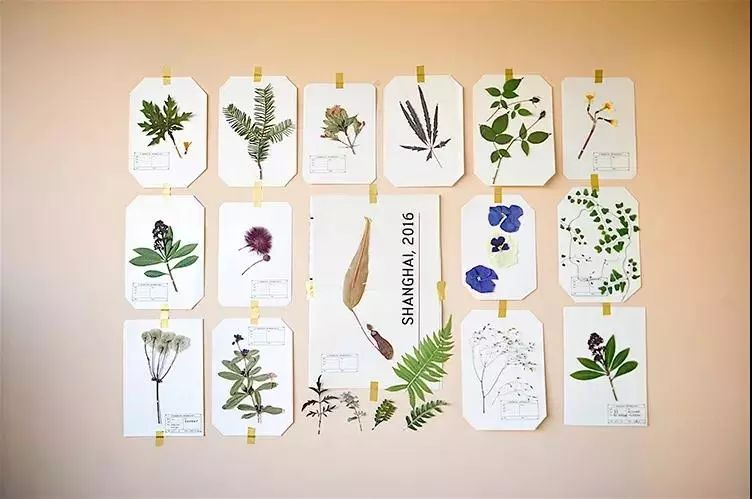
Light herbs are generally best eaten raw or quickly heated over high heat, rather than simmered for extended periods (with the exception of thyme). Generally speaking, they're better suited to refreshing, summery dishes and delicate ingredients like seafood, white meat, and eggs.
Generally speaking, fresh herbs are better for lighter flavors, as dried herbs have a much weaker aroma. There are exceptions, such as thyme.
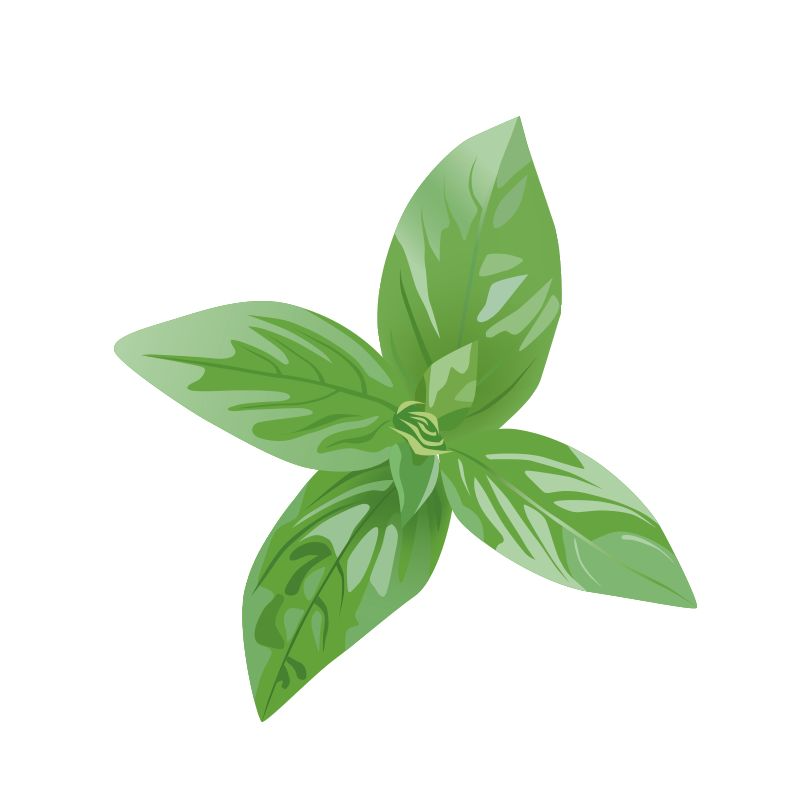
1. Sweet basil /Basil
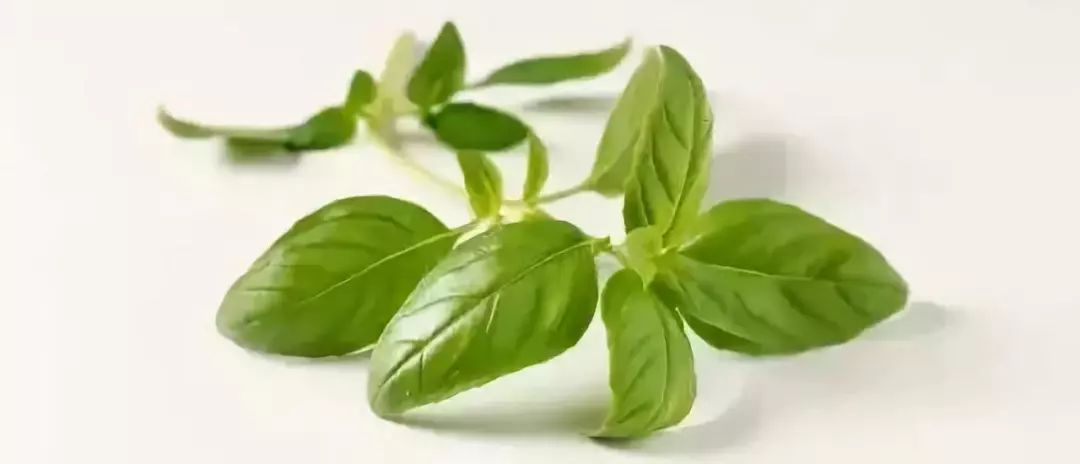
Representative region: Italy
Cuisine style: Refreshing Mediterranean summer style - vegetarian, white meat, seafood
Taste: Sweet anise flavor with a licorice-like aftertaste
The most classic pairing: anything tomato- related!
Suitable ingredients for meat stewards: mussels, whole shrimp, chicken breast, boneless chicken thighs, whole chicken, chicken wings
Representative dishes include: Basil Tomato Wings, Pine Nut Basil Roasted Pumpkin, and other dishes. It's also suitable for most vegetables, eggs, chicken, seafood, etc. And the housekeeper's favorite, pesto, made with basil, garlic, pine nuts, Parmesan, and olive oil , is a perfect match with pasta or toast!!!
Common seasonings : tomato, garlic
Cooking: Basil leaves are best eaten raw or quickly reheated to enhance their aroma, but avoid cooking them for extended periods. Basil stems can be stewed. Always use fresh basil; dried basil leaves will have a much less fragrant aroma.
Note: Mediterranean sweet basil is different from the Asian basil "Basil". Like sweet basil, basil is also a type of basil. The leaves of basil are longer and thinner than those of Mediterranean sweet basil, and the flavor is spicier and can be better cooked at high temperatures.

Suitable ingredients
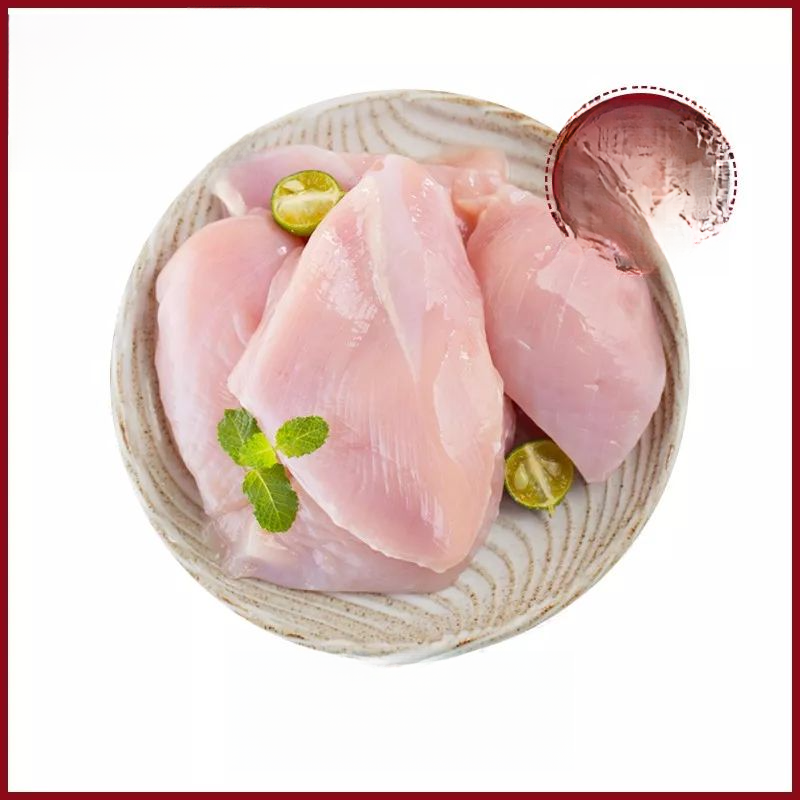

Tomato and Basil Braised Chicken Breast
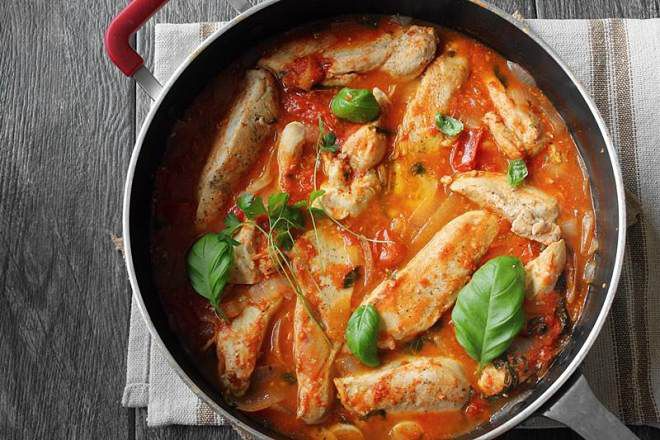
[ingredients]
Meat Butler Chilean Chicken Breast 4 whole pieces
2 large tomatoes, chopped into small pieces
1 purple onion, cut into medium-thick strips
3 large cloves of garlic, sliced
5-7 large leaves of fresh basil, chopped
Salt to taste
Black pepper to taste
Add more white pepper
Rosemary or ginger, chopped
A pinch of brown sugar
[step]
1. Cut a whole chicken breast into 3-4 large strips, evenly apply a thin layer of salt, black pepper and white pepper and set aside
2. After the non-stick pan is heated, put the chicken breast in and fry until it is browned. Then
turn it over and continue frying until it is browned. Note: Do not flip it back and forth. Wait until one side is completely browned before turning it over.
3. Place the chicken breast on a plate and set aside. Continue frying the garlic slices and onions in the pan until fragrant, then add the tomatoes.
4. When the tomatoes are slightly soft, add the chicken breast, stir fry evenly, cover the pot, and simmer over medium-low heat until the tomatoes become rotten and become a sauce, about 10 minutes.
Note: If the time is too long, the tomatoes will become completely rotten and become a sauce.
5. Continue to add salt, black pepper, white pepper, chopped basil leaves, rosemary, and brown sugar to season, and cook over high heat until the sauce is collected.
6. After the soup thickens, turn off the heat.
Note: If time permits, it is best to simmer it for about 20 minutes to allow the chicken to absorb the flavor.
7. Let’s eat!
2. Thyme
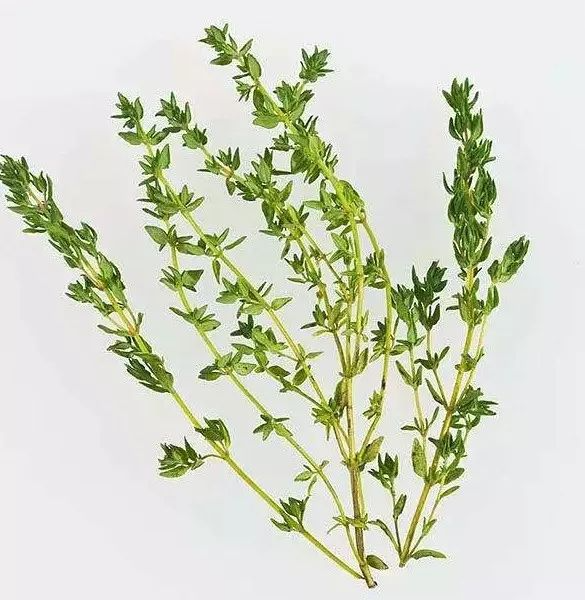
Representing country: France
Cuisine style: Warm stews and roasts – red, white meat, and vegetables, all served
Taste: Rich salty aroma with a hint of lemon, a strong flavor among light vanilla
The most classic pairing: Chicken
Suitable for meat steward ingredients: whole chicken
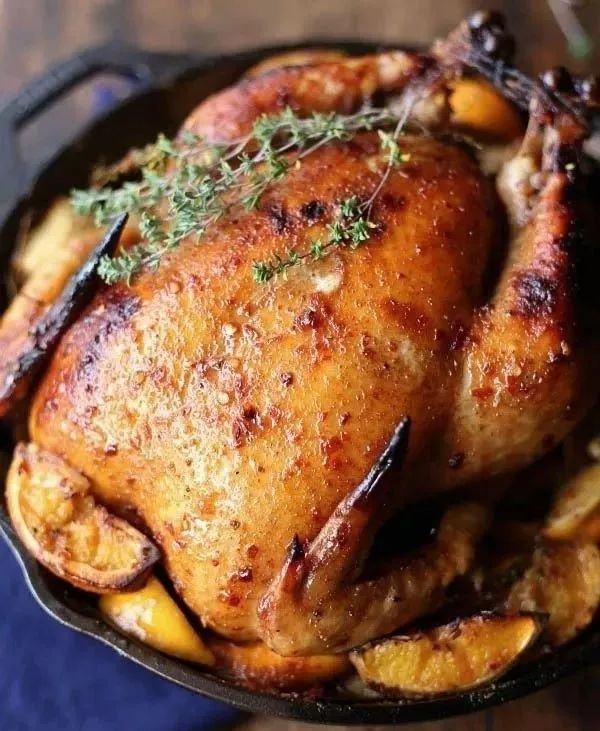
Representative dish: thyme roasted chicken
Other Pairings: Almost all stewed or grilled meats, and almost all stewed vegetables! For example, Ratatouille. French cuisine is almost inseparable from thyme. For example, Lemon Thyme Roasted Wings
Common seasonings: bay leaf
Cooking method: It can withstand long stewing. Fresh ones have a stronger aroma than dried ones, but the dried ones can also be used.
Adding a bay leaf and a bunch of thyme to any stew will give it the familiar taste of French cuisine.
Suitable ingredients
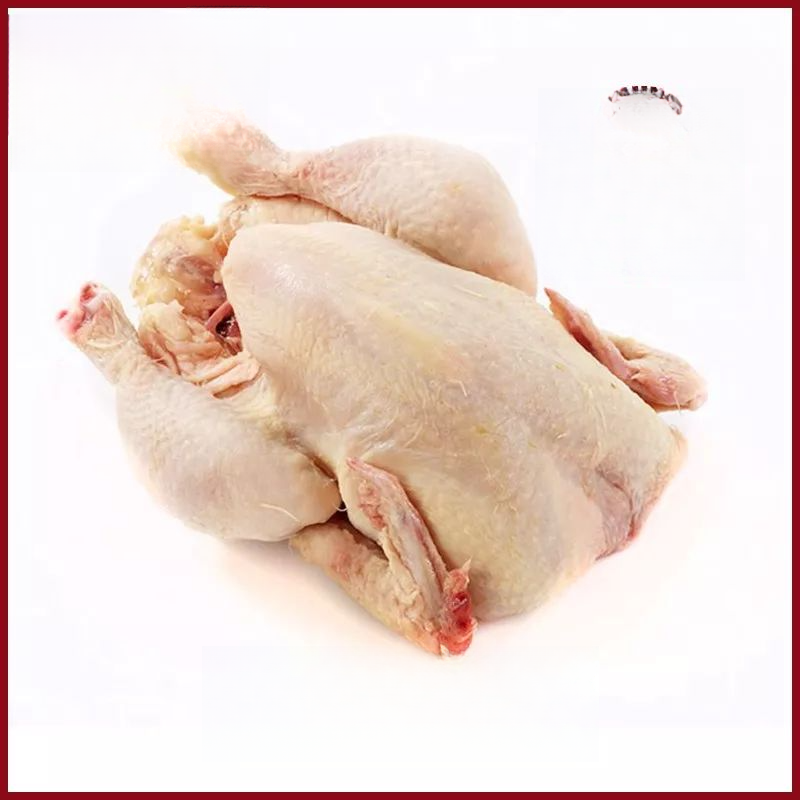
Thyme Roast Chicken
[ingredients]
1 Argentinian baby chicken
Enoki mushrooms (appropriate amount)
2 dried mushrooms
2 small red chili peppers
3 small pieces of butter
1 large piece of ginger
4 tablespoons soy sauce
3 tablespoons oil
1 bottle cap of cooking wine
Half a tablespoon of salt
1 tablespoon sugar
Pepper to taste
Thyme to taste
[step]
1. Wash the chicken, bend the wings back to make a shape, and use kitchen paper to absorb the moisture inside and outside of the chicken.
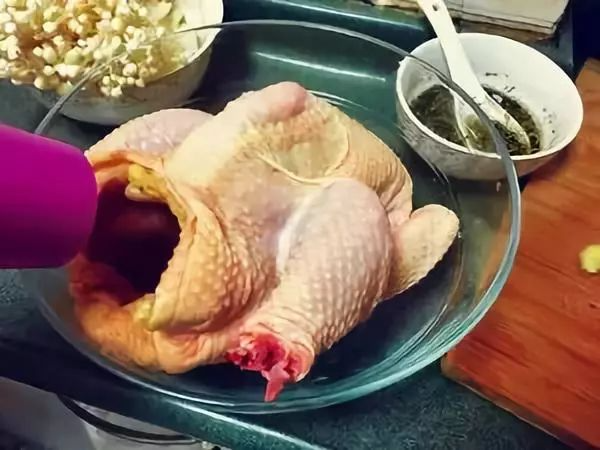
2. After drying, rub the chicken with ginger for 3 times
3. Dice the mushrooms, millet and peppers and put them into the chicken together with the enoki mushrooms. Sprinkle with a little salt and pepper, spread with butter, and sew the chicken butt with a toothpick.

4. Mix all the remaining seasonings evenly. Thyme is the soul of this dish.
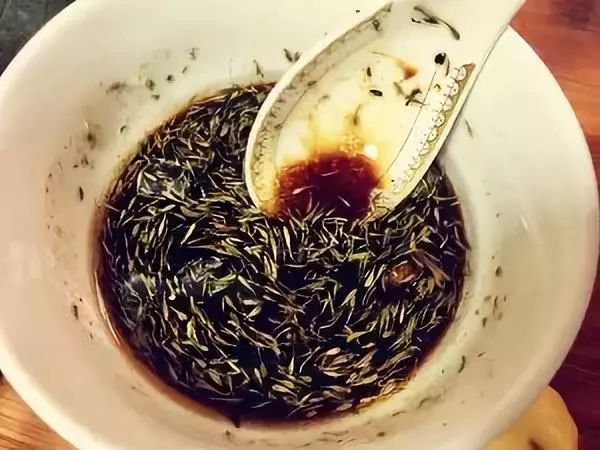
5. Apply 2/3 of the sauce all over the chicken with a brush, then massage it with your hands. Finally, wait patiently for 3 hours to marinate, turning the chicken over and massaging it appropriately during this period.
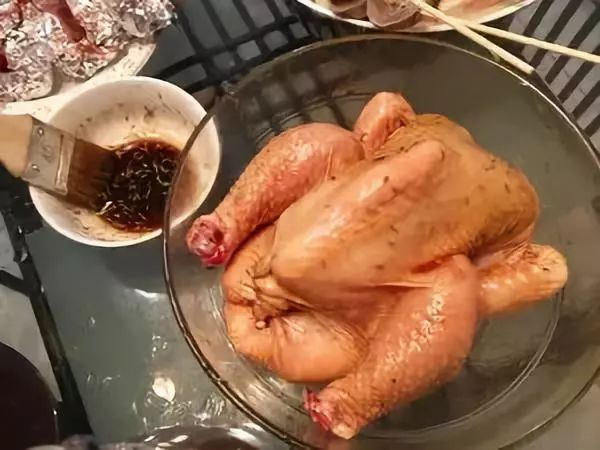
6. Preheat the oven to 180 degrees, 50 minutes on the middle layer (take out the chicken after 20 minutes and apply the remaining sauce all over the chicken and put it back in the oven)
7. The chicken was fully cooked without being burnt, and the juices were locked in. The chicken was incredibly tender yet savory, and the thyme complemented the roast chicken perfectly. Absolutely perfect!
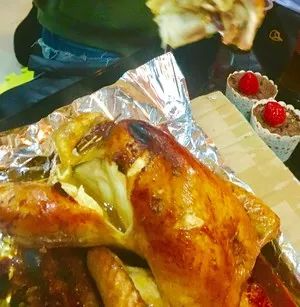
Ps: Remember to eat the roasted chicken while it is hot
3. Parsley

Left: Rolled-leaf Osiris. Right: Flat-leaf Osiris.
Representative regions: Europe, Middle East, South America, North America
Cooking style: French "scallion" - just use it like scallions
Taste: Light celery
The most classic pairing: blue mussels, potatoes
Suitable ingredients for meat stewards: blue clams, whole shrimp
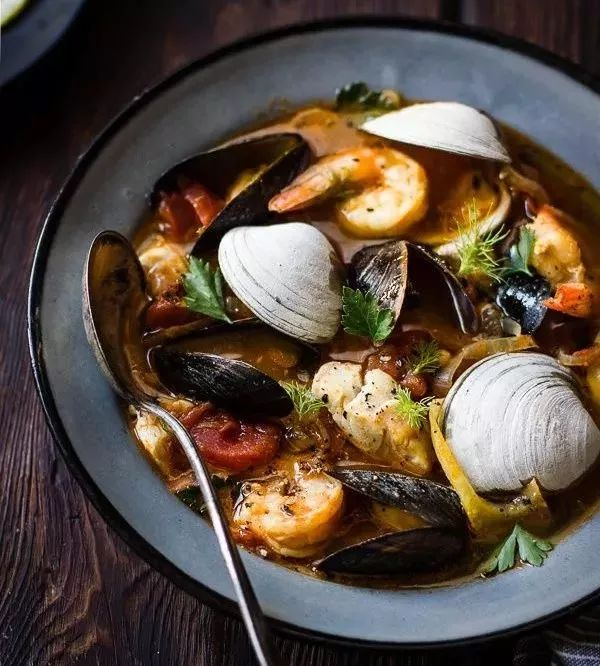
Representative dish: Moules marnieres , French white wine-braised mussels
Other pairings: refreshing cold dishes; after roasting potatoes or stewing meat, sprinkle a handful of chopped parsley like chopped green onions, such as red wine braised beef, garlic parsley shrimp, and parsley roasted vegetables
Common seasonings: Parsley + garlic chopped together is the famous French seasoning: parsley garlic persilade, which can be paired with potatoes, etc.
Cooking method: Same as the method of using chopped green onion. Do not stew
Note : Parsley is divided into two types: curly leaf parsley and flat leaf parsley. The former is usually used for plating, while the latter is usually chopped and added to dishes. It is recommended to use fresh parsley, as the aroma of dried parsley is very weak.
Suitable ingredients
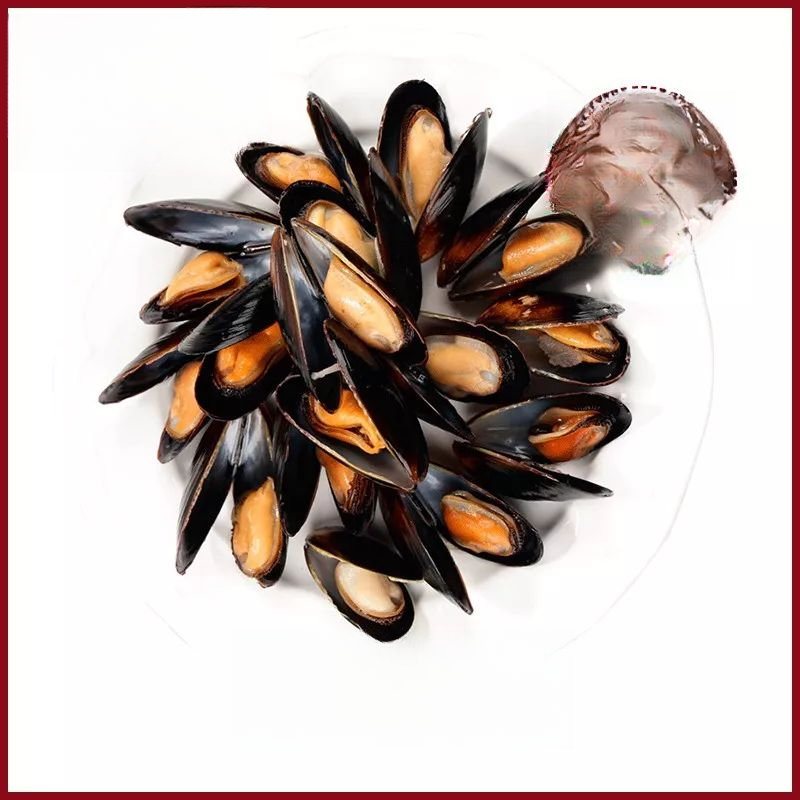
French white wine stewed blue mussels
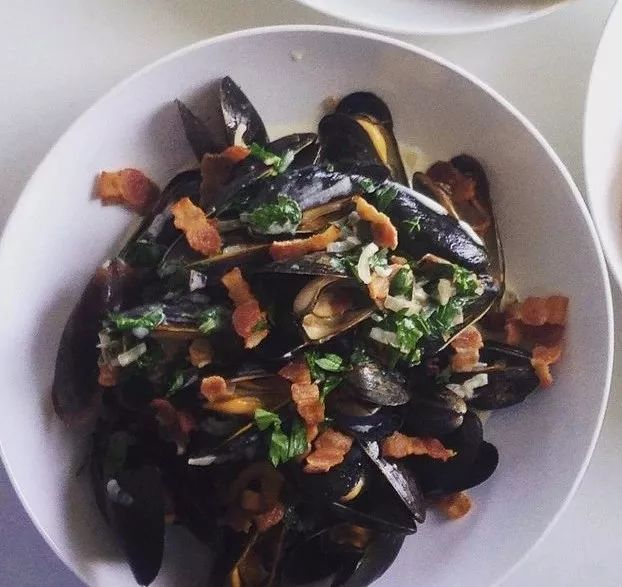
[ingredients]
Blue mussels 1 kg
5 shallots
30g butter
400ml white wine
A handful of Italian parsley
250ml light cream
Black pepper to taste
[step]
1. Prepare the ingredients: wash the blue mussels, chop the shallots and parsley
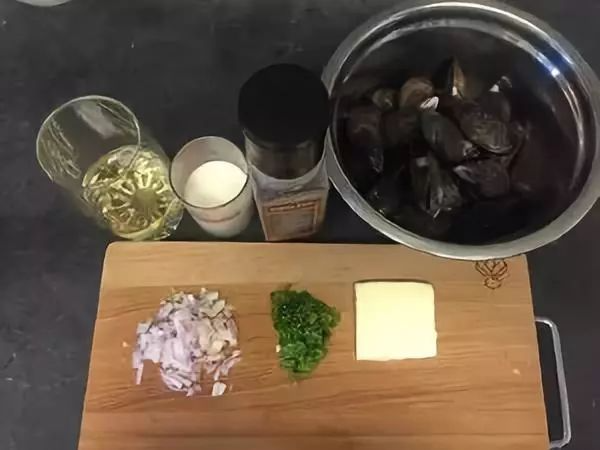
2. Melt the butter in a pan, add shallot, stir-fry for about 3 minutes, add white wine and heat until boiling
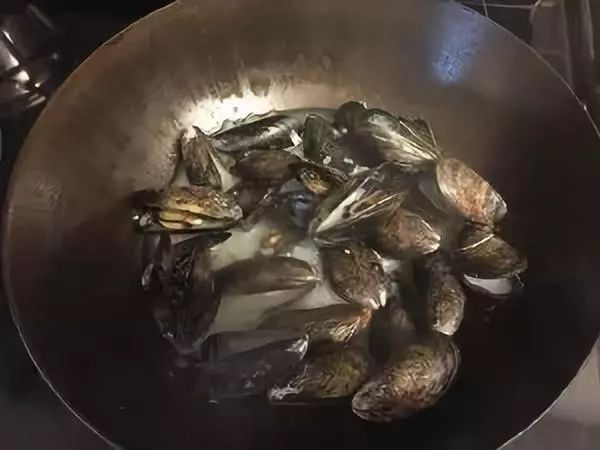
3. When the amount of wine in the pot is reduced by half, add the washed blue mussels, bring to a boil over high heat, cover the pot, and simmer for 5-7 minutes.
4. When the time is up, you can see that most of the shells of the blue mussels have opened. Use a colander to pick out the blue mussels and put them in a basin for later use.
5. Add light cream, parsley and black pepper to the remaining soup, bring to a boil, and cook for a few minutes (2-3 minutes after boiling)
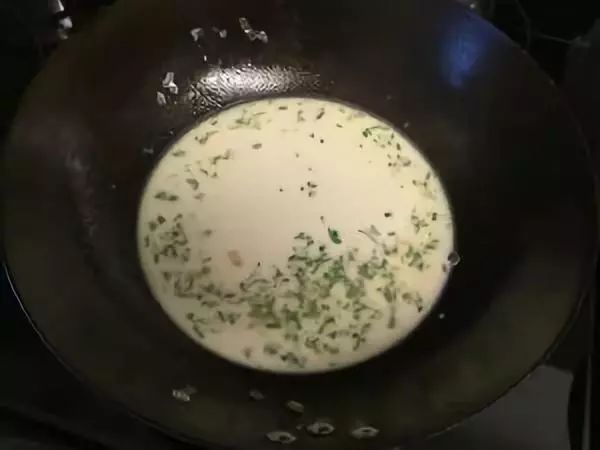
6. Pour the boiling soup into the blue clams and you are ready to eat
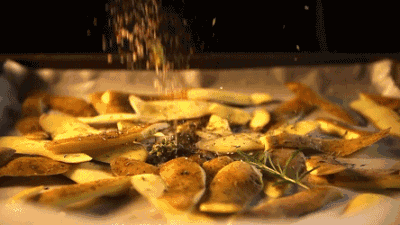
Perhaps the secret of delicious food is to care about every detail
Just like adding a simple vanilla
They not only produce pleasant smells
It can also be smelled by humans
Accurately, quickly, continuously and powerfully stimulate the "taste buds" nerve
Makes people salivate
This makes the vanilla the soul of the whole dish.