A Taste of America: A Comprehensive Overview of American Cuisine
#30-Day Diary Writing Challenge#

In the soft morning light, the aroma of freshly baked bread wafted from a charming little bakery on a vibrant street in San Francisco. Mrs. Zhang, an elderly Chinese woman visiting America for the first time, cautiously entered the shop. Her understanding of American cuisine, like many others in Asia, was largely shaped by McDonald's golden arches and KFC buckets of food—symbols of a land of hamburgers, fries, and milkshakes. However, the enticing aroma of the sourdough sandwich bread made her realize she was about to embark on a culinary adventure.
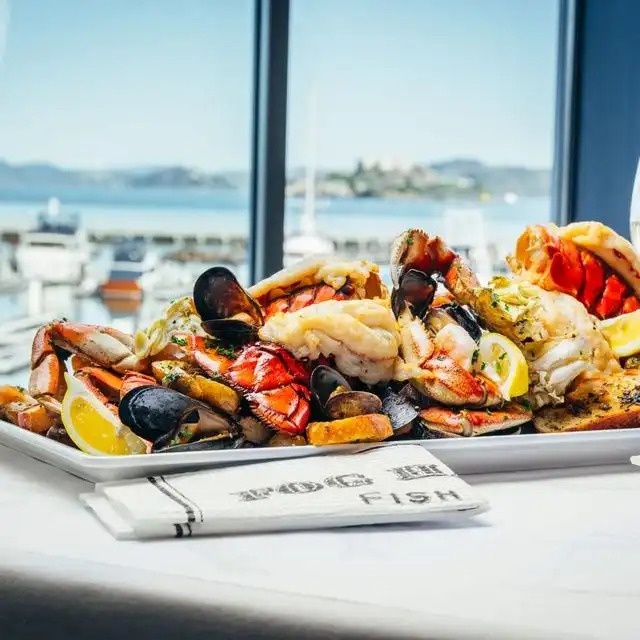
Authentic American cuisine is far removed from overly salty fries and carbonated soft drinks; it's a cultural melting pot, deeply rooted in a spirit of multiculturalism. The influences of Native Americans, early European settlers, African slaves, and successive waves of immigrants from around the world weave a culinary landscape that transcends the superficial image of fast food. As awareness of this culinary diversity grows, many Asian food enthusiasts are now eager to explore beyond stereotypes.
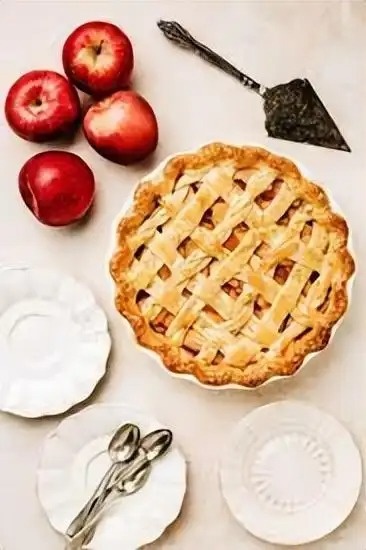
To understand this diversity, according to the American Pie Association, there are 1,500 different types of pies in the United States. Mrs. Zhang's journey began with a slice of apple pie at a bakery. When she took her first bite, the sweet and sour filling, with a hint of cinnamon spice, wrapped in a buttery, crisp crust, revealed the hidden layers of American desserts to her.
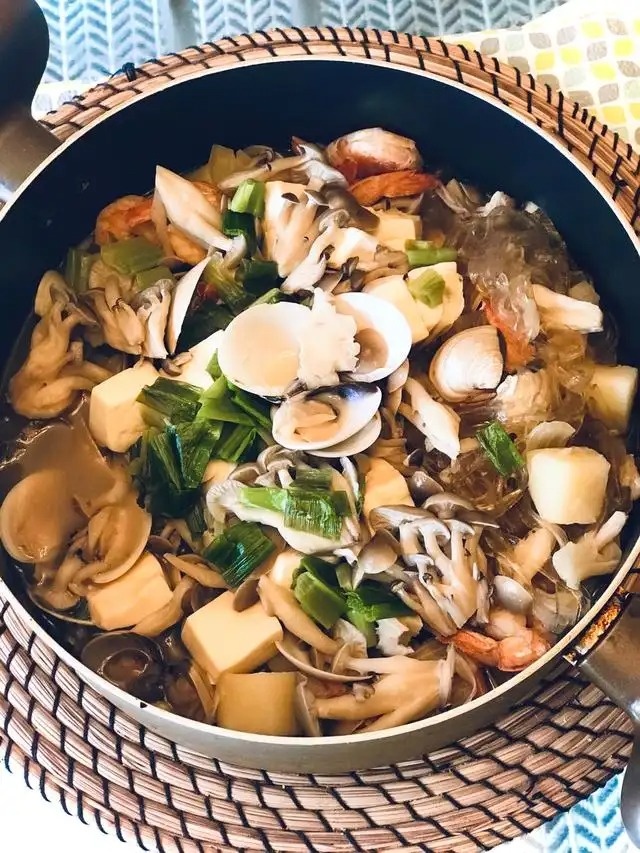
Her journey continued in the South, where soul food reigned supreme. Soul food, rooted in the culinary traditions of the African American community, included hearty stews (a hearty stew packed with meat and shellfish), spicy rice (a delicious mix of meat, vegetables, and rice), and infamous Southern fried chicken, giving Mrs. Zhang a deep understanding of the region's food culture.

Another culinary feast unfolds from the sleepless city of New York. With over 27,000 restaurants, the city offers endless opportunities for culinary exploration, according to the New York City Department of Health. From world-renowned New York-style pizzas and delicious corner pretzels to iconic bagels and smoked salmon, the city is a melting pot of flavors.
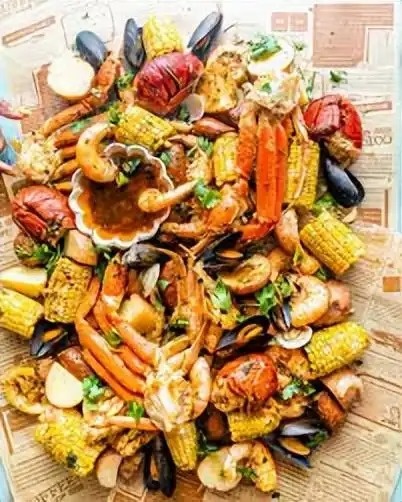
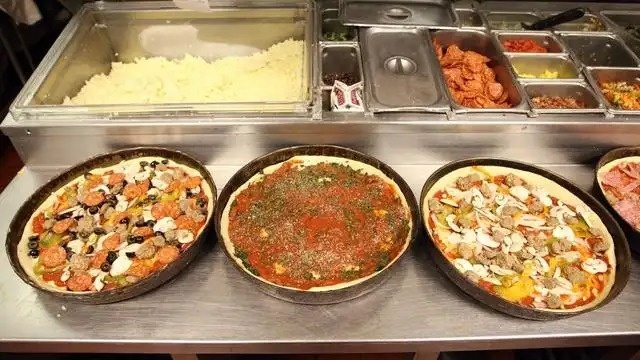
However, what truly surprised Mrs. Zhang were the quiet corners of American cuisine. In the Midwest, she sampled Chicago-style deep-dish pizzas, a far cry from the thin-crust pizzas she was familiar with. In the Pacific Northwest, she savored the region's abundant seafood, featuring raccoon crab and wild salmon.
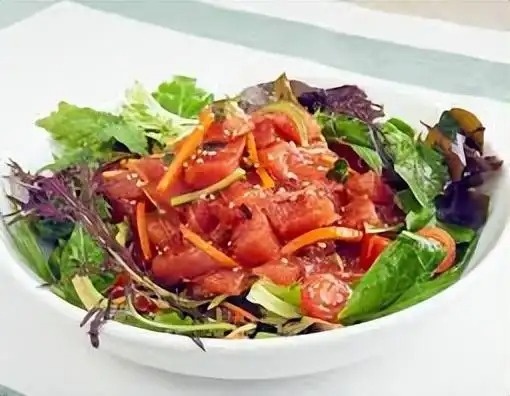
The American culinary landscape isn't limited to the mainland. In Hawaii, she sampled the island's unique fusion cuisine, a blend of Polynesian, Japanese, Portuguese, and American influences. Dishes like sashimi salad, rocomoco (a dish of white rice, hamburger patties, fried eggs, and brown gravy), and sweet Hawaiian pineapple offered her exotic flavors quite different from those found on the mainland.
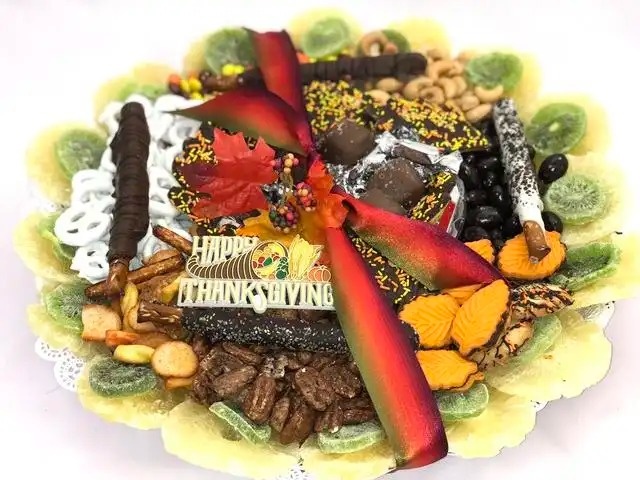
This culinary journey was more than just tasting delicious food; it was about understanding the diversity of American society, acknowledging its multicultural influences, and appreciating the historical evolution of its food culture. For Mrs. Zhang and many others, this exploration of American cuisine changed their perspectives, revealing a nation whose food culture is as diverse and rich as its people.
The richness of American cuisine lies in its ability to transport us through time, telling stories of migration, adaptation, and integration. If we dare to venture beyond the realm of fast food, we discover that every dish, every bite, tells a story—a story of survival, a story of celebration, a story of unity amidst diversity. This is the true flavor of America, a taste that lingers in the heart, encouraging us to explore, learn, and appreciate the culinary treasures it offers.
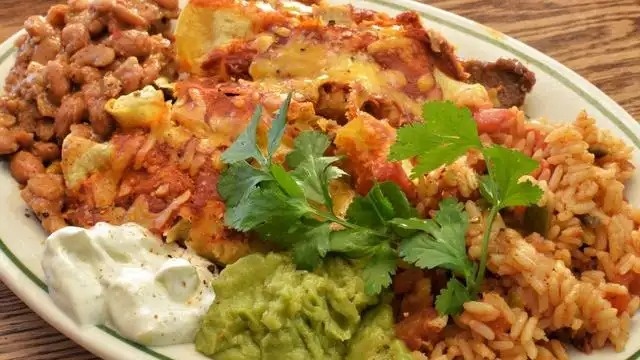
Away from the hurried service of fast food restaurants, this journey of slowly savoring American cuisine is a voyage of discovery. From San Francisco sourdough bread to Hawaiian sashimi bowls, from New England apple pie to Pacific Northwest seafood, American food is as rich and diverse as its land and its people. Essentially, it's a feast, each dish an invitation to better understand the country.
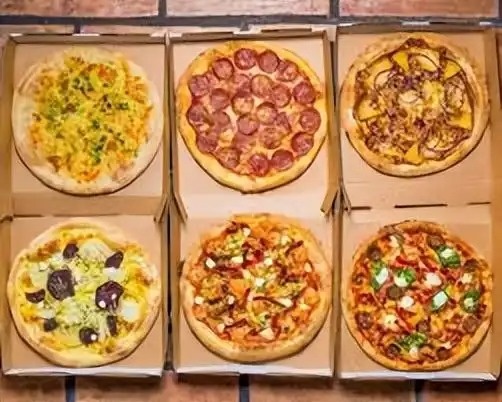
So let's learn from Mrs. Zhang's example. Let's challenge our preconceived notions and stereotypes. Let's explore the richness of American cuisine, because beyond the fast-food counter lies a culinary map. Shall we embark on this adventure for our taste buds?