A post showing all the common cheeses! Mom no longer has to worry about me getting lost in the supermarket cheese cabinet
I'm practically vomiting blood writing this... 11,000 words! 11,000 words! Except for a short paragraph of about 1,000 words that I pulled from an older article, I typed all of this word for word! Do you feel the immense power of this?

When I announced yesterday that I'd be releasing a cheese special today, I honestly didn't expect the workload to be this massive. I boasted so much, I had to finish it even with tears in my eyes... Luckily, I still managed to release it just before August 8th, keeping my promise...
There are many ways to categorize cheese. This article focuses on the process used, with seven main categories: acid-coagulated fresh cheese, rennet-coagulated fresh cheese, heat-acid precipitated cheese, soft-ripened cheese, semi-hard washed cheese, low-temperature hard cheese, and high-temperature hard cheese, covering 37 cheese types. Before writing this article, I conducted market research and included every cheese available in Qingdao. I also cover some other world-renowned cheeses. I estimate that this list covers all cheeses available in most parts of China. If there are any that I haven't included, please leave a message and I'll add them.
P.S. Yesterday, someone left me a message asking for a cheese recipe. That's really not realistic. With the exception of a few acid-cured fresh cheeses, other cheeses require a very long aging period. Many cheeses can only be produced in the specific climate of their origin, so making them yourself isn't feasible. It's best to just buy them.
>>>Acid- coagulated Fresh Cheese
Acid-cured fresh cheese refers to milk curdled with acid, with little or no rennet added (more on rennet later). This type of cheese is very soft and moist, shaped like tofu dregs, and is simple to make, with a very short shelf life. This is the majority (but not all) of what is commonly referred to as "fresh cheese."
Common acid-set fresh cheeses include cottage cheese, quark cheese, and cream cheese.
Cottage Cheese
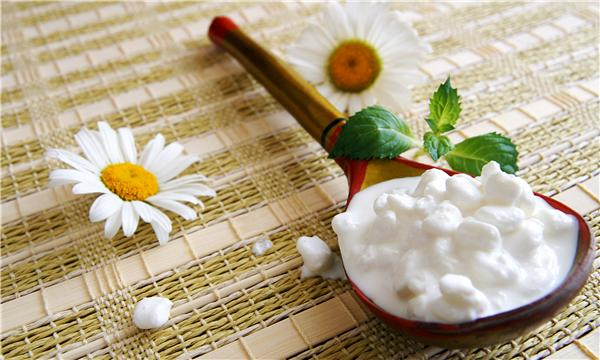 This is a mild cheese with a mild flavor, not particularly sour (due to filtering out most of the whey), but with a strong milky aroma and a slightly sweet aftertaste. It's white, lumpy, and very soft. It's called cottage cheese because it was originally created in a cottage on a farm. It's made from the milk left over from butter making—traditionally, buttermilk (not the kind used in baking; see yesterday's post for more details). This cheese is great eaten plain, mixed with fruit, as a side dish for barbecue, or in salads. Best of all, it's incredibly low in calories! Perfect for dieters.
Because it requires extremely high freshness, it's not available in supermarkets. It's one of the few cheeses you can make at home. Here's how: Pour 1 gallon (3.8 liters) of skim milk into a pot over medium heat until it reaches around 50°C. Remove from heat and slowly add 3/4 cup of white vinegar or lemon juice. Stir for a minute or two. You should see the cheese curdle and separate from the pale yellow whey. Cover and let it sit at room temperature for 30 minutes. During this time, place a strainer over a large bowl and line the strainer with cheesecloth. When the cheese is almost set, pour it into the cheesecloth, wrap it tightly around the bowl, and run it under running water until it cools completely. Then squeeze it dry. Try to squeeze it as dry as possible; even with all your efforts, the water content should still be around 70% to 80%. Pour it into a large bowl, add 1.5 teaspoons of salt, and mix well, breaking up any large clumps.
Milk source: cow's milk or goat's milk
Origin: United States
Varieties: soft cheese, artisan cheese, processed cheese
Common index: ★★☆
Good Buy Index: ☆☆☆
Farmer Cheese
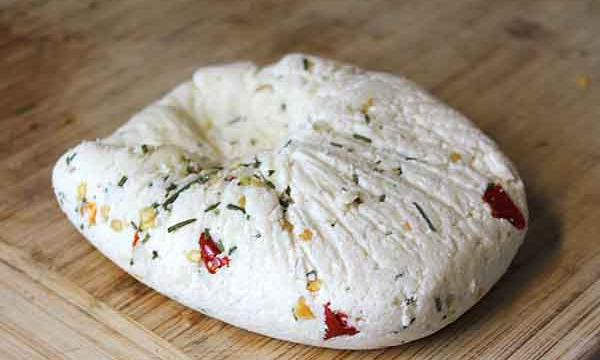 Cottage cheese is a drier version of cottage cheese. It's a bit more sour than cottage cheese and is often seasoned with herbs and sometimes wrapped with thin strips of bacon. This cheese is often used for fillings.
Milk source: cow's milk or goat's milk
Origin: United States
Varieties: Soft cheese, artisanal cheese
Common index: ★★☆
Good Buy Index: ★☆☆
Quark
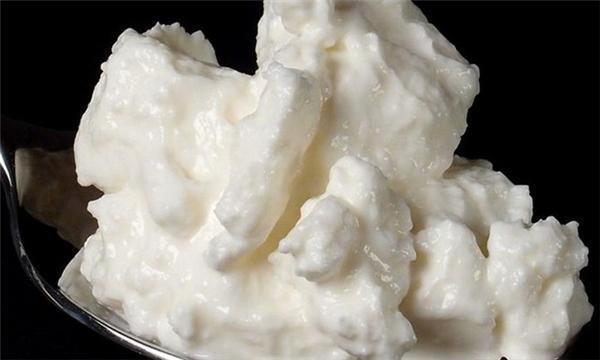 Quark is an unripened cheese with a snowy texture and a soft, smooth mouthfeel. Traditional quark is rennet-free, but supermarket quark may still have rennet added to extend its shelf life. It's a bit like a cross between yogurt and cottage cheese, with a strong, milky, and sweet flavor. Its texture is reminiscent of sour cream, but with much less butterfat. Commercial quark is typically flavored with spices, herbs, or fruit. This cheese is often used in cheesecakes, pastas, sauces, sandwiches, salads, and desserts, and pairs well with champagne and white wine. The information I read suggested a long list of suitable wines, but since I don't know much about wine and wasn't sure how many of these wines were available, I skipped them.
Milk source: pasteurized milk
Origin: Australia, Austria, Belarus, Czech Republic, Denmark, Germany, Netherlands, Hungary, Norway, Poland, Russia, Sweden, United States
Varieties: Fresh soft cheese, artisan cheese
Common index: ★★☆
Good Buy Index: ★☆☆
Cream cheese
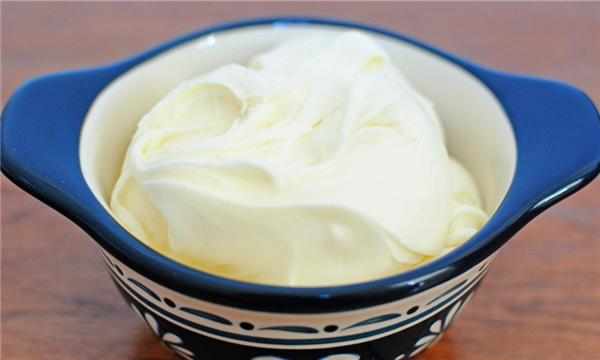 This is one of the most familiar and common cheeses. Its snowy white color and creamy texture make it perfect for spreading. Its flavor is mild, sweet, and rich in milk. Made from a mixture of cream and milk solidified by lactic acid, it packs a calorie punch compared to its counterparts. US regulations require cream cheese to have a butterfat content of at least 33%, while UK standards range from 45% to 65%. It's incredibly difficult to store, even in the refrigerator. Buy it and use it quickly. Fortunately, it's versatile, perfect for cheesecakes, cake toppings, and all sorts of desserts. It's also a great addition to savory dishes. For the lazy, it can be used as a spread on bagels or bread slices—you can eat it all. As for your figure after eating it, that's another story.
Milk source: milk
Origin: United States
Varieties: Fresh soft cheese, processed cheese
Common index: ★★★
Good Buy Index: ★★★
Mascarpone cheese
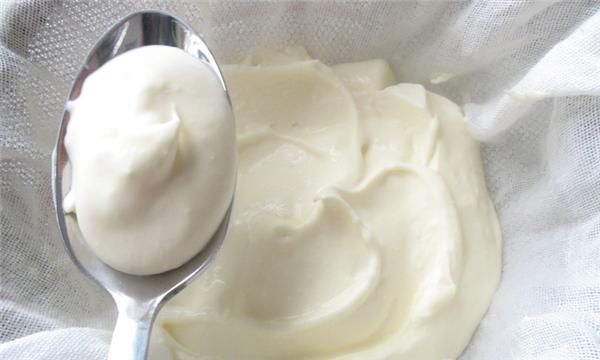 Mascarpone is a fresh cheese from Lombardy, Italy. Made from cream solidified with vinegar or lemon juice, it boasts an incredible butterfat content of 60% to 75%. It's essentially what Australians call thickened cream; the production process and taste are practically identical. For DIY recipes, check out this article →_→ A complete guide to common dairy products—everything you could ask is here (with DIY recipes included). Its rich, rich flavor is a delight to the senses. It's a favorite of pastry chefs, most famously in tiramisu. Don't stop me, let me eat my way to weight.
Milk source: pasteurized milk
Origin: Italy
Varieties: Fresh soft cheese, processed cheese
Common index: ★★★
Good Buy Index: ★★★
>>>Rennet-coagulated Fresh Cheese
Rennet, an extract from the stomachs of ruminants, is used to curdle the milk of most cheese varieties worldwide. Enzyme-cured fresh cheese refers to cheese made without the incubation of lactobacilli and under natural pH conditions, relying solely on rennet to coagulate the milk. As you can imagine, this type of cheese requires extremely stringent microbial control; even the slightest negligence can lead to diarrhea in minutes. Even those produced by reputable manufacturers have an incredibly short shelf life, making large-scale global supply difficult. This cheese-making method is commonly used in the Middle East, Latin America, and some European countries, making it virtually unavailable commercially. Therefore, I will simply introduce a few of the more famous varieties.
White Cheese
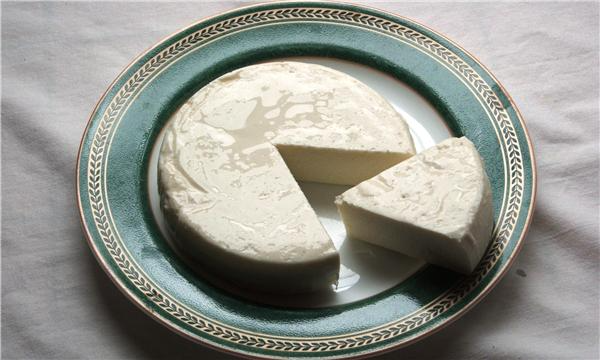 This is a soft, unripened Mexican cheese made from cow's milk or a mixture of cow's and goat's milk. Queso blanco means white cheese in Spanish. It has a mild flavor and a firm, yet crumbly texture. It plays a key role in Latin American cooking, often crumbled into salads, added to bean stews, and used in jams.
Milk source: pasteurized cow's or goat's milk
Origin: Mexico
Type: Fresh soft cheese
Common index: ★☆☆
Good Buy Index: ☆☆☆
Fresh Cheese (Adobera)
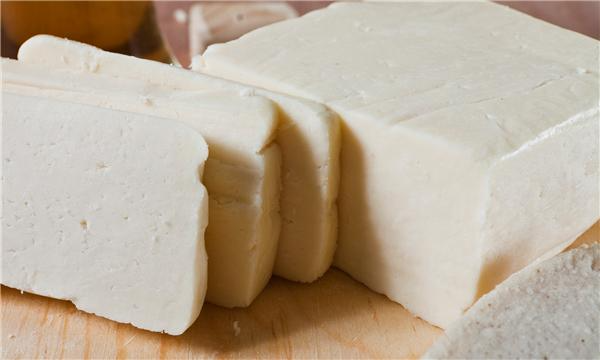 This unripened, fresh, soft cheese is a signature ingredient of Jalisco cuisine. It has a light, fragrant aroma, a slightly salty and spicy flavor, and a smooth, flexible texture. It's often used in cold dishes, crumbled into soups and salads, shredded in sandwiches and tacos, or melted in other classic Mexican dishes.
Milk source: pasteurized cow's or goat's milk
Origin: Mexico
Type: Fresh soft cheese
Common index: ★☆☆
Good Buy Index: ☆☆☆
Halloumi
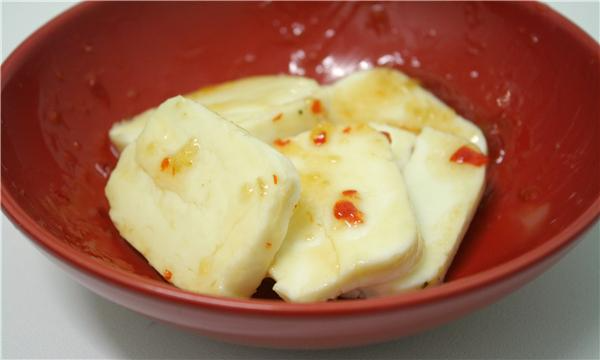 This is a type of cheese from Cyprus. Its texture is firm and slightly springy, similar to mozzarella or feta, but it has a stronger flavor due to being cured in a brine. Its high melting point makes it ideal for frying or grilling. The standard Cypriot way to eat it is with watermelon and a cold beer, which honestly was beyond my imagination. I had no idea what it tasted like.
Milk source: Pasteurized cow's milk, goat's milk, or sheep's milk
Origin: Middle East
Varieties: Semi-soft cheese, artisan cheese, cured cheese
Common index: ☆☆☆
Good Buy Index: ☆☆☆
>>>Heat-Acid Precipitated Cheese
The production process for this cheese is as follows: acid is added to hot milk at temperatures between 75 and 100 degrees Celsius. The high temperature denatures the whey proteins, causing them to coagulate with the casein proteins, which then gradually return to their original state as the cheese forms. The reconstituted whey proteins have a strong ability to retain moisture, resulting in a firm texture and high water content. The high temperature also inhibits the acidification process, resulting in a higher pH value than acid-cured fresh cheese.
The most famous representatives of this type of cheese include Italian mozzarella and Ricotta, Indian paneer and chhana, and some Latin American white cheeses.
Ricotta
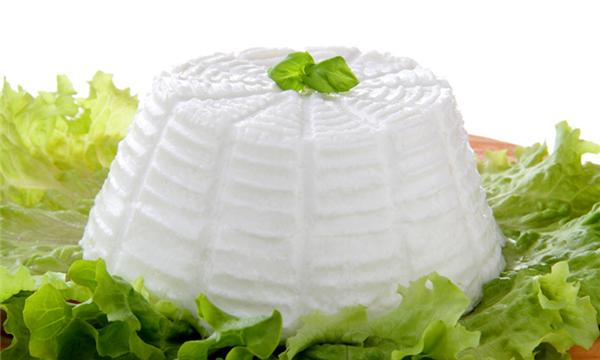 High in protein and low in fat, with a smooth texture and rich milky aroma, Le Cordon Bleu is a favorite among foodies on a diet. Of course, its milk fat content is about 10%, which is still a little higher than cottage cheese; but the taste is what counts. A good Le Cordon Bleu cheese has a firm texture but is not too hard. It has many moist and chewy small grains in the middle and smells fresh and fragrant. This cheese is suitable for making many Italian dishes and desserts such as lasagna, cheesecake, pizza, and cheese ravioli. It is also often used in dips and sauces. Readers who have been following my account for a long time will notice that it appears very often. If you want to pair it with wine, white wine is the best choice.
Milk source: cow's milk, buffalo's milk, goat's milk, sheep's milk
Origin: Italy
Varieties: Fresh firm cheese, whey cheese
Common index: ★★★
Good Buy Index: ★☆☆
Mozzarella cheese
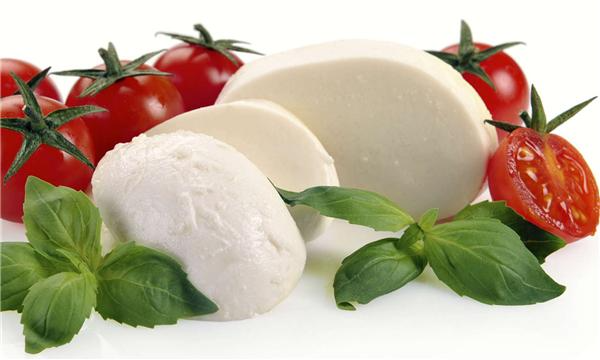 This is the cheese most familiar to foodies. I've read countless Chinese pizza recipes, and they almost always use this cheese. Perhaps the first person to translate a pizza recipe happened to use this type, and then it spread like wildfire, and everyone started using it on pizza. There are fresh mozzarella cheeses, but the ones you buy in supermarkets are usually semi-soft. I don't need to explain the texture.
Milk source: pasteurized milk
Origin: Italy
Varieties: Semi-soft cheese, cured cheese
Common index: ★★★
Good Buy Index: ★★★
Bocconcini cheese
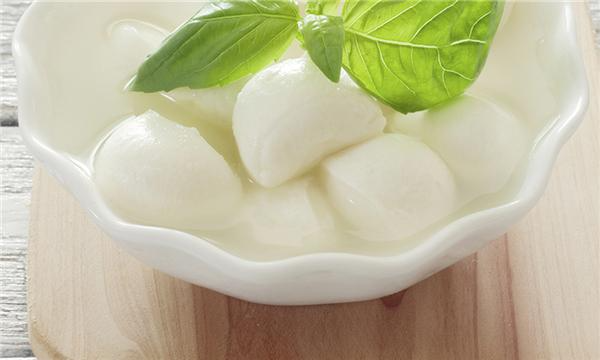 Bocconcini means "small bite" in Italian. A small bite of what? A small bite of mozzarella. Yes, it's essentially a ball of mozzarella cheese. Italians love it in salads, and it pairs perfectly with prosciutto and spinach. The perfect wine pairing is a white wine like Merlot or Sauvignon Blanc.
Milk source: pasteurized cow's milk or buffalo's milk
Origin: Italy
Varieties: Semi-soft cheese, cured cheese
Common index: ★★☆
Good Buy Index: ☆☆☆
Paneer
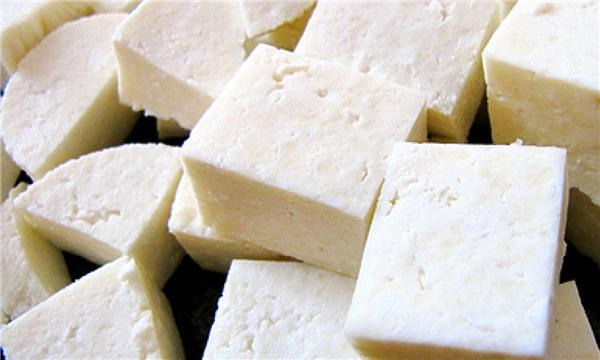 This is a very ancient cheese. Archaeological research reportedly shows that people in the South Asian subcontinent were making it as early as 6000 BC. That's what the sources say, but I haven't looked into the specific archaeological research. This cheese has a firm, chewy texture, a moist texture, and a strong milky flavor. It's very common in Indian cuisine, but since it's not readily available, it's not often used, so I won't go into detail here.
Milk source: pasteurized cow's milk or buffalo's milk
Origin: India, Bangladesh
Type: Fresh firm cheese
Common index: ☆☆☆
Good Buy Index: ☆☆☆
>>>Soft-Ripened Cheese
Finally, it's hitting the supermarket hotspot. With the addition of large amounts of lactobacilli and a long maturation period before adding rennet, it's no surprise that acidification plays a significant role in the firming and coagulation of soft-ripened cheeses. Because they're molded throughout their maturation period, these cheeses often have a soft rind. To ensure the center is fully ripe, these cheeses must be cut only when fully ripe.
In this category, feta, brie, blue, Camembert and other cheeses are all very familiar to everyone. They are sold in any larger supermarket, and there are many brands, both domestic and imported.
Feta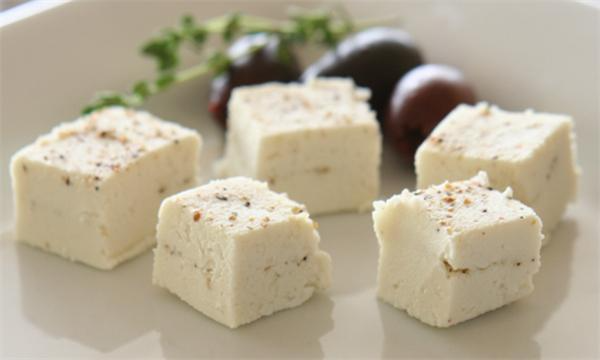 is Greece's most iconic cheese, accounting for 70% of sales in the Greek market. This dominating style is a stark contrast to neighboring Italy and France, where hundreds of cheese varieties compete with each other. Feta also enjoys EU protected designation of origin. Only cheeses produced in Macedonia, Thrace, Thessaly, Central Greece, the Peloponnese, and Lesbos can be called "feta." Those produced in the eastern Mediterranean, the Black Sea, and other regions outside of Europe are called white cheeses. Feta is made from a blend of 30% goat's milk and 70% sheep's milk, and the sheep must be raised on designated pastures in these areas.
Feta is generally a cured cheese with a salty, tangy, sour flavor and a nutty aroma. Its texture varies depending on the age of the cheese, ranging from smooth to dry and crumbly. Feta from Macedonia and Thrace has a milder flavor, a softer, smoother texture, less salty, and fewer holes. Feta from Thessaly and Central Greece is firmer and has a stronger flavor. Feta from the Peloponnese is slightly drier but has a richer flavor. This cheese is commonly used in Greek salads, pizzas, and pies. It pairs particularly well with olive oil, which is why many fetas sold in stores are often dipped in it. It also pairs well with red peppers and nuts. Suitable wine pairings include beer, white wine, Pinot Noir, and Zinfandel.
Milk source: Pasteurized goat and sheep milk
Origin: Greece
Varieties: Soft cheese, cured cheese
Common index: ★★★
Good Buy Index: ★★☆
Brie
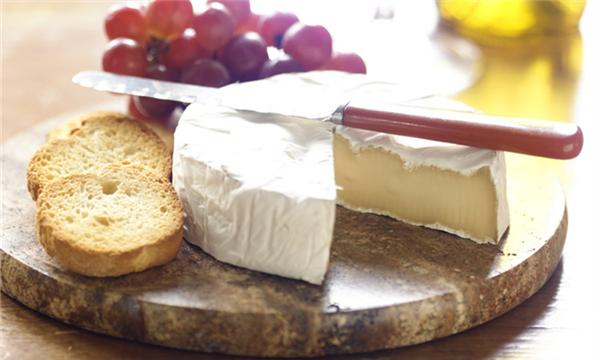 Brie is the most famous cheese in France and has the uninspired nickname of "The Queen of Cheese." I'm rolling my eyes. If you could gather all the kings and queens of the culinary world, you'd have enough to start a playing card factory. The name Brie comes from a historical region in France, roughly equivalent to the present-day Seine-et-Marne department. Brie cheese was invented here. Hundreds of years ago, it was a tribute from the locals to the King of France. It's said that the local French Brie cheese is very different from the Brie cheese you'll find in American supermarkets. Real French Brie has a light brown surface, while a pure white surface indicates it hasn't matured to perfection. Thinking of the white cheese I usually buy in supermarkets, I couldn't help but shed a few tears.
Brie is made from whole or semi-skimmed milk, heated to 37°C with rennet added, then molded for about 18 hours, salted, and aged for at least four weeks. This cheese is light gray, very soft, and has a soft rind. It has a mild flavor with fruity, sour, and nutty notes. It's one of the best cheeses to serve as a side dish. Milk source: Pasteurized cow's milk.
Origin: France
Varieties: Soft cheese, artisanal cheese
Common index: ★☆☆
Good Buy Index: ★★★
FITAKI White Cheese
 Fitaki is a Mediterranean cheese that's sold in a marinade. It has a salty, pungent flavor and is perfect for hot or cold dishes. Think of it like pickled Brie.
Milk source: pasteurized milk
Origin: Germany
Varieties: Fresh soft cheese, cured cheese
Common index: ☆☆☆
Good Buy Index: ★★☆
Camembert
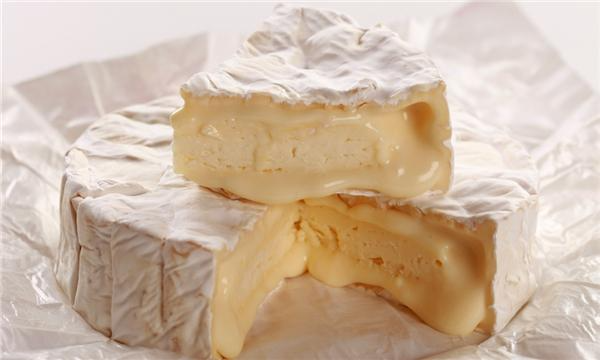 This cheese is a relatively recent creation, invented by Marie Harel in Normandy, France in 1791. The earliest versions were made with raw milk, but are now generally made with pasteurized milk. The few producers who still maintain Marie's early methods call their cheese Camembert Normandie, or Camembert Normandie. Fresh Camembert is white, firm, and crumbly; after a short maturation period, it begins to develop a sweet, milky aroma; once fully matured, it becomes smooth, semi-solid, and has a soft rind. This cheese is traditionally paired with Normandy cider, but it also goes well with light red wine.
Milk source: Unpasteurized milk
Origin: France
Varieties: Soft cheese, artisanal cheese
Common index: ★☆☆
Good Buy Index: ★★★
Manchego cheese
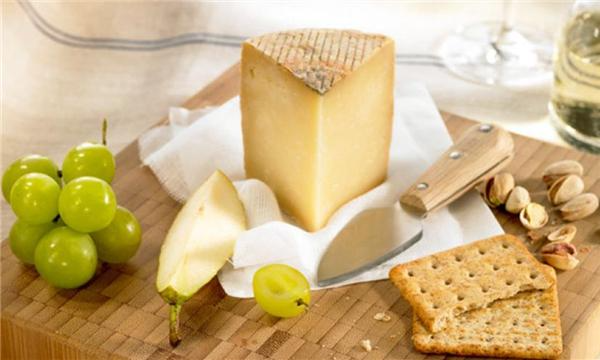 Manchego cheese is one of Spain's most popular cheeses, made from unpasteurized sheep's milk. Traditionally, it's molded in a woven straw basket, which gives it a distinctive grassy aroma. It has an inedible, waxy rind imprinted with the texture of the basket. The flavor and texture of Manchego cheese vary greatly with aging. Around three months old, the cheese is moist, with aromas of fruit and grass, and a tart flavor. Around six months, it begins to develop caramel and nutty notes. After a year or more, the cheese develops a subtle sweetness and a rich, aromatic flavor. It pairs best with sweet sherry. This cheese won the World Cheese Award in 2014.
Milk source: Unpasteurized sheep milk
Origin: Spain
Type: Semi-soft cheese
Common index: ★☆☆
Good Buy Index: ☆☆☆
Blue Vein Cheese
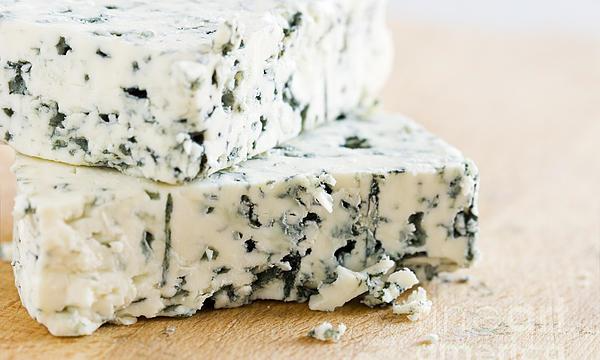 Blue cheese is actually a broad category of cheese, so-called because of the blue, gray, or black veins on its surface. These veins are caused by a special mold that softens the cheese and imparts a unique flavor. Honestly, if you're not a fan of strong cheese, don't try it; it's basically the Western equivalent of stinky tofu. There's a story behind this unusual ingredient. Legend has it that a drunk cheesemaker accidentally dropped a piece of bread he'd bitten into a cheese vat. By the time he realized it, the bread had already transformed the cheese into a blue-veined state. This cheese pairs best with crackers, pears, raisins, fruit bread, and walnuts. It also makes a unique topping when crushed and melted in sour cream, yogurt, or mayonnaise.
Milk sources: cow's milk, goat's milk, and sheep's milk
Origin: Produced all over the world
Varieties: Semi-soft cheese, blue cheese
Common index: ★★☆
Good Buy Index: ★★☆
Gorgonzola cheese
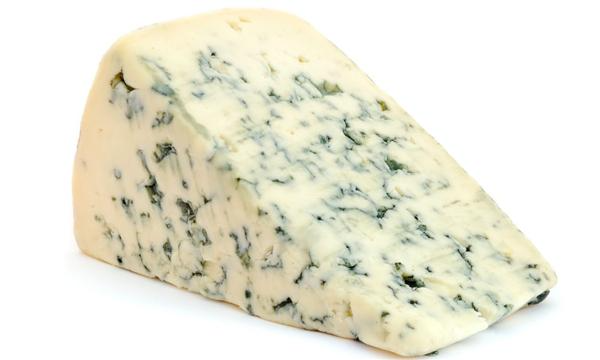 Gorgonzola is one of the world's oldest varieties of blue cheese, primarily produced in Piedmont, Lombardy, and Gorgonzola, northern Italy. Generally, this cheese takes three to four months to fully mature. It has a soft, crumbly texture and a nutty aroma, which intensifies with age. It's often paired with Bordeaux blends, Zinfandel, and Sauternes wines.
Milk source: pasteurized milk
Origin: Italy
Varieties: Soft cheese, blue cheese
Common index: ★★☆
Good Buy Index: ★★☆
Danish blue cheese (Danablu)
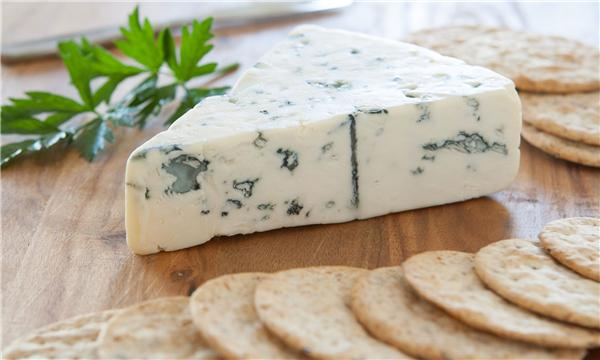 Danish Blue is a semi-soft blue cheese with a smooth, crumbly texture. It's typically aged for 8 to 12 months and has a pale yellow, edible rind. Its flavor is similar to other blue cheeses, with a strong flavor. It pairs well with Cabernet Sauvignon.
Milk source: milk
Origin: Denmark
Varieties: Soft cheese, blue cheese
Common index: ★☆☆
Good Buy Index: ★☆☆
>>>Semi-hard Washed Cheese
This is the most common type of cheese, and also one with the greatest variation in production techniques. "Washed" refers to the cheese being washed multiple times during the aging process to keep the rind moist and the interior soft. Translating it to "washed" isn't quite accurate, as it's typically washed with brine or wine.
Gouda
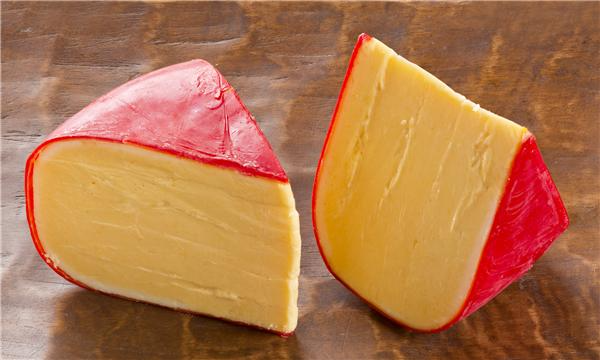 Gouda is named after the Dutch city of Gouda, but in Dutch, it actually means "good." It's one of the most popular cheese varieties in the world, reportedly accounting for 50% to 60% of the global market share. However, because it lacks protected designation of origin, countless varieties exist worldwide. Speaking only of Dutch Gouda, it's made from milk raised naturally in the Dutch lowlands. This semi-hard cheese has a rich flavor and smooth texture, with a waxy rind. This rind changes color as the cheese ages, from yellow to orange to red. The main varieties of Gouda are distinguished by their aging time, becoming increasingly firm. The most mature variety, Overjarig, is golden yellow with a salty toffee flavor. The Dutch often use it in soups and sauces. However, worldwide, it's most commonly enjoyed as a side dish. I remember Marshall in "Looking for Mom" was a huge fan of this cheese. Whenever he had a dinner, Lily would prepare a large table of dishes, while he would only cut a plate of Gouda. Younger Gouda cheeses pair well with beer, while mid-range varieties are best with Chenin Blanc or Riesling, and the maturest are best with Merlot and Syrah.
Milk sources: cow's milk, sheep's milk, and goat's milk
Origin: Netherlands
Varieties: semi-hard cheese, artisan cheese, cured cheese, processed cheese
Common index: ★★☆
Good Buy Index: ★★☆
Blarney Castle
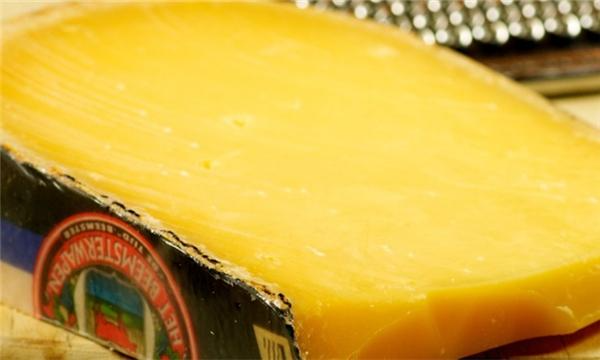 This cheese has a 600-year history, made from 100% free-range cows' milk, unseasoned, giving it a naturally golden color. Its smooth texture and mild, slightly acidic flavor, similar to young Gouda, makes it a perfect pairing with Sauvignon Blanc, Riesling, and Gewürztraminer. It's also often used in sandwiches.
Milk source: pasteurized milk
Origin: Ireland
Type: Semi-soft cheese
Common index: ★☆☆
Good Buy Index: ★☆☆
Emmental
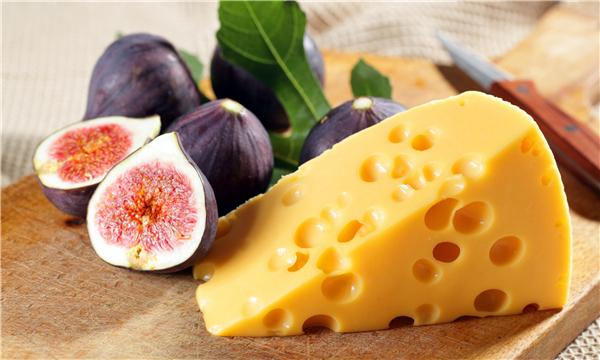 This cheese looks most like the cheese we remember from our childhood—the golden, triangular cheese with large holes in it, the kind Jerry loved. Its aroma is sweet, fruity, and slightly nutty. It's one of the most complex cheeses in the world, as achieving the perfect holes is a challenge. Therefore, it's quite expensive.
Milk source: Unpasteurized milk
Origin: Switzerland
Type: Hard cheese
Common index: ★☆☆
Good Buy Index: ★☆☆
Maasdam cheese
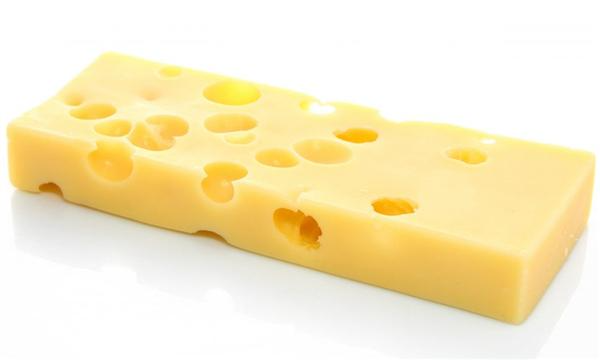 Maasdam is a semi-hard cheese that came onto the scene relatively recently, invented in the 1990s as a cheaper alternative to Emmental. It has a very high fat content, up to 45%, and a slightly higher water content than Emmental. It matures over 4 to 12 weeks, which is faster than typical Dutch cheeses. It has a waxy, yellow rind and a smooth center with a sweet, nutty flavor and a fruity aftertaste. Unripe, it's perfect for sandwiches or as a snack, but it's also a great topping for fondue, soups, or baked pasta.
Milk source: pasteurized milk
Origin: Netherlands
Type: Semi-hard cheese
Common index: ★☆☆
Good Buy Index: ★☆☆
Dutch Mimolette (Commission Cheese)
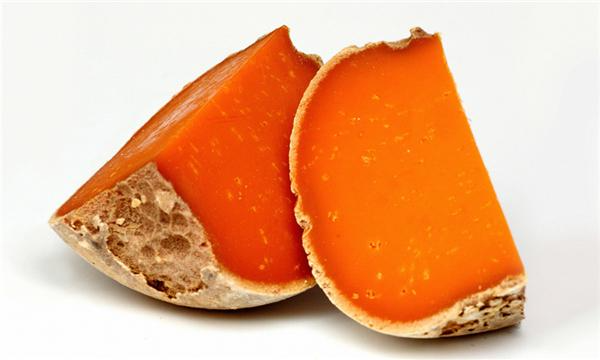 This cheese is orange inside and looks like a hardened sweet potato; the rind is rough and not very attractive. After 5 months of maturation, it becomes firm and slightly oily, with a fruity and nutty aroma. It takes 6 to 12 months to fully mature, after which it becomes very hard and has a slight orange peel flavor.
Milk source: pasteurized milk
Origin: Netherlands
Varieties: Hard cheese, artisanal cheese
Common index: ☆☆☆
Good Buy Index: ☆☆☆
Monterey Jack
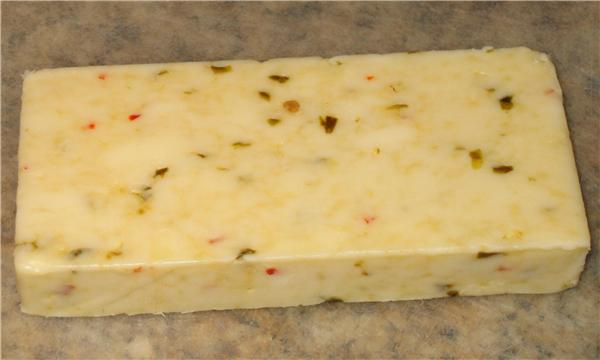 This iconic American cheese originated in Monterey, California, in the 18th century. After tasting this mild, creamy cheese, American businessman David Jack recognized a potential market opportunity, named it after himself (hey, that's not a good idea), and quickly brought it to market. Today, it's one of the most popular cheeses in Mexican and Spanish cuisines, and it's quickly become a popular cheese family. For wine pairing, both Riesling and Pinot Noir are suitable.
Milk source: pasteurized milk
Origin: United States, Mexico
Type: Semi-hard cheese
Common index: ★★☆
Good Buy Index: ★★☆
Colby-Jack
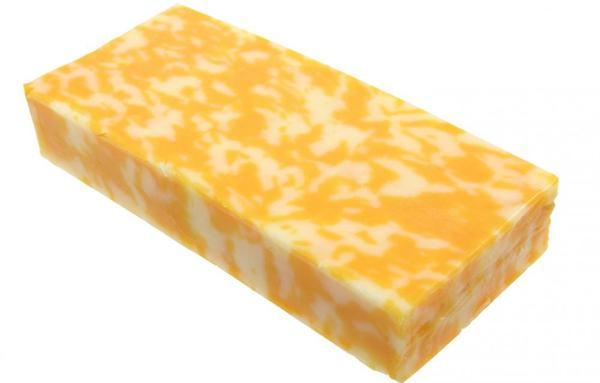 This is the love child of two classic cheeses: Colby and Monterey Jack. It's semi-soft and has a striking orange tinge. With its smooth texture and sweet-tart flavor, it's often enjoyed as a snack or quick snack. It's delicious on deli meats, sandwiches, soups, sauces, burgers, rye bread, omelettes, steamed vegetables, and baked potatoes. It's also a popular topping for baked pasta and nachos. It's incredibly popular in Mexico.
Milk source: pasteurized milk
Origin: United States
Type: Semi-soft cheese
Common index: ★☆☆
Good Buy Index: ★★☆
Pepper Jack
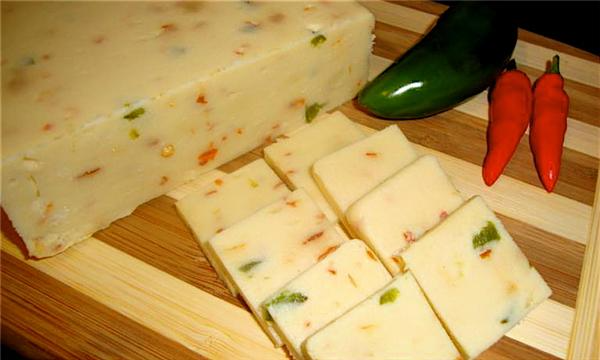 This is essentially Monterey Jack cheese seasoned with bell peppers, jalapenos, rosemary, and garlic. It's great as a snack or on a burger. Surprisingly, it's also delicious with cantaloupe.
Milk source: pasteurized milk
Origin: United States
Type: Semi-soft cheese
Common index: ★☆☆
Good Buy Index: ★★☆
Fontina cheese
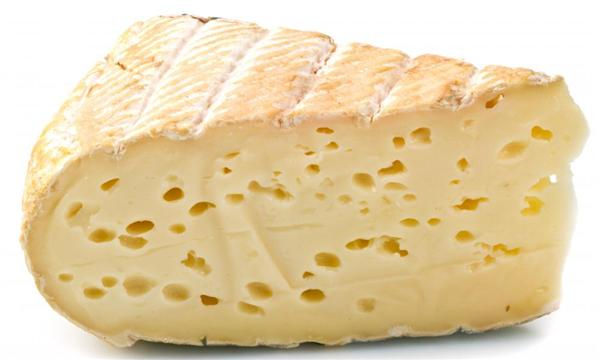 Fontina is a Swiss-style hard cheese produced in the United States. It has a smooth texture and a signature sour, yeasty flavor. It's most commonly used as a topping for pizza, flatbread, or in lasagna. It pairs well with Chardonnay, Riesling, or barley beer.
Milk source: pasteurized milk
Origin: United States
Type: Semi-soft cheese
Common index: ★★☆
Good Buy Index: ★☆☆
Gruyère cheese
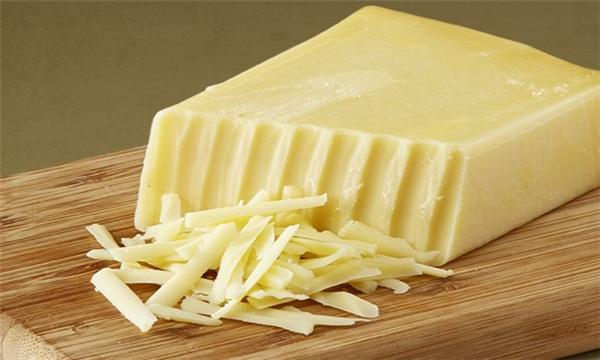 This semi-hard cheese has a rich, aromatic, and spicy flavor. It's delicious as a snack, added to baked pasta dishes or sandwiches, and it's also great as a base for pasta sauces or fondue. It pairs well with fruit flavors, especially pears, apples, and blueberries.
Milk source: pasteurized milk
Origin: Canada
Varieties: Semi-firm cheese, artisanal cheese
Common index: ★★☆
Good Buy Index: ★☆☆
>>>Hard Cheese: Low temperature
Hard cheeses are cheeses with very low water content. To avoid washing, these cheeses have a significant amount of lactose removed. Dehydration can be achieved through either high- or low-temperature methods. Low-temperature hard cheeses are fermented and pressed. Cheddar, a giant in the cheese world, falls into this category.
Cheddar
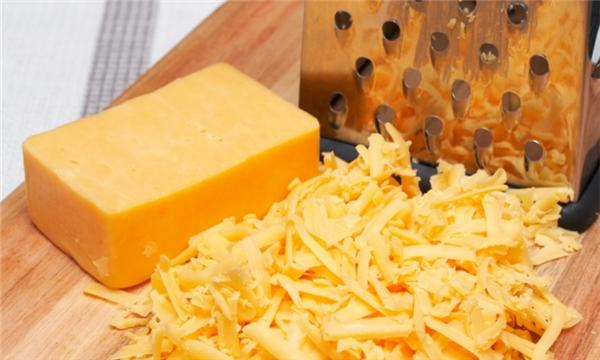 Another cheese powerhouse. Cheddar is the quintessential British cheese, now produced worldwide. Almost any dairy company produces it, and there are several domestic brands. Cheddar is a hard cheese that matures for 9 to 24 months, resulting in a pungent flavor. Its color ranges from white to orange. Its texture is incredibly fine, melts in your mouth, and it has a hazelnut aroma. Of course, I'm referring to authentic, high-quality cheddar produced in the UK. With so many global manufacturers, it's inevitable that there will be some variation.
Milk source: pasteurized milk
Origin: UK
Varieties: Hard cheese, artisanal cheese, processed cheese
Common index: ★★★
Good Buy Index: ★★★
Dubliner
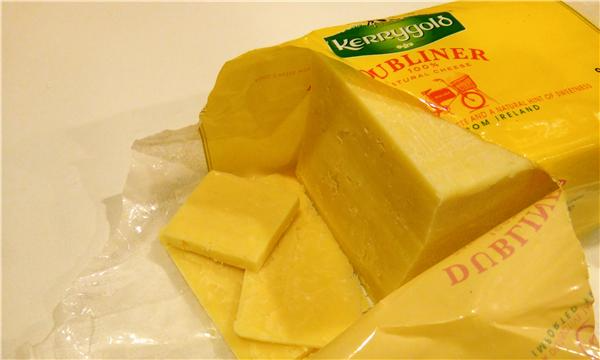 This Irish cheese, a World Cheese Award winner, is called Dubliner, but it's actually produced in County Cork. It comes in a variety of flavors. The original Dubliner has a sweet, nutty aroma. After aging for 12 months, it develops a rich flavor comparable to cheddar, while the rich, nutty flavor is similar to Parmesan. This cheese pairs well with full-bodied wines like Chardonnay and Cabernet Sauvignon. For cooking, it's perfect in sandwiches, on pasta, or paired with apples and pears.
Milk source: pasteurized milk
Origin: Ireland
Type: Hard cheese
Common index: ★☆☆
Good Buy Index: ★☆☆
Red Leicester
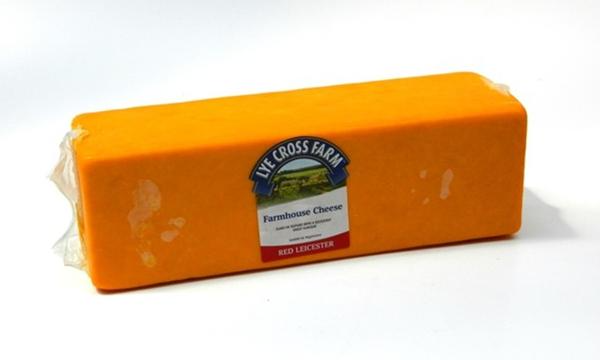 This cheese originated in 18th-century England when farmers in Leicestershire decided to find a way to distinguish their local cheese from the more opulent, less expensive alternatives. They felt the color of the cheese should reflect its rich, silky texture, and after much deliberation, they decided to color it (hey!). They used annatto seeds to dye the cheese an orange-red (what else can I say?). Red Leicester is a hard cheese with a texture similar to cheddar, but slightly moister and milder in flavor. It matures faster than cheddar and can be sold in two months, but it takes six to nine months to reach its peak flavor. It has a slightly sweet flavor with caramel notes that intensify with aging. It pairs best with full-bodied white wines.
Milk source: pasteurized milk
Origin: UK
Varieties: Hard cheese, artisanal cheese
Common index: ★☆☆
Good Buy Index: ★☆☆
>>>Hard Cheese: High Temperature
This has been basically explained above. It is a hard cheese made by high-temperature dehydration.
Parmesan
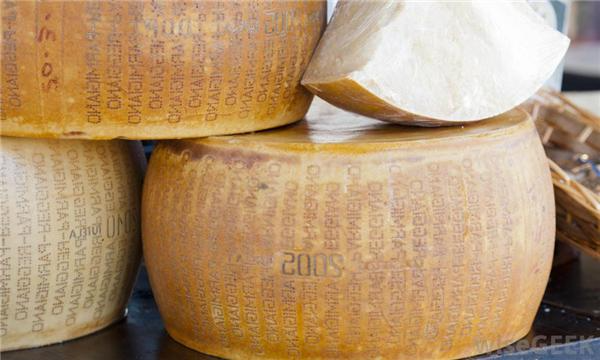 Parmesan, also known as Parmesan cheese, is considered a premium cheese in Italy and around the world. Well, that's not quite accurate. In fact, there's a simple way to piss off an Italian chef: ask them if they're using Parmesan cheese. They'll undoubtedly lash out, "No, I'm not using Parmesan cheese. It's called 'Pa Ma Jian Nuo-Rui Ji An Nuo!'" Then, they'll give you a look of frustration, as if they're about to say something.
Here's the story. "Parmigiano-Reggiano," or Parmigiano-Reggiano, are the names of two provinces in northern Italy, the birthplace of authentic Parmesan cheese. Parmesan cheese has been produced in these two provinces since the 14th century. At that time, the region was situated on both sides of a river, with the left river called Parma, so people used to call this cheese "Parmigiano"—made in Parma. In the 19th century, the Parma region was conquered by France, and Parmesan cheese made its way to France. It was from France that this delicious cheese, with its intense, fruity flavor, became popular throughout Europe, earning the French name "Parmesan." As the saying goes, "fame breeds controversy," and many cheeses made with similar methods have also been called Parmesan... Do you understand the anger of Italian chefs now?
This situation of many different people wearing the same vest did not change until 1955. To closely monitor and preserve the production of this premium cheese, the Italian government designated it a Designation of Origin (DOP). Since Parmigiano-Reggiano was also a major producing area, the name was merged and renamed Parmigiano-Reggiano.
DOP standards are extremely stringent, and origin is only a small part of the equation. Authentic Parmigiano-Reggiano uses strictly specified milk, salt, yeast, and lactolectin. Preservatives, artificial colors, and additives are also strictly prohibited. Even the breed of cattle that produces the milk and the feed they eat are monitored. The best cattle are the Vacca Reggiana, an ancient breed that has existed since the Middle Ages. They are fed only natural, additive-free feed. Yeast must be left overnight from whey, and lactolectin can only be extracted from the stomachs of unweaned calves. After milk extraction, fermentation, coagulation, shaping, setting, and dehydration, a large cheese is produced after approximately 25 to 30 days. Then, the legal maturation period of at least one year begins.
According to the manufacturer's calculations, making a single 40-kilogram Parmigiano-Reggiano "flatbread" requires over 600 liters of fresh milk and approximately 20 cows. Many small and medium-sized cheese factories, each with a head of around 200 cows, only produce 10 flatbreads a day. Such a flatbread can retail for over 15,000 RMB. By now, everyone understands... That's right, if you just want to make it for fun at home, you really need "Parmesan cheese," not "Pa Ma Jian Nuo - Rui Ji An Nuo," unless your name is Wang Sicong.
Parmigiano-Reggiano can even be considered as "hard currency" in Italy. Many manufacturers use the matured "cakes" to mortgage loans from banks to cover the long maturation and storage costs, which are measured in years. This has also created a major feature of the Italian banking industry: every bank has a large amount of Parmigiano-Reggiano reserves!
After a year of aging, the union sends personnel to the cheese factory to inspect the cheese's quality. They tap each side of the cheese with a designated small hammer, detecting any "leakages" by the sound. If the cheese has gone bad or isn't made properly, a hollow sound will be heard from within. Products that pass this inspection are branded with the oval Parmigiano-Reggiano Consorzio Tutela logo. Additionally, two "badges" are available: "Export" and "Extra." These badges are awarded to cheeses that have been aged for 12 or 18 months and have been deemed exceptionally high quality by the union.
Even if a wine has received a medal, manufacturers generally won't rush it to market. Instead, they age it for at least another six months to allow the flavor to develop. Wines aged for one to one and a half years are called Fresco, those aged for one and a half to two years are called Vecchio, and those aged for two to three years are called Stravecchio. The longer it's aged, the richer the flavor, the drier the texture, and the more gritty it tastes.
Milk source: pasteurized milk
Origin: Italy
Varieties: Hard cheese, artisanal cheese
Common index: ★★★
Good Buy Index: ★★★
Grana Padano
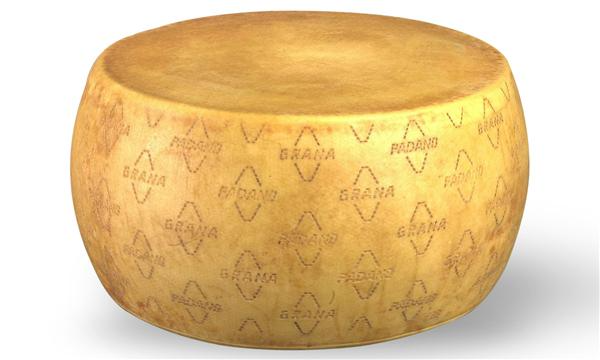 Grana Padano is a close competitor to the king of cheeses, Parma, and a close competitor to Parma. Created by Cistercian monks in the 13th century, it's made from unpasteurized semi-skimmed milk and matured for two years. The matured cheese has a firm, rich texture, with a thick rind and a dry, crisp, and fragrant interior. It's less expensive than Parma, but due to its wider production, its flavor is relatively mild. Zinfandel and Barolo are both suitable wine pairings.
Milk source: Unpasteurized milk
Origin: Italy
Varieties: Hard cheese, artisanal cheese
Common index: ★☆☆
Good Buy Index: ★☆☆
Pecorino Romano
 Pecorino, in Italian, means 100% sheep's milk. But things change when they enter the US market. The cheese sold in the US is all made from cow's milk (just be happy with that). Of the four varieties of Pecorino with EU Protected Designation of Origin, Pecorino Romano is the oldest and most famous outside of Italy. Only varieties produced in Sardinia, Lazio, and Grosseto can be called Pecorino Romano. The name Romano suggests that this cheese has been on Italian tables since ancient Roman times. Ancient Roman writers like Hippocrates frequently mention this cheese and its production method, and the same production method continues to this day. Italians are particularly particular about their food. This cheese has a smoky, nutty aroma and a slightly spicy flavor, making it a great pairing with pasta, bread, and baked pasta. However, its one drawback is that it's incredibly salty. For a good wine pairing, Italian red wine or light beer are fine.
Milk source: pasteurized cow's or sheep's milk
Origin: Italy
Type: Hard cheese
Common index: ★★☆
Good Buy Index: ★★☆
Ricotta Salata
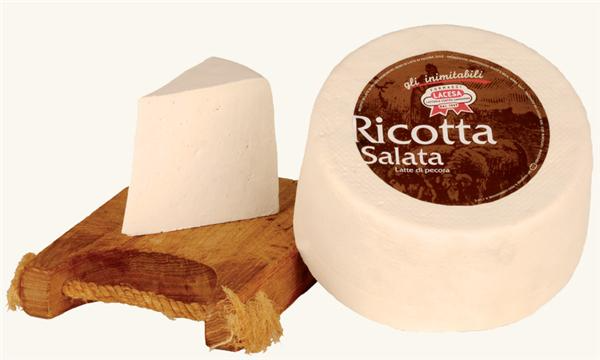 This is a variation of Ricotta that's been completely transformed. Made from sheep's milk whey, it's compressed, salted, and aged to give it a firm, salty texture. It's great sliced or crumbled for salads.
Milk source: Sheep milk
Origin: Italy
Varieties: Hard cheese, whey cheese
Common index: ★★☆
Good Buy Index: ☆☆☆
Want to learn more about European and American food magazines? Please go to the WeChat public account MarthaStewartLiving
This article was published by the author of Toutiao and does not represent the position of Toutiao.