A new emerging industry in agriculture—containment horticulture—covers 4.1 million hectares, generating an output value of 980 billion yuan and providing employment for over 40 million people.
I. Overview of the Development of the Facility Horticulture Industry
Protected horticulture refers to the production method of cultivating horticultural crops such as vegetables, fruit trees, and flowers in seasons or regions unsuitable for open-field cultivation, using protective facilities such as greenhouses and plastic tunnels. The term "protected horticulture" originated from the Japanese term "施设園園" (Shisetsu Horticulture), while in Europe and America it is called greenhouse cultivation. Originally, protected horticulture specifically referred to large-scale protected cultivation methods using greenhouses, plastic tunnels, and later, plant factories with higher levels of engineering integration and intelligent control. In my country, production methods with fixed protective facilities are called protected cultivation, a practice that continued until the early 1980s.
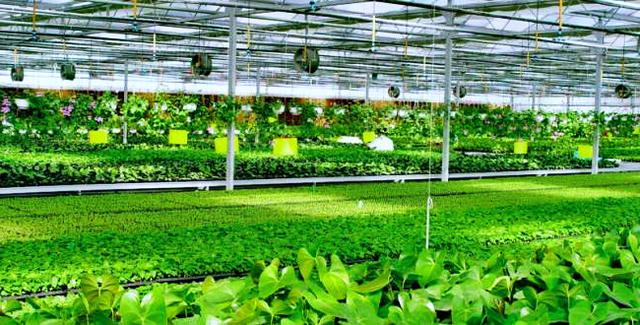
Protected horticulture has a long history. As early as more than two thousand years ago, China used highly transparent tung oil paper as a covering to build simple greenhouses for the cultivation of seasonal vegetables. Since then, although various countries around the world have developed various heat preservation technologies for cultivating horticultural crops, protected horticulture cultivation remained in a primitive or rudimentary stage due to the social conditions and technological level at the time. It was not until after World War II, with the advent of plastic film and improvements in glass processing technology, that protected horticulture developed rapidly.
Glass greenhouses appeared in Britain and the Netherlands in the 18th century; the United States and Canada saw the peak of protected horticulture development in the 1950s and 1960s; during the same period, industrialized greenhouse production had emerged in the Netherlands and Germany. Because protected horticulture is characterized by its intensive use of technology and capital, it can greatly improve the utilization rate of agricultural resources and the yield and quality of agricultural products, achieving high output rates. This not only significantly increases yield per unit area but also ensures a balanced year-round supply of horticultural products, especially vegetables and fruits. It is an important way to solve the three fundamental problems of modern agricultural development, resources, and the environment. Therefore, protected horticulture has received attention from countries around the world and has developed rapidly, becoming a vital pillar industry of the national economy in many countries and regions.
As of the end of 2010, the total area of greenhouse horticulture worldwide was approximately 4.06 million hectares, mainly distributed in the Far East (China, Japan, and South Korea) and Mediterranean countries. The three Far Eastern countries accounted for about 88% of the world's total greenhouse horticulture area, Mediterranean countries about 8%, and other regions about 4%. In terms of total greenhouse horticulture area, China ranked first in the world, followed by Italy, Spain, and South Korea. In terms of per capita greenhouse area, the Netherlands ranked first in the world.
In terms of facility type, plastic greenhouses (including large and small arched greenhouses) cover nearly 3.17 million hectares, accounting for 77.3%, and are most widely used in China, Japan, South Korea, and the Mediterranean region; solar greenhouses cover nearly 800,000 hectares, accounting for 19.5%, mainly distributed in northern China; glass greenhouses cover approximately 41,000 hectares, accounting for 1.0%, mainly concentrated in the Netherlands and some Nordic countries; other types of greenhouses account for about 2.2%. Regarding the crops cultivated in these facilities, vegetable production accounts for over 90% of the total production area, with fruit vegetables accounting for about 95% of the vegetables, and cucumbers, melons, tomatoes, watermelons, eggplants, and bell peppers being the most common. In terms of geographical distribution of crops, China, Japan, and Mediterranean countries mainly grow vegetables, strawberries, and grapes, while some developed countries in Europe and America mainly produce high-value-added flowers and ornamental plants.
II. Development of Facility Horticulture in Various Countries
1. Netherlands
Dutch greenhouse horticulture employs specialized and intensive production methods, cultivating specialized varieties of vegetables and flowers for long-season greenhouse cultivation, and establishing standardized cultivation models for various vegetables and flowers, thereby achieving high-yield, high-quality, and high-efficiency horticultural products. By the end of 2010, the Netherlands had constructed 10,800 hectares of glass greenhouses, accounting for approximately 0.5% of the Netherlands' land area and 26.3% of the world's total glass greenhouse area. These are mainly Venlo-type multi-span greenhouses, typically 4–5.5 meters high, specifically designed for growing vegetables and flowers, offering high production efficiency.
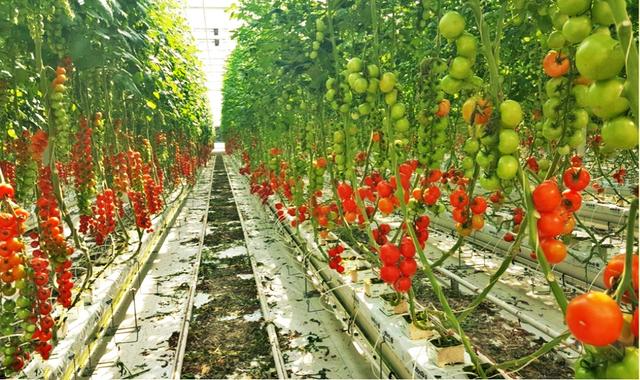
The greenhouses cover 4,200 hectares for vegetable cultivation, primarily producing tomatoes, peppers, and cucumbers; 5,400 hectares for cut flowers, mainly roses, chrysanthemums, carnations, lilies, and orchids; and 1,200 hectares for potted plants, primarily ficus, cordyceps, and begonias. The Netherlands boasts highly developed cultivation techniques for specialized greenhouse horticulture varieties, utilizing advanced technology to create ideal environmental conditions and a closed-loop hydroponics system. This system perfectly balances light, temperature, humidity, air, water, and fertilizer, ensuring high and stable crop yields. The annual yield of hydroponically grown tomatoes can reach 80 kg·m⁻², and cucumber yields can reach 100 kg·m⁻², which is 6 to 8 times that of my country. Dutch flowers enjoy a worldwide reputation, with all production taking place in greenhouses. The annual export value of cut flowers and ornamental plants reaches US$6 billion, of which cut flowers account for US$3.5 billion, representing 60% of the international flower trade and 70% of the European market. As the global oil crisis intensifies and the European Community faces labor shortages, more advanced technologies are being applied to greenhouses, including environmental control equipment, robots, and other mechanized and intelligent systems. The Dutch government invests heavily in research and innovation in energy-saving and new energy technologies, including significantly increasing the light transmittance of covering materials and increasing solar energy intake, such as the widespread use of large glass panels to reduce shading from the frame; coating the inside of greenhouse covering materials to prevent long-wave radiation and reduce heat loss; and using energy-efficient LED cold light sources to provide supplemental lighting for horticultural crops at different heights and locations.
2. United Kingdom
In the development of greenhouse horticulture, the UK places great emphasis on the research and application of automated greenhouse control. Currently, the level of automation in UK greenhouses is very high, employing computer control systems to manage temperature, humidity, ventilation, CO2 fertilization, nutrient solution supply, pH, and EC values. Furthermore, the Internet of Things (IoT) technology allows for remote monitoring and control of environmental conditions such as temperature and humidity within the greenhouse. CO2 fertilization technology accounts for 30%–40% of greenhouse production in the UK. To ensure uniform CO2 distribution, internal circulation fans are typically installed to agitate the air and distribute CO2 evenly. The UK also prioritizes the research and application of energy-saving greenhouse technologies. Following the energy crisis, UK greenhouse heating shifted to coal-fired systems, with some areas also using gas-fired boilers and utilizing waste heat from factories. In 2009, a British company launched a household electric hydroponics machine, developed using aerospace technology. This equipment allows for year-round indoor crop cultivation, is clean and pollution-free, and requires minimal labor.
3. Israel
Israel, with its barren land and scarce water resources, has created a remarkable "desert miracle" by vigorously developing a highly efficient and intensive modern greenhouse horticulture industry. In recent years, the area of greenhouse horticulture in Israel has grown rapidly, from 3,000 hectares in the 1990s to 26,000 hectares in 2010, an eightfold increase in 20 years. Of this, greenhouses cover approximately 11,000 hectares, mainly used for cut flower production; and open-field greenhouses cover 15,000 hectares, used for growing vegetables such as tomatoes, cucumbers, and bell peppers. In addition to meeting domestic needs, Israel's greenhouse horticulture products, such as flowers, vegetables, and fruits, are exported in large quantities to Europe, the United States, and Japan, with an annual output value growth rate exceeding 15%.
Technology-intensive is a prominent feature of Israeli greenhouse horticulture, manifested in the integration of modern technology into all aspects of production, including greenhouse engineering, new variety breeding, cultivation management, and water-saving irrigation. Firstly, Israel is one of the world's most representative countries in the development of micro-irrigation technology, with its irrigation technology and equipment at a leading level globally. Its greenhouse cultivation utilizes micro-irrigation (primarily drip irrigation). Secondly, it emphasizes the breeding of new horticultural crop varieties, employing biotechnology to cultivate high-quality, disease- and insect-resistant, and highly adaptable crop varieties, which has played a significant role in horticultural crop production. Third, in terms of greenhouse facilities and equipment, many technological innovations have been incorporated. For example, in terms of light control, light conversion films and light control films are used to convert the spectrum of transmitted sunlight to meet the needs of crops for different light qualities; in terms of temperature control, temperature difference conversion technology is used to meet the needs of ornamental plants for smaller temperature changes and larger humidity; in terms of pest and disease control, plastic films that can block ultraviolet rays are used to reduce the activity of indoor pests, and colored films are used to drive pests out of the greenhouse, thereby reducing pest damage; in terms of greenhouse supporting facilities, most greenhouses are equipped with canopies, curtains, skylights and shade nets, which are high, have a large span, are durable, and have strong wind resistance, and can withstand strong winds of 150 km/h and above, ensuring the safety of the greenhouse. Fourth, extensive and systematic research has been conducted on the environmental conditions and expected yields required by different crops. Crop growth and development models and expert systems have been established, and computer-based precise control of environmental conditions has been implemented, improving water and fertilizer utilization. This has not only multiplied crop yields but also significantly improved product quality. For example, the yield of ordinary tomatoes grown in greenhouses can reach 480 t·hm⁻², while the yield of cherry tomatoes can reach 120 t·hm⁻², and the highest yield of roses grown in greenhouses can reach 3.2 million plants·hm⁻².
4. Japan
According to statistics from Japan's Ministry of Agriculture, Forestry and Fisheries, as of the end of 2010, the total area of greenhouse horticulture in Japan was 49,000 hectares, mainly plastic greenhouses, covering approximately 44,800 hectares, accounting for 95.3% of the total greenhouse area; glass greenhouses covered 2,200 hectares, accounting for only 4.7% of the total greenhouse area. Of the total greenhouse area, vegetable cultivation accounted for 33,900 hectares, flower cultivation for 7,745 hectares, and fruit tree cultivation for 7,414 hectares, representing 69.1%, 15.7%, and 15.2% of the total greenhouse area, respectively. 17. Due to the predominantly hilly and mountainous terrain and limited resources in Japan, the development of protected horticulture places great emphasis on intensification, industrialization, automation, and land conservation. Consequently, smaller, single-unit greenhouses are gradually being phased out, and large-scale double-roof greenhouses and multi-span plastic greenhouses are being widely promoted. These large greenhouses utilize hot-dip galvanized assembled steel pipes for their frames. The greenhouses are typically 4–6 meters high and over 10 meters wide, with automatic opening and closing of skylights and side windows for ventilation. Furthermore, automated and intelligent management of the internal ventilation and cooling equipment, insulation and heating equipment, irrigation and fertilization devices, and temperature and humidity control creates an optimal environment for crop growth. The main crops grown are high-end horticultural crops such as strawberries, tomatoes, cucumbers, melons, watermelons, and other fruits and vegetables, as well as various fruit trees such as peaches, grapes, and figs, achieving high quality, high yields, and year-round supply. Japan has advanced soilless cultivation technology, developing various methods including deep hydroponics, nutrient film cultivation, and drip irrigation rockwool cultivation. For example, Kyowa Corporation employs a new soilless cultivation environmental control system that maximizes the supply of water, fertilizer, light, and air to meet crop growth needs. Tomato roots can reach over 20 cm in diameter, with one tomato plant producing 13,000 fruits, one cucumber plant producing 3,300 cucumbers, and one melon plant producing 90 melons. Japan's post-harvest and storage technologies are highly advanced, with processes such as agricultural product selection, grading, cleaning, packaging, and pre-cooling all highly automated or semi-automated. Japan also has a well-developed "plant factory" system, utilizing industrial technologies such as LED lighting and solar panel power generation. Unaffected by geographical location or environment, these factories are used for the industrialized production of leafy vegetables and the highly efficient, fully enclosed seedling cultivation of vegetables, allowing for stable production year-round. They are already capable of producing vegetables such as bean sprouts, mushrooms, celery, white radishes, and lettuce using "plant factories." According to statistics from Japan's Ministry of Agriculture, Forestry and Fisheries, there were 50 "plant factories" in Japan in 2010, and it is estimated that there are now more than 150. In recent years, with the increasing severity of Japan's aging society, labor shortages have severely impacted Japan's greenhouse horticulture. As a result, various small, lightweight, multifunctional, and high-performance greenhouse horticulture farming tools and robots have been researched and developed to promote the mechanization and industrialization of greenhouse horticulture.
5. Canada
Based on its climate characteristics, Canada has vigorously developed large-scale European-style glass greenhouses in the west, while the Great Lakes region mainly focuses on developing inflatable double-layered plastic film greenhouses. According to official Canadian statistics, by the end of 2010, Canada had a total of 3,220 greenhouses, with a total area of 2,300 hectares for greenhouse horticulture. Of these, glass greenhouses accounted for 780 hectares (33.9%), rigid plastic (PC board, etc.) greenhouses accounted for 110 hectares (4.8%), and plastic film greenhouses accounted for 1,410 hectares (61.3%). Of all greenhouses, approximately 1,150 hectares were used for vegetable cultivation, accounting for 50.0% of the total greenhouse area, with a vegetable production value of US$1.1 billion. The main crops grown were tomatoes, cucumbers, bell peppers, and lettuce. Greenhouse flowers and ornamental plants accounted for approximately 990 hectares, accounting for 43.0% of the total greenhouse area, with a production value of US$1.4 billion. The remaining greenhouses were used for fruit tree cultivation, accounting for approximately 7%. Canada's greenhouse horticulture area is mainly distributed in Ontario, British Columbia, and Quebec, accounting for 95.6% of the country's total area, with Ontario alone accounting for 66%. Canada's greenhouse environment and cultivation management have largely achieved automated control and mechanized operation, greatly improving labor productivity. Greenhouse management, production, and efficiency are among the world's most advanced. The Canadian government places great emphasis on the quality and safety of greenhouse agricultural products, minimizing the use of pesticides and plant growth regulators in greenhouse production. Instead, it focuses on controlling environmental factors such as temperature, light, and humidity within the greenhouse, combined with ecological control and prevention to achieve integrated pest management. Currently, the countries with the most advanced greenhouse horticulture technology in the world include the Netherlands, Japan, Israel, Canada, and the United States. Developed countries, in developing greenhouse horticulture, not only invest heavily in high-level facility construction and energy input but also place great emphasis on ecological environmental protection and resource recycling. Coupled with advanced greenhouse cultivation and management techniques, crops can be produced almost around the clock, achieving high yields, high quality, and high profits for horticultural products, which are sold internationally, resulting in significant economic benefits.
III. Overview and Development Prospects of China's Protected Horticulture Industry
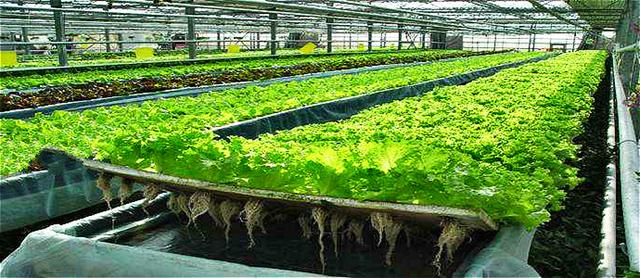
Due to the continuous utilization of advanced equipment, instruments, technologies, achievements, and new materials, protected horticulture has gradually demonstrated characteristics such as environmental controllability, high efficiency, efficient land use, water and labor conservation, environmental beautification, and wealth creation for the people. This aligns with my country's basic national policy of building a resource-saving and environmentally friendly society. Since the reform and opening up, my country's protected horticulture industry has experienced vigorous development, showing a rapid increase in production area, a gradual increase in crop varieties, a continuous expansion of geographical scope, increasingly diverse facility types, and a gradual improvement in management levels. According to relevant data analysis, from 1978 to 2010, the national protected horticulture area increased dramatically from 5,333 hectares to 3.5 million hectares, a 655-fold increase. The scope of protected horticulture has continuously expanded, with crops produced ranging from single vegetables to a variety of economic crops such as flowers, fruits, edible fungi, and traditional Chinese medicinal herbs. Meanwhile, the geographical scope of protected horticulture cultivation is constantly expanding. Currently, all provinces, autonomous regions, and municipalities in my country have protected horticulture production, from Yongxing Island in Sansha City, Hainan Province in the south to Beiji Village in Mohe County, Heilongjiang Province, known as the Arctic in the north, and from Fuyuan County in the east to Wuqia City in Xinjiang in the west, all are vigorously developing protected horticulture. After a long-term comprehensive selection and development based on ecological, market, and socio-economic factors, my country's protected horticulture industry is mainly concentrated in the Bohai Bay and Huanghuai regions, accounting for about 60% of the total area; followed by the middle and lower reaches of the Yangtze River, accounting for about 20%; and thirdly, the Northwest region, accounting for about 7%. It is mainly distributed in Shandong, Liaoning, Jiangsu, Hebei, Zhejiang, Ningxia, Inner Mongolia, Shanghai, and other provinces, municipalities, and autonomous regions. In 2014, the area of greenhouse facilities in my country reached 4.109 million hectares, including 1.013 million hectares of solar greenhouses, 1.875 million hectares of plastic greenhouses (including medium-sized greenhouses), and 70,100 hectares of multi-span greenhouses with high environmental control levels.
my country's protected horticulture industry has developed rapidly, effectively promoting technological innovation in this field. The research and development of high-efficiency and energy-saving cultivation technologies for vegetables in solar greenhouses has innovated the design principles of solar greenhouse lighting and heat preservation. The second-generation solar greenhouses designed and built based on this technology have achieved a minimum indoor-outdoor temperature difference that is more than 5°C higher than the first generation. The integrated innovation of supporting technologies for plastic greenhouse vegetable production has led to the introduction of 13 optimized greenhouse configurations, 15 comprehensive utilization and three-dimensional planting models, cultivation technical specifications for major protected vegetable crops such as cucumbers, tomatoes, peppers, leeks, and celery, as well as 9 new technologies including grafting seedling cultivation and integrated pest management based on protected environment control. The research and development of new protected horticulture materials has brought my country's research and application technologies for thin, weather-resistant functional films, shade nets, insect-proof nets, and seedling trays to international advanced levels.
In 2010, the total output value of the facility horticulture industry exceeded 740 billion yuan, and the net output value exceeded 570 billion yuan, which increased the per capita income of rural residents nationwide by 856.70 yuan. The contribution of key facility horticulture production areas to the per capita net income of rural residents was more than 2,000 yuan.
Since the 18th National Congress of the Communist Party of China, the country has attached great importance to promoting supply-side structural reform in agriculture and vigorously promoting green agricultural development. The area of greenhouse horticulture has grown very rapidly, now reaching 4.1 million hectares, with an output value of 980 billion yuan, creating more than 40 million jobs. In terms of greenhouse cultivation, the effect on increasing farmers' income is also very significant, with an average increase of nearly 2,000 yuan per farmer. Greenhouse horticulture has played a significant role in promoting the modernization of agriculture in our country.
The 19th CPC National Congress report clearly stated that we must accelerate the construction of an innovative country, deepen the reform of the science and technology system, and promote the deep integration of industry, academia, and research, with enterprises as the leading force and the market as the guide. In the future, we will rely heavily on national research platforms like the Chinese Academy of Agricultural Sciences to continuously strengthen research and development and innovation, build a national technical support system for facility horticulture, and simultaneously improve the commercialization of research results, enabling customers to earn more money from the market, which in turn will drive research and ultimately achieve industry dominance.