A musthave in autumn: Serve up nutritious wild mushrooms. A classic lazy dish, yet a light stirfry is incredibly delicious! Three tips for making greens delicious and nongreasy.

Autumn must-eat: Bring nutritious wild mushrooms to your table

There are many kinds of wild mushrooms, and only a small part of them are edible. They are not only unique nutritious delicacies on the table, but most of them are precious medicinal materials that have nourishing and conditioning effects on the body.
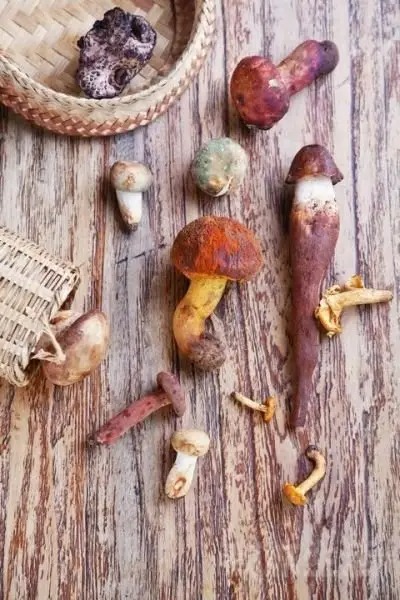
Fresh wild mushrooms
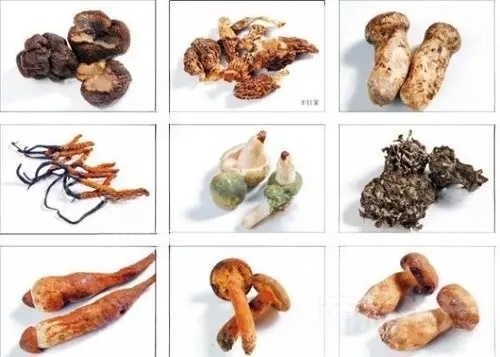
There are many varieties of wild mushrooms, a small percentage of which are edible. These mushrooms are not only unique and nutritious delicacies on the table, but many are also valuable medicinal herbs, providing nourishing and conditioning benefits. Every year during mushroom season, many people venture into the mountains to collect wild mushrooms, making it essential to learn about them.

A wide variety of wild mushrooms

Must-try wild mushrooms in autumn

Black Truffle:

It is a kind of truffle, and because of the real incident of the little pig looking for mushrooms, it is called "pig-pudding mushroom". It is recognized as the most precious wild mushroom in the world, especially on the European table, where it is called the black diamond of food.

Morels:

Because it is rich in protein and amino acids, it is known as the best meat among vegetables. Its nutritional value is comparable to that of many kinds of meat, and it is known as the king of mushrooms.

Matsutake:

Yunnan exports a significant amount of matsutake, particularly to Japan. Matsutake grading is complex, ranging from Grade 1 to Grade P, with each grade further divided into various categories. The best way to enjoy matsutake is to slice it and eat it plain, without any seasoning, to let the aroma linger in your mouth.

Cordyceps:

Cordyceps sinensis is well-known to everyone. It is a precious and nourishing Chinese medicinal material with high value.

Bacillus cirrhosa:

The color is very unique, the green mushroom head is very cute and the taste is slightly sweet. Although the color is unique, it is not poisonous and can improve eyesight and relieve liver fire.

Dry mushroom:

It grows among pine trees in the mountains. Although it looks ugly, it tastes excellent and has a flavor similar to beef jerky. The flesh is very tough and slightly dry, and the more you chew it, the more fragrant it becomes.

Chicken fir:

Grown on white ant nests, chicken mushrooms have a thick, crispy, and sweet texture, similar to chicken. Fresh chicken mushrooms can be eaten raw for a refreshing aroma that hits the brain. Besides being eaten fresh, they can also be dried and stir-fried. Chicken mushrooms are high in phosphorus, which helps replenish the body's phosphorus needs.

Tiger Paw Mushroom:

In ancient times, it was one of the tributes paid by the dynasty. It grows deep in the grass on high mountain cliffs and has a high anti-cancer effect.

Precautions

1. When cooking, choose wild mushroom varieties that have been confirmed to be edible.

2. Choose wild mushrooms that are mature and clean and grown under high-quality conditions.

3. Do not consume in large quantities. It is best to eat only 3-4 types at a time.

4. When eating a certain type of mushroom for the first time, even if it is a well-known high-quality strain, it should be consumed in moderation.

5. Do not try new varieties to avoid bacterial poisoning.

Wild mushrooms for cooking

Wild Mushrooms Are a Global Love

The search for the best wild mushrooms for cooking has become one of life's joys. For example, in the United States, the 48th Wild Mushroom Show, hosted by the Puget Sound Mycological Society (PSMS) Artistic Committee, took place from October 15th to 16th of this year. This is the nation's largest wild mushroom exhibition, showcasing over 200 species of wild mushrooms. The event, crucially, offers a culinary experience, with Seattle's finest chefs invited to present a feast of mushrooms. In the UK, for example, there's a major wild mushroom enthusiasts club, attracting members from around the world to join in the outdoors, discovering and picking wild mushrooms. Resident expert Geoff Dann offers training courses on how to find wild mushrooms, and everyone writes a diary of their findings and posts it online, which is a lot of fun. In China, every year when wild mushroom season arrives, many enthusiasts head to Yunnan to join the locals in their mushroom-hunting adventures.
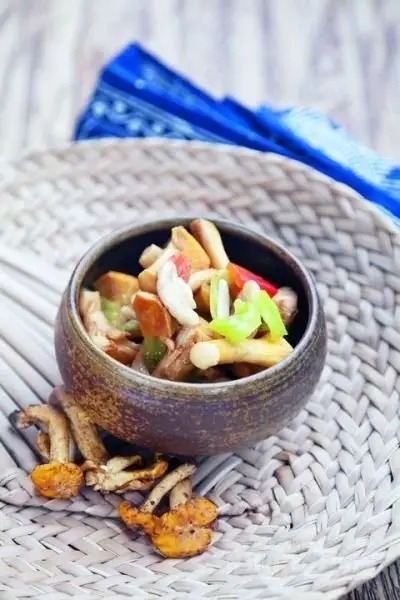
Steam Pot Chicken

Steam Pot Chicken Mushroom Cap

Steam pot chicken is one of Yunnan's most distinctive delicacies, renowned both domestically and internationally. The steam pot, a local invention, is made from Jianshui pottery and features a central spout. During cooking, a separate, enclosed soup pot is placed outside the steam pot, creating a double-layered steam system. The broth is then condensed into steam. This dish also utilizes this cooking method, using the caps of fresh Altissima Albizia to bring out its most vibrant flavor.

Shy and subtle fresh taste

Wild mushrooms are like young girls, with a wide variety of shapes and appearances, ranging from vibrant and elegant to tall and delicate. Some are fragrant, while others offer a refreshing aroma. However, when it comes to eating, the more vibrant the wild mushroom, the less edible it is. They should only be admired from a distance and not touched. Most wild mushrooms grow thousands of meters above sea level, enjoying abundant rainfall and tranquil environments. Their otherworldly qualities make them a delight for both the eyes and the palate. The tradition of incorporating wild mushrooms into cuisine exists throughout the world, with Yunnan being the most prominent.
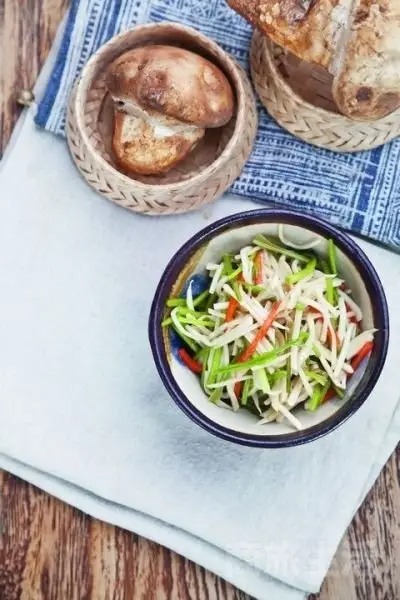
Mushroom vegetables with rich sauce

Stir-fried Chanterelles with Fresh Peach Kernels

Chanterelles grow in autumn. The world's finest chanterelles are found in Eastern Europe and Russia, but they're also a popular choice in Germany, where they're as beloved as the famous German sausage. Chanterelles, with their apricot aroma, are prepared in a variety of ways, often with herbs and other ingredients in Europe to maximize their unique flavor. Yunnan province also boasts unique preparations, including long stews for soups or, as in this recipe, stir-fries with fresh walnuts and seasonal vegetables.

Picking fresh mushrooms

After midsummer, the fragrant aroma of mushrooms wafts into the air. We dream of the authentic flavor of sliced ​​fresh mushrooms dipped directly into a sweet and sour sauce; the wonderful milky aroma of baked fresh mushrooms; the rich, fragrant mushroom dishes... Mushrooms are all about this autumnal freshness. In wild mushroom-producing areas, the mushrooms, covered in dirt and dew, are a delightful sight. Simply rinse them in water and cook them. Yunnan locals say that true mushroom lovers can identify the species simply by smell, demonstrating that in areas where wild mushrooms are grown, people have cultivated a remarkable expertise in identifying them. I remember back in Yunnan, I went mushroom picking with local youths. In the mountains behind our house, we found fresh, steamy mushrooms. We joined them in selecting and identifying them, carefully picking a few, and then following their brief cleaning. Some were ready to eat straight from the jar. Although I can't be in Yunnan's mushroom capital these days, enjoying air-freighted mushrooms is a real treat.


A typical lazy dish, but it is very "charming" after a slight stir-fry!

Old Man's Head
The so-called "cilantro stir-fry" is a cooking method that uses cilantro as the main ingredient. The ingredients are usually sliced ​​or striped, and then stir-fried quickly over high heat. Old man's head mushrooms are such an ingredient. Old man's head mushrooms are large and crisp, and they can quickly absorb the sauce during stir-frying. Because most mushrooms do not absorb oil, they still have a refreshing taste even after stir-frying.

Lunch Box with Ingredients | Four-Color Chicken Meatballs + Sautéed Eggplant

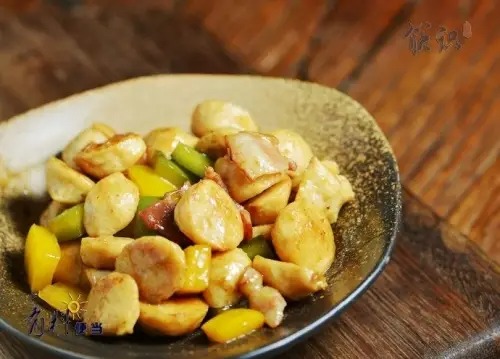
Dish name: Four-color chicken balls

Tips

Lazy people's dishes aren't just instant noodles; they're quick, easy, and delicious meals that require minimal washing up! Today's dish uses frozen chicken meatballs, and for the other side dishes, you can use whatever's in your fridge. Add plenty of vegetables, use less oil, and choose colorful and nutritious ingredients. Simply stir-fry and it'll look stunning—the whole family will be snapping it up!

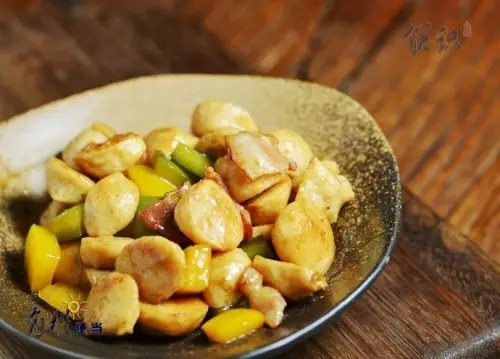
Four-color chicken meatballs are vibrantly colored, tender, and delicious. Chicken is rich in vitamin C, which is easily absorbed. It also boosts the body's immune system and has significant health benefits. Bell peppers and green bell peppers are rich in vitamin C and vitamin A, high in water content and low in calories, making them a great way to relieve fatigue and detoxify in early autumn.

Material:

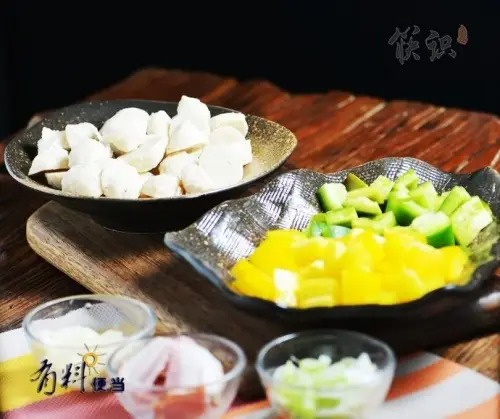
20 chicken meatballs, half a yellow bell pepper, half a green pepper, a piece of bacon, appropriate amount of chopped green onion, appropriate amount of garlic slices, appropriate amount of salt, appropriate amount of light soy sauce, appropriate amount of water starch, appropriate amount of vegetable oil

hint:

Taste: salty and fresh Suitable season: any time Time: 20 minutes

Key points: This dish can be delicious by adding or subtracting ingredients according to personal taste

Calories: Four-color chicken - 106 kcal/100 g

practice:

Prepare the ingredients

Thaw the chicken meatballs and cut them in half

Clean and dice the yellow bell pepper and green bell pepper, and cut the bacon into small slices

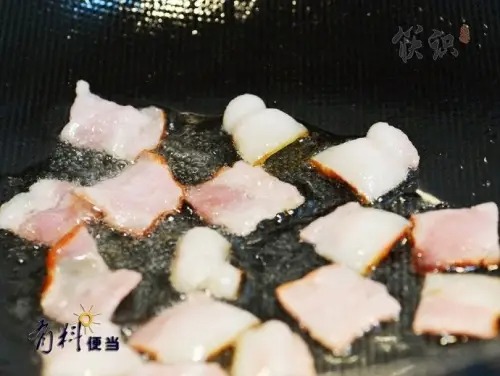
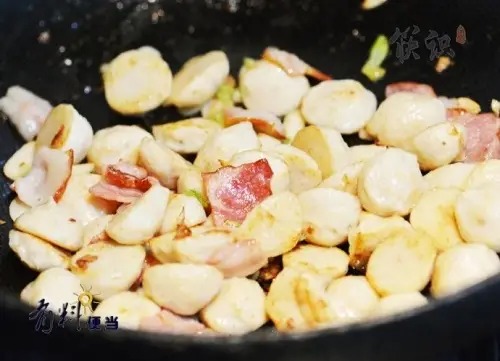
Heat oil in a pan and fry the bacon over low heat until golden brown.

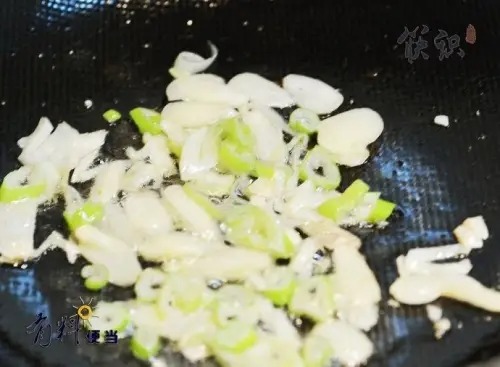
Sauté garlic slices and chopped green onions

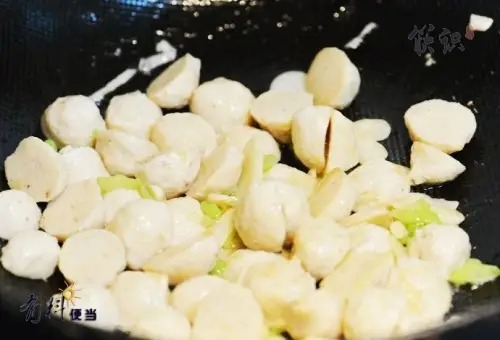
Add chicken meatballs and stir fry

Add bacon and stir-fry

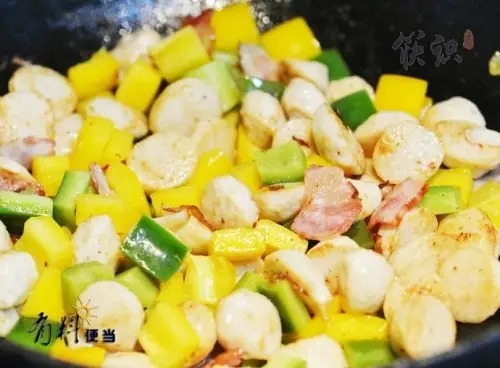
Add green pepper and yellow bell pepper and stir fry

Thickening: Add soy sauce to water starch and mix well

Pour in the sauce and stir-fry, add appropriate amount of salt to taste

Remove from heat

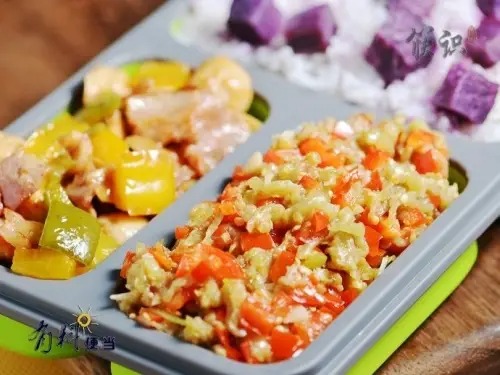
The four-color meatballs are paired with sautéed eggplant. The fresh ingredients have a richer flavor and are good for your health!

Dish name: Sautéed Eggplant

Tips

What should you do if you don't know how to cook? Start by stir-frying vegetables. If stir-frying vegetables doesn't go well with rice, try stir-frying eggplant. If you don't have meat and the taste is too bland, start with this dish!

Material:

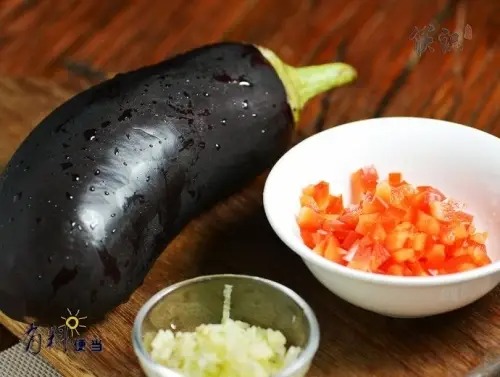
1 purple eggplant, half a red bell pepper, appropriate amount of onion, ginger, garlic, a little salt, appropriate amount of chicken essence, appropriate amount of vegetable oil

hint:

Taste: salty and fresh Suitable season: any time Time: 15 minutes

Key points: Those who like spicy food can add red pepper; no soy sauce is needed to color it, keep the original color

Calories: Sautéed Eggplant - 69 kcal/100 g

practice:

Prepare the ingredients

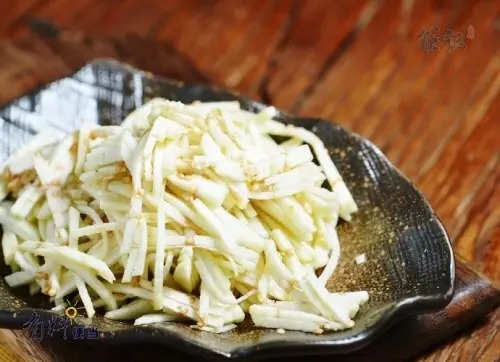
Wash and peel the eggplant and cut into strips. Dice the bell pepper.

Marinate eggplant with salt for 10 minutes to remove water

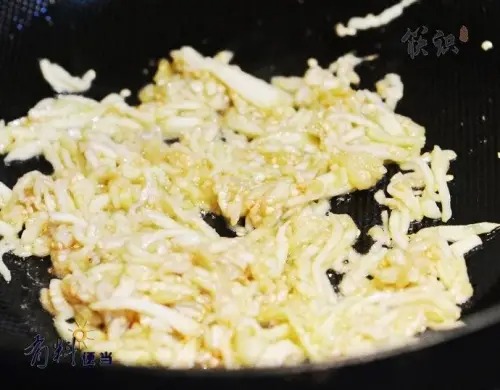
Heat oil in a pan, add eggplant shreds and stir-fry

Stir-fry until soft and serve

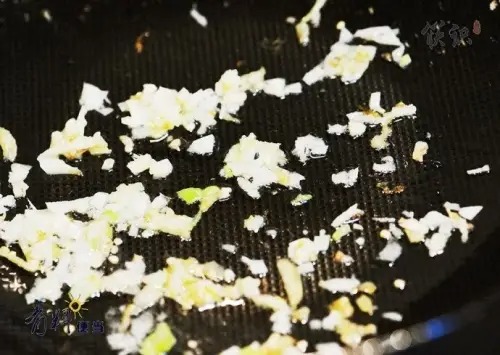
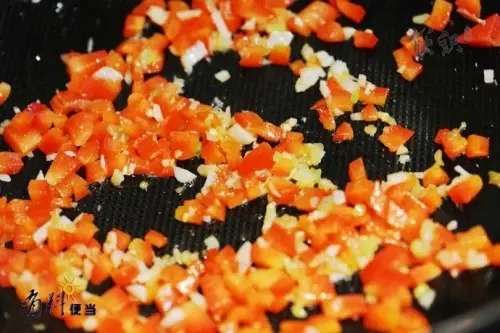
Pour a little oil into the hot pan, add onion, ginger and garlic and stir-fry until fragrant (friends who like spicy food can add chili and stir-fry together)

Pour in diced red bell pepper

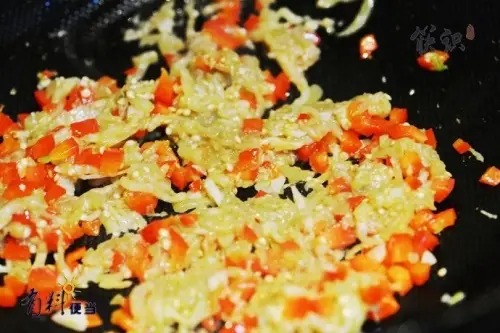
Pour in the crispy and soft eggplant shreds and stir-fry, add salt and chicken essence

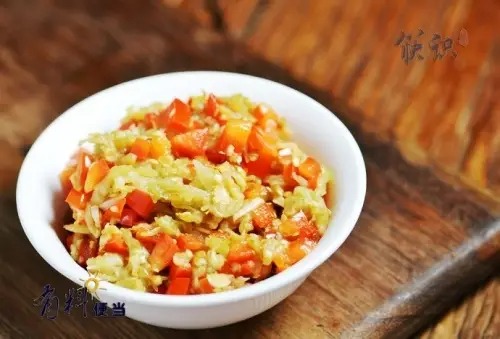
Mix well and serve

The rich eggplant flavor paired with the refreshing taste of the four-color meatballs replenishes energy and provides balanced nutrition!


3 tips to make vegetables delicious and not greasy

Modern people's dietary concepts are quietly changing. While almost everyone knows that eating more vegetables is good, they often fall just a little short of meat and fish in terms of flavor. Many people also wonder how to cook vegetables to their full potential. We invited Fan Zhihong, Associate Professor of the College of Food Science and Nutritional Engineering at the Agricultural University of China, to share some tips for making vegetables tasty and non-greasy.

Method 1: Blanching.

First, boil a pot of water. Once it's boiling, add a tablespoon of oil and a tablespoon of salt. Wash the vegetables and add them in batches to the boiling water (about 1/2 ounce at a time, depending on the amount of water). Cover and simmer for about half a minute. Once it returns to a boil, remove the vegetables immediately and spread them on a large plate to air dry. Add a tablespoon of oil to the pot and sauté your favorite seasonings (such as scallions, ginger, and garlic). Add two tablespoons of water and two tablespoons of soy sauce or black bean sauce. Immediately pour over the vegetables.

Alternatively, you can use the cold seasoning method, mixing soy sauce or salt with vinegar and sesame oil. If desired, you can add pepper, chili oil, chicken bouillon, or toasted sesame seeds to enhance the flavor. This method is quick and easy, and the dish remains bright, crisp, and tender without becoming tough.

Method 2: Stir-fry. Put 2 tablespoons of oil in a wok and add your favorite spices, such as green onions, ginger, and garlic. I personally recommend adding peppercorns or fennel. This is how to truly cook a vegetable dish with a meaty flavor. The stir-fry will have a similar aroma to meat dishes, making the green leafy vegetables become particularly vivid and delicious.

Add the spices to the wok over medium-low heat and stir-fry for a minute to allow the aroma to dissolve into the oil. Then turn the heat to high and immediately add the vegetables and stir-fry for two to three minutes. Add salt when they are almost cooked. If you like, turn off the heat and immediately add a small spoonful of light soy sauce to mix well. This will enhance the flavor.

Method 3: Cooking. First, boil half a pot of water (chicken or meat broth is ideal, just enough to submerge the vegetables). Add two tablespoons of sesame oil. Add spices to taste, such as a few Sichuan peppercorns or white peppercorns. Once boiling, add easy-to-cook vegetables like garland chrysanthemum, broccoli, and young amaranth. Cook for two to three minutes. Finally, turn off the heat and season with salt and chicken bouillon to taste.

Fan Zhihong believes that some vegetables are already delicious in this way, giving them the feeling of being in soup, soft and tasty. This cooking method is particularly good for vegetables that tend to become tough when stir-fried. 
Food & Cooking