A list of 7 musthave Christmas foods in Europe and America; roasting chicken starting at dawn is really going all out!
As the Christmas bells ring, kitchens across Europe and America are filled with a warm atmosphere. From the aroma of roasted chicken that fills the air at dawn to the desserts and drinks on the table, every dish carries the ritual and cultural heritage of the holiday. Today, I'll share seven classic Christmas dishes with you, taking you on a journey through the festive celebrations across the ocean. What are you waiting for? Like, follow, and save this post so you can see my daily food articles as soon as they're published.
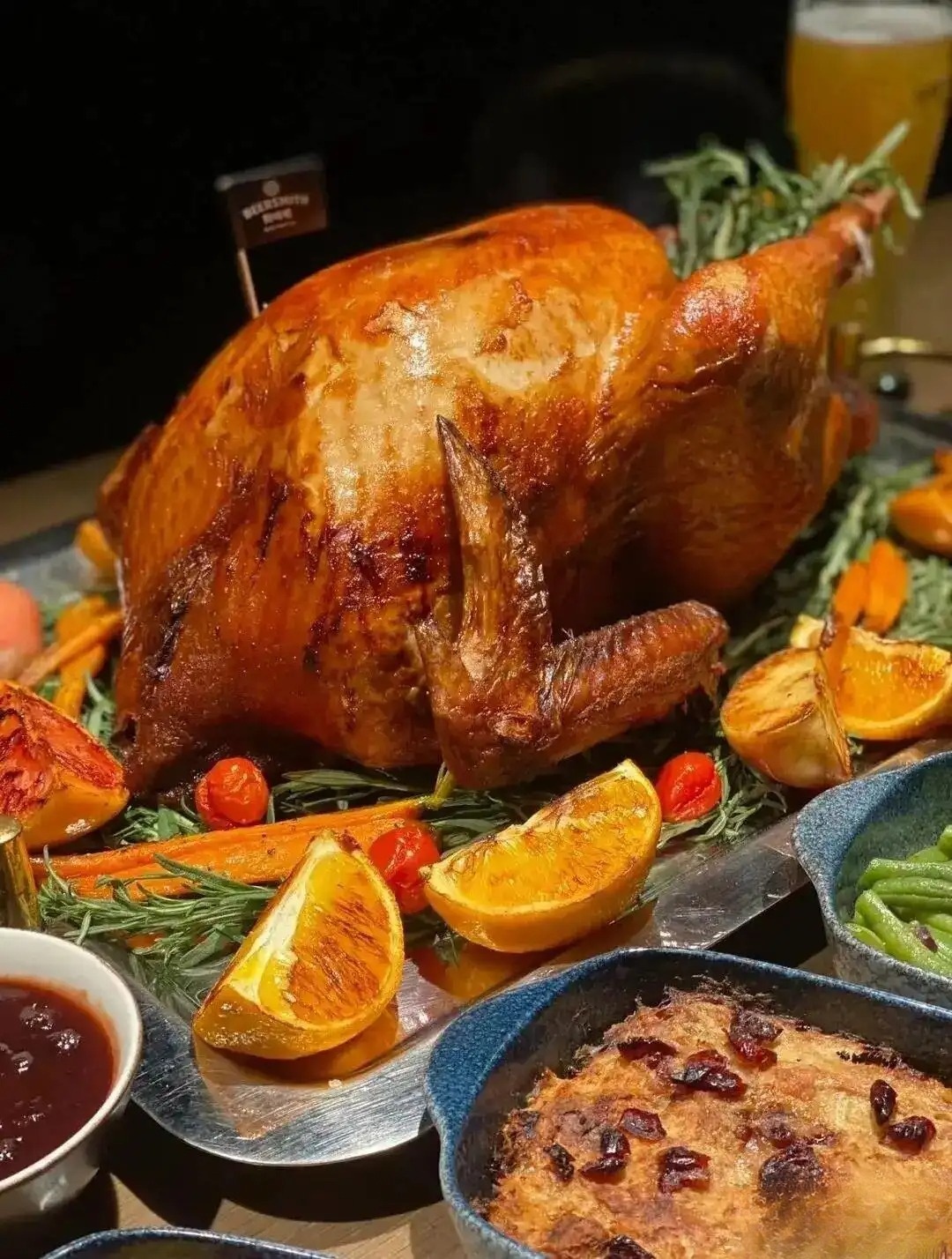
I. Britain: Turkey Feast – A Symbol of Reunion with a 300-Year History
The star of the British Christmas table is undoubtedly the roast turkey. Originating in the 17th century as a Thanksgiving dish created by Puritans to thank the Native Americans for their aid, this dish gradually evolved into a core Christmas dish. British families prepare it several days in advance: stuffing the turkey cavity with vegetables and fruits such as carrots, celery, onions, and chestnuts; coating the surface with a mixture of rosemary, thyme, minced garlic, and lemon juice; and then sealing it with butter to lock in the juices. The roasting process requires precise temperature control—first slow-roasting at a low temperature of 130℃ for 3 hours, then increasing to a high temperature of 210℃ to brown the meat, ultimately resulting in a golden-brown, crispy skin and tender, juicy meat.
The ritualistic aspect of turkey pudding is further embodied in the "treasure hunt": housewives will hide a silver coin in the pudding, and whoever finds it will have good luck in the coming year.
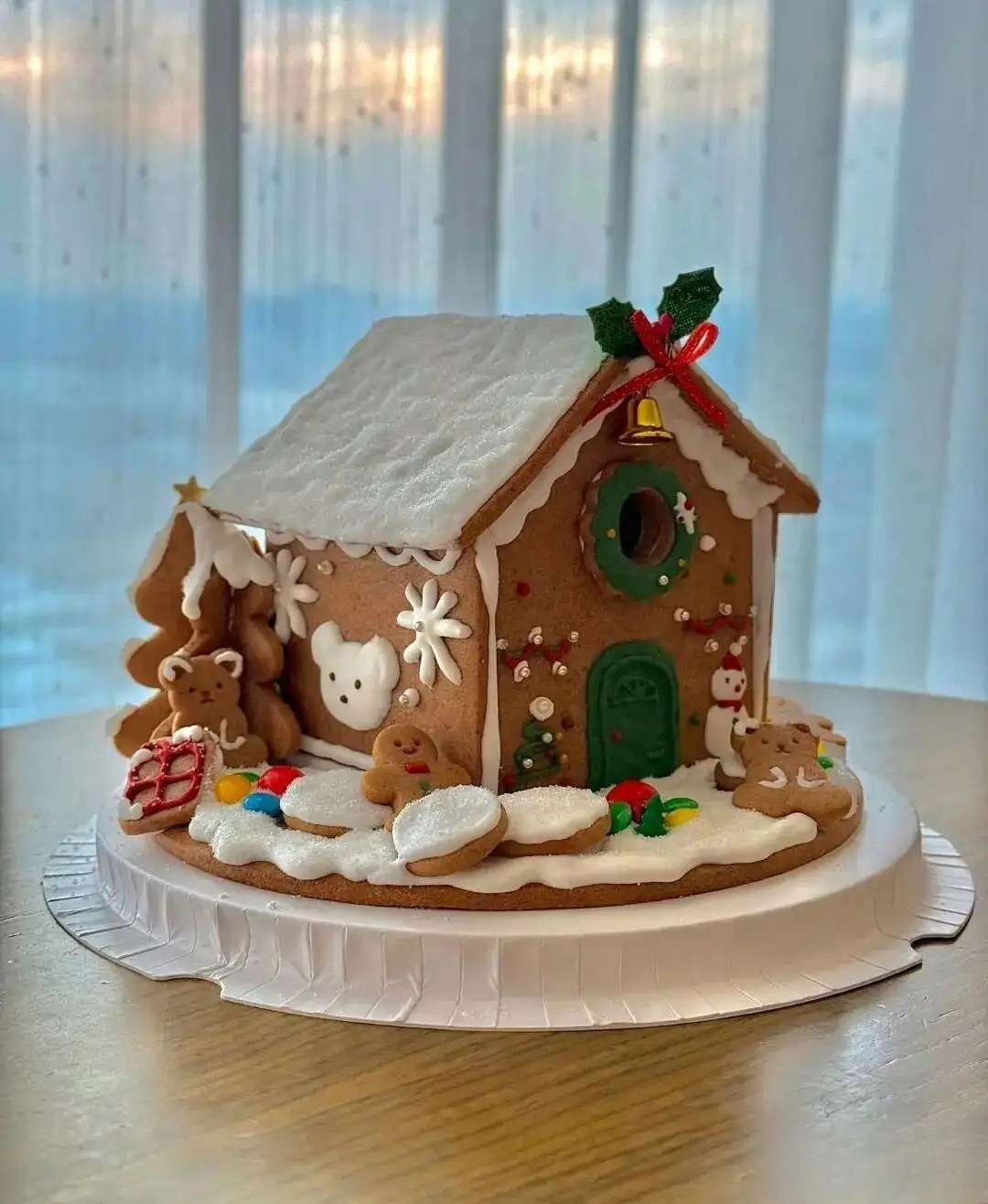
II. Germany: Gingerbread Houses – The Sweet Magic of Fairy Tales Come True
The air at German Christmas markets is always filled with the aroma of gingerbread. This treat, originating from the Grimm fairy tale "Hansel and Greta," has now evolved into an art form: houses are built with gingerbread slices, bound together with icing, and decorated with candy for the roof and windows. Munich baker Karl Müller reveals that the traditional recipe includes black pepper and cloves, giving the cookies a unique spicy flavor, while the modern version uses honey instead of some brown sugar for a milder taste.
Gingerbread also has a strong social aspect: at Berlin Christmas markets, couples exchange gingerbread heart-shaped cookies engraved with each other's names.
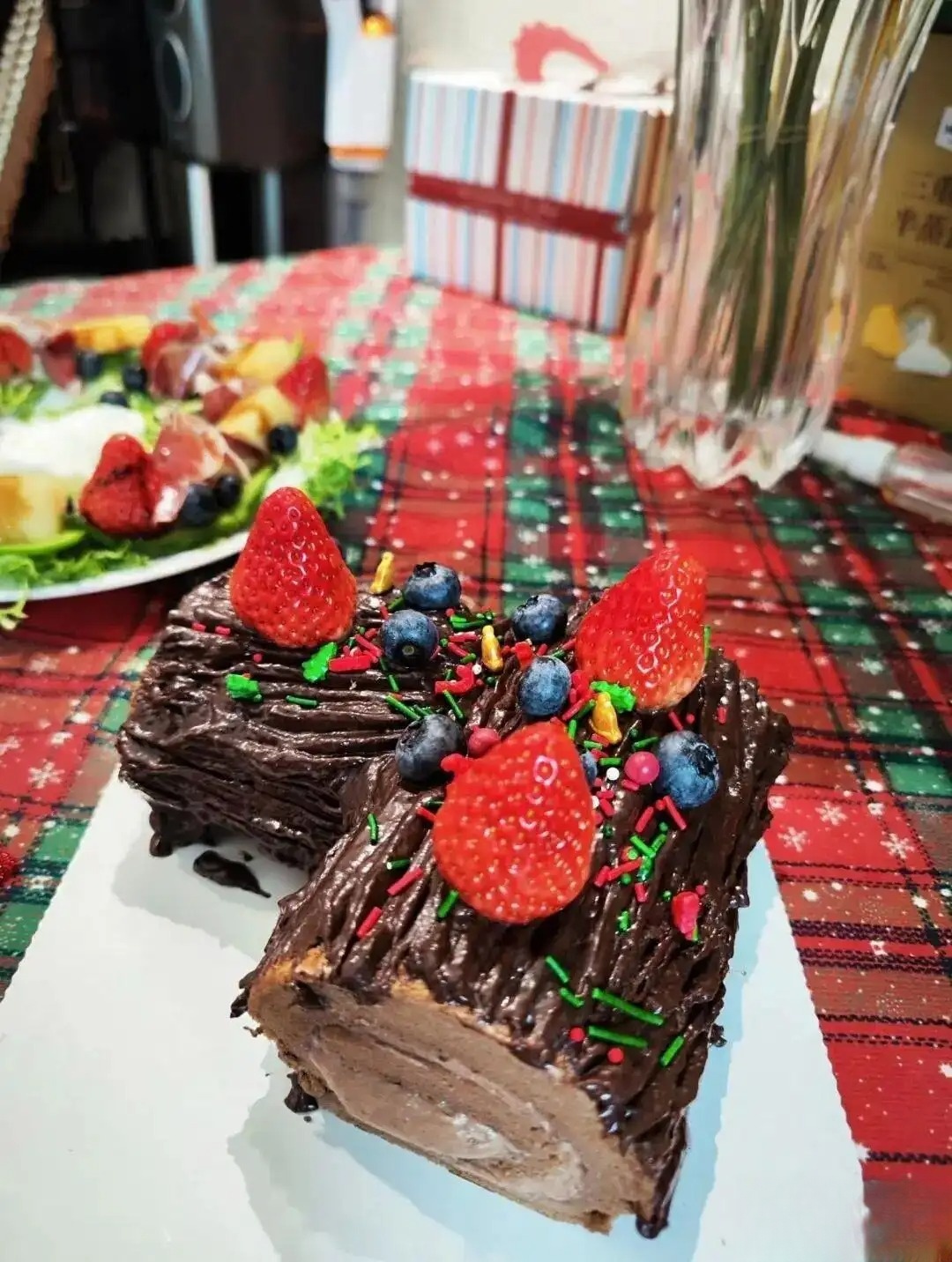
III. France: Yule Log Cake – A Romantic Culinary Interpretation
Pierre Leclerc, a baker in Brittany, still preserves the art of making Yule log cakes by hand. This dessert, originating in 19th-century Paris, is inspired by the legend of young people expressing their love with firewood: a chocolate sponge cake is rolled into the shape of a tree trunk, coated with hazelnut chocolate spread, and then icing is used to depict the bark texture. The modern version adds even more creativity—drizzled with raspberry sauce to simulate "sap," and decorated with sugared mushrooms and pine cones, it becomes the visual focal point of the Christmas table.
When eating the cake, the French follow a "cutting ceremony": the host cuts the cake with a silver saw, symbolizing "cutting off past troubles," and the first piece of cake must be offered to the elders of the family, reflecting the tradition of respecting the elderly.
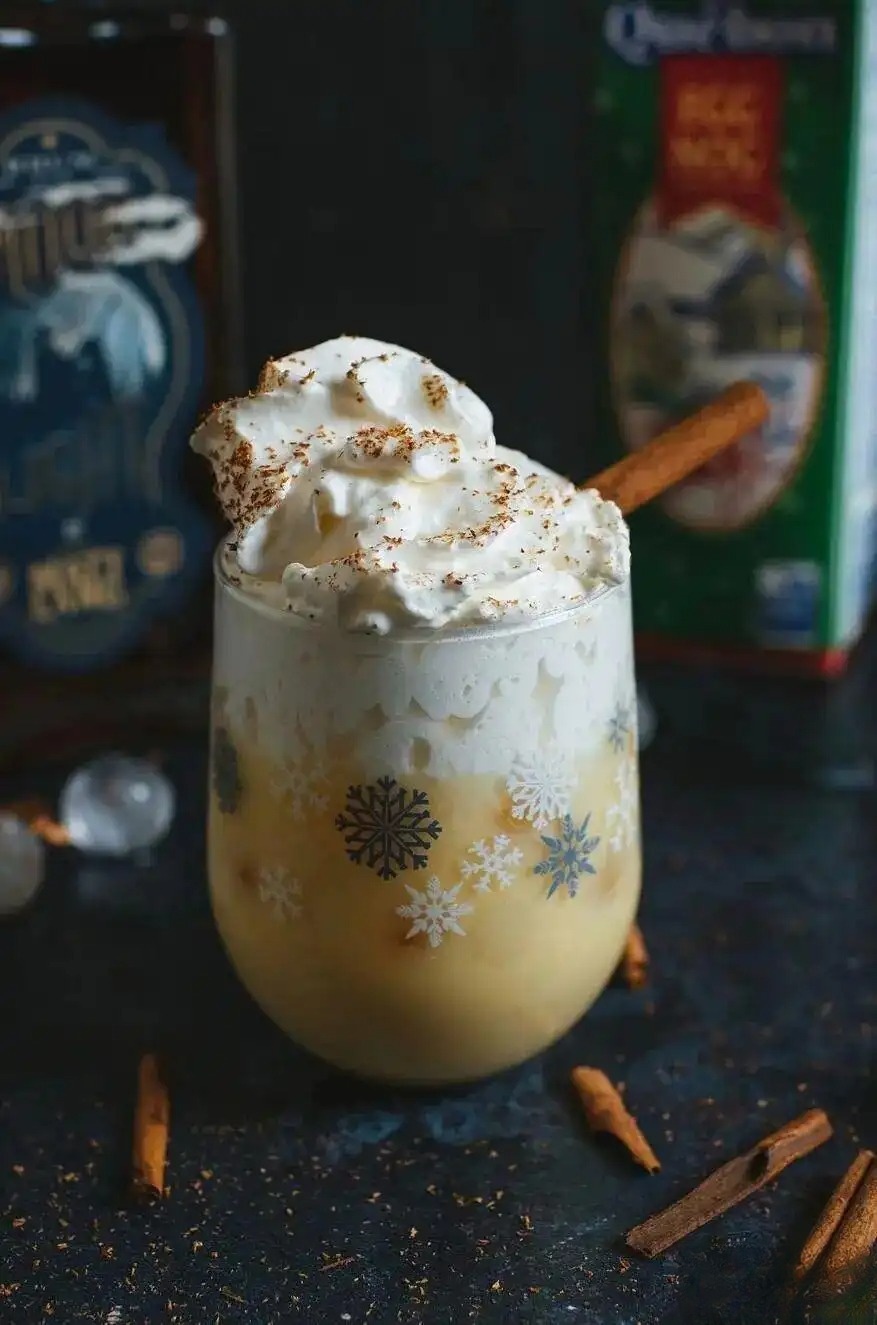
IV. United States: Eggnog – A Warm Legacy from the Colonial Era
On winter mornings in the North American colonies, housewives would simmer eggnog by the fireplace—a drink made with rum, eggs, milk, and cinnamon, believed to ward off the chill and possess medicinal value. An 18th-century recipe preserved at the Boston Museum of Natural History shows that early eggnog had an alcohol content as high as 20% and was known as a "liquid hand warmer"; modern versions have lower alcohol content, added vanilla extract and whipped cream, and have become a festive drink enjoyed by the whole family.
During the New York Christmas parade, there are always long lines in front of the eggnog stands.
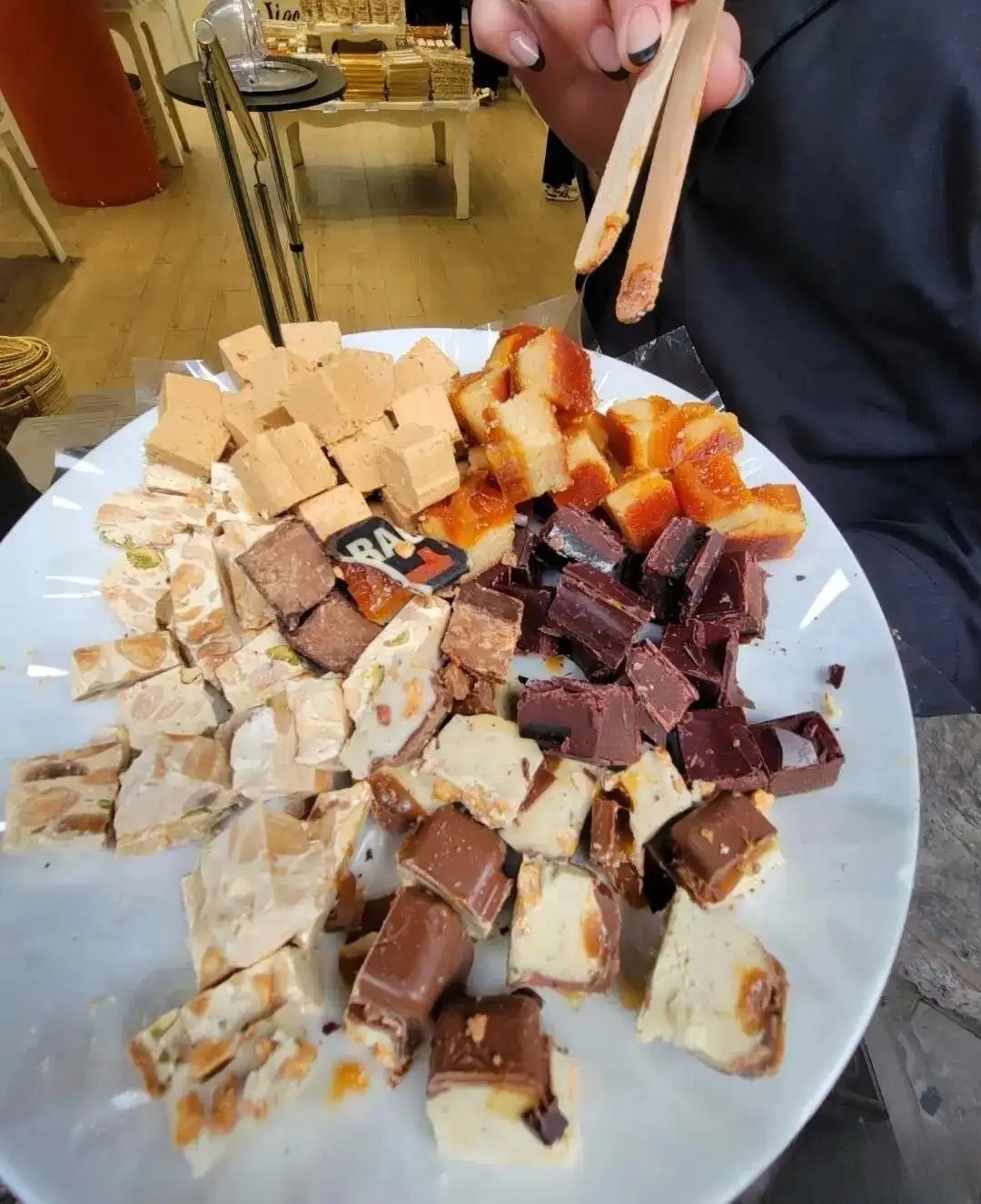
V. Spain: Nougat – A Sweet Legacy from the Moors
In a Valencia nougat workshop, master craftsman José Martínez still insists on making it by hand: simmering almonds, hazelnuts, and honey in a copper pot to 140°C, then pouring the mixture into wooden molds sprinkled with powdered sugar and pressing it flat. This dessert, originating from the 8th-century Moorish period, comes in two styles: Alicante (whole almonds) and Jijona (crushed almonds). The former is crisp and crunchy, while the latter is creamy and smooth, together forming the taste memory of a Spanish Christmas.
At Madrid's Christmas markets, nougat, packaged in golden gift boxes adorned with cedar branches and red ribbons, has become a popular souvenir. Vendors often include a card explaining the historical connection between nougat and Arab conquerors, adding a touch of history to its sweetness.
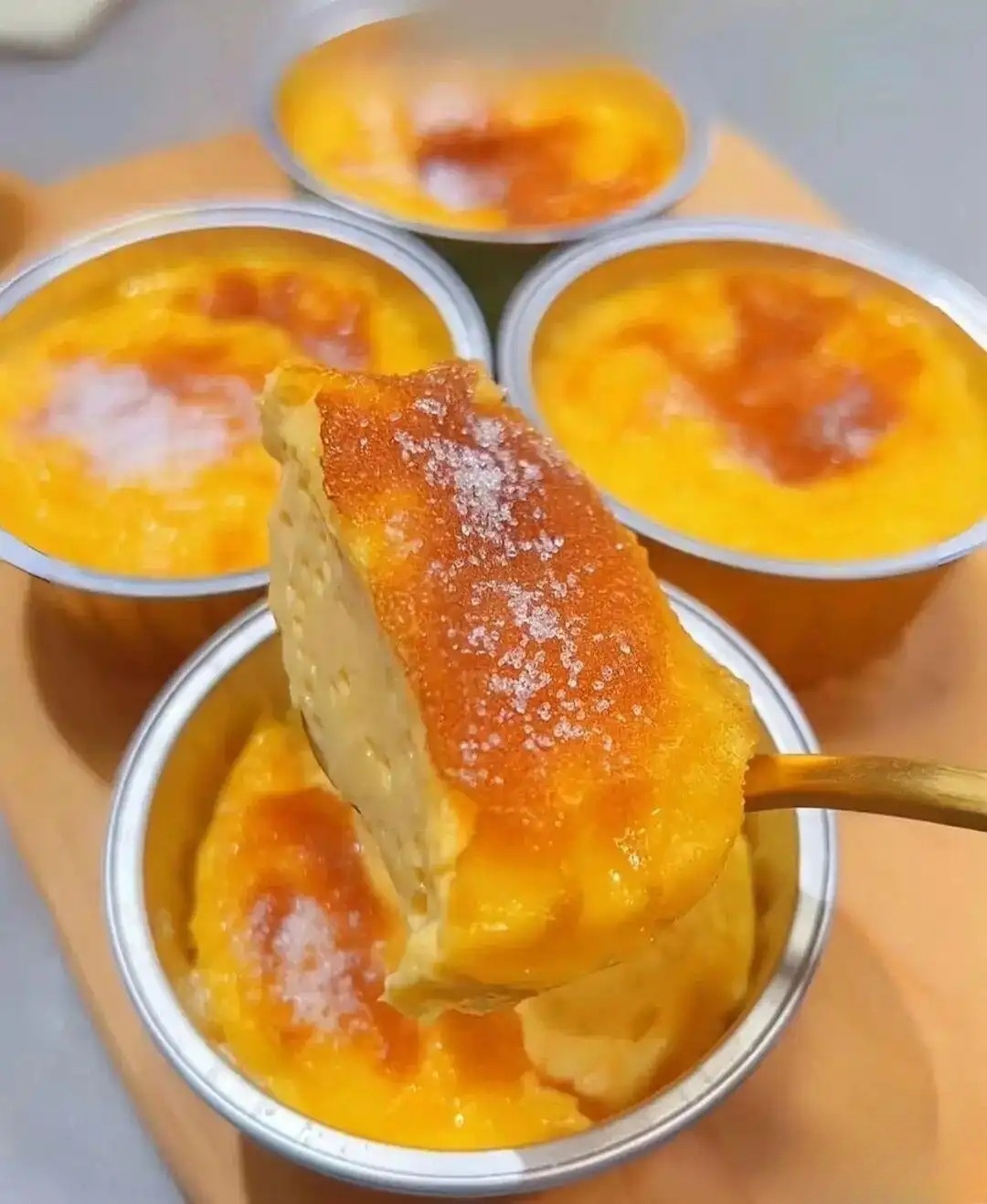
VI. Denmark: Almond Pudding – A Lucky Prophecy from a Nordic Fairy Tale
The opening act of Christmas dinner in Copenhagen is always a bowl of almond pudding. This dessert, made with cream, vanilla, and cinnamon, is topped with cherry sauce and contains a whole almond. Housewife Maria Nelson reveals, "The child who finds the almond gets an extra gift, but adults often secretly put the almond in the youngest child's bowl—we want to protect their innocence."
The pudding's texture also holds a secret: it must be simmered over low heat until thickened, then cooled to form a smooth gel. The Danish Ministry of Agriculture has even issued standards stipulating that the almond content must not be less than 15%, ensuring that every bite offers the crunchy aroma of nuts.
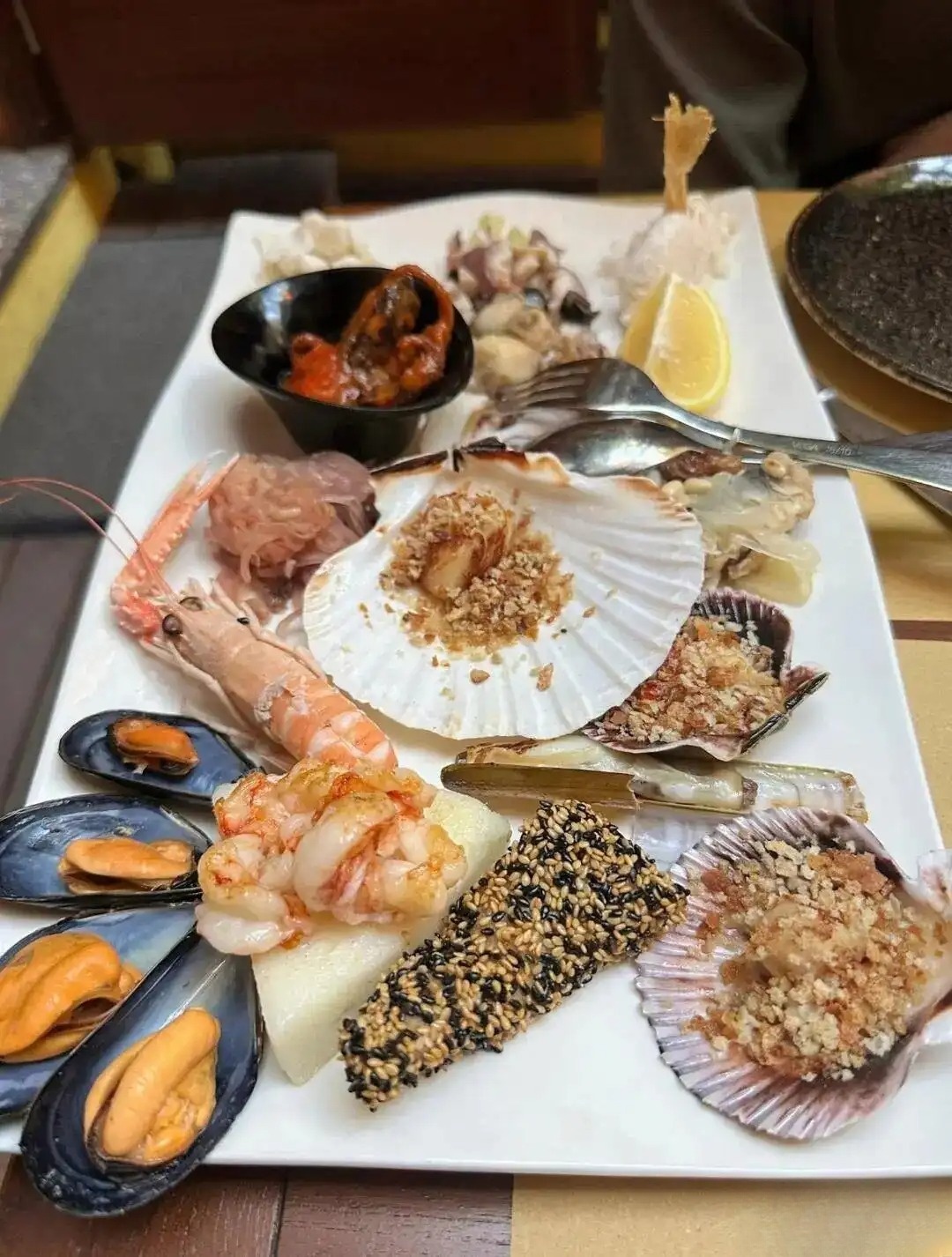
VII. Italy: A Seafood Feast – A Mediterranean-Style Christmas Reimagined
In Venice, the star of Christmas dinner isn't turkey, but a seafood platter. Fishermen set out at dawn to catch cod, shrimp, and squid, while housewives prepare a "seafood septuagenarian" using olive oil, garlic, and white wine: seven types of fish are prepared by pan-frying, grilling, stewing, etc., and finally drizzled with saffron sauce. Neapolitan families, on the other hand, prefer "eel and nut spread"—grinding roasted eel with pine nuts and walnuts and spreading it on bread.
From the aroma of roast chicken at dawn to the warm finish with late-night desserts, Christmas foods in Europe and America are not only a feast for the senses but also a carrier of cultural heritage. Behind each dish lies the resilience of immigrants, the romance of fairy tales, and the warmth of family. When Christmas carols fill the air, let's use these delicacies to build a bridge across cultures and let the joy of the holiday bloom on our palates.