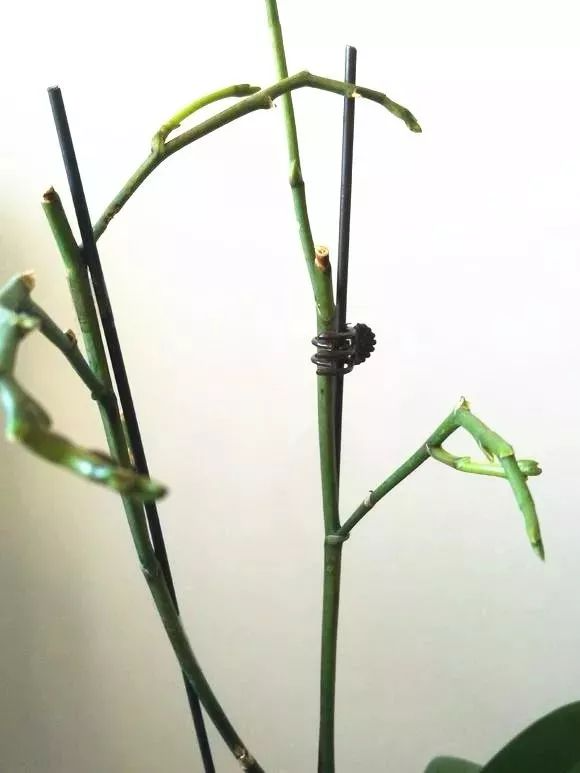
A complete guide to pruning 30 types of flowers, with 140 illustrations, so you can prune any flower!
Today, I'm going to share a killer tip: 30 ways to prune flowers in spring, all in one place! After reading this, you'll know how to prune any flower!

How to prune bougainvillea in spring?
Bougainvillea is particularly tolerant of pruning. Not only should it be pruned in March or April before it sprouts in spring, but it should also be pruned promptly after each flowering. The more you prune, the more flowers it will produce!
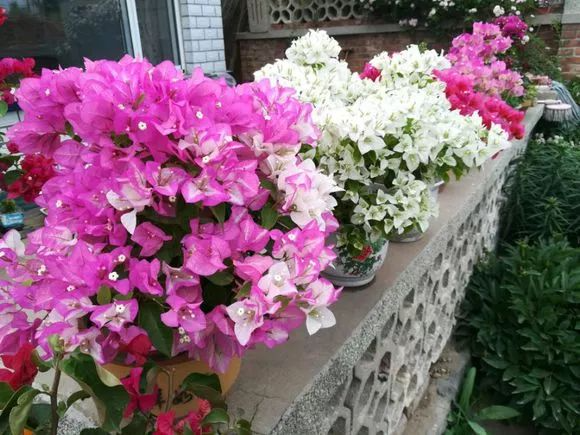
(Photo by: Huayuan)
Bougainvillea pruning steps:
1. If the basic tree shape is fine, then prune the overgrown branches and cut a clean, neat mushroom-shaped top.
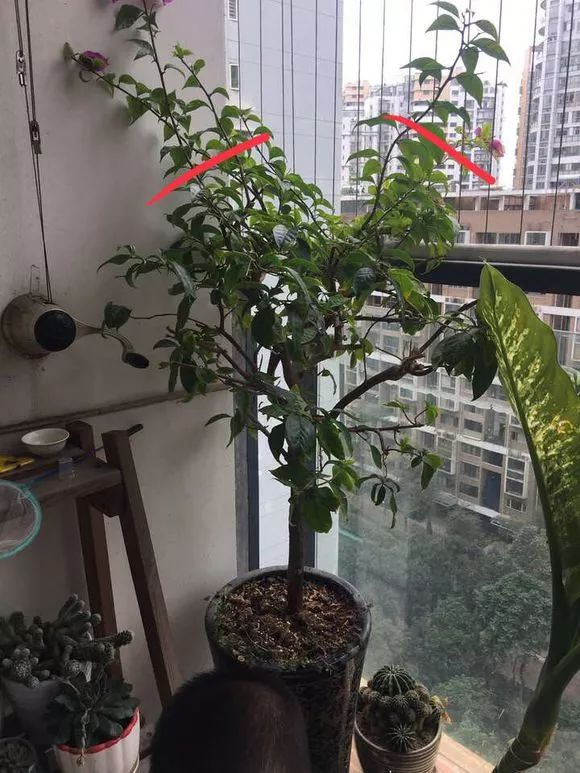
(Image by: Marshmallow Little White Rabbit Heart)
2. In addition, diseased, dead, and crossing branches should be pruned to ensure good ventilation inside the bougainvillea plant, which will result in vigorous growth and fewer diseases later on.
Before pruning
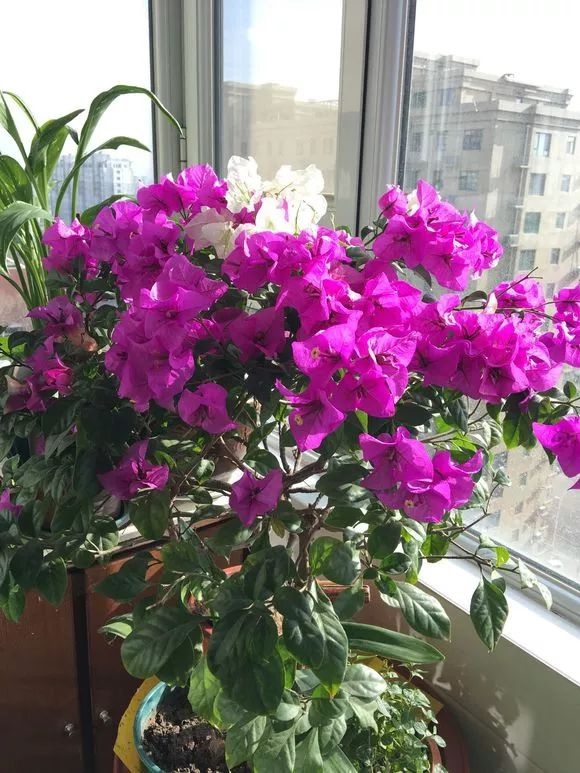
After pruning
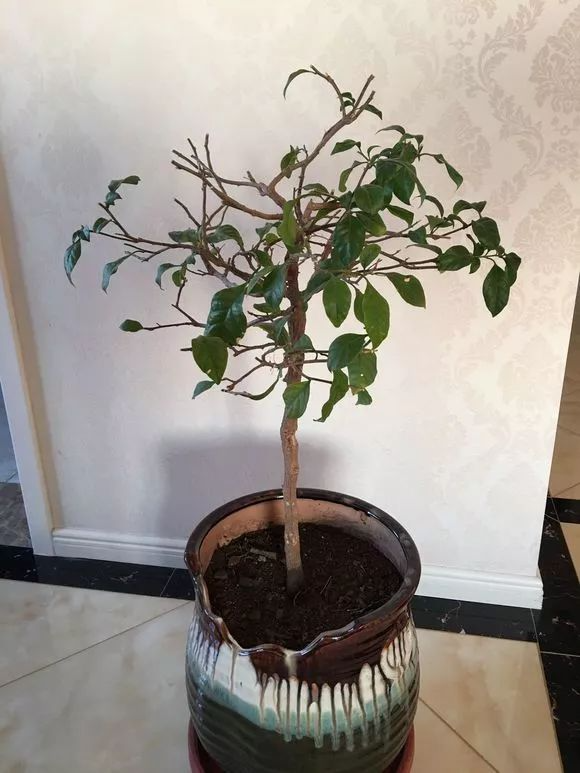
3. To ensure that the branches grow thick and even, all the weak branches, shady branches that do not receive sunlight, inward-facing branches, drooping branches, and inner branches should be pruned off, so that the remaining branches are all healthy, thick, and able to receive sunlight.
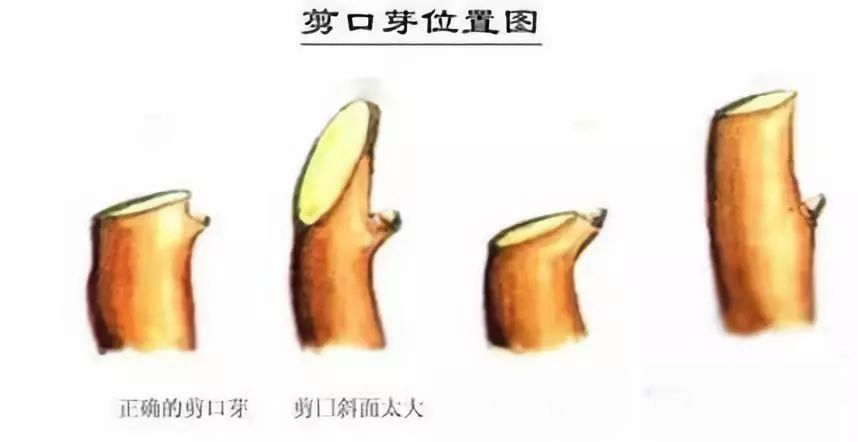
4. When pruning, the distance between the cut and the bud should be moderate, and the slant should not be too large, so as not to affect the growth of the bud.
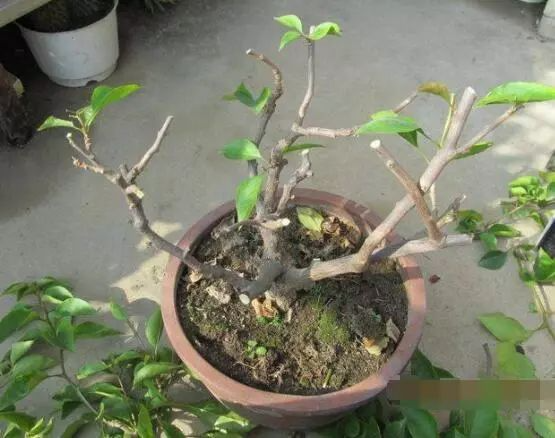
5. If you are not satisfied with the shape of your bougainvillea tree, you will need to reshape it. Those with advanced maintenance skills can refer to the heavy pruning methods shown in the picture below.
Before pruning
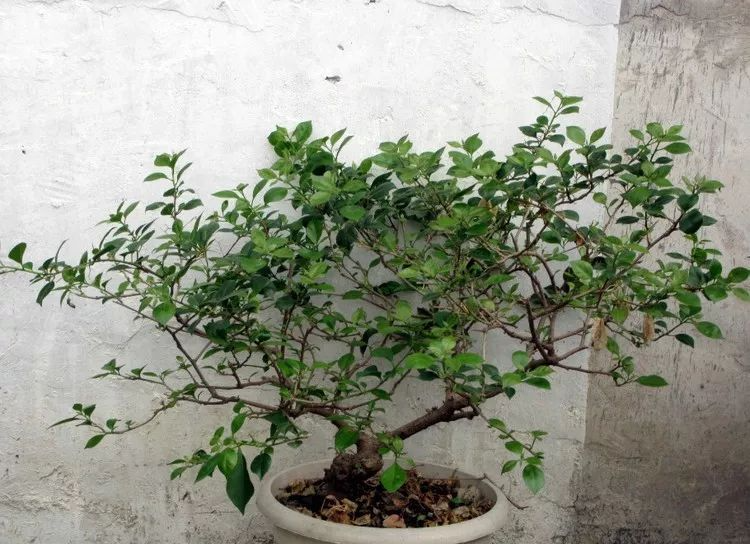
After pruning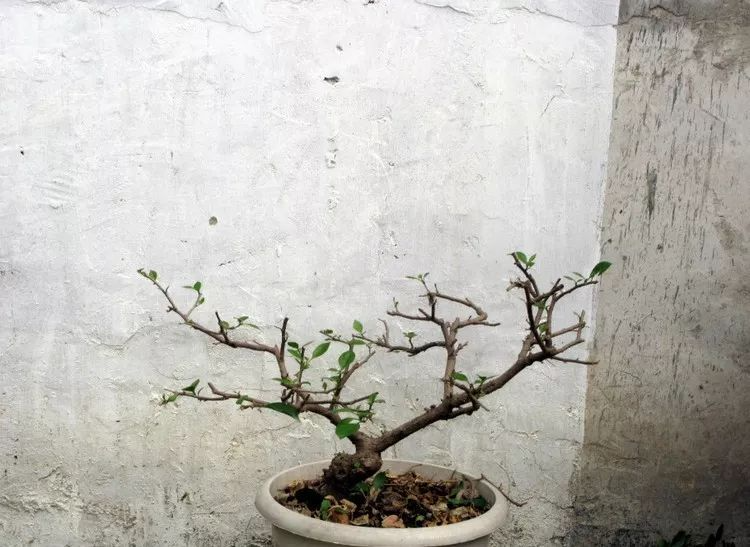
Before pruning
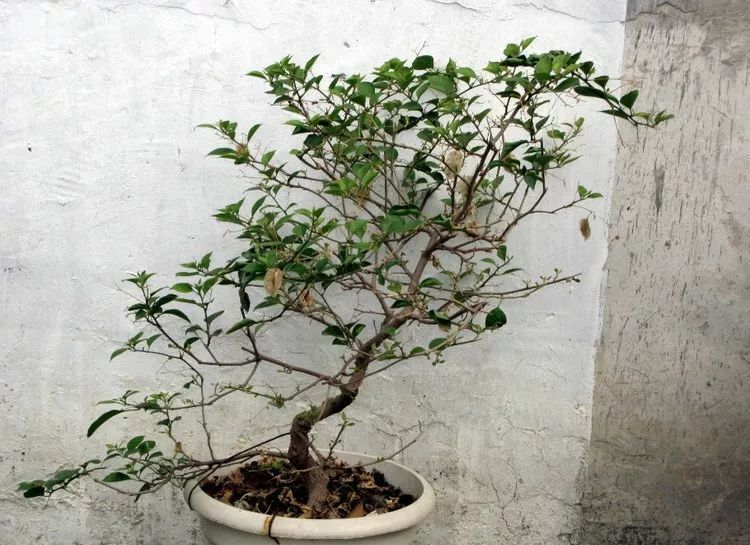
After pruning
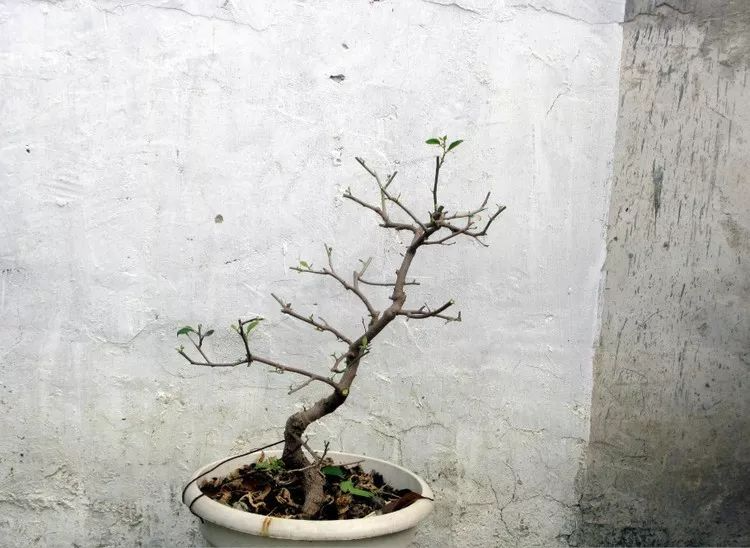
Before pruning
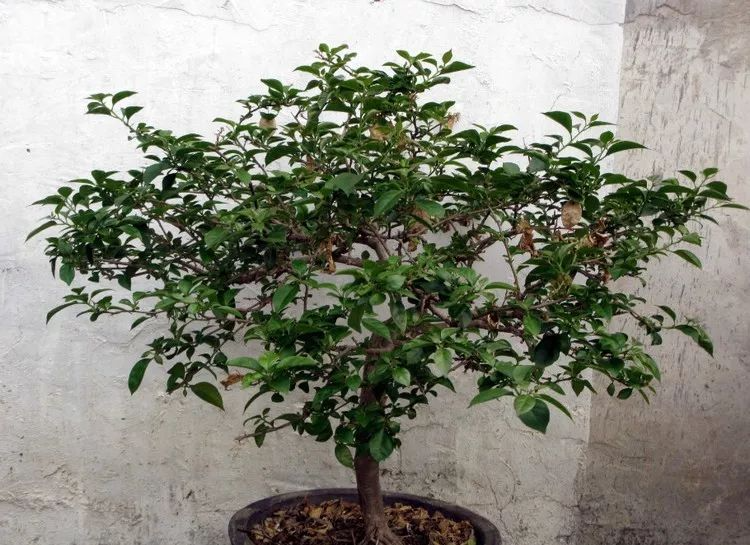
After pruning
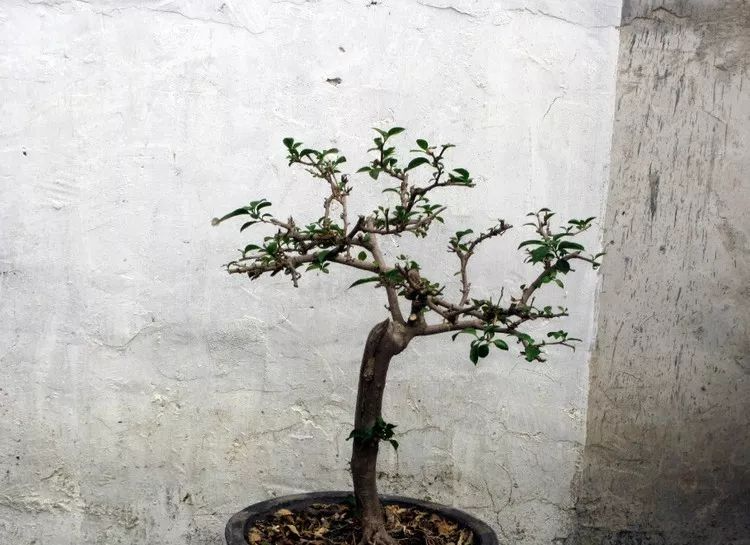
Before pruning
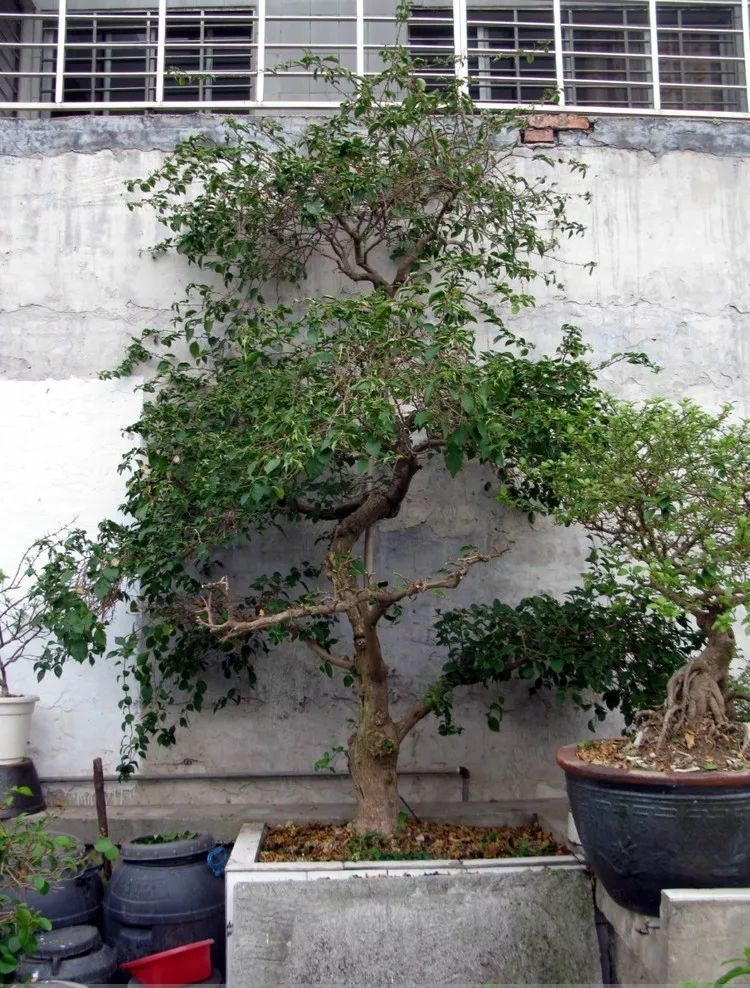
After pruning
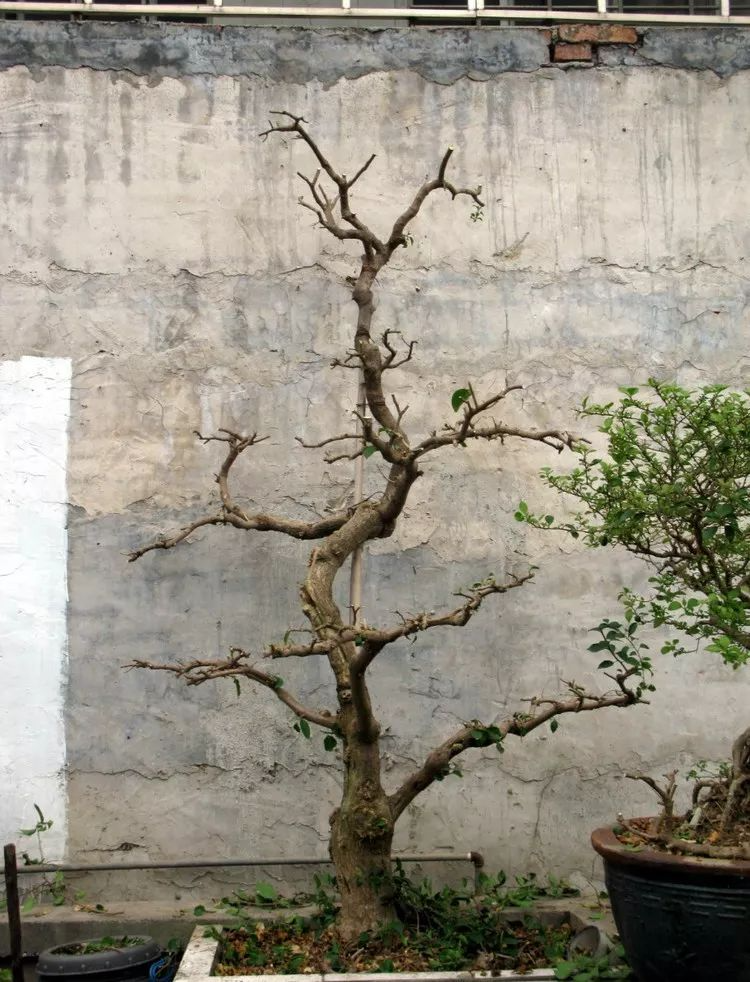
6. There's an even more drastic method: cut the branch off from the main stem, leaving about 25 centimeters. Note that this is a master-level operation; beginners should proceed with caution!
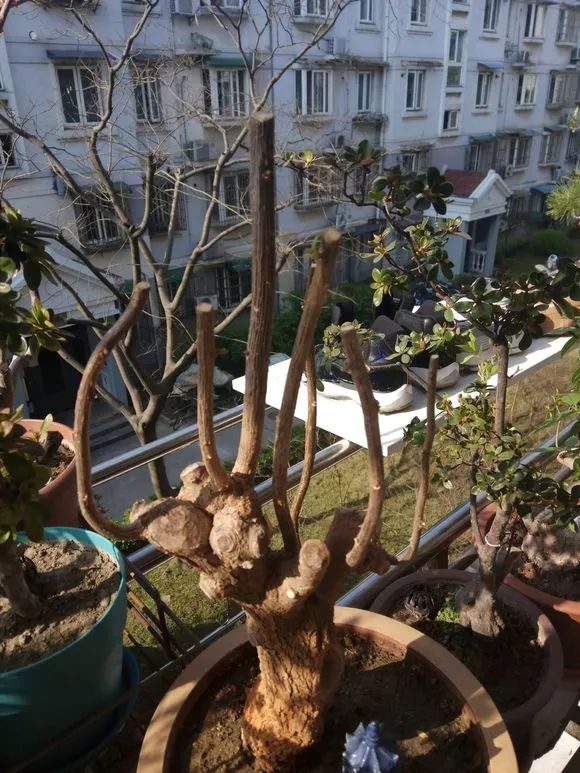
(Photo by: Balcony Buffet)
7. After pruning, expose the bougainvillea to plenty of sunlight, and it will quickly sprout new buds. When each new bud grows to 5-7 pairs of leaves, continue to prune the top to encourage branching, and it will bloom into a large flower ball.
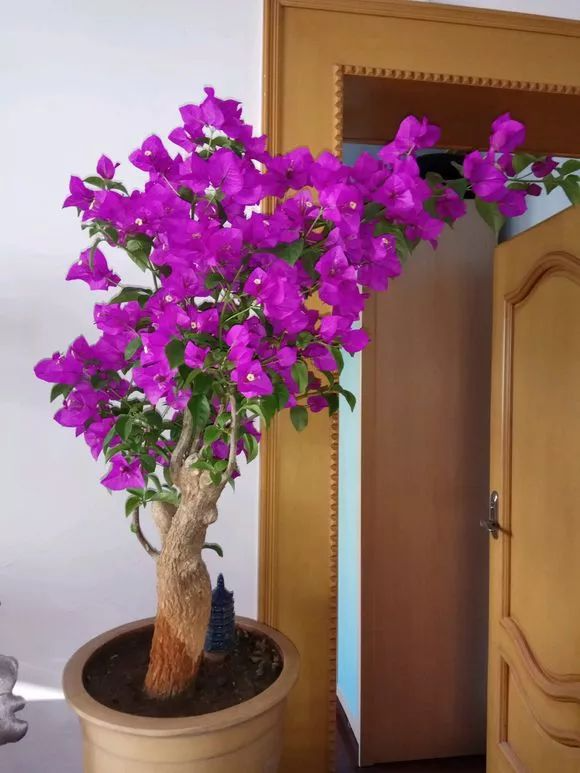
(Photo by: Balcony Buffet)
8. After that, after each flowering period of the bougainvillea, you need to prune the branches, cutting off 1/3 of each flowering branch, as shown in the picture below.
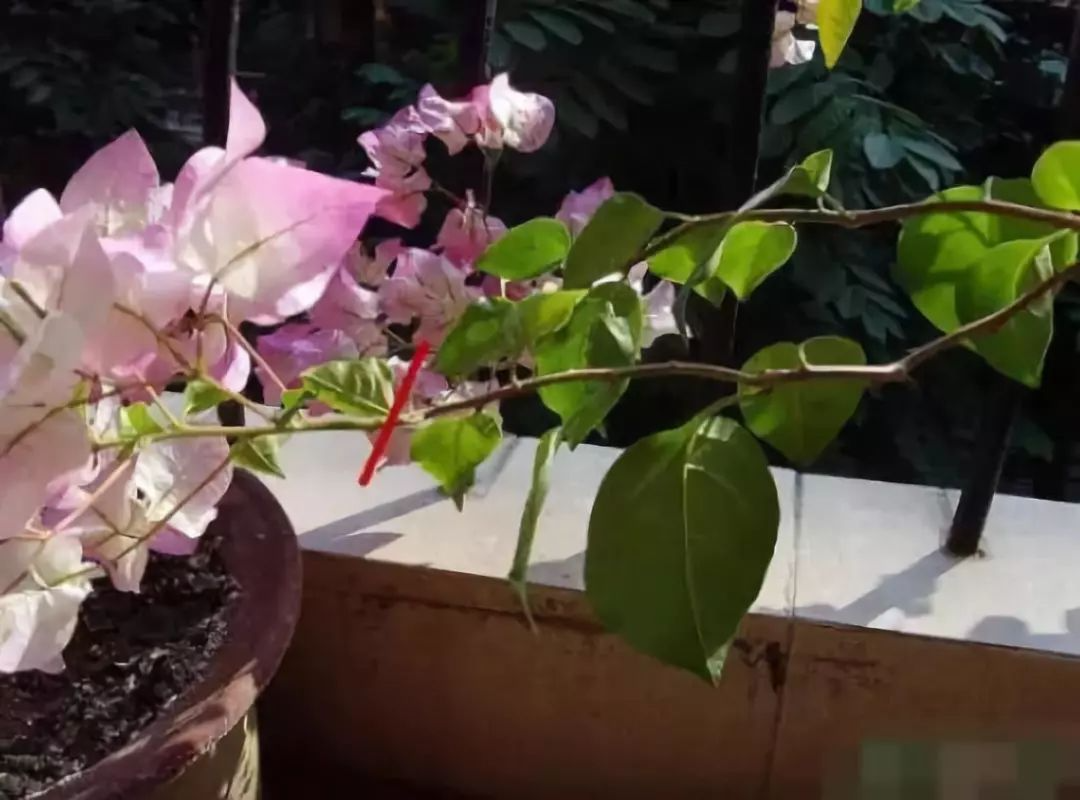

How to prune a jade tree in spring
If your jade plant has a good shape, try not to prune it, because spring is the flowering season for jade plants, and pruning it may prevent it from blooming!
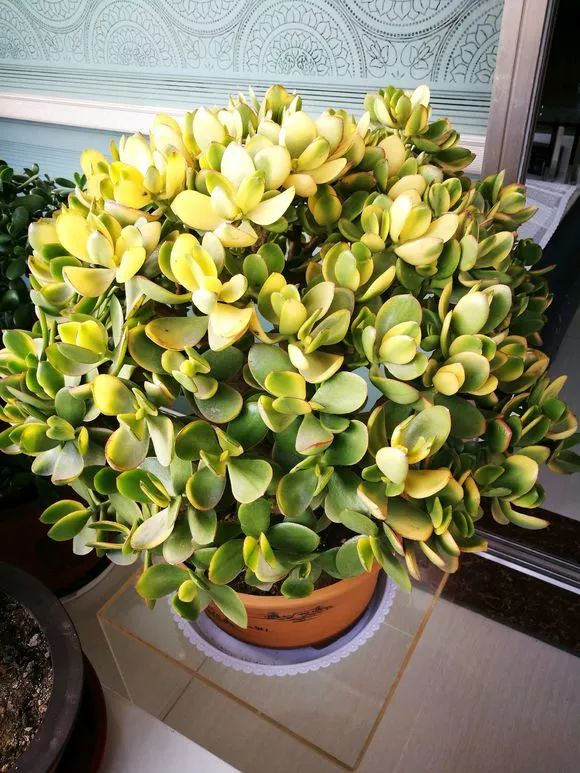
(Photo by: jinzhiyuye750927)
Prune your jade plant in this way if it doesn't have a good shape!
1. However, if your jade plant has a particularly ugly shape, like the jade plant in the picture below belonging to flower enthusiast Pipi Ying, then I still suggest that you prune your jade plant into a clean and neat shape, just like she did.
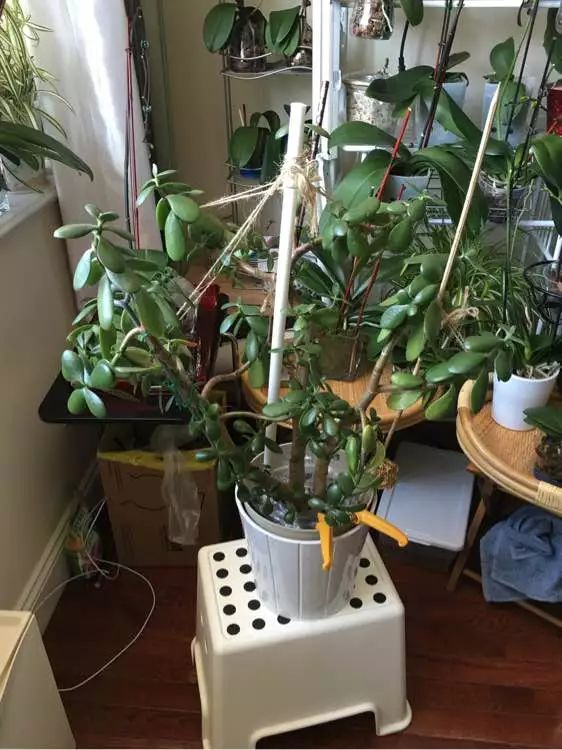
(Photo by: Beerpiying)
2. Cut off the side branches that are affecting the main branch, leaving only one relatively thick main branch.
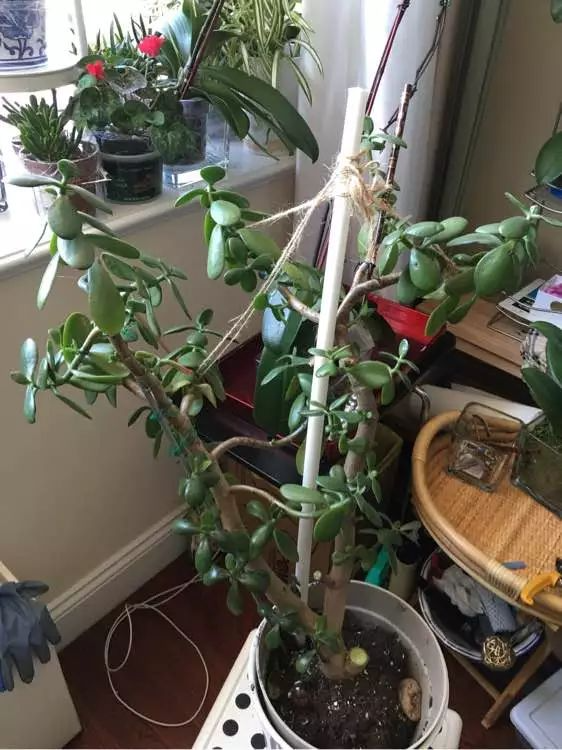
(Photo by: Beerpiying)
3. After cutting it down, remove the buds of any remaining lateral branches to prevent them from growing back and wasting nutrients.
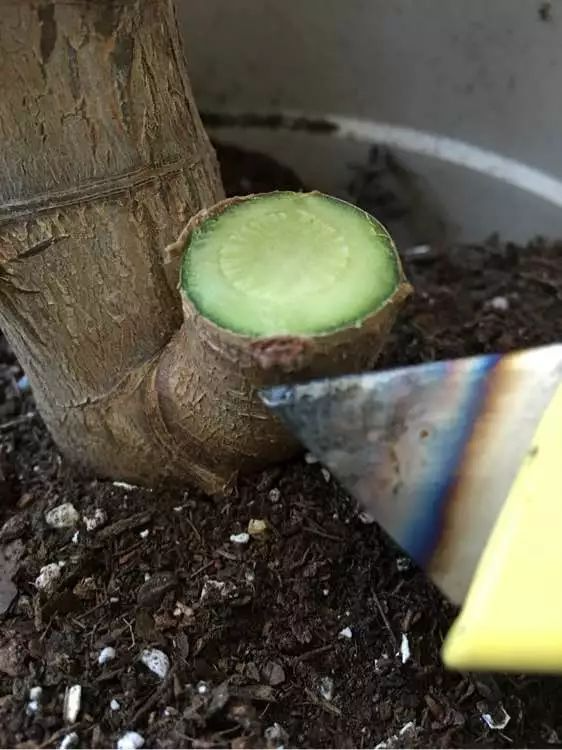
(Photo by: Beerpiying)
3. Next, prune two inward-growing branches. These branches affect ventilation and are unsightly, hindering the shaping process.
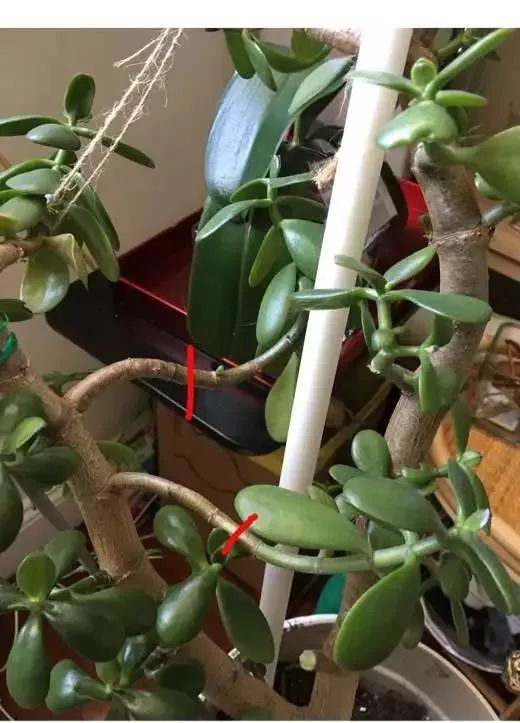 (Photo by: Beerpiying)
4. The remaining branches now form a Y-shape, which looks much better than before!
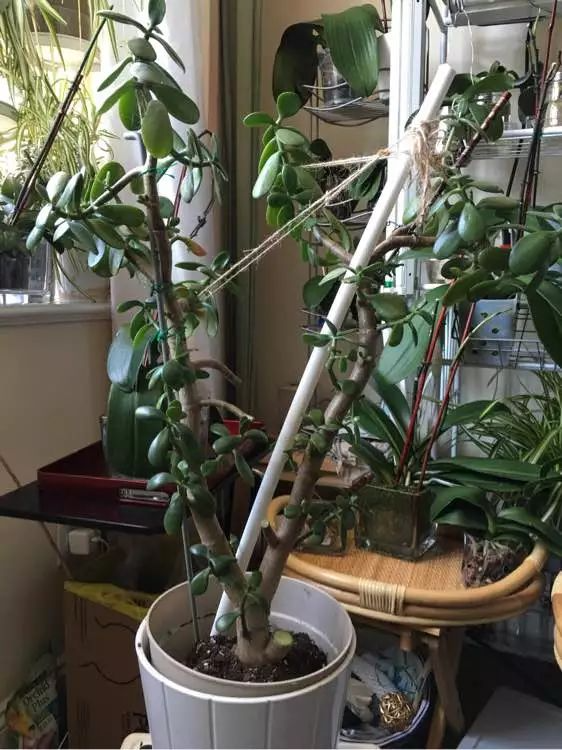
(Photo by: Beerpiying)
5. Next, we'll continue to prune the overgrown branches!
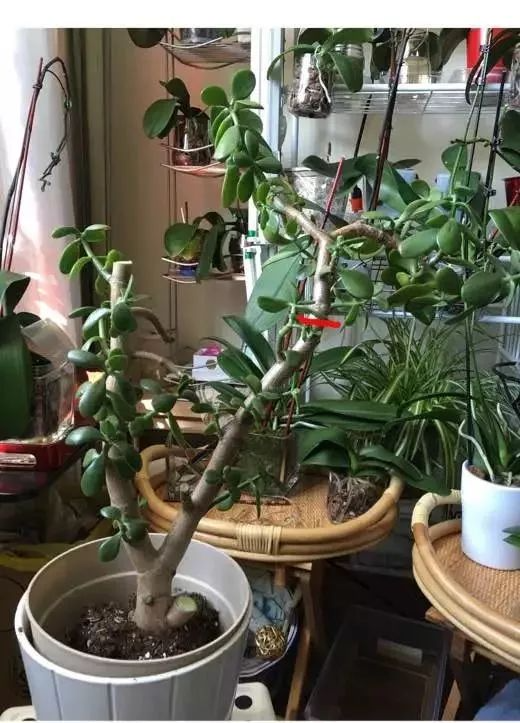
(Photo by: Beerpiying)
6. During this period, prune any excess side branches at the bottom to avoid wasting nutrients.
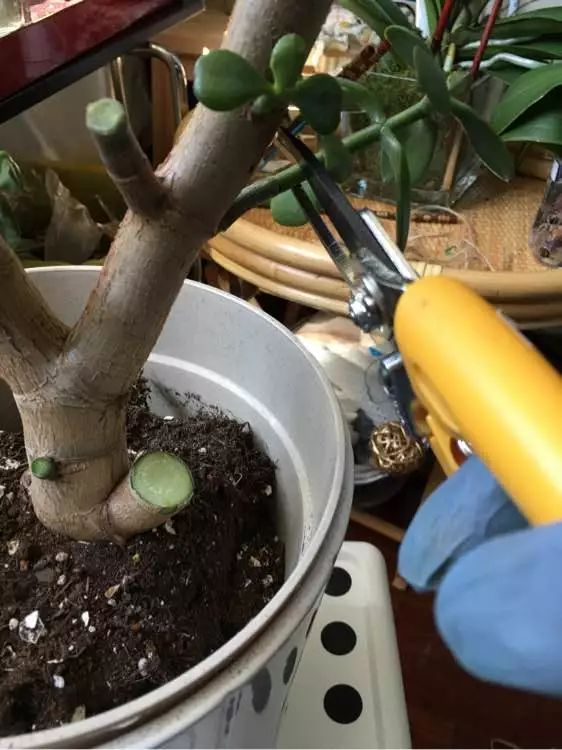
(Photo by: Beerpiying)
7. Finally, doesn't the pruned jade tree stump look clean and refreshing?
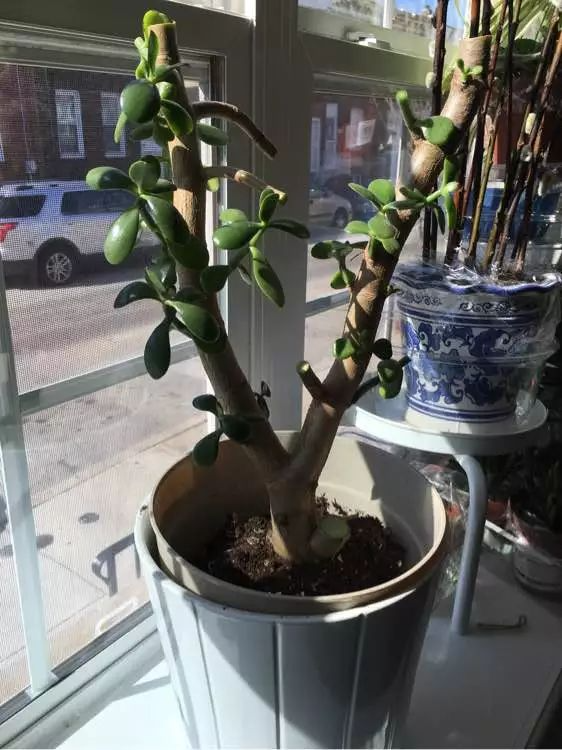
(Photo by: Beerpiying)
8. Note that after pruning, water should be withheld for at least a week, and the wound should not get wet to prevent rotting.
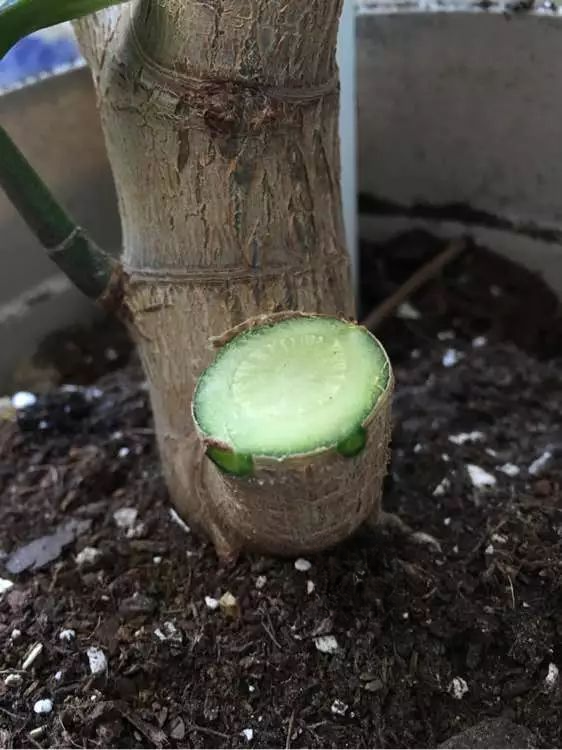
(Photo by: Beerpiying)
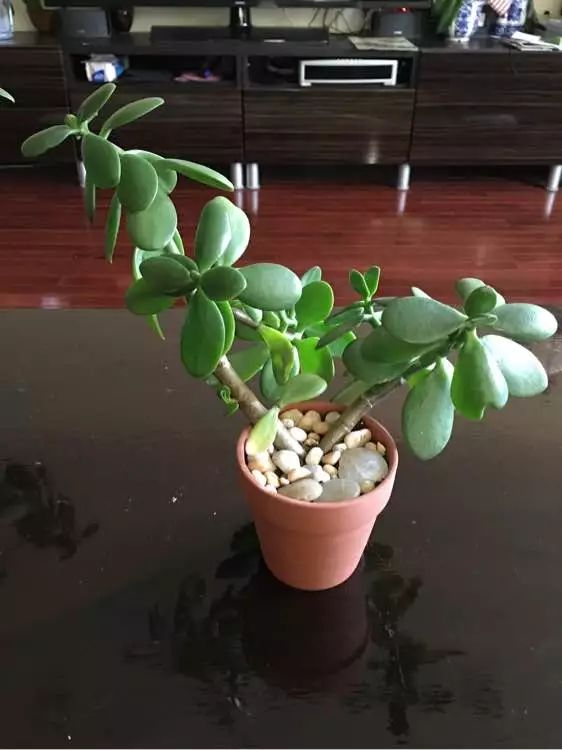
9. Don't waste the cut branches. Let the wounds dry, then stick them in sand. They will grow quickly!
(Photo by: Beerpiying)
Tip: You can also refer to the above pruning methods for jade plants !

How to prune plum blossoms (winter plum) in spring?
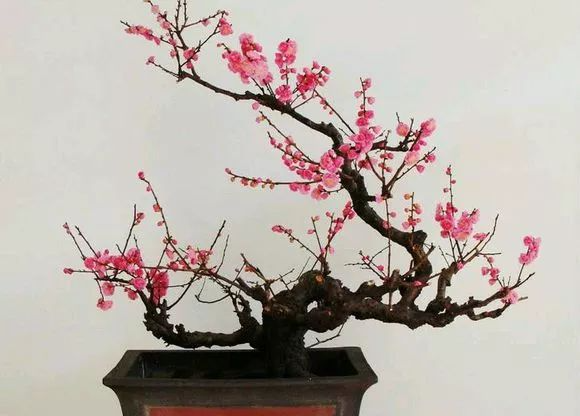
Plum blossoms (winter plum) only bloom on the branches that are growing in the current year. They won't bloom if they aren't pruned, and the tree shape will be unsightly. Moreover, shorter branches will produce more flowers.
(Photo by Tang Bohu lighting mosquito coils)
Spring pruning steps for plum blossoms (winter plum):
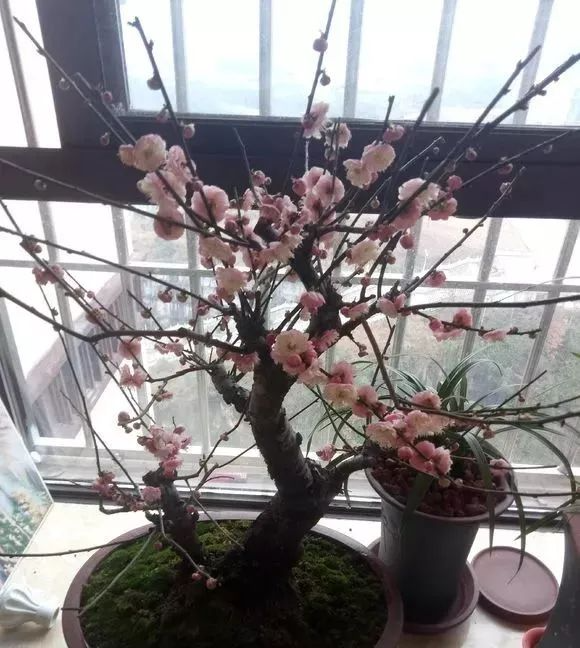
1. Pruning time: When most of the plum blossoms (winter plum) have faded, and before the branches sprout new buds, it is essential to prune them.
(Image by: shine吾愿无悔)
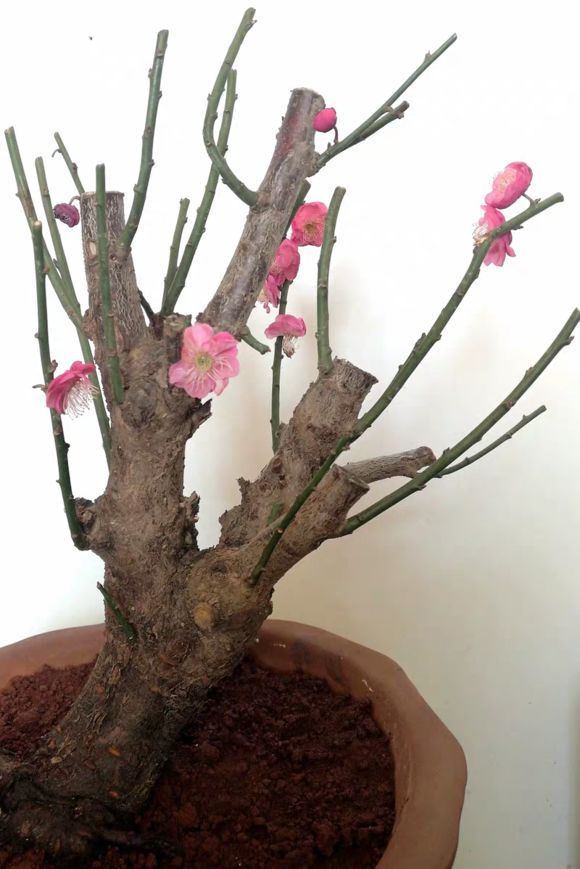
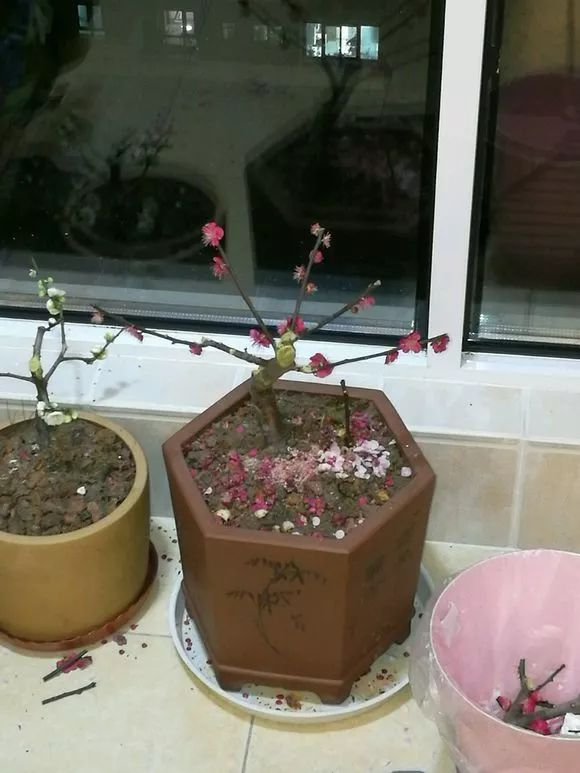
2. For beginners, light pruning is sufficient. Simply prune the branches after flowering. Cut each branch after flowering, leaving only 2-3 buds on each branch, as shown in the picture below.
Before pruning
After pruning
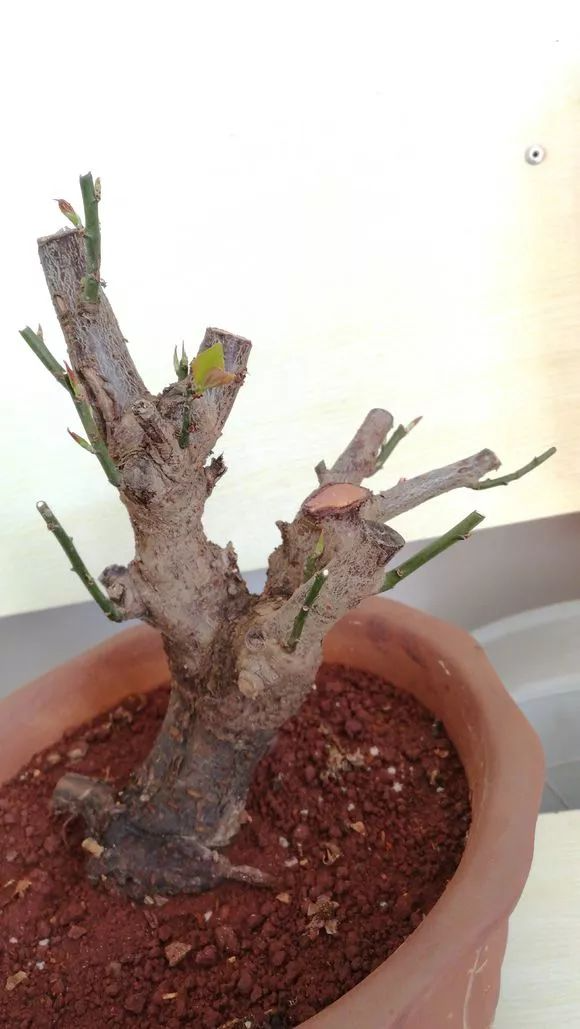
(Photo by Feng Qingying)
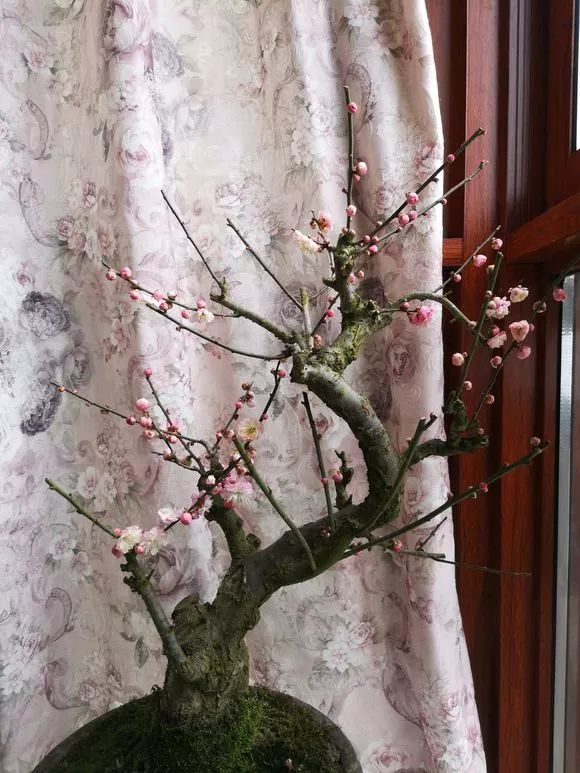
3. If you are a little more experienced or a master flower enthusiast and want to create some interesting shapes, you can continue to use your imagination to create various shapes after completing the post-flowering pruning below.
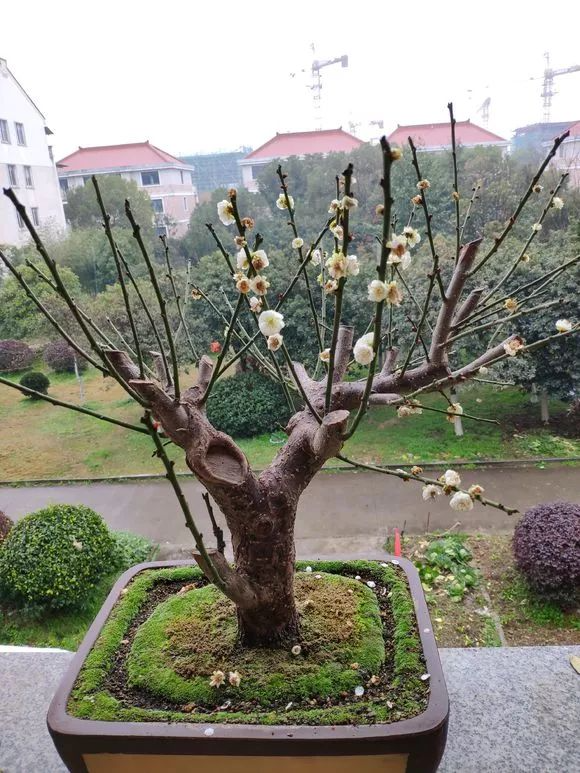
(Image credit: I do what I want, true)
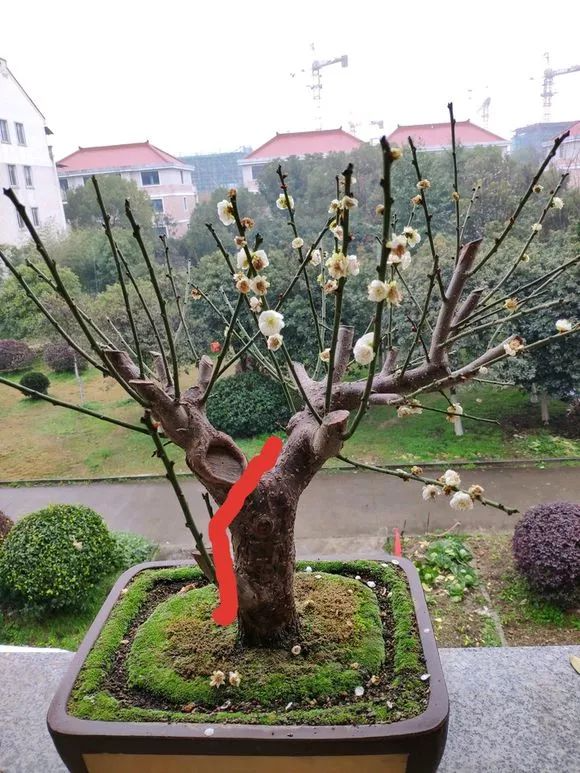
(Image credit: I do what I want, true)
Before pruning
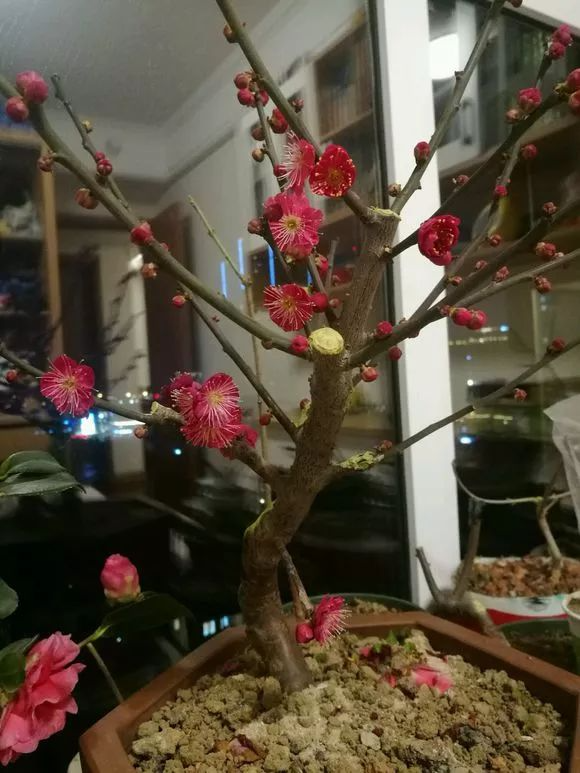
(Image credit: Suspended Matter 0)
After pruning
(Image credit: Suspended Matter 0)
(Photo by: Su Erwei happy)
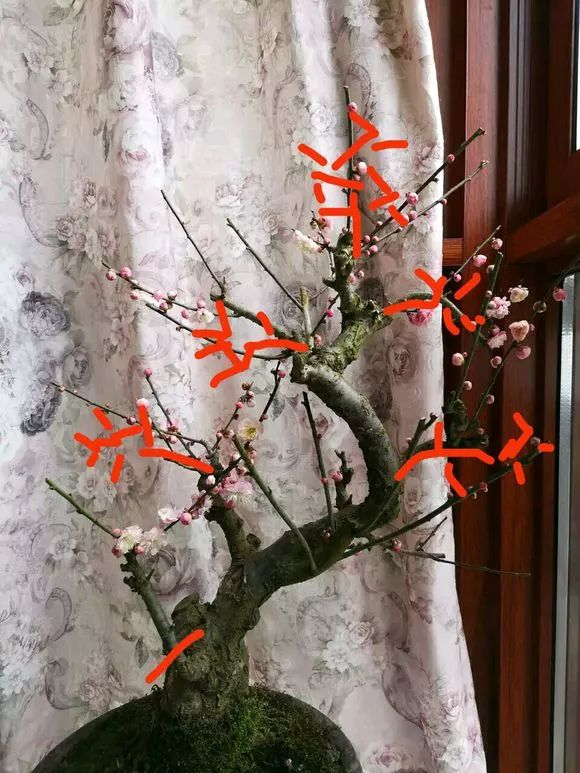
(Photo by: Su Erwei happy)
Before pruning
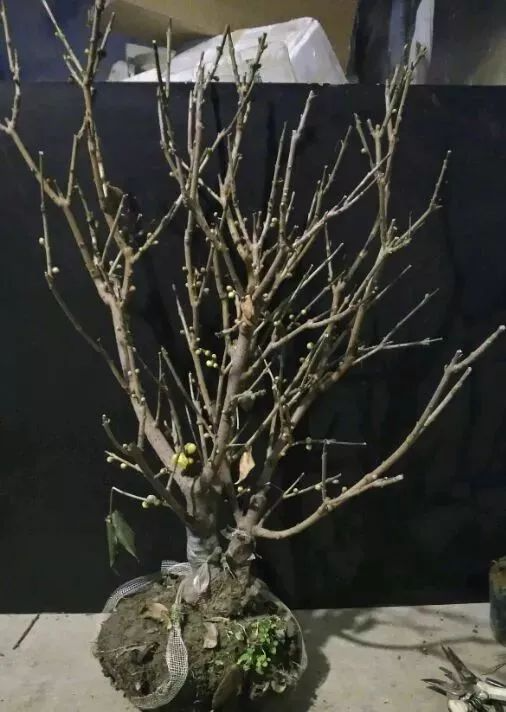
(Image by: Kanglong Youhui)
After pruning
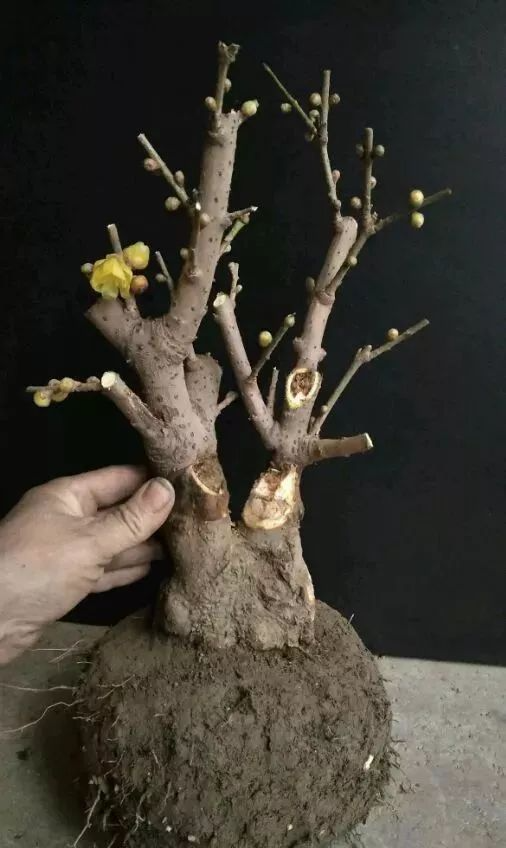
(Image by: Kanglong Youhui)
4. If you miss the pruning time, don't prune the leaves until they grow to the size shown in the picture below or even larger!
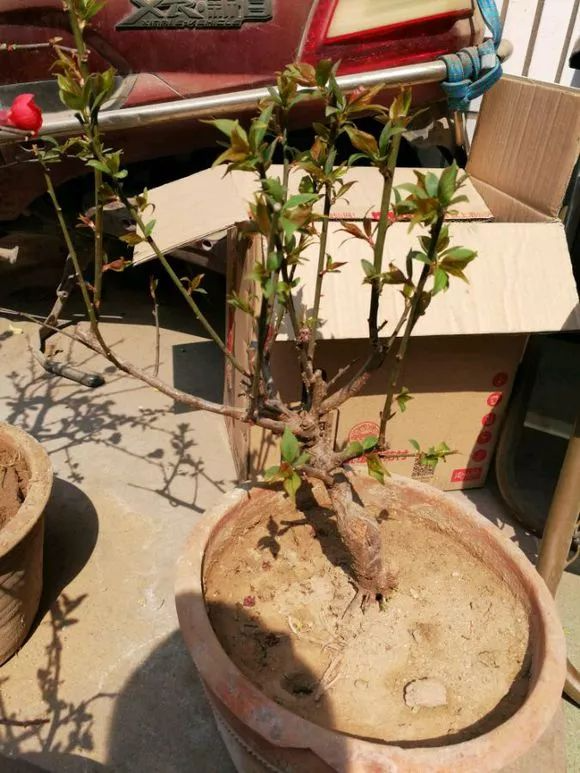
(Image credit: A group of swimming fish)

Rose buds need to be removed in spring!
For many flower enthusiasts in the south, the weather is now quite warm, and many rosebuds are sprouting. At this time, we need to prune and remove the buds so that the rose can concentrate its nutrients on strong buds that are good for shaping.
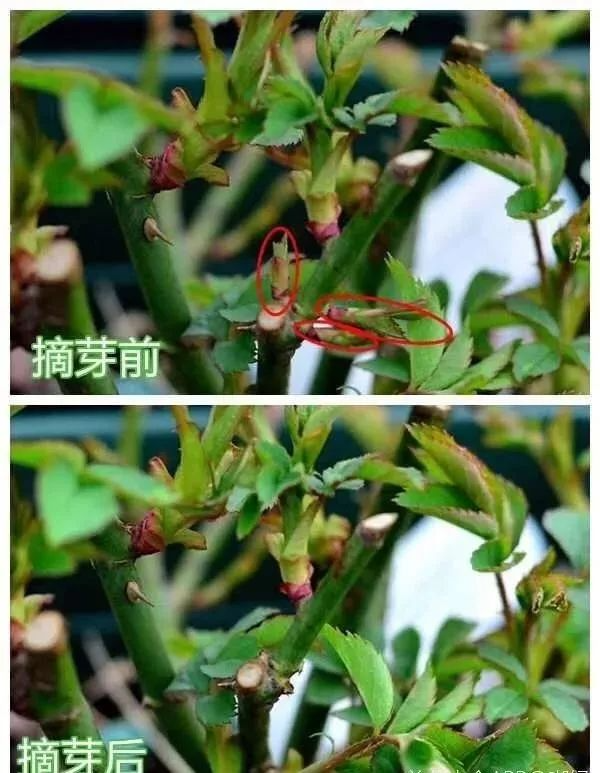
(Photo by: A Gardener in Full Bloom)
How should rosebuds be pruned?
1. Remove overly dense buds, leaving only one bud at each bud point to concentrate nutrients.
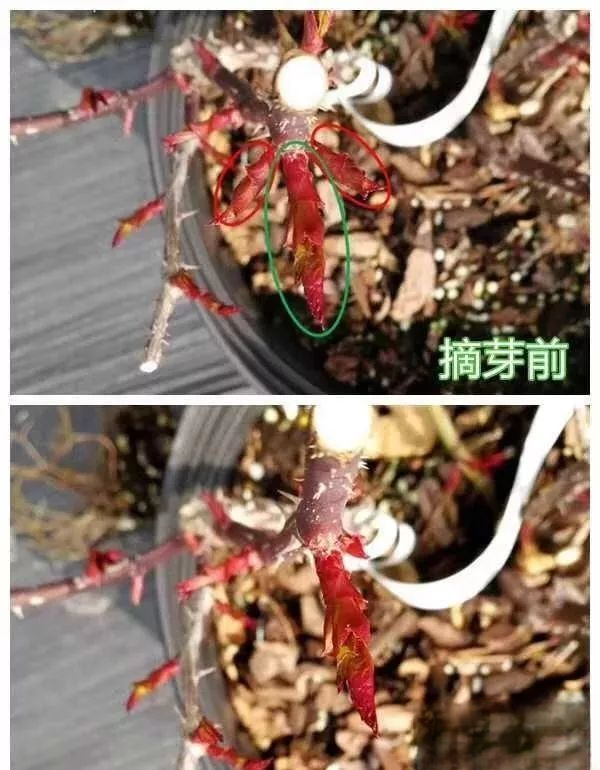
(Photo by: A Gardener in Full Bloom)
2. Remove the buds that grow inwards from the plant, leaving only the buds that extend outwards.
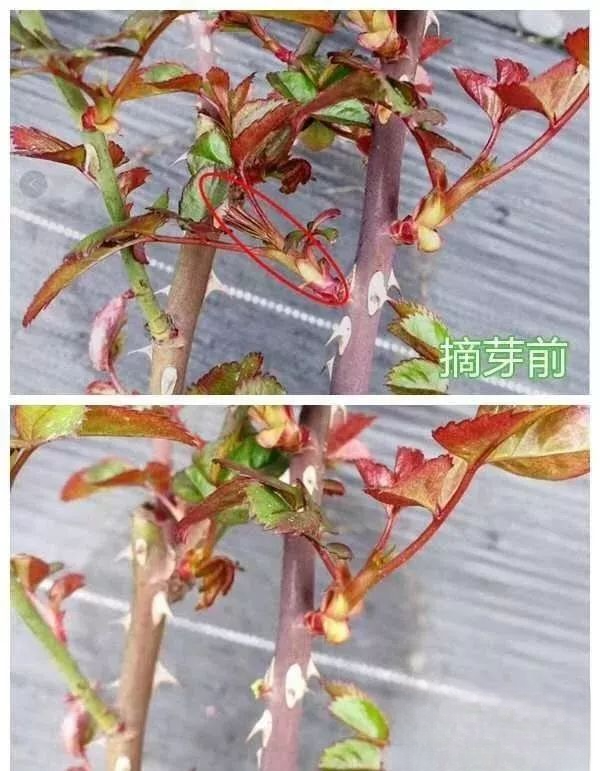
(Photo by: A Gardener in Full Bloom)
For climbing roses, you can keep the upward-facing buds and remove the downward-facing buds.
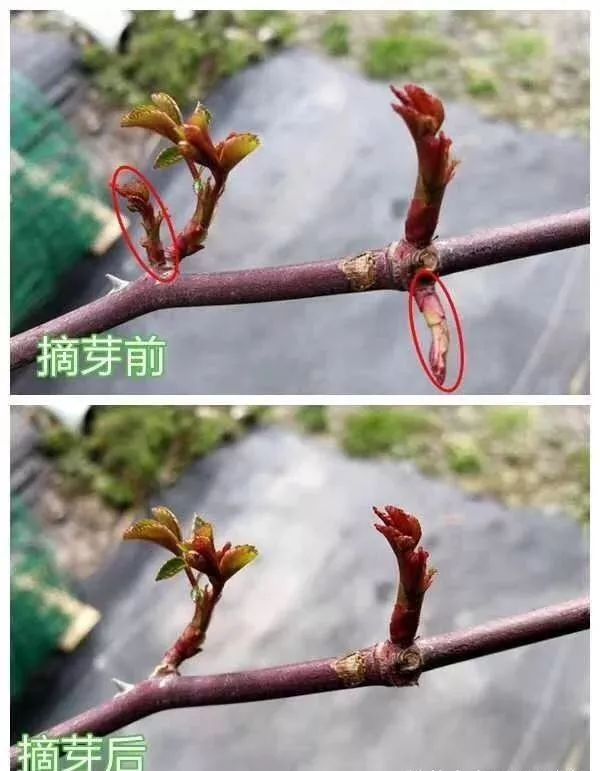
(Photo by: A Gardener in Full Bloom)
3. Remove the weak buds and leave the strong ones.
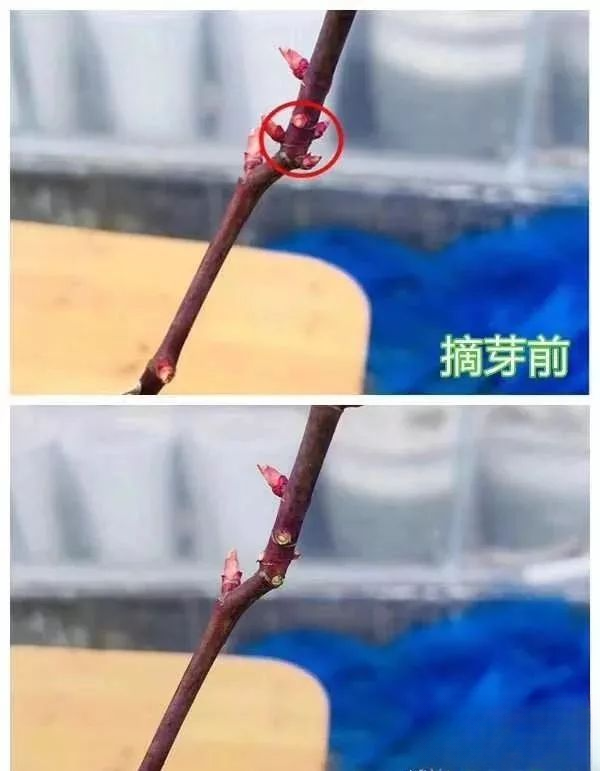
(Photo by: A Gardener in Full Bloom)

How to prune and shape an epiphyllum in spring?
Epiphyllum flowers only bloom on branches that are over a year old, so heavy pruning is not suitable. Simply prune and shape them in the warm spring. Today, let's see how flower enthusiast "Elegant Herbs" shapes Epiphyllum into a large tree!
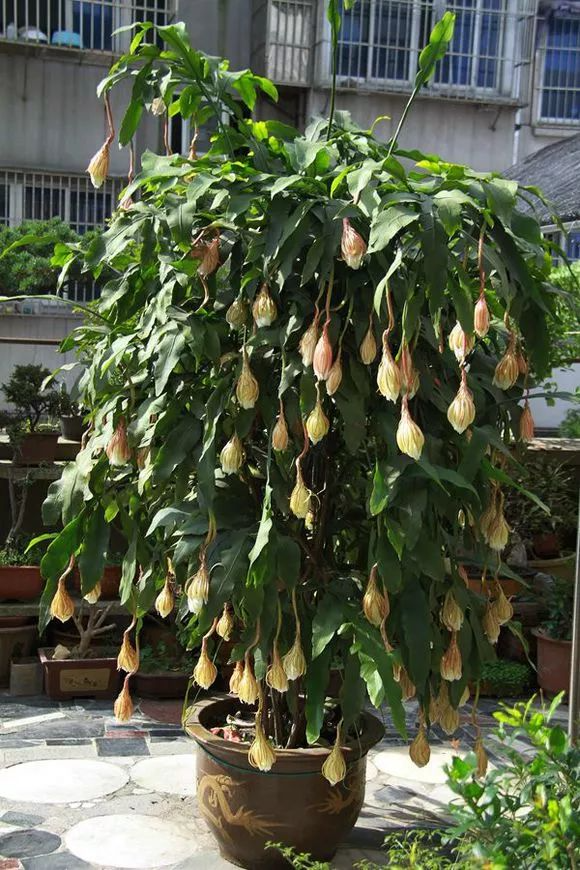
(Photo by: Ephemeral Flower abc's Home)
Steps for pruning and shaping epiphyllum:
Epiphyllum flowers under 1-2 years old generally do not need pruning. Let them grow freely. After 2 years, you can then shape them according to their natural growth pattern.
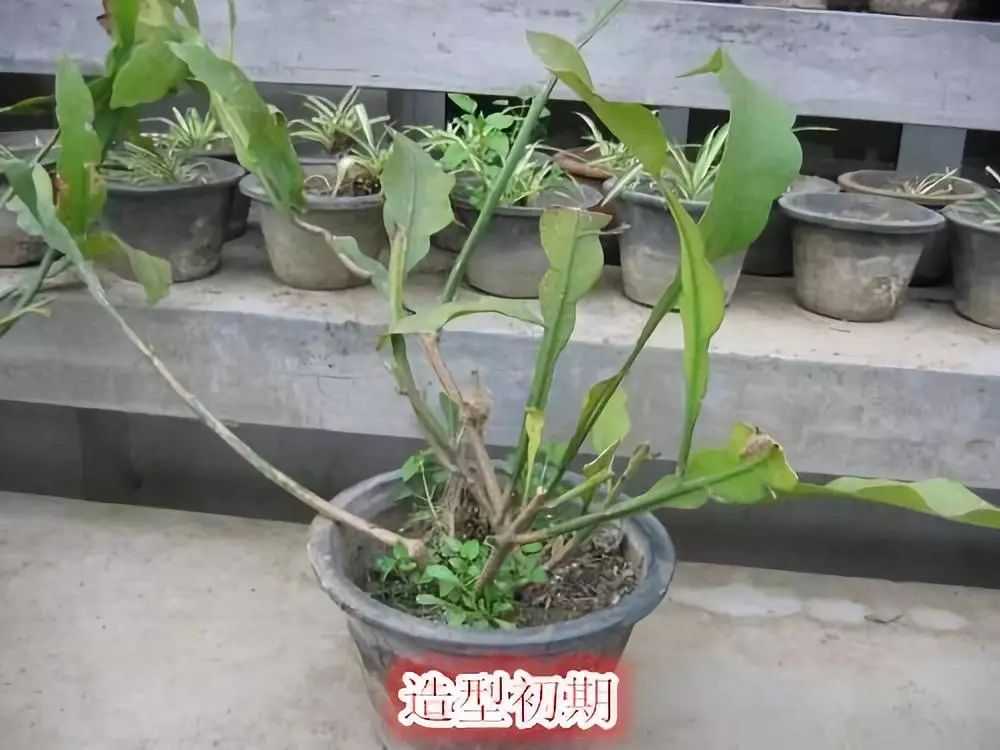
(Image by: Elegant Exotic Grass)
2. Start shaping the plant. Do not remove the bottom branches; keep them all and let the leaves grow freely to form the first layer of flowering plants! Then, place a wire frame in the pot and hang the leaves on it.
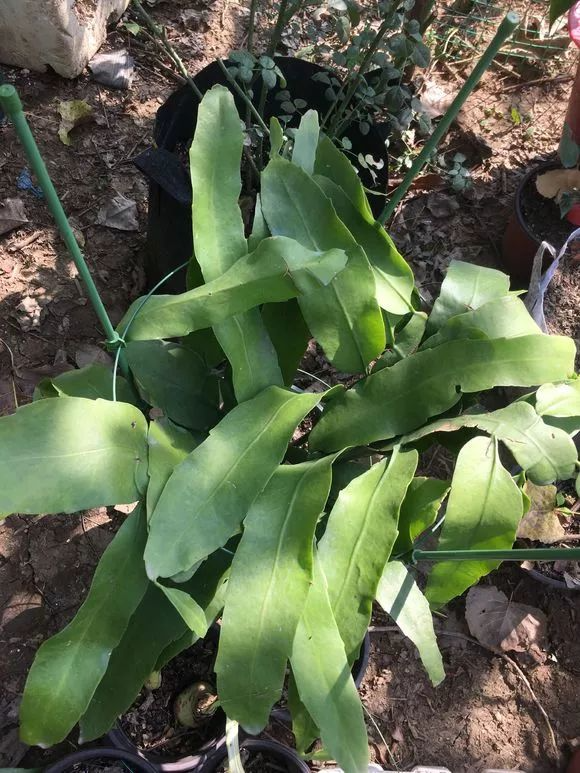
3. However, when taller and stronger branches appear on the stem, we can identify 2-3 of them as the main branches of the Epiphyllum oxypetalum and let them grow as tall as they want.
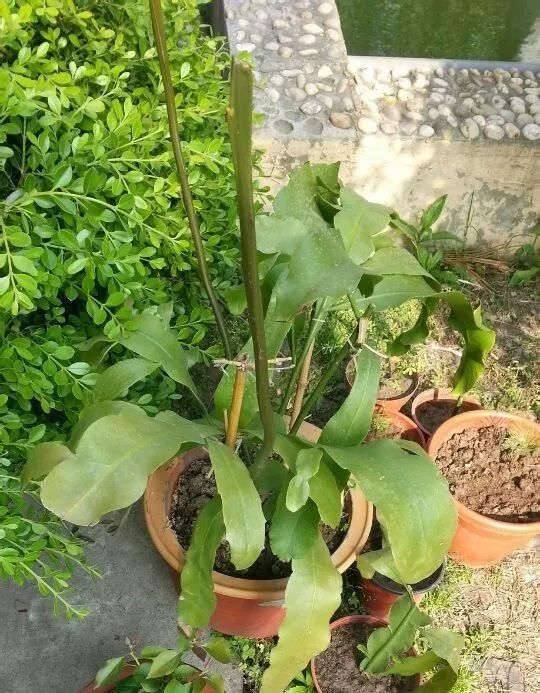
(Image by: Elegant Exotic Grass)
4. When the stem is twice the height of the plant below, prune the stem as shown in the picture below, removing any branches that are more than twice the height of the plant. This allows the main stem to continue sprouting new leaves at a higher position. Note that when pruning, be sure to leave at least two buds to ensure new shoots emerge.
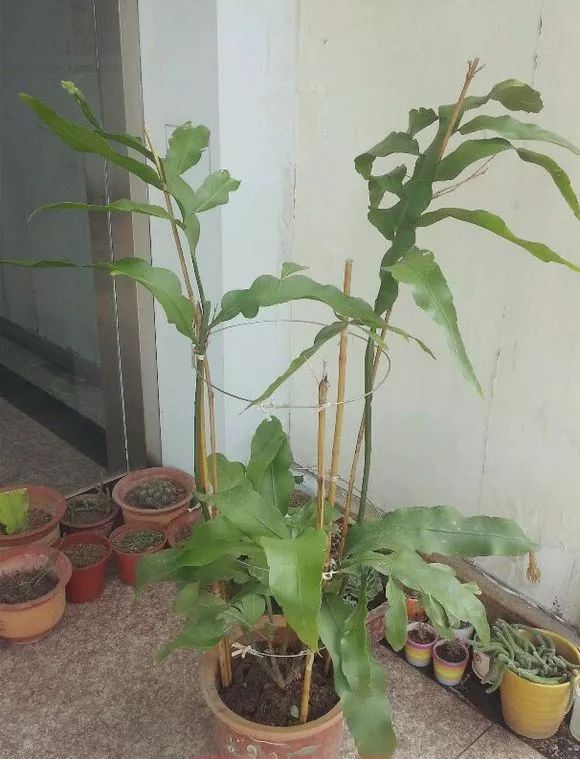
(Image by: Elegant Exotic Grass)
5. If few new shoots emerge, we can prick its growing point with a needle to encourage new shoots to sprout. As shown in the picture, pricking the areole or the concave part of the leaf with a needle can promote the emergence of new shoots!
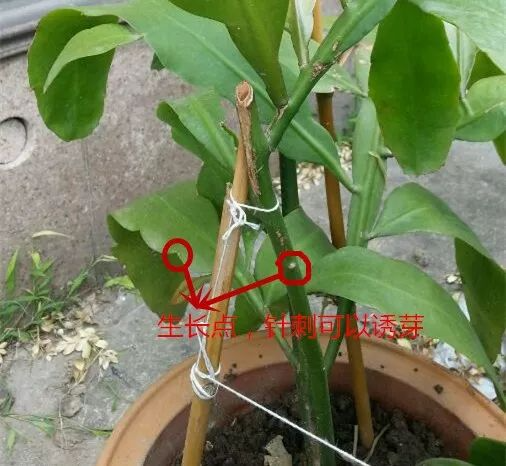
(Image by: Elegant Exotic Grass)
6. After topping, many new buds will quickly sprout from the main branches. At this time, the main branches should be supported with more than 3 bamboo poles to start creating the second layer of flowering plants.
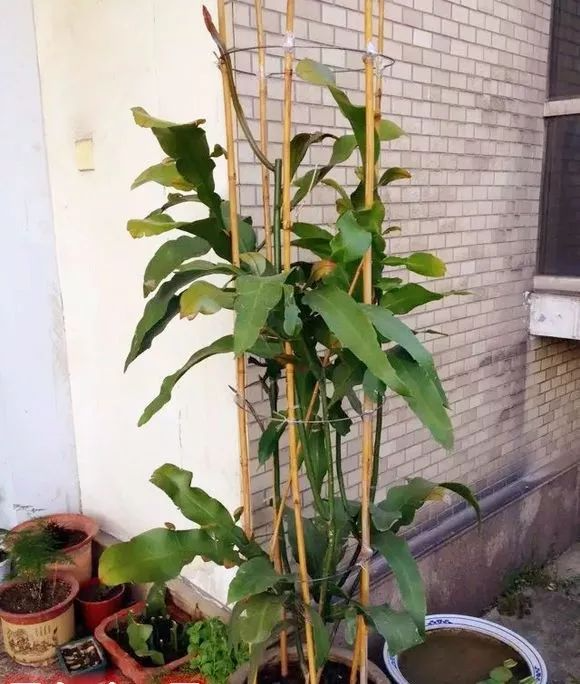
(Image by: Elegant Exotic Grass)
7. When the leaves grow particularly dense, a second layer of iron rings can be erected, allowing the second layer of leaves to hang on the second iron rings, forming a second flowering layer.
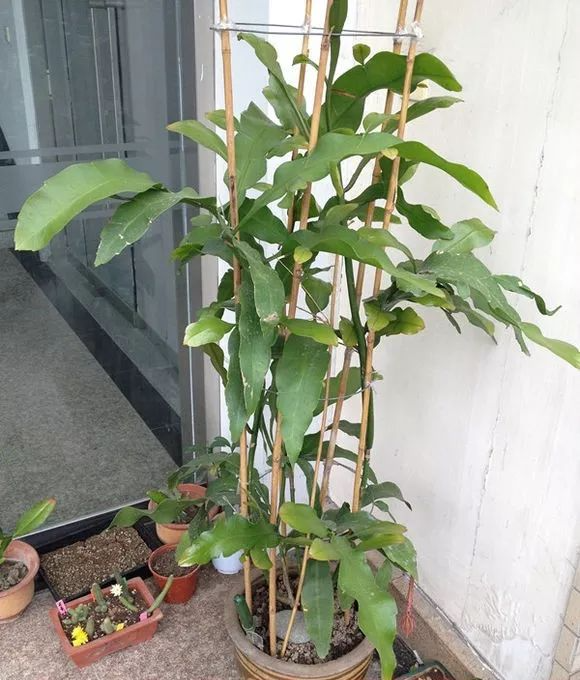
(Image by: Elegant Exotic Grass)
8. In this way, the epiphyllum grows taller and supports itself, then the top is pinched off and leaves grow, and finally, it forms a very spectacular tree shape!
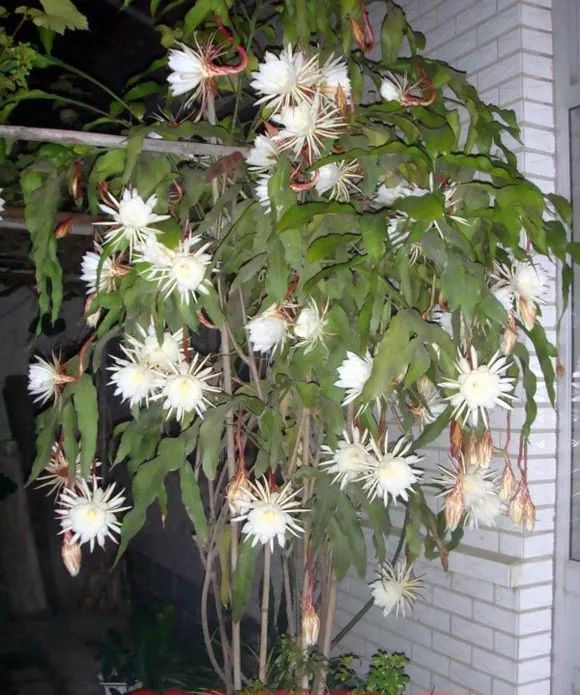
(Image by: Elegant Exotic Grass)

How should azaleas be pruned in spring?
1. After azaleas bloom, they don't need much pruning; just cut off the spent flowers and the calyx.
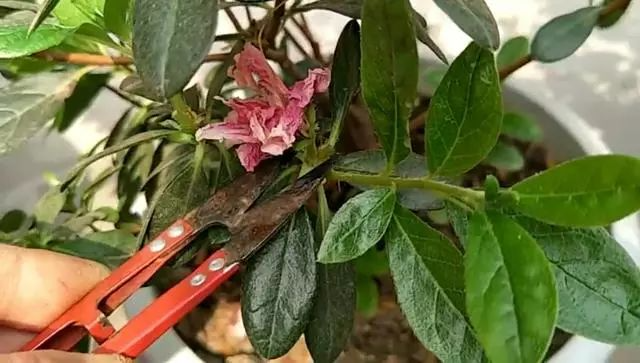
2. Soon new shoots will emerge from the withered spots; just let them grow freely!
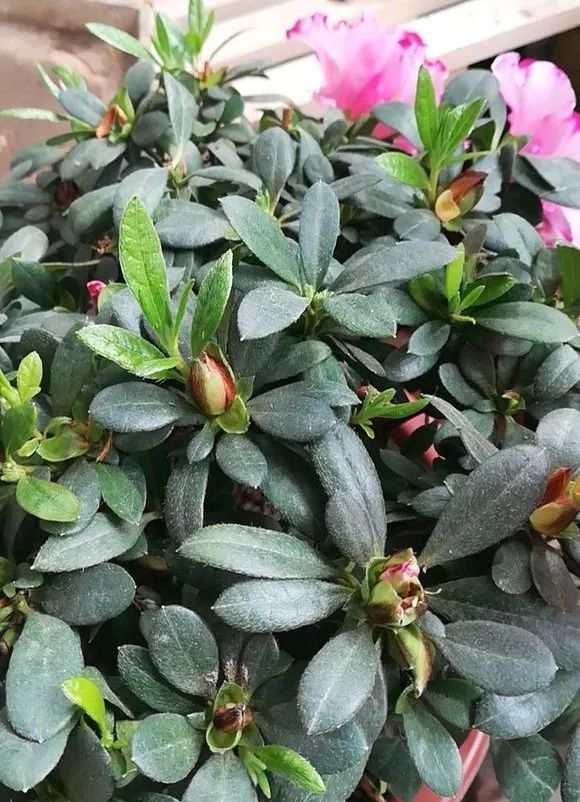
(Image by: 5M5eSW8)
3. When it grows to around June, we will prune it again to make the branches all the same length and form a beautiful spherical or fan-shaped shape.
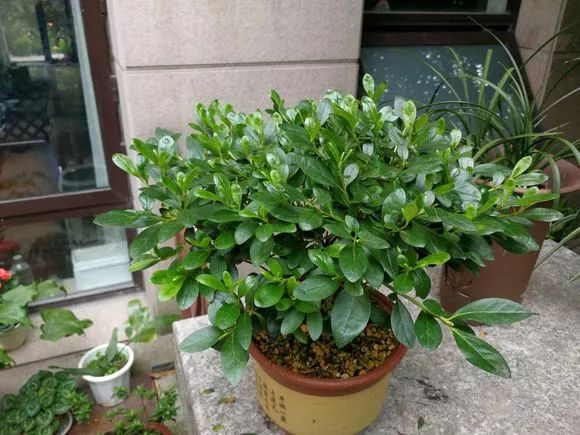
(Photo by: LYF)
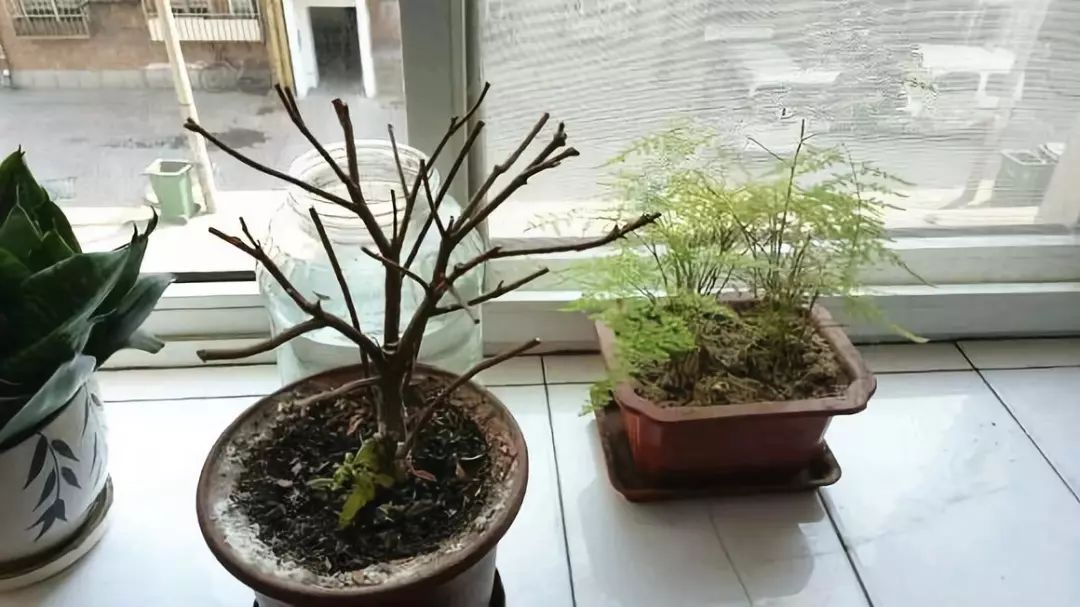
4. However, for azaleas with problems such as yellowing leaves, leaf drop, insect infestation, or bud drop, or for advanced gardeners who want to shape the plant, you can prune it more heavily to allow the azalea to recover its vitality. If there is root rot, you should also prune the rotten roots.
Before pruning
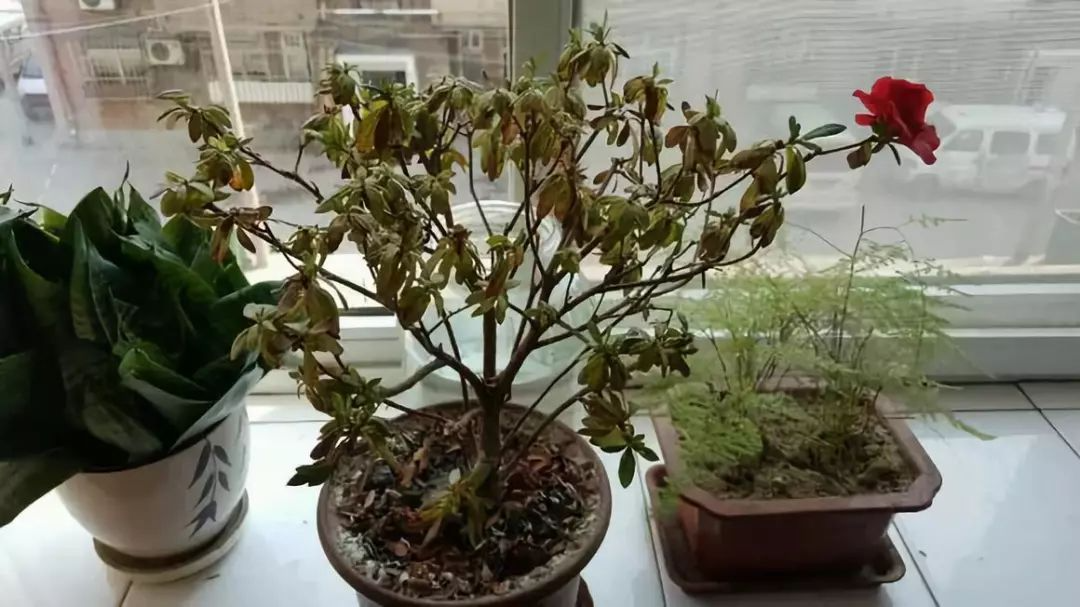
(Photo credit: Autumn Feast)
After pruning
(Photo credit: Autumn Feast)
Cover with a plastic bag to keep it moist!
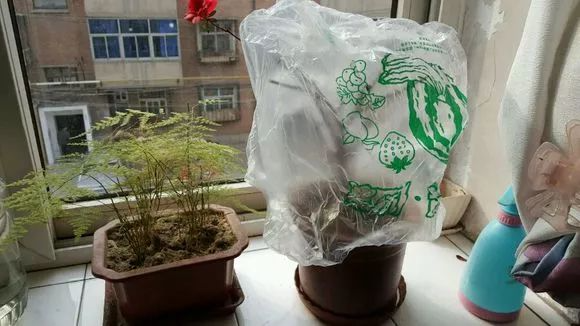
(Photo credit: Autumn Feast)
Springtime arrives, and soon new buds will sprout again!
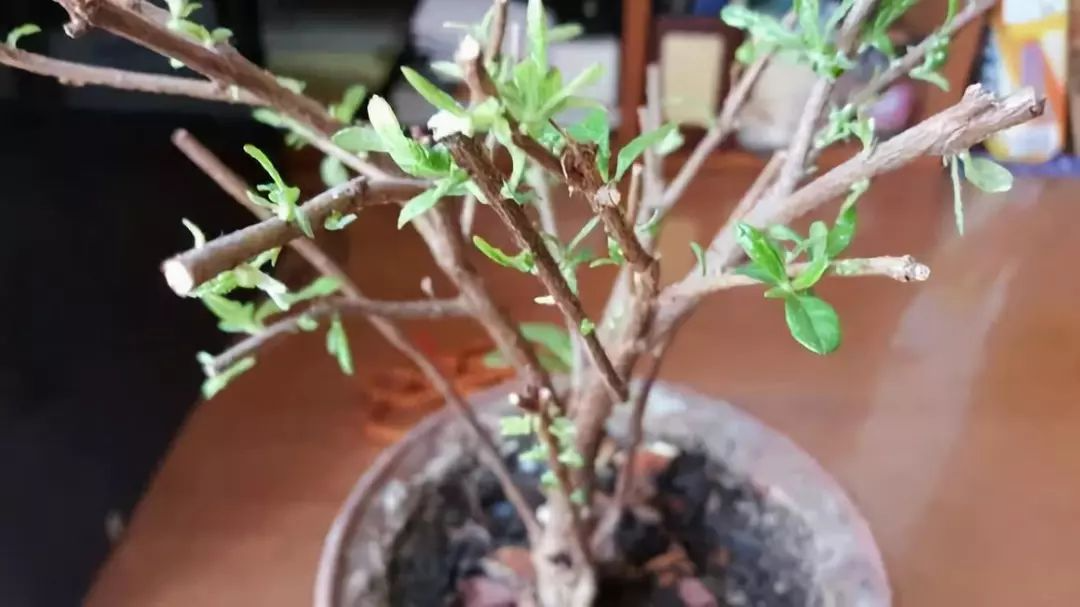
(Photo credit: Autumn Feast)

How to prune kumquats in spring?
If you've had enough of the kumquats you bought for the Lunar New Year, you can pick them and prune them so they can continue to grow leaves, bloom, and bear fruit.
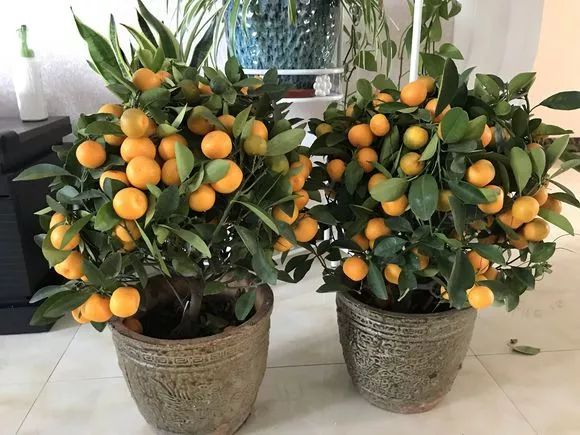
(Image by: As expected, this is how it is)
Pruning methods for kumquats (annual kumquats):
1. Remove all the kumquats from the branches to prevent them from consuming nutrients and allow the plant to rest.
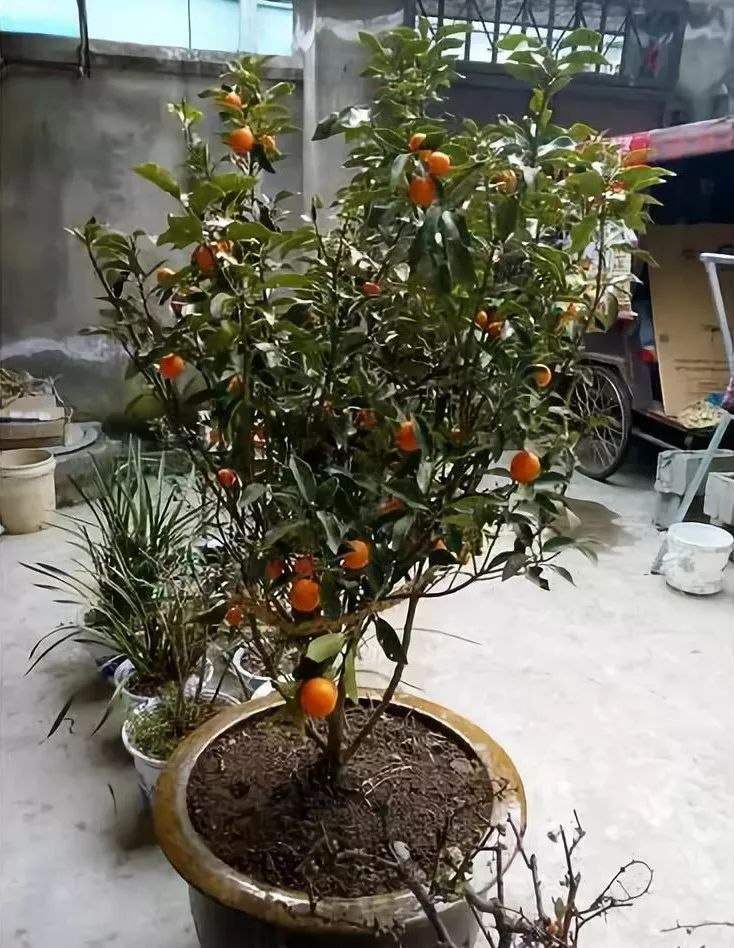
(Photo by: Moonlit Bamboo)
2. After removing the fruit, begin pruning the branches. For stronger branches, leave 4-5 buds and cut off the rest. For weaker branches, leave only 1-3 buds and cut off the rest!
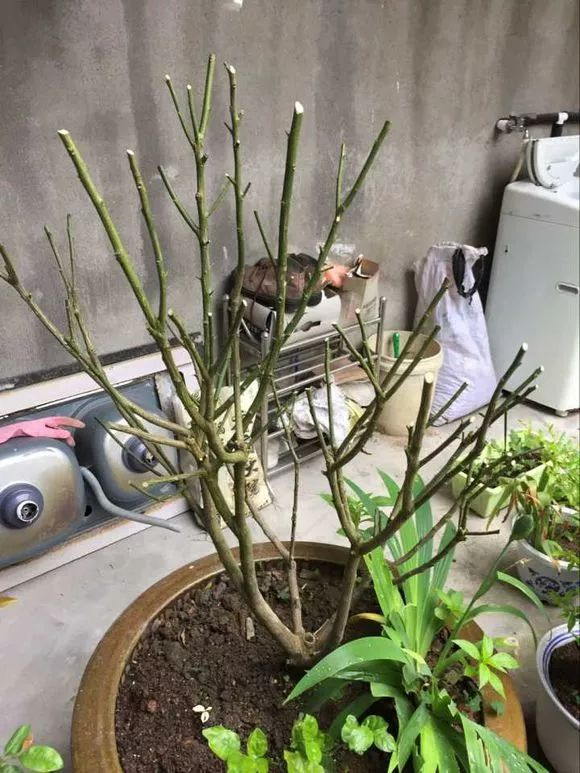
(Photo by: Moonlit Bamboo)
3. After pruning, new branches and leaves will sprout a month later. When the new branches grow to 6 leaves, pinch off the tips to make the crown fuller.
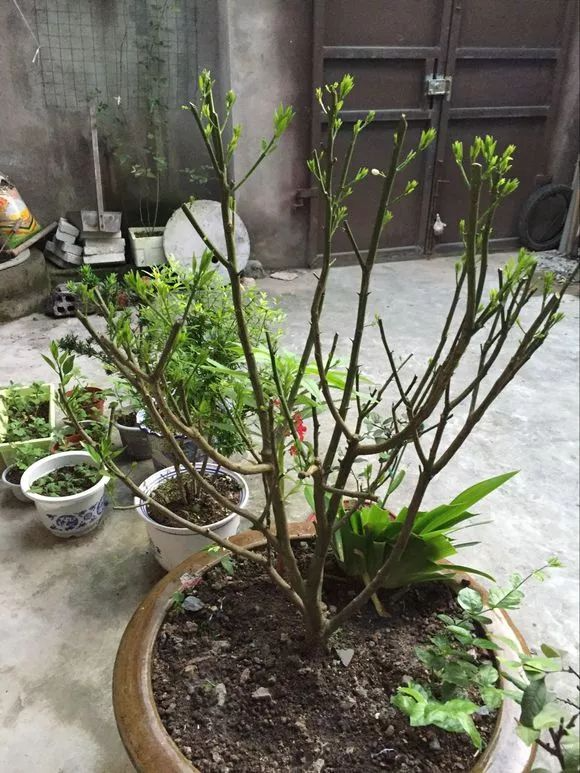
(Photo by: Moonlit Bamboo)
4. Of course, when pruning, you should also take into account the overall shape of the plant so that the kumquat can continue to maintain a beautiful mushroom head or cylindrical shape.
Before pruning:
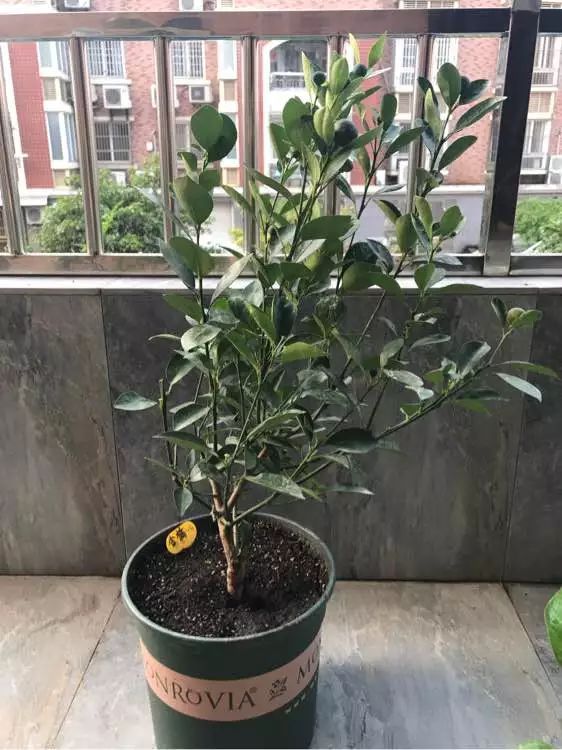
(Photo by: Moonlit Bamboo)
After trimming:
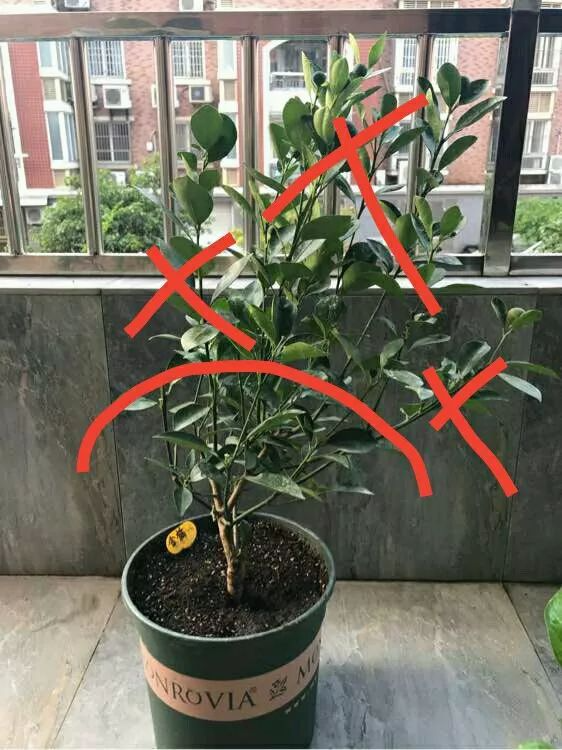
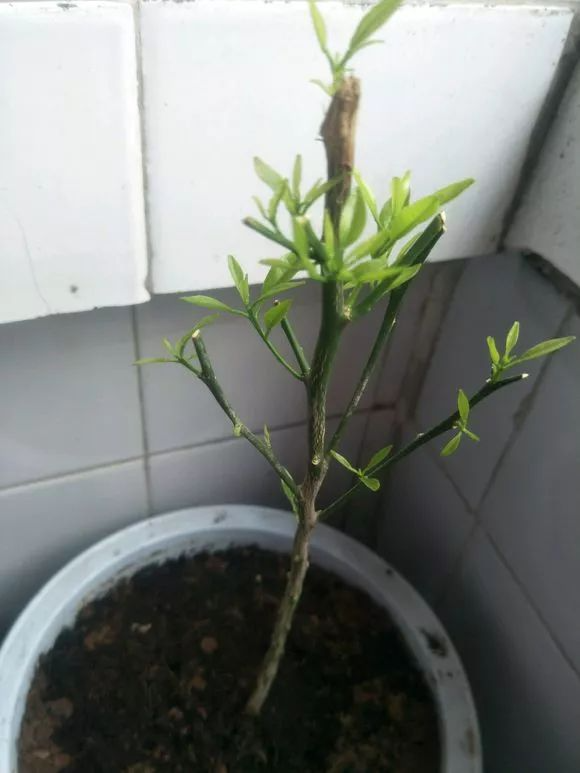
5. Also, if your kumquat tree grows tall but doesn't sprout new shoots, you can cut it in half to suppress the side shoots!
(Photo credit: Rice from DaMi's Family)

How to prune daphne after it blooms?
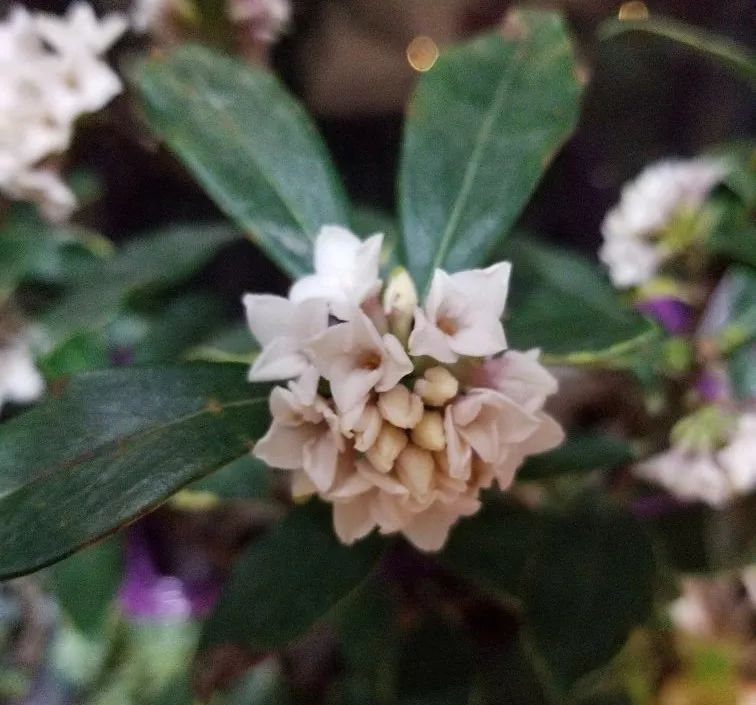
After Daphne blooms, it does not need to be pruned because several small buds will grow from the flower bud site! Moreover, Daphne only grows in spring and autumn and goes dormant in summer, so its growth is very slow and it generally cannot be heavily pruned.
(Image by: Big Ears)
What to do after the daphne finishes blooming?
1. Daphne only blooms on old branches that are over one year old; new branches growing in the current year will not bloom! So, if you want to see flowers this winter, don't prune after the flowers bloom. Many new buds will grow from the places where the flowers were!
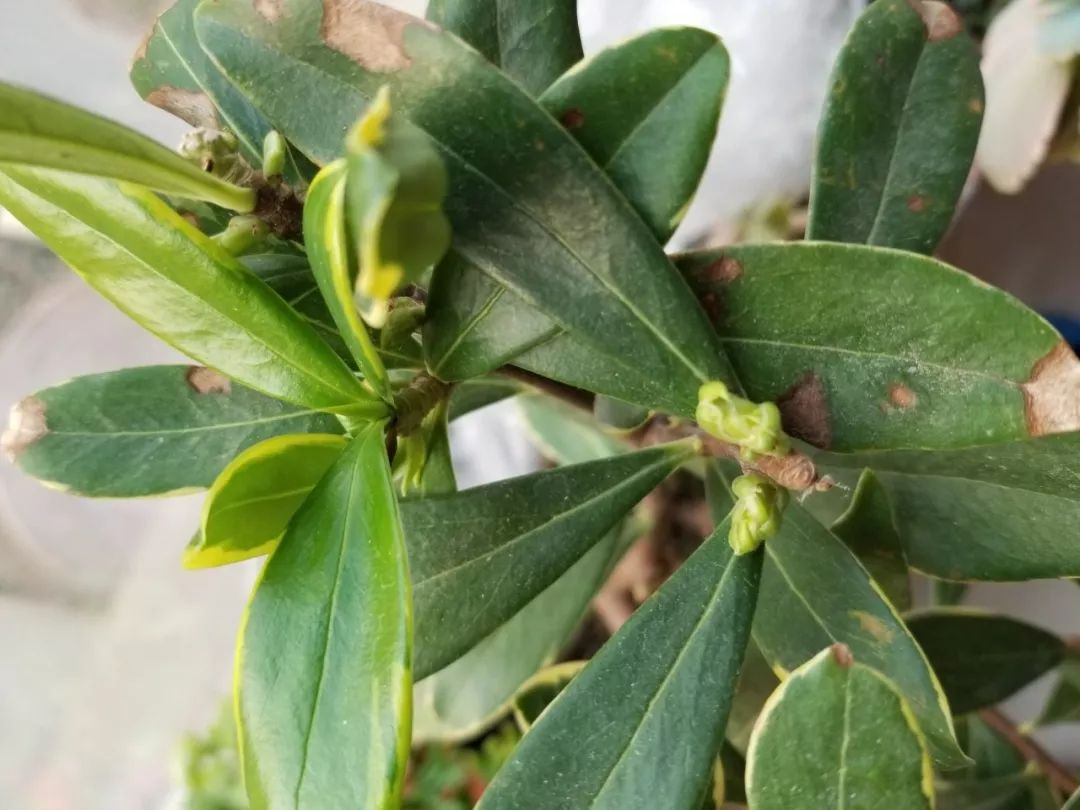
2. However, if your daphne has poor branching and only produces a few flowers in the past, which is not very attractive, then we can prune it after flowering to encourage more side branches and a fuller plant shape. With more branches, you can enjoy more flowers next year, even if you can't see flowers this year!
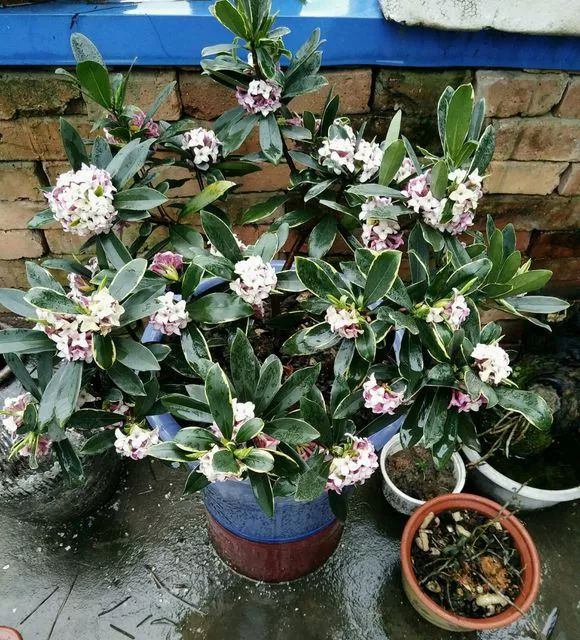
(Photo by: Young Boy)
After flowering, prune the plant below the flower, about a pair of leaves away!
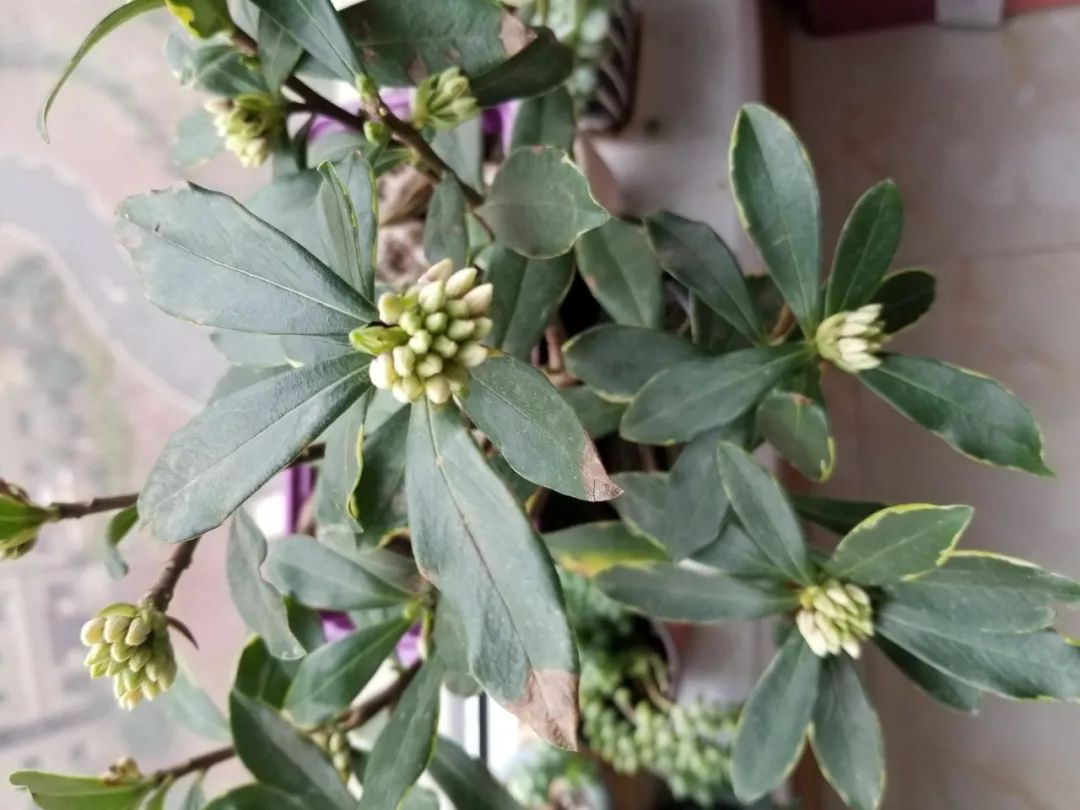
3. In another case, if the daphne grows too aggressively, like in the picture below, it can be reshaped.
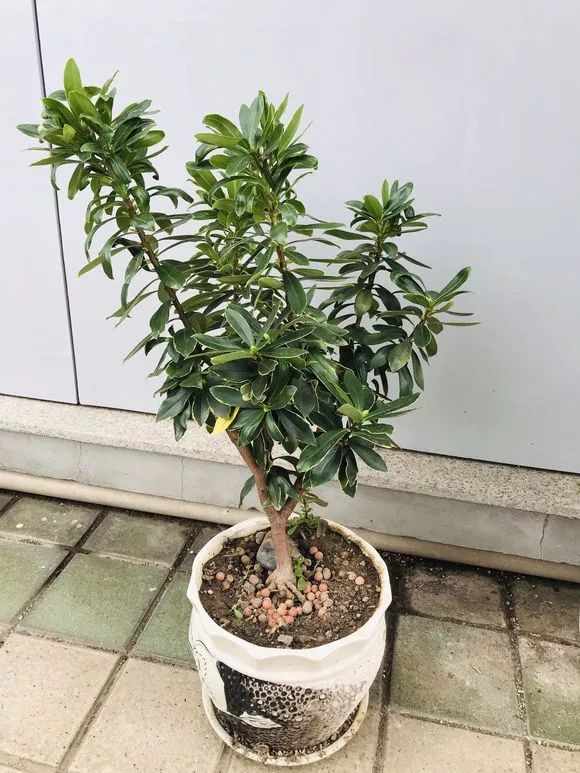
(Image by: zyf乐乐fly)
4. Cut horizontally along the line shown in the picture below to create a mushroom-shaped head. Although you won't see any flowers that year, the plant will have a nice shape and produce more flowers next year!
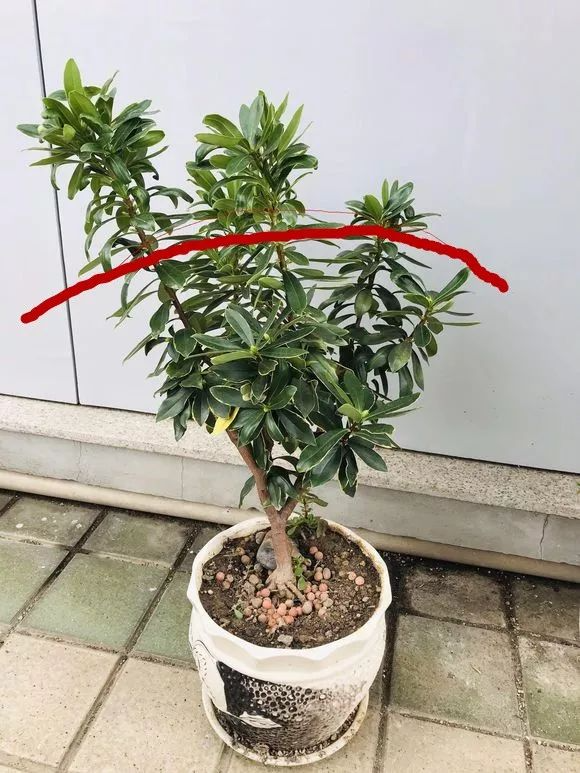
(Image by: zyf乐乐fly)
5. Besides the pruning methods mentioned above, there's an even more advanced way to enjoy daphne: wrapping the branches with bonsai-specific aluminum wire to create various bonsai shapes. There are many techniques involved in this, which I'll explore further and discuss in more detail later.
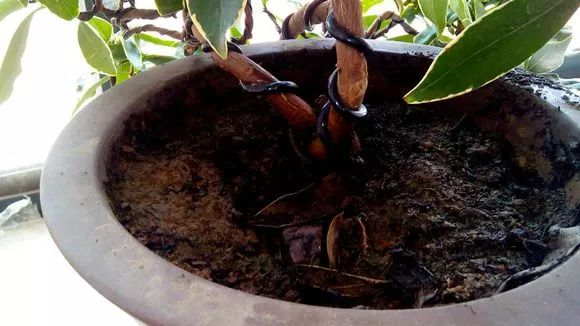
(Photo by: Tree Stump Novice)
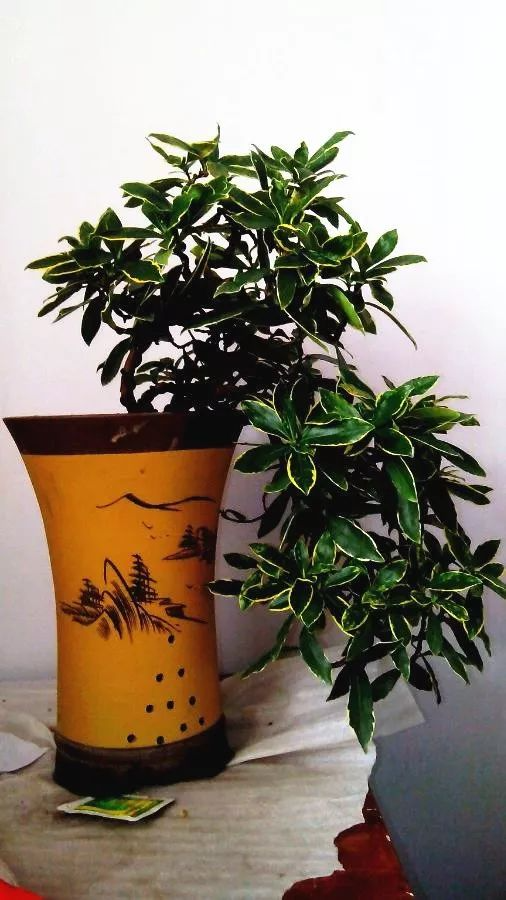
(Photo by: Tree Stump Novice)

How to prune gardenias in spring?
1. Older branches of gardenias are more likely to bloom, while new branches are less likely to bloom, so they are generally not pruned in spring.
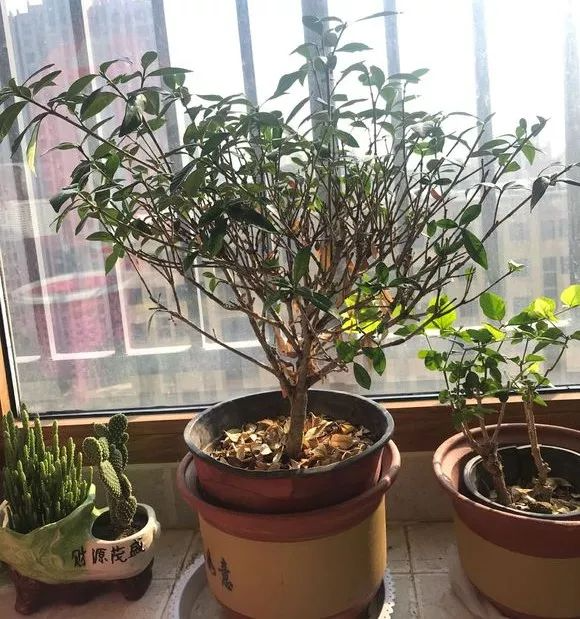
(Image by: xxc0816)
2. After the flowers have finished blooming, around June, prune the remaining branches.
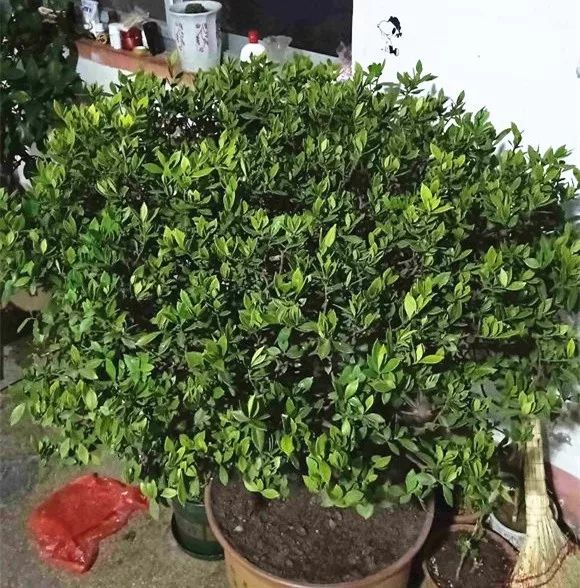
(Image by: wmw893774914)

How to prune Milanese plants in spring?
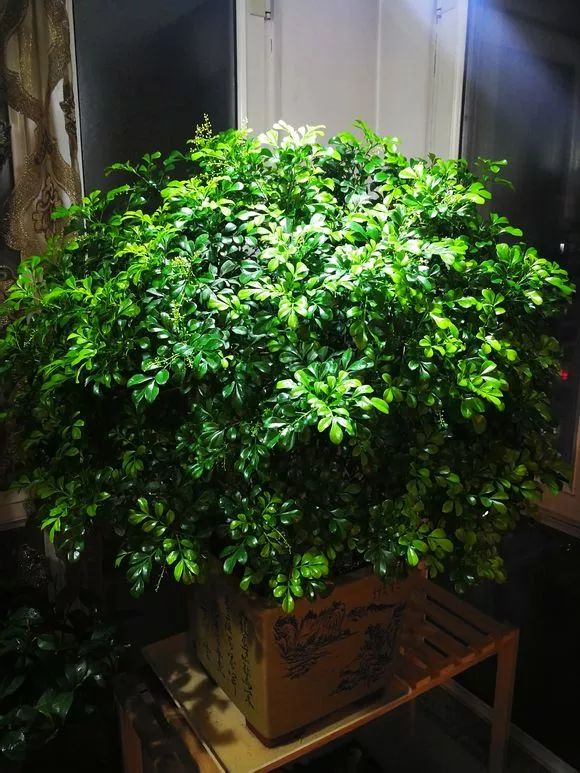
Milan is quite tolerant of pruning; the more you prune, the faster it grows. Spring and after flowering are the best times to prune it. However, if you are growing it indoors at a temperature above 18 degrees Celsius, you can prune it anytime!
(Photo by: Xiao Ming)
Milan Pruning Method:
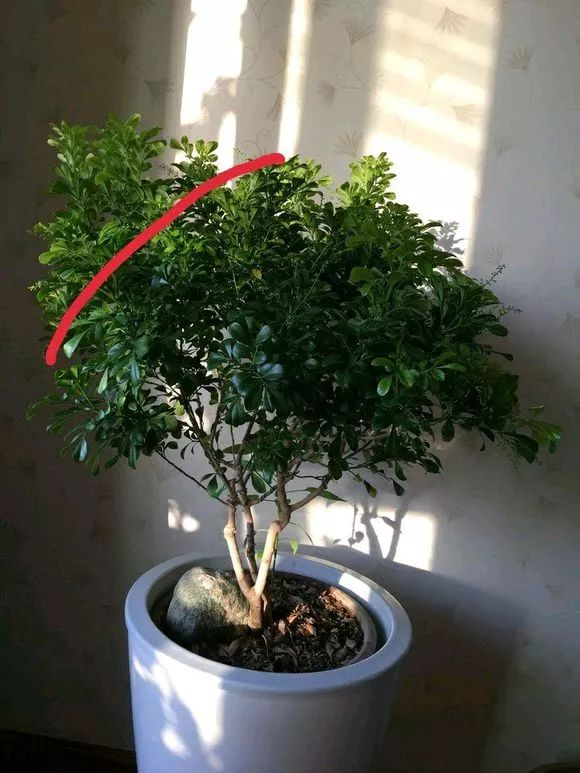
1. Note that if your Milan jasmine doesn't have any major problems, but is just growing a bit messy or the branches aren't very dense, then it's recommended that you only prune it lightly in the spring.
(Photo by: Bingduoer syf)
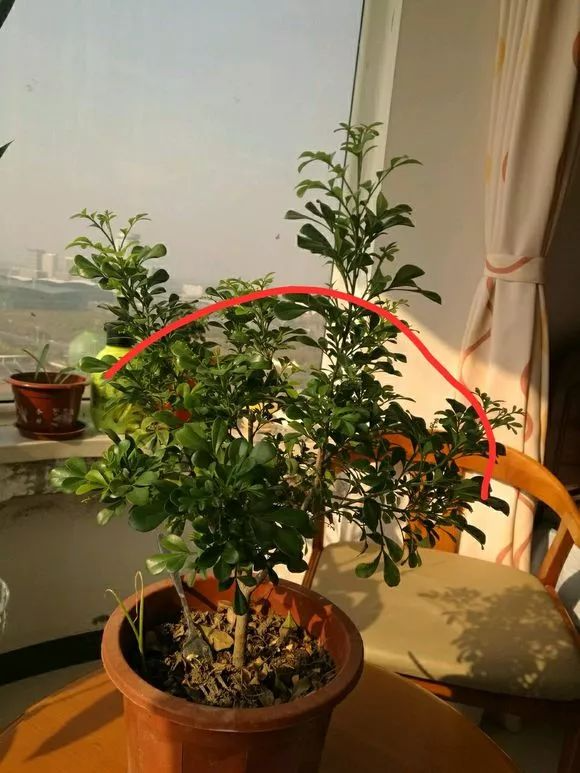
2. The method for light cutting is very simple. First, have a general outline in your mind, and then cut according to that outline. Generally, cutting it into a mushroom shape looks the best and produces the most flowers.
(Photo by: Glorious Years)
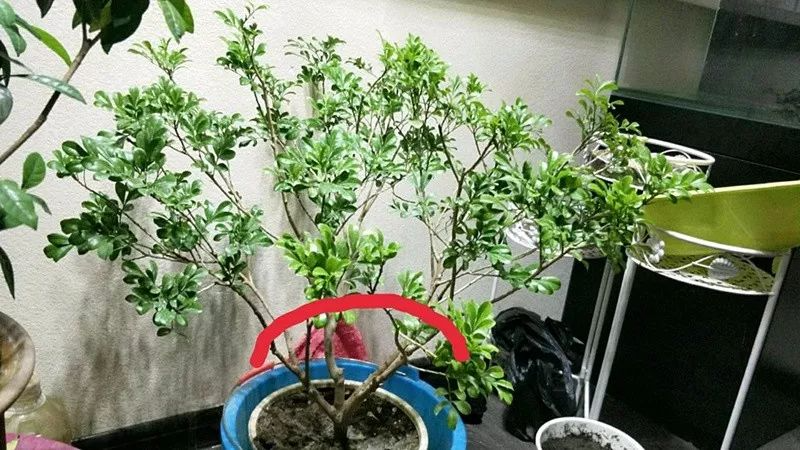
3. If your Milan plant is suffering from large-scale pests and diseases, such as algal spot, scale insects, powdery mildew, or large-scale yellowing and leaf drop, then you must take drastic measures to eliminate it!
(Image by: 嚜删)
4. Like the flower enthusiast in the picture below, if you get algal spot disease, you can quickly cut it off and give it a buzz cut.
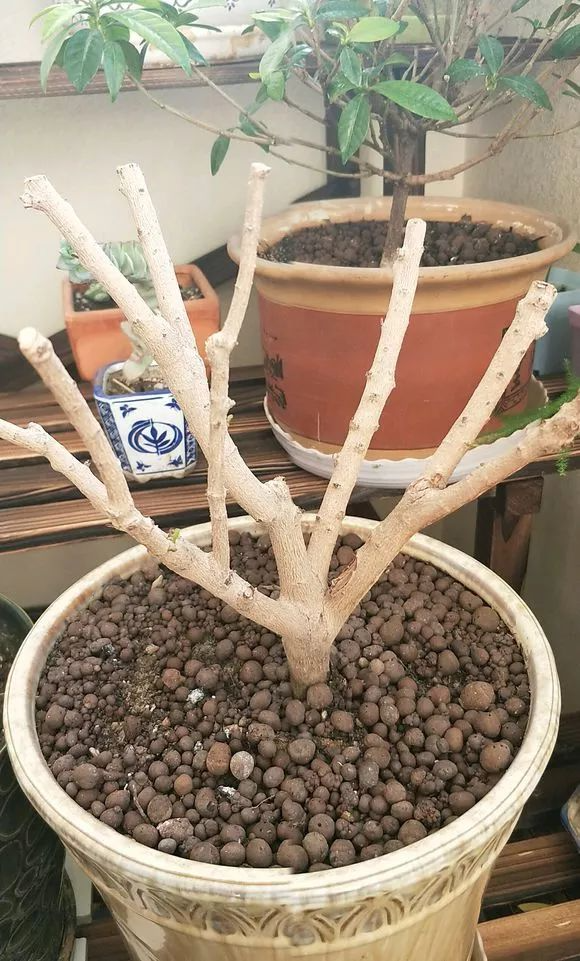
(Image by: 嚜删)
5. Spring is the season of budding, and soon many new buds will sprout on the branches!
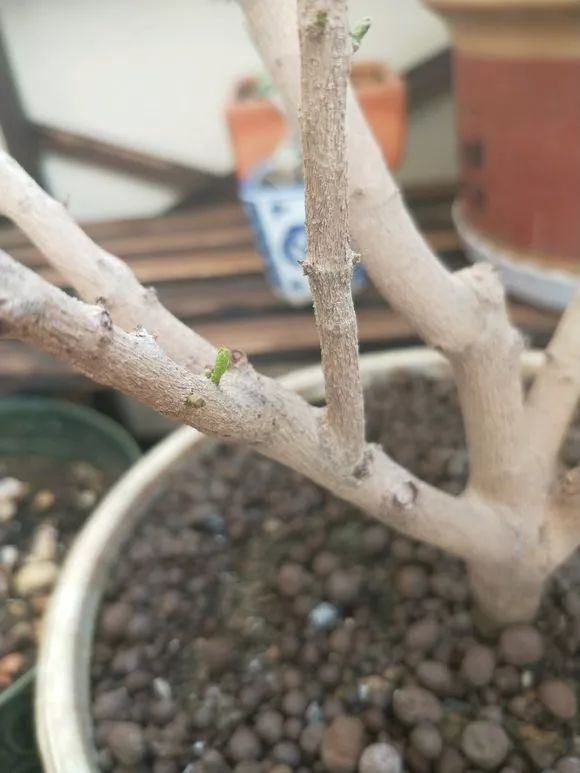
(Image by: 嚜删)
Tip: You can also refer to the above method for pruning and shaping Murraya paniculata and African jasmine !

How to prune a potted lemon tree in spring?
Potted lemon trees must be pruned before they sprout in spring, in a manner similar to that of kumquats.
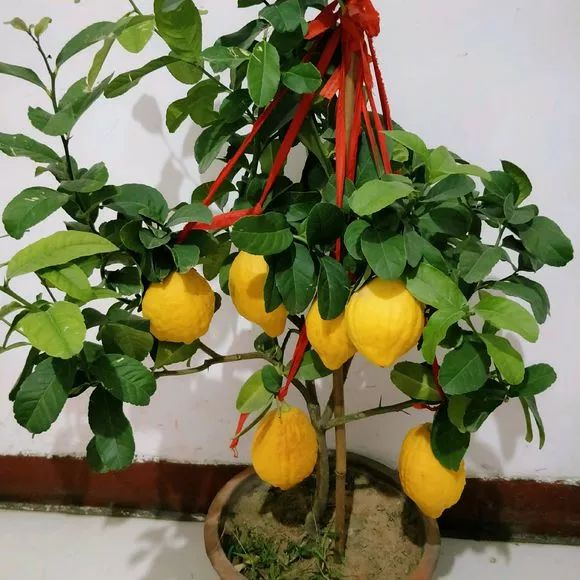
(Photo by: Xiao Chu)
How to trim a lemon:
Seedlings under 1.2 years old don't need much pruning. Just pinch off the top to encourage the growth of more lateral branches!
Before hitting the top
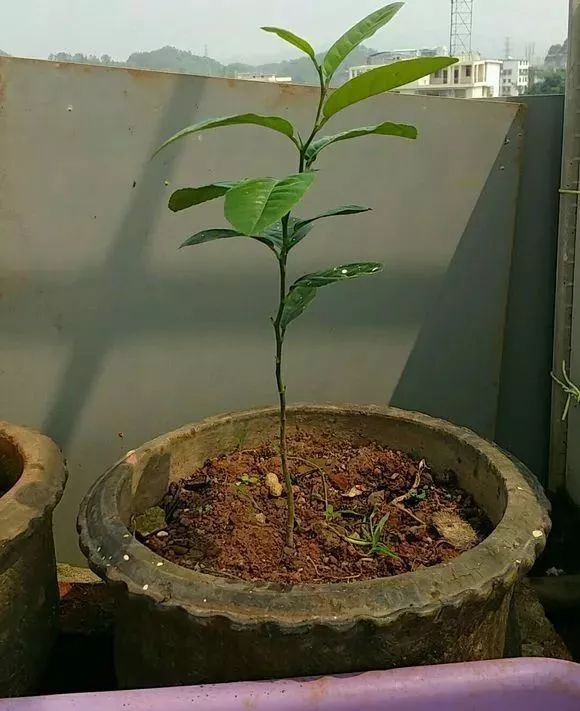
(Photo by: Ganzhou-Dehui)
After topping
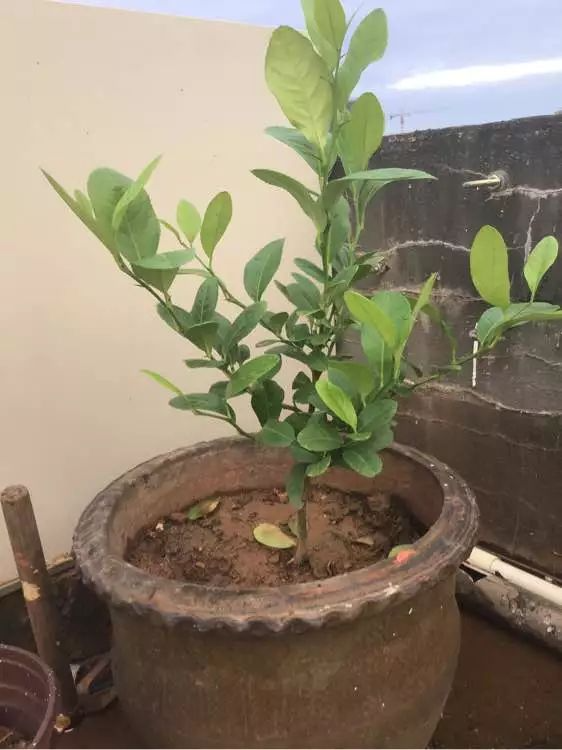
(Photo by: Ganzhou-Dehui)
2. Large seedlings and old plants can be heavily or moderately pruned to renew branches, encourage more side branches, and create a fuller plant shape!
Before pruning
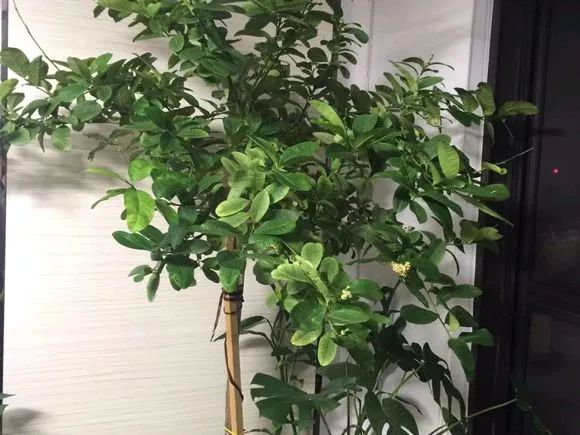
(Image by: ivy00824)
After pruning
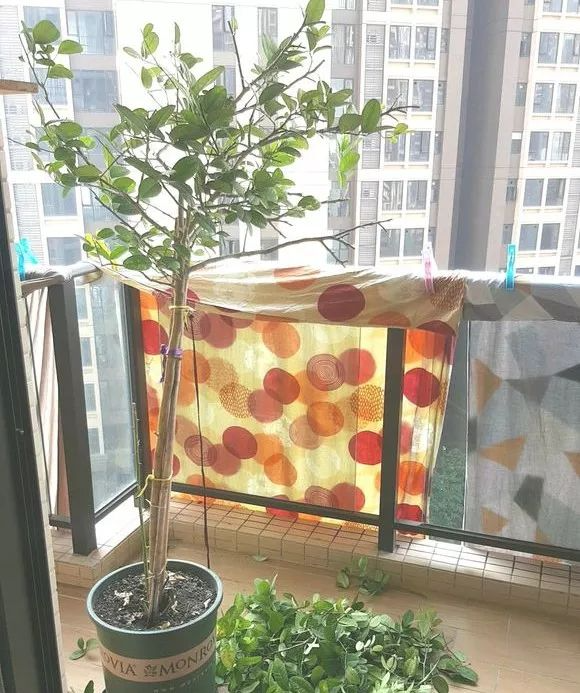
(Image by: ivy00824)
3. Medium pruning: This involves cutting off approximately one-third of the crown width.
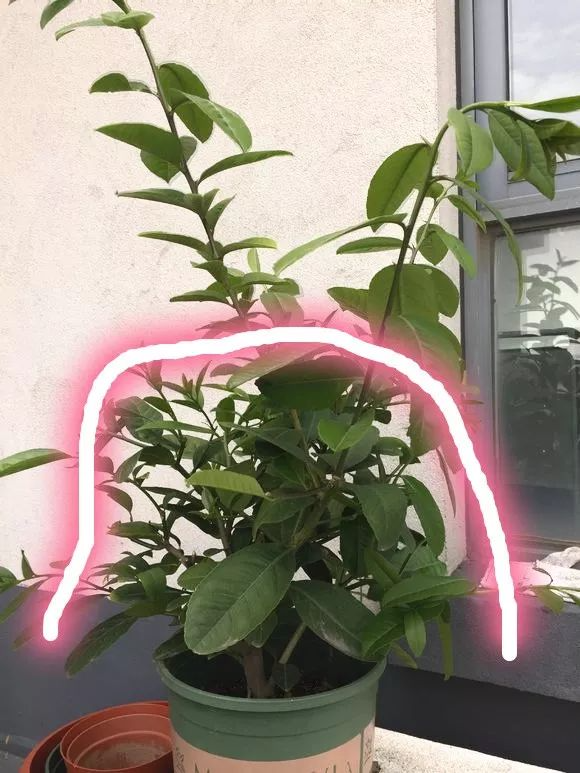
(Image by: 119bdtb119)
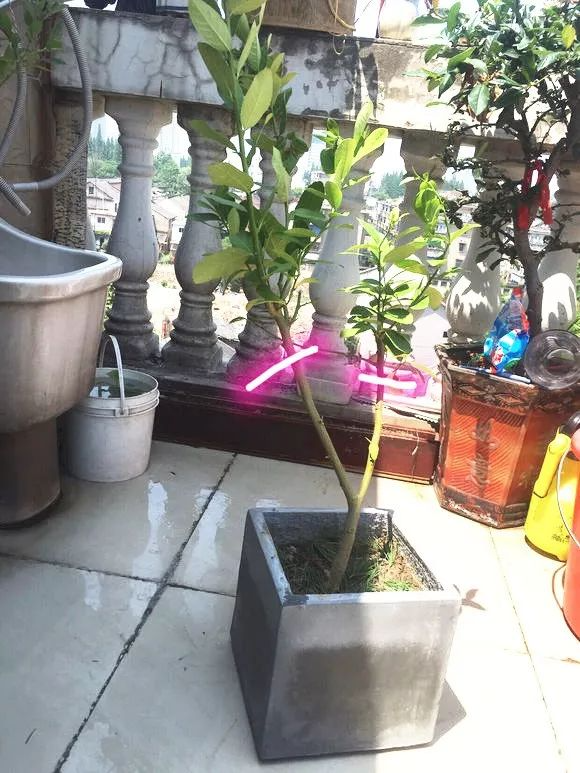
4. If you need to prune heavily, you should cut off 1/2 or even 2/3 of the total height of the plant.
(Image by: Very High Sun Lulu)

Spring pruning methods for hibiscus
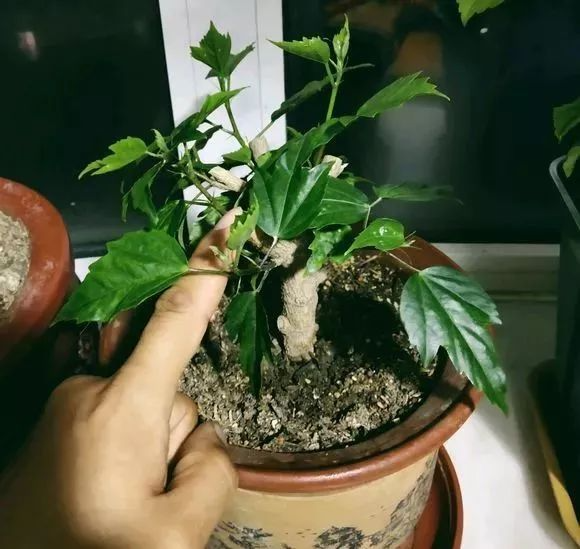
Hibiscus flowers bloom on new branches every year, so they need to be pruned in the spring to encourage more blooms!
(Image credit: Frozen Region)
Hibiscus (Chinese rose) pruning method:
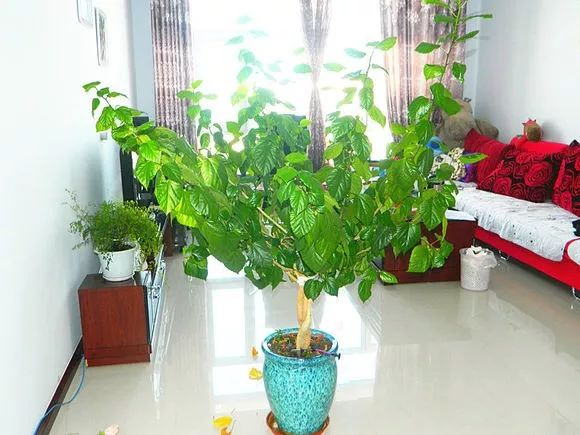
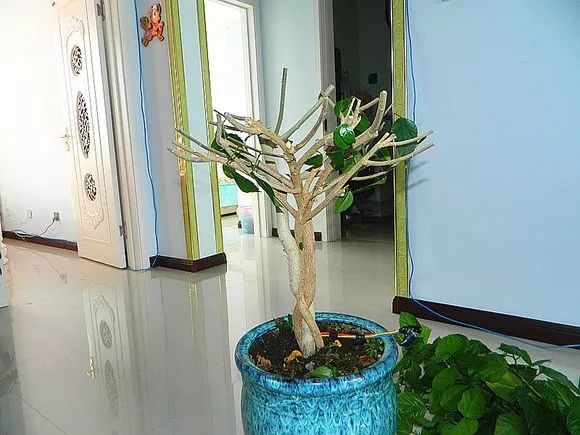
1. Hibiscus (Chinese rose) plants that are old can be pruned heavily every 1-2 years to rejuvenate the branches, making them more vigorous and producing more flowers!
Before pruning
(Photo by: Grassland Old Man)
After pruning
(Photo by: Grassland Old Man)
If you are pruning heavily, you can leave 2nd or 3rd level branches, but you must ensure that each branch has 3-4 buds.
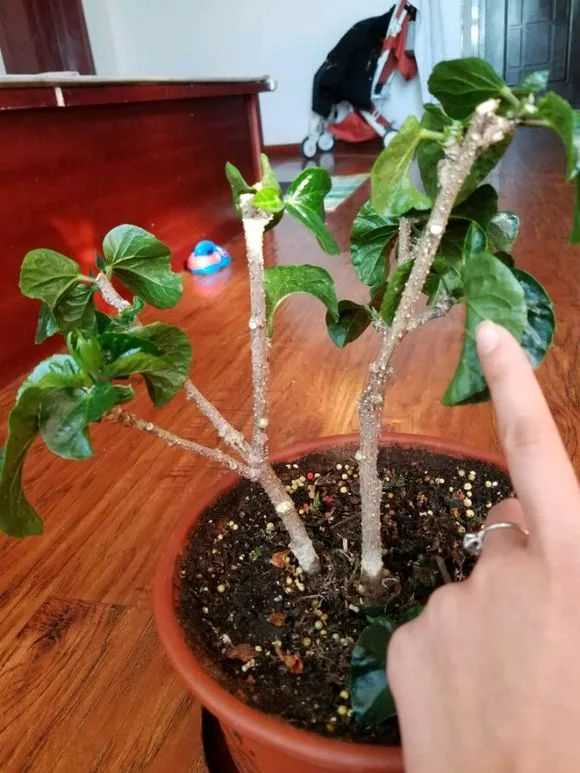
(Image credit: 0EQ2PWM)
2. If you don't want to prune too drastically, you can simply trim the overgrown branches, as shown in the picture below, along the curved lines, to cut them into a hemispherical shape.
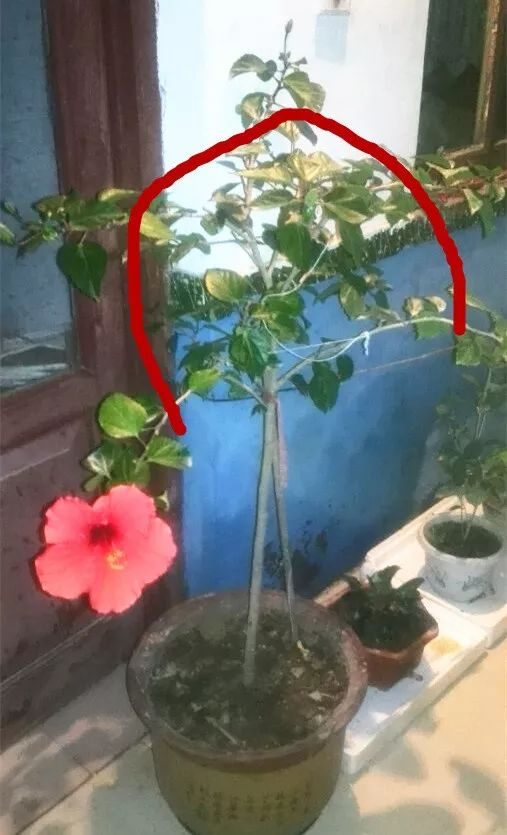
(Image by: Patience in the face of adversity and Steadfastness in action)
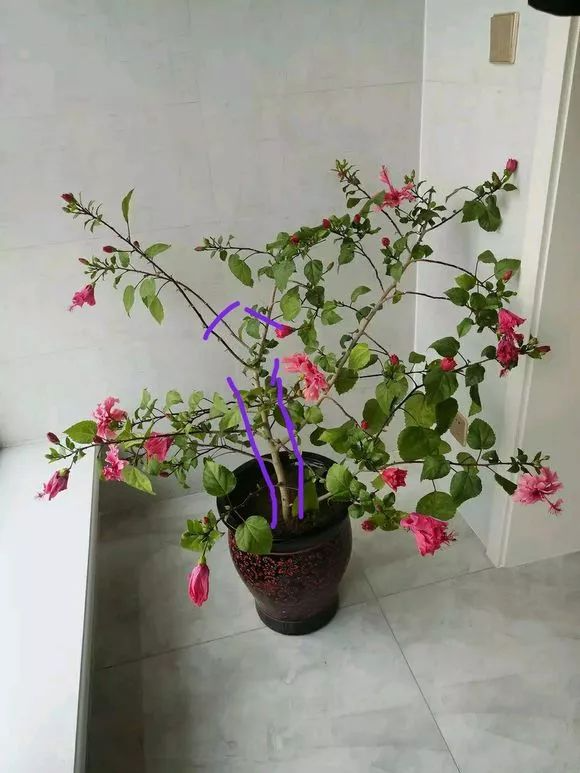
3. If the plant shape is even worse, and it is just a very tall single stem, then it can be pruned by cutting off part of the top of the hibiscus.
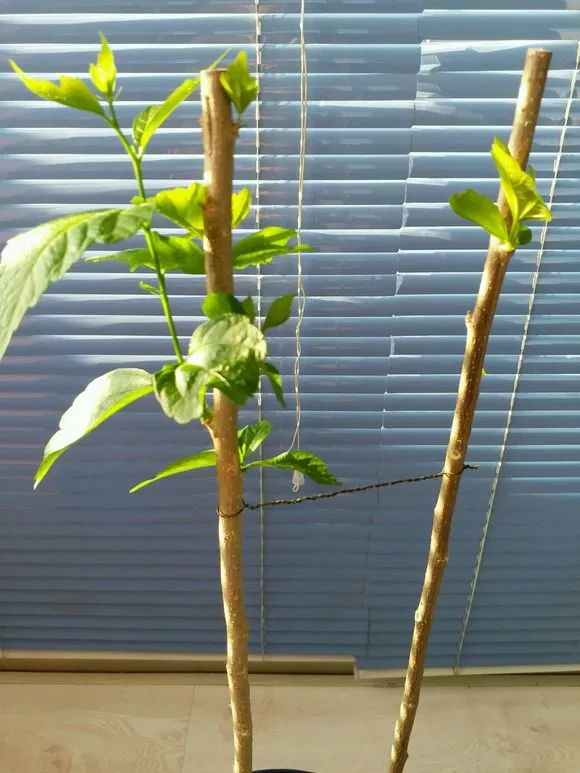
(Photo by: Legendary Back View)
In this way, the nutrients are retained in the lower branches, allowing the hibiscus to sprout many new buds and become beautiful lollipops!
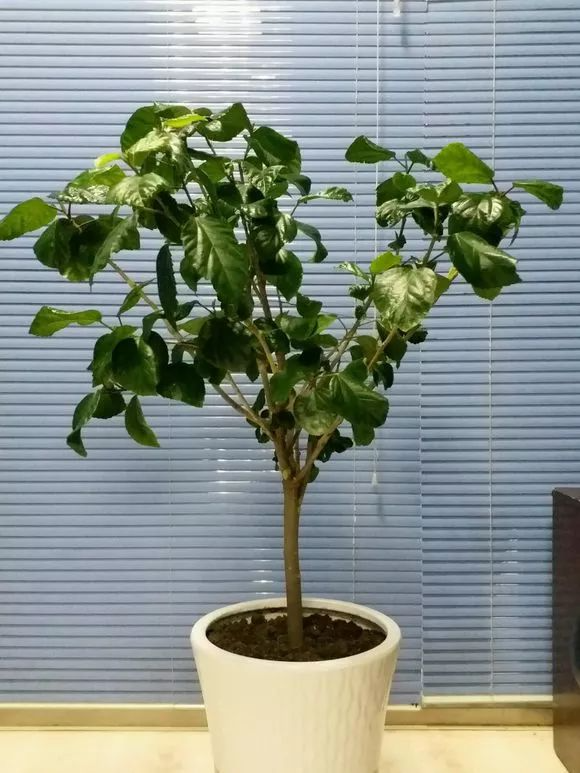
(Photo by: Legendary Back View)
4. When pruning the upper part, be sure to remove the basal shoots to prevent them from competing with the main stem for nutrients!
(Image by Ailey_)

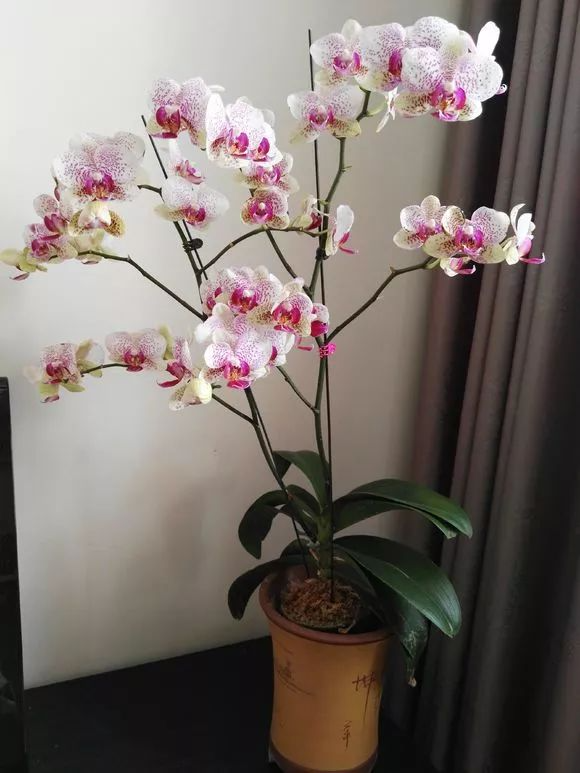
How to prune Phalaenopsis orchids in spring?
Phalaenopsis orchids are usually pruned in spring after flowering, but it's not as simple as just cutting them off; there's a lot to it!
(Image by: xu_nan1)
Phalaenopsis orchid pruning steps:
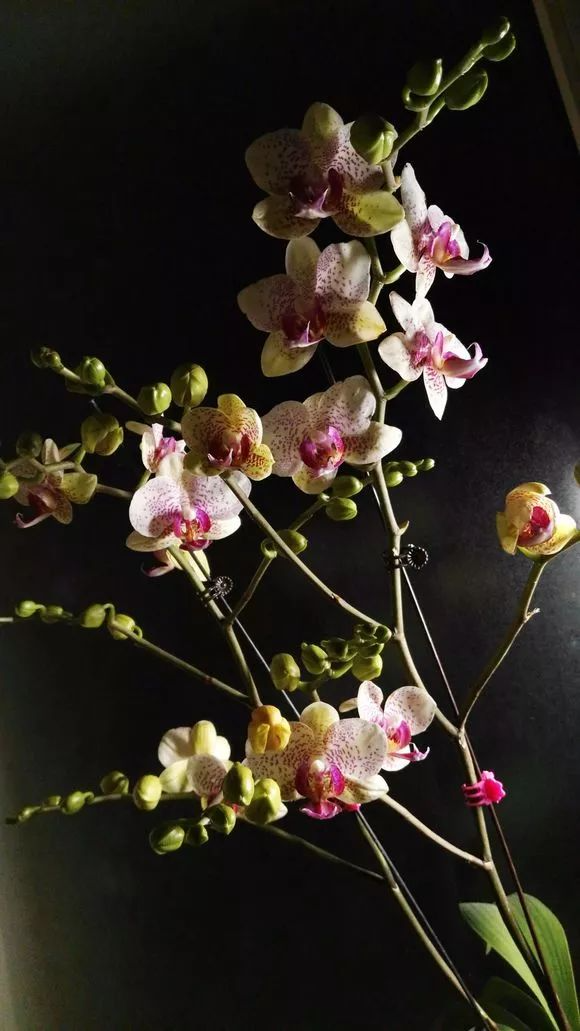
1. After the Phalaenopsis orchid has finished blooming, if the flower stalk has dried up, just cut it off with a single stroke.
(Image by: xu_nan1)
2. If the flower stalk is not dry and is still green, then we only need to cut off the flower stalk of the flowering part and leave the rest of the flower stalk.
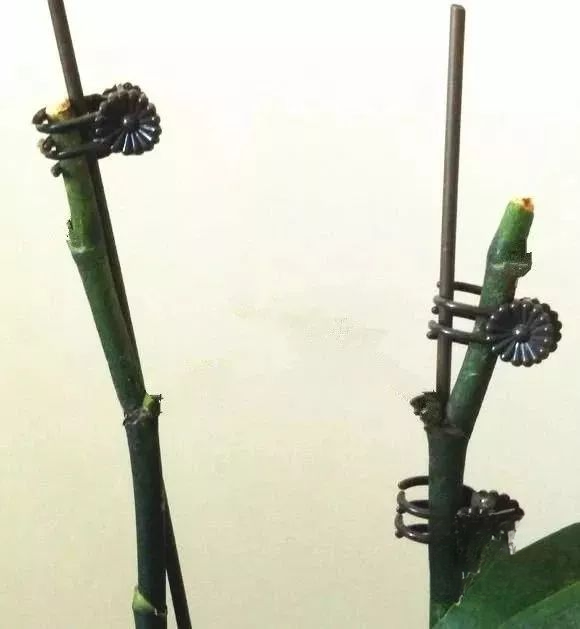
3. If the nutrients and water are sufficient, the remaining flower stalks may sprout new flower stalks and continue to bloom.