A compilation of common rose diseases and pests, helping you get rid of the year's grime.
We almost always encounter various diseases and pests affecting roses. We used to be at a loss when faced with them, but after figuring out some prevention methods, we gradually became more accepting of them.
Today, we will share some of our experiences without reservation, providing a comprehensive analysis of common diseases and pests in rose cultivation, helping you to grow flowers easily and enjoy the true pleasure of planting.
I also hope that in the new year, taking advantage of the opportunity to prevent and control pests and diseases, we can look forward to driving away the dirt of the past year.
We will discuss common diseases and pests affecting roses from two aspects: diseases and pests.
Common diseases
— Powdery mildew—
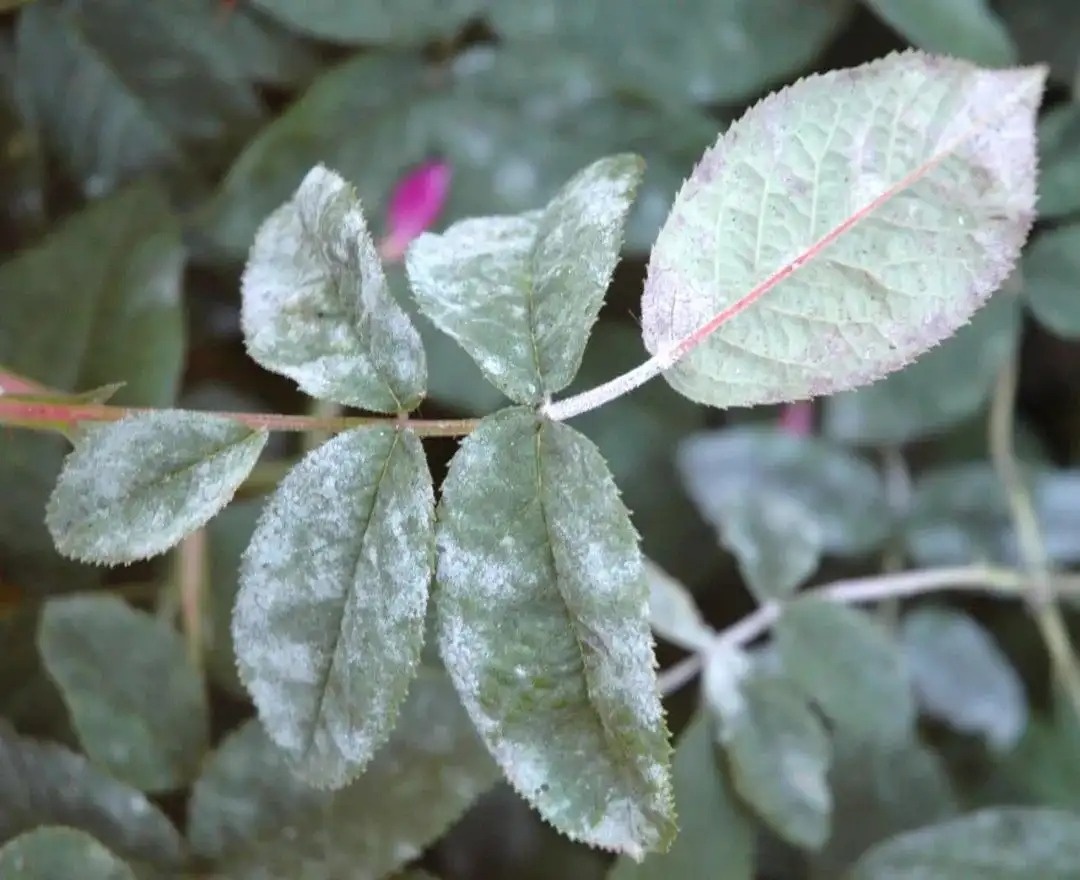
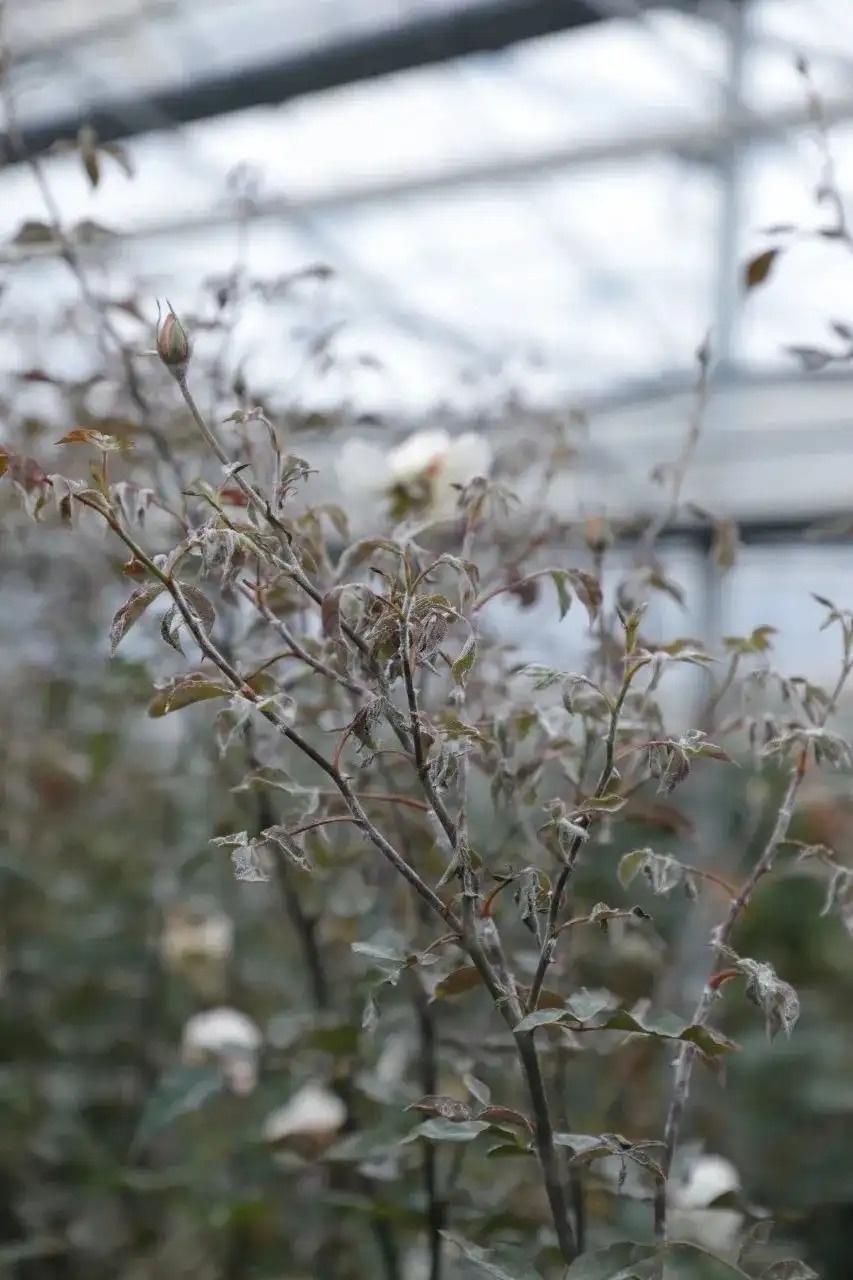
Symptoms: Powdery mildew typically affects the upper and middle parts of young leaves and branches. In the early stages, small red or reddish-brown spots appear on the upper or lower surface of the leaves. These spots become distorted and contain fine white granules. Later, the white granules increase in number and gradually form a powdery layer. In severe cases, the branches, tender tips, and young leaves are covered with white powder.
Disease pattern: It is more common in spring and autumn, mainly due to dry weather, poor ventilation in the microenvironment, and insufficient sunlight.
The plant is over-nourished (mainly due to excessive nitrogen fertilizer, resulting in overly succulent leaves).
Exposure to direct sunlight after heavy rain can also increase the risk of powdery mildew infection.
Environmental precautions: During dry seasons, pay attention to the humidity of the area around the roses and water them promptly. Spring and autumn are the rose's flowering seasons; use more phosphorus and potassium fertilizers to promote strong root systems, robust plants, and enhance their disease resistance; improve ventilation and provide ample sunlight.
Drug prevention: Generally, when not sick in spring and autumn, chlorothalonil is used once every 15 days for protection and prevention.
Treatment: In the early stages of the disease, flusilazole or difenoconazole can be used for treatment, and both are very effective.
Powdery mildew fungicides are contact fungicides; they only work when sprayed directly onto the affected areas, as the fungicide is not absorbed. Therefore, to prevent and treat powdery mildew, the entire plant must be sprayed, especially when the plant is infected, ensuring the powder is completely wetted; otherwise, the treatment will be ineffective.
In addition, when spraying therapeutic drugs, it is essential to add a protective agent, such as chlorothalonil or thiophanate-methyl, for prevention.
— Black Spot Disease —
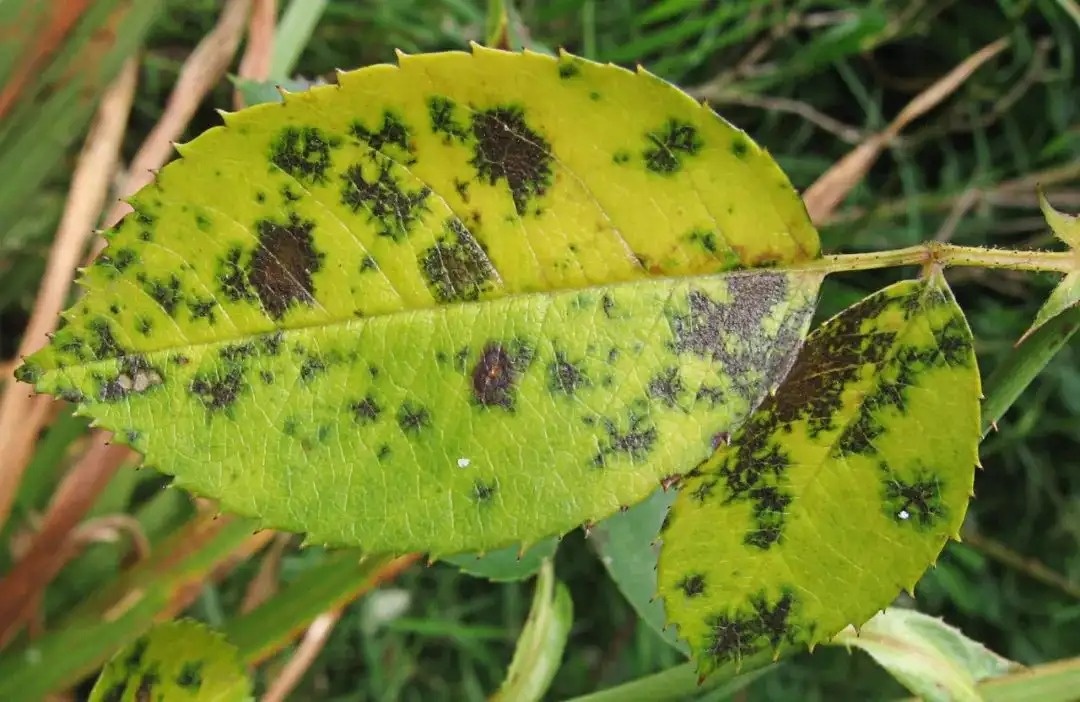
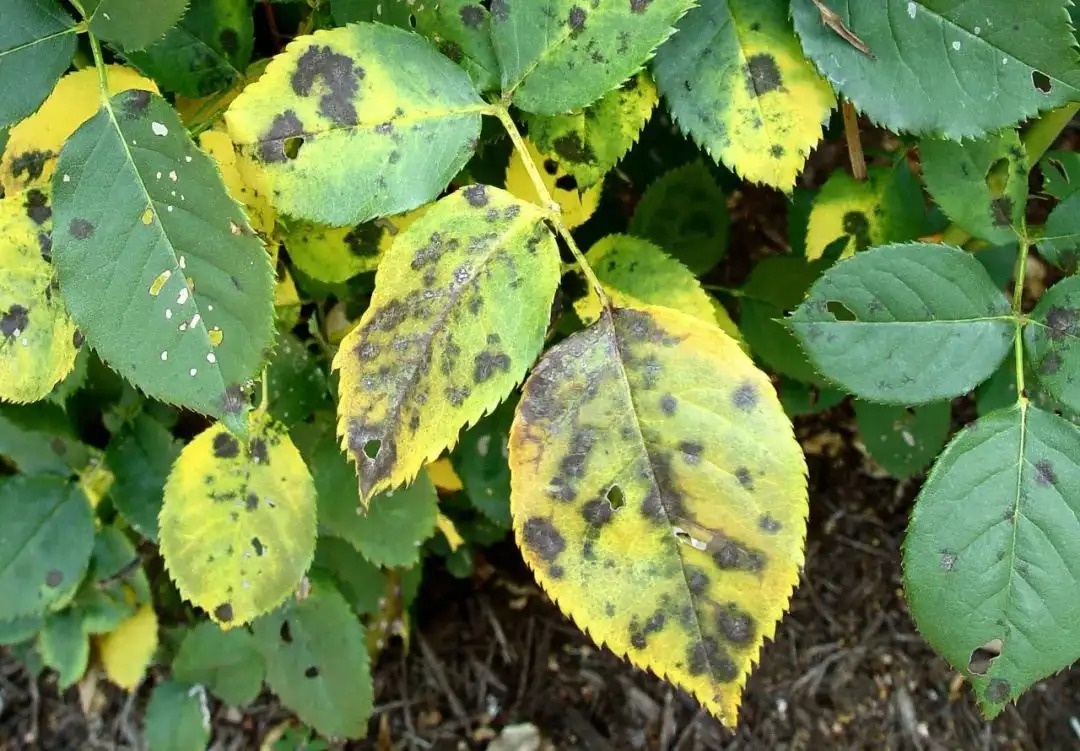
Symptoms: The disease mainly affects the lower and middle older leaves, especially those near the ground. Initially, reddish-brown/dark brown spots appear on the upper surface of the leaves. These spots gradually enlarge, and yellowing occurs around them. In severe cases, the entire plant loses all its leaves, growth is severely affected, and the plant may even die.
Disease pattern: It occurs more frequently in the summer when there is excessive rainfall and in late summer and early autumn. The combination of a continuous long period of humid environment and relatively high temperature will cause the black spot fungus to multiply rapidly and spread.
Environmental precautions: During the rainy season in late spring and early summer, minimize the amount of rain that roses receive, and prune overly dense branches and excessive old leaves at the base of the plant.
Drug prevention: It is relatively simple. Generally, using lime sulfur mixture after leaf fall in autumn or before bud break in early spring is very effective in eliminating fungal spores. Spraying methyl thiophanate or blue powder about once every 10 days before the rainy season is a preventative measure.
Treatment: If a small number of lesions (i.e., black spots) appear on the leaves, they can be controlled by treating them with flusilazole or difenoconazole and taking active preventative measures. It will be much more troublesome later on.
— Downy mildew —
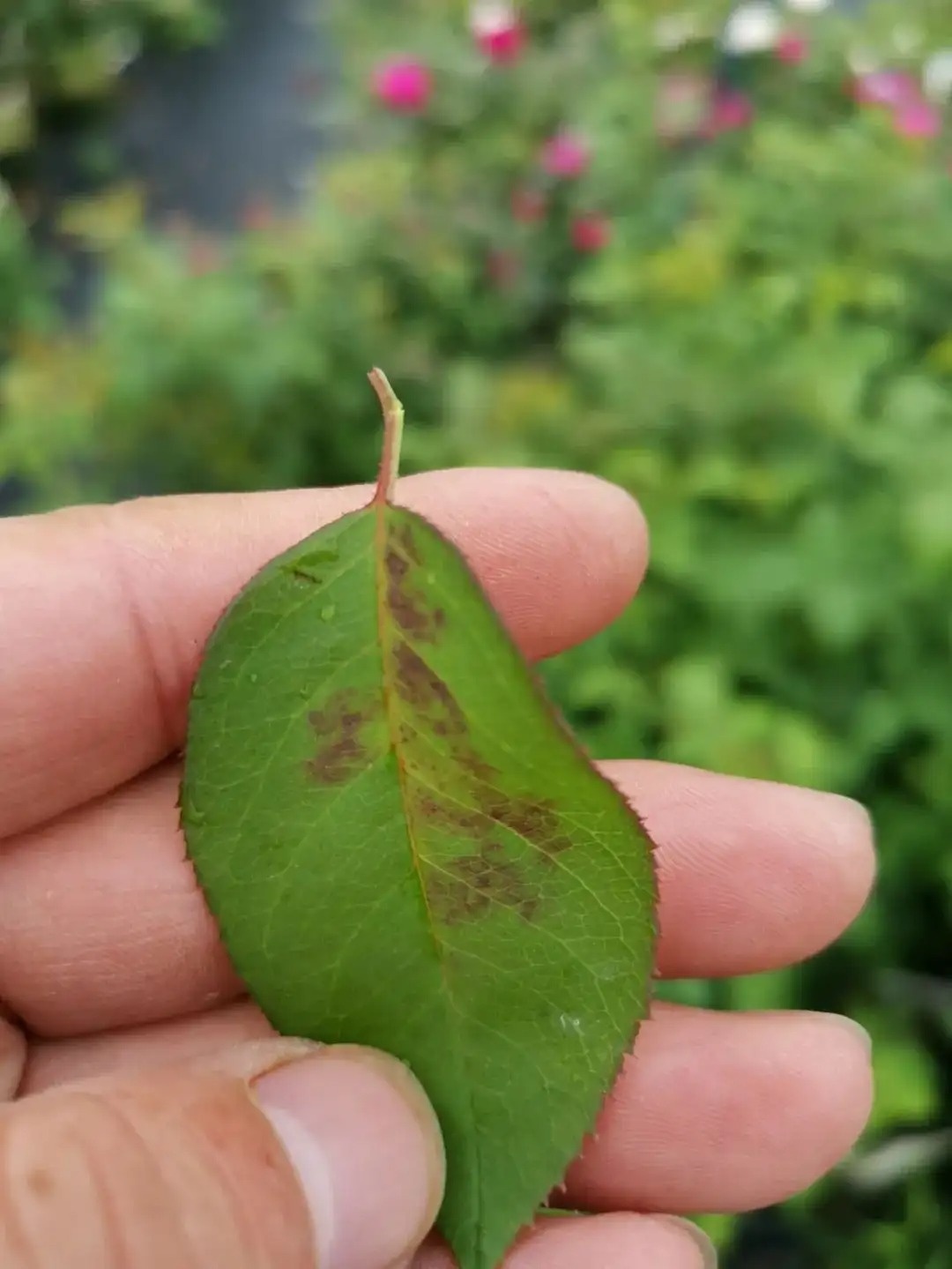
Symptoms: These brown patches are not black spots, nor are they a sign that the leaves are preparing for dormancy after the weather gets cold. Instead, they are a disease called downy mildew.
Disease pattern: High humidity and low temperature create the ideal environment for downy mildew to develop. Poor ventilation further increases the likelihood of downy mildew outbreaks.
Environmental prevention: Planting density should not be too high, pay attention to ventilation in the planting environment, and use more phosphorus and potassium fertilizers during the disease season to improve disease resistance.
Chemical prevention: Spray preventative fungicide promptly when water droplets appear on the serrated edges of the plant's leaves. (When the serrated edges of the leaves are covered with water droplets, it indicates that downy mildew has reached the stage of rapid spread, and control measures must be taken at this point.)
Applying mancozeb or propineb every two weeks at the end of September for prevention will have a good effect. For open-field planting, the application can basically be stopped after the first frost. Continue prevention when the rose shoots grow to 15 cm and have 3-4 leaves the following year.
Treatment: Improve ventilation and promptly spray with DuPont Klebsiella pneumoniae or cymoxanil for treatment.
P.S.: The pesticides for treating downy mildew are all highly systemic, so you only need to spray them on the leaves. However, to completely eliminate the pathogens, it is best to spray the entire plant.
— Gray mold —
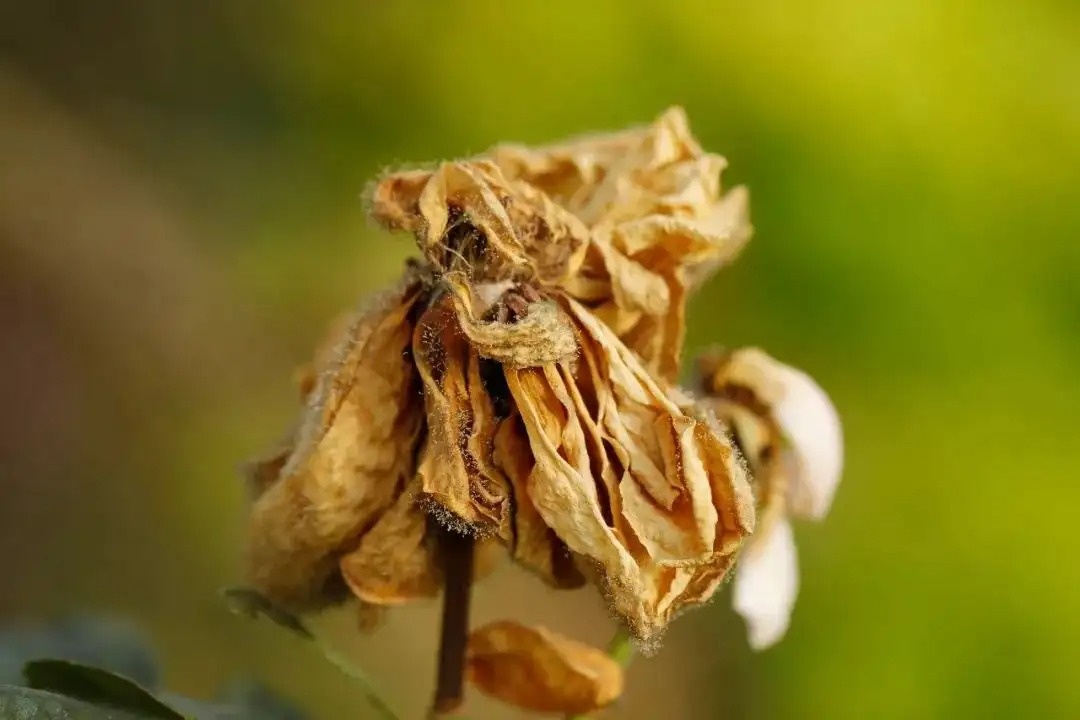
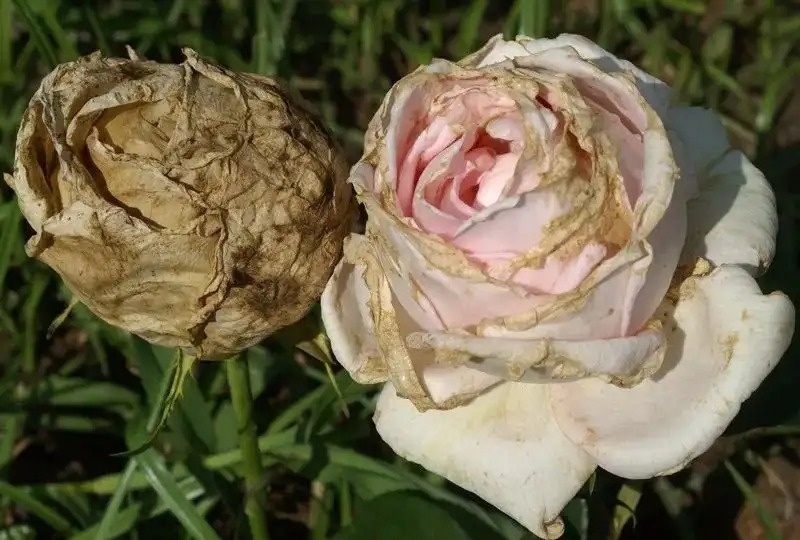
Symptoms: Ulcers suddenly appear at the base of leaves and the upper middle part of young branches, or the leaves of the entire plant clump together when the disease occurs at the base of the seedling. Flower buds are severely deformed, and gray fungal spores appear on the petals.
Disease pattern: The main seasons for the disease are early spring, late autumn, and winter. The environment in which the disease occurs is characterized by low temperature, high humidity, and low light.
Prevention: Increase ventilation and keep the environment dry during the cold season. Begin applying carbendazim or thiophanate-methyl every 10 days starting in early spring when buds begin to sprout.
Treatment: Prevention is the primary approach.
— Black Rot —
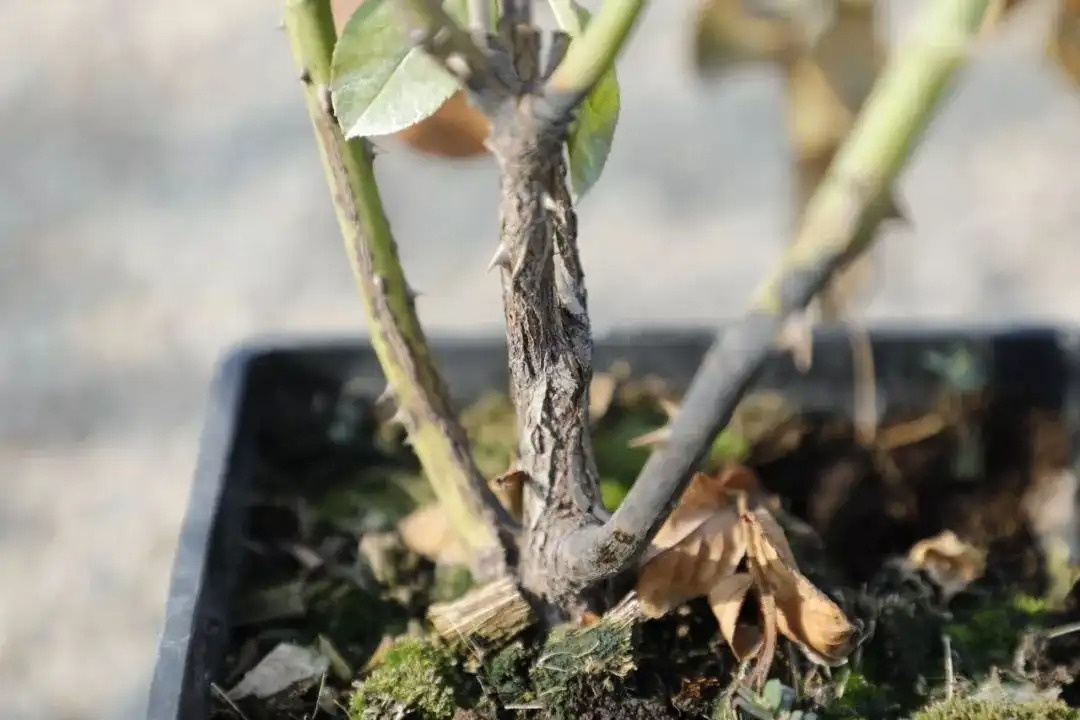
Symptoms: Black rot, also known as black stem disease, indicates a serious condition. In the early stages, leaves lose their luster, plant growth slows, and new shoots become watery and pale. In severe cases, the entire plant wilts uncontrollably, and the basal branches turn black and die.
Disease pattern: Poor soil aeration, excessive moisture, coupled with low temperature and insufficient sunlight, lead to rapid bacterial growth.
Prevention: Ensure good substrate aeration, avoid prolonged insufficient sunlight, and avoid continuous watering.
Treatment: When the disease occurs but the leaves have not yet wilted, apply carbendazim or agricultural streptomycin to the roots in time, and increase light exposure and prune the tender tips of the plant to stimulate the plant to recover quickly.
— Blighted Twig Disease —
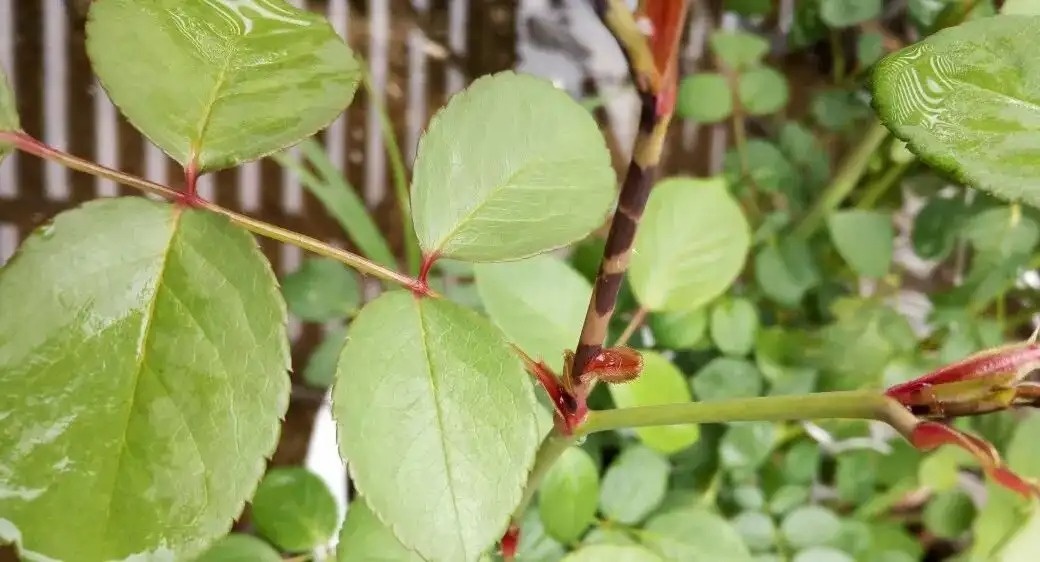
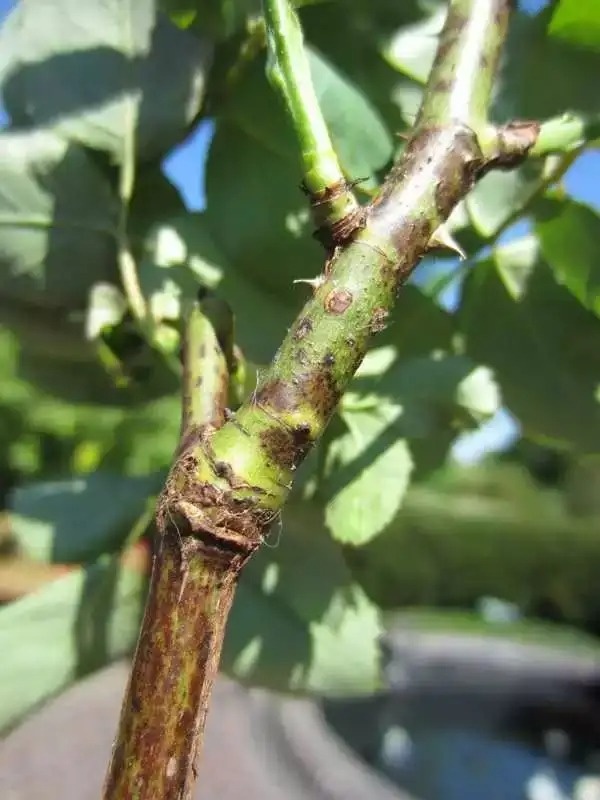
Symptoms: Brown or purple lesions appear on branches and trunks, and longitudinal cracks appear on the stem epidermis; in the later stages of the disease, the lesions become sunken, and black patches appear on young stems. In severe cases, the branches and leaves above the diseased area wither and die.
Causes of disease: ① Prolonged high temperature and heavy rainfall in the environment with poor air circulation; ② Insufficient fertilizer and water, resulting in weak plant growth;
Disease pattern: The disease occurs during hot and rainy seasons, mainly affecting older seedlings, plants with few new shoots, and malnourished plants. Healthy plants rarely develop the disease.
Physical prevention: ① Cut off and destroy diseased branches during pruning; ② Ensure adequate fertilization during routine maintenance, as most diseased plants are caused by malnutrition and weak growth; ③ Avoid pruning on rainy days during the growing season to prevent wound infection.
Chemical prevention: ① Use lime sulfur to clean the orchard in winter; ② Regularly spray broad-spectrum fungicides for prevention, such as chlorothalonil, thiophanate-methyl, Bordeaux mixture, etc.
Treatment: Prevention is the primary approach.
Soil diseases —
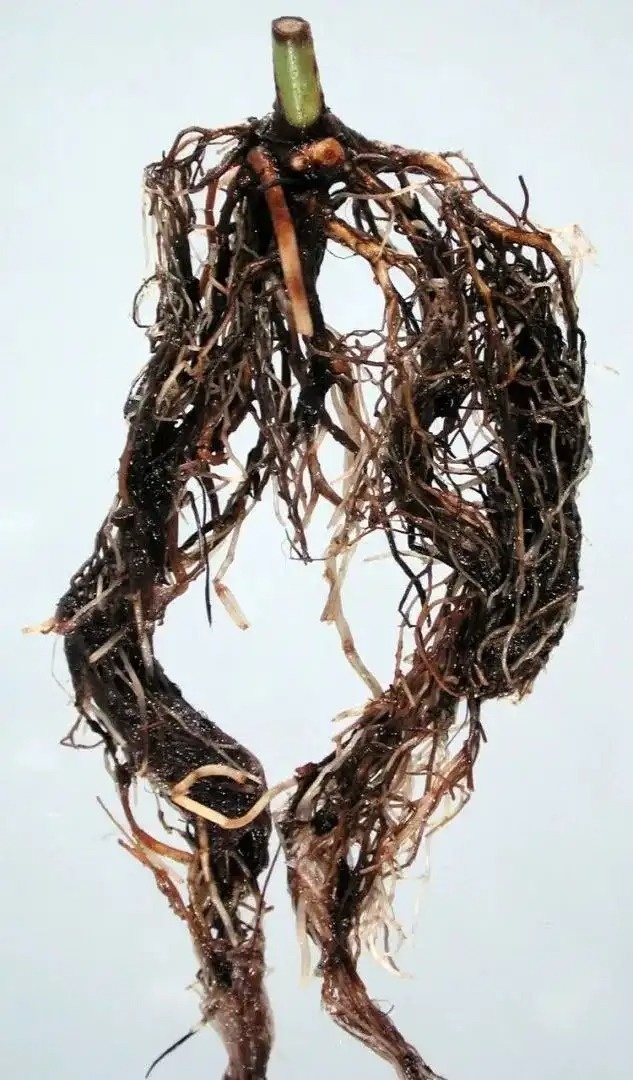
The main diseases are root rot (which can be understood as root decay), including damping-off and other diseases in the soil or diseases on the soil surface near the soil.
Symptoms: This type of disease is often identified by abnormalities in the leaves, such as the sudden wilting of normally healthy leaves. Generally, this type of disease develops slowly and is easy to recognize.
Treatment: Bright Shield is recommended as a treatment. Bright Shield is a soil-borne fungicide produced by Syngenta, Switzerland, primarily designed to ensure the safety and health of crop roots.
Common pests
— Red Spider —
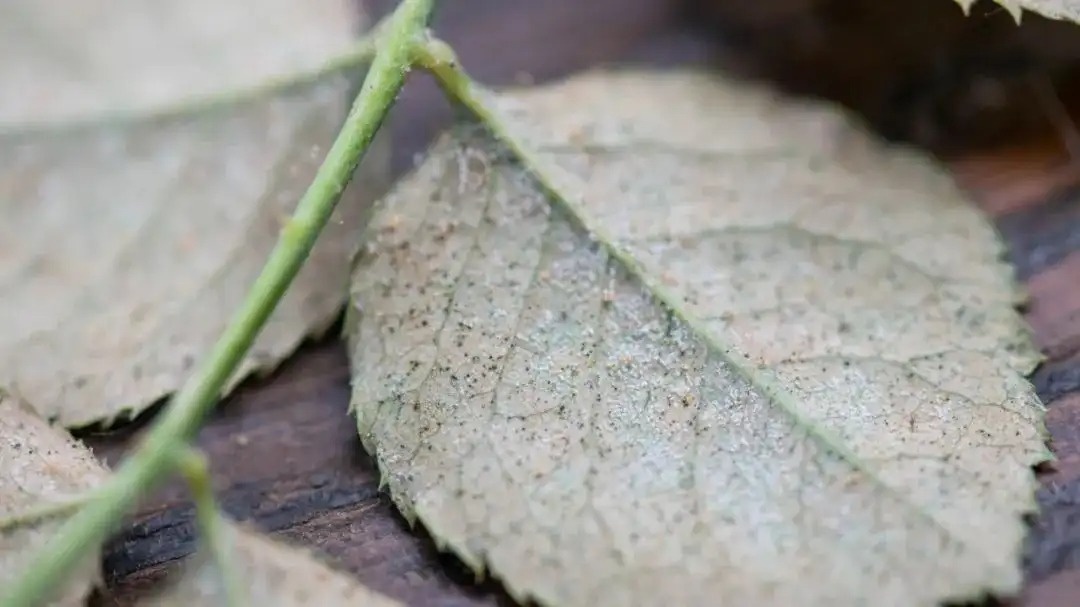
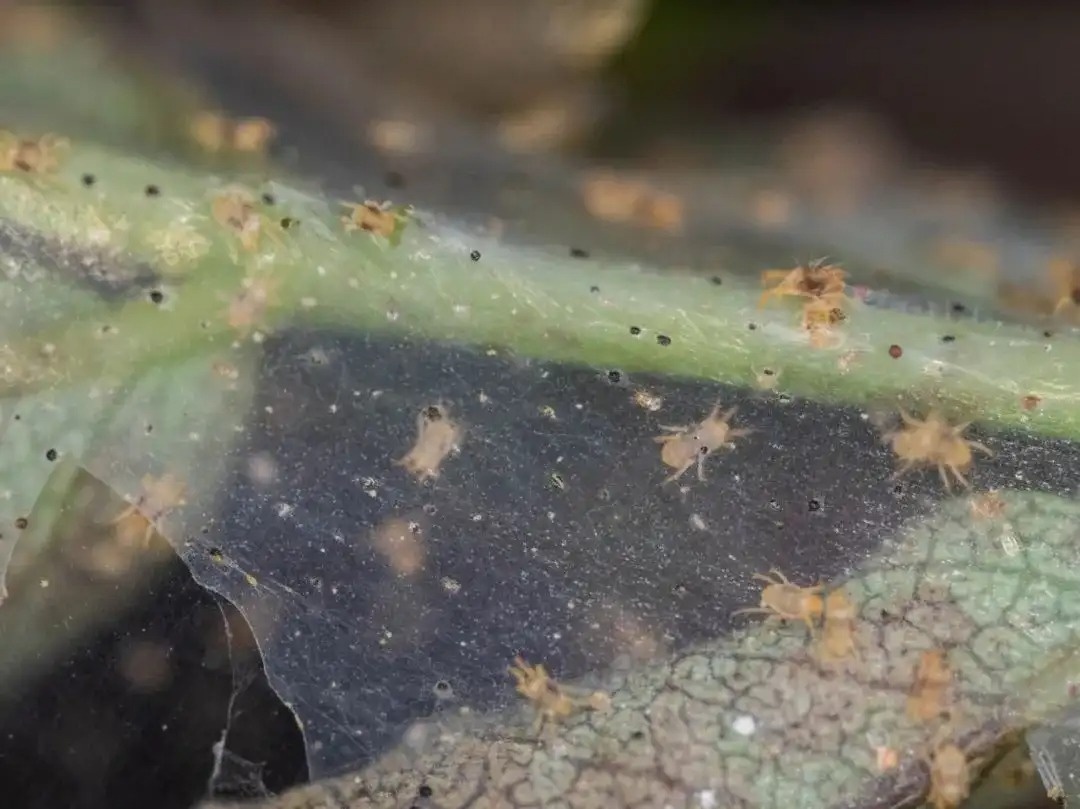
Symptoms: Numerous tiny yellowish-white spots appear on the upper surface of the leaves, eventually causing the leaves to turn yellow and fall off. Red or white insects/insect secretions can be seen on the underside of the leaves.
Disease pattern: The disease is more likely to occur in hot and dry environments, with a high incidence rate in greenhouses or indoors, and very rare in the open air. It is difficult to detect in its early stages, and treatment becomes extremely difficult once it spreads, and drug resistance is easily developed.
Prevention: Pay attention to the planting environment. Water regularly during dry and hot seasons. Spray some water on the underside of the leaves in the early morning or evening (this will increase the humidity and wash away any initial pests and eggs, as spider mites are quite afraid of water).
Spraying pyridaben or abamectin about 10 days before the arrival of hot and dry seasons is often very effective for prevention.
Treatment: When the infestation becomes severe, it's important to note that spider mites have a reproductive cycle of approximately 3 days at temperatures above 28 degrees Celsius. This means the eggs hatch, the adult mites develop, and they lay more eggs within 3 days. When using insecticides, it's crucial to mix them with an ovicidal agent and spray every 3 days for a total of 3 applications.
After the third application of the medication, check the underside of the leaves. If any living organisms are found, apply the medication again.
When using medication, it is important not to use the same drug continuously, as this can easily lead to drug resistance, which is very difficult to kill once resistance develops.
— Whiteflies —
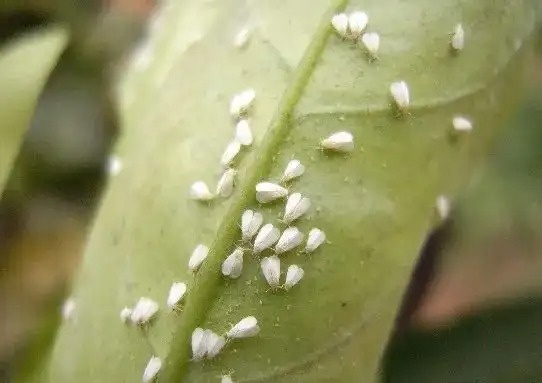
Whiteflies, also known as greenhouse whiteflies, are small white winged flying insects.
Harm: Whiteflies suck sap from the undersides of leaves, causing yellowing and wilting, and even death. They also secrete large amounts of honeydew, creating sooty mold, and can spread viruses. However, there's no need to worry too much, as whitefly infestations on roses are not very severe.
Treatment: Generally, only manual treatment is needed. If you are concerned, you can use yellow sticky traps or spray with imidacloprid or Bayer's Abamectin.
— Aphids —
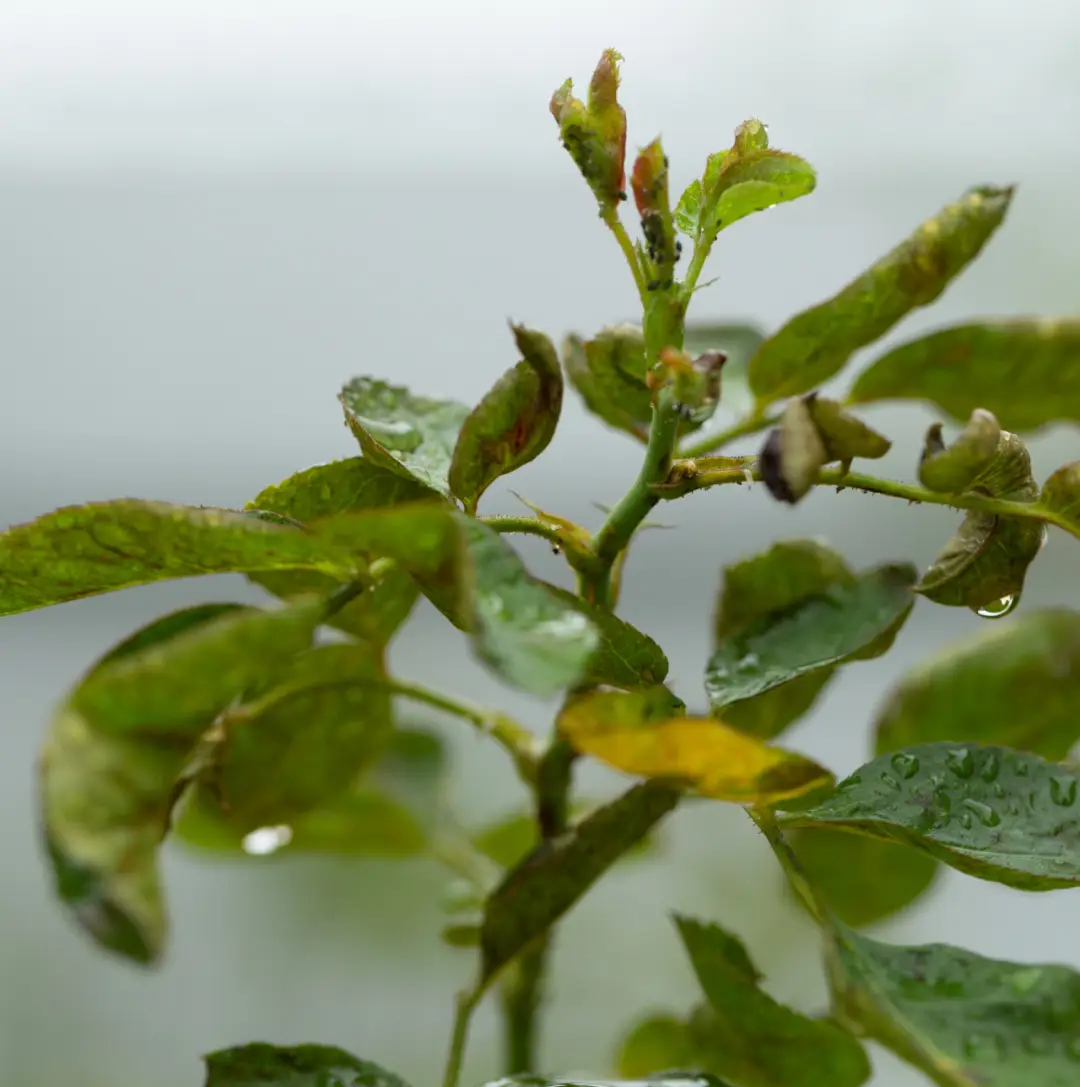
Symptoms: Aphids gather on the buds, tender leaves, and flower buds of roses and suck the sap. When there is a large infestation, there is a honey-oil-like black secretion, which affects both the growth of roses and the quality of the flowers.
Disease pattern: Aphids are more likely to occur in winter and early spring.
Prevention: In autumn, prune branches infested with insects and promptly remove weeds and fallen leaves. During the peak hatching period of overwintering eggs, imidacloprid and abamectin can be used alternately.
Treatment: Small numbers can be crushed by hand or sprayed off with water. For medication, using an insecticide like fenbendazole will suffice. For those who don't want to use medication, yellow sticky traps can be used.
— Thrips —
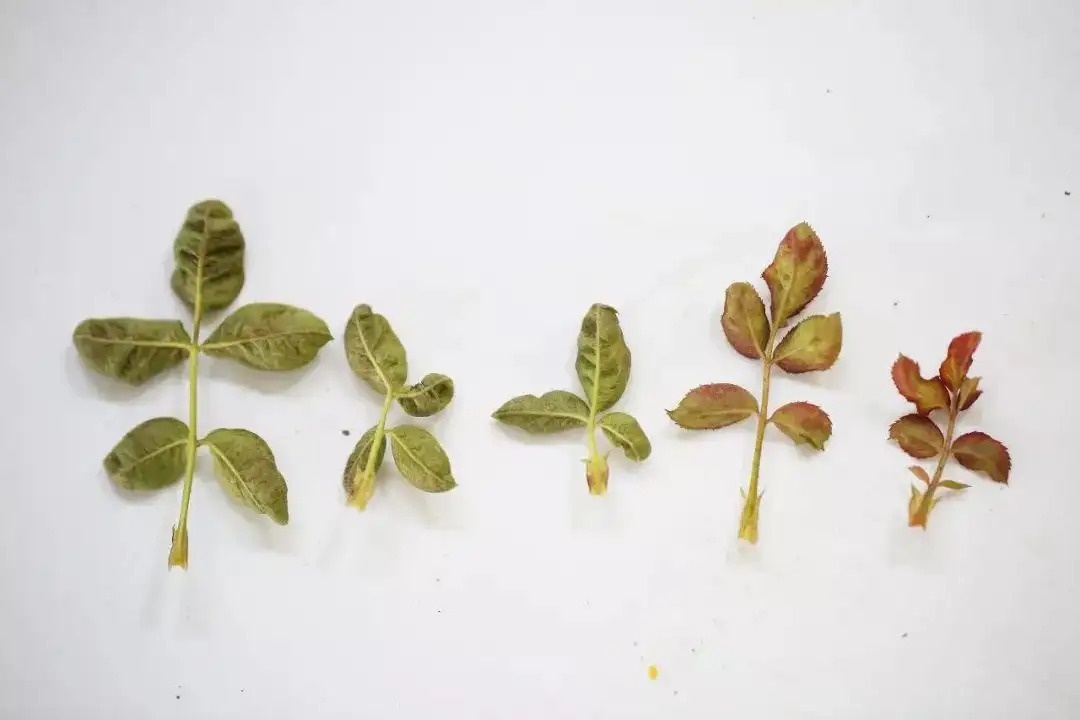
The leaves that have been eaten by thrips are wrinkled.
Symptoms: Young leaves and branches become twisted and deformed; tender tips and flower buds wither and become deformed, forming scars after development. Affected leaves lose their green color, dry out, become hard and brittle, and the entire plant grows slowly, resulting in impaired growth.
Prevention and control: Imidacloprid or Bayer's acetamiprid can be used. After spraying, be sure to prune diseased leaves.
— Caterpillars, caterpillars —
Damage: Green caterpillars and caterpillars mainly damage the tender leaves, tips, buds, and petals of roses.
Treatment: If a small number of these insects appear, you can simply crush them by hand. If a large number appear or if you are worried, you can use pesticides (DuPont Odten and chlorantraniliprole are recommended, as they are both effective at killing insects) .
Prevention: No prevention is needed. Just pay attention to the eggs and small insects when you see butterflies flying around on the flowers. They are relatively easy to deal with when they are small.
— Scale insects —
Symptoms: Small white, gray or black insects densely clustered on the old branches of the plant. Often, a group of insects form a hard shell inside and gnaw on the plant, which can severely damage the plant's growth.
Treatment: These insects are quite small and difficult to deal with, so chemical extermination is generally used. For small numbers, wiping with alcohol is sufficient, but for large numbers, chemical pesticides (such as Muwangte) are required .
— Cut leaf bee —
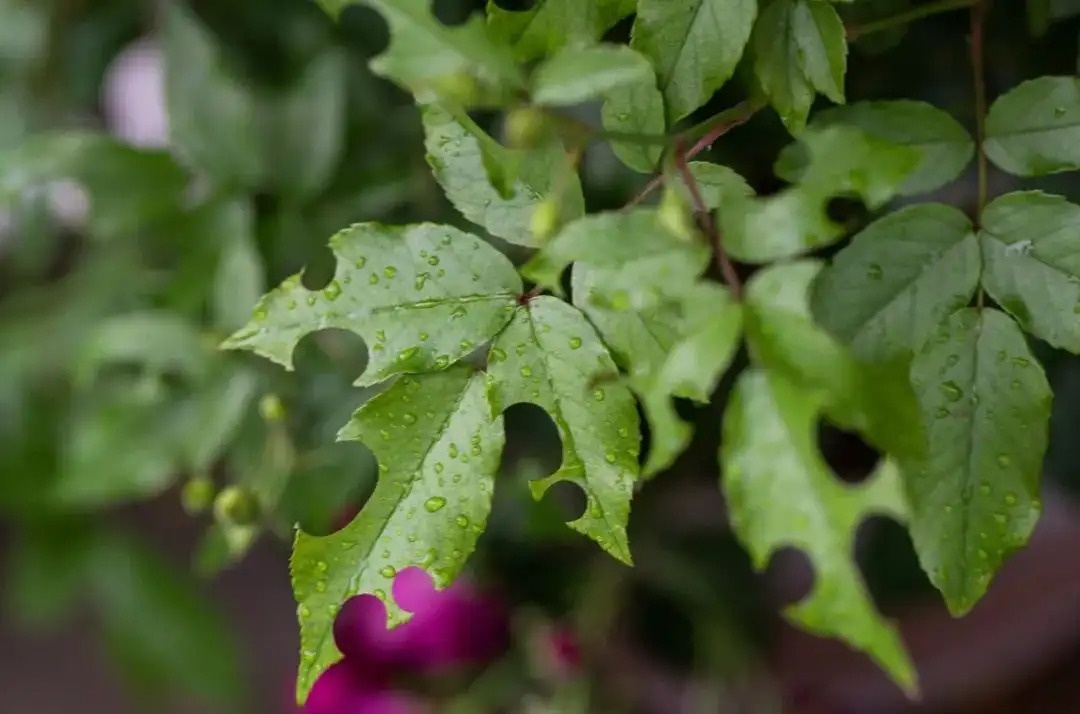
Leaves gnawed by leafcutter bees
Harm: Leafcutter bees use their mouthparts to gnaw off leaves for nest building. This can affect the appearance of roses, but it does not have a significant impact on their health.
Prevention and control: Since leafcutter bees collect leaves not for consumption, chemical control is not very effective. Physical control methods, such as using yellow sticky traps, are generally preferred. For those who don't want to kill the bees, moving the rose bush to a different location will eliminate the presence of these "single-minded" leafcutter bees.
— Stem bee —
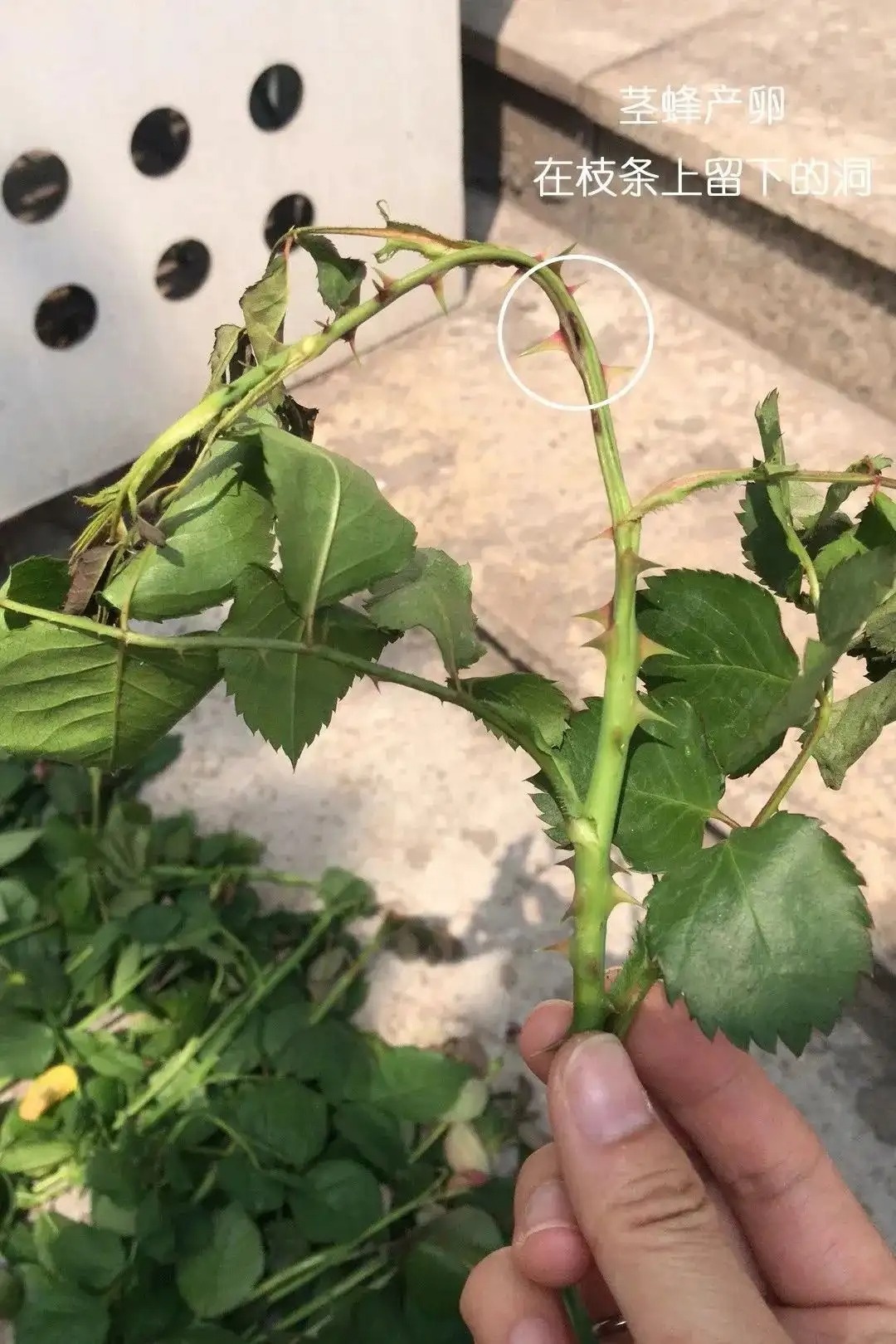
Harm: Causes rose branches to suddenly wilt, droop, and die. Stem borers lay their eggs on the tender branches of roses, which then hatch into a large number of green, soft-bodied insects. The upper part of the branches bored by these insects wilts and dies, causing significant damage to the roses.
Prevention and control: The most direct way to kill stem wasps is by spraying insecticides. In spring, about a week after the rose bushes sprout, start regularly spraying with broad-spectrum insecticides (such as high-efficiency cypermethrin) . This method is effective for both contact killing and prevention.
— Sawfly —
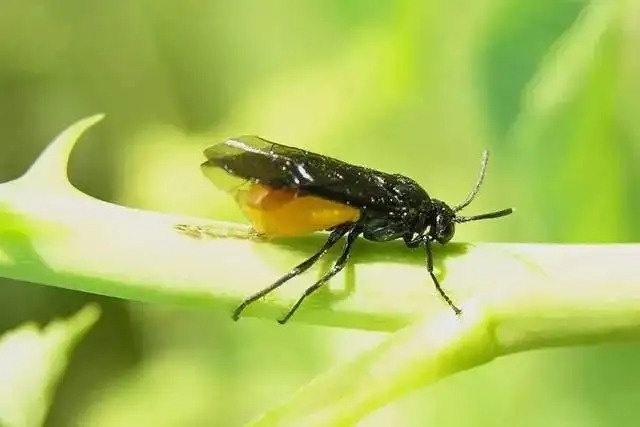
The rose leaf beetle, also known as the yellow-bellied beetle.
Damage: The larvae bite and feed on the leaves of roses. Dozens of them often eat all the leaves off the plant together, causing great damage to the roses.
Prevention and control: When pests occur, conventional insecticides can be used for control and good results can be achieved.
Regular observation, preventative measures before flowering, and mastering pest and disease treatment methods are all crucial. Immediate treatment upon discovery of pests or diseases are also essential. To enjoy the beauty of roses, hard work is always necessary.